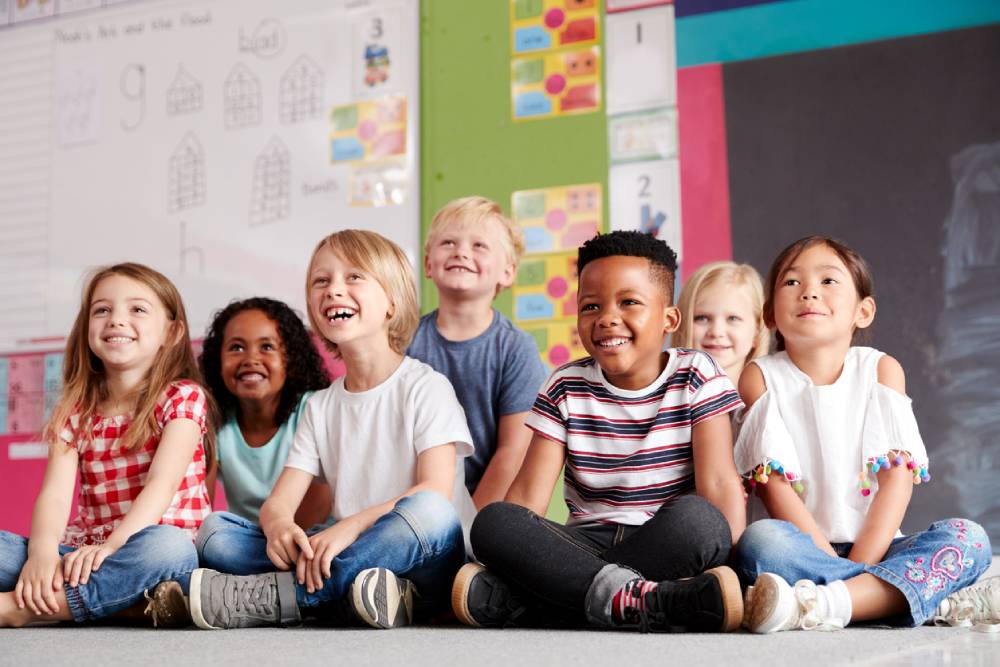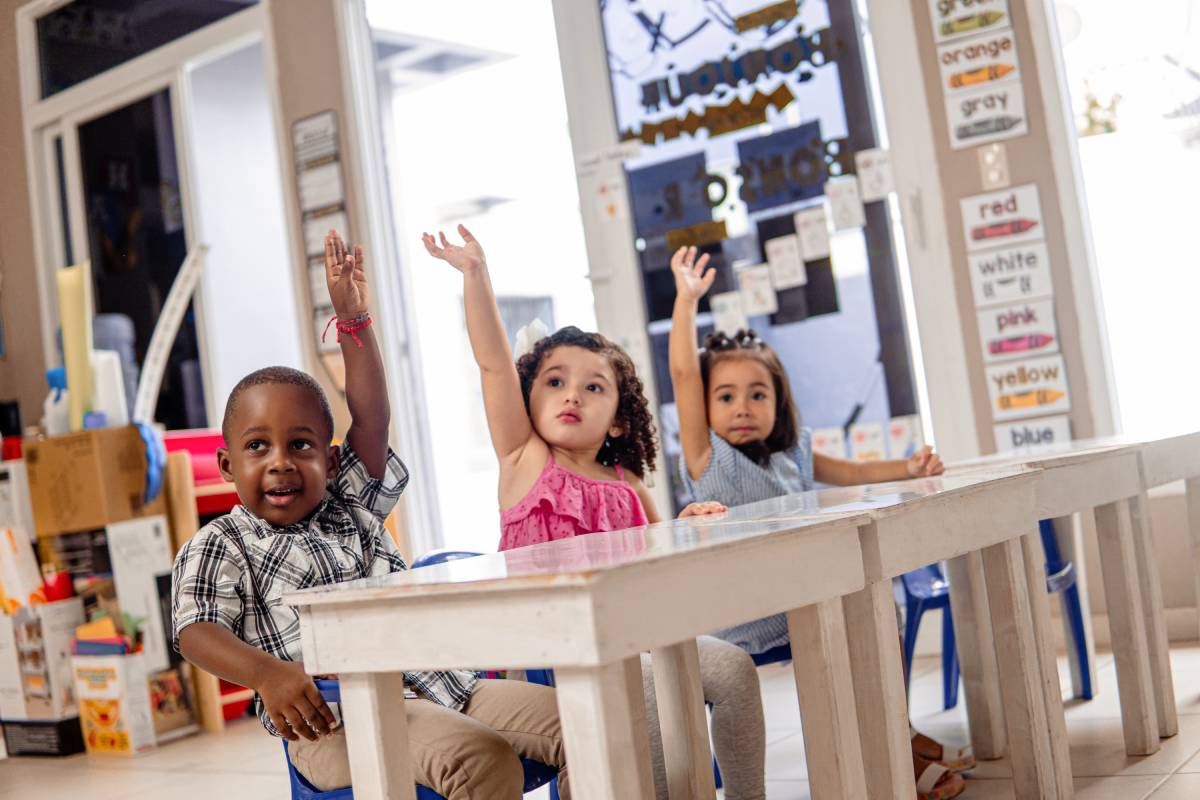
Three little children with your hands up in a class.

Key Differences Between Pre-K and Preschool

Parenting is filled with countless important decisions, including choosing the right early education center for your little one. In your search for appropriate child care, you’ve probably noticed the words Pre-K and preschool being used interchangeably. This can confuse some parents about which program is the best fit. Both options provide learning experience during those crucial years of development, but they are designed for separate age groups, educational goals, and developmental milestones in mind. To make the right choice for your child, knowing the differences between traditional preschool and pre-k programs goes a long way. 

Age Requirements

Preschool and Pre-K offer early childhood education to young children in a structured environment designed for learning. The key difference lies in the children’s ages. Preschool encompasses a broader age range, typically from 2.5 to 4 years old. After potty training is complete, preschool-aged children can attend for multiple years before making the transition to kindergarten. 

Pre-K is specifically designed to help children ages 4 and 5 prepare for kindergarten the following school year. This academic milestone serves as the final stepping stone before your child’s formal education begins. The age specificity of Pre-K creates a uniform classroom environment structured to support the development of children at similar developmental stages.

Learning Objectives

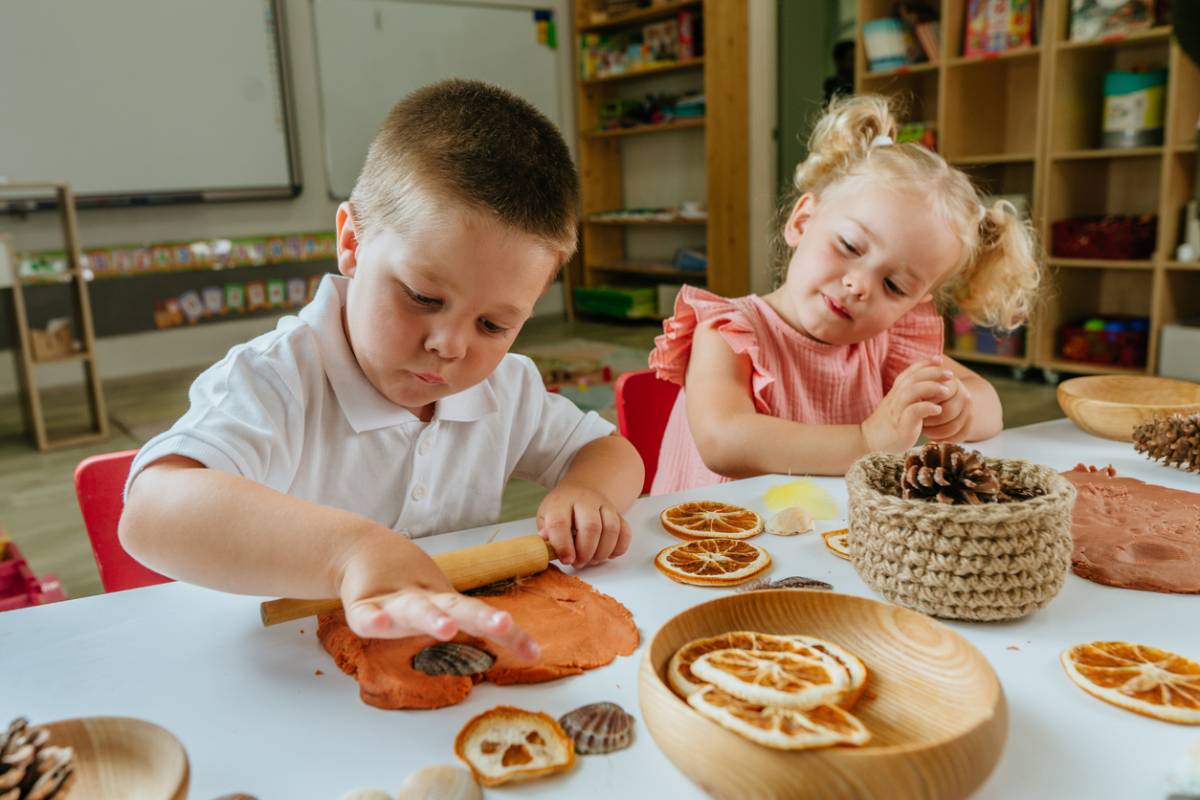
Preschool programs thrive on learning through play with a particular focus on social development and basic skills. The curriculum centers on fundamental concepts like colors, shapes, letters, and numbers through hands-on activities, creative play, and exploration. Pre-K programs follow a structured curriculum that aligns with kindergarten standards. Play is still important in Pre-K, but it also introduces more formal learning activities, such as reading, basic math concepts, and writing practice. 

Structure and Schedule

Preschools are far more flexible with their scheduling. Often consisting of both half and full day options, with options for care from two to five days a week. This ensures that various family schedules can be accommodated and separation can be gradually increased. Pre-K programs follow a more traditional school schedule, often following along the local elementary school calendar. Most pre-k programs operate 5 days a week and closely follow the K-12 structure. This unified schedule helps your child adapt to kindergarten’s routine so they aren’t thrown in all at once. 

Choosing the Right Program for Your Child

Choosing between preschool and pre-K depends on your child’s developmental stage and your family’s needs. Preschool offers a gentle, play-focused environment that gives them time to build confidence and social skills without the pressure of preparing for kindergarten. Pre-K offers an important foundation of academic skills and classroom routines they’ll need when they finally start kindergarten. Many parents opt to do both. Starting with preschool and transitioning to pre-K the year before kindergarten. The best program for your child is the one that fits your needs, aligns with your child’s development, personality, learning style, and preparedness level, and fits within your budget. No matter which program you choose, both will provide extra support in their development and social skills. Being a parent is a really tough job, and many parents struggle with concerns about whether they are making the right choices for their children. The decision doesn’t have to be as complicated as it seems. If you take the right approach and ask the right questions, you’ll find the program that perfectly aligns with the goals you and your child have set. 

As you explore early education options, remember that both preschool and Pre-K play important roles in helping children learn and grow. If you’re still unsure which program is the best fit, our team is here to help guide you. Considering Pre-K or preschool? Call now to learn more and find the right place for your child. 
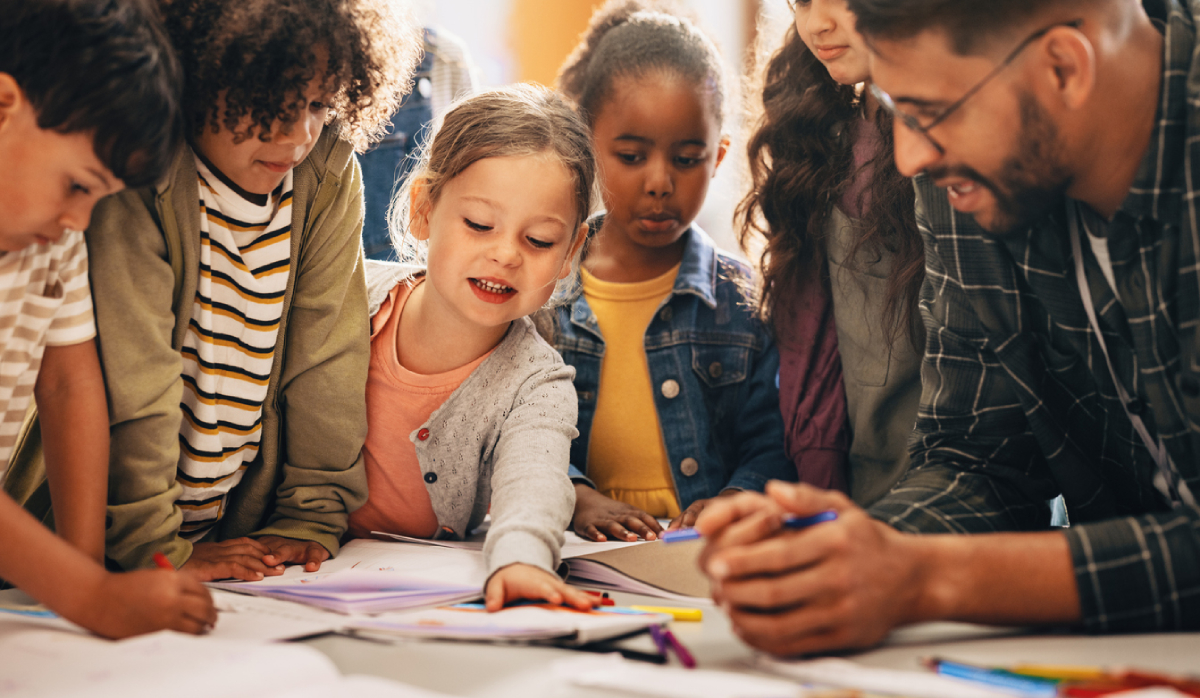
Featured image for How Is Montessori School Different from Traditional Education?

How Is Montessori School Different from Traditional Education?

Every parent wants the best possible start for their child, but the question of how to achieve that can be tricky. One of the most common debates is how Montessori school is different from traditional education. 

While both approaches aim to prepare children for academic and personal success, they go about it in very different ways. Understanding the differences between the two can help you choose the path that fits your child’s unique personality and learning style. That being said, let’s dive in.

Montessori vs. Traditional: A Different Approach to Learning

At its heart, Montessori education focuses on the individual child. In a Montessori school, the learning environment is carefully prepared to allow children to explore concepts at their own pace. Traditional education, on the other hand, typically follows a set curriculum where all students work on the same subject at the same time.

In a Montessori classroom:

  • Children move freely and choose activities based on their interests
  • Teachers act as guides rather than lecturers
  • Learning materials are hands-on and self-correcting
  • Mixed-age groups encourage peer teaching and collaboration

In a traditional classroom:

  • Lessons are teacher-led, with the whole group following the same plan
  • Progress is often measured by tests and grades
  • Students are typically grouped by age alone
  • The schedule is fixed, with limited flexibility for individual exploration

By shifting the focus from teaching to children to guiding them, Montessori nurtures self-motivation and confidence from an early age.

The Role of the Teacher: Guide vs. Instructor

One of the clearest ways Montessori differs from traditional education is in the role of the teacher. In a Montessori school, the teacher observes each child, identifies their interests and needs, and offers lessons that match their readiness level.

In traditional classrooms, teachers typically deliver the same lesson to the entire class at once, moving on when the schedule dictates, rather than when every child has fully grasped the concept.

Learning Environment: Prepared Spaces for Exploration

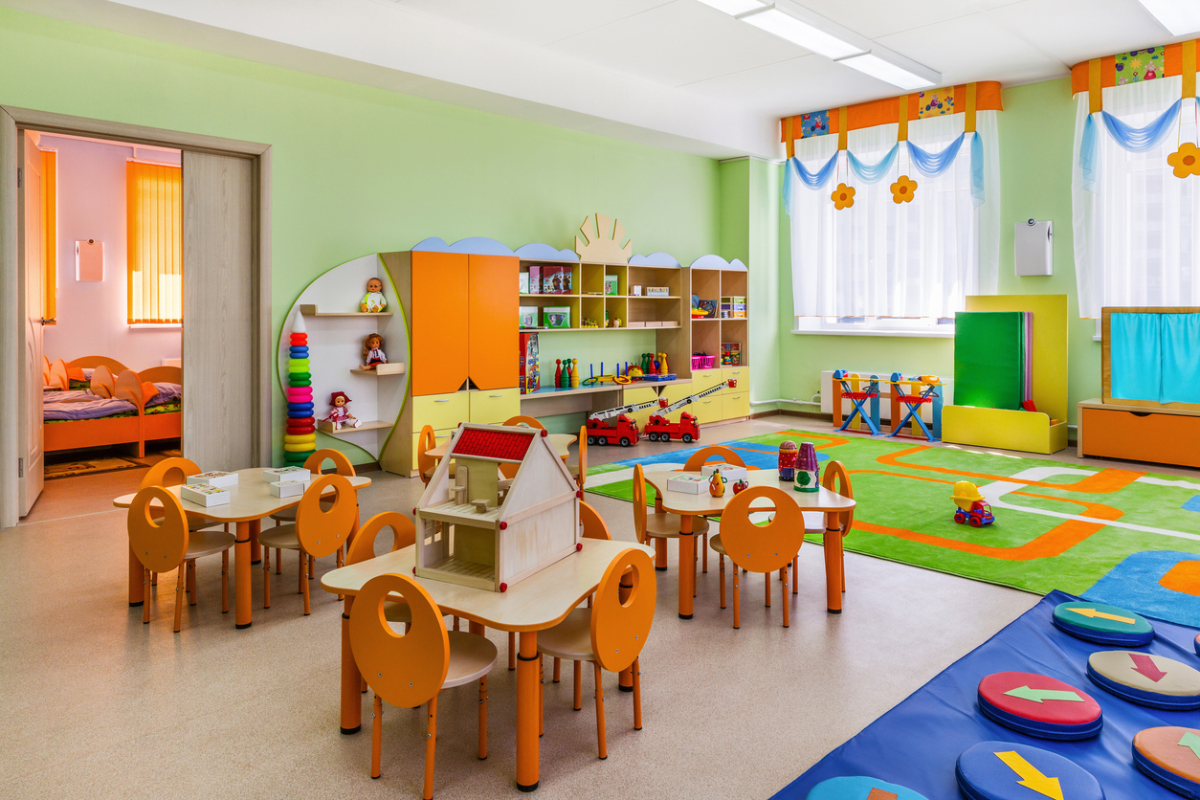
Montessori classrooms are designed with purposeful materials and an inviting layout that encourages exploration. Everything, from child-sized furniture to accessible learning tools, promotes independence and self-direction.

Key features of Montessori learning environments are that they involve:

  • Open shelves with materials displayed in an orderly way
  • Real-life tools scaled to fit a child’s hands
  • Natural light and uncluttered spaces for focus
  • Dedicated areas for practical life, sensorial learning, math, language, and culture

In contrast, traditional classrooms often center on desks and teacher-led instruction, with resources distributed by the teacher rather than freely accessible.

How Montessori Shapes the Whole Child

Montessori education is not just about academics; it’s about fostering the whole child. That means developing social skills, emotional awareness, and real-world problem-solving abilities alongside reading and math.

Children in Montessori programs often:

  • Learn conflict resolution skills through guided social interactions
  • Practice care for their classroom and materials
  • Develop a strong sense of responsibility and self-discipline
  • Gain confidence in independent decision-making

Traditional education certainly develops many of these skills, but they are often secondary to academic achievement. In contrast, Montessori weaves them into daily learning.

Choosing the Right Path for Your Child

So, how is Montessori different from traditional education? It comes down to flexibility, independence, and a focus on individualized learning. Montessori provides children with the freedom to follow their interests within a structured environment, while traditional education offers a more uniform, teacher-led approach.

For some children, the traditional education structure works well. For others, the Montessori method offers the space and encouragement they need to thrive.

Nurture Your Child’s Love of Learning

If you’re ready to see how a Montessori school can transform your child’s early learning experience, we invite you to explore Future Minds Montessori. Our early education program blends independence, creativity, and academic growth in a way that helps children flourish.

Schedule a tour today and discover a place where your child can learn and grow at their own pace.

Featured image for At What Age Should You Enroll Your Child in Daycare?

At What Age Should You Enroll Your Child in Daycare?

Deciding when to enroll your child in daycare is one of those big parenting milestones—exciting, a little nerve-wracking, and full of questions. How young is too young? Are they ready? Are you ready? The truth is, there’s no one-size-fits-all answer. That means when it comes to the question of: at what age should you enroll your child in daycare, the answer depends on a mix of factors. That includes your family’s schedule, your child’s personality and development, and what kind of care you’re looking for.

At Fullerton Children’s Academy, we get how important (and emotional!) this decision can be. Whether you’re exploring infant care or planning ahead for preschool, we’re here to help you find the right fit, at the right time, for your family.

At What Age Should You Enroll Your Child in Daycare?

Many parents wonder if there’s a “perfect” age to start daycare. The honest answer? It depends. Some families enroll their babies in daycare as early as six weeks, while others wait until their child is a toddler or ready for preschool.

Daycare can be a wonderful environment for infants and toddlers to grow, socialize, and develop essential skills. At Fullerton Children’s Academy, our infant care programs welcome babies from just six weeks old, offering a nurturing and safe place where your little one can explore the world with gentle guidance.

Starting early can be a huge help if you’re returning to work or need consistent, loving care for your infant. On the other hand, some families prefer to wait until their child is more independent or approaching preschool age to begin daycare.

Understanding the Benefits of Early Enrollment in Daycare

So, why do some parents choose to enroll infants at a younger age? First of all, early enrollment can support your child’s growth in many ways. High-quality daycare centers provide structured routines, social interaction, and learning opportunities that can boost cognitive and emotional development.

When babies are cared for in a loving environment, they develop secure attachments with caregivers, which lays the foundation for healthy relationships later on. Socializing with peers, even at a very young age, can encourage early communication skills and emotional awareness.

For working parents, infant care in a trusted daycare center offers peace of mind and flexibility. Knowing your baby is cared for in a safe and stimulating space allows you to focus on your responsibilities without worry.

What to Consider When Choosing the Right Time for Daycare

If you’re still not sure about the best age for your child, take a moment to consider these factors:

  • Family Needs and Work Schedules: Returning to work is often a practical reason to start daycare early. Your schedule might dictate when your child needs to begin.
  • Child’s Temperament: Every baby is unique. Some may thrive in social environments early on, while others might need more time at home to feel secure.
  • Health and Immunity: Younger infants have developing immune systems. Ensuring your daycare center follows strict health and safety protocols is essential.
  • Childcare Quality: The quality of care matters most. A warm, nurturing daycare or preschool center like Fullerton Children’s Academy can make a huge difference regardless of your child’s age.

Preparing Your Child (and Yourself) for Daycare

Once you decide it’s time, the transition to daycare can feel easier with a little preparation. Talking to your child about daycare, visiting the center together, and establishing consistent drop-off routines can help your little one feel safe and excited about this new adventure.

For parents, building a relationship with caregivers and communicating openly about your child’s needs creates a support system you can rely on.

The Role of Preschool in Your Child’s Development

As your child grows, preschool and daycare centers provide new learning experiences that prepare them for kindergarten and beyond. Typically, preschool programs begin around ages 3 to 4, focusing on early literacy, social skills, and creative play.

Choosing a center that offers a thoughtful curriculum and warm environment helps your child build confidence and a love for learning. At Fullerton Children’s Academy, we blend nurturing care with educational activities tailored to each age group.

When You’re Ready to Take the Next Step

Whether you’re welcoming your newborn into infant care or looking ahead to preschool, the key is to choose a daycare center that feels like a second home. Your child’s early years are precious, and the right environment can make all the difference in their growth, happiness, and your peace of mind.

Ready to Learn More About Daycare Options?

We invite you to contact Fullerton Children’s Academy to schedule a tour or consultation. Let us help you find the perfect preschool or daycare center to begin your child’s educational journey in a loving and supportive environment.

Featured image for Why Is Preschool Important?

Why Preschool Is Important in Child Development

The preschool stage is an exciting time because children experience numerous firsts during this period. This is the stage when children learn a variety of foundational skills, from recognizing their ABCs to counting up to 10, putting on clothes, and understanding time concepts. It is a fundamental development stage where crucial emotional, social, cognitive, and physical growth begins. During these early years, children, particularly those aged 3 to 5, experience rapid brain development. For this reason, the experiences they have in life and in a preschool setting can set the stage for their lifelong learning and well-being.

A good early education center provides age-appropriate activities for your child to achieve as much as they are expected to at this age. Some parents and caretakers have their children skip preschool because they do not believe that it provides a necessary foundation for young minds. Though this assumption is understandable, it is incorrect. For those who do not yet appreciate the importance of this stage, we discuss why preschool is important in child development.

Why Preschool Is Important in Child Development

Social and Emotional Growth

One of the most important benefits of preschool is that it provides children with the opportunity to interact with peers and adults who are not part of their own family. The setting is structured to allow children to share, take turns, listen to others, and resolve conflicts peacefully. These skills do not come naturally to children. They are modeled and practiced.

Preschool also helps young children learn how to regulate their emotions. With the help of their teachers, children learn to recognize their feelings and respond to them appropriately. For instance, a child who gets frustrated by a difficult puzzle will be guided to express their frustration, take a break, and try again. This ability to process emotions without becoming overwhelmed by them is a crucial life skill for emotional resilience. The routines and structure in the preschool setting also foster a sense of security and independence. This is important if you want your children to build their self-confidence.

Language and Communication Skills

Preschool is a language-rich environment. Whether it is strong storytelling, singing, role-playing, or simple daily conversations, children are constantly exposed to and engaged in communication. Through this exposure, they can expand their vocabulary, develop their listening skills, and refine their sentence structure.

In addition, it is in preschool that the groundwork for reading readiness is laid. Teachers often incorporate letter sounds, rhyming games, and read-aloud activities that introduce children to reading and literacy in a fun and age-appropriate way. These early literacy experiences serve as building blocks to better performance in elementary school and beyond.

Cognitive and Early Academic Development

Preschool programs are designed to foster curiosity, exploration, and problem-solving skills. Children in preschool do not just memorize facts. They also learn how to think. Simple activities, such as sorting buttons by color or size, teach basic math concepts like categorization and patterns. Early science concepts, such as volume and buoyancy, can also be introduced through water play.

Additionally, hands-on activities help children develop important cognitive skills, including attention, memory, and reasoning. Children also begin to understand cause-and-effect relationships and make simple predictions. These fundamental skills help children succeed in academics later on.

Quality preschool programs typically utilize play-based learning. It is a fun way to foster imagination, creativity, and decision-making while simultaneously reinforcing the concepts introduced by the teacher. 

Fine motor skills are strengthened through activities like cutting with scissors, building with blocks, and drawing. Tasks like these develop hand-and-eye coordination and prepare children for writing.

Gross motor skills, such as running, jumping, dancing, and climbing, are also developed during outdoor play. These activities not only contribute to the children’s physical health but also help build their self-confidence and risk assessment skills.

Preparation for Kindergarten and Beyond

Preschool prepares children for formal schooling. They learn to follow instructions, sit in a group, listen to the teacher, manage transitions, and focus on tasks. They become more confident by the time they reach elementary school.

Invest in Your Child’s Future Today

Preschool is a powerful springboard for a child’s overall development. Aside from nurturing emotional growth, strengthening communication, and building cognitive and physical skills, preschool also lays the foundation for lifelong learning. The rich experiences offered in preschool provide children with a strong foundation for life. This not only shapes their academic journey but also gives them the confidence and capacity to thrive in the world. If you want to invest in your child’s future, preschool is one of the best decisions you can make at this time. Contact us today and discover how we can partner in shaping your child’s future.

Featured image for What Is the Best Age to Enroll Kids in Montessori Schools?

What Is the Best Age to Enroll Kids in Montessori Schools?

Featured image for What Is the Best Age to Enroll Kids in Montessori Schools?

Every parent naturally wants to give their child the very best possible start in life, and when it comes to education, that means exploring many different approaches. One of these approaches is Montessori, a method designed to nurture independence, curiosity, and a lifelong love of learning. While an excellent teaching method, its success often hinges on timing. That being said, what is the best age to enroll kids in Montessori schools?

It’s an important factor that could influence your child’s entire learning, so let’s dive into timing, how such early experiences shape their future, and what to consider as you plan your child’s educational path. 

What Is the Best Age to Enroll Kids in Montessori Schools?

When asked, most Montessori educators will agree that the best time to enroll your child in a Montessori-style environment is between the ages of 2.5 and 3 years old. This age range marks a key developmental window when children begin to desire autonomy and engage in more hands-on exploration, which are core tenets of the philosophy. 

Montessori classrooms are intentionally structured to meet the developmental needs of this age group right where they are. By starting during these years in particular, children not only absorb academic skills more quickly and easily, but they also build foundational habits such as focus, self-direction, and social interaction. While older children can still benefit from and even thrive in Montessori, early exposure helps them internalize the values and teachings more naturally and effectively. 

Why Earlier Is Often Better in Montessori Settings

The beauty of the Montessori approach lies in its ability to support a child’s development during what Maria Montessori called the “sensitive periods,” phases during which a child is particularly receptive to acquiring certain skills.

By enrolling your child around the age of 3, they are exposed to a learning environment tailored to their “right there and then” developmental needs. They can start engaging in purposeful play, practicing independence, and developing early literacy and math concepts organically. Starting early also helps children adjust to the structure and flow of the Montessori school environment while building deep, long-term relationships with their teachers and peers.

Toddler Programs Offer Gentle Transitions

Some families choose to enroll their children even earlier than the standard 2.5 to 3 years, often between 18 months and 2.5 years, through toddler programs. These early-action Montessori-inspired settings help emphasize emotional security, basic motor skills, and early language development.

While younger toddlers may not yet be ready for the full range of Montessori activities, these programs provide a gentle, nurturing introduction to the routine, independence, and socialization that will define their future school experience.

What If My Child Is Older Than 3?

Luckily, the Montessori method is designed to accommodate a wide range of learners, and many children join later with great success. If your child is 4, 5, or even entering the elementary years, rest assured that it’s not too late to benefit from Montessori education.

Older children may require a brief adjustment period to become accustomed to the self-directed structure, but the philosophy’s emphasis on respect, curiosity, and meaningful work resonates at every stage. In fact, joining a Montessori classroom later can often help a child who has become disengaged in traditional school settings.

Multi-Age Classrooms Encourage Peer Learning

One of the strengths of Montessori education is the use of multi-age classrooms, where younger and older children learn alongside each other. This structure benefits students regardless of when they enter the program.

Older children naturally assume leadership and mentorship roles, while younger ones observe and learn from their more experienced peers. This dynamic fosters confidence, collaboration, and a strong sense of community—qualities that serve children well throughout their lives.

Look for Signs of Readiness, Not Just Age

While age is a helpful guideline, it’s also important to consider your child’s readiness. Are they showing signs of independence? Are they curious, observant, or eager to participate in daily tasks? These cues can signal a good time to start, even if your child is slightly younger or older than the typical age of entry.

Every child develops at their own pace, and Montessori education is flexible enough to honor that. When children enter at a time that aligns with both their developmental stage and emotional readiness, they’re more likely to thrive.

Ready to Enroll or Learn More?

Contact Future Minds Montessori today to explore our thoughtfully designed programs and schedule a tour. We’ll help you find the perfect starting point for your child’s Montessori journey.

Featured image for How to Choose Montessori Tools

How to Choose Montessori Toys

How to choose Montessori toys is one of the most common questions parents ask when they first start exploring a Montessori education. After all, toys are so much more than just a way to keep children entertained. They’re also a key tool for development, and with that in mind, they need to be carefully chosen to align with how children naturally learn: through movement, exploration, and hands-on experience. 

Whether you’re building a home environment that supports Montessori principles or simply want toys that do more than flash and beep, understanding how to select them can make all the difference in your child’s growth. Let’s dive right in so you can start picking Montessori-style toys with confidence. 

How to Choose Montessori Toys Based on Core Montessori Principles

Montessori toys differ from mainstream options in a few key ways. They are designed to be simple, purposeful, and rooted in reality. When choosing Montessori toys, look for items that are made of natural materials, isolate one skill at a time, and encourage independence.

You want toys that are beautiful but not overwhelming and ideally made of wood, metal, or fabric instead of plastic. They should teach cause and effect, invite repetition, and help develop concentration. Rather than overstimulating a child with flashing lights or loud sounds, Montessori toys allow the child to engage more deeply and meaningfully. This approach is woven into every element of Montessori education and should benefit the child on their learning journey.

Age-Appropriate Choices for Montessori-Aligned Toys

Choosing the right toy also means selecting one that suits your child’s age and developmental stage. In Montessori, this concept is known as “following the child,” or meeting children where they are to support their natural growth.

For infants, this might mean black-and-white visual mobiles or grasping toys that help build coordination. Toddlers benefit from toys such as stackers, shape sorters, and simple puzzles that promote fine motor skills and problem-solving abilities. As children grow older, toys can introduce early math, literacy, and practical life skills, such as pouring water, slicing wooden fruit, or using a screwdriver set.

These seemingly simple activities foster independence, confidence, and focus. They also mirror the kinds of hands-on learning that children experience daily in Montessori school environments.

Look for Toys That Promote Independence and Purpose

A foundational principle of Montessori education is helping children do things for themselves. This value should be reflected in the toys you choose.

Montessori toys should encourage your child to explore and complete an activity without needing constant adult intervention. That’s why you’ll often see toys that have a clear beginning, middle, and end. For example, a set of nesting cups or a ring stacker provides your child with a clear goal: to sort, arrange, or complete the set. There’s a natural reward in finishing the task, and no need for flashing lights or congratulatory sounds.

Avoid Overly-Themed or Passive Entertainment Toys

One of the easiest ways to spot a non-Montessori toy? It’s probably based on a popular cartoon, requires batteries, or does all the playing for your child.

While these kinds of toys may be fun in small doses, they don’t support the kind of deep, self-directed learning Montessori emphasizes. Characters and fantasy elements can sometimes distract from the real-world learning that helps children understand and relate to their surroundings.

Instead, choose toys that reflect reality, like miniature kitchen tools, realistic animal figurines, or child-sized cleaning sets. These allow children to mimic adult behavior in a safe and developmentally appropriate way.

Simplicity and Focus: Less Is More

A cluttered playroom filled with dozens of toys can be overwhelming for children. Montessori encourages minimalism, where fewer, better-selected toys allow for deeper concentration and longer playtime.

Maintain a rotation system by offering a limited number of toys at a time and switching them out periodically to keep interest high. Look for toys that isolate one concept, such as a puzzle that teaches matching or a set of beads for counting. Simplicity helps children stay focused and increases the likelihood of mastering each new skill before moving on to the next one.

This approach mirrors the structured yet flexible learning environment found in high-quality Montessori school programs, where materials are curated to support purposeful engagement.

The Role of Practical Life Toys in Learning

Some of the most powerful Montessori toys don’t resemble toys at all—they look like real tools. This is by design.

Practical life toys enable children to safely and developmentally supportively mimic adult tasks. Think of pouring pitchers, sweeping sets, or small gardening tools. These toys help children develop muscle memory, improve hand-eye coordination, and build confidence. Most importantly, they make children feel capable, which is one of the central goals of Montessori education.

By giving your child the tools to take care of themselves and their space, you’re helping them grow into independent, responsible individuals.

Take the Next Step Toward a Thoughtful Montessori Experience

Ready to learn more about how Montessori can enrich your child’s growth? Contact Future Minds Montessori to explore our school programs or schedule a tour today.

Featured image for What Are the 12 Core Early Childhood Education Units?

What Are the 12 Core Early Childhood Education Units?

Teaching comes with many challenges. Each grade level requires different competencies and, therefore, requires different and specific skills and knowledge from teachers. Early childhood education, for example, is one of the most sensitive and formative stepping stones of a child’s life because they are still in their most absorbent stage during that time. If you are considering a career in Early Childhood Education, you have probably heard of the 12 core units required to get started. These units are often the minimum academic foundation for working in licensed child care centers like Head Start programs, Preschools, and other early education centers in California and other states that follow the same standards. These are required to ensure that teachers have a strong understanding of child development, curriculum planning, and health and safety. But what are these 12 early childhood education units?

What Are the 12 Core Early Childhood Education Units?

Perhaps surprisingly, the twelve core early childhood education units do not refer to twelve individual principles that educators must complete for their teaching credentials. Rather, the units refer to course units that must be completed as part of a teacher’s education. Educational courses are typically 3-5 units—ECE units, in particular, are generally three each—so aspiring educators will complete approximately four courses to satisfy this requirement. The courses taken to satisfy ECE requirements are typically as follows.

Child Growth and Development (3 units)

This is the course that teaches how children grow physically, emotionally, and cognitively from the time they are born until around 8 years old. Developmental milestones, exploration of the theories of development by Piaget and Erikson, and the role of genetics and environment are included in the topics.

The topics covered help educators develop age-appropriate learning experiences and recognize delays early on.

Child, Family, Community (3 units)

The focus of this course is the relationships between young children, their families, and their communities. Future educators get to examine cultural diversity, family structures, and societal influences on child development.

It is important to build strong relationships with children in order to give them the best possible education. This also requires building relationships with their families and understanding their backgrounds so teachers can best support a child’s learning and overall well-being.

Introduction to Curriculum or Principles and Practices of Teaching Young Children (3 units)

In this class, future educators get to explore developmentally appropriate practices in early childhood education. They learn about topics on curriculum planning, learning environments, play-based learning, and the role of observation and assessment.

This course is intended to help educators design lessons and activities that promote learning while at the same time taking into consideration the unique needs of individual children.

Health, Safety, and Nutrition (3 units)

This course is where the students learn about promoting the physical health and safety of children in early learning setups. It covers various topics such as child abuse prevention, emergency preparedness, nutritional guidelines, and disease prevention.

This course ensures that the staff at early education centers are equipped to mentally and physically care for children in their centers and handle the pressure of caring for so many children at once in a closed environment. Ensuring a safe and healthy environment is a top priority and responsibility of any early childhood education center and provider.

Potential Variations

Most schools require that students take twelve units each semester. However, they may be packaged differently depending on how the program is designed. For example, in some schools, the health and safety course may be combined or counted slightly differently. Be that as it may, the essential content areas remain the same.

In addition, there are times when employers require more than just 12 units. For example:

  • 16 units may be required for lead teaching positions
  • Specialization units in infant toddler care/special education, or administration, may be required depending on the career path you plan to take.

Logistics

You can complete these 12 core units at 

  • Community colleges
  • Four-year universities
  • Accredited online programs
  • Vocational schools

After completion of the 12 units, you will then be qualified for entry-level positions such as:

  • Teacher Assistant or Teaching Aide
  • Associate Teacher (with experience)
  • Substitute Teacher in a preschool
  • Childcare worker in licensed centers

Completion also opens the door to further study in:

  • Associate degrees in Early Childhood Education
  • Bachelor’s degree in Childhood Development or related field
  • State certification or permits

More than just job eligibility and completing qualification requirements, these units can help you build confidence and provide you with a deeper understanding of how young children accumulate learning and how they grow. Many students also discover their passion for teaching while undergoing these courses of study, and the courses become launchpads for lifelong careers in education, child psychology, or child advocacy.

The Highest Standard of Care at Towne and Country Early Education Center

At Towne and Country Early Education Center, we believe in the power of well-prepared, well-qualified educators. So, if you are looking for a learning center where educators and assistant teachers are passionate and well-equipped to help in the education and development of preschool children, reach out to us today so you can discover how we can be your partner in supporting your little one.

Featured image for How Do You Prepare a Kid for Kindergarten

How Do You Prepare a Kid for Kindergarten?

Sending children to kindergarten is a big milestone, not just for the child but also for the parents. It is an exciting time, but it is also a time that can cause parents to be anxious, uncertain, and have a lot of questions. After all, aside from being the start of their formal education, this is also the time when children start to spend extended periods away from home. The good news is, with some thoughtful preparation, you can help your child feel confident in facing this new chapter in their life. So, after choosing the best early education center for your child, how do you prepare a kid for kindergarten? Here are some practical things you can do to make sure you and your child are prepared for this milestone.

How Do You Prepare a Kid for Kindergarten?

Build a Routine Early On

Your child needs to have a routine. Remember to start building a routine for your child weeks before the start of the school year. Schedule a regular time for waking up, getting dressed, eating meals, brushing one’s teeth, and going to bed. Children feel safe and in control when they can predict what is going to happen next. This will make it easier for them to transition to the school schedule.

A “morning routine dry run” where your child goes through the whole routine of waking up, brushing teeth, eating breakfast, and putting on their backpack will give them an idea of what to expect on the first day of school. This will help reduce stress during the first few days of school.

Strengthen Social Skills

Kindergarten students need to interact, cooperate, and share with others. A well-socialized child will be able to adjust more easily in class, so look for ways to expose your child to social situations long before the school year starts. Arrange playdates, attend storytimes, or visit playgrounds where they can play and interact with other children their own age. Make sure that they know how to take turns, use polite words, and express themselves through words and not actions. Teach them how to introduce themselves properly, how to ask for help, and how to listen when someone is talking.

Give your child simple directions to follow at home. Following directions and listening skills are two very essential skills to learn even before your child enters school. A game of “Simon Says” or “Red Light, Green Light” can help develop these skills.

Encourage Independence

Remember that the Kindergarten teacher will handle a group of very young children, and having them ask the teacher to do things for them all at the same time causes unnecessary stress that can otherwise be avoided if children are better prepared. Your child should know how to do simple things like:

  • Using the bathroom and washing their hands without help
  • Opening their lunchbox and eating on their own
  • Putting on or taking off their jacket or shoes
  • Putting toys in the right bins or throwing their trash away

Practice these and other simple things weeks before classes start. Allow your child to make simple decisions like choosing which shirt to wear or choosing between two snacks. This will help build their confidence and independence.

Introduce Basic Academic Skills

Basic academic skills can give your child a boost of confidence and a head start. Integrate these academic skills in everyday activities to help your child develop these skills even before entering the classroom for the first time.

  • Reading: Have a habit of reading to your child. Ask about the story. Point out the letters and words as you say them. Talk about the pictures.
  • Numbers: Count everyday items like oranges, buttons, stairs, and marshmallows. Incorporate number skills through play. Let them count their stems as they walk. Make it fun
  • Colors and Shapes: Play games that involve identifying shapes and colors. Go to the park or the grocery store and let your child identify the colors and shapes of grocery items or fresh produce like eggs, fruits, and vegetables.
  • Name Recognition: Teach your child how to write their name. Use playdough, crayons, and markers to help your child learn to read and write their name.

Visit the School Together

Go to the school and take a tour with your child. This will help them familiarize themselves with the learning environment and will also make them feel more excited about attending classes there.

Talk with Your Child

Tell your child that this is an important time in their life and that you are excited and happy for them. Say that it is normal to feel a little nervous at first, but that all the bad feelings will slowly go away once they get to know their teacher and classmates, and once they start learning new things and doing fun things. Do not forget to remind your child that you are always there to support the,m no matter what. If necessary, you can talk about a fun thing you remember doing in kindergarten or how much fun a cousin or older sibling is having in school. 

Give Your Child the Best Head Start

Preparing your child for kindergarten is a process that involves patience, creativity, practice, and a lot of encouragement. Helping children develop routines, social skills, independence, and basic academic foundations can make this transition smoother and more fun for them. In addition, it is going to make them feel more confident and ready to go to school. 

Your patience, support, and understanding will go a long way in helping your child build confidence, awaken their curiosity, and develop in them a love for learning. And if you really want your child to have a good head start, consider registering them for a pre-k program.

Towne and Country Early Education Center

Schedule a consultation with us so we can discuss with you how our program will help your child grow.

Featured image for What Is Summer Camp?

What Is Summer Camp?

When people hear the term summer camp, they usually think about fun-filled outdoor adventures like sports and social activities. However, beyond this traditional image, summer camps can also be powerful tools for education. These non-traditional camps are designed to supplement formal education. Parents who want to ensure their children are well-prepared for school can lean on professionals to introduce topics that will be invaluable during the school year. Many early education centers also offer summer camp programs to young kids. We discuss these programs below.

What Is Summer Camp?

A summer camp is an organization that is aimed at providing adult-supervised fun developmental activities for children in the summer. There are different types of summer camps, and although sports and recreational camps are the ones that most people are familiar with, there are also STEM camps, academic camps, technology camps, and performing arts camps. These are meant not only to give children something to do when school is over, but also are designed to supplement education. They provide the children with opportunities to enhance their knowledge, develop their critical thinking skills, and explore new areas of interest in an engaging and dynamic environment.

The Purpose of Educational Summer Camps

Educational summer camps are designed to bridge the gap between academic years. The goal is to prevent children from forgetting the things they learned in school during the previous year. Additionally, the camps allow the children to engage in the subjects they have a passion for, explore topics that they do not usually get to study in traditional classrooms, and gain hands-on experience, which leads to a more solid understanding of the subjects.

When compared to the traditional school setup, summer camps provide a more relaxing environment for the children. A more relaxed study space helps children to learn and absorb knowledge without the pressure of exams and making good grades. Their immersion in this program develops their curiosity, creativity, and a love for lifelong learning.

Types of Education Summer Camps 

Educational camps come in various forms and target different age groups, interests, and academic needs.

STEM CAMPS (Science, Technology, Engineering, Mathematics)

STEM camps are great for children who want to be exposed to real-world applications of math and science, often through hands-on experiments, coding workshops, engineering challenges, and robotic competitions. For instance, children may build and program their own robots, conduct chemistry experiments, or learn to develop mobile phone applications. These activities develop the children’s analytical and problem-solving skills and help them learn to work in a team.

Language and Literature Camps

These camps are for students who are interested in improving their language and communication skills. Language and literature camps give children a structured yet fun learning environment where they can learn new languages, enhance their reading comprehension, and learn to write creatively. Some of these camps focus on storytelling or journalism, while others focus on offering foreign language learning.

Arts and Creativity Camps

These camps are usually categorized as enrichment programs, but they play an important educational role in teaching children about history, culture, and self-expression. Specifically, they advance these lessons via different artistic mediums like theater, painting, music, and dance. Through these activities, children learn to appreciate the arts and develop discipline and confidence, two very important values that can help them build a successful future.

Leadership and Entrepreneurship Camps

Leadership and entrepreneurship camps are designed to develop leadership skills, business acumen, and financial literacy for the children. Activities such as mock business projects, public speaking workshops, and debate competitions allow children to develop essential life skills like decision-making skills, teamwork, and strategic thinking, all of which are important for future academic and professional challenges.

Environmental and Outdoor Education Camps

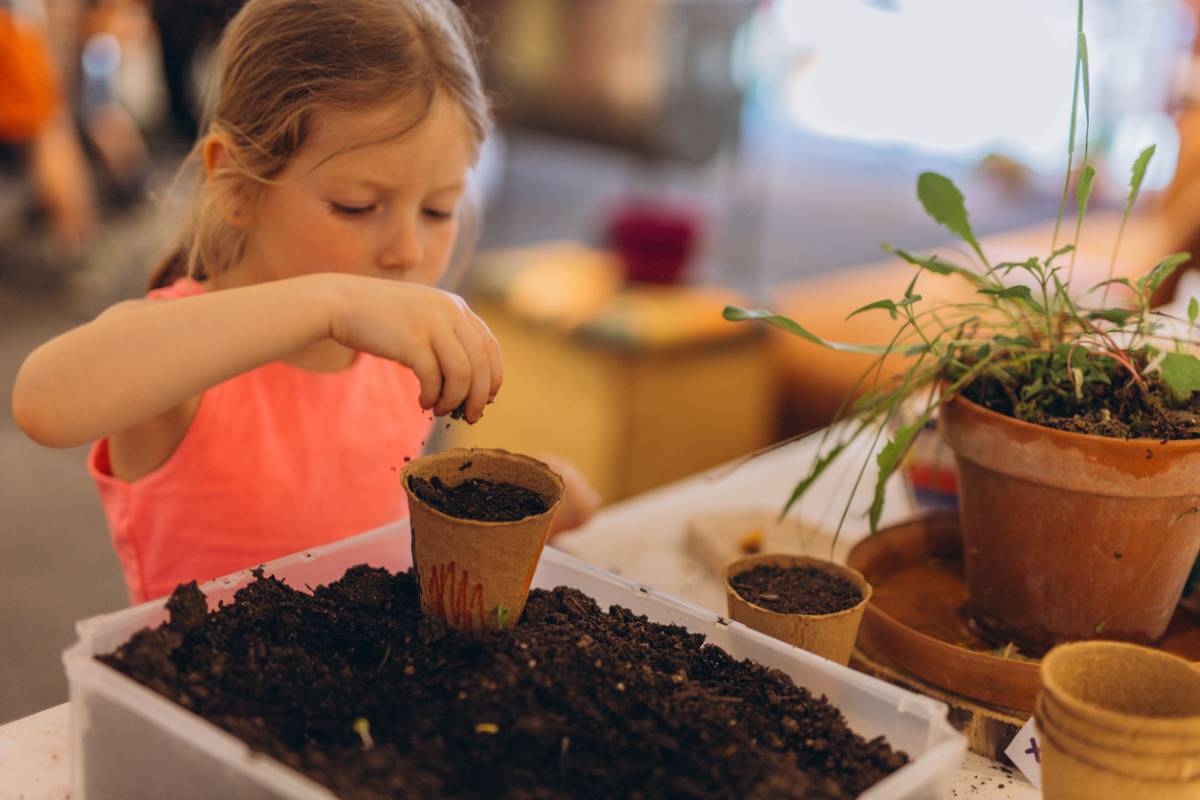
In these camps, children learn about sustainability, conservation, and biology. This is typically achieved through hands-on activities like gardening, wildlife observation, and eco-friendly projects. Field trips to nature reserves, ecological research centers, and science labs are also often incorporated to develop an appreciation for the environment and instill responsible stewardship of natural resources.

Benefits of Educational Camps

  • Improved academic performance
  • Increased confidence
  • Enhanced independence
  • Better social skills
  • Exposure to more career opportunities
  • Develop life skills and good habits
  • Appreciation for continuous learning

Choose the Right Summer Camp

Educational summer camps provide engaging and fun activities for your children. They are a great investment that will bring many immeasurable benefits to your children. If you have decided to enroll your children in an educational summer camp, consider the curriculum, instructor qualifications, and the balance between educational and recreational activities. Class size should also be considered. The younger the children are, the smaller the class size should be.

Towne and Country Early Education Center

If you are looking for an educational summer camp program for your young children, call today to discuss our programs.