What Are the Steps for Prototype Creation?

Turning a great idea into a real product may not be as simple as people may think. It requires careful planning, creativity, and testing. Whether you’re developing a new consumer product, designing a new piece of equipment that requires custom wires and cables, or creating an innovative solution, a prototype helps you turn your concept into something tangible. It also lets you identify potential problems, explore design possibilities, and gather valuable feedback before moving to full-scale production.

But how exactly do you create a prototype? What are the steps for creating a prototype? Here are the steps to guide you through the process.

What Are the Steps for Prototype Creation?

1. Define Your Idea and Requirements

    The first step is clearly defining what you want to develop. Identify the problem and what your product intends to solve. What is your product’s purpose? Who will use it?

    Consider product features, materials, performance requirements, and safety considerations. Establishing these requirements early helps ensure your prototype serves a clear purpose.

    For instance, if you are trying to develop a component for an industrial application, you may need to consider the following:

    • Durability
    • Temperature resistance
    • Compatibility with other parts

    A well-defined concept provides a foundation for every subsequent step in the prototyping process.

    2. Conduct Research and Explore Design Concepts

    A clear understanding of the product requirements is essential before researching existing solutions and exploring possible designs. Study similar products, available materials, manufacturing methods, and relevant industry standards. 

    Brainstorm and sketch. Try making multiple design concepts. Visualize how your product might look and function by creating rough drawings or using computer-aided design (CAD) software, 

    Compare different approaches. This will help identify potential challenges early and select a design that aligns with your objectives, budget, and production requirements.

    3. Create a Detailed Design

      Once you select a promising concept, develop a more detailed design. This involves refining the product dimensions, components, materials, and functionality. Using CAD software, you can create precise 2D and 3D models. This can help you identify potential fit, clearance, and assembly issues before you start manufacturing the physical product.

      Depending on the product, engineers may also run simulations or technical analyses to evaluate stress, heat, movement, or load-bearing capacity.

      A detailed design helps ensure that the prototype can be manufactured and tested effectively.

      4. Select Materials and Prototyping Methods

        This next step involves choosing the appropriate materials and production techniques. This will depend on the prototype’s purpose, complexity, expected performance, and available resources.

        Common prototyping methods include 3D printing, CNC machining, injection molding, vacuum forming, and hand fabrication. Some prototypes use inexpensive materials to test shape and durability. However, others may require production-grade materials to evaluate performance.

        Different methods have different advantages and limitations. Consider them before proceeding.

        5. Build the Prototype

          Once you have your design, materials, and manufacturing method, you can begin creating the physical prototype.

          This may involve machining components, printing parts, molding materials, assembling pieces, or fabricating the product by hand.

          Follow the design specification as closely as possible. Document any modifications made during this step. 

          The prototype does not always need to be a finished product. Some products need a basic model that demonstrates one critical feature for early testing, while some need a functional prototype with multiple integrated components.

          6. Test and Evaluate

            This is where you test and evaluate the prototype to determine whether it meets the original design requirements and performs as requested.

            Depending on the product, testing may involve functional performance, durability, fit, usability, safety, or environmental conditions. Record results carefully and identify any defects, problems, and areas for improvement. Feedback from potential users, engineers, or stakeholders may also prove useful. They may reveal problems that weren’t apparent during the design process.

            7. Refine and Improve

              Review the testing results and determine which changes are needed. You may need to:

              • Adjust dimensions
              • Replace materials
              • Modify components
              • Improve the overall design

              Sometimes, testing may reveal that substantial revision is necessary.

              Make the required changes and improvements. Create a new and updated prototype when appropriate. Test again. Testing and refinement increase your confidence in your design

              8. Prepare for Production

                Once the prototype has passed the evaluation process, prepare for production. This step may involve:

                • Finalizing design specifications
                • Selecting manufacturing processes
                • Estimating costs
                • Reviewing quality requirements

                Engineers may need to consider tooling, production tolerances, material availability, and assembly procedures.

                Transform Your Product Idea Into a Physical Model

                Prototype creation turns an idea into a physical model you can test, evaluate, and improve. If you are ready to turn your product idea into reality, our professional prototype creation can help you with your goals. Contact us today to see how our expertise can support your next product development project.
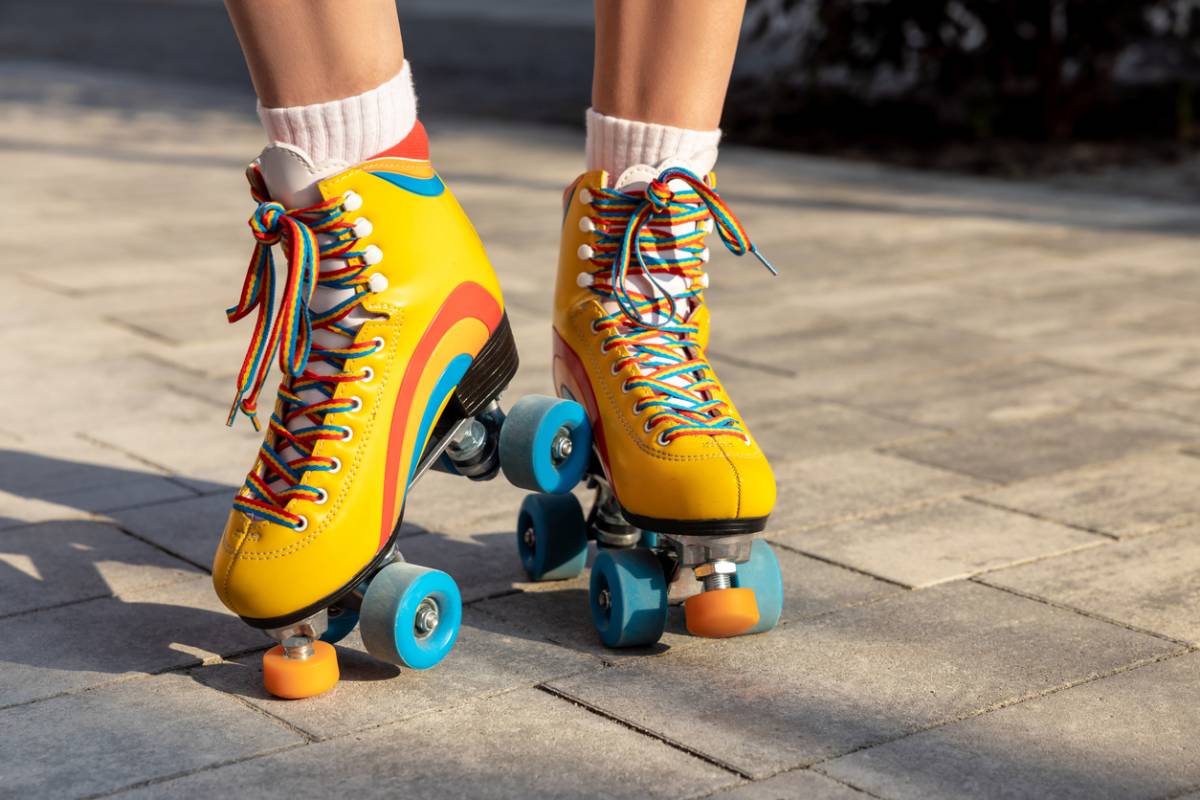
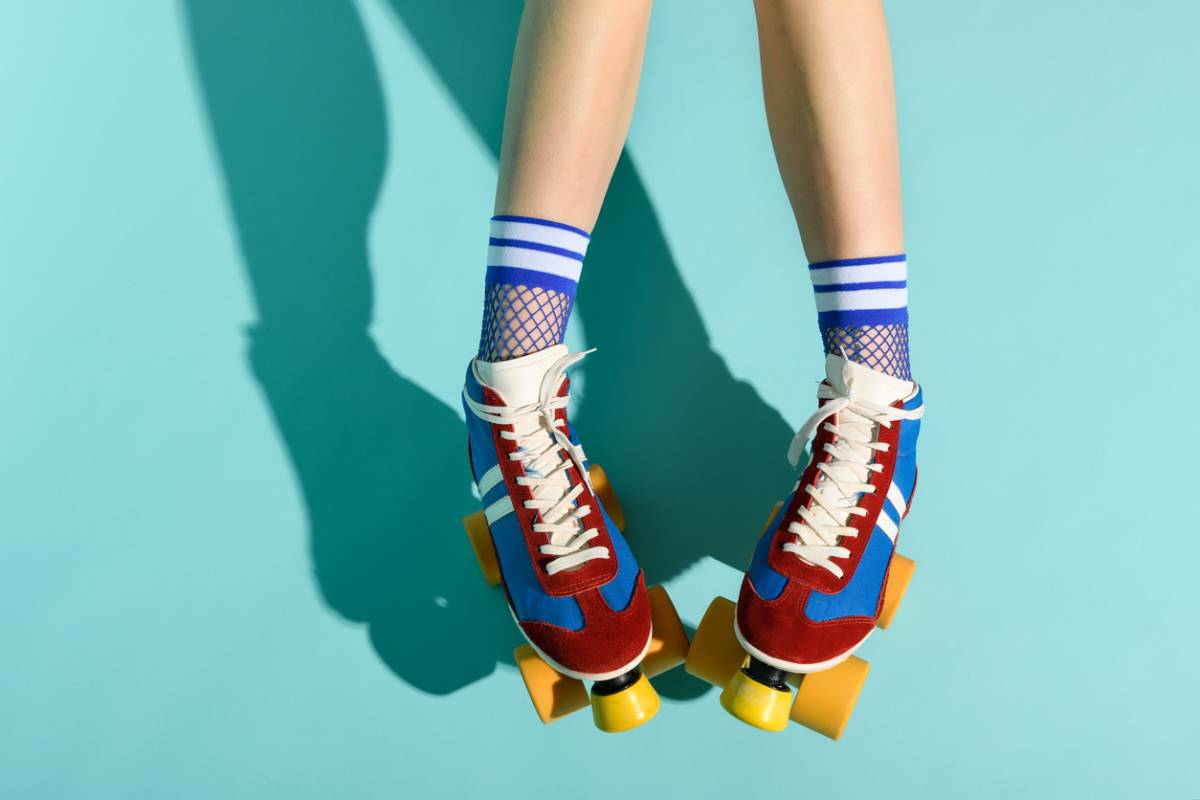
                featured image for when should you replace roller skate toe stops

                When Should You Replace Roller Skate Toe Stops?

                Toe stops are one of the most important safety features on a pair of roller skates. Skaters can use them to slow down, stop, push off, or perform certain skating moves. But whatever they are used for, they need to provide reliable grip and control. The problem is, just like any other skate component, toe stops wear out over time. They also need to be replaced one day. The question is, when should you replace roller skate toe stops? How do you know when it is time to visit an online roller skate retailer for new toe stops?

                When Should You Replace Roller Skate Toe Stops?

                When Your Toe Stops Are Visibly Worn 

                Visible wear is one of the clearest signs that the toe stops need to be replaced. When skates are regularly used, the rubber gradually becomes smaller and may develop an uneven shape.

                Regularly check your toe stops for deep grooves, cracks, chunks of missing material, or excessive flattening. If the surface is noticeably worn compared to when it was relatively new, it may no longer provide you with the level of traction it used to provide.

                Remember that toe stops may not have the same level of wear. If you use one foot more frequently to stop or perform certain movements, the toe stop may wear down faster than the other.

                When They Feel Slippery

                Toe stops are designed to provide friction against the skating surface. Observe if your toe stops are slipping more easily than they used to. If they are, they may be nearing the end of their useful life.

                If your toe stops are worn, they can make stopping less predictable, especially on smooth surfaces. Rather than assuming you need to adjust your technique, inspect the rubber and see if it is time for a replacement.

                When the Rubber Becomes Hard or Cracked

                Toe stops are generally made from rubber or similar materials that can become harder with age. Old toe stops may deteriorate over time even when they have not been used frequently.

                Look for visible cracks, brittleness, or a surface that feels unusually hard. These can tell you that the material is no longer in its best condition.

                When toe stops are cracked or are beginning to break apart, replace them.

                When Stopping Is Difficult

                The skating technique, the skating surface, and the condition of the wheels and toe stops can all affect the skater’s stopping ability. Worn toe stops make stopping difficult.

                If you observe yourself needing to press harder or changing your stopping technique because your toe stops no longer seem to grip the floor properly, take a closer look at your toe stops. Replacing your worn-out toe stops may restore the traction and confidence you need.

                This is especially important to inexperienced skaters who depend heavily on their toe stops while learning basic stopping techniques.

                When the Toe Stop Has Become Too Small

                The lifespan of toe stops varies depending on how you skate, how you use them, your skating style, and the surfaces you skate on. This is why there is no universal schedule for replacing toe stops. They are not to be replaced based solely on a specific number of months. Their condition should be the number one consideration. The size and shape of toe stops change as they get worn down. Observe if it has gotten significantly smaller than when it was new. That may be a sign that it needs a replacement.

                Do Not Wait Until They Fail

                Do not wait for your toe stops to be completely worn before replacing them. If you notice significant wear or change in grip or performance, be on the safe side and replace them at once. When buying replacements, ensure that you choose toe stops that are compatible with your skates.

                Give Your Toe Stops a Regular Check

                Regularly inspect your toe stops. This will give you a chance to spot problems before they become serious. Inspect the rubber, check for cracks, and excessive wear. Observe the way your toe stops feel when you skate.

                Get Quality Toe Stops Today

                Replacing worn roller skate toe stops is part of roller skate maintenance. It may be simple, but it can make a big difference in your control and confidence.

                Looking for a replacement for your worn-out toe stops? Check out our quality toe stops today and keep your skates ready for smooth, confident, and controlled skating. 

                image showing how to break in new roller skates

                How to Break In New Roller Skates 

                Getting a new pair of roller skates is exciting whether you are a beginner or someone who has been skating for a long time. Unfortunately, new skates do not always feel comfortable right away. The boot may feel tight, stiff, or awkward during your first skating sessions. The good news is that many roller skate boots gradually conform to your feet with proper use.

                After receiving your new pair from your online roller skate retailer, breaking them in should be a gradual process. Skaters should allow the boots to slowly soften on their own. Forcing them to soften too quickly can damage the skates or create unnecessary discomfort. Here is how you can guide your new roller skates safely and comfortably.

                How to Break In New Roller Skates 

                Start by Making Sure Your Skates Fit Properly

                Before trying to break in your skates, you first need to ensure that they fit. Breaking in can help a properly sized boot conform somewhat to your foot, but it cannot fix something that is fundamentally too small or too big, or the wrong shape for your feet.

                Your heel should feel secure in your skates, and your feet should not slide around inside the boot. The skates should feel snug across the midfoot without causing any sharp pain or numbness. If your toes feel painfully cramped against the front of the boot, you need to look for another size.

                Check the fit before going outdoors to skate. To add, do not skate on rough surfaces without checking the fit first. Do not wait for your skates to show visible signs of use before you return or exchange them because it may be more difficult to do so. If you are unsure about the fit, try them indoors on a clean, safe surface. 

                The foundation of a comfortable break-in period is a proper fit.

                Wear Them for Short Skating Sessions

                The simple act of regular skating in your new roller skates. Start with relatively short sessions rather than wearing your new skates for several hours at once. A 20 or 30-minute session, for instance, is enough time to assess how the boots feel without pushing your feet too far. You may increase your skating time slowly as the boots and your feet get accustomed to each other.

                Stick to basic skating on a smooth, safe surface during the first few sessions. Keep your stance comfortable, bend your knees, and allow your boots to flex naturally as you skate. Do not be in a hurry to do demanding tricks or maneuvers just to make the process of breaking in your skates faster.

                Remember that different boots vary in break-in times. Softer, recreational boots may take a shorter time to break in while stiffer, more supportive boots can take longer to conform to your feet.

                Choose the Right Socks and Adjust Your Lacing

                Socks make a lot of difference when it comes to comfort. Your socks should fit smoothly and help manage moisture. Sock thickness also matters a lot. When socks are too thin, they provide little protection against friction. In comparison, when socks are too thick, they create unnecessary pressure inside the boot.

                How you lace your skates also matters. If you pull them too tight, they can create painful pressure points, whereas if they are too loose, they can allow your foot and heel to move around too much. What you want is even, comfortable tension throughout the boot.

                If an area becomes sore, consider adjusting the lacing tension around that area. When closures are uneven or tight, they can lead to uncomfortable “hot spots”.

                You May Consider Heat Molding If Your Skates Are Designed for It.

                Some skate boots contain heat-moldable materials that can be shaped more closely to your feet. The problem is, not all roller skates can be molded by heat. Check what the manufacturer says and for instructions on whether the skates can be heat-molded. Remember that incorrect heating can cause damage to the materials. Never place your skates in a kitchen oven or apply significant heat unless you have checked if they are indeed heat-moldable.

                For heat-moldable boots, professional fitting or manufacturer-approved procedures are generally the safest procedures. 

                Be Patient with the Process

                The most effective way to break in your skates is to skate in them gradually and consistently. Wait patiently for the boots to flex and conform while giving your feet time to adjust to your new equipment.

                While being patient, you also need to know that although mild and temporary stiffness can be a normal part of the process, persistent numbness, sharp pain, or worsening discomfort may mean that the skates need adjustment, or that they are not the right fit.

                Purchase the Perfect Fit

                If you are looking to purchase a new pair of roller skates, ensure that they are the perfect fit. With a little patience, they will gradually feel more natural, comfortable, and ready for fun skating sessions. Check out our website and discover our quality skates in different styles and sizes. Find your perfect pair today and get ready to roll into your next adventure with confidence.

                Woman smiling at phone and holding coffee.

                Best Practices for SMS Opt-Ins vs. Opt-Outs

                When a business uses automated text messaging, it must adhere to guidelines set by the Telephone Consumer Protection Act (TCPA) and the Cellular Telecommunications Industry Association (CTIA). This includes protecting customer data, managing opt-in lists, and providing clear opt-out instructions. One of the best practices for opt-in services is to run a successful campaign for your business by remaining compliant and offering easy-to-understand instructions via SMS marketing.

                Those who use SMS marketing may want to consider consulting on campaigns and compliance. A text campaign should have a consulting team dedicated to identifying solutions for your business objectives. This allows you to get the most out of texting software to create winning campaigns. 

                Opt-Ins and Opt-Outs 

                When taking part in SMS marketing, you must have opt-in and opt-out services. Opt-in services allow users to agree to receive SMS marketing. This can be promoted by offering special discounts, informing customers about clearance items, and providing store hours. Additionally, opt-in services allow customers or clients to choose your business. They may opt in simply because you offer top-notch products or run a reputable business.

                Some customers may opt out of SMS texting. To remain compliant, you must provide clients and customers with a way to opt out of receiving text messages. This is not ideal, which means SMS marketing campaigns must be as successful as possible by targeting the right audience with relevant information about the services or goods you offer. 

                Steps to SMS Marketing 

                According to Forbes, when choosing an SMS platform, it’s vital to select one that prioritizes regulatory adherence and offers features to help you comply with complex regulatory requirements. SMS software must remain compliant while engaging audiences. There are several steps associated with SMS marketing, which include: 

                • Composing the message: Create a message within the SMS platform that can be a mass message sent to thousands of recipients or a one-on-one text.
                • Sending the message: The message can be sent instantly or scheduled for a specific time.
                • Routing the message: If the platform uses an aggregator, the message is routed to the system, which sends it to the appropriate mobile carriers. The message is sent straight to the carriers if the platform has direct connections.
                • Delivering and filtering: Once mobile carriers are reached, texts pass through network filters and gateways. Filters flag texts as spam if they are not compliant. The text must pass the filter before a customer receives the text.
                • Reporting and receipts: The last step in this process is how you receive data. Once delivery receipts are logged, you will receive valuable data on click-through, open, and close rates.

                This process is how SMS marketing reaches customers and how you can gather feedback from an audience that can opt in or opt out.  

                Opt-Ins and Opt-Outs

                Remaining compliant throughout the opt-in and opt-out process is essential. Some of the best practices for opting in include sending a message containing the following:

                • Frequency of messages
                • Company name
                • Special offers or discounts
                • Possible carrier costs and fees associated with receiving SMS
                • Provide clear opt-out instructions

                Opt-out instructions should remain clear and concise. Include language in your SMS campaign such as “Reply STOP to stop receiving text messages.” For best practices, send a message every so often so your audience will have easy access to opt out. The opt-out message can be sent alongside store information. 

                Learn SMS Marketing Strategies

                At Trumpia, we are committed to our one-of-a-kind SMS marketing automation. Our texting software provides measurable results. Our unique automation can reach customers quickly and effectively. See why we were named number one by Forbes today.

                Consider automated texting software for your company. With Trumpia, we have a strong reputation for offering unique opt-in and opt-out options for customers. We provide timely, relevant information to help your business grow. Contact us to learn more about the benefits of automated engagement.

                Image of hand holding phone with laptop in the background.

                Does SMS Marketing Convert Leads Faster Than Email?

                Lead conversion with SMS marketing can happen faster than through email, especially when a business uses automated texting software to respond while a prospect’s interest is still at its peak. That doesn’t mean texting wins every time or that email isn’t still useful. The channels offer different benefits for different situations. However, when speed matters, SMS is usually the more effective path to a response.  

                Open and Read

                The drawback of email is that it often sits untouched for great lengths of time. Or it gets buried under receipts, newsletters, work messages, shipping notices, and everything else that gets sent to your email address. Texting has become integrated into daily life in such a way that it is harder to overlook. It appears on the same device people use throughout the day and can often be distinguished from the notification preview alone. Your customers aren’t having to sort through a crowded inbox, open an app, or decide whether the content is worth their attention. These small benefits give SMS an early advantage and lead to greater open and read rates. 

                Response

                Texting feels easier for customers to engage with because the response can be short and doesn’t require much time. A lead can send a single word to make choices, confirm a location, or answer one question without interrupting their day. Email responses give a sense of more involvement. Even when responding to simple questions, customers may wait to give it more thought; then life happens, it gets buried, or the day moves on, and the original interest quickly fades before it is forgotten altogether. Studies have shown that businesses that contact online leads within an hour were nearly seven times more likely to gain new customers than those that waited even an hour longer. This suggests that faster contact creates a better chance of meaningful sales conversion. 

                Click-Through and Conversion

                A click isn’t a conversion, but it is a starting point. SMS is most effective when it asks for one immediate action: schedule an appointment, finish a form, view a quote, confirm an appointment, or return to a forgotten checkout. The link is easily identifiable and serves a relevant purpose to your customer. Email offers more space, which can be helpful in some cases, but that space is often overrun with links, images, paragraphs, and competing calls to action that can feel like too much for some individuals. A lead may read through half of it and still not know what to do next. When life is busy, a short text with one relevant link can fit into a person’s day better than a lengthy email. 

                SMS Strengths

                The greatest strengths of SMS are its speed and simplicity. New inquiries can be acknowledged immediately, a question can be asked, a link sent, or an alert sent to a salesperson when a lead replies. Automated messages can strengthen SMS because they keep inquiries from sitting unnoticed till someone checks. SMS naturally encourages shorter correspondence. Prompting increases conversation. But texting can become intrusive quickly. Too many follow-ups or vague promotions can damage the trust you are trying to build with your customers. 

                Using SMS Marketing for Faster Lead Conversion

                SMS marketing can lead to faster conversion rates, but the most effective approach isn’t choosing one over the other. It is letting each avenue do what it does best. You can immediately send a text after a lead form submission to confirm the request was received and ask one useful question. Followed by more detailed information by email when necessary. SMS may convert leads faster because it gets noticed and answered sooner, but speed alone isn’t enough to get the job done. 

                Request a demo to see how inquiries with fast SMS follow-up can help your business convert leads to lasting customer relationships. 

                Do Roller Skates Stretch Over Time?

                If you are a skater, whether you are a beginner learning your first moves or an experienced one upgrading to a better model from an online roller skates retailer, choosing the right fit is essential. One of the most common questions new skaters ask is: Do roller skates stretch over time? The simple answer is yes, but it depends on the materials used to make the boots.

                Choosing the right size is easier when you understand how roller skates break in. It can also help you avoid discomfort and enjoy a better skating experience.

                Do Roller Skates Stretch Over Time?

                Roller skates do stretch, but only slightly. Most roller skate boots will loosen up as you wear them. As you use them repeatedly, they stretch to mold to the shape of your feet. This is called the “break-in” period.

                Leather skates are known to offer the most flexibility over time. The leather naturally softens, and as it does, it conforms to your foot for a customized fit. On the contrary, synthetic materials tend to stretch less. They become more comfortable, but compared to leather, they soften slightly.

                Do not worry if your skates feel snug when you first try them on. As long as they are not painful, they are good and will likely become more comfortable after several skating sessions.

                The Material Makes a Difference

                Different boot materials behave differently during the break-in period.

                Leather boots can mold to the skater’s foot. They may slightly stretch in width and become more comfortable after just a few hours of skating.

                Synthetic leather or vinyl boots keep their original shape much better. Skaters should not expect them to stretch significantly, but they may soften with use.

                Suede boots have a personalized fit, just like leather. Over time, they become more flexible and more comfortable.

                Whether the boots are leather, synthetic, or suede, skaters cannot expect skates to dramatically stretch in length.

                How Long Does the Break-In Period Take?

                Skaters usually notice that their skates begin to feel more comfortable after 5 to 15 hours of skating. The exact timeframe depends on different factors such as:

                • The boot material
                • How often you skate
                • Your foot shape
                • The stiffness of the boot

                High-performance or artistic skates usually have stiffer boots and take longer to break in compared to recreational skates.

                Skates That Are Too Tight

                You will know that your skates have the proper fit if they feel snug but not painfully tight. Your heel should stay securely in place, and your toes should lightly touch the front of the boot without feeling cramped.

                If the boots are painfully narrow or they squeeze your toes, they are the wrong fit. Do not buy them hoping they will stretch enough to fit. Boots stretch, but they are not expected to stretch too much. If the boot is too tight, it is unlikely to become comfortable. In the same way, do not buy skates that feel loose right away. If the boots are too large, they can reduce control, cause blisters, and make skating less enjoyable.

                Tips for Breaking in New Roller Skates

                To help speed up the break-in process for stiff skates, here are several safe ways to do it.

                • Wear your skates around the house for short periods before taking them to the rink.
                • Wear thick socks for extra cushioning during the first few sessions.
                • Slowly increase your skating time instead of skating for several hours in the first session.
                • Experiment with different skating techniques to relieve pressure on specific areas of your foot. You may skip eyelets near pressure points for a more comfortable fit.

                When Should You Size Up?

                Numbness, tingling, severe pain, and your toes tightly curled inside the boot all tell you that your skates are most likely too small.

                Finding the right pair of roller skates and proper roller skate maintenance are important steps towards many safe and enjoyable skating adventures. Visit our website today to explore our latest collection of high-quality skates and get your next pair.

                Where To Find Roller Skating Pop-Up Events

                Roller skating has made a huge comeback in recent years, and one of the most exciting trends is the rise of pop-up skating events. Unlike permanent roller rinks, pop-up skating events are temporary events held in parking lots, event spaces, parks, warehouses, and even shopping centers, turning them into lively skating destinations for a day or a weekend. Whether you have been skating for years or you are just planning to get your first pair of skates from an online roller skate retailer, these events are a fun way to meet fellow skating enthusiasts and enjoy themed activities together.

                If you want to know where  you can find roller-skating pop-up events, here are the best places to look:

                Where To Find Roller Skating Pop-Up Events

                Follow Local Roller Skating Communities

                One of the best ways to stay informed about pop-up events is to join local roller skating communities. Many cities have Facebook groups, Discord servers, or community pages dedicated to skating. Members frequently share upcoming events, themed skate nights, outdoor meetups, and beginner-friendly gatherings.

                Even if the event is not held at the rink itself, the rink’s social media pages, newsletters, or front desk bulletin boards often advertise upcoming collaborations.

                Many rinks host traveling DJs, themed nights, and family skate events throughout the year in temporary locations.

                Attend Community Festivals

                Festivals in many cities also now include roller skating attractions as part of their entertainment lineup. Seasonal celebrations, food festivals, and music events sometimes feature temporary skating floors with live DJs and rental skates.

                Whether you are going with your friends or your family, these events will provide great fun because of the variety of activities such as food trucks, games, local vendors, and live performances.

                Check the entertainment schedules for skating activities at your city’s annual cultural festivals.

                Explore Shopping Centers and Entertainment Districts

                Mixed-use entertainment districts and some shopping centers host temporary roller skating experiences on an occasional basis. This is done to attract visitors during holidays or special promotions. 

                These events are usually great for beginners. In addition, they often provide skate rentals, which is perfect if you want to introduce family and friends to the sport.

                Follow Roller Skate Brands

                Following the social media of roller skate brands is a perfect way to receive alerts when they partner with local organizers for pop-up events. Many skate brands sponsor nationwide tours, product demonstrations, or community skating events. 

                Brand-sponsored events often include:

                • Skate demos
                • Beginner lessons
                • Product testing
                • Giveaways
                • Meet-and-greets with experienced skaters

                These events offer skaters an excellent opportunity to learn about new equipment and connect with the wider skating community.

                Inquire at Local Skate Shops

                Independent skate shops usually have connections with the local skating scene. Their employees are usually aware of upcoming events even before they are advertised and may even help organize them. Asking them about scheduled events may prove worthwhile, as well as checking their bulletin boards featuring local events.

                Sign Up for Newsletters

                Skating organizations, recreation departments, and event organizers usually have free newsletters. Signing up will allow you to receive announcements about upcoming events, ticket sales, schedule changes, and special promotions.

                If you travel often, subscribe to other cities’ newsletters as well. You might discover exciting skating events scheduled during your trip.

                Be Ready for Last-Minute Announcements

                Pop-up skating events may be announced only a few weeks or even only days before the pop-up event. Scheduling may be affected by weather, permits, and venue availability.

                Keeping your skates clean, being ready with your protective gear, and keeping a flexible calendar will make it easier for you to take advantage of spontaneous pop-up events.

                Due to their unique atmosphere, pop-up roller skating events have a charm that permanent skating rinks do not have. Every location has something different to offer. From waterfront skate sessions to rooftop parties to warehouse discos and community festivals, these roller skating events are excellent opportunities to make new friends and discover local businesses. And if you are looking for a new pair of quality skates for your next skating adventure, visit our online shop today.

                Common Cable Design Mistakes Engineers Should Avoid

                Cable design is a crucial aspect of any electrical or communication system. Whether it is designing custom wires and cables for industrial facilities, commercial buildings, telecommunications, or specialized equipment, every decision affects performance, safety, durability, and long-term reliability. Minor mistakes or oversights can result in signal interference, overheating, premature cable failure, or costly repairs in the long run.

                There are various common mistakes that engineers must avoid to help reduce project risks, improve system efficiency, and ensure compliance with industry standards. Here are the common design mistakes engineers should avoid.

                Common Design Mistakes Engineers Should Avoid

                1. Choosing the Wrong Conductor Size

                Choosing a conductor that is either too big or too small for the application is one of the most common and biggest mistakes an engineer could make.

                When a conductor carries more current than it was designed to, it can overheat. This can damage insulation and create fire hazards. On the contrary, if a conductor is oversized, it can increase material costs, add unnecessary weight, and complicate the installation. 

                To avoid making this mistake, always calculate the required conductor size based on the current load, voltage drop, ambient temperature, installation conditions, and applicable electrical codes.

                2. Ignoring Environmental Conditions

                Cables rarely operate under ideal conditions. The problem is that engineers sometimes focus only on electrical equipment while overlooking the environment in which the cable will be installed.

                Moisture, UV exposure, chemicals, oil, saltwater, vibration, and extreme temperatures are factors that should be considered because they can significantly affect cable performance and lifespan. The wrong insulation or jacket material may result in cracking, corrosion, or insulation failure.

                A careful evaluation of environmental conditions should be done before deciding on cable materials to ensure long-term durability.

                3. Overlooking Voltage Drop

                Voltage drop is also often overlooked during the design phase, especially for long cable runs.

                Excessive voltage drop can affect equipment efficiency, cause motors to overheat, create inconsistent performance, and increase energy consumption. Equipment may even fail to operate altogether.  

                Minimize voltage drop and maintain system performance with proper cable sizing, shorter cable routes where possible, and accurate load calculations.

                4. Failure to Consider Electromagnetic Interference

                Modern facilities contain numerous electrical devices that generate electromagnetic interference. Lack of proper planning may result in noise, data loss, or communication errors.

                Running power and data cables too closely together, using inadequate shielding, or selecting the wrong cable construction can all contribute to EMI issues.

                Reduce interference by separating power and signal cables, using shielded cables when necessary, and following proper grounding practices.

                5. Selecting the Wrong Insulation Materials

                A cable designed for indoor use will most likely fail when used in a harsh industrial environment.

                Different insulation materials have varying levels of resistance to heat, chemicals, abrasion, flame, and moisture. The wrong insulation can shorten cable life and increase maintenance costs.

                Evaluating both current operating conditions and future environmental exposure is essential before making insulation choices.

                6. Ignoring Mechanical Stress

                Cable performance depends on more than electrical characteristics. Mechanical stresses like bending, pulling tension, twisting, and vibration should be considered during design.

                Proper strain relief, flexible cable construction where needed, and careful routing planning all help extend cable service life.

                7. Poor Cable Routing and Management

                Overheating and mechanical damage may occur with overcrowded cable trays, tight bends, unsupported cable runs, and inadequate separation between different cable types.

                Cable management improves airflow and simplifies troubleshooting. It also allows for future system expansion.

                8. Forgetting Future Capacity

                Engineers should design cable systems with a view to future expansion, equipment changes, and additional circuits that may be needed later on. Failing to design with room for growth can require expensive retrofits or complete cable replacements.

                Design should be flexible for future upgrades while minimizing disruption.

                9. Neglecting Compliance with Industry Standards

                Cable design should comply with national and international standards to ensure safety and reliability.

                Overlooking industry standards may result in failed inspections, legal issues, and increased project costs.

                Engineers should consider relevant electrical codes, fire safety regulations, and industry standards throughout the design process.

                Talk with Experts for Dependable Cable Solutions for Your Projects

                Avoiding cable design mistakes is crucial for building safe, efficient electrical systems that will last a long time. Contact our team today to ensure you never have to suffer through the consequences of cable design mistakes.

                Is Roller Skating Is Making a Comeback?

                Roller skating is back in the spotlight again. This time it is attracting people of all ages. Once considered a nostalgic pastime in the 80s and 90s, roller skating now has a new audience thanks to social media, fitness trends, and a growing desire for fun outdoor activities. Maybe you are seeing roller skates on your social media feed or noticing roller skaters at the park. This makes you ask, is roller skating making a comeback? The answer is yes, roller skating is making a remarkable resurgence. If you are interested in joining those rediscovering this fun pastime, visit an online roller skate retailer, and chances are you will see a pair that will work for your goals.

                Is Roller Skating Making a Comeback?

                Many of those who grew up enjoying this hobby are now introducing it to their children. The familiar feeling of gliding across a smooth surface brings back happy childhood memories while offering a break from busy schedules and digital distractions.

                At the same time, the younger generations consider roller skating as a stylish and creative activity. Impressive dance routines, artistic tricks, and scenic skating trails featured in videos have inspired young people to get their own pair of skates and lace them up. The bright colors, retro-inspired designs, and customizable accessories have made it a fashionable hobby that combines fitness and self-expression for young people.

                A Fun Way to Stay Active

                Movement offers many health benefits. This is one of the reasons for this renewed interest in roller skating. Unlike traditional workouts that can sometimes feel repetitive, roller skating is an enjoyable way to exercise without feeling like it is a chore.

                If you are looking for a full-body workout that engages the legs, core, and lower back, roller skating is an excellent option. It can help increase cardiovascular endurance, strengthen muscles, and burn calories. It is also more appealing to younger people because roller skating is considered a low-impact activity, which means there is less stress on joints than high-impact exercises like running. 

                Whether you spend 30 minutes roller skating at a local rink or spend an afternoon exploring neighborhood trails, you can have the physical activity you need to stay healthy and have fun at the same time.

                Social Media Interest

                Thanks to platforms like YouTube, TikTok, and Instagram, roller skating is now indeed making a comeback. With the tutorials, beginner tips, choreography, and equipment recommendations, roller skating is now more accessible than ever. To add, all these spark new interest in the hobby.

                Watching experienced skaters perform graceful spins, dance routines, or scenic outdoor adventures encourages newcomers to try roller skating. Online communities are also very supportive, helping beginners learn basic techniques, safety practices, and maintenance tips for their skates.

                Roller skating has now evolved into a thriving online culture.

                Roller Skating Builds Community

                Roller skating is more than just exercise. It is also a social experience. Rinks host themed events, family nights, and adult skate sessions. These all bring communities together. Some groups organize meetups where beginner and experienced skaters meet and have fun together.

                Easier Than Ever

                Because of the growing interest and demand for roller skating, more equipment options are now available. Beginners can choose more affordable options while more experienced skaters can invest in high-performance models designed for dancing, speed skating, or outdoor cruising.

                Before getting started, it is important to have all the necessary safety equipment, including a helmet, wrist guards, knee pads, and elbow pads. To add, the best place to start is a safe, open area. This allows beginners to build confidence while reducing the risk of injury.

                Discover High-Quality Roller Skates 

                Whether you are planning the latest roller skate trends or buying your very first pair, Crazy Skates offers high-quality skates designed for your unique goal. Explore the wide selection of roller skates on our website today.

                Is Roller Skating Good Exercise?

                Are you looking for a fun way to stay active and keep your body in good health? If you are, roller skating might be exactly what you need. Many people associate roller skating with weekend outings and childhood memories. And many of those who enjoyed this hobby as children are slowly introducing it to their children. This is why roller skating has become an increasingly popular fitness activity for many individuals. A visit to an online roller skate retailer will tell you that roller skating can also be a stylish hobby. But if you are asking, is roller skating a good exercise? The answer is a resounding yes.

                Is Roller Skating Good Exercise?

                Roller skating offers a full-body workout that improves cardiovascular health, strengthens muscles, enhances balance, and boosts mood.

                Good Cardiovascular Workout

                Roller skating is considered to be a great form of aerobic exercise. Your heart rate increases whenever you glide across the pavement or rink. This helps improve cardiovascular endurance over time. When you do it regularly, it can contribute to better heart health, increased lung capacity, and improved stamina.

                One of the biggest advantages of roller skating is that it doesn’t feel like traditional exercise. You do not count miles the way you do on a treadmill. Instead, you are focused on enjoying the ride. This makes it easier to stay consistent if you use it as a form of exercise.

                Builds Lower Body Strength

                Every stride you make engages multiple muscle groups. To propel you forward while maintaining stability and control, your quadriceps, hamstrings, glutes, and calves all work together.

                Some gym exercises isolate individual muscles. In contrast, roller skating encourages coordinated movement, which allows the lower body to develop strength naturally. In addition, when you skate uphill, increase your speed, or practice different techniques, your muscles work harder, and your legs develop more leg power.

                Improves Core Stability

                Balance is one of the most important skills in roller skating, and constant engagement of all your core muscles is needed to maintain it.

                Turning, stopping, or navigating uneven surfaces requires your abdominal and lower back muscles to work continuously to keep you upright. Over time, you will have better posture, improved stability, and enhanced coordination in everyday activities. In addition, with a stronger core, the risk of certain injuries is reduced, and you can also expect better performance in other sports.

                Burn Calories

                If you want to burn calories, roller skating is an effective way to do so. The exact number of calories burned depends on several factors, such as body weight, skating intensity, and duration. Still, a moderate skating session can burn several hundred calories in an hour.

                The advantage of roller skating is that it is a fun way to exercise. Because it is enjoyable, people forget about the time and naturally stay active for longer periods without realizing how much exercise they are getting. This makes roller skating an excellent option for those who want to manage their weight while avoiding repetitive workouts.

                Gentle on Joints

                Unlike running and other high-impact activities, roller skating places less stress on the joints.

                It is an excellent option for those who want less impact on their bones while improving muscle strength and cardiovascular health.

                Supports Mental Wellbeing

                Exercise not only supports physical health. It also offers many benefits for mental health. It encourages the release of endorphins, or the body’s natural feel-good chemicals. They help reduce stress and improve your mood.

                In addition, many people enjoy roller skating as a social activity. Visiting skating rinks, joining local skating groups, or skating with friends help skaters connect with others, giving them a sense of belonging while staying active.

                If you are wondering if it is a good idea to start roller skating for exercise, the answer is now obvious. Whatever your fitness goals are, and regardless of your skill level, roller skating is an excellent workout that you will look forward to. Visit our website today and get a pair of roller skates, some safety gear, and start gliding your way to better health.