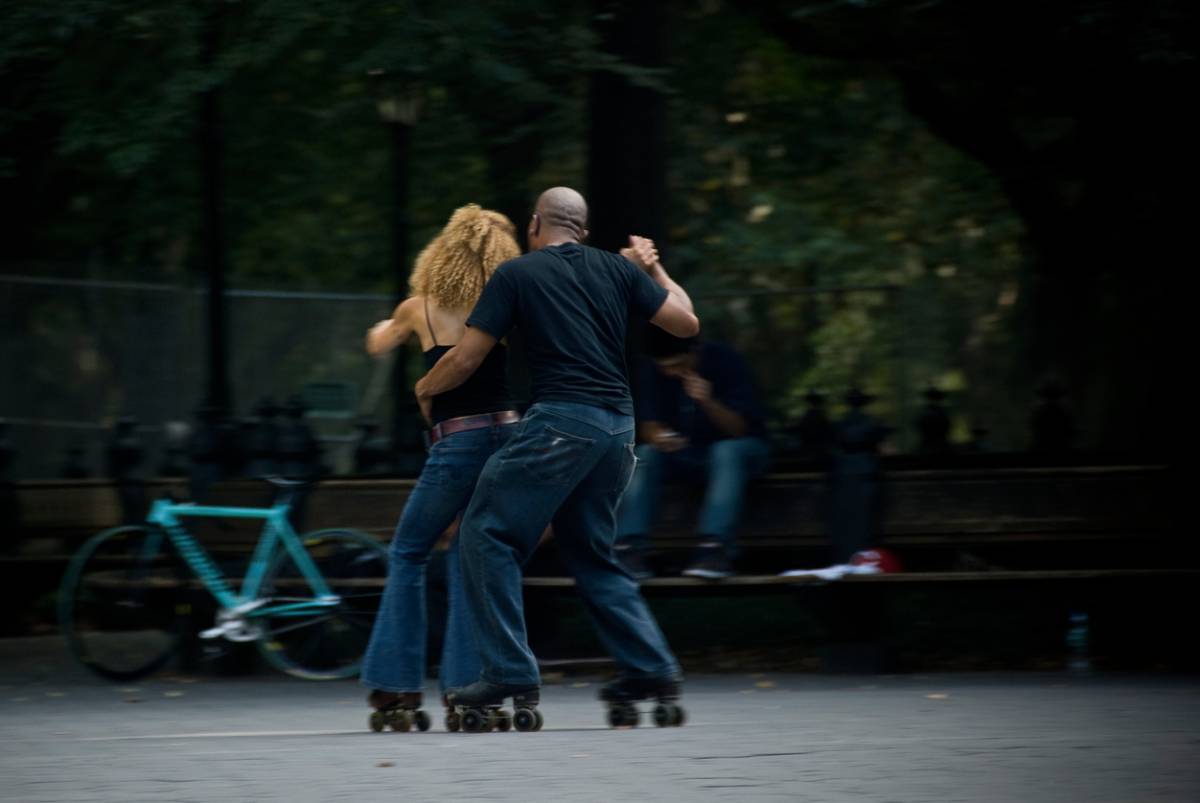
Featured image for How to Plan a Roller Skating Date

How to Plan a Roller Skating Date

Do you want to shake up your dating game with something playful, active, and, most of all, fun? Then look no further than a roller skating date! Unlike a standard dinner or movie date, skating brings all sorts of energy, movement, and a whole lot of retro flair that guarantees memories (and hopefully some sparks) that last long after the wheels stop spinning. Whether you’re lacing up your skates for the first time or you’re already gliding like a pro, roller skating is a unique way to connect, laugh, and maybe even fall (gently!) into each other’s arms. But how do you plan a roller skating date? We explain below. 

How to Plan a Roller Skating Date

The first thing you’ll want to decide is where you’ll be skating. It could be at your favorite indoor rink, complete with music and neon lights, a local park trail, or a beachside boardwalk with sunset views. Pick a location that sets the right vibe for your date, but make sure it matches your experience level! A rink might be the perfect place for beginners, whereas outdoor skating can be a bit trickier. 

Next, check the opening hours, rental policies, and whether they host any themed nights. Think disco lights, retro ’80s throwback nights, or couples’ skate sessions. These events can add a fun twist and help break the ice, especially if you’re skating with someone new. 

And don’t forget to plan your wardrobe! Comfort is key, but that doesn’t mean you have to sacrifice style. Think jeans or leggings, a cute tee or vintage jacket, and don’t be afraid to accessorize with a pop of color. If you already own roller skates, that’s even better. You can even coordinate with your date for matching vibes!

What You’ll Need for a Perfect Skating Date

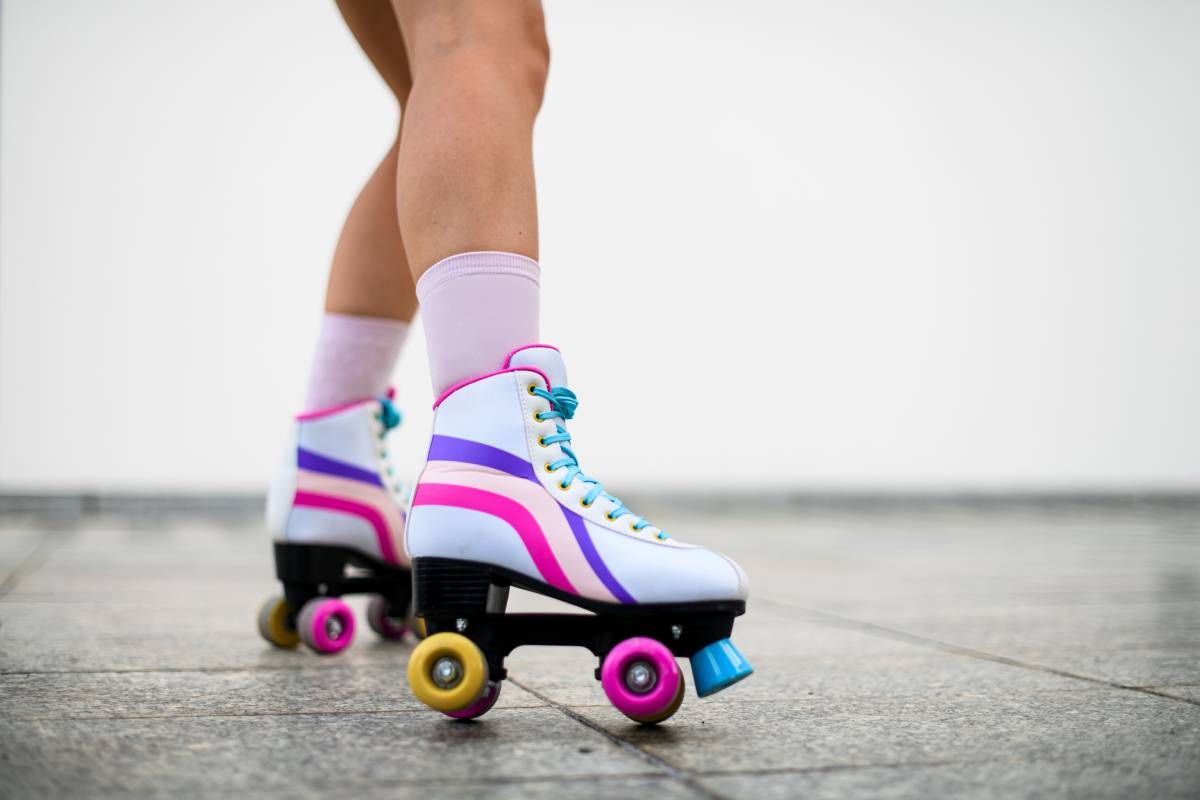
Once you’ve got the location, time, and clothing all set, it’s time to get geared up! Whether you’re renting skates at the venue or bringing your own, you’ll want to make sure that everything fits well and supports your ankles. A great pair of skates can make all the difference, and there are tons of stylish, high-quality options out there for you. 

If you’re buying new skates for the occasion or just upgrading your old pair, it might be worth browsing roller skating equipment that enhances the experience. Think padded knee and elbow guards, funky-colored laces, or LED wheels for a little extra dazzle. You can even gift your date some fun skate accessories as a cute surprise – they’ll love the thoughtfulness.

You should also consider packing a small essentials bag: water bottles, a mini first-aid kit, breath mints (hey, you never know!), and maybe a portable speaker if you’re skating outdoors and want to set your own soundtrack.

Tips for Making It a Date to Remember

  • Arrive early: If it’s a public skate night, beat the crowds and have time to relax before hitting the rink.
  • Learn a Trick Together: It could be a simple spin or a goofy dance move, but working through it together is part of the charm.
  • Plan a Mid-Date Break: Grab a snack at the rink café or pack a picnic if you’re outdoors. It gives you a moment to chat, catch your breath, and keep the connection going off the wheels.
  • Build in a Post-Skate Plan: Whether it’s dessert nearby, watching the sunset, or just strolling and talking, a low-key follow-up activity helps ease the end of the date and gives you space to keep bonding.

Roller Skating for First-Timers? No Worries

If you or your date is a little nervous about skating, lean into the fun of learning something new. Falling is part of the process, and laughing about it together is a great way to build chemistry. Be patient, keep things light, and if needed, grab a skate aid or stick to the edge of the rink for some extra support.

Confidence comes with time, and who knows? You might end up discovering your new favorite shared hobby. Bonus: once you’ve both found your groove, you can start planning future skate adventures together, be that theme nights, roller discos, or even just weekly cardio sessions with flair.

Ready to Roll Into Romance?

Grab your skates, find your rhythm, and let Crazy Skates help you turn an ordinary night out into an unforgettable adventure. Explore our roller skating equipment to start planning the perfect roller skating date today.
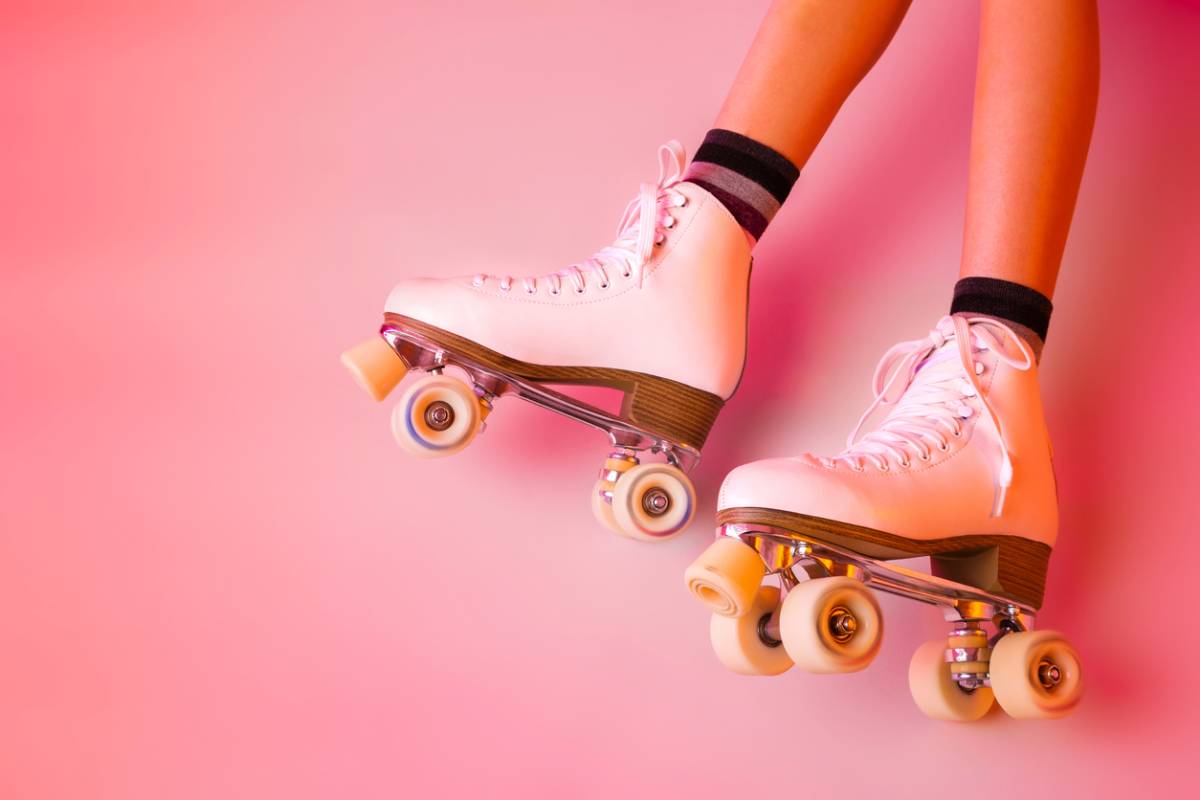
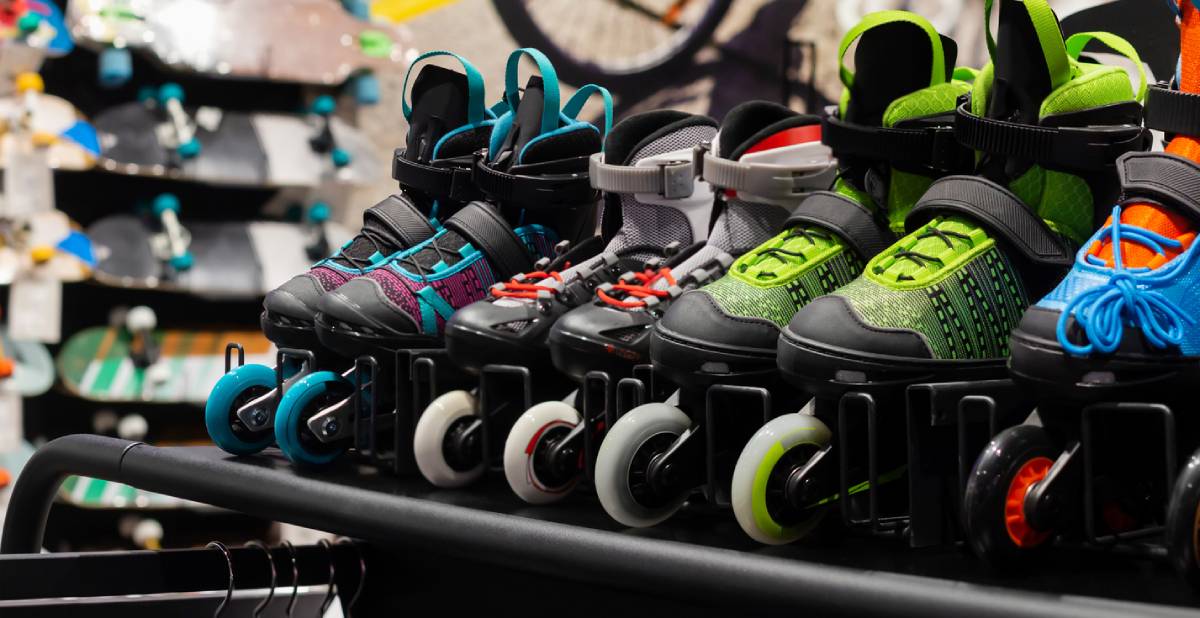
Featured image for Does Skating Reduce Belly Fat?

Does Skating Reduce Belly Fat?

Are you looking for a fun but legitimately effective and, best of all, exhilarating way to slim your waistline and shed a few stubborn belly pounds? Look no further than your nearest pair of roller skates! Does skating reduce belly fat? The answer is totally “yes!”

Whether you’re gliding through the neighborhood or showing off your moves at the rink, roller skating is more than just a nostalgic pastime.  In fact, strapping on a pair of quality skates from a trusted roller skate shop like Crazy Skates can put you on the path toward a trimmer, fitter you without ever setting foot in a gym. Let’s go over how, why, and what you need to stick with it. 

Does Skating Reduce Belly Fat? 

Let’s get into the nitty-gritty. Belly fat, especially the visceral kind that surrounds your organs and sits on your belly, is a major concern for many people. To effectively reduce belly fat, you need to engage in consistent cardiovascular activity, combined with a healthy diet and improved lifestyle. This is where roller skating comes in. 

Roller skating is a highly dynamic cardio workout that gets your heart rate up and keeps it there. Just 30-50 minutes of intense skating can burn anywhere from 200 to 500 calories, or even more, depending on your speed, intensity, and body weight. Over time, this consistent calorie burn helps you get into a calorie deficit. Being in said deficit is key to losing fat, especially that stubborn bit around your midsection.

But here’s the kicker. Unlike other forms of cardio, skating is fun! And that makes it easier to stick with it in the long run. 

The Core Advantage

While many people think of skating as purely a leg workout (and to be clear, it absolutely is), your core muscles are also engaged. Maintaining balance on wheels requires constant engagement of both abdominal and oblique muscles. This naturally helps tone your midsection over time. 

Skating also helps improve your posture. By keeping your upper body upright and stable, your abs are constantly activated, which, again, helps tighten and define your core. Add in some moves like weaving, crossovers, or spins, and you’ll feel that belly burn fast!

Full-Body Benefits

One reason we recommend incorporating skating into your fitness routine is that it is high-intensity and has a fairly low impact. That means it’s gentler on your joints than running, but still delivers the much-needed intensity needed to promote fat loss. It also targets your whole body, including:

  • Legs & Glutes: With every push, you’re sculpting quads, hamstrings, and that all-important booty.
  • Core: Balance, stability, and posture all engage your abs and obliques.
  • Arms & Back: Especially if you’re pumping your arms or carrying momentum, your upper body is getting a subtle but effective workout.

Make It a Routine, Not a Chore

The true key to burning belly fat—and keeping it off—doesn’t lie in one magical workout, but in creating a routine you actually want to stick with. That’s where skating shines. Unlike typical gym sessions that can feel repetitive or draining, skating turns exercise into something you look forward to. It’s energizing, freeing, and effortlessly fun.

Whether you’re gliding down a sun-dappled path at your local park, cruising along the boardwalk with music in your ears, or spinning circles with friends under city lights, skating never feels like work. It becomes a lifestyle—one that fits seamlessly into your day. Invite friends or family to join you, lace up for weekend beach skates, or take it up a notch by joining a roller derby team or skate fitness group. The joy, the movement, the connection—it all adds up to a habit that sticks.

Getting Started with the Right Gear

If you’re ready to lace up and hit the pavement, having the right gear is the key to getting those long-term gains. And, while it’s important for your comfort and performance, it’s also going to help keep you safe! 

Skate Your Way to a Leaner You

So, does skating reduce belly fat? Absolutely. When paired with mindful eating and a consistent routine, roller skating can be a powerful, enjoyable way to tone your midsection, strengthen your entire body, and fall in love with fitness again.

With the wind in your hair, music in your ears, and the right pair of roller skates under your feet, losing belly fat can be something you actually look forward to. Just make sure you’re having fun and staying safe!

Featured image for Which Skates Are Best for Beginners?

Which Skates Are Best for Beginners?

If you’re just getting into the world of roller skating, then you might have found yourself wondering what skates are best for beginners. There are plenty of options out there on the market, from colorful high-tops to sleek speed skates, making the choice more than a bit overwhelming. The key is to choose a skate that supports you in your early learning, boosts your confidence, and makes your experience smooth, safe, and super enjoyable. Today, we break it all down and help you find your perfect first pair of roller skates

Which Skates Are Best for Beginners? 

Let’s get straight into it. By far, the best skates for beginners are quad skates with a high-top boot, solid ankle support, and soft indoor/outdoor wheels. Why? These skates offer the perfect combo of stability, balance, and comfort for those just starting their skating journey. 

Quad skates (the ones with two wheels in the front and two in the back) are far more beginner-friendly than inline skates, which only have wheels running down the center. Their wider wheelbase makes balancing easier, and their design encourages a more upright position. High-top boots, on the other hand, help support your ankles while you’re getting used to turning, stopping, and rolling with control. 

What Should I Look for in Skates for Beginners? 

There are a few important features we recommend everyone keep an eye out for when it comes to picking their first skates. You want something that will help you feel stable and in control, not necessarily a pair that looks flashy but might leave you wobbling all down the sidewalk. With that in mind, here are a few tips. 

1. Comfort and Fit Matter More Than You Think

The most important factor when choosing beginner skates is how comfortable you feel. If your skates don’t fit well, you’re going to have a hard time enjoying yourself. Beginner skates should have soft padding inside and be snug but not too tight. Look for bits that feel secure around your ankles without pinching or causing blisters. 

2. A Supportive Structure Will Help You Stay Upright

Beginner skates should have a solid, supportive structure that keeps your foot and ankle aligned while you learn the basics. Look for reinforced boots and secure lacing systems or straps. This extra support can reduce the risk of rolling an ankle (ouch) or losing your balance.

3. Wheel Type and Size Make a Huge Difference

Soft wheels are better for beginners because they provide better grip and absorb more shock from small rocks or bumps. Smaller wheels, those around 58mm to 62mm, are also recommended since they make it easier to maintain control at slower speeds. Larger or harder wheels are usually meant for more advanced skaters who want speed and agility over comfort. 

4. Toe Stops Are Your Best Friend

When you’re just starting out, you’re going to rely a lot on your toe stops. These are the small plastic bumps at the front of the skate that help you slow down and stop. Make sure the skates you choose have adjustable toe stops that are large and easy to use. These can help prevent spills and help you learn how to brake safely. 

How Long Does It Take to Learn How to Skate? 

How long it takes can depend a lot on your balance, how often you practice, and the skates you choose. Most beginners start to feel steady within their first few sessions, especially with the right gear. The better and more stable your skates, the easier it will be to learn. Remember, one of the most important aspects of starting any new hobby is how you feel doing it. Beginner skates should help you feel confident and in control, not scared of every turn or bump. Choosing the right skates can make a huge difference in your experience and how quickly you improve. 

Our advice? Avoid overly advanced or “pro-style” skates right out of the gate. Sure, they look cool, but they can be hard to handle and might slow your progress. Also, you don’t want to rush. Go at your own pace and focus on balance and basic moves first. And finally, make sure you’re in a safe environment and wearing all appropriate safety gear

Ready to Roll? Let’s Get You in the Right Skates

Explore the full beginner-friendly selection at Crazy Skates and find your perfect first pair. Whether you’re skating solo or planning a group adventure, the right skates are just a click away!

featured image for 8 things that make costa mesa so special

8 Things That Make Costa Mesa So Special 

Costa Mesa – even the name sounds exciting! This Orange County city is a vibrant hub of culture, entertainment, and adventure, perfectly suited for everyone from foodies to art lovers and thrill seekers. If you’re looking for things to do in the city, you won’t be disappointed with these 8 things that make Costa Mesa so special!

8 Things That Make Costa Mesa So Special 

The OC Fair & Event Center Helps Make Costa Mesa Special

The OC Fair & Event Center is one of the crown jewels of Costa Mesa, and it delivers entertainment and cultural events all year long. From trade shows to motorcycle races at the Costa Mesa Speedway, there is pretty much always something happening here. And then there is the Fair itself, which is nothing short of legendary. This singular event draws hundreds of thousands of visitors each summer, and for good reason! There’s deep-fried deliciousness, jaw-dropping rides, and live performances galore.  Learn more about the OC Fair & Event Center here.

Explore South Coast Plaza

No visit to Costa Mesa could be called complete without at least one stop at South Coast Plaza, one of the most well-known luxury shopping destinations in the world. The shopping experience here is unmatched thanks to over 250 high-end stores, including Chanel, Gucci, and Cartier. But South Coast Plaza isn’t only about shopping – the location is also home to an impressive selection of dining options. There’s everything from casual cafes to fine-dining establishments like Vaca and Water Grill, so anyone can get their fill of food.

Visit the LAB Anti-Mall

Looking for a more… unconventional shopping experience? Then head on over to the LAB Anti-Mall! This trendy and artsy hot spot stands as the opposite of what you find in most other malls. Surrounded by all sorts of eclectic boutiques, quirky shops, and unique art installations, the LAB is individuality at its best. There are also plenty of eateries, including vegan and organic spots, and visitors can enjoy frequent events like farmers’ markets, pop-up shops, and even workshops that teach everything from candlemaking to ceramic painting. 

Catch a Show at Segerstrom Center for the Arts

Costa Mesa is often referred to as the “City of the Arts,” and the Segerstrom Center for the Arts is just one of so many places that live up to that name! This cultural landmark is the go-to venue for all kinds of performances, including Broadway musicals, symphony concerts, world-class ballet productions, and more. Art enthusiasts and anyone just looking for a memorable night out will find something to love with the Center’s stellar lineup. 

Head Out to Fairview Park

From nature lovers to anyone who just wants to get away from the city for a bit, Fairview Park is the place to be. As the city’s largest park, it sprawls over 208 acres and five different habitats that are home to plenty of natural wildlife. The park also features various outdoor opportunities, including walking, biking, birdwatching, picnicking, kite-flying, and so much more. If you’re looking for a great day outdoors, make Fairview your destination. 

Tour the Costa Mesa Art Walk

The Costa Mesa Art Walk is a self-guided walking tour that showcases the best of the city’s creativity. There are public art installations and murals galore for visitors to discover all along the way. These artworks celebrate the best of Costa Mesa’s cultural and artistic backgrounds and are a fun, interactive way to explore the city’s creative community.

Enjoy the Flavors of the Local Food Scene

Talk about a foodie’s paradise! Costa Mesa has all sorts of places to treat yourself to an amazing meal, including farm-to-table restaurants, steakhouses, authentic ramen spots, and even food trucks. There’s something here for everyone to enjoy, and no one will leave hungry! 

Get Your Action On at the Costa Mesa Skatepark

If you’re looking for thrills, the Costa Mesa Skatepark, originally sponsored by Volcom, is a must-visit. This state-of-the-art 24,000-square-foot facility caters to skaters of all skill levels with ramps, rails, street elements, and bowls. The park offers several events throughout the year, each sponsored by local skate shops and organizations, drawing in huge crowds from the community.  Stop by for a ride or just stay and watch – either way, you’ll enjoy yourself. 

Ready to Explore Costa Mesa? 

Costa Mesa is a city that refuses to be ordinary. There’s something here for literally everyone to enjoy, from world-class entertainment and dining to cultural experiences and more, making it a must-visit on anyone’s bucket list. Check out these spots as well as other things to do in Costa Mesa and see for yourself what makes our city so special.

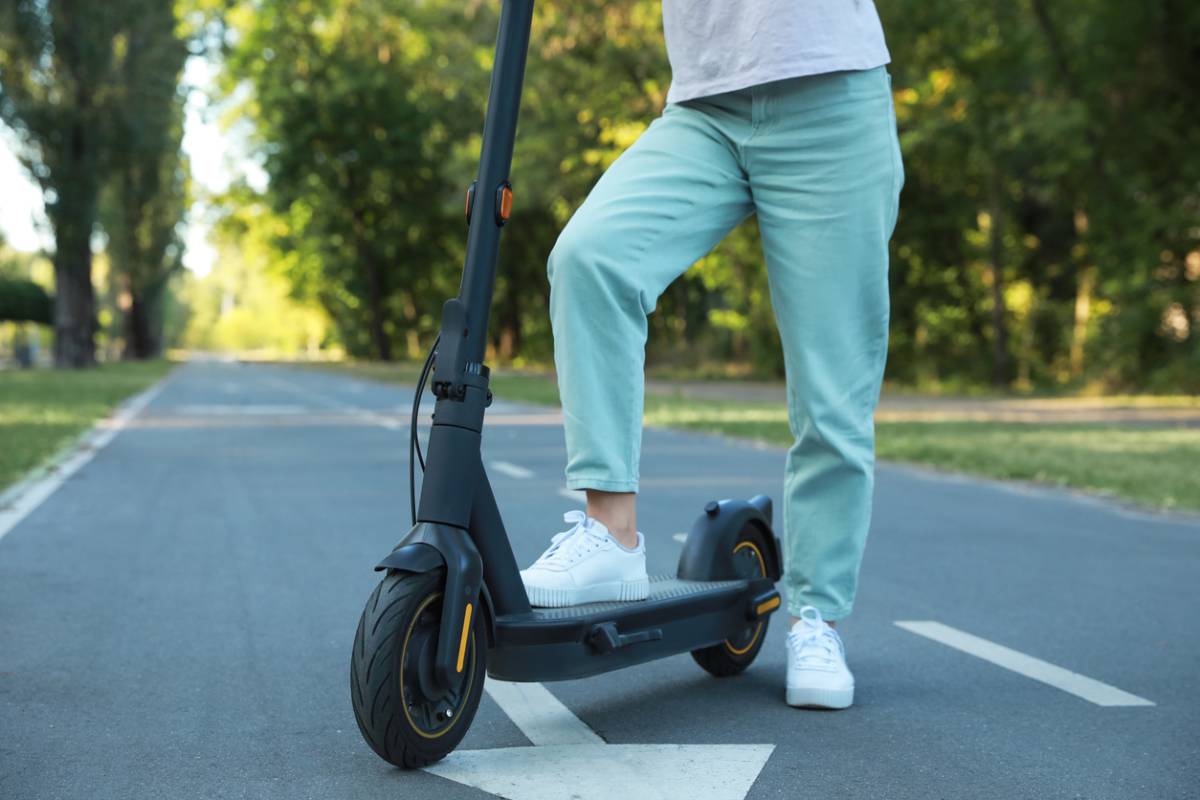
Featured image for How Fast Can You Go on a Scooter

How Fast Can You Go on a Scooter?

Scooters can be a fun and quick way to get around in your neighborhood, on the way to school, or while taking in some fresh air at the park. While people of all ages can ride scooters, you may be wondering, “How fast can you go on a scooter?” In this article, we will discuss how factors such as the type of scooter, strength of the rider, and additional factors can affect the speed of a scooter. 

How Fast Are Kick Scooters?

Unlike electric or gas-powered scooters, kick scooters fully rely on human power. This means that the scooter’s speed will depend on how hard you push off the ground and keep momentum. Here’s what you can expect:

  • Casual Riding: To comfortably get around without exerting too much effort, most scooter riders will cruise at 7-10 mph. 
  • Active Riding: You can reach around 10-15 mph on smooth surfaces if you push harder and use the proper technique. 
  • Downhill Speed: When riding downhill, gravity gives an extra boost, pushing speed to around 15-20 mph or more. Just be extremely careful when going downhill! 

In each of these cases, beginners will typically ride more slowly, whereas more experienced riders will be able to maintain faster speeds.

What Factors Will Affect Your Scooter Speed?

1. Rider Strength and Technique

Kick scooters are powered by your legs, so how hard you push off and how often you kick will go a long way in determining your speed. Start your ride with a strong push to get you going. If you can do so comfortably, alternate which leg you use to kick so you can avoid tiring out too quickly and maintain your speed.

2. Scooter Design

The design of your scooter will have a significant impact on your maximum speed. If you want to ride quickly on your scooter, consider the following features when you purchase yours:

  • Wheel Size: Larger wheels rotate more quickly, thus providing greater speed, and can handle bumps better than smaller ones. Most high-quality scooters have 120mm or 200mm wheels.
  • Deck Height: It is easier for riders to kick off and push their scooters when the decks are lower to the ground. An easier kick function allows for greater speed.
  • Bearings: Scooters with good-quality bearings have less friction. Look for scooters with ABEC-7 or ABEC-9 bearings for a faster, smoother ride.

3. Terrain and Surface Conditions

The smoothness of the terrain you ride on will have a huge impact on the speed of your ride.

  • Smooth Pavement: Smooth pavement is optimal for scooter riders who want to go fast. Flat surfaces will have fewer bumps to disturb the wheels of your scooter. Fewer disturbances mean maximum glide, minimal effort, and more speed.
  • Sidewalks and Rough Roads: For the same reason, the smooth pavement will allow for increased speed, and sidewalks and rough roads will slow down your scooter. These paths have divisions, cracks, and bumps that will impact your ride.
  • Grass: Grass is even worse for scooter speed than rough roads are. Depending on how tall or soft the grass is, your wheel may be basically immobile. You’ll be lucky if you can move at all, let alone move quickly, so it’s better to avoid grass for scootering.

4. Weather Conditions

Be mindful of weather conditions when heading out on your scooter. Wind resistance and a strong breeze can slow you down. Wet surfaces also reduce traction, making it harder to push.

How to Ride Faster on a Kick Scooter

Here are some tips to get the most out of your scooter’s speed:

  • Use Proper Kicking Technique: When starting your ride, kick off firmly and fully extend your leg. Consider using both legs to avoid getting fatigued and to stay balanced. Some studies have even shown that pushing with your nondominant side can promote muscular balance development in children. 
  • Stay Low and Lean Forward: Leaning forward slightly can improve your aerodynamics and boost your speed.
  • Keep Your Scooter Well-Maintained: Clean and lubricate your scooter bearings, regularly check that the wheels are in good condition, and keep an eye out for any loose parts that could affect your scooter’s performance.

Safety Tips for High-Speed Scootering

Safety on your scooter is of the utmost importance, especially when you’re reaching high speeds. Follow these tips on how to stay safe while riding your scooter at higher speeds:

  • Always Wear a Helmet: Even at moderate speeds, a fall can have severe consequences. A helmet will help protect against serious injuries.
  • Use Protective Gear: Knee and elbow pads are an excellent way to avoid bodily scrapes and bruises. The usefulness of this extra protection cannot be overstated, especially for kids and new riders.
  • Be Aware of Your Surroundings: Watch out for pedestrians, cyclists, and other obstacles while scootering so you can avoid sudden stops or accidents.
  • Regularly Maintain Your Scooter: Loose handlebars, worn-out wheels, or faulty brakes can make high-speed riding dangerous.

Get Your Scooter Equipment Today

While kick scooters cannot reach the extreme speeds of electric or gas-powered models, they can still be surprisingly fast. Most riders stay at 7-10 mph, while experienced riders can push up to 15 mph or more on smooth terrain. If you have more questions about how to maximize your speed while staying safe, consult our skate shop today!

Featured image for How to Stop in Inline Skates

How to Stop in Inline Skates

Inline skating is a great way to stay active and improve your mood. It’s a great pastime for both children and adults, though many adults find that as life gets busy, they never put their skates back on. Luckily, recent years have seen an uptick in the number of adult skaters as they remember what a great way it is to exercise and socialize. That being said, getting your old skates out also means you have to brush up on your technique to ensure your safety and reduce your risk of injury. One of the most important techniques to brush up on with your inline skates is stopping. Below, you will learn helpful tips on how to stop in inline skates. 

How to Stop in Inline Skates

Learning to stop is one of the most important skills for safety and control when inline skating. No matter if you are a beginner or expert, perfecting your stopping skills is important. There are several different ways to stop successfully. Consider the following and use the one that works best for you.

The “T” Stop Technique

The T-stop is a great stopping method as it provides skaters with a huge degree of control. When you are moving forward, keep your knees slightly bent. As you prepare to stop, lift one skate and place it behind the other. Your skates should form a “T” shape. Drag the back skate on the ground lightly and apply pressure gradually. To ensure you maintain your balance, keep the majority of your weight on your front skate. This helps you come to a controlled stop with ease. However, it can wear out your wheels a little faster.

The Plow Stop Technique

The plow stop is a common method to slow down and come to a halt when skating. It is a gradual stop, so if you have some time and space, it is an excellent option. As you are skating in a forward motion, be sure your feet are shoulder-width apart. Turn your knees inward and push your heels outward simultaneously. While you are doing this, bend your knees a little and apply pressure to the outside of your skates. This formation is the same as that used by skiers to stop when going down the slopes. However, this stopping technique is best done on flat surfaces for skaters.

Heel Brake Technique

If your inline skates have a heel, this is probably one of the easier stops to learn. Some skates do not come with them, so be sure to check before you get started practicing your stopping technique. When using this technique, keep your knees bent. Extend the skate with the brake slightly in front of your other skate. Press the heel break down by straightening the leg with the brake. Leaning slightly forward is helpful to ensure you maintain your balance. That being said, be sure to keep your weight centered to avoid flipping backward.

Tips for Perfecting Your Stopping Technique

If you are new to skating or putting your old skates back on, practicing your stopping technique is important. Consider the following as you begin your skating journey.

Start on Flat Pavement

Start practicing on a hard and flat surface. It is helpful to practice on open pavement to reduce your risk of injury. Once you find the techniques that work for you, then try stopping uphill and downhill to fully master your method.

Practice Frequently

The more you skate, the better you get at it. Similarly, the more you practice your stopping technique, the better you will be at stopping safely in your inline skates. After you warm up, practice the stopping techniques that work best for you. Keep practicing every time you skate until you fully get the hang of it.

Roller Skate Shop

If you want to get back to skating, check out the selection of roller skates at Crazy Skates today.

Featured image for What Safety Gear Do You Need for Roller Skating

What Safety Gear Do You Need for Roller Skating?

When shopping for roller skate parts and accessories, you might feel in over your head. You might come across knee pads, helmets, elbow pads, and even gloves. But what safety gear do you need for roller skating? Below, we cover the essentials and some specialty gear you should consider.

Roller Skating Safety Gear: It’s the Law

Parents should know that many states legally require minors to wear at least a helmet when roller skating. The same goes for riding bicycles, skateboards, and scooters. 

If you are 18 or older, you can legally roller skate without any protective gear. Still, for your safety, you absolutely should wear all appropriate gear even when the law does not require it. 

What Safety Gear Do You Need for Roller Skating?

Whether an adult or a minor, you absolutely need some safety gear while roller skating. Without the right gear, you set yourself up a range of injuries, including:

  • Concussion
  • Wrist sprains or breaks
  • Skinned knees
  • Bruises

A Helmet

The idea that you should wear a helmet when skating is widespread. Still, many adults choose not to wear them. All that stands between your brain and rock-hard concrete is less than a millimeter of skull. Admittedly, the skull can prove mighty durable, but even casual skating can lead to unforeseen and potentially severe injuries.

Studies show that wearing a helmet can reduce your risk of injury by about 29%. Even better, they can reduce the risk of injuries requiring an ambulance by 56%. Compared to ambulance rides, which can cost thousands of dollars, a helmet is a reasonable investment.

Elbow Pads

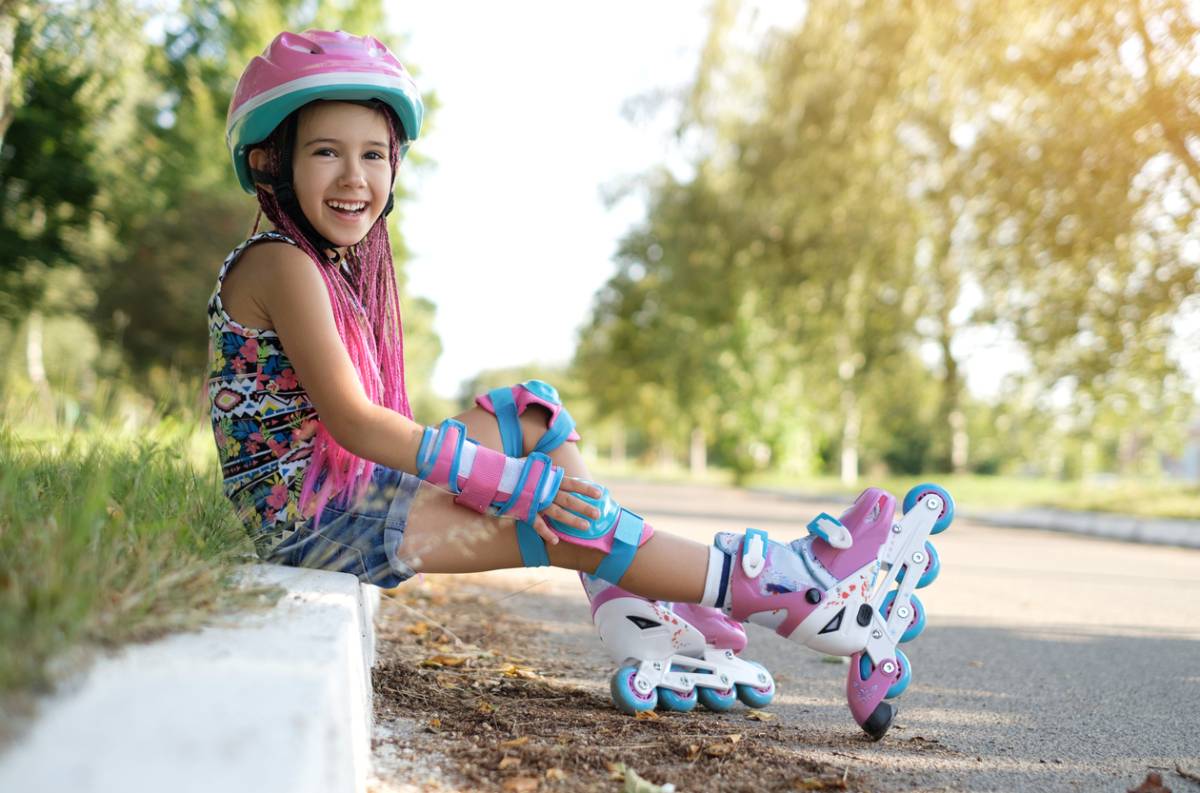
Part of the point of protective gear is to give you more options for falling. If you have protected areas, you can focus on landing on those parts safely. Elbow pads protect you when falling at unusual angles or at speeds when you cannot catch yourself.

Wrist Guards

The human wrist can take about 400 pounds of force before it breaks. That might sound like a lot. But a fall from standing can generate around 500 pounds of force. Yes, you can dampen the force of that fall on your wrists with excellent timing. But wrist guards do not require timing. They simply work. Keep your joints in good shape by protecting them with guards when roller skating.

Knee Pads

Like elbow pads, knee pads give you a safety net for falls. The more protected points of contact you have during a fall, the better you can come out on the other side. Your knees often take the brunt of force from falls, so durable knee pads will save your joints from that impact.

Gloves

Gloves are often overlooked when considering skating safety gear, but they can be an extremely helpful tool to add to your inventory. While wrist guards keep your bones safe, your finger skin will still be exposed. Gloves can prevent you from losing skin if you take a nasty fall. High-speed skaters will benefit the most from gloves, but any skater can benefit from using them. This is especially true when one is learning to skate, as falls tend to happen more frequently.

When to Wear Roller Skating Safety Gear

Below, we break down several categories of skating. In each situation, more protective gear is always better, but we lay out the essentials you must have for each type.

Casual Skating

We define casual skating as riding along designated paths at a leisurely pace. Casual skating can also count as merely riding up and down a safe neighborhood street or sidewalk.

What to wear:

  • Helmet

Skating for a Commute

Roller skating to class or work will put you on sidewalks and streets. The sidewalks usually pose only minimal risk. But streets come with additional dangers. There, you run the risk of a driver not seeing you and being clipped by a passing car or having a parked car door opened into you.

What to wear: 

  • Helmet
  • Elbow pads
  • Wrist guards

Recreational Skating

We define recreational skating as skating at a roller rink or a skate park. You should encounter fewer unknown risks in this situation, but collisions at skate parks are an unfortunately common occurrence. We recommend the full setup, but you could get away with only a helmet. Going to a skate park can also fall into this category, which does require the full setup.

What to wear:

  • Helmet
  • Elbow pads
  • Wrist guards
  • Knee pads

Extreme Skating

Attempting tricks, racing, and skating in dangerous terrain define extreme skating. If you skate with the goal of getting air time or reaching high speeds, you will want to gear up.

What to wear:

  • Helmet
  • Elbow pads
  • Wrist guards
  • Knee pads
  • Gloves

A Hub for Roller Skating Equipment

Crazy Skates has been a leading online supplier of roller skates for years. Browse supplies for all ages and hit the streets in safety and style.

Featured image for Is Inline Skating Like Ice Skating

Is Inline Skating Like Ice Skating?

Inline skating and ice skating are both fun activities. Many people enjoy the physical, social, and emotional benefits of both. At first glance, they may seem similar, and you may wonder, “Is inline skating like ice skating?” While these types of skating do share common elements, they are different in several ways. We explain more below.

Is Inline Skating Like Ice Skating?

Inline skating and ice skating are similar in several ways. Consider the following parallels between both activities. 

Movement

The most obvious similarity between these types of skating is the movement. Both types of skating require balance, coordination, and strength, as well as improved muscle tone. In both cases, the skater moves by pushing off with one foot while gliding on the other. This repeated action creates a smooth rhythm that allows you to glide forward with ease.

Turning

Inline skating and ice skating also use the same techniques when turning. Whether you are on inline skate wheels or ice skate blades, turning requires a specific technique of shifting your weight and angling your skates to guide you in a certain direction while still maintaining a forward motion.

Stopping

The method one uses to stop is another shared aspect of inline skating and ice skating. Both skating methods use friction to slow the skater down to a stop. Ice skaters often use a technique that involves turning the foot at an angle to the direction they are moving and digging the edge of the ice skate blade into the ice to halt movement. Inline skaters can stop similarly by using the T-stop. The T-stop for inline skaters is the same as the topping method for ice skaters, except that inline users will often drag the angled foot to stop rather than shift it in front of them.

Key Differences Between Ice Skating and Inline Skating

Both types of skating have several similarities, but each has many unique qualities. Consider the following differences between the two activities. 

Movement Mechanism

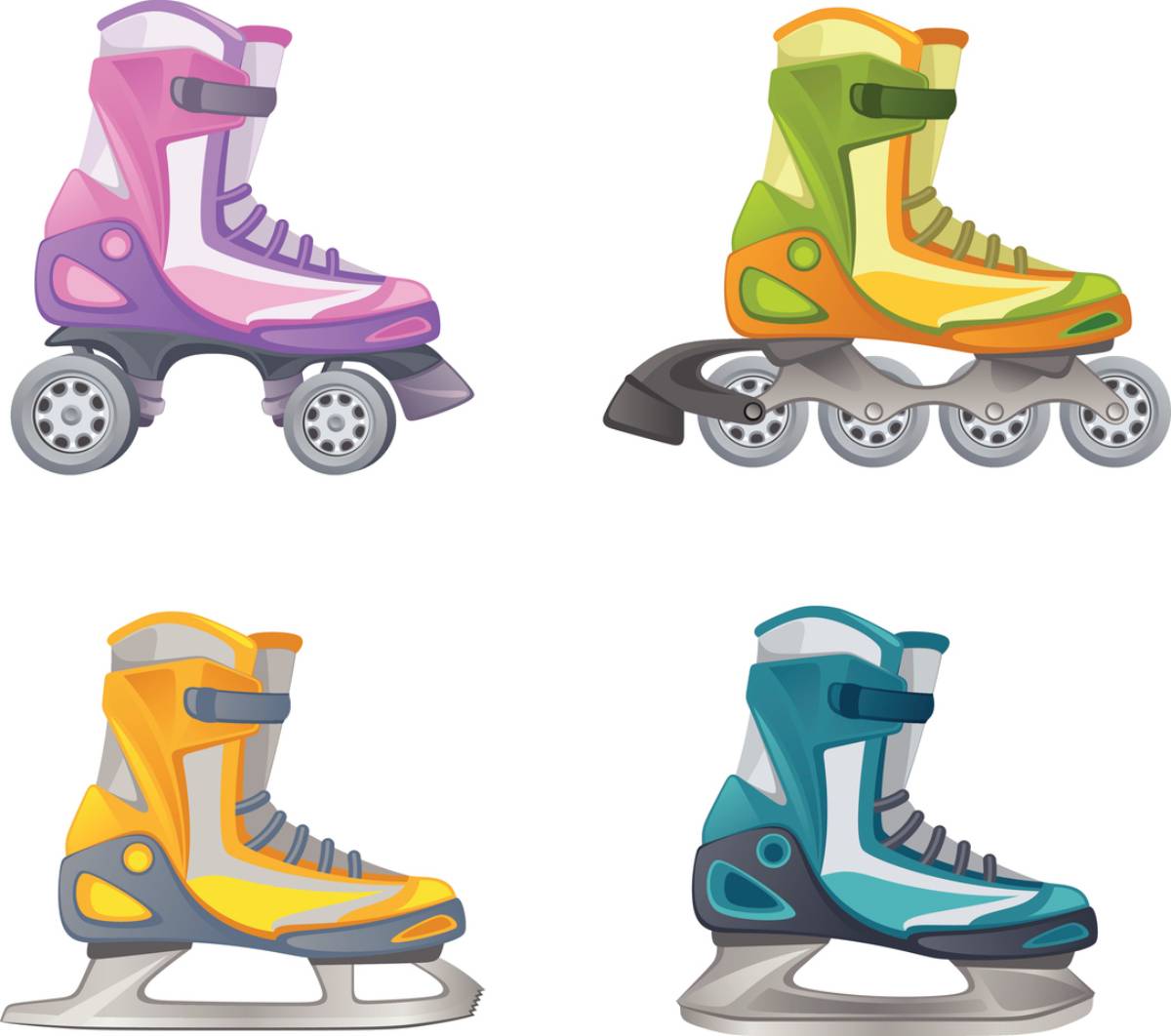
The methods of movement—including forward movement, turning, and stopping—are similar for both inline skating and ice skating. However, inline skates are often used on several different terrains, including a skating rink, outdoor path, or even on the road. Inline skates from a top skates retailer have at least four wheels in a single line from your heel to your toe. However, ice skates have a single blade and are limited to the ice because of it. 

Boots

The boots for inline skates and ice skates are vastly different. Ice skating boots are typically stiffer and provide more ankle support, which is crucial for the safety of the ice skater. Strong support is critical for ice skating maneuvers like jumps and spins. Alternatively, inline skate boots are more flexible and comfortable. This quality is helpful as they are specifically designed for long periods of use.

Which Type of Skating Is Easier?

Ice skaters and inline skaters have both likely wondered if the other sport is easier than their own. Luckily, there are several transferable skills between the two, so if you want to try the other type of skating, you will likely pick it up with ease. 

That being said, neither type of skating is inherently easier than the other. They are just different. Some may suggest that inline skating will be easier to pick up because the wheels provide more stability than the blades of ice skates do. Still, others would believe that ice skating is easier because, if needed, it is easier to take small steps in ice skates than it is in roller skates. At the end of the day, your choice will depend on personal preference and the amount of practice you are willing to put in. Once you dedicate some time to getting the basics down, you will be able to enjoy gliding, whether on ice or a roller rink.

Skates Retailer

If you want to pick up skating, check out the selection of skates and skate gear at Crazy Skates today.

Featured image for 8 Reasons to Start Biking

8 Reasons to Start Biking 

For dedicated bikers, biking is not just a way to get from point A to point B. It is a lifestyle, a workout, and the answer to some of the biggest challenges in the world today. In Costa Mesa, it is a fun and easy way of exploring the city’s landmarks and scenic trails. Whether you are a Costa Mesa resident who looks at biking as a no-expense means of transportation or a tourist thinking of things to do in Costa Mesa, you can enjoy the best of the city by biking. Here are eight reasons to start biking today.

8 Reasons to Start Biking 

1. Discover Costa Mesa’s Scenic Beauty

Biking enables you to enjoy the city’s scenic landscapes. What better way to enjoy its beautiful parks and tree-lined neighborhoods? While biking, you can lose yourself in the beauty of your surroundings and connect with nature.

2. Stay Active and Healthy

Costa Mesa’s mild climate makes it easy for residents and tourists alike to enjoy the outdoors all year round. Biking in this city is a great way to stay active, healthy, and fit. It strengthens your muscles, lubricates joints, and improves cardiovascular health. In addition, it helps release endorphins. With better mood, lessened anxiety, and lower risk of depression, you will be able to think clearer and better focus on your goals.

3. Explore Local Attractions

It is much easier to explore local attractions on a bike rather than in a car or on a bus. You will also avoid the complications of finding parking. It costs nothing to run a bike, so you will have more money to enjoy food and other attractions that do require spending.

4. Support a Greener Costa Mesa

Costa Mesa has many environmental and sustainability initiatives in place. By choosing to bike instead of drive, you are supporting these environmental and sustainability efforts. Biking will also help reduce your carbon footprint, a simple environmental goal everyone should strive for.

5. Connect with the Community

Want to meet fellow locals? Bike. Biking is a great way to meet other residents in your city. By joining a biking group, participating in local biking events, or just riding along a Costa Mesa bike route, you will be able to connect with other individuals who share your adventurous spirit and your passion for health and fitness.

6. Enjoy Easy Access to Trails

When you are in Costa Mesa, you will have easy access to biking trails. Costa Mesa is located near several biking trails that cater to all skill levels. Whether you prefer a leisurely ride or a challenging workout, you are bound to be just a short distance from a trail that suits your skill level and purpose.

7. Make Commuting Fun

Level up your daily commute by biking or to work or school. Costa Mesa’s bike lanes and pathways will allow you to have a safe, stress-free, and enjoyable ride to wherever you need to go. You are bound to arrive at your destination fully energized and ready to face the day.

8. Strengthen Family Bond

Biking is a fun and free activity that everyone can enjoy, which means that it is an excellent way for you to bond with your spouse or children. Costa Mesa has safe and scenic bike paths that are well-suited to family outings. By biking, you can enjoy quality time with your family and stay active and fit at the same time.

How to Start Biking

Are you convinced that you should start biking but not sure where to start? Start by purchasing a bike that aligns with your needs. Do you need a road bike, a mountain bike, or a cruiser? You can research more about each type online and visit a retailer to see firsthand which type would be practical for your intended purpose. Make sure that you also purchase a helmet, lights, and a bike lock. When you have everything you need, start by taking short rides to build your biking confidence.

Explore Costa Mesa

Biking is more than a way to get around. It can strengthen family bonds, foster community connection, and support sustainability and environmental efforts, among many other benefits. Whether you are a resident of Costa Mesa or a tourist, biking is the perfect way to experience the best of the town. Visit our website to discover your new favorite spot in Costa Mesa and get ready to bike there in style.

Featured image for Should You Wear Safety Gear While Scootering

Should You Wear Safety Gear While Scootering?

Scootering is a fun activity that gets you moving and boosts your mood. No matter how old you are or what your fitness level is, scootering is something everyone can do. Many people scoot around to burn some calories, but others may use it as a form of transportation. No matter why you choose to scoot, it is important to stay safe. Should you wear safety gear while scootering? Below, you will find helpful information about how to ensure you reduce your risk of injury while skating.

Should You Wear Safety Gear While Scootering?

Many people ride a scooter for fun, but it is also a great way to get around. Skating offers so many benefits no matter why you do it. It can help you burn some calories, boost your mood, and help you socialize. However, as with anything, it comes with certain risks. Maintaining your safety while scootering is key. 

If you skate for fun, safety gear can help reduce your risk of injury if you scoot fast or do any tricks. Alternatively, if you scoot as a form of transportation, roads can get busy and dangerous. Having safety gear on can protect you in the event of an accident. No matter how experienced you are, wear safety gear while you skate to optimize your safety.

Safety Gear for Scootering

There are some essentials when it comes to safety gear when you scoot around. Be sure to get the following items before you begin scootering. 

Helmet

A helmet is the most necessary piece of safety gear for riders. It protects your head from injury in the event of an accident, dramatically reducing the risk of a serious injury if you experience head trauma. You must wear a helmet if you ride a scooter. Luckily, you can get it from the same skate shop where you purchase your scooter for optimal convenience.

Protective Clothing

Cover your skin when you scoot to fully protect your body. It is common for those who ride scooters to take a spill, whether by simple accident or because they are trying to perform a trick. Avoid wearing shorts, sandals, or tank tops. Exposed skin can be easily injured. Road rash is extremely painful and can increase your risk of infection. Wear thick clothing that will protect your skin if you fall.

High-Visibility Gear

Even if you avoid scootering at night, wear protective clothing that is highly visible, such as bright colors with reflective surfaces. They will make you more visible to others when you are moving around. If you do skate at night or early in the morning, reflective clothing and lighting are non-negotiable. They are a cost-effective way to protect yourself and reduce the risk of an accident.

Protective Padding

Protective padding is non-negotiable if you are a beginner at scootering. More advanced skaters may skip out on this, but it is still a good idea no matter what level you are at. Protective padding includes elbow pads, knee pads, and wrist guards. These are great if you are a beginner or have balance issues. They protect the main points of contact people hit when they fall off of a scooter.

The Importance of Wearing Safety Gear

Safety gear while you scoot around is helpful in protecting you. It keeps you safe and reduces the risk of serious injury. It can also help you feel more confident. Knowing you are protected if you get into an accident gives you peace of mind while you are on your scooter. 

In some places, safety gear may be a legal requirement. Be sure to check your local and state laws to ensure you are in full compliance. If you need to purchase safety gear, check out the selection at Crazy Skates today!