Common Inline Skating Injuries and How to Prevent Them

Inline skating is a fun and exciting way to exercise, commute, and enjoy the outdoors, but, like any sport that involves speed and balance, it carries injury risks. Whether you’re shopping at an online skating shop for your first pair of inline skates or you’re an experienced skater, you can benefit from learning about common injuries and prevention strategies. Most skating injuries are preventable through proper equipment, technique, and safety awareness. The majority of accidents occur when skaters lose control, collide with objects, or fall due to poor surface conditions or inadequate skill. You can significantly reduce your risk of common inline skating injuries by knowing how to prevent them. 

Wrist and Hand Injuries

Wrist fractures are the most frequently reported injuries among inline skaters. People instinctively extend their hands to break their fall when they go down. This places enormous amounts of stress on your wrist joints. Depending on the intensity of the impact, it can cause anything from minor sprains to complete fractures of the bones in your wrist. Many sustain cuts, bruises, and finger fractures to their hands during falls as well. 

Proper wrist guards are the first line of defense against wrist injuries. Guards with rigid splints on both sides of your wrist offer the most protection. They distribute the impact forces and prevent your wrist from bending beyond its natural range. Quality protective gear should not restrict circulation, but fit snugly enough that it doesn’t move freely. Experienced skaters understand that falls are sometimes part of the learning process and compensate by learning proper falling techniques. This refers to techniques like rolling rather than catching yourself with your hands. 

Head Injuries

Though less common than wrist injuries, head injuries are a serious threat to skaters. Falls and crashes have great potential to cause concussions and, in some cases, severe traumatic brain injuries. Helmets are an effective way to dramatically reduce your risk of head injury. Modern helmets are lightweight, well-ventilated, and designed specifically for the impact patterns common in skating accidents. 

Lower Body Injuries

Knee injuries are another common injury that inline skaters sustain. Many skaters have experienced ligament strains and ankle sprains due to awkward landings, loss of balance, obstacles, and other possible complications. Backward falls often result in injuries to the hip and tailbone. These types of injuries can take weeks or months to recover from. Proper knee and elbow pads with hard plastic caps and dense foam padding offer great protection against related injuries. 

Environmental Hazards and Surface-Related Injuries

Many skating injuries result from environmental factors rather than skating technique. Cracks in pavement, gravel, wet surfaces, and debris create hazardous conditions that can thwart even the most experienced skaters. Poor visibility during dawn, dusk, or nighttime skating increases your risk of collisions. Before taking off, inspect surfaces. Avoid wet or icy conditions that could cause traction problems. Choose paths that are well-maintained and avoid areas that have heavy pedestrian or vehicle traffic. In low-light conditions, wear bright clothing and use lights or reflective gear. 

Preventing Common Inline Skating Injuries

Most skating injuries happen due to a lack of experience. Start slowly, master the basics in safe environments. Consider taking lessons from qualified instructors to develop proper balance, stopping, and turning techniques. As you gain experience and skill, gradually progress to more challenging terrain or maneuvers. The best way to prevent common inline skating injuries is to prevent them. Wear appropriate protective gear and skate within your skill level. If weather conditions are questionable, be sure to account for this when stopping and turning. Skating injuries are preventable with a little effort. 

Connect with experienced instructors to learn more about preventing common inline skating injuries. 
Preventing Injuries Through Warm-Ups and Stretching

Injuries happen for many reasons. These reasons are not limited to poor technique or overtraining. Oftentimes, injuries occur simply because the body is not yet ready for movement. Proper preparation is essential before any rigorous activity. If the body is not properly prepared, warm-ups and stretching are rushed or skipped, the risk of injury increases. If you are into sports like roller skating, warm-ups and stretching are among the most effective tools for preventing injuries, along with wearing protective gear from a reputable skate shop.

Keep exercise and sports fun by preventing injuries with warm-ups and stretching. It is essential to understand the purpose of warm-ups and stretching and to know how to do them properly. 

Preventing Injuries Through Warm-Ups and Stretching

Why Warm-Ups Matter

When warm-up is done properly, it prepares your body for activity by gradually increasing heart rate, blood flow, and muscle temperature. This makes your muscles more elastic and responsive, reducing the risk of strains, tears, and joint stress.

A properly done warm-up can also help activate the nervous system. It improves coordination, balance, and reaction time, which you need for most physical activities, such as roller skating. This is especially important when you have to make sudden movements, lift, or change direction. If you want your body to handle physical demands safely and efficiently, it should undergo a gradual transition from rest to movement, and that will only happen with a proper warm-up.

On the contrary, muscles are left stiff and joints less lubricated when warm-ups are skipped. This makes the muscles more vulnerable to injury, especially in the lower back, knees, shoulders, and ankles.

What Makes an Effective Warm-Up

An effective warm-up should involve controlled movement. The following are considered to be examples of an effective warm-up:

  • Brisk walking, marching in place, gentle cycling
  • Arm circles, leg swings, and torso rotation
  • Controlled and slowly performed bodyweight movements like squats or lunges

Your goal is not to be exhausted but to gradually increase intensity and range of motion. A good warm-up usually lasts 5 to 10 minutes and should be tailored to the activity. For instance, if you are going to walk and lift, warm up your hips and legs. If you are going to reach or carry, warm up your shoulders and upper back.

The Role of Stretching in Injury Prevention

Your muscles should be able to move their full range without resistance. Stretching can improve flexibility and joint mobility. This improves posture, reduces tension, and lowers the risk of muscle imbalances that can later cause chronic pain or injury.

It is important to note, however, that timing matters. For example, static stretching, where you hold a stretch for 20 to 30 seconds, is most effective after an activity rather than before. If it is done before an activity, your muscle strength and stability may be temporarily reduced.

After physical activity, you can help your muscles relax by stretching. It will also promote circulation and support recovery. When done consistently, this also helps improve movement efficiency and reduce stiffness caused by repetitive motions or prolonged sitting.

Key Areas to Focus On:

These areas are prone to tightness and injury:

  • Hamstrings and hips, which affect posture and lower back health
  • Calves and ankles, which are crucial for balance and walking mechanics
  • Shoulders and upper back, which are often strained by lifting and desk work
  • Neck and spine, which hold tension from stress and poor ergonomics

When warm-ups and stretching are done consistently before and after sports activities, they can significantly reduce the risk of injury. They do not even have to be long and complicated.

Other Ways to Prevent Injury

Warm-ups and stretching are not the only ways you can prevent injury. Sometimes injuries occur due to accidents. If you are into sports, such as roller skating, you also need protective gear to prevent accidental falls that could cause injury.

Protect Yourself from Injury

Whether it is a sport or a hobby for you, roller skating is always fun and exciting. Just do not let the thrill make you skip your warm-ups or make you forget to put on your protective gear. You need them to ensure you are always safe from injury. If you are looking for some protective gear for your next skate, check out our shop and explore our exciting collection of roller skate protective gear today.

How to Encourage Children to be More Active Every Day

Today’s highly digital world makes it challenging for parents to encourage children to stay active. With phones, tablets, and game consoles everywhere, children just want to stay in front of their screens and there is no longer time for physical activity. The problem is, and most parents know this, children need physical activity because it plays an essential role in their physical health, emotional well-being, confidence, social aptitude, and even academic performance.  But many parents rack their brains about how to encourage children to be more active every day. Here is some good news. Helping children move more doesn’t require much creativity on your part. Sometimes something as simple as introducing a new activity by getting gear from an online skating shop can create excitement and motivate them to move. A visit to an online skating shop. With the right approach, physical activity can become a natural and fun part of your children’s everyday life. 

How to Encourage Children to Be More Active Every Day

Children need regular physical activity to support healthy growth and development. Physical activity strengthens muscles and bones and improves coordination and balance. It also supports heart health and promotes good quality sleep. These are just a few of the many benefits of movement. Beyond the physical benefits, children who have regular physical activity often experience better mood regulation, reduced stress, and improved focus in academic activities. With physical activities, children also learn essential life skills, such as teamwork, perseverance, and self-confidence.

When parents understand these benefits, they begin to view activity not as an extra task but as essential to a child’s daily routine, just like eating and sleeping.

Make Movement Fun

One of the most effective ways to encourage movement is to plan something fun. Children are more likely to move when they see that it is play rather than a necessity, like a chore. Instead of telling children they need to exercise, suggest physical activities they already enjoy. Biking, dancing, playing tag, and jumping on the trampoline are activities most children enjoy.

Games, challenges, and imaginative play are activities that usually work for younger children. A simple backyard obstacle course, a scavenger hunt, or pretending to be animals, like a leaping frog, a hopping bunny, or a dancing monkey, can get young children moving without realizing they are doing something necessary. 

Lead by Example

Children learn by observing adults around them. If they see their parents and other primary caregivers engaging in physical activities, they would likely be interested and follow suit. Taking evening walks, doing some stretching exercises in the morning, or going on active family outings can teach children that movement is an essential part of everyday life.

When they see you engaging in physical activity, they will learn that being active is not punishment. It is something you do because it makes you feel good.

Limit Screen Time

One of the biggest hindrances to daily movement is screen time. You do not have to ban screen time totally. Just set a tech-free time during the day when they can do other activities. Be sure to provide appealing options as children will be more willing to step away from their screens when they have something fun to do.

Incorporate Activity into Daily Routine

Physical activity does not always have to be scheduled because it can be incorporated into their daily routine. Walking to school, helping with household chores, taking the stairs, and receiving packages are all activities that encourage children to move. 

Encourage Participation Without Pressure

Some children enjoy competitive sports. Some do not. Some thrive in a team. Some prefer individual sports. Some like swimming, biking, or skating. Some enjoy dance, and martial arts. The key is to allow them to explore and discover on their own what they truly enjoy.

Create a Supportive Environment

How movement-friendly is your home? A child’s environment is a big factor in how active they are. Are balls, bikes, jump ropes, scooters accessible? Is there enough space to allow spontaneous play? As much as possible, prioritize outdoor time for them to explore, run freely, or connect with nature.

Explore Our Skates and Roller Scooters

Encouraging children to engage in movement starts with a supportive environment, offering fun, enjoyable choices, and modeling the desired behavior. If you are looking for fun activities for your children, explore our selection of roller skates and scooters on our site. These fun and active options can help them stay healthy, build confidence, and enjoy movement every day.

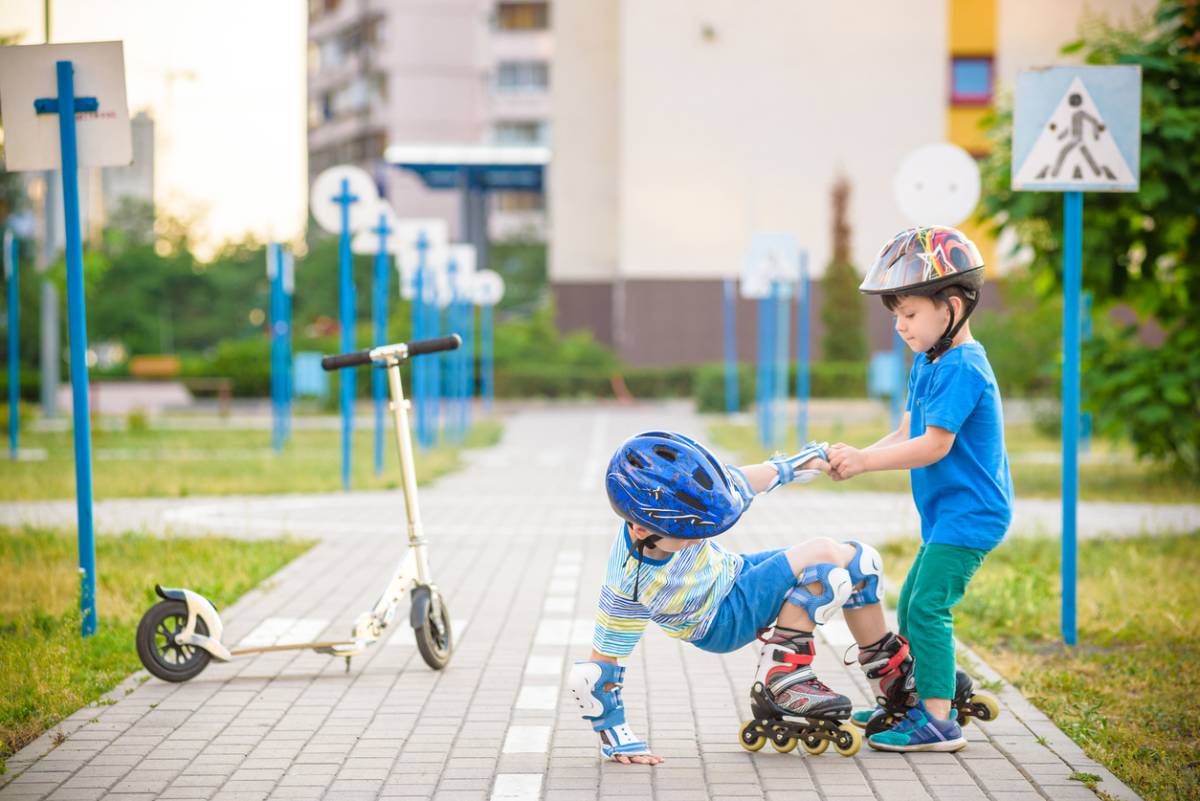
Two boys in park, playing with scooter and roller skates.

Gifts That Encourage Outdoor Play

Finding the perfect gift can feel overwhelming, especially when you want something fun, meaningful, and beneficial. In today’s screen-heavy world, gifts that encourage outdoor play are more important than ever, and always a hit. Scooters and roller skates stand out as exciting options that get kids, teens, and even adults moving, exploring, and enjoying fresh air.

Why Outdoor Play Matters More Than Ever

Outdoor play supports both physical and mental well-being. Activities like scooting and skating help improve balance, coordination, and muscle strength while also boosting confidence and independence. Spending time outside encourages social interaction, creativity, and stress relief, making it a powerful alternative to sedentary entertainment.

When you give a scooter or a pair of roller skates, you’re not just giving a toy—you’re giving an experience. These gifts invite movement, adventure, and skill-building, all while creating memories that last far beyond the unwrapping moment.

Scooters: Fun, Fast, and Easy to Learn

Scooters are a popular choice for all ages because they are approachable and versatile. Younger riders appreciate how easy it is to learn to ride a scooter, while older kids and teens enjoy mastering tricks or cruising around the neighborhood. Scooters are also compact and lightweight, making them simple to store or take on the go.

There are several types of scooters to consider when choosing the perfect gift. Classic kick scooters are ideal for beginners and casual riders, offering stability and control. For more adventurous riders, performance or trick scooters are built for durability and agility, perfect for skate parks and advanced maneuvers.

Scooters help develop balance and coordination while providing a low-impact form of exercise. They also encourage outdoor exploration, whether it’s riding to the park, taking a walk down the sidewalk, or going around the block with friends.

Roller Skates and Inline Skates: Timeless Outdoor Fun

Roller skating has made a significant comeback, and for good reason. Roller skates and inline skates blend nostalgia and modern design, appealing to both new skaters and seasoned enthusiasts. These skates promote full-body movement, cardiovascular fitness, and rhythm, making them a fun way to stay active.

Traditional quad roller skates are great for beginners thanks to their stable design and classic feel. They are perfect for outdoor paths, driveways, and skating rinks. Inline skates, on the other hand, offer speed and smooth motion, making them a favorite for fitness skating and longer outdoor rides.

Both options allow riders to progress at their own pace, building skills and confidence with each glide. Skating also encourages social play, as friends and family can skate together, making it a gift that brings people closer.

How Scooters and Skates Support Healthy Development

Outdoor play gifts like scooters and roller skates support important developmental benefits. They help improve motor skills, spatial awareness, and posture. Regular skating or scooting also encourages goal-setting, as riders work to improve balance, speed, or technique over time.

Beyond physical health, these activities support emotional well-being. Being outdoors reduces stress, boosts mood, and fosters independence. Children learn resilience as they practice, fall, and try again, while adults rediscover the joy of play.

Choosing the Right Scooter or Skates as a Gift

When selecting a scooter or pair of skates, it’s important to consider the rider’s age, skill level, and intended use. Adjustable scooters and skates are especially popular because they grow with the rider, offering long-term value. Safety features, such as durable wheels, quality bearings, and supportive boots, are also essential for a positive experience.

Accessories like helmets, knee pads, and wrist guards make thoughtful additions to your gift, helping ensure safety and confidence from day one.

Shop Outdoor Play Essentials with Confidence

As a trusted roller skate retailer, we offer a wide selection of roller skates, inline skates, scooters, and accessories designed for comfort, safety, and performance.

If you’re looking for a gift that inspires movement, creativity, and outdoor fun, scooters and roller skates are always a winning choice. Explore to explore our collection and give a gift that keeps the joy rolling all year long.