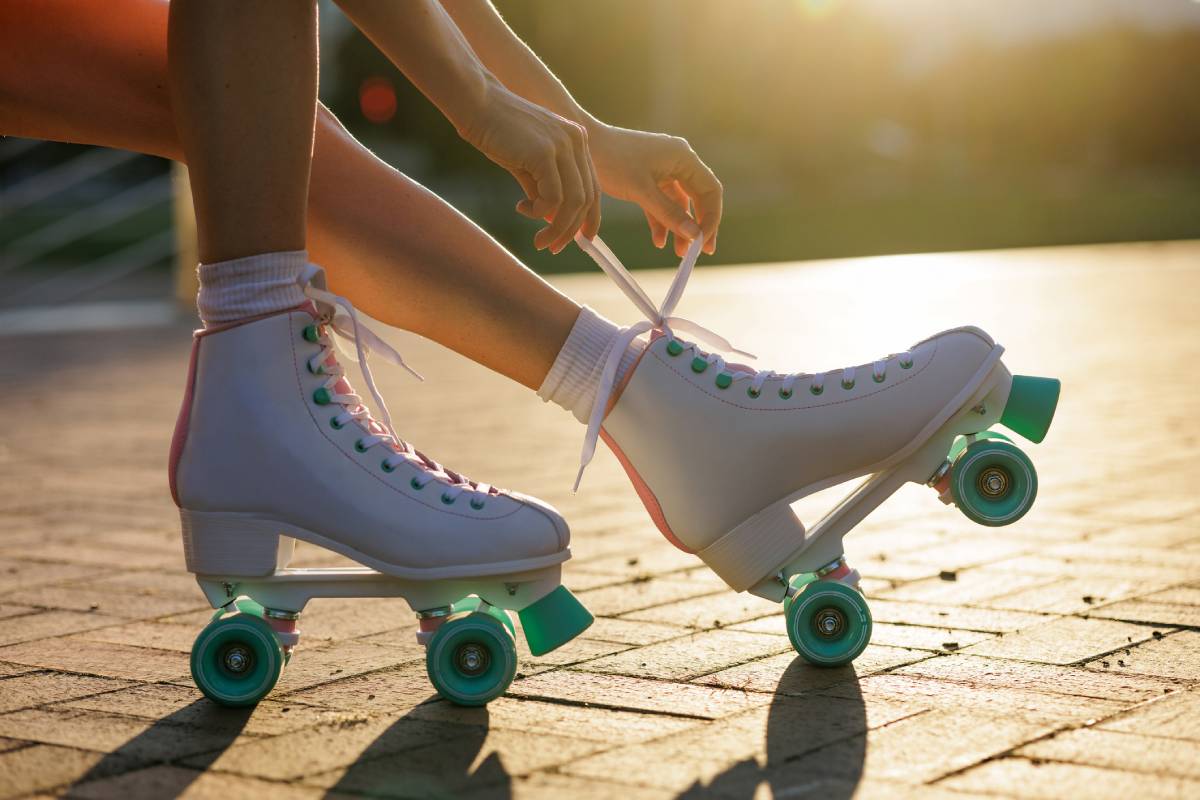


Whether you’re picking up a new hobby or continuing a childhood one, roller-skating is a fun and versatile activity for all ages. But behind every smooth stride is a set of skate parts working hard to support you—wheels, bearings, toe stops, trucks, and laces all play a role in safety and performance. Just like flipping your wheels helps extend their lifespan, knowing when to replace your skate parts keeps you rolling confidently and prevents unnecessary accidents or injuries.
If you’ve invested in quality skates and want to keep them performing at their best, it’s important to know when to replace your skate parks. Learn the signs, timelines, and tips for maintaining and replacing essential skate components.
Skate parts naturally wear down over time, especially with frequent or intense use. As they degrade, your control, stability, and stopping power can decrease—sometimes without you noticing until it’s too late. Staying proactive ensures:
Whether you’re a beginner or a seasoned skater, understanding these replacement cues helps you skate smarter and safer.
Skate wheels take the brunt of your movement. Even casual skating creates uneven wear, flat spots, or thinning edges over time.
Replace your wheels when you notice:
Aggressive outdoor skaters typically need new wheels sooner—sometimes every 1–2 months—while casual indoor skaters may only need replacements a few times per year. Keep in mind: flipping and rotating wheels slow wear, but they don’t stop it completely.
Roller skate bearings are the critical little parts that fit inside your wheels, acting like tiny, smooth engines that allow them to spin freely on the axles so you can glide effortlessly. They’re essential for turning your pushing power into a smooth, rolling motion. Even with routine cleaning, they eventually lose speed and smoothness.
It may be time for new bearings if:
For skaters who hit the pavement 3–4 times a week, bearings often need to be replaced every 3–6 months. Occasional skaters may go a full year or longer.
Toe stops are essential for controlled stops, quick turns, and powering through certain moves—especially for dance, derby, or outdoor skaters.
Replace your toe stops when:
If you’re an aggressive skater or braking often outdoors, expect to change toe stops more frequently—about every 2–3 months. Casual indoor skaters can go longer.
Inline brakes follow a similar pattern and should be replaced once the rubber wears down to the guideline mark.
These structural components of roller skates don’t wear out as quickly as parts like wheels or toe stops, but you still need to check on them now and then.
It’s time to replace or upgrade if you notice:
High-impact skaters—like those doing jumps, ramps, or derby blocking—may need replacements sooner than recreational skaters.
Laces might seem like the simplest part of your skate, but they’re essential for proper ankle support. Replace them when they become:
New, high-quality laces not only improve fit but also prolong the life of your boot by reducing strain on eyelets and tongue padding.
The quality of your skates is an important part of your skating journey. Staying on top of part replacements ensures you stay safe, confident, and always ready for your next session.
If you’re in need of new roller skate parts, check out Crazy Skates for our reliable parts and accessories!

By now, you know skating is fun, but what precautions are you taking to remain safe? For your safety, it is recommended to flip your skate wheels at regular intervals during ownership.
For instance, the number of hours a week you skate will impact how often you should flip your skate wheels. You should flip your skate wheels every 2-3 weeks of regular use, which consists of 15-20 hours of skating each week.
If you buy inline skates from our online roller skate shop and want to learn more about when and how you should flip your skate wheels, keep reading to learn more!
The frequency with which you should flip skate wheels depends on how often you use your skates and for how long. Those who skate aggressively and perform tricks will notice their skates wear more. If your skates experience this type of pressure, the wheels will need to be flipped sooner and more frequently than those used by casual skaters indoors.
For aggressive skaters, flipping your wheels may be required after at least 2 weeks of use. Casual skaters can typically wait 3 weeks. However, if you notice any changes in the wheels, such as cracks, marks, or other signs of wear, they should be inspected.
Simply rolling your wheels around causes wear. It’s inevitable, but that doesn’t mean you should throw in the towel! Whether you’re still interested in skating or that part of your life has taken a backseat for the moment, it’s necessary to know the causes of wheel wear so you can be mindful, know the warning signs to be on the lookout for, and make sure your skates are in tip-top shape once you pick them back up.
Several factors cause wheel wear. Some of the most common factors leading to wheel wear consist of:
After skating, scan each wheel to verify there are no issues before your next skate. Because there are numerous ways in which wheels receive wear, you should designate a time every 2-3 weeks to flip the wheels of your skates.
If you’re new to the skate scene or recently purchased inline skates from our online skate shop, it’s time to learn how to flip your skate wheels and make the most out of your investment. Who doesn’t want to get the most for their money? We’re here to help break down the process of flipping your skate wheels.
To correctly flip your wheels and extend the life of your skates, consider these common rotation patterns:
This rotation pattern is for beginners and is easy to manage. Swap the front wheels with the back wheels, keeping the left and right skates separate. This rotation is ideal with casual skaters.
Best for even wear across all wheels, this rotation evenly distributes pressure across each wheel. The X-pattern requires you to swap the front-left wheel with the back-right wheel. Then, the front-right wheel should be swapped with the back-left wheel.
A full diagonal rotation is for advanced skaters or those who frequently skate outdoors. To rotate your skate wheels using this method, each wheel must be moved diagonally across to the opposite skate. This type of wheel rotation allows room for even wear.
At Crazy Skates, our online roller skate shop offers a wide variety of roller skates, inline skates, scooters, and other parts and accessories! Skates are available in adjustable sizes to fit both children and adults.
Browse our website to see what we have to offer for all things skating-related. Contact us to learn more about our products and how to take care of them so you can enjoy them for a long time to come!

Downhill riding has held allure for people ever since the wheel was invented. With roller skates, it comes as no surprise that soaring down a decline is one of the most exhilarating experiences around. However, you should consider more than thrills, but also look at safety. A part of this is knowing what roller skates are best for riding downhill. Below, we take a look at suitable types.
When riding with speed, the more support and stability you have, the safer you are. A high-top boot style provides better support and integrity for your ankles. This helps you maintain speed while also placing less strain on your joints. Bumps and sudden turns in particular can prove tricky. Look for a roller skate made from a durable material for excellent ankle support.
Your wheels make all the difference. Their composition, size, and grip all play into both your speed going downhill and your safety while doing so. Some good wheel features for going downhill include:
Bearings are the foundation for smooth, fast-spinning wheels. But low-quality bearings can rust or degrade, slowing you down. Downhill skating also places more pressure on the bearings, so you need higher quality ones. Look for bearings rated ABEC-7 or higher.
Standard toe stops won’t be enough for cutting back on downhill speed. If you plan on sending it downhill, you should look at alternative braking methods. Some options to look into include:
Roller derby skates can handle speed while also proving durable. Keep in mind that they have a low-cut design, so they may not be sufficient on their own. Change up the boots and wheels and you might be cooking.
It’s all in the name. The large, hard wheels of speed skates are designed for excellent velocity. However, they require more skill for controlling them due to less ankle support. Best for experienced riders who have been through the ropes.
The balanced support and performance capacity of quad skates make them worth mentioning. In fact, they often serve as a solid choice for downhill beginners. There is a lot of flexibility in options for quad skates as well.
No matter your skill, downhill skating carries higher risks. Stock up on the proper safety gear before sending it down those slopes. Essential gear includes:
The best roller skates for downhill riding are those that combine speed, control, and durability. At Crazy Skates, we offer an extensive variety of options for riders of all experience levels. From accessories to fully ready skates, we have what you need for even the wildest downhill efforts.

Skating downhill can feel exhilarating—wind in your face, speed building under your wheels, and the thrill of effortless momentum. But before you push off down that slope, it’s essential to choose the right type of roller skates to keep your ride safe, controlled, and enjoyable.
Downhill skating puts extra strain on your wheels, bearings, plates, and even your stance, which means your equipment needs to be stable, supportive, and designed to help you maintain control.
Downhill skating requires more support and stability than casual rink or dance skating. Because not every skate is built to handle speed or rough outdoor terrain, it’s important to understand the features that matter most when selecting your roller skates.
Rugged boots offer greater ankle stability, which is essential for controlling speed. This study boot will help reduce wobbling, improve edge control, and support your body weight as you shift forward for braking.
Semi-hard boots also work well for downhill because they offer comfort without sacrificing necessary support.
Outdoor-friendly wheels in the 78A–85A durometer range absorb bumps and cracks you’ll encounter on pathways or park hills. Larger wheels (62–65 mm for quads, 90–110 mm for inlines) improve roll-out and help maintain momentum smoothly.
When you’re skating downhill, your wheels spin increasingly more, and they increase with speed. So, be sure that you have stong, smooth, well-lubricated, and durable bearings. ABEC-7, ABEC-9, or performance-rated bearings are great choices.
A sturdy metal plate (aluminum or magnesium) provides the stability downhill skaters need. Trucks should be responsive—but not overly loose—to avoid speed wobble.
For quad skates, a large, adjustable toe stop is ideal. For inline skates, a rear brake is extremely helpful for beginners and intermediate skaters learning downhill control.
Best Skate Types for Downhill
While skaters develop personal preferences, these models usually perform best:
Inline skates are typically recommended for beginners learning downhill because they offer the most reliable control at higher speeds.
Quad skates are great for skaters who prefer the traditional four-wheel feel, but should be used on smoother, gentler hills until enough control is developed.
Downhill skating is exciting, but beginners need to take extra precautions to stay safe. Here are some essential tips to help new skaters ease into downhill riding:
Choose a small hill with a smooth surface—nothing too steep. The goal is to get comfortable managing momentum, not to pick up speed quickly.
A low center of gravity increases balance. Bend your knees slightly, lean forward just a bit, and avoid locking your legs.
Practice on flat ground before trying it on a slope.
Point your toes inward slightly and widen your stance. This creates resistance and slows you down safely.
Don’t try to skate downhill. Instead, let gravity do the work and focus on maintaining control.
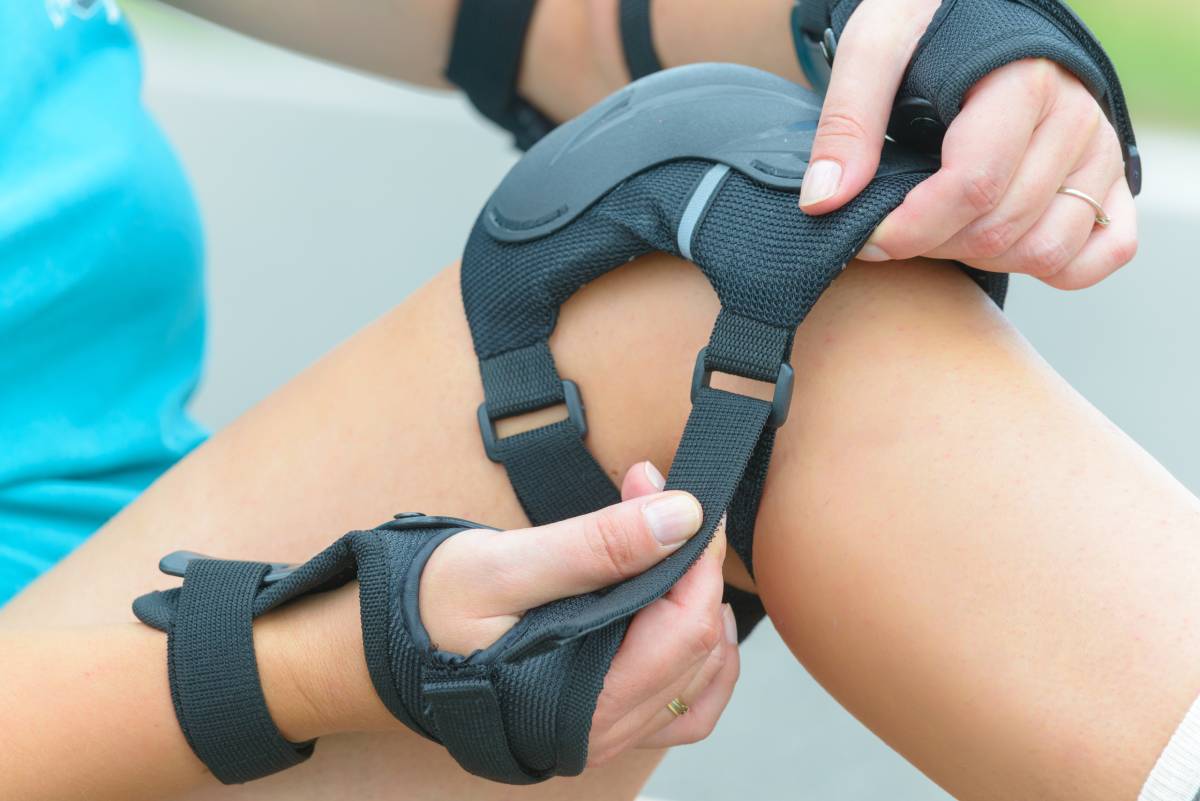
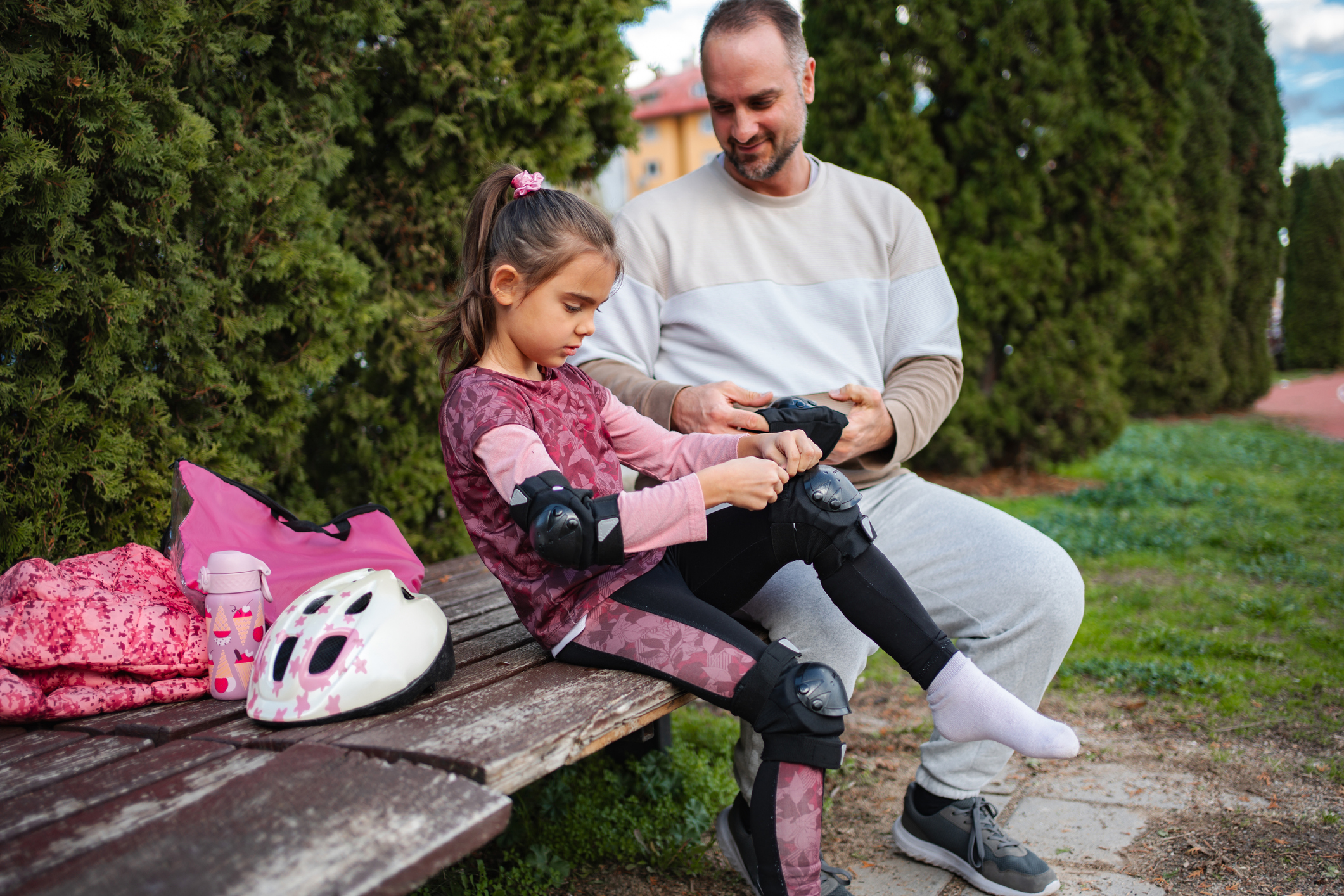
A non-negotiable for all skaters, beginners or pros alike, is protective gear. Because downhill speed increases quickly, helmets, wrist guards, elbow pads, and knee pads are absolutely essential.
Downhill skating puts much more pressure on your wheels, bearings, and skating surfaces. Make sure to:
Routine maintenance helps extend the life of your skates and ensures downhill riding stays smooth and safe.
Crazy Skates offers a wide selection of inline skates, quads, wheels, bearings, and safety gear designed for all skill levels. Whether you’re exploring gentle slopes or building up to bigger hills, we can help you choose the perfect setup for your skating style.

South Coast Plaza is one of the largest shopping destinations in the country. People travel from all over to experience the opulence and luxury that exist at South Coast Plaza in Costa Mesa. The mall has everything from fashion apparel and accessories to jewelry and beauty. There is truly something for everyone. Before you head over, consider the following guide to shopping at South Coast Plaza.
Planning your visit to South Coast Plaza can help you optimize your time there. Read on for our insider tips and tricks for having an amazing experience.
If you want to stroll around South Coast Plaza and see what looks fun at the moment, that is no problem! However, there is a lot of ground to cover, and you may want to list your must-visit stores before you get there. You can check out the mall website and look at the directory to see where each of the boutiques or shops you want to go to are. This can help you effectively use your time as you shop so you do not waste time looking for what you need. Download the South Coast Plaza app before you head over whether you plan your trip or not.
Before you head over, consider the time you want to visit. South Coast Plaza often has different hours on Sundays, so be sure to check when they are open before you head over. Additionally, South Coast Plaza has extended hours during the holidays. While it will be busy, Costa Mesa shopping is great during the holidays. There are so many boutiques you are bound to find a gift for everyone.
There is ample parking most of the year, as there are several lots to choose from. South Coast Plaza has self-parking structures and lots, valet parking, and electric vehicle charging. If you opt for valet parking, be sure to check their hours in advance. Parking is typically available, but it is important to note that the holidays bring in a lot of shoppers. Opt to head to South Coast Plaza early during the holidays to bypass the afternoon rush.
One of the best parts of South Coast Plaza is the dining options. They have several fine and casual dining options. The famous Din Tai Fung is a fan favorite that attracts people from all over the world. If you do not have time to sit down, consider quick bites found all over the mall. There are several options that accommodate dietary restrictions, so there is something for everyone.
Many of the luxury boutiques require an appointment before you can shop. This is to ensure you have the very best Costa Mesa travel experience. The boutiques at South Coast Plaza are focused on providing you with the best customer service experience so you are comfortable and can take your time. When you decide on your must-visit shops, contact them to see if you need to schedule an appointment. They can happily accommodate your schedule when you visit.
If you want to experience some entertainment after you shop and dine, South Coast Plaza has options. Segerstrom Center for the Arts and South Coast Repertory are popular entertainment venues. Check out their schedule beforehand to ensure you can secure tickets. There are also child-friendly attractions to schedule throughout your day if the whole family is coming. Consider stopping by the Carousel Court and designated play areas for some fun.
Costa Mesa is an oasis for the whole family. South Coast Plaza is a great place to spend time, whether you are a local or a tourist. Consider adding South Coast Plaza to your itinerary for some great shopping, food, and fun!

The LAB Anti-Mall in Costa Mesa was established in 1993 and is a creative space full of a vibrant assortment of cafes, restaurants, and shops. The LAB stands for Little American Businesses, and this is precisely what is so special about the place. The Lab Anti-Mall, first and foremost, focuses on supporting small businesses as well as artists, musicians, local culture, and fashion. Moreover, this creative space takes pride in being a harbor for free thinking, originality, fun, and funkiness.
Now, the Lab Anti-Mall is a unique center with indoor space and an outdoor courtyard for all who love art, culture, and good food. The three-decade history of the Anti-Mall began when a Costa Mesa night-vision goggle factory was reborn as a creative space with the help of The LAB Team in 1993.
The array of events hosted by the LAB Anti-Mall truly speaks for itself and illustrates the goals and vision of its team. Except for various art shows and pop-up and artisan markets, there are such events as book and poetry readings, creative classes, sustainable wardrobe clothing swaps, and even animal adoption pop-ups.
The LAB Anti-Mall is not just another creative space, but it is a welcoming community with projects like a wishing tree messaging installation, “The living room” community seating, a walk-through gallery, and rotating murals. The LAB Anti-Mall takes pride in promoting creative evolution in the area, giving space to local artists for art and musical events, and bringing together a diverse mix of cultures.
Community Tile Wall Project: the mosaic tile wall is one of the oldest pieces of art on the territory of the LAB. Volunteers from Orange County have been helping to build the wall throughout the years, and this is a good case in point for the community surrounding the LAB Anti-Mall.
Apart from art, the LAB is known for its abundant choice of:
You can find here such gastronomic gems as Lebanese and Cuban cuisines, traditional Southern food, and a sushi bar crowned with one MICHELIN star. You can also go on a dream adventure of searching for a hidden speakeasy bar. In addition, the LAB Anti-Mall is a home for shops with locally sourced eco-friendly goods.
Here are a couple of eateries that can be thrilling destinations with the trip to the LAB in Costa Mesa:
Another exciting part of the LAB is a variety of one-of-a-kind fashion boutiques and clothing shops. These promote the “anti-mall” atmosphere. Staying true to its nature and mindset, the LAB hosts shops with:
The LAB Anti-Mall in Costa Mesa is about more than spending your hard-earned cash. It’s a place to support your community and reward the efforts of creators, chefs, designers, and more. To learn more about the LAB Anti-Mall in Costa Mesa (and about visiting this city in general), pop by Travel Costa Mesa.