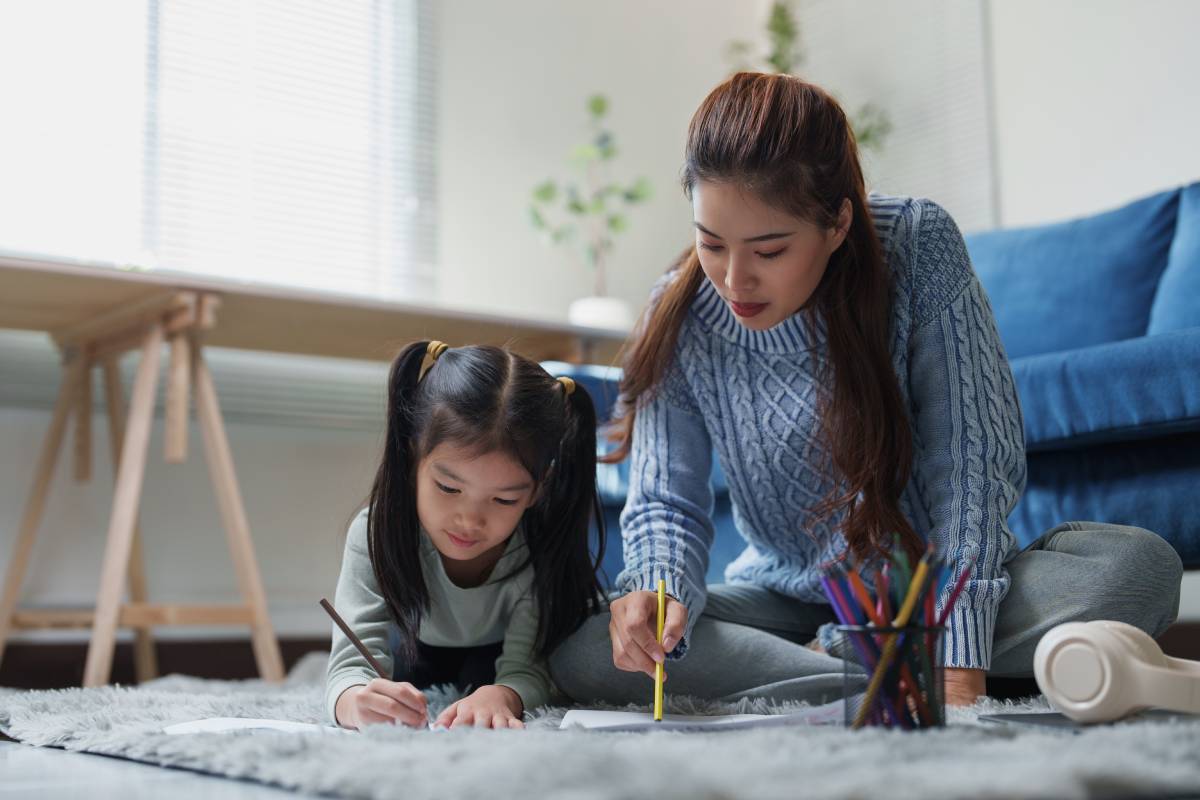
Simple Educational Activities to Do With Your Child Daily
Busy parents often worry they aren’t doing enough to support their child’s development. Effective learning doesn’t require elaborate lesson plans, expensive materials, or hours of dedicated time. Research in early childhood education consistently shows that simple, everyday activities provide effective learning opportunities when done intentionally and with engagement. While preschool and daycare programs offer structured learning environments, the education you provide at home through daily routines and playful interactions significantly impacts your child’s cognitive, social, and emotional growth. These straightforward activities take just minutes but build skills that benefit a lifetime.
Morning Learning Opportunities
Your morning routine is ripe with opportunities hiding in plain sight. Sequencing and independence are lessons found in the simple act of getting dressed. Simple activities like fastening buttons and climbing or descending stairs are natural opportunities to practice counting. Families who incorporate number practice into daily activities develop stronger mathematical reasoning than their peers who have only begun encountering numbers during formal instruction.
Whether part of your morning routine or a weekly routine, sorting laundry is another quick learning moment. You can ask your preschooler to sort socks by color or to separate family members’ clothes. This is an efficient way to teach categorization skills, a frequently used cognitive ability that supports everything from reading comprehension to scientific thinking.
Mealtime Learning
Meals provide ample opportunities for vocabulary building and scientific observation. You can describe the characteristics of food using broad and engaging descriptors. Cooking together is a good way to introduce basic science concepts, such as ingredient mixing and the effects that result. Even though your three-year-old won’t understand the concept of chemistry, you’re doing early construction for the development of scientific thinking. Preschoolers can benefit from simple prep tasks such as pouring, stirring, or arranging food.
Commuting
Road trips and daily commutes become a time for parents to engage with their children and point out things in their environment. “I spy with my little eye” is always a fun game that helps children make word-object associations. Rhyming games teach them literary techniques and phonetic awareness. Singing songs, especially those that implement higher rates of repetition and motor movements. Research supports that this supports memory, language, and coordination.
Bath Time Learning
Bathtime is a jungle of possibilities for exploration of scientific concepts and sensory adventures. Toys, containers, funnels, and cups for water play are a valuable resource for prompting experimentation. Washable crayons or floating letters can be used to teach how to spell their name. Keeping it playful and relaxed will ease tension that tends to kill the thrill of learning.
Bedtime Learning
Bedtime can have a significant impact on learning; simple routines not only help ease the transition but can also serve as an educational tool when applied consistently. Reading remains a tried-and-true educational activity, no matter how small your child is. Bedtime stories help make associations, recognize patterns, and build phonetic understanding. After you finish your story, for preschool children, prompting dialogue about their day is an efficient way to develop vocabulary, self-reflection, and narrative skills.
Education in the Little Things
Educational activities don’t require extensive purchasing of the latest lessons and learning toys. It doesn’t even require you to dedicate large amounts of your time. Little additions to simple daily tasks can have a meaningful impact on your child’s emotional and educational trajectory. These simple interactions complement daily routines and create consistent learning opportunities throughout their day. You have the opportunity to make almost any moment one for learning and development. The best learning shouldn’t feel like learning at all.
Learn how we can help make the small moments have great impact by reaching out today.
Leave a Reply