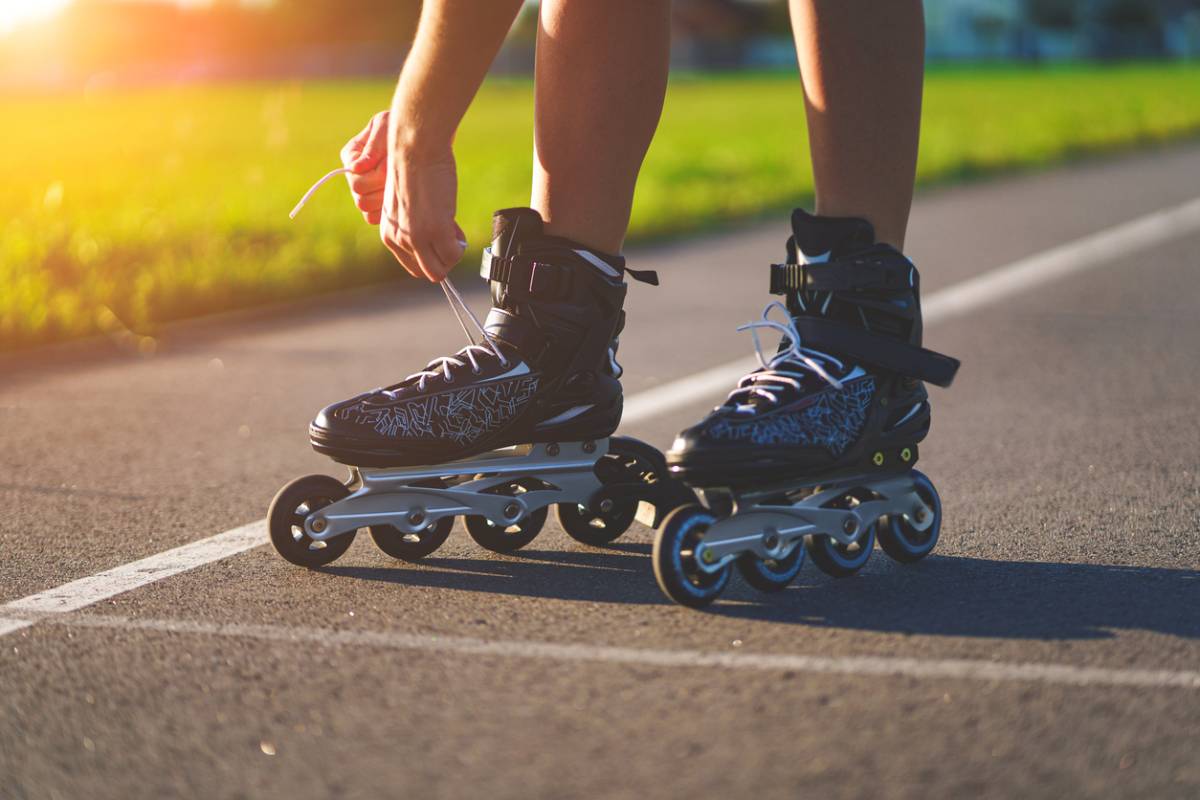
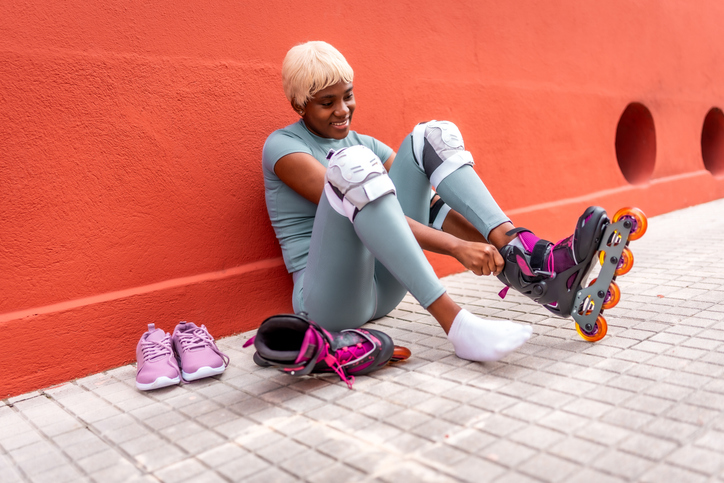
Injuries happen for many reasons. These reasons are not limited to poor technique or overtraining. Oftentimes, injuries occur simply because the body is not yet ready for movement. Proper preparation is essential before any rigorous activity. If the body is not properly prepared, warm-ups and stretching are rushed or skipped, the risk of injury increases. If you are into sports like roller skating, warm-ups and stretching are among the most effective tools for preventing injuries, along with wearing protective gear from a reputable skate shop.
Keep exercise and sports fun by preventing injuries with warm-ups and stretching. It is essential to understand the purpose of warm-ups and stretching and to know how to do them properly.
Preventing Injuries Through Warm-Ups and Stretching
Why Warm-Ups Matter
When warm-up is done properly, it prepares your body for activity by gradually increasing heart rate, blood flow, and muscle temperature. This makes your muscles more elastic and responsive, reducing the risk of strains, tears, and joint stress.
A properly done warm-up can also help activate the nervous system. It improves coordination, balance, and reaction time, which you need for most physical activities, such as roller skating. This is especially important when you have to make sudden movements, lift, or change direction. If you want your body to handle physical demands safely and efficiently, it should undergo a gradual transition from rest to movement, and that will only happen with a proper warm-up.
On the contrary, muscles are left stiff and joints less lubricated when warm-ups are skipped. This makes the muscles more vulnerable to injury, especially in the lower back, knees, shoulders, and ankles.
What Makes an Effective Warm-Up
An effective warm-up should involve controlled movement. The following are considered to be examples of an effective warm-up:
Brisk walking, marching in place, gentle cycling
Arm circles, leg swings, and torso rotation
Controlled and slowly performed bodyweight movements like squats or lunges
Your goal is not to be exhausted but to gradually increase intensity and range of motion. A good warm-up usually lasts 5 to 10 minutes and should be tailored to the activity. For instance, if you are going to walk and lift, warm up your hips and legs. If you are going to reach or carry, warm up your shoulders and upper back.
The Role of Stretching in Injury Prevention
Your muscles should be able to move their full range without resistance. Stretching can improve flexibility and joint mobility. This improves posture, reduces tension, and lowers the risk of muscle imbalances that can later cause chronic pain or injury.
It is important to note, however, that timing matters. For example, static stretching, where you hold a stretch for 20 to 30 seconds, is most effective after an activity rather than before. If it is done before an activity, your muscle strength and stability may be temporarily reduced.
After physical activity, you can help your muscles relax by stretching. It will also promote circulation and support recovery. When done consistently, this also helps improve movement efficiency and reduce stiffness caused by repetitive motions or prolonged sitting.
Key Areas to Focus On:
These areas are prone to tightness and injury:
Hamstrings and hips, which affect posture and lower back health
Calves and ankles, which are crucial for balance and walking mechanics
Shoulders and upper back, which are often strained by lifting and desk work
Neck and spine, which hold tension from stress and poor ergonomics
When warm-ups and stretching are done consistently before and after sports activities, they can significantly reduce the risk of injury. They do not even have to be long and complicated.
Other Ways to Prevent Injury
Warm-ups and stretching are not the only ways you can prevent injury. Sometimes injuries occur due to accidents. If you are into sports, such as roller skating, you also need protective gear to prevent accidental falls that could cause injury.
Protect Yourself from Injury
Whether it is a sport or a hobby for you, roller skating is always fun and exciting. Just do not let the thrill make you skip your warm-ups or make you forget to put on your protective gear. You need them to ensure you are always safe from injury. If you are looking for some protective gear for your next skate, check out our shop and explore our exciting collection of roller skate protective gear today.
When shopping for inline skates, you need to keep in mind a number of factors. Especially when starting out, you may have different needs than someone with years of experience. So let’s see how to choose the right inline skates for beginners.
How to Choose the Right Inline Skates for Beginners
The first thing to keep in mind is to not stress. The majority of inline skates will be perfectly fine for a beginner. However, weighing a few elements can help you choose a pair that best suits your needs.
A Balanced Price
Whenever starting a new hobby, it can feel tempting to buy the best equipment out there. Many people assume that having professional-quality gear will somehow make the learning process easier. In fact, this may go the opposite direction.
Instead, we recommend buying an affordable pair of skates. This lets you ease into the hobby with minimal pressure. And if you damage or ruin the skates through some beginner’s error, it won’t feel like a massive loss.
That said, buying some worn down or cheaply made skates won’t help either. Look for something that feels like a reasonable investment without putting all your eggs in one basket. What that price looks like varies based on your income, but typically falls somewhere between $60 and $100.
Stable Cuff, Stable Boot
Starting out with inline skates will mean building up your sense of balance. Inline skates with a high cuff will provide better stability and ankle support. This added support can help you build up more confidence as your balance improves with practice.
It also helps protect you from injuries. Twisting your ankle can put a moratorium on picking up your new hobby. Stable cuffs and boots will help protect against that while adding more initial comfort.
Suitable Wheel Size
Wheel size can make a difference. Typically, smaller wheels provide better stability and balance for beginners. Then, as you get better, you can use larger wheels for more speed and effective maneuvering.
Good options for your first wheel size will be between 76 and 84 mm in diameter.
Wheels on the smaller side can lower your center of gravity, which aids in balance and control. In addition to size, wheel count matters. Pros might shave down to three wheels. But having four wheels at the beginning provides better balance.
Heel Brakes
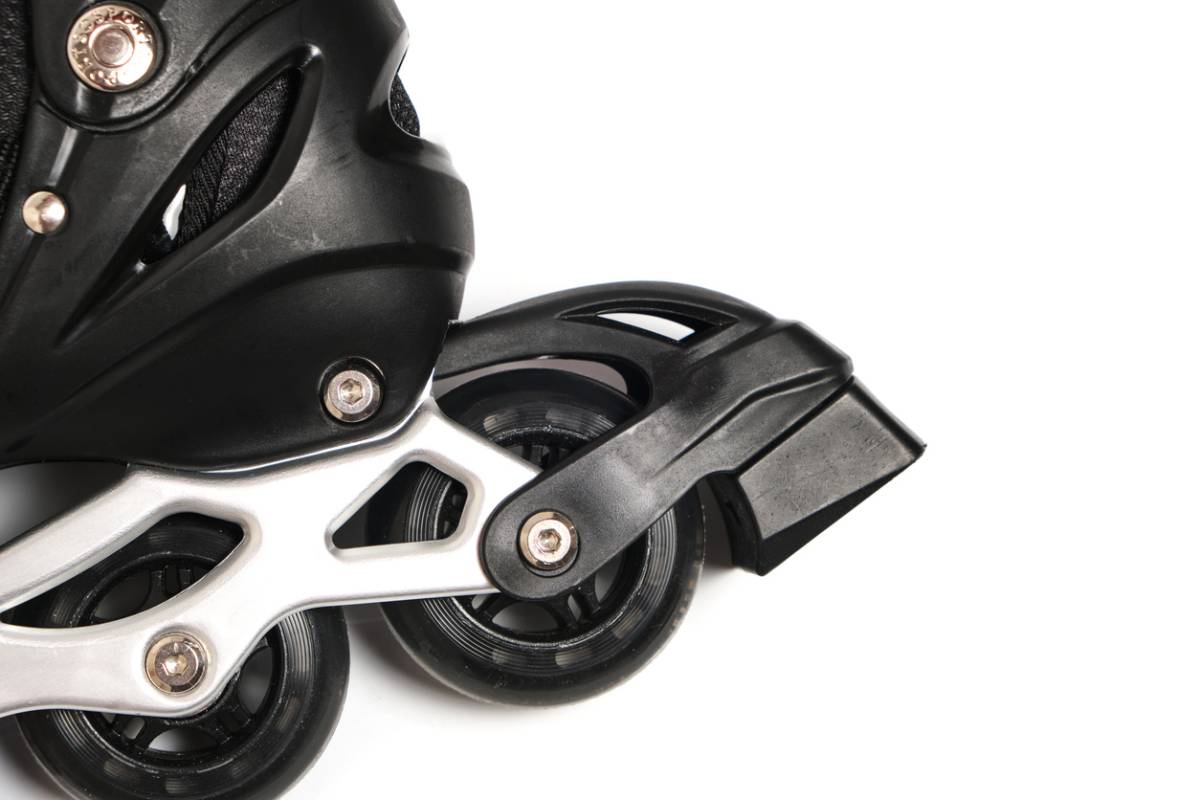
Once you feel comfortable with inline skating, you can explore alternative means of stopping or slowing down. Starting you, you don’t need to worry about any of that. Instead, just make sure one or both of your inline skates have heel brakes.
These brakes allow for comfortable, stable slowing. No need for any flashy moves.
Proper Fit
You want snug, but not tight. The ideal fit will feel like your foot is stabilized. You should have no sliding around. The looser a boot is, the more you may end up with loss of control (or chronic blisters). Likewise, overly tight boots are red flags. As with most things, you want a balanced middle ground.
Secure Closure System
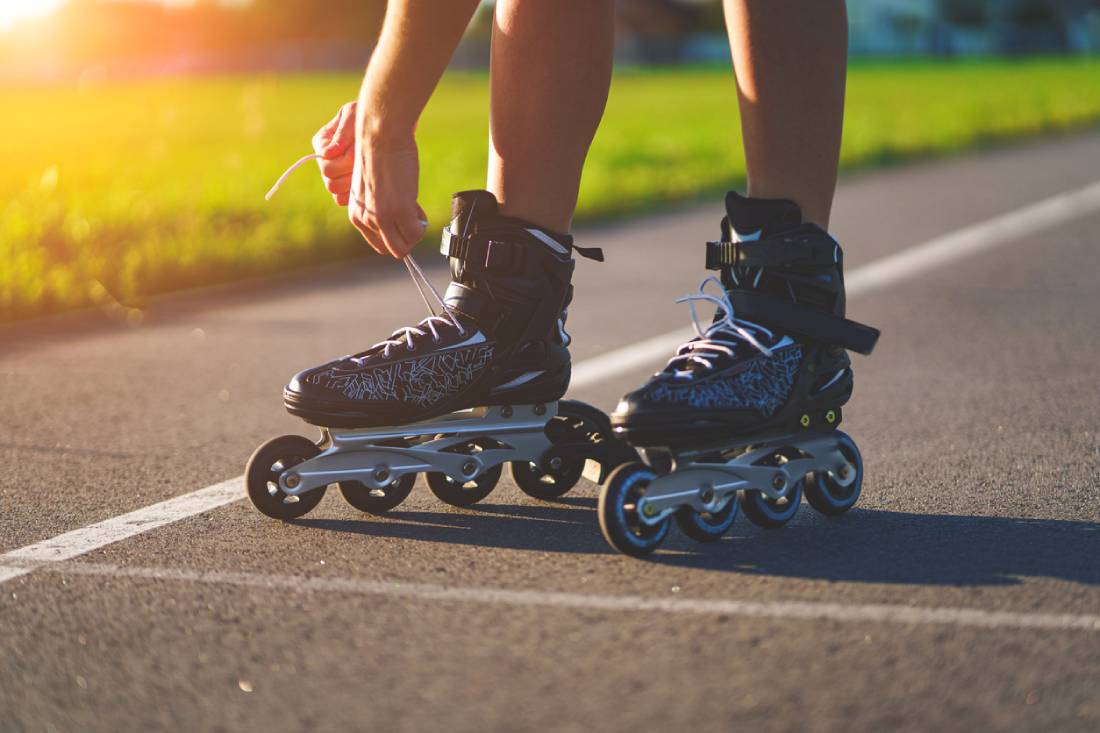
Many skates have a combination of laces, power straps, and buckles. Others only have one or two of these elements. You want something with a closure system that you can easily get to the right tightness.
Laces: Good for flexibility and easy adjustments
Power Straps: Good stability with flexibility.
Buckles: Excellent stability but can feel more stiff.
Get Your First Pair of Skates from the Online Leader
Crazy Skates is the leading skate shop for Australia. Choose from a wide selection of beginner-friendly skates and get ready to hit the streets.
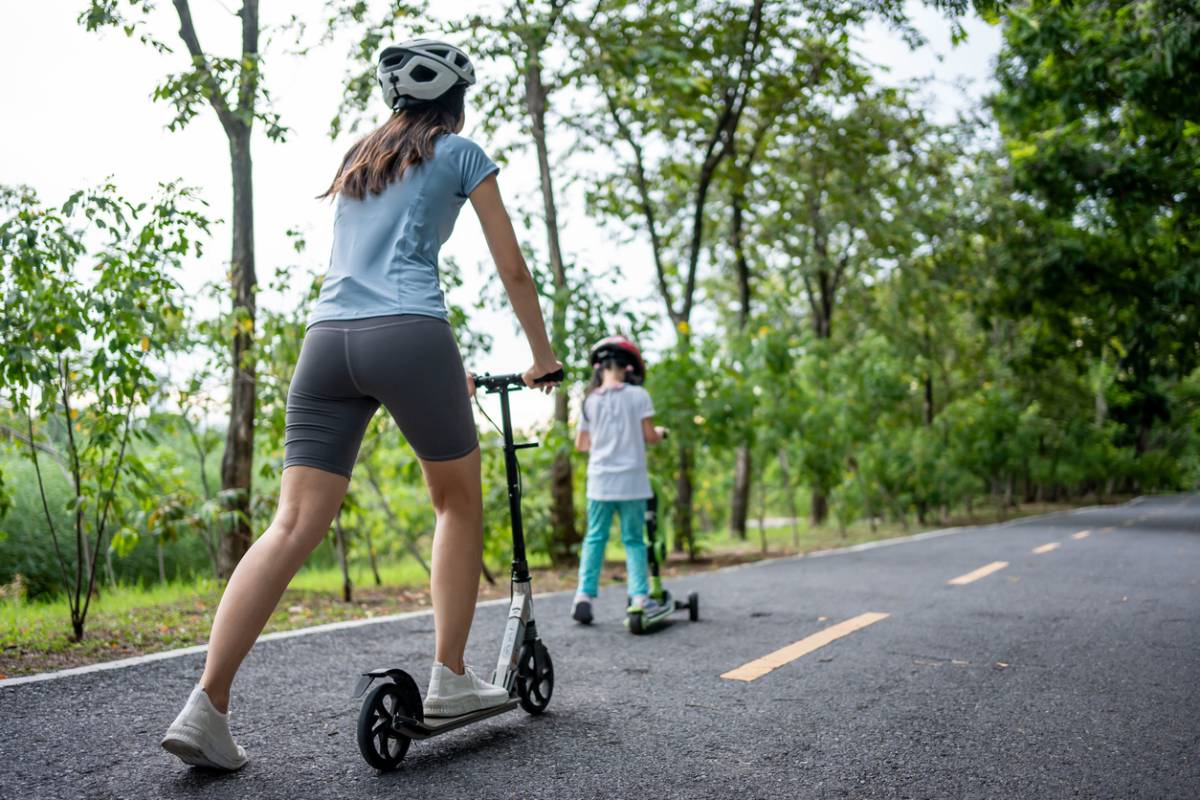
The rising popularity of kick scooters has extended far beyond children’s play, catching the attention of health-conscious adults seeking alternative fitness options. Local skate shops describe increasing sales of adult-oriented scooters, marking a significant shift in how these two-wheeled devices are perceived. What started as a convenient transportation method has evolved into a legitimate form of exercise, offering numerous physical benefits while adding an element of fun to daily routines. The trend continues to grow as urbanites search for innovative ways to stay active.
Full-Body Workout Benefits
Regular scooter riding engages multiple muscle groups simultaneously, providing an effective full-body workout. The pushing motion activates leg muscles, particularly the calves, quadriceps, and hamstrings. Core muscles remain consistently engaged for balance and stability, while arms and shoulders work to maintain control of the handlebars. This combination of movements creates a low-impact cardiovascular exercise that builds strength and improves coordination.
Customizable Intensity Levels
The beauty of scooter exercise lies in its adaptability. Riders can adjust their intensity levels by alternating between leisurely cruises and vigorous pushes, making it suitable for various fitness levels. Beginning riders might start with short distances on flat surfaces, gradually progressing to longer rides and incorporating gentle hills. This flexibility allows you to create personalized workout routines that match your fitness goals and capabilities. Advanced riders can challenge themselves by increasing speed or tackling varied terrain.
Practical Considerations and Equipment
Selecting the right scooter is essential for an effective workout routine. Many skate shops now specialize in adult-specific models designed with taller handlebars, wider decks, and larger wheels for enhanced stability and comfort. These features make extended riding sessions comfortable and safe, encouraging consistent exercise habits. Quality materials and construction ensure durability and reliable performance during regular use.
Health Benefits and Safety
Regular scooter riding offers numerous health advantages, including improved cardiovascular fitness, enhanced balance, and better posture. The low-impact nature of scooting makes it particularly beneficial for individuals seeking alternatives to high-impact activities. However, proper safety equipment remains essential – helmets, knee pads, and appropriate footwear should be standard practice for every ride. Regular riders often report improved mental well-being, reduced stress levels, and enhanced mood through consistent activity.
Integration into Daily Life
One significant advantage of scooter exercise is its practicality. Commuters can incorporate workouts into their daily transportation, combining fitness with functionality. Urban residents find scooters particularly convenient, as they provide an efficient way to navigate busy streets while maintaining an active lifestyle. The portable nature of scooters allows for easy storage at work or home, making them practical for mixed-mode commuting.
Cost-Effective Fitness Solution
Compared to gym memberships or expensive exercise equipment, kick scooters represent an economical investment in personal fitness. Quality adult scooters, available at reputable skate shops, provide excellent value considering their durability and versatility. The initial investment typically pays for itself through reduced transportation costs and eliminated gym fees. Regular maintenance costs remain minimal, making scooters an affordable long-term fitness solution.
Social and Environmental Benefits
Beyond individual health benefits, scooter riding contributes to environmental sustainability by reducing carbon emissions from traditional transportation methods. Many cities now embrace micro-mobility options, creating dedicated lanes and paths that make scooter riding safer and more accessible. Some riders form communities, organizing group rides and sharing tips, adding a social dimension to their exercise routines.
The growing adoption of kick scooters among adults signals a shift in fitness culture toward more sustainable, enjoyable exercise options. By combining transportation with physical activity, scooter riding offers an efficient solution for modern lifestyles. With proper equipment selection, safety consciousness, and consistent practice, kick scooters prove themselves valuable tools in adult fitness routines, providing both practical and health benefits for those seeking alternative exercise methods.
Learn more about scooters and how scootering could be your new favorite exercise routine.
Your roller skate brake pads serve as your first line of defence against unchecked momentum. Imagining barrelling down a street on your roller skates with nothing to stop you. It likely would not end well. It follows that you want to keep those brake pads in good shape. But how often should you change skate brake pads?
How Often Should You Change Skate Brake Pads?
Brake pads can last for months to years. But they will not last forever. In fact, you will need to replace them well before they wear out completely. As with car brakes, skate brake pads can lose efficacy as they wear down.
A good rule of thumb is to change skate brake pads once the material wears down to 3 mm thick (or less). For anyone reading this from the US, that comes out to just under 1/8 inch.
Many Brake Pads Have Indicators
Now, 3 mm is pretty thin and can be hard to judge by eye alone. If you keep an eye on them, you will notice them wearing down over time. Once they start thinning out, it is time to break out a ruler.
However, many manufacturers do not expect you to be measuring your pads before each ride. So, many modern roller skate brake pads have indicators on them that show when they have worn down too much.
These indicators can vary in type and placement. Often, there will be some visual indicator (like a color) that appears once the pad has worn down enough. When you see an indicator, it is high time to replace your brake pads.
Where Can I Find Brake Pad Replacements?
Most skate shops will sell a variety of brake pad replacements. However, the easiest bet is to find them at an online shop like Crazy Skates. Keep in mind, not all brake pads will suit all types of roller skates.
What Affects Brake Pad Lifespan?
No one wants to replace roller skate brake pads all the time. So it helps to know what can affect the lifespan of your brake pads.
Brake Pad Quality
Buying cheap brake pads from Amazon or Temu is the wrong direction to take. These products tend to be lower quality or even knock-offs of established brands.
Low-quality brake pads cause two main problems: The biggest is that they may work less effectively. When needing to brake, you want something that can actually work.
Secondly, they can wear down more quickly. In the end, you may need to spend more money on frequent replacements.
Skating Style
Frequent and hard braking will wear down your roller skate pads more quickly. Skaters going for simple commutes or leisurely rides will see their pads last longer. If you are in a hilly area or frequently brake, you will see faster wear.
Aggressive skating can also wear down your pads. Essentially, the more contact your pads have with a surface, the sooner they wear out.
Riding Conditions
Clear, dry weather is best for brake pad lifespans. On the other hand, less tidy conditions can accelerate wear. Expect more wear if you skate in conditions or areas that are:
Wet and rainy
Muddy
Sandy
Type of Braking
Slow, gentle braking will preserve your pads. And fast, intense braking can wear them down. Both methods are entirely legitimate. However, simply keep in mind that braking intensity can influence how long your pads will last.
Australia’s Top Online Skate Shop
Visit Crazy Skates, an online skate shop known for its vast inventory of skating supplies for skaters of all skill levels.
You’ve been loyal to your roller skates through countless sessions at the rink, outdoor adventures, and maybe even a few derby bouts. Now, those trusty wheels are showing their age through wear, chips, or outdatedness. The question hits you: What happens to these old wheels? Can they be recycled, or are they destined for the landfill?
The answer isn’t as straightforward as you might hope, but there are definitely options that go beyond throwing them in the trash. Understanding what your roller skate wheels are made of and exploring creative alternatives can help you make an environmentally conscious decision, and you may even discover a fun DIY project along the way.
Can You Recycle Roller Skate Wheels?
The Material Challenge: Why Traditional Recycling Gets Complicated
Most modern roller skate wheels are made from polyurethane, a material that has dominated the skating industry since the 1970s. Polyurethane remains the performance material of choice for top skateboard manufacturers because it’s highly durable and resistant to oxygen, sunlight, and general weather conditions, with good abrasion resistance, resulting in a longer lifespan.
This durability that makes polyurethane perfect for skating also creates recycling challenges. Although polyurethane cannot be melted and reused, it can be shredded, rebonded, and compressed to be used in various padding products. The problem is that most municipal recycling programs aren’t set up to handle polyurethane materials, meaning your local curbside pickup won’t accept them.
The polyurethane used for these wheels cannot be easily recycled, which explains why you won’t find clear recycling symbols on your old wheels. This doesn’t mean you’re out of options. It just means you need to think beyond traditional recycling methods.
The Skate Shop Connection: Industry-Specific Solutions
Your local skate shop might be your best first stop for responsible wheel disposal. Many shops have established relationships with manufacturers or specialty recycling companies that can properly handle polyurethane materials. Some skateboard and roller skating companies have begun taking responsibility for the environmental impact of their products at the end of their life.
Several eco-friendly initiatives, like Satori Wheels, value recycling skateboard parts. There, you can donate your old rollers. By then, their organization will work on these parts. While this example focuses on skateboard wheels, the same principle applies to roller skate wheels since they’re made from identical materials.
When you visit a skate shop to buy roller skates online or browse new wheels, ask about their take-back programs or whether they know of any wheel recycling initiatives in your area. Many shop owners are passionate about skating culture and environmental responsibility, making them valuable resources for disposal advice.
Creative Reuse: When Recycling Meets Imagination
The real opportunity with old roller skate wheels lies in creative reuse. These small, durable cylinders have inspired countless DIY projects, giving them completely new functions.
If they’re still in pretty clean condition (whether bashed up or not), they could be made into a very cool coat rack or even doorknobs, ideal for a skater’s bedroom. The natural grip of polyurethane makes wheels excellent for handles and knobs where a secure grip is needed.
A great idea to upcycle old rollerblade wheels is to add them to an old dresser or a side table. Attaching wheels to furniture creates mobile storage solutions perfect for craft rooms, workshops, or dorm rooms. The wheels that once carried you around the rink can now help you move furniture around your space.
Here’s a fun fact that opens up even more possibilities: roller skate wheels come in different hardness ratings, typically measured on the durometer scale. Softer wheels are better suited for projects that require shock absorption, while harder wheels excel in applications where durability and smooth rolling are needed.
Home Workshop Projects: Functional Art from Old Wheels
The DIY community has embraced roller skate wheels for practical projects around the house. Their uniform size and built-in ball-bearing channels make them perfect for creating custom rolling solutions.
Consider turning old wheels into cable management systems for your desk setup. Thread computer cables through the center holes and mount the wheels to the underside of your desk. This creates smooth-rolling cable guides that keep your workspace organized while showcasing your skating history.
Garden enthusiasts have found success using old wheels as unique planters for small succulents or air plants. The center cavity provides just enough space for a small plant, and the colorful polyurethane adds an unexpected pop of personality to plant displays.
For the mechanically inclined, old wheels can be repurposed as part of custom tool organizers. Mount them to workshop walls or pegboards to create holders for screwdrivers, pencils, or other long tools. The center hole provides perfect tool storage while the wheel’s grip keeps everything secure.
The Art and Craft Renaissance
The crafting community has discovered roller skate wheels as an unexpected medium for artistic expression. MapleXO is offering earrings made from sliced skateboard wheels, showing how wheels can be transformed into wearable art.
Jewelry-making represents just one artistic application. Wheels can be sliced, carved, painted, or combined with other materials to create unique art pieces. Their round shape and vibrant colors make them excellent components for mixed-media sculptures or modern art installations.
Photography props represent another creative avenue. Old wheels, especially those with vibrant colors, make excellent props for vintage-themed photo shoots or artistic still-life compositions. Their connection to skating culture adds authenticity to retro-styled photography projects.
Gift Ideas for Fellow Skaters
Before you consider disposal, think about whether your old wheels might benefit another skater. Wheels that seem worn out for advanced skating might still be perfect for beginners learning balance and basic techniques.
Consider donating usable wheels to local skating programs, youth organizations, or community centers that might have skating activities. Many programs operate on tight budgets and appreciate donated equipment that can help more people experience the joy of skating.
Online skating communities often have swap or sale groups where wheels in decent condition can find new homes. What’s worn out for outdoor skating might still work perfectly for someone learning indoor rink techniques.
The Bearing Bonus: Don’t Forget the Hidden Components
When dealing with old wheels, remember that each wheel contains bearings and small metal components that enable smooth rotation. These bearings are typically made from steel or ceramic materials that have better recycling prospects than the polyurethane wheels themselves.
Bearings can often be removed and taken to metal recycling facilities, or they might be reusable in other wheels if they’re still in good condition. Some skate shops purchase used bearings for refurbishment, providing an additional avenue for responsible disposal while potentially putting a few dollars back in your pocket.
Future-Proofing Your Wheel Choices
As you consider what to do with your current old wheels, think about making more sustainable choices when you buy roller skates online in the future. Some manufacturers are beginning to experiment with more recyclable materials or take-back programs for their products.
Research brands that prioritize environmental responsibility in their manufacturing and disposal processes. While polyurethane remains the performance standard, some companies are exploring bio-based polyurethanes or hybrid materials that might offer better end-of-life options.
Building a Sustainable Skating Community
The roller skating renaissance has brought renewed attention to the sport’s environmental impact. As more people take up skating, the community has an opportunity to establish sustainable practices that responsibly handle equipment disposal.
Consider organizing wheel swap events in your skating community where people can trade wheels that no longer suit their needs but might be perfect for someone else’s skating style. These events combine environmental responsibility with community building. They also help skaters try different wheel types without needing to buy new ones.
Your local skate shop can be a valuable partner in these efforts. Many shops appreciate customers who think beyond simple transactions and want to build sustainable skating communities.
The Bottom Line: Options Beyond the Trash Can
While you can’t simply toss roller skate wheels into your household recycling bin, you have numerous alternatives that range from practical reuse to creative expression. The key is matching your old wheels with the right second-life application.
Start by evaluating the condition of your wheels. Those still in decent shape might benefit other skaters through donation or resale. Wheels that are too worn for skating can be repurposed into DIY projects, giving them completely new functions around your home or workspace.
Remember that every wheel kept out of the landfill represents a small victory for environmental responsibility. Whether you turn them into furniture casters, garden planters, or artistic materials, you’re extending their useful life while potentially inspiring others in your skating community to think creatively about equipment disposal.
The next time you’re at your local skate shop or browsing options to buy roller skates online. You’ll have a better understanding of the full lifecycle of your equipment – from that first exciting rollout of the box to the creative second life that awaits when their skating days are done.
Get Your Roller Skates and New Wheels Today
Visit our online store to purchase your new favorite set of roller skate wheels.
Inline skating is a great way to stay active and improve your mood. It’s a great pastime for both children and adults, though many adults find that as life gets busy, they never put their skates back on. Luckily, recent years have seen an uptick in the number of adult skaters as they remember what a great way it is to exercise and socialize. That being said, getting your old skates out also means you have to brush up on your technique to ensure your safety and reduce your risk of injury. One of the most important techniques to brush up on with your inline skates is stopping. Below, you will learn helpful tips on how to stop in inline skates.
How to Stop in Inline Skates
Learning to stop is one of the most important skills for safety and control when inline skating. No matter if you are a beginner or expert, perfecting your stopping skills is important. There are several different ways to stop successfully. Consider the following and use the one that works best for you.
The “T” Stop Technique
The T-stop is a great stopping method as it provides skaters with a huge degree of control. When you are moving forward, keep your knees slightly bent. As you prepare to stop, lift one skate and place it behind the other. Your skates should form a “T” shape. Drag the back skate on the ground lightly and apply pressure gradually. To ensure you maintain your balance, keep the majority of your weight on your front skate. This helps you come to a controlled stop with ease. However, it can wear out your wheels a little faster.
The Plow Stop Technique
The plow stop is a common method to slow down and come to a halt when skating. It is a gradual stop, so if you have some time and space, it is an excellent option. As you are skating in a forward motion, be sure your feet are shoulder-width apart. Turn your knees inward and push your heels outward simultaneously. While you are doing this, bend your knees a little and apply pressure to the outside of your skates. This formation is the same as that used by skiers to stop when going down the slopes. However, this stopping technique is best done on flat surfaces for skaters.
Heel Brake Technique
If your inline skates have a heel, this is probably one of the easier stops to learn. Some skates do not come with them, so be sure to check before you get started practicing your stopping technique. When using this technique, keep your knees bent. Extend the skate with the brake slightly in front of your other skate. Press the heel break down by straightening the leg with the brake. Leaning slightly forward is helpful to ensure you maintain your balance. That being said, be sure to keep your weight centered to avoid flipping backward.
Tips for Perfecting Your Stopping Technique
If you are new to skating or putting your old skates back on, practicing your stopping technique is important. Consider the following as you begin your skating journey.
Start on Flat Pavement
Start practicing on a hard and flat surface. It is helpful to practice on open pavement to reduce your risk of injury. Once you find the techniques that work for you, then try stopping uphill and downhill to fully master your method.
Practice Frequently
The more you skate, the better you get at it. Similarly, the more you practice your stopping technique, the better you will be at stopping safely in your inline skates. After you warm up, practice the stopping techniques that work best for you. Keep practicing every time you skate until you fully get the hang of it.
Roller Skate Shop
If you want to get back to skating, check out the selection of roller skates at Crazy Skates today.
Inline skating and ice skating are both fun activities. Many people enjoy the physical, social, and emotional benefits of both. At first glance, they may seem similar, and you may wonder, “Is inline skating like ice skating?” While these types of skating do share common elements, they are different in several ways. We explain more below.
Is Inline Skating Like Ice Skating?
Inline skating and ice skating are similar in several ways. Consider the following parallels between both activities.
Movement
The most obvious similarity between these types of skating is the movement. Both types of skating require balance, coordination, and strength, as well as improved muscle tone. In both cases, the skater moves by pushing off with one foot while gliding on the other. This repeated action creates a smooth rhythm that allows you to glide forward with ease.
Turning
Inline skating and ice skating also use the same techniques when turning. Whether you are on inline skate wheels or ice skate blades, turning requires a specific technique of shifting your weight and angling your skates to guide you in a certain direction while still maintaining a forward motion.
Stopping
The method one uses to stop is another shared aspect of inline skating and ice skating. Both skating methods use friction to slow the skater down to a stop. Ice skaters often use a technique that involves turning the foot at an angle to the direction they are moving and digging the edge of the ice skate blade into the ice to halt movement. Inline skaters can stop similarly by using the T-stop. The T-stop for inline skaters is the same as the topping method for ice skaters, except that inline users will often drag the angled foot to stop rather than shift it in front of them.
Key Differences Between Ice Skating and Inline Skating
Both types of skating have several similarities, but each has many unique qualities. Consider the following differences between the two activities.
Movement Mechanism
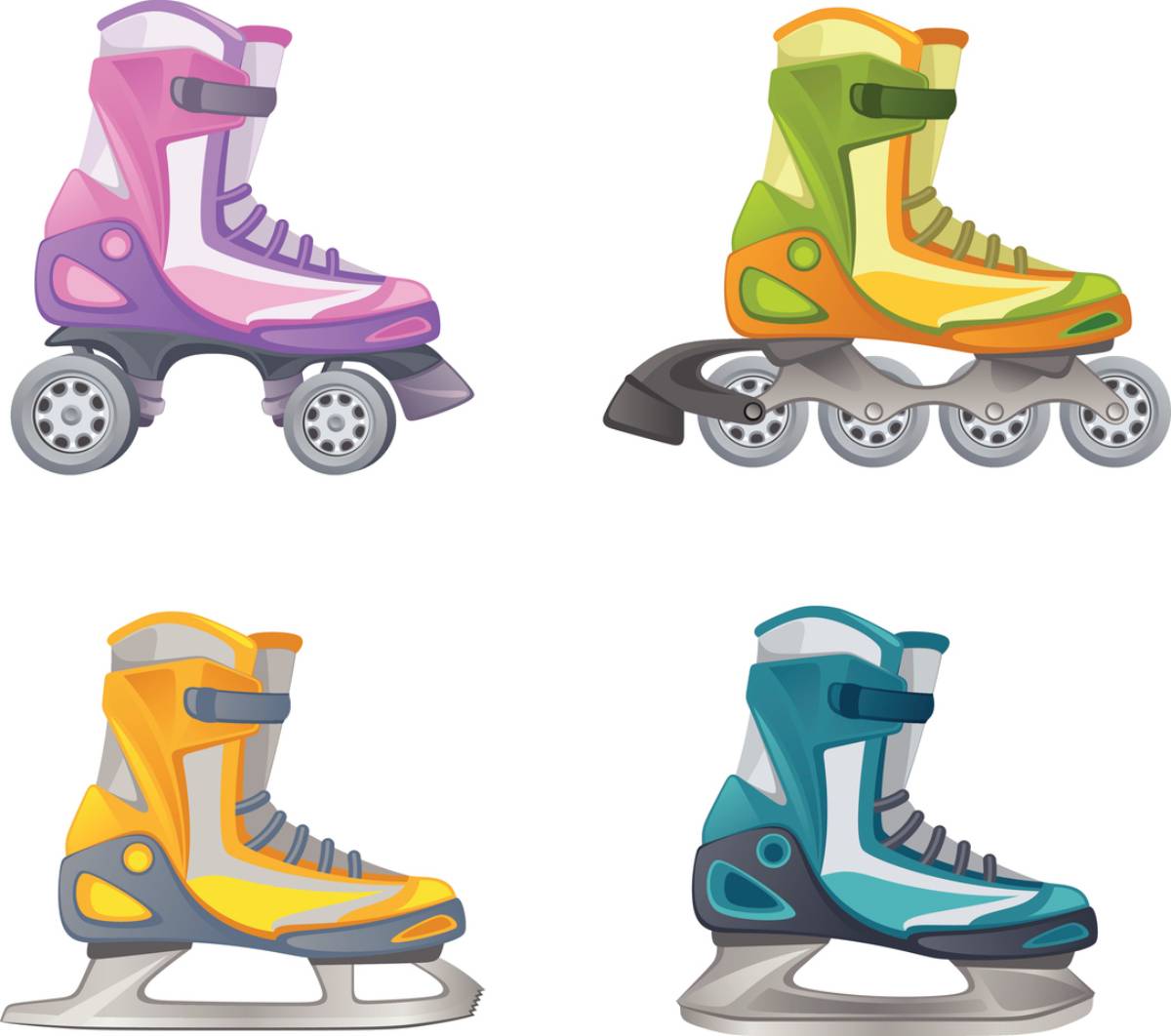
The methods of movement—including forward movement, turning, and stopping—are similar for both inline skating and ice skating. However, inline skates are often used on several different terrains, including a skating rink, outdoor path, or even on the road. Inline skates from a top skates retailer have at least four wheels in a single line from your heel to your toe. However, ice skates have a single blade and are limited to the ice because of it.
Boots
The boots for inline skates and ice skates are vastly different. Ice skating boots are typically stiffer and provide more ankle support, which is crucial for the safety of the ice skater. Strong support is critical for ice skating maneuvers like jumps and spins. Alternatively, inline skate boots are more flexible and comfortable. This quality is helpful as they are specifically designed for long periods of use.
Which Type of Skating Is Easier?
Ice skaters and inline skaters have both likely wondered if the other sport is easier than their own. Luckily, there are several transferable skills between the two, so if you want to try the other type of skating, you will likely pick it up with ease.
That being said, neither type of skating is inherently easier than the other. They are just different. Some may suggest that inline skating will be easier to pick up because the wheels provide more stability than the blades of ice skates do. Still, others would believe that ice skating is easier because, if needed, it is easier to take small steps in ice skates than it is in roller skates. At the end of the day, your choice will depend on personal preference and the amount of practice you are willing to put in. Once you dedicate some time to getting the basics down, you will be able to enjoy gliding, whether on ice or a roller rink.
Skates Retailer
If you want to pick up skating, check out the selection of skates and skate gear at Crazy Skates today.
Roller skating is an excellent activity for people of all athletic levels. When you grab your skates, you have a range of options, from taking a casual glide through town to competing in a more intensive derby session. Everyone can find a version of skating that fits their interests. Because there are so many different types of skating, it is very important to make sure you are using skates that suit your needs. Today, we outline one of the most used types of skates and explain what inline skates are.
What Are Inline Skates?
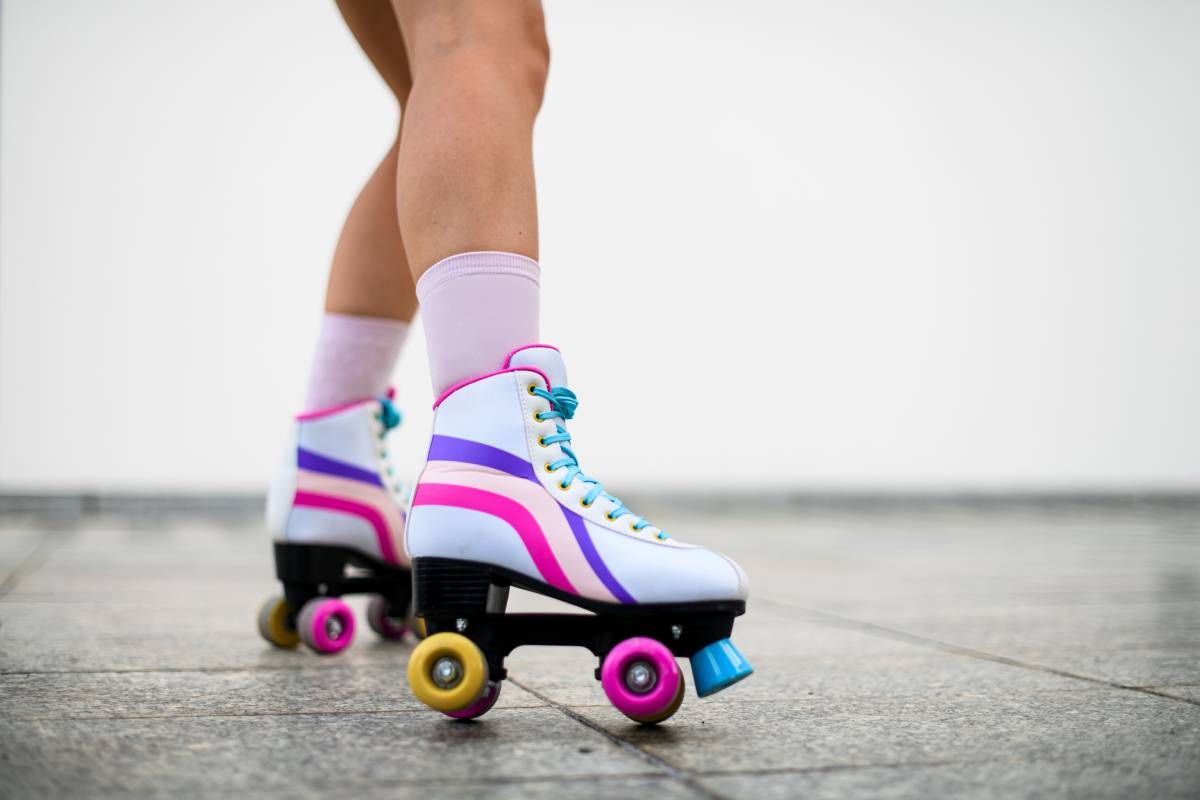
Inline skates are a great option if you already have some skating experience. Inline skates are better for more advanced skaters because their wheels are arranged in a straight line on the bottom of the boot. This configuration differs from quad skates, the other most popular type of skate, which have wheels arranged in a rectangle on the bottom of the boot.
Due to the arrangement of the wheels on these skates, quad skates are typically better than inline skates for beginners because they provide better balance. That said, the design of inline skates allows for faster speed than quad skates do. For this reason, inline skates are preferred for a number of advanced skating options.
Different Uses of Inline Skates
Several types of skating styles cater to inline skates. Some of the more popular are outlined below.
Speed Skating
The ultimate goal of speed skating is to go as fast as you are able on open roads or indoor tracks. Inline skates are built for speed and, therefore, are the perfect shoe for speed skating. It is a competitive style of skating that involves precision, endurance, and technique. Speed skating is only recommended for advanced skaters because of the increased risk of injury at high speeds.
Freestyle Skating
Freestyle skating often takes place in large cities because one requires industrial terrain to participate fully. This version of the sport involves dodging obstacles, taking sharp turns, and weaving in, out, and over various areas. The roller skating that one would see at a skate park would fall under the category of freestyle skating.
The presence of obstacles and jumps in freestyle skating means that you should only engage with caution and safety equipment. Still, if you freestyle skate, inline skates are the best option for you because they allow the most agile and unrestricted movement.
Recreational Skating
We have already determined that inline skates are excellent for those looking for speed. They are also great for those who want to skate casually. Recreational skating can be done indoors at a rink or outdoors on flat ground and is doable by people of all fitness levels. Despite the slower nature of recreational skating, it is still a great form of exercise.
Fitness Skating
For those who want to level up their workout game, fitness skating is a great form of exercise. It is more intense than recreational skating but still has all of the fun benefits. Skating for an hour at higher speeds can torch more than 600 calories an hour, though the exact number will depend on your weight. In any case, this number is often greater than it would be if you chose to run or cycle instead.
Off Road Skating
For those who really want to get their heart rate up, off-road skating is a rush of adrenaline. Off-road skating is done on rugged terrains, such as dirt or gravel paths. Off-road skating comes with the additional risk of hitting a bump incorrectly and ending up on the ground, so you should always have safety and other roller skating equipment on hand when you engage. It is a great form of inline skating for those who like to explore things off the beaten path.
Roller Skating Equipment
Whether you are a beginner or a seasoned skater, check out the selection of skate gear at Crazy Skates today!
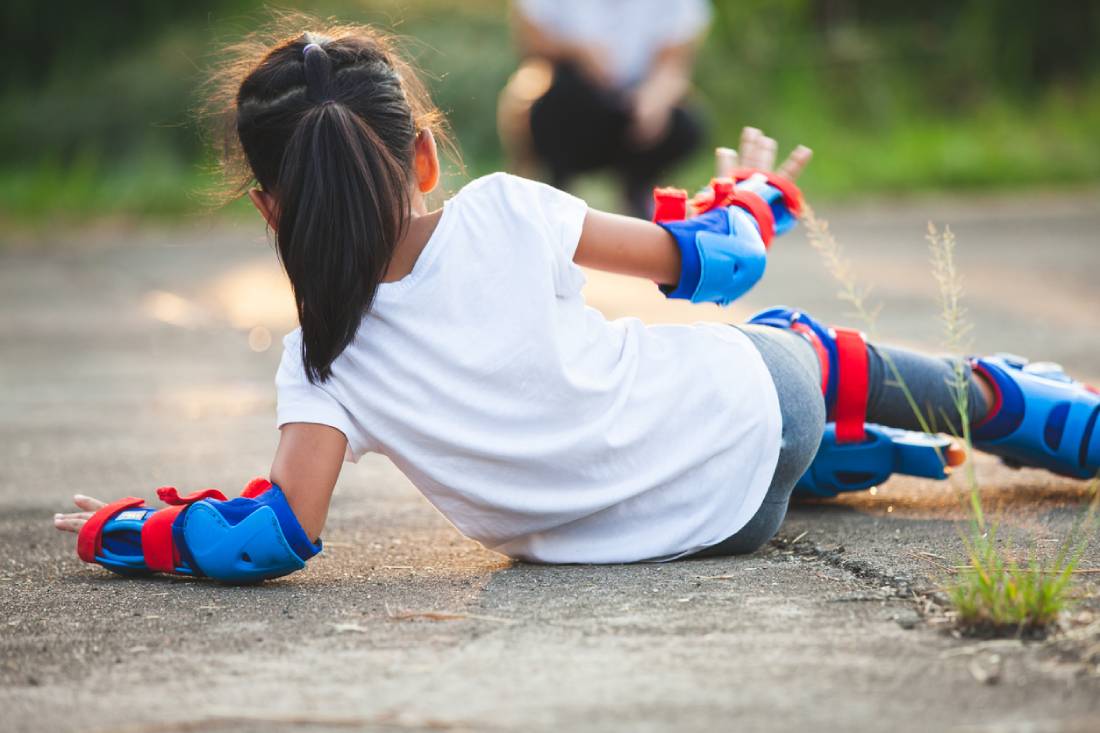
Roller Skating is a hobby and sport that people of all ages and skill levels can enjoy. However, if you have only recently taken up the pastime, there is a solid chance that you will end up taking some spills as you learn the activity. Learning how to fall safely in roller skates and inline skates is an essential part of being as safe as possible when you are skating. It can save you a lot of unnecessary pain before you are able to rollerskate with more skill.
How to Fall Safely in Roller Skates
There are several different effective—that is to say, safer and less painful—ways to fall while wearing roller skates. Learning some of these techniques can reduce your chance of incurring a serious injury while participating in this activity. The type of fall that you will want to use is contingent on the type of protective gear you have on, as well as the type of terrain that you are rollerskating on. Common falling techniques include:
Rockstar Fall
The Rockstar Fall is so-named because of its resemblance to a move that a rocker might pull at a concert. This type of fall is useful, but only if you are wearing knee pads. Also called a knee slide, it can break your fall if you feel like you are falling forward. If you lower your body slightly before performing a knee slide, you will increase your chance of success and minimize bumps and bruises.
Knee Tap
A knee tap is a type of fall that is highly effective for situations where you temporarily feel like you are spinning out of control. However, it is also only effective when you have knee pads on. During a knee tap, the skater simply briefly grounds one knee to regain equilibrium before standing again.
Side-Body Fall
Falling on the side of your body rather than the front can also be an effective way of minimizing the pain from a fall. This type of fall is best employed when a skater is not wearing protective gear. Falling on the side of the body will typically result in a less serious injury than falling forward or backward.
Embracing the Fall
This is another falling technique that can be highly beneficial, if somewhat difficult to embrace. Falls are bound to happen in rollerskating and often can happen in ways that make it hard to anticipate and respond to. In some cases, it becomes better to embrace the fall and focus on attempting to minimize the impact on your wrists and elbows.
Ways to Avoid Falling
Just as there are effective ways to fall while wearing roller skates, there are ways you can avoid falling altogether. One of the most common mistakes that beginner roller skaters make is that they treat skating like walking. That is, they want to move their feet forward and backward rather than from side to side.
Attempting to rollerskate in this fashion will make you more likely to fall. You can counteract this tendency by utilizing the following techniques that can assist you with keeping your balance:
Bend your knees: Bending your knees while you roller skate can help you remain steady and grounded.
Shift your weight: Shifting your weight while skating can increase your sense of balance and reduce your chance of falling. Be sure to shift weight naturally, in time with the movement of your skates.
Keep your arms at your side: Beginning roller skaters may be tempted to pinwheel their arms to keep balance. However, this often has the opposite effect. Instead, you should attempt to keep your arms at your sides to maintain optimum balance.
Your Best Friend in Rollerskating
Crazy Skates Australia is a trusted outlet for all things rollerskating, as well as other sporting goods and hobbies. If you are interested in learning more about roller skates and inline skates, visit our website.
Roller skating is an excellent physical activity that offers many benefits to your health. It can improve your physical health—through the development of your balance, coordination, muscle strength, and heart health—and can boost your mood, thereby improving your mental well-being. All you need to begin your skating journey is roller skates and some beginner safety gear. Beyond that, the only thing required is the small effort of planning roller skating into your schedule. Below, you will find the best time of day to go roller skating based on your schedule.
The Best Time of Day To Go Roller Skating
The best time of day to go roller skating will depend on factors specific to you, such as your schedule, desired skating location, and skating goals. Consider the following factors when incorporating roller skating into your routine.
Skating Location
If you are skating indoors, your primary consideration will be the time of day that the location is open. However, if you are skating outdoors, it is necessary to consider the local weather and the safety of the area you are in. You may need to plan around rain or hot weather to ensure your skate session is enjoyable and determine if you feel more comfortable skating during the day or in the evening.
Skating in busy outdoor locations will also require you to have additional safety gear, especially at night. Add some reflectors to your clothing and lights to your skates to ensure you are clearly visible in the dark. Skating at night is very enjoyable, but extra measures will be required to ensure your safety.
Personal Schedule
Your personal schedule will have a massive influence on the best time of day to skate for you. If you work early, consider afternoon or evening skate sessions. If you start work or school later in the day, consider an early morning skate session.
It is recommended that adults get at least 150 minutes of moderate exercise each week. Ideally, these minutes are spread out over a few days so you do not develop a primarily sedentary lifestyle. Try to schedule skating into your routine at least a few times a week to get the maximum benefits.
Purpose for Skating
When determining the best time of day to go skating, consider the reason you are skating. For those who wish to add exercise into their routine as a way to boost their energy levels, the morning may be best. Exercising when you get up helps your body release chemical endorphins, which will make you feel happy and more energized. They are known as “feel-good” hormones because of their contribution to reduced stress and increased energy.
If you are skating to relax, the afternoon or evening may be better. Skating later in the day can help tire your body, so it is easier to wind down to get restful sleep. Avoid high-intensity skating at night to ensure your workout does not leave you feeling more energized as you prepare for bed.
Personal Preference
The most prominent factor when considering the best time of day to skate is your personal preference. Find out what works best for you so that you can gain the full benefits of your skating time. Ultimately, skating is something you should enjoy, so the best time of day to skate will be the time of day that you find it most relaxing and enjoyable.
Roller Skates Retailer
No matter what time of day you decide to go roller skating, Crazy Skates has the resources to get you started. Visit their roller skates and accessories shop for custom equipment and see that their selection of skates and gear is unparalleled.