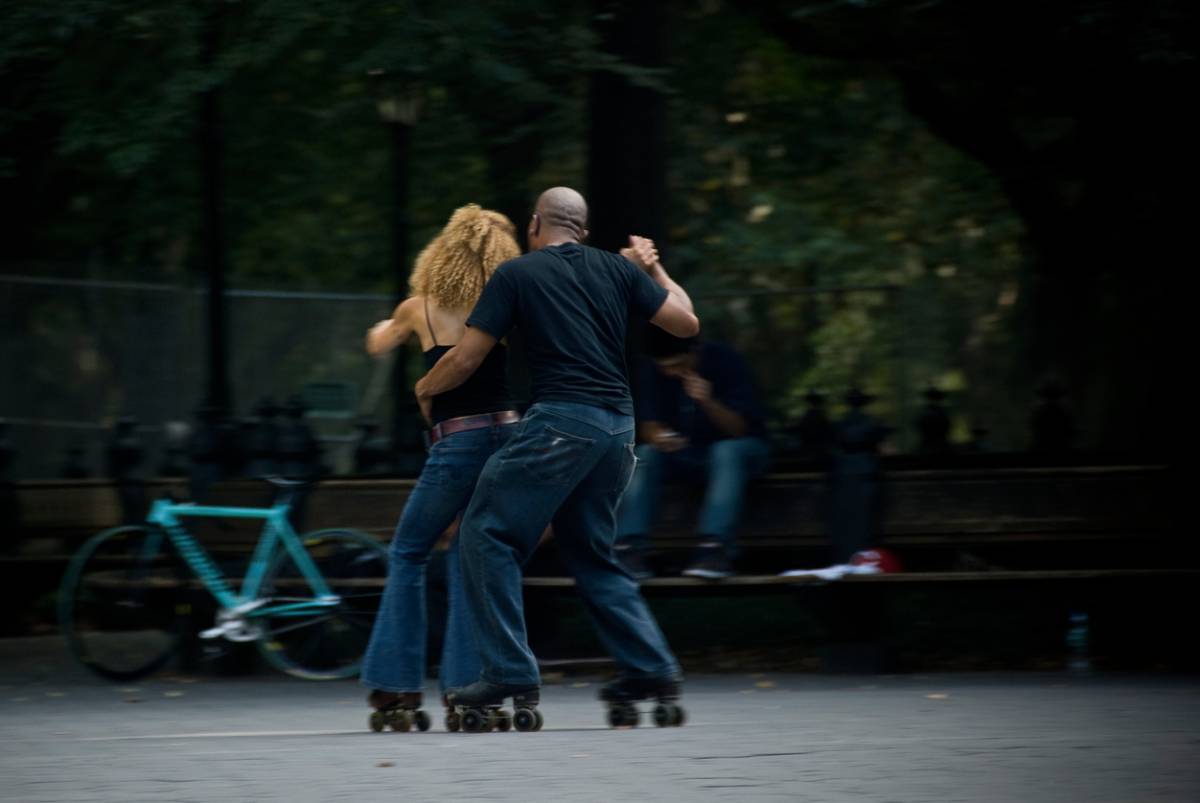
Featured image for Which Skates Are Best for Beginners?

Which Skates Are Best for Beginners?

If you’re just getting into the world of roller skating, then you might have found yourself wondering what skates are best for beginners. There are plenty of options out there on the market, from colorful high-tops to sleek speed skates, making the choice more than a bit overwhelming. The key is to choose a skate that supports you in your early learning, boosts your confidence, and makes your experience smooth, safe, and super enjoyable. Today, we break it all down and help you find your perfect first pair of roller skates

Which Skates Are Best for Beginners? 

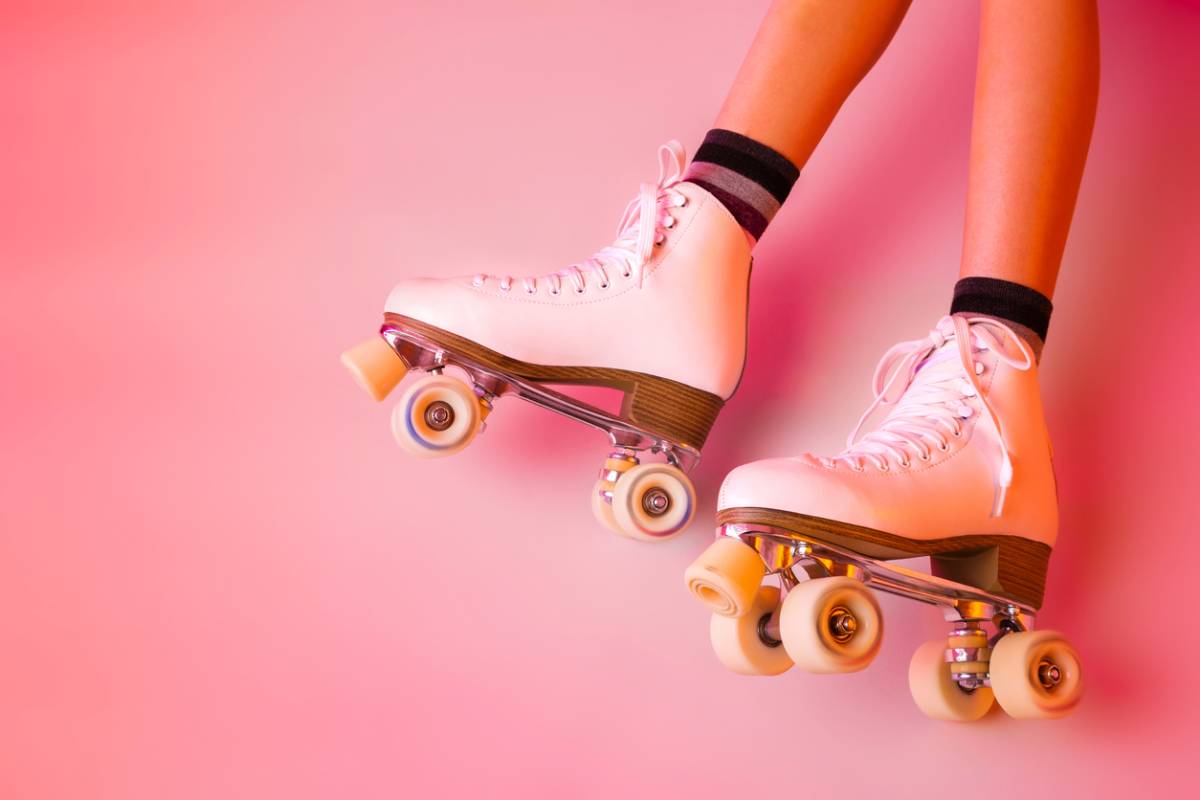
Let’s get straight into it. By far, the best skates for beginners are quad skates with a high-top boot, solid ankle support, and soft indoor/outdoor wheels. Why? These skates offer the perfect combo of stability, balance, and comfort for those just starting their skating journey. 

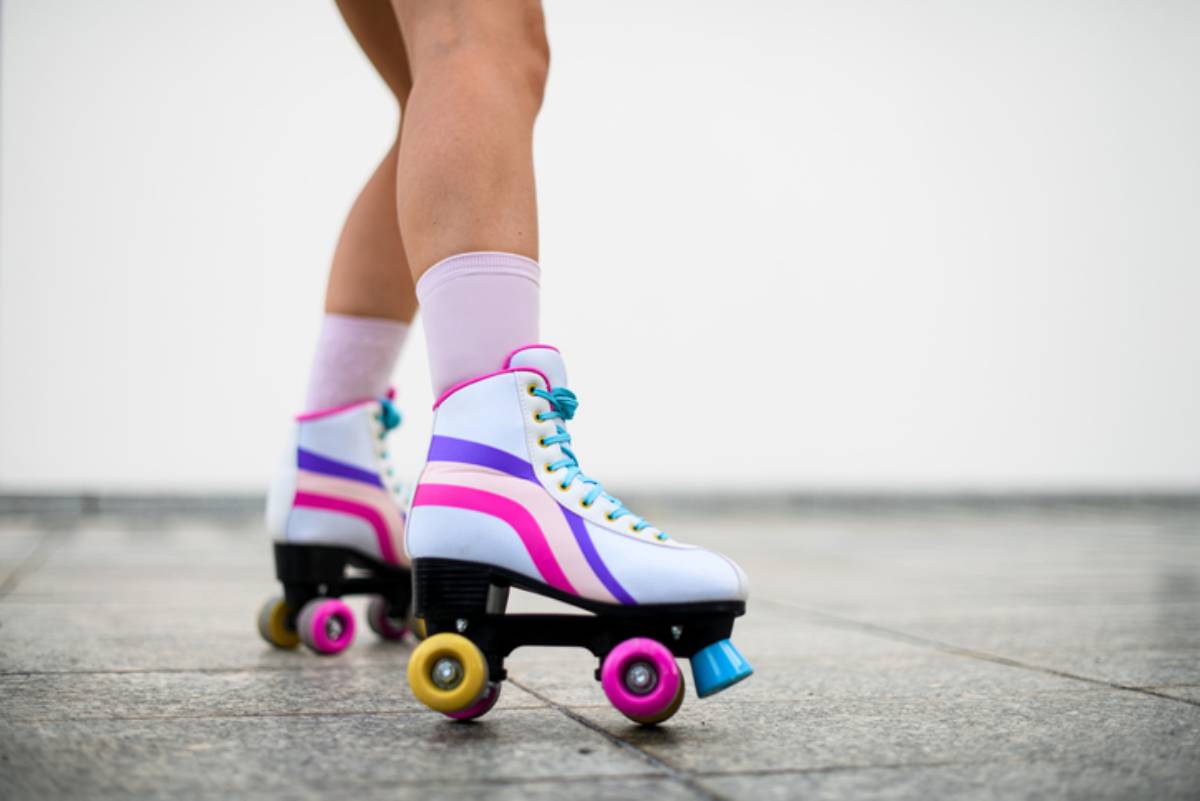
Quad skates (the ones with two wheels in the front and two in the back) are far more beginner-friendly than inline skates, which only have wheels running down the center. Their wider wheelbase makes balancing easier, and their design encourages a more upright position. High-top boots, on the other hand, help support your ankles while you’re getting used to turning, stopping, and rolling with control. 

What Should I Look for in Skates for Beginners? 

There are a few important features we recommend everyone keep an eye out for when it comes to picking their first skates. You want something that will help you feel stable and in control, not necessarily a pair that looks flashy but might leave you wobbling all down the sidewalk. With that in mind, here are a few tips. 

1. Comfort and Fit Matter More Than You Think

The most important factor when choosing beginner skates is how comfortable you feel. If your skates don’t fit well, you’re going to have a hard time enjoying yourself. Beginner skates should have soft padding inside and be snug but not too tight. Look for bits that feel secure around your ankles without pinching or causing blisters. 

2. A Supportive Structure Will Help You Stay Upright

Beginner skates should have a solid, supportive structure that keeps your foot and ankle aligned while you learn the basics. Look for reinforced boots and secure lacing systems or straps. This extra support can reduce the risk of rolling an ankle (ouch) or losing your balance.

3. Wheel Type and Size Make a Huge Difference

Soft wheels are better for beginners because they provide better grip and absorb more shock from small rocks or bumps. Smaller wheels, those around 58mm to 62mm, are also recommended since they make it easier to maintain control at slower speeds. Larger or harder wheels are usually meant for more advanced skaters who want speed and agility over comfort. 

4. Toe Stops Are Your Best Friend

When you’re just starting out, you’re going to rely a lot on your toe stops. These are the small plastic bumps at the front of the skate that help you slow down and stop. Make sure the skates you choose have adjustable toe stops that are large and easy to use. These can help prevent spills and help you learn how to brake safely. 

How Long Does It Take to Learn How to Skate? 

How long it takes can depend a lot on your balance, how often you practice, and the skates you choose. Most beginners start to feel steady within their first few sessions, especially with the right gear. The better and more stable your skates, the easier it will be to learn. Remember, one of the most important aspects of starting any new hobby is how you feel doing it. Beginner skates should help you feel confident and in control, not scared of every turn or bump. Choosing the right skates can make a huge difference in your experience and how quickly you improve. 

Our advice? Avoid overly advanced or “pro-style” skates right out of the gate. Sure, they look cool, but they can be hard to handle and might slow your progress. Also, you don’t want to rush. Go at your own pace and focus on balance and basic moves first. And finally, make sure you’re in a safe environment and wearing all appropriate safety gear

Ready to Roll? Let’s Get You in the Right Skates

Explore the full beginner-friendly selection at Crazy Skates and find your perfect first pair. Whether you’re skating solo or planning a group adventure, the right skates are just a click away!

Featured image for How Fast Can You Go on a Scooter

How Fast Can You Go on a Scooter?

Scooters can be a fun and quick way to get around in your neighborhood, on the way to school, or while taking in some fresh air at the park. While people of all ages can ride scooters, you may be wondering, “How fast can you go on a scooter?” In this article, we will discuss how factors such as the type of scooter, strength of the rider, and additional factors can affect the speed of a scooter. 

How Fast Are Kick Scooters?

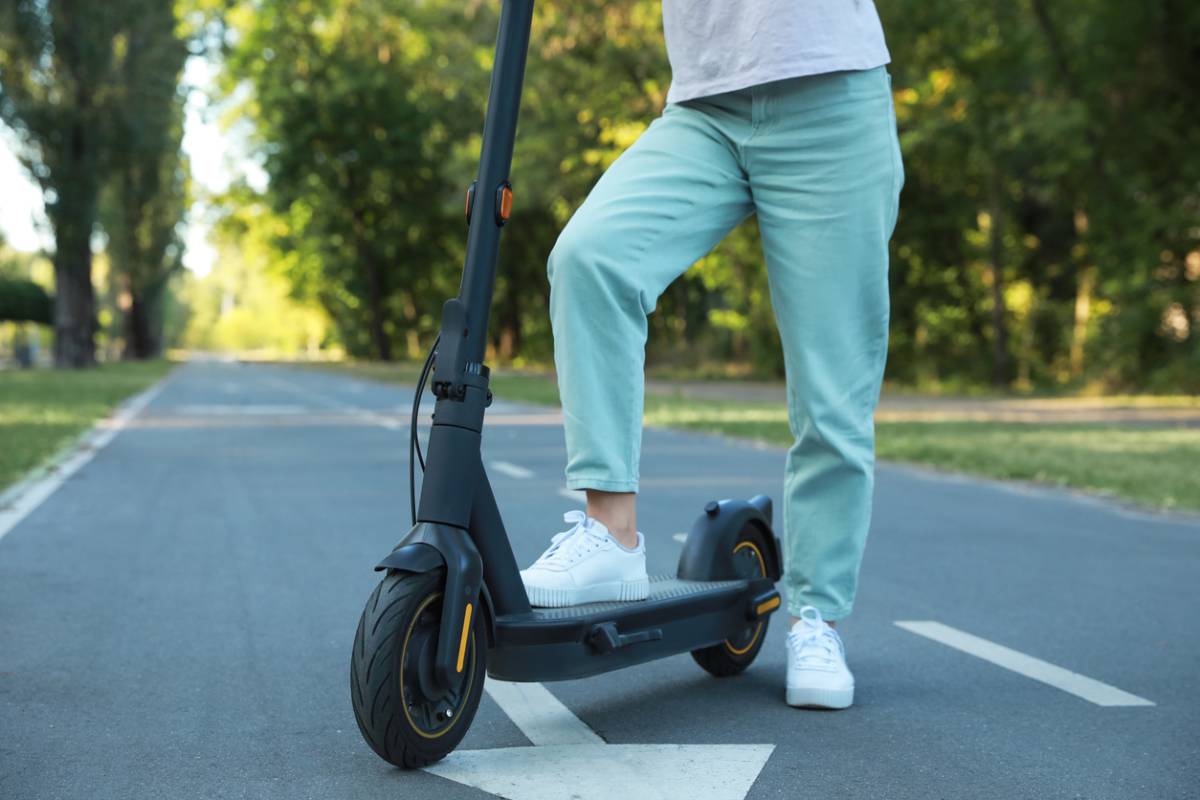
Unlike electric or gas-powered scooters, kick scooters fully rely on human power. This means that the scooter’s speed will depend on how hard you push off the ground and keep momentum. Here’s what you can expect:

  • Casual Riding: To comfortably get around without exerting too much effort, most scooter riders will cruise at 7-10 mph. 
  • Active Riding: You can reach around 10-15 mph on smooth surfaces if you push harder and use the proper technique. 
  • Downhill Speed: When riding downhill, gravity gives an extra boost, pushing speed to around 15-20 mph or more. Just be extremely careful when going downhill! 

In each of these cases, beginners will typically ride more slowly, whereas more experienced riders will be able to maintain faster speeds.

What Factors Will Affect Your Scooter Speed?

1. Rider Strength and Technique

Kick scooters are powered by your legs, so how hard you push off and how often you kick will go a long way in determining your speed. Start your ride with a strong push to get you going. If you can do so comfortably, alternate which leg you use to kick so you can avoid tiring out too quickly and maintain your speed.

2. Scooter Design

The design of your scooter will have a significant impact on your maximum speed. If you want to ride quickly on your scooter, consider the following features when you purchase yours:

  • Wheel Size: Larger wheels rotate more quickly, thus providing greater speed, and can handle bumps better than smaller ones. Most high-quality scooters have 120mm or 200mm wheels.
  • Deck Height: It is easier for riders to kick off and push their scooters when the decks are lower to the ground. An easier kick function allows for greater speed.
  • Bearings: Scooters with good-quality bearings have less friction. Look for scooters with ABEC-7 or ABEC-9 bearings for a faster, smoother ride.

3. Terrain and Surface Conditions

The smoothness of the terrain you ride on will have a huge impact on the speed of your ride.

  • Smooth Pavement: Smooth pavement is optimal for scooter riders who want to go fast. Flat surfaces will have fewer bumps to disturb the wheels of your scooter. Fewer disturbances mean maximum glide, minimal effort, and more speed.
  • Sidewalks and Rough Roads: For the same reason, the smooth pavement will allow for increased speed, and sidewalks and rough roads will slow down your scooter. These paths have divisions, cracks, and bumps that will impact your ride.
  • Grass: Grass is even worse for scooter speed than rough roads are. Depending on how tall or soft the grass is, your wheel may be basically immobile. You’ll be lucky if you can move at all, let alone move quickly, so it’s better to avoid grass for scootering.

4. Weather Conditions

Be mindful of weather conditions when heading out on your scooter. Wind resistance and a strong breeze can slow you down. Wet surfaces also reduce traction, making it harder to push.

How to Ride Faster on a Kick Scooter

Here are some tips to get the most out of your scooter’s speed:

  • Use Proper Kicking Technique: When starting your ride, kick off firmly and fully extend your leg. Consider using both legs to avoid getting fatigued and to stay balanced. Some studies have even shown that pushing with your nondominant side can promote muscular balance development in children. 
  • Stay Low and Lean Forward: Leaning forward slightly can improve your aerodynamics and boost your speed.
  • Keep Your Scooter Well-Maintained: Clean and lubricate your scooter bearings, regularly check that the wheels are in good condition, and keep an eye out for any loose parts that could affect your scooter’s performance.

Safety Tips for High-Speed Scootering

Safety on your scooter is of the utmost importance, especially when you’re reaching high speeds. Follow these tips on how to stay safe while riding your scooter at higher speeds:

  • Always Wear a Helmet: Even at moderate speeds, a fall can have severe consequences. A helmet will help protect against serious injuries.
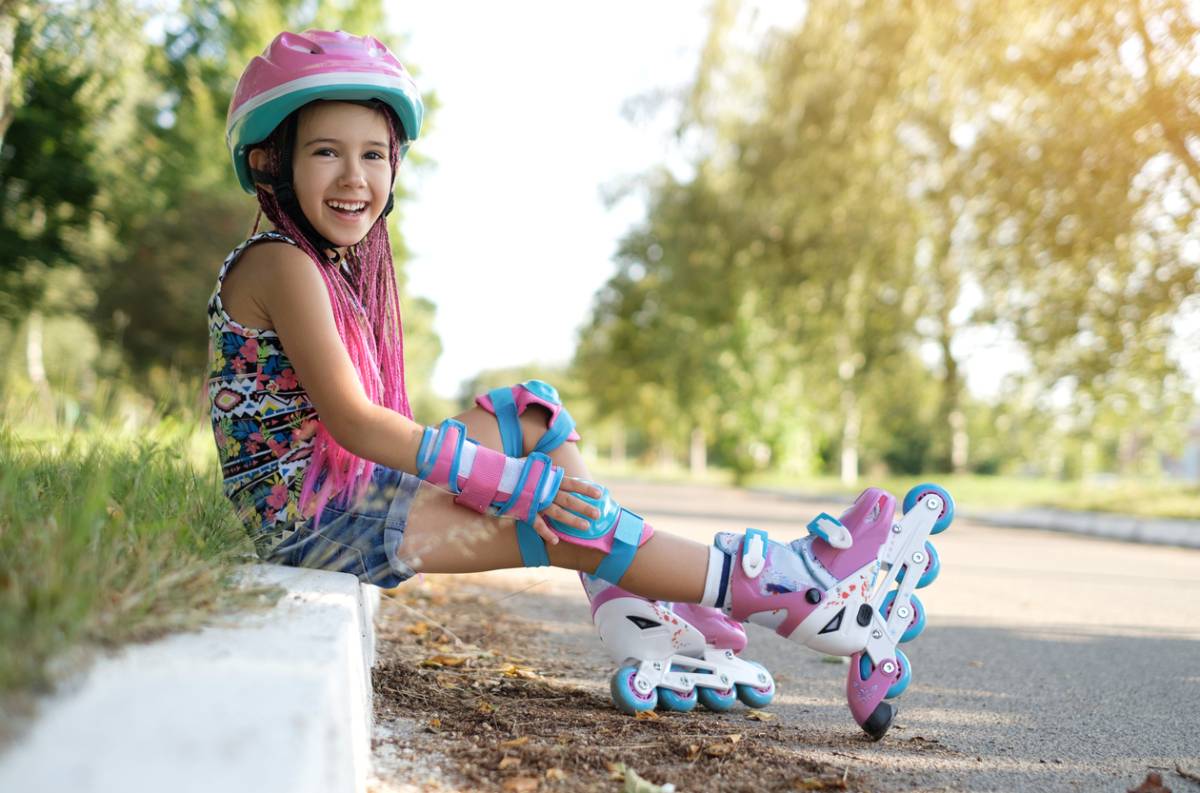
  • Use Protective Gear: Knee and elbow pads are an excellent way to avoid bodily scrapes and bruises. The usefulness of this extra protection cannot be overstated, especially for kids and new riders.
  • Be Aware of Your Surroundings: Watch out for pedestrians, cyclists, and other obstacles while scootering so you can avoid sudden stops or accidents.
  • Regularly Maintain Your Scooter: Loose handlebars, worn-out wheels, or faulty brakes can make high-speed riding dangerous.

Get Your Scooter Equipment Today

While kick scooters cannot reach the extreme speeds of electric or gas-powered models, they can still be surprisingly fast. Most riders stay at 7-10 mph, while experienced riders can push up to 15 mph or more on smooth terrain. If you have more questions about how to maximize your speed while staying safe, consult our skate shop today!

Featured image for What Safety Gear Do You Need for Roller Skating

What Safety Gear Do You Need for Roller Skating?

When shopping for roller skate parts and accessories, you might feel in over your head. You might come across knee pads, helmets, elbow pads, and even gloves. But what safety gear do you need for roller skating? Below, we cover the essentials and some specialty gear you should consider.

Roller Skating Safety Gear: It’s the Law

Parents should know that many states legally require minors to wear at least a helmet when roller skating. The same goes for riding bicycles, skateboards, and scooters. 

If you are 18 or older, you can legally roller skate without any protective gear. Still, for your safety, you absolutely should wear all appropriate gear even when the law does not require it. 

What Safety Gear Do You Need for Roller Skating?

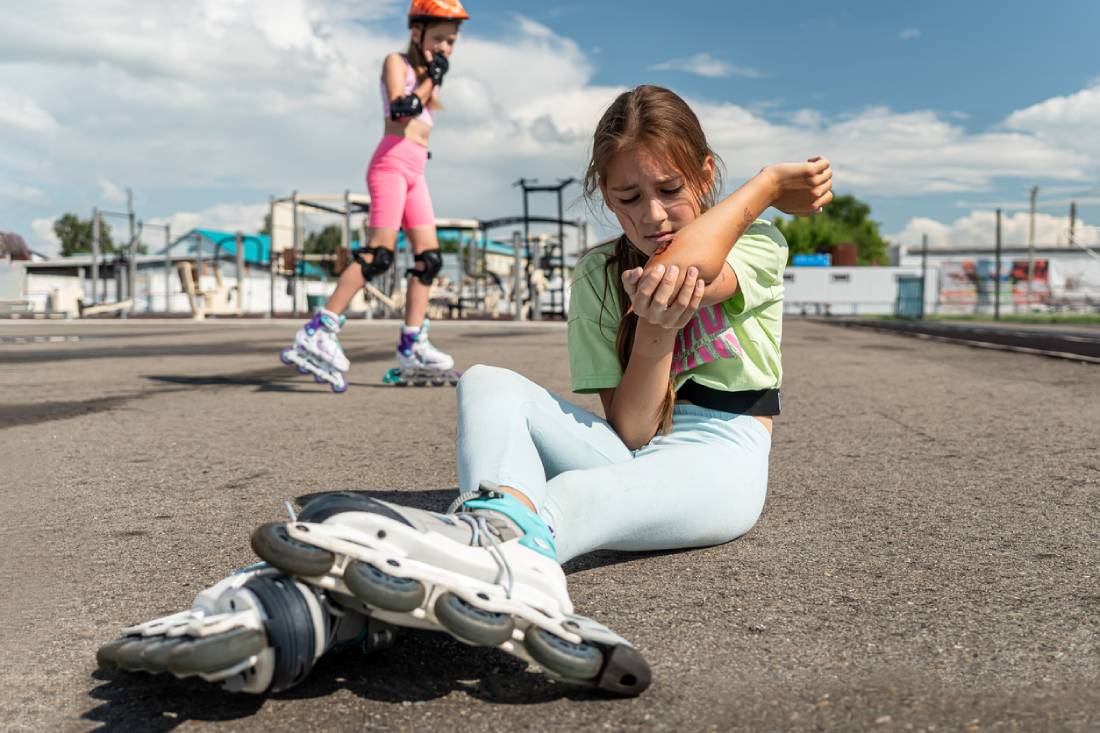
Whether an adult or a minor, you absolutely need some safety gear while roller skating. Without the right gear, you set yourself up a range of injuries, including:

  • Concussion
  • Wrist sprains or breaks
  • Skinned knees
  • Bruises

A Helmet

The idea that you should wear a helmet when skating is widespread. Still, many adults choose not to wear them. All that stands between your brain and rock-hard concrete is less than a millimeter of skull. Admittedly, the skull can prove mighty durable, but even casual skating can lead to unforeseen and potentially severe injuries.

Studies show that wearing a helmet can reduce your risk of injury by about 29%. Even better, they can reduce the risk of injuries requiring an ambulance by 56%. Compared to ambulance rides, which can cost thousands of dollars, a helmet is a reasonable investment.

Elbow Pads

Part of the point of protective gear is to give you more options for falling. If you have protected areas, you can focus on landing on those parts safely. Elbow pads protect you when falling at unusual angles or at speeds when you cannot catch yourself.

Wrist Guards

The human wrist can take about 400 pounds of force before it breaks. That might sound like a lot. But a fall from standing can generate around 500 pounds of force. Yes, you can dampen the force of that fall on your wrists with excellent timing. But wrist guards do not require timing. They simply work. Keep your joints in good shape by protecting them with guards when roller skating.

Knee Pads

Like elbow pads, knee pads give you a safety net for falls. The more protected points of contact you have during a fall, the better you can come out on the other side. Your knees often take the brunt of force from falls, so durable knee pads will save your joints from that impact.

Gloves

Gloves are often overlooked when considering skating safety gear, but they can be an extremely helpful tool to add to your inventory. While wrist guards keep your bones safe, your finger skin will still be exposed. Gloves can prevent you from losing skin if you take a nasty fall. High-speed skaters will benefit the most from gloves, but any skater can benefit from using them. This is especially true when one is learning to skate, as falls tend to happen more frequently.

When to Wear Roller Skating Safety Gear

Below, we break down several categories of skating. In each situation, more protective gear is always better, but we lay out the essentials you must have for each type.

Casual Skating

We define casual skating as riding along designated paths at a leisurely pace. Casual skating can also count as merely riding up and down a safe neighborhood street or sidewalk.

What to wear:

  • Helmet

Skating for a Commute

Roller skating to class or work will put you on sidewalks and streets. The sidewalks usually pose only minimal risk. But streets come with additional dangers. There, you run the risk of a driver not seeing you and being clipped by a passing car or having a parked car door opened into you.

What to wear: 

  • Helmet
  • Elbow pads
  • Wrist guards

Recreational Skating

We define recreational skating as skating at a roller rink or a skate park. You should encounter fewer unknown risks in this situation, but collisions at skate parks are an unfortunately common occurrence. We recommend the full setup, but you could get away with only a helmet. Going to a skate park can also fall into this category, which does require the full setup.

What to wear:

  • Helmet
  • Elbow pads
  • Wrist guards
  • Knee pads

Extreme Skating

Attempting tricks, racing, and skating in dangerous terrain define extreme skating. If you skate with the goal of getting air time or reaching high speeds, you will want to gear up.

What to wear:

  • Helmet
  • Elbow pads
  • Wrist guards
  • Knee pads
  • Gloves

A Hub for Roller Skating Equipment

Crazy Skates has been a leading online supplier of roller skates for years. Browse supplies for all ages and hit the streets in safety and style.

Featured image for Should You Wear Safety Gear While Scootering

Should You Wear Safety Gear While Scootering?

Scootering is a fun activity that gets you moving and boosts your mood. No matter how old you are or what your fitness level is, scootering is something everyone can do. Many people scoot around to burn some calories, but others may use it as a form of transportation. No matter why you choose to scoot, it is important to stay safe. Should you wear safety gear while scootering? Below, you will find helpful information about how to ensure you reduce your risk of injury while skating.

Should You Wear Safety Gear While Scootering?

Many people ride a scooter for fun, but it is also a great way to get around. Skating offers so many benefits no matter why you do it. It can help you burn some calories, boost your mood, and help you socialize. However, as with anything, it comes with certain risks. Maintaining your safety while scootering is key. 

If you skate for fun, safety gear can help reduce your risk of injury if you scoot fast or do any tricks. Alternatively, if you scoot as a form of transportation, roads can get busy and dangerous. Having safety gear on can protect you in the event of an accident. No matter how experienced you are, wear safety gear while you skate to optimize your safety.

Safety Gear for Scootering

There are some essentials when it comes to safety gear when you scoot around. Be sure to get the following items before you begin scootering. 

Helmet

A helmet is the most necessary piece of safety gear for riders. It protects your head from injury in the event of an accident, dramatically reducing the risk of a serious injury if you experience head trauma. You must wear a helmet if you ride a scooter. Luckily, you can get it from the same skate shop where you purchase your scooter for optimal convenience.

Protective Clothing

Cover your skin when you scoot to fully protect your body. It is common for those who ride scooters to take a spill, whether by simple accident or because they are trying to perform a trick. Avoid wearing shorts, sandals, or tank tops. Exposed skin can be easily injured. Road rash is extremely painful and can increase your risk of infection. Wear thick clothing that will protect your skin if you fall.

High-Visibility Gear

Even if you avoid scootering at night, wear protective clothing that is highly visible, such as bright colors with reflective surfaces. They will make you more visible to others when you are moving around. If you do skate at night or early in the morning, reflective clothing and lighting are non-negotiable. They are a cost-effective way to protect yourself and reduce the risk of an accident.

Protective Padding

Protective padding is non-negotiable if you are a beginner at scootering. More advanced skaters may skip out on this, but it is still a good idea no matter what level you are at. Protective padding includes elbow pads, knee pads, and wrist guards. These are great if you are a beginner or have balance issues. They protect the main points of contact people hit when they fall off of a scooter.

The Importance of Wearing Safety Gear

Safety gear while you scoot around is helpful in protecting you. It keeps you safe and reduces the risk of serious injury. It can also help you feel more confident. Knowing you are protected if you get into an accident gives you peace of mind while you are on your scooter. 

In some places, safety gear may be a legal requirement. Be sure to check your local and state laws to ensure you are in full compliance. If you need to purchase safety gear, check out the selection at Crazy Skates today! 

Featured image for What Are Inline Skates

What Are Inline Skates?

Choosing the right pair of skates can make a huge difference in your skating journey. Inline skates are a popular option for many skaters. They are great for beginners and advanced skaters because of the several different skating styles new and old skaters can engage in. Below, you will find helpful information about inline skates and their different uses.

What Are Inline Skates?

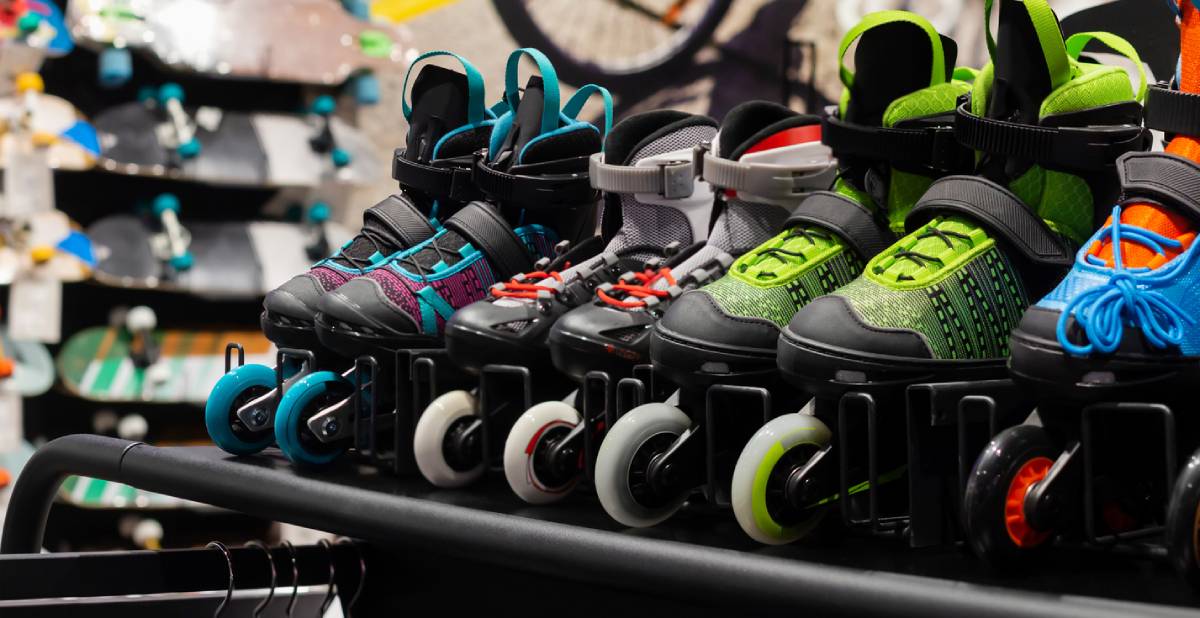
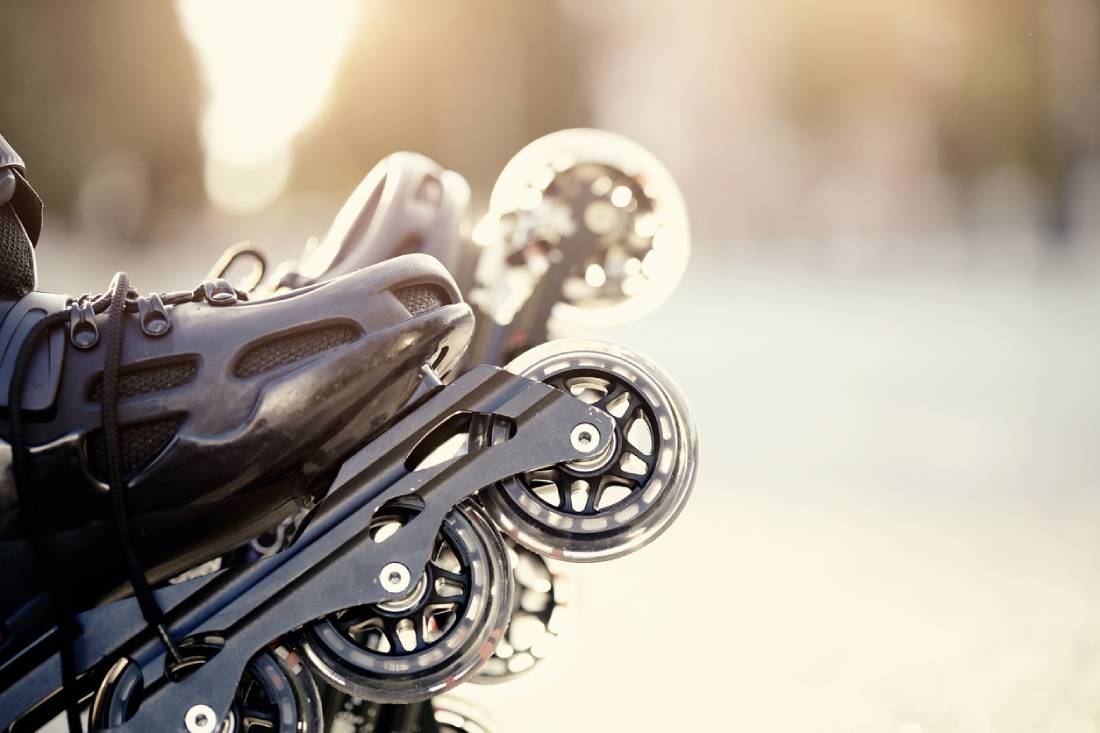
An inline skate is characterized by wheels arranged in a single line on the bottom of the skate. These are unlike traditional quad skates that have wheels arranged in a rectangle on the bottom of the shoe. Inline skates are designed to offer a smooth skating experience where you can hit high speeds. Consider the following most notable features of inline skates for men and women.

Wheels

The wheels on inline skates are in a single line on the bottom of the boot. The wheels can vary in terms of wheel size and hardness. Larger wheels allow you to hit higher speeds. However, smaller wheels are more advantageous for skating tricks. Inline skate wheels are influential when it comes to control and speed. The material also impacts the grip effectiveness. The wheels work in conjunction with the bearings to ensure a smooth ride. 

Boot

On top of the platform that holds the wheels is the boot of the inline skate. The boot holds your foot, keeps it secure, and provides support for your ankles. Your skates can have a hard or soft boot. Each offers different benefits depending on your preference. Soft boots are lightweight and breathable, which makes them a great option for casual skating. Hard boots are better for more aggressive skating because they offer more support and protection than softer boots. The size of your boot is also variable and may change depending on the type of skating you do.

Frame

The frame of inline skates is what holds the wheels in place and connects them to the boot. They can be made from a number of different materials but are most commonly composed of aluminum and plastic. Plastic is better for casual or recreational use because it is less durable than aluminum. Aluminum, in contrast, is durable and lightweight, which makes it ideal for those considering speed skating.

Choosing the Right Inline Skates

Choosing which inline skates are right for you depends on several factors. Consider your skill level and the type of skating you want to do. Additionally, you should consider the wheel size, wheel hardness, and boot type. Make sure to specify your skate components based on the style of skating you want to do. Additionally, carefully consider your budget, as skates can vary widely in price. Below, you will find the various types of inline skates to choose from.

Fitness Inline Skates

If you are looking to get fit for the summer, fitness skates are a great option. You can get a great workout with them as they are perfect for long-distance skating. Look for wheels that support speed and a lightweight frame. 

Recreational Inline Skates

If you are a beginner and just getting started on your skating journey, consider recreational skates. These skates are great for casual use as you start your skating journey. They are often made with soft boots and medium wheels. They also have heel brakes to help with control.

Speed Inline Skates

Adrenaline seekers love speed skates because they can reach high speeds for long distances. Speed skates often have large wheels and low boots. Large wheels accommodate high speeds. Low boots help provide more flexibility and a wider range of ankle movement. They are a great option if you want to elevate your skating experience to the next level.

Inline Skates for Men and Women

If you need a new pair of skates, check out the selection at Crazy Skates today.

Featured image for How Many Calories Does Roller Skating Burn

How Many Calories Does Roller Skating Burn?

Roller skating is a great way to spend your free time if you want to have fun and get a solid workout in. You do not need much to get started: just a pair of skates, safety gear, and a place to skate. Whether you decide on inline or quad skates, skating is an excellent form of exercise. Still, you may wonder, “Exactly how many calories does roller skating burn?” Below, you will find helpful information related to the subject and tips on how you can burn the most calories during a skate session. 

How Many Calories Does Roller Skating Burn?

Roller skating is both a great workout and a lot of fun. Before you get started, be sure your skates and all of your roller skate parts are in good shape. This will help ensure that you stay safe and avoid unnecessary injuries. Once you are ready to go, you can get skating to burn calories and get fit. There are several factors that determine exactly how many calories you can burn. Consider the following factors to get the most out of your workout! 

Skating Duration

The amount of time you spend skating has a significant impact on how many calories you burn. Depending on your weight and the intensity at which you skate, people typically burn around 500 calories per hour skating.

Skating Intensity

The intensity with which you skate can also impact the amount of calories burned. The more intensely you skate, the more calories you will burn. Different types of skating include casual, moderate, aggressive, and speed skating. Casual skating is the lowest level of intensity. You can burn between 300 and 400 calories per hour at this rate, depending on your weight.

More intense skating results in more calories burned. For example, moderate skating includes skating that is between five to ten miles per hour. This intensity of skating burns around 500 calories. Aggressive skating and speed skating include tricks and speeds above ten miles per hour. This intensity of skating can burn anywhere from 700 to 1,000 calories per hour.

Weight

Your weight plays a noteworthy factor in how many calories you burn during exercise. A person who is heavier burns more calories. Skating at a moderate intensity for one hour looks different for someone who is 120 pounds as compared to someone who is 220 pounds. A 120-pound skater burns a little over 400 calories per hour. However, the 220-pound person burns over 700 calories in the same amount of time.

Roller Skating for Exercise

If you want to get in shape or lose weight, roller skating is an extraordinary form of exercise. It burns a lot of calories in a short amount of time. It is also a great way to get a whole-body workout. Roller skating targets several areas of your body, including your leg muscles and core. In some skate styles, it may also engage your arms and upper body. Roller skating also improves your balance and coordination while giving you a major boost of cardio.

As compared to other forms of exercise, roller skating is one of the most effective workouts. It can contribute to your overall health by both calorie burning and whole-body toning. It is comparable to more obvious exercises like running and biking.

Though other forms of cardio are great, there is nothing like grabbing a pair of roller skates for some nostalgic fun. In fact, research shows that those who enjoy their workouts tend to stick with it for longer. Avoid getting started, and check out the selection of skates online at Crazy Skates today!

Featured image for Common Roller Skating Mistakes

Common Roller Skating Mistakes

Roller skating is a classic element of American culture that people of all ages can enjoy. It is arguably one of the country’s most popular pastimes and can be an effective form of exercise as well. That said, in order to fully enjoy roller skating, there are certain safety precautions and steps one should take to ensure that they have a positive experience when they lace up a pair of skates. If you are considering grabbing a pair of inline skates to start a new skating hobby, take a look at this guide that can help you avoid making common roller skating mistakes that can impact your experience.

Why Go Rollerskating?

Roller skating and inline skating are two thrilling activities that combine the best in recreation and sports. If you want to stay fit and have fun at the same time, engaging in these activities might be just what you are looking for.

Common Roller Skating Mistakes

There are a number of common roller skating mistakes that can threaten a newcomer’s enjoyment of this pastime. Staying aware of these mistakes can help you enjoy this activity at a higher level from the get-go.

Overspending on Gear

One common mistake that many beginning skaters make is that they tend to splurge on costly equipment before they know whether they actually like the sport. Instead, you should try to purchase gear that lands at the intersection of affordability and functionality while you decide whether rollerskating is a sport for you.

Not Wearing Protective Gear

Not wearing protective gear is one of the biggest mistakes one can make when they are just learning to roller skate. It is such a crucial mistake because when you are just beginning the sport, there is a solid chance that you will fall quite frequently. If you want to fall safely without suffering numerous injuries while you roller skate, then you will need the proper protective equipment to ensure your safety. Common types of roller skating safety equipment include:

  • Helmets
  • Knee pads
  • Elbow pads
  • Wrist guards

Rushing Yourself

Another common mistake that beginning roller skaters make is to rush into the more advanced aspects of the activity without first learning the fundamentals of the sport. Being impatient is another common way to suffer an accident and sustain injuries.

Rather than trying to do complex tricks immediately after starting the sport, you should instead try to learn some of the roller skating fundamentals, including building a sense of balance. You can employ some of the following techniques to build this skill:

  • Learning and practicing a proper stance on a flat surface
  • Strengthening your leg muscles
  • Keeping your center of gravity low
  • Looking up and taking advice from more experienced skaters

Choosing the Wrong Environments

Another typical misstep new skaters make is trying to learn the basics on rough or unforgiving terrain. Certain surfaces are easier or more challenging to learn on than others. You should try to select surfaces that are smooth and flat when you begin your skating journey. One example would be a basketball court, which has a flat, even surface.

Attempting to learn on an uneven surface or a busy street with multiple hazards is another way of inviting accident or injury into your life.

Using the Wrong Wheels

Selecting the correct wheels is another crucial element for ensuring safety and fun during roller skating. Part of this is knowing which type of wheel would work well for the type of environment that you are going to learn in. Most beginners will attempt to learn how to rollerskate in environments that are flat and smooth, which harder wheels are well-suited to.

Learn Which Type of Skates Work for You

Part of having a good time when you are just learning to roller skate is determining what exact type of roller skating you would like to engage in. People generally agree that there are two primary types of skates that both beginners and veterans can use:

  • Inline Skates: Inline skates are known for having four wheels in a row. These types of skates are built for competitive athletic events and offer users a wide range of flexibility in terms of the activities in which they can participate.
  • Quad Skates: Quad skates are beginner-friendly skates that offer a greater sense of stability for new skaters. These skates typically go slowly compared to inline skates and are easy to control.

Both inline and quad skates can be further specified to be adjustable. We recommend adjustable skates for children who are still growing because they can be adjusted to fit growing feet.

Your Resource for All Things Rollerskating

Crazy Skates is a reliable retailer for individuals of all ages who are interested in skating. If you are in the market for inline skates for kids or adults, visit Crazy Skates to get your equipment and begin your skating journey.

Featured image for How to Maintain Roller Skates

How To Maintain Roller Skates

Roller skating is a fun activity that is easy to pick up. It is an excellent hobby for people of all ages. It is also dynamic, as there are so many types of skating and various environments in which you can skate. One of the essential aspects of skating is caring for your roller skates. This can ensure their longevity. It can also keep you safe and injury-free. Below, you will find how to maintain roller skates so they last.

How To Maintain Roller Skates

Investing in roller skates for men and women is an investment in your mental and physical health. It is a great way to get exercise. It can also boost your mood and be a great way to spend time with people. Keep your skates in good shape by using the following maintenance tips.

Regularly Clean Your Skates

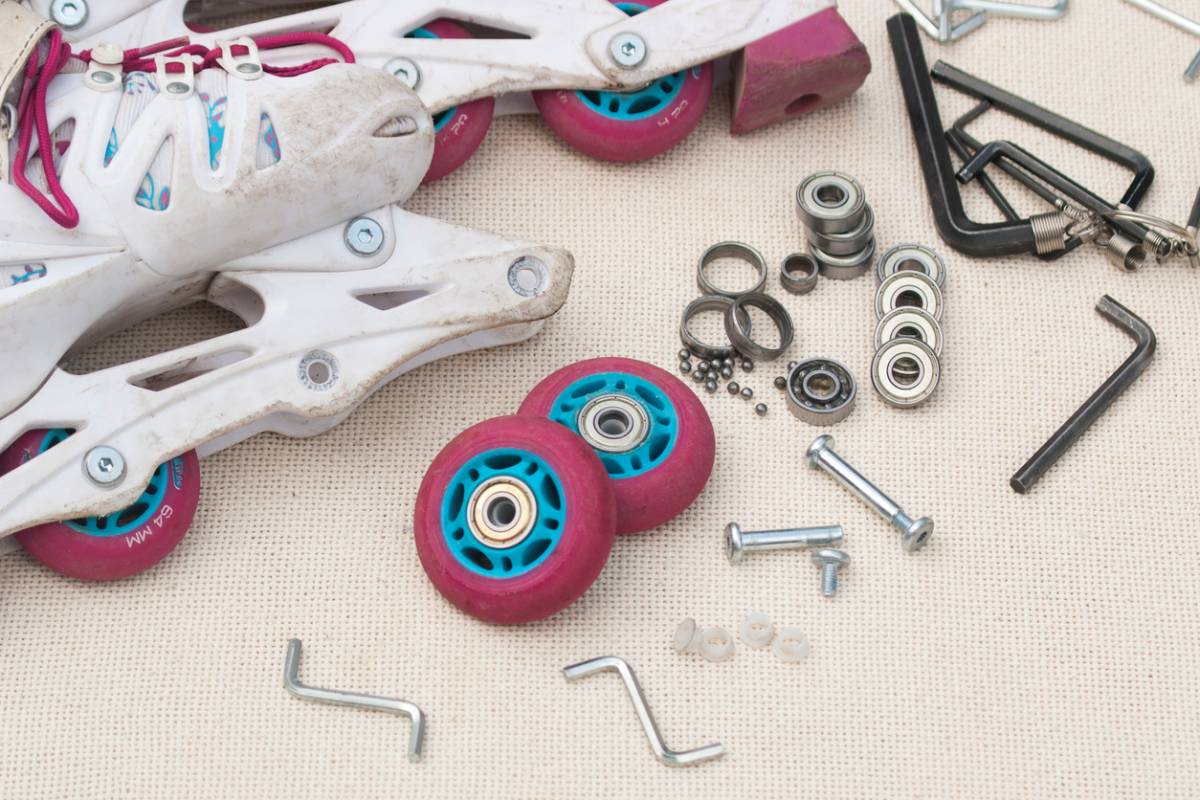
No matter what type of surface you skate on, it is vital to regularly clean your skates. This includes a wipe-down after each use. Use a damp cloth to wipe your boots and wheels. It is especially necessary if you skate outdoors. Deep clean your skates monthly as well. Remove the wheels and bearings and gently scrub your boots. Be sure to remove any debris. Rocks, leaves, and other small objects can easily get into parts of your skates.

Replace Parts as Needed

Skates are made of several different parts. This includes wheels, bearings, and boots. Each has a unique lifespan, depending on several factors. Common factors include how often you use them, what type of skating you do, and the environment in which you skate. In general, wheels and bearings tend to wear out the fastest. You will notice the progression of wear and tear if you regularly clean them. Regular replacement is necessary to ensure your safety and avoid injury.

Inspection and Maintenance

Your wheels and bearings are integral to your skates. Regular maintenance and inspection are necessary to ensure a safe and smooth ride. As for your wheels, rotate them regularly to help with wear and tear. Swap the wheels from the left and right sides of your skates as well. This is especially helpful if you favor one foot over the other when you skate. Check for flat spots when you rotate your wheels as well. Bearings should be inspected and cleaned regularly. You can use lubricants to ensure that they roll efficiently.

Care for Your Skate Boots

Your skate boots should be comfortable and in good condition. They should also provide the right amount of support. Be sure to care for them as you do the other parts of your skates. If you have leather boots, be sure to care for the leather. Additionally, if you skate outdoors, consider protecting your boots. For safety purposes, replace worn-out laces. This can reduce your risk of injury.

Properly Store Your Skates

After a skate session, be sure to properly store your skates after you wipe them down. If you transport them in a case, be sure to pull them out once you get home. Skates need air as it can reduce the risk of moisture buildup in between sessions. Loosen up the laces and open them up for optimal results. Try to keep your skates in an area that is cool and dry. High heat or extreme cold can impact the integrity of your skates. It is also best to avoid direct sunlight. UV rays can break down your skates and cause unnecessary damage. 

Roller Skates for Men and Women

If you want to start skating, check out the selection of skates at Crazy Skates! 

Featured image for Roller Skating Party Ideas

Roller Skating Party Ideas

Roller skates pair well with most events, from birthdays to weddings. They serve as exercise, personal expression, and a source of entertainment for all ages. If you want to work fun into your next gathering, try out these roller skating party ideas.

Roller Skating Party Ideas

Classic: Roller Rink Party

You likely know about roller skating rinks. They might not be in their prime as they were in the 80s to early 2000s, but plenty still exist. 

Roller skating rinks often have designated party spaces you can rent out. Additionally, any guests without skates can usually rent theirs from the rink. Skating rinks set the atmosphere right away, with party-ready lighting, music, and vibes. 

What Supplies Do You Need?

  • Food
  • Decorations
  • Money for rentals

Local Skatepark

Skateparks are a great way to meet other people who enjoy skating and be introduced to different methods of doing so. However, most skateparks will be above the skill level of casual roller skaters and, therefore, may be more stressful than fun. 

Rather than looking for skateparks with deep pools or huge ramps, look for milder options. More and more kid-friendly parks are popping up across cities. These have shallower pools that do not require massive feats of courage every time you drop in. Check out images of the park online ahead of time.

In the name of good skating etiquette, avoid hosting large parties in skateparks that will entirely take over the space. Let the other visitors have their space and fun, too.

What Supplies Do You Need?

  • Food
  • Skating supplies
  • Enough bravery to skate around non-roller skaters

Street Skating Experience

Skating in front of your house or around a local neighborhood offers more possibilities than you might think. Buy yourself a pack of street chalk, and you can turn any street into the location of a fun skating party. 

Draw paths, game boards, obstacle courses, and more. Let your imagination run wild. The only downside is this takes the most prep time. And it is easy to get stuck on the creative side of it. Fortunately, there is no shortage of YouTubers and TikTok-ers ready to share their tips with you.

What Supplies Do You Need?

  • Street chalk
  • Inspiration
  • Patience and plenty of time

Best Themes for Roller Skating Parties

So you have chosen where to party. But how can you spice it up? Try accessorizing your party with some of these.

Glow Sticks

They provide safety at night, while also immediately adding a cool factor that every kid can get behind. Buying them in larger quantities will save you money and give the party guests unlimited fun.

That said, glow sticks are not suitable for younger children or any who might be inclined to chew them. The materials are often nontoxic, so you will likely be able to avoid a hospital visit if one is ingested, but the effects will not be good in any case. 

Craft Your Skating Outfit

Rummage through a craft store and grab anything that looks neon or invokes the 80s. Letting the kids make small accessories before the party will only add to the fun. Look for ribbings, sequins, feathers, and reflective objects that can be used to make bracelets, headbands, and necklaces. Many shops have special online deals, so check there first, even when you place in-store pickup orders.

Tie-Dye Socks

Tie-dye and roller skating often go hand in hand. And a big part of the outfit is your socks. Making a bunch of tie-dye socks can be great for gift bags, and guests can use them right away for their roller skating fun.

Just be sure to give the socks plenty of time to dry. As such, this does not work well for last-minute plans. If you need a primer on how to do tie-dye, check out this how-to guide. As always, if kids are involved, ensure they are under adult supervision.

An Online Source for Your Skates

Crazy Skates is a roller skates shop that provides supplies for customers of all ages across the nation, no matter if you are a rookie or a vet. 

concept for different types of speed skating

What Are the Different Types of Speed Skating?

Speed skating is an adrenaline-filled sport that involves racing on skates. It is a great form of exercise that improves your physical and mental health. It is great for your cardiovascular system and can also build muscle. The fast-paced activity can also boost your mood and get endorphins pumping through your system. You may wonder, what are the different types of speed skating? Below, you will find more information about the activity and how you can get started.

What Are the Different Types of Speed Skating?

If you are new to skating, you may think that there’s only one type of speed skating. However, there are several different types. Each type has its own type of skates and gear. However, Zoom speed skates are a must-have for every speed skater. Consider the following different types of speed skating.

Inline Speed Skating

Inline speed skating is a popular form of speed skating. This style of skating can be done in various settings. This includes outdoors, indoor roller rinks, and even on the road. Skates used for inline speed skating generally have three to four wheels on each skate. They are specifically designed to reach fast speeds. In fact, inline speed skaters can reach speeds up to 50 miles per hour. There are several different types of inline speed skating, including sprinting, marathons, and relays.

Artistic Speed Skating

Artistic speed skating is beautiful to watch. It is a hybrid of inline speed skating and ice skating. It can be performed using inline skates or roller skates. The form of speed skating involves several different types of tricks. This includes jumps, spins, and dances. These are all done racing through courses. For those who like dance but also want an adrenaline rush, artistic speed skating is right for you. 

Roller Derby Speed Skating

Roller derby is a sport on its own, but it involves a lot of speed skating. It is a contact sport that involves aggressively skating around an oval track. The purpose of the sport is to block opponents from scoring points, in addition to scoring your own team points. Speed skating is a critical skill of a successful roller derby player. This is in addition to strategy and teamwork as it is a group sport. Roller derby players wear quad skates instead of inline skates. However, the same techniques are used to gain speed during the derby.

How and Why You Should Pick Up Speed Skating

Getting regular physical activity is important for your physical and mental health. Inline speed skating is a great hobby to pick up due to its major benefits. Getting started is easy and won’t take you a lot of time. Check out the speed skates and safety gear at a roller skate shop. You can get the right skates for you, as the selection at Crazy Skates is massive. As you get started, safety gear is key. Grab a helmet, knee pads, wrist guards, and elbow pads. It’s also advisable to wear protective clothing while you skate.

Speed skating offers so many benefits that improve your physical and mental health. Skating has been proven to improve cardiovascular health and build muscle strength. It is an amazing workout that you can easily pick up. Skating is also a great way to improve your balance and coordination. It is also a low-impact activity that won’t put a lot of pressure on your knees and ankles. On top of all of the physical benefits, speed skating can also give your mental health a boost!

Roller Skate Shop

If you want to get started on your skating journey, check out the selection of skates and gear at Crazy Skates!