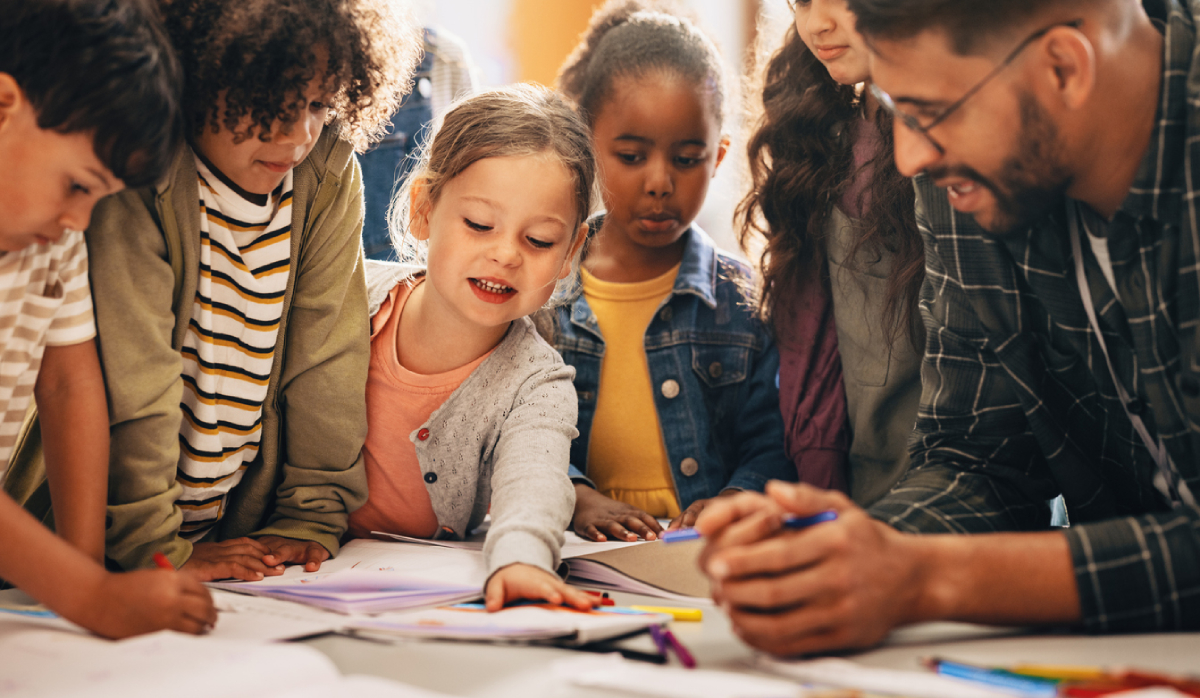
Featured image for How Is Montessori School Different from Traditional Education?

How Is Montessori School Different from Traditional Education?

Every parent wants the best possible start for their child, but the question of how to achieve that can be tricky. One of the most common debates is how Montessori school is different from traditional education. 

While both approaches aim to prepare children for academic and personal success, they go about it in very different ways. Understanding the differences between the two can help you choose the path that fits your child’s unique personality and learning style. That being said, let’s dive in.

Montessori vs. Traditional: A Different Approach to Learning

At its heart, Montessori education focuses on the individual child. In a Montessori school, the learning environment is carefully prepared to allow children to explore concepts at their own pace. Traditional education, on the other hand, typically follows a set curriculum where all students work on the same subject at the same time.

In a Montessori classroom:

  • Children move freely and choose activities based on their interests
  • Teachers act as guides rather than lecturers
  • Learning materials are hands-on and self-correcting
  • Mixed-age groups encourage peer teaching and collaboration

In a traditional classroom:

  • Lessons are teacher-led, with the whole group following the same plan
  • Progress is often measured by tests and grades
  • Students are typically grouped by age alone
  • The schedule is fixed, with limited flexibility for individual exploration

By shifting the focus from teaching to children to guiding them, Montessori nurtures self-motivation and confidence from an early age.

The Role of the Teacher: Guide vs. Instructor

One of the clearest ways Montessori differs from traditional education is in the role of the teacher. In a Montessori school, the teacher observes each child, identifies their interests and needs, and offers lessons that match their readiness level.

In traditional classrooms, teachers typically deliver the same lesson to the entire class at once, moving on when the schedule dictates, rather than when every child has fully grasped the concept.

Learning Environment: Prepared Spaces for Exploration

Montessori classrooms are designed with purposeful materials and an inviting layout that encourages exploration. Everything, from child-sized furniture to accessible learning tools, promotes independence and self-direction.

Key features of Montessori learning environments are that they involve:

  • Open shelves with materials displayed in an orderly way
  • Real-life tools scaled to fit a child’s hands
  • Natural light and uncluttered spaces for focus
  • Dedicated areas for practical life, sensorial learning, math, language, and culture

In contrast, traditional classrooms often center on desks and teacher-led instruction, with resources distributed by the teacher rather than freely accessible.

How Montessori Shapes the Whole Child

Montessori education is not just about academics; it’s about fostering the whole child. That means developing social skills, emotional awareness, and real-world problem-solving abilities alongside reading and math.

Children in Montessori programs often:

  • Learn conflict resolution skills through guided social interactions
  • Practice care for their classroom and materials
  • Develop a strong sense of responsibility and self-discipline
  • Gain confidence in independent decision-making

Traditional education certainly develops many of these skills, but they are often secondary to academic achievement. In contrast, Montessori weaves them into daily learning.

Choosing the Right Path for Your Child

So, how is Montessori different from traditional education? It comes down to flexibility, independence, and a focus on individualized learning. Montessori provides children with the freedom to follow their interests within a structured environment, while traditional education offers a more uniform, teacher-led approach.

For some children, the traditional education structure works well. For others, the Montessori method offers the space and encouragement they need to thrive.

Nurture Your Child’s Love of Learning

If you’re ready to see how a Montessori school can transform your child’s early learning experience, we invite you to explore Future Minds Montessori. Our early education program blends independence, creativity, and academic growth in a way that helps children flourish.

Schedule a tour today and discover a place where your child can learn and grow at their own pace.
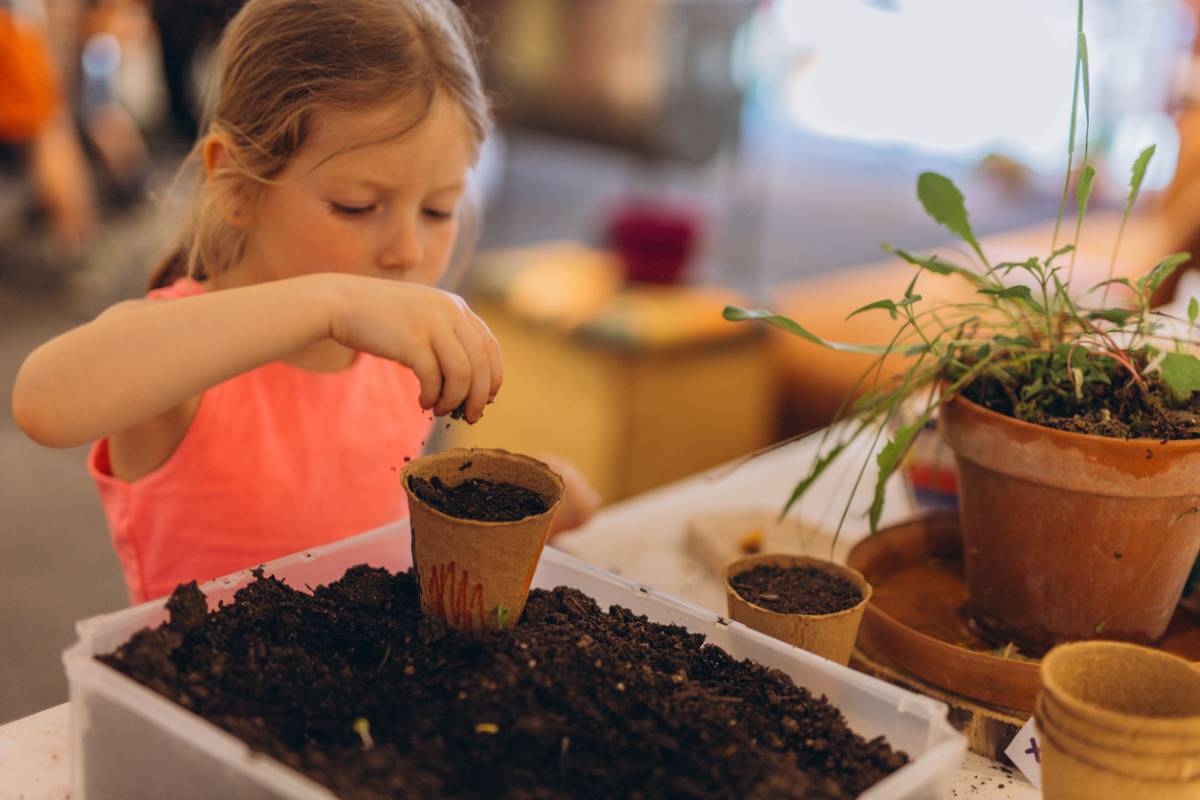
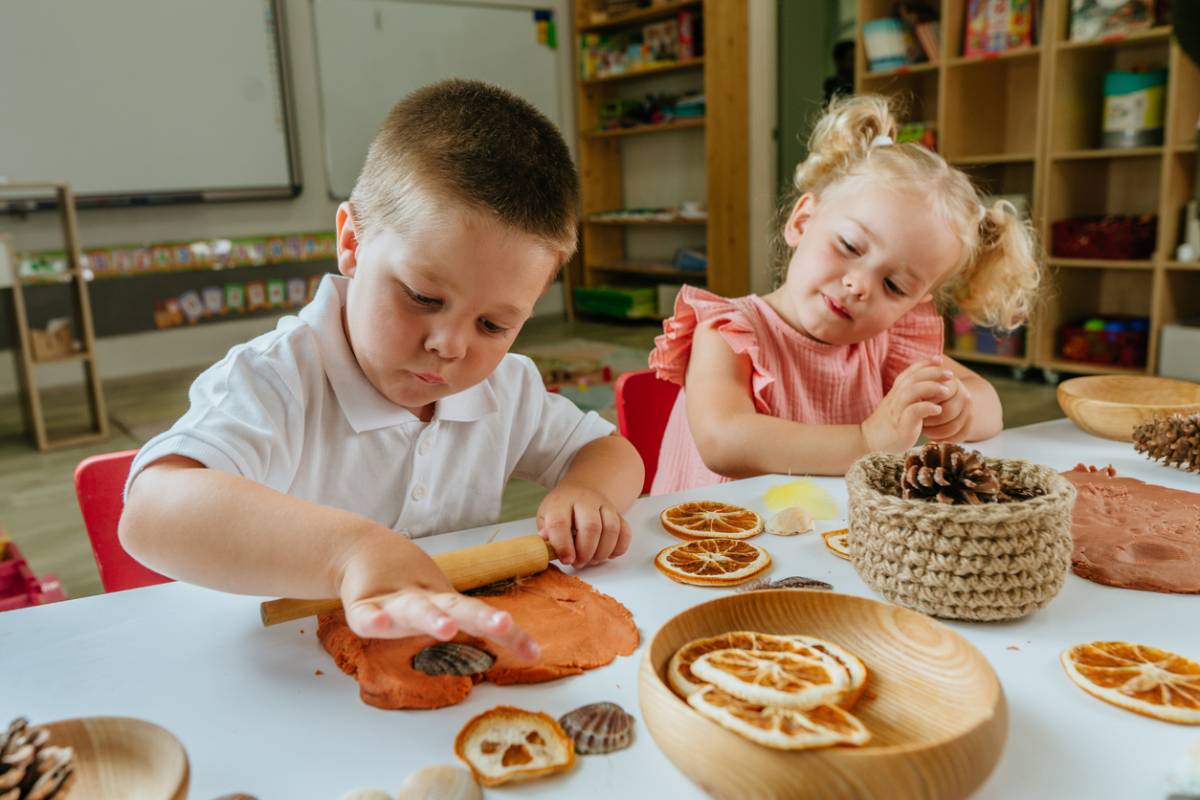
Featured image for What Is the Best Age to Enroll Kids in Montessori Schools?

What Is the Best Age to Enroll Kids in Montessori Schools?

Featured image for What Is the Best Age to Enroll Kids in Montessori Schools?

Every parent naturally wants to give their child the very best possible start in life, and when it comes to education, that means exploring many different approaches. One of these approaches is Montessori, a method designed to nurture independence, curiosity, and a lifelong love of learning. While an excellent teaching method, its success often hinges on timing. That being said, what is the best age to enroll kids in Montessori schools?

It’s an important factor that could influence your child’s entire learning, so let’s dive into timing, how such early experiences shape their future, and what to consider as you plan your child’s educational path. 

What Is the Best Age to Enroll Kids in Montessori Schools?

When asked, most Montessori educators will agree that the best time to enroll your child in a Montessori-style environment is between the ages of 2.5 and 3 years old. This age range marks a key developmental window when children begin to desire autonomy and engage in more hands-on exploration, which are core tenets of the philosophy. 

Montessori classrooms are intentionally structured to meet the developmental needs of this age group right where they are. By starting during these years in particular, children not only absorb academic skills more quickly and easily, but they also build foundational habits such as focus, self-direction, and social interaction. While older children can still benefit from and even thrive in Montessori, early exposure helps them internalize the values and teachings more naturally and effectively. 

Why Earlier Is Often Better in Montessori Settings

The beauty of the Montessori approach lies in its ability to support a child’s development during what Maria Montessori called the “sensitive periods,” phases during which a child is particularly receptive to acquiring certain skills.

By enrolling your child around the age of 3, they are exposed to a learning environment tailored to their “right there and then” developmental needs. They can start engaging in purposeful play, practicing independence, and developing early literacy and math concepts organically. Starting early also helps children adjust to the structure and flow of the Montessori school environment while building deep, long-term relationships with their teachers and peers.

Toddler Programs Offer Gentle Transitions

Some families choose to enroll their children even earlier than the standard 2.5 to 3 years, often between 18 months and 2.5 years, through toddler programs. These early-action Montessori-inspired settings help emphasize emotional security, basic motor skills, and early language development.

While younger toddlers may not yet be ready for the full range of Montessori activities, these programs provide a gentle, nurturing introduction to the routine, independence, and socialization that will define their future school experience.

What If My Child Is Older Than 3?

Luckily, the Montessori method is designed to accommodate a wide range of learners, and many children join later with great success. If your child is 4, 5, or even entering the elementary years, rest assured that it’s not too late to benefit from Montessori education.

Older children may require a brief adjustment period to become accustomed to the self-directed structure, but the philosophy’s emphasis on respect, curiosity, and meaningful work resonates at every stage. In fact, joining a Montessori classroom later can often help a child who has become disengaged in traditional school settings.

Multi-Age Classrooms Encourage Peer Learning

One of the strengths of Montessori education is the use of multi-age classrooms, where younger and older children learn alongside each other. This structure benefits students regardless of when they enter the program.

Older children naturally assume leadership and mentorship roles, while younger ones observe and learn from their more experienced peers. This dynamic fosters confidence, collaboration, and a strong sense of community—qualities that serve children well throughout their lives.

Look for Signs of Readiness, Not Just Age

While age is a helpful guideline, it’s also important to consider your child’s readiness. Are they showing signs of independence? Are they curious, observant, or eager to participate in daily tasks? These cues can signal a good time to start, even if your child is slightly younger or older than the typical age of entry.

Every child develops at their own pace, and Montessori education is flexible enough to honor that. When children enter at a time that aligns with both their developmental stage and emotional readiness, they’re more likely to thrive.

Ready to Enroll or Learn More?

Contact Future Minds Montessori today to explore our thoughtfully designed programs and schedule a tour. We’ll help you find the perfect starting point for your child’s Montessori journey.

Featured image for How to Choose Montessori Tools

How to Choose Montessori Toys

How to choose Montessori toys is one of the most common questions parents ask when they first start exploring a Montessori education. After all, toys are so much more than just a way to keep children entertained. They’re also a key tool for development, and with that in mind, they need to be carefully chosen to align with how children naturally learn: through movement, exploration, and hands-on experience. 

Whether you’re building a home environment that supports Montessori principles or simply want toys that do more than flash and beep, understanding how to select them can make all the difference in your child’s growth. Let’s dive right in so you can start picking Montessori-style toys with confidence. 

How to Choose Montessori Toys Based on Core Montessori Principles

Montessori toys differ from mainstream options in a few key ways. They are designed to be simple, purposeful, and rooted in reality. When choosing Montessori toys, look for items that are made of natural materials, isolate one skill at a time, and encourage independence.

You want toys that are beautiful but not overwhelming and ideally made of wood, metal, or fabric instead of plastic. They should teach cause and effect, invite repetition, and help develop concentration. Rather than overstimulating a child with flashing lights or loud sounds, Montessori toys allow the child to engage more deeply and meaningfully. This approach is woven into every element of Montessori education and should benefit the child on their learning journey.

Age-Appropriate Choices for Montessori-Aligned Toys

Choosing the right toy also means selecting one that suits your child’s age and developmental stage. In Montessori, this concept is known as “following the child,” or meeting children where they are to support their natural growth.

For infants, this might mean black-and-white visual mobiles or grasping toys that help build coordination. Toddlers benefit from toys such as stackers, shape sorters, and simple puzzles that promote fine motor skills and problem-solving abilities. As children grow older, toys can introduce early math, literacy, and practical life skills, such as pouring water, slicing wooden fruit, or using a screwdriver set.

These seemingly simple activities foster independence, confidence, and focus. They also mirror the kinds of hands-on learning that children experience daily in Montessori school environments.

Look for Toys That Promote Independence and Purpose

A foundational principle of Montessori education is helping children do things for themselves. This value should be reflected in the toys you choose.

Montessori toys should encourage your child to explore and complete an activity without needing constant adult intervention. That’s why you’ll often see toys that have a clear beginning, middle, and end. For example, a set of nesting cups or a ring stacker provides your child with a clear goal: to sort, arrange, or complete the set. There’s a natural reward in finishing the task, and no need for flashing lights or congratulatory sounds.

Avoid Overly-Themed or Passive Entertainment Toys

One of the easiest ways to spot a non-Montessori toy? It’s probably based on a popular cartoon, requires batteries, or does all the playing for your child.

While these kinds of toys may be fun in small doses, they don’t support the kind of deep, self-directed learning Montessori emphasizes. Characters and fantasy elements can sometimes distract from the real-world learning that helps children understand and relate to their surroundings.

Instead, choose toys that reflect reality, like miniature kitchen tools, realistic animal figurines, or child-sized cleaning sets. These allow children to mimic adult behavior in a safe and developmentally appropriate way.

Simplicity and Focus: Less Is More

A cluttered playroom filled with dozens of toys can be overwhelming for children. Montessori encourages minimalism, where fewer, better-selected toys allow for deeper concentration and longer playtime.

Maintain a rotation system by offering a limited number of toys at a time and switching them out periodically to keep interest high. Look for toys that isolate one concept, such as a puzzle that teaches matching or a set of beads for counting. Simplicity helps children stay focused and increases the likelihood of mastering each new skill before moving on to the next one.

This approach mirrors the structured yet flexible learning environment found in high-quality Montessori school programs, where materials are curated to support purposeful engagement.

The Role of Practical Life Toys in Learning

Some of the most powerful Montessori toys don’t resemble toys at all—they look like real tools. This is by design.

Practical life toys enable children to safely and developmentally supportively mimic adult tasks. Think of pouring pitchers, sweeping sets, or small gardening tools. These toys help children develop muscle memory, improve hand-eye coordination, and build confidence. Most importantly, they make children feel capable, which is one of the central goals of Montessori education.

By giving your child the tools to take care of themselves and their space, you’re helping them grow into independent, responsible individuals.

Take the Next Step Toward a Thoughtful Montessori Experience

Ready to learn more about how Montessori can enrich your child’s growth? Contact Future Minds Montessori to explore our school programs or schedule a tour today.