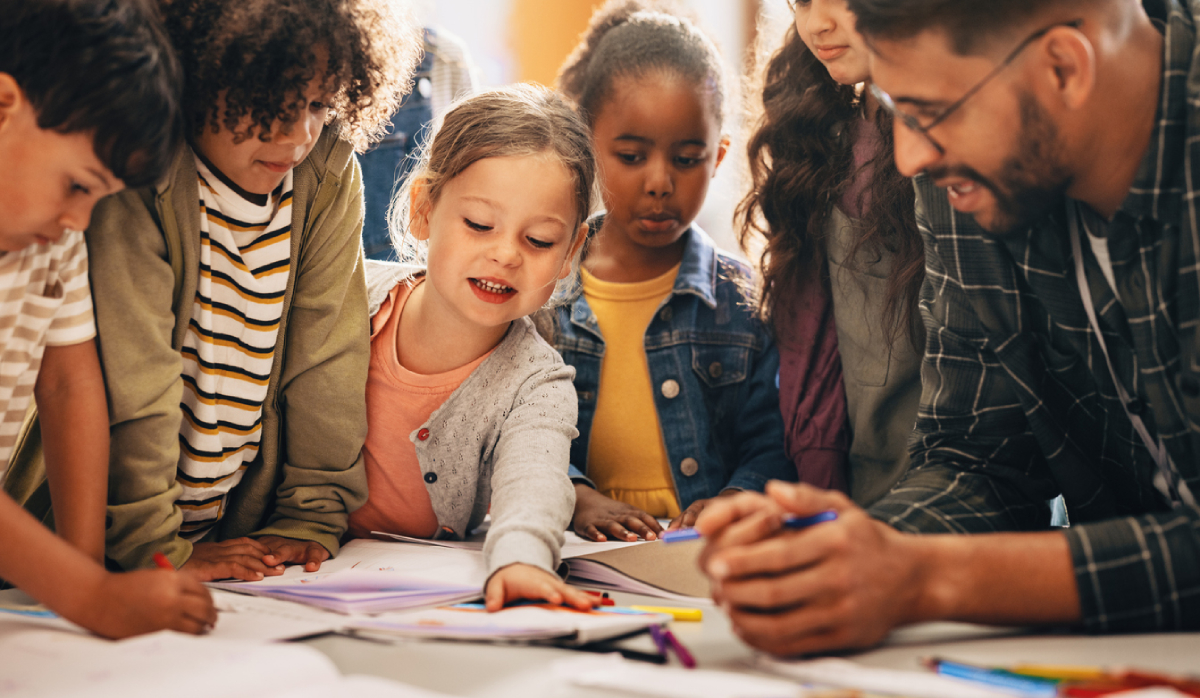
Featured image for How Is Montessori School Different from Traditional Education?

How Is Montessori School Different from Traditional Education?

Every parent wants the best possible start for their child, but the question of how to achieve that can be tricky. One of the most common debates is how Montessori school is different from traditional education. 

While both approaches aim to prepare children for academic and personal success, they go about it in very different ways. Understanding the differences between the two can help you choose the path that fits your child’s unique personality and learning style. That being said, let’s dive in.

Montessori vs. Traditional: A Different Approach to Learning

At its heart, Montessori education focuses on the individual child. In a Montessori school, the learning environment is carefully prepared to allow children to explore concepts at their own pace. Traditional education, on the other hand, typically follows a set curriculum where all students work on the same subject at the same time.

In a Montessori classroom:

  • Children move freely and choose activities based on their interests
  • Teachers act as guides rather than lecturers
  • Learning materials are hands-on and self-correcting
  • Mixed-age groups encourage peer teaching and collaboration

In a traditional classroom:

  • Lessons are teacher-led, with the whole group following the same plan
  • Progress is often measured by tests and grades
  • Students are typically grouped by age alone
  • The schedule is fixed, with limited flexibility for individual exploration

By shifting the focus from teaching to children to guiding them, Montessori nurtures self-motivation and confidence from an early age.

The Role of the Teacher: Guide vs. Instructor

One of the clearest ways Montessori differs from traditional education is in the role of the teacher. In a Montessori school, the teacher observes each child, identifies their interests and needs, and offers lessons that match their readiness level.

In traditional classrooms, teachers typically deliver the same lesson to the entire class at once, moving on when the schedule dictates, rather than when every child has fully grasped the concept.

Learning Environment: Prepared Spaces for Exploration

Montessori classrooms are designed with purposeful materials and an inviting layout that encourages exploration. Everything, from child-sized furniture to accessible learning tools, promotes independence and self-direction.

Key features of Montessori learning environments are that they involve:

  • Open shelves with materials displayed in an orderly way
  • Real-life tools scaled to fit a child’s hands
  • Natural light and uncluttered spaces for focus
  • Dedicated areas for practical life, sensorial learning, math, language, and culture

In contrast, traditional classrooms often center on desks and teacher-led instruction, with resources distributed by the teacher rather than freely accessible.

How Montessori Shapes the Whole Child

Montessori education is not just about academics; it’s about fostering the whole child. That means developing social skills, emotional awareness, and real-world problem-solving abilities alongside reading and math.

Children in Montessori programs often:

  • Learn conflict resolution skills through guided social interactions
  • Practice care for their classroom and materials
  • Develop a strong sense of responsibility and self-discipline
  • Gain confidence in independent decision-making

Traditional education certainly develops many of these skills, but they are often secondary to academic achievement. In contrast, Montessori weaves them into daily learning.

Choosing the Right Path for Your Child

So, how is Montessori different from traditional education? It comes down to flexibility, independence, and a focus on individualized learning. Montessori provides children with the freedom to follow their interests within a structured environment, while traditional education offers a more uniform, teacher-led approach.

For some children, the traditional education structure works well. For others, the Montessori method offers the space and encouragement they need to thrive.

Nurture Your Child’s Love of Learning

If you’re ready to see how a Montessori school can transform your child’s early learning experience, we invite you to explore Future Minds Montessori. Our early education program blends independence, creativity, and academic growth in a way that helps children flourish.

Schedule a tour today and discover a place where your child can learn and grow at their own pace.
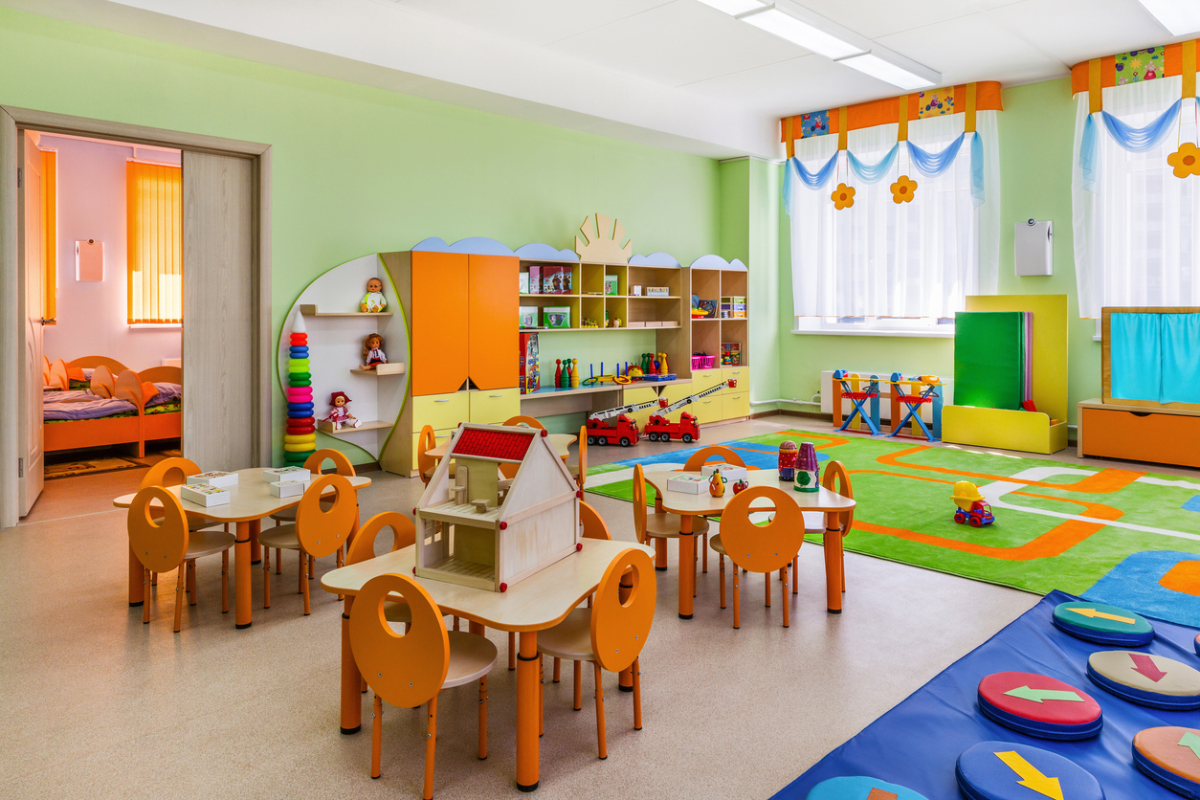
Featured image for At What Age Should You Enroll Your Child in Daycare?

At What Age Should You Enroll Your Child in Daycare?

Deciding when to enroll your child in daycare is one of those big parenting milestones—exciting, a little nerve-wracking, and full of questions. How young is too young? Are they ready? Are you ready? The truth is, there’s no one-size-fits-all answer. That means when it comes to the question of: at what age should you enroll your child in daycare, the answer depends on a mix of factors. That includes your family’s schedule, your child’s personality and development, and what kind of care you’re looking for.

At Fullerton Children’s Academy, we get how important (and emotional!) this decision can be. Whether you’re exploring infant care or planning ahead for preschool, we’re here to help you find the right fit, at the right time, for your family.

At What Age Should You Enroll Your Child in Daycare?

Many parents wonder if there’s a “perfect” age to start daycare. The honest answer? It depends. Some families enroll their babies in daycare as early as six weeks, while others wait until their child is a toddler or ready for preschool.

Daycare can be a wonderful environment for infants and toddlers to grow, socialize, and develop essential skills. At Fullerton Children’s Academy, our infant care programs welcome babies from just six weeks old, offering a nurturing and safe place where your little one can explore the world with gentle guidance.

Starting early can be a huge help if you’re returning to work or need consistent, loving care for your infant. On the other hand, some families prefer to wait until their child is more independent or approaching preschool age to begin daycare.

Understanding the Benefits of Early Enrollment in Daycare

So, why do some parents choose to enroll infants at a younger age? First of all, early enrollment can support your child’s growth in many ways. High-quality daycare centers provide structured routines, social interaction, and learning opportunities that can boost cognitive and emotional development.

When babies are cared for in a loving environment, they develop secure attachments with caregivers, which lays the foundation for healthy relationships later on. Socializing with peers, even at a very young age, can encourage early communication skills and emotional awareness.

For working parents, infant care in a trusted daycare center offers peace of mind and flexibility. Knowing your baby is cared for in a safe and stimulating space allows you to focus on your responsibilities without worry.

What to Consider When Choosing the Right Time for Daycare

If you’re still not sure about the best age for your child, take a moment to consider these factors:

  • Family Needs and Work Schedules: Returning to work is often a practical reason to start daycare early. Your schedule might dictate when your child needs to begin.
  • Child’s Temperament: Every baby is unique. Some may thrive in social environments early on, while others might need more time at home to feel secure.
  • Health and Immunity: Younger infants have developing immune systems. Ensuring your daycare center follows strict health and safety protocols is essential.
  • Childcare Quality: The quality of care matters most. A warm, nurturing daycare or preschool center like Fullerton Children’s Academy can make a huge difference regardless of your child’s age.

Preparing Your Child (and Yourself) for Daycare

Once you decide it’s time, the transition to daycare can feel easier with a little preparation. Talking to your child about daycare, visiting the center together, and establishing consistent drop-off routines can help your little one feel safe and excited about this new adventure.

For parents, building a relationship with caregivers and communicating openly about your child’s needs creates a support system you can rely on.

The Role of Preschool in Your Child’s Development

As your child grows, preschool and daycare centers provide new learning experiences that prepare them for kindergarten and beyond. Typically, preschool programs begin around ages 3 to 4, focusing on early literacy, social skills, and creative play.

Choosing a center that offers a thoughtful curriculum and warm environment helps your child build confidence and a love for learning. At Fullerton Children’s Academy, we blend nurturing care with educational activities tailored to each age group.

When You’re Ready to Take the Next Step

Whether you’re welcoming your newborn into infant care or looking ahead to preschool, the key is to choose a daycare center that feels like a second home. Your child’s early years are precious, and the right environment can make all the difference in their growth, happiness, and your peace of mind.

Ready to Learn More About Daycare Options?

We invite you to contact Fullerton Children’s Academy to schedule a tour or consultation. Let us help you find the perfect preschool or daycare center to begin your child’s educational journey in a loving and supportive environment.