Tag roller skate maintenance

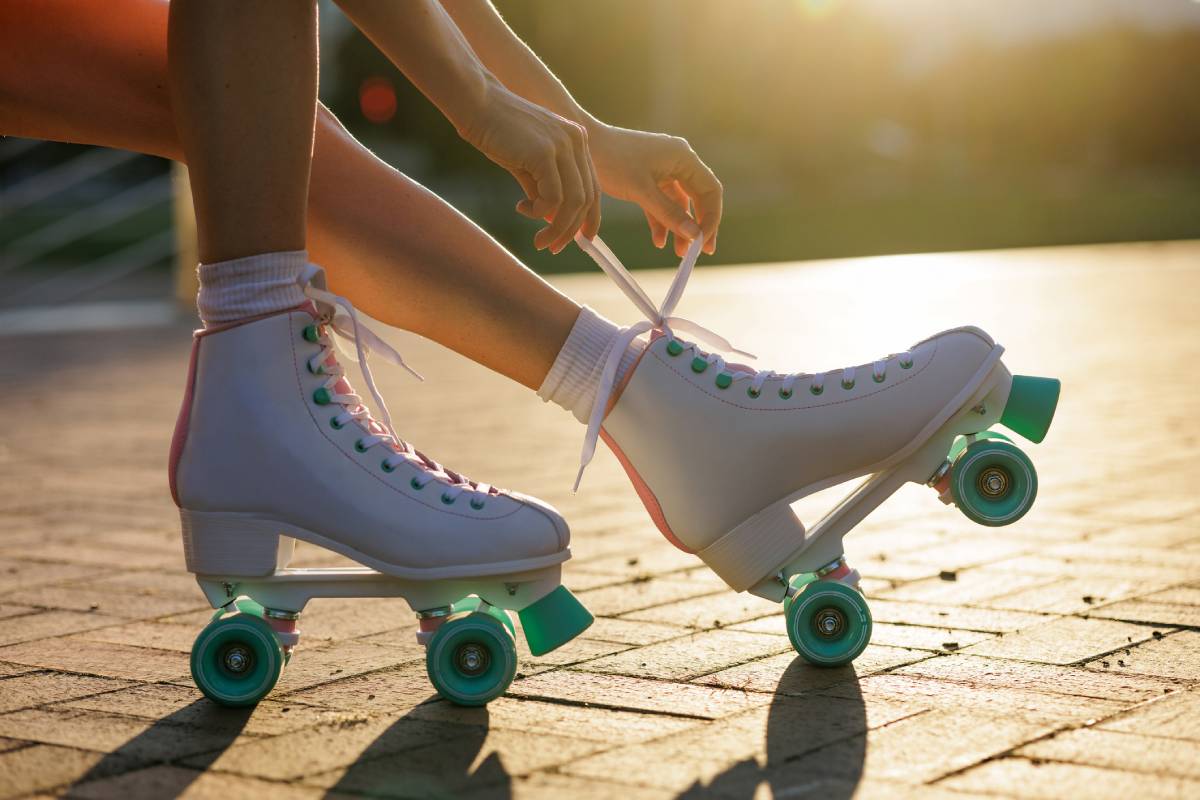
Woman lacing retro roller skates.

How to Maintain Your Roller Skate Plates

If you are into roller skating, whether for fitness, fun, or competition, your skate plates play a crucial role in how smoothly and safely you glide. Although people usually focus on wheels, bearings, and boots, the plates are the backbone of your setup. These plates carry your weight, respond to your movements, and keep you stable and agile on the floor. This is why It is important to know how to maintain your roller skate plates for long-lasting performance. Proper maintenance is key for keeping your skates in top condition. This is something that knowledgeable and concerned personnel at a skate shop will remind you of.

How to Maintain Your Roller Skate Plates for Long-Lasting Performance

1. Clean Your Plates Regularly

Skating outdoors can make your plates really dirty. Dust, dirt, and tiny bits of debris can accumulate on your plates. If you do not clean your plates regularly, this buildup can affect how the parts move, and worse, this may cause rust.

How to Clean Your Plates

  • Remove the blades and trucks.
  • Wipe your plates using a slightly damp cloth.
  • Gently scrub your plates with a mild soap solution to remove stubborn dirt.
  • Make sure the plates are completely dry before reassembling.

2. Check Your Kingpins and Trucks

The kingpins and trucks play an important role every time you turn. Your stability also depends on them. If some parts are loose, your movements may feel wobbly. If they are too tight, your ride may become stiff and difficult to control.

  • Inspect your kingpin nuts regularly.
  • Tighten or loosen them to adjust their responsiveness.
  • When you make adjustments, do so gradually to avoid overtightening.
  • Protect your hardware from wear and tear by using proper tools.

Keeping your truck setup balanced will enhance your control and protect your plates from uneven pressure that could lead to cracks or warping over time.

3. Lubricate Pivot Cups and Moving Parts

Pivot cups are the small but important parts where your plate’s truck pivots. If the cups are not adequately lubricated, they can wear out quickly. This can lead to clicking noises and unstable turning.

What to Do:

  • Lubricate the area with a small amount of silicone-based lubricant.
  • Stay away from oils that attract dust and break down rubber.
  • Make sure that you immediately replace dried-out or damaged pivot cups
  • Ensure that your plates do not endure unnecessary stress by lubricating them regularly.

4. Inspect for Cracks and Stress Marks

Roller skate plates can develop cracks and stress marks over time. Particularly prone to this are nylon or composite ones. Metal plates are more rigid. However, they can still show signs of stress, especially near mountain holes.

During inspection:

  • Give special attention to the areas near the kingpin, mounting holes, and truck attachments.
  • Look for hairline cracks, discoloration, or bending.
  • If you notice any structural damage, that means you need to replace the plates.

Skating on damaged plates can lead to injuries and further damage to your boots and wheels.

5. Keep Your Hardware Tight and Even

Misalignment affects your skates’ roll and turn. You can avoid this by keeping your hardware tight and even.

Maintenance Checklist:

  • Regularly check the mounting bolts connecting the boots and plates
  • Ensure that the screws are tightened evenly. One should not be tighter than the other one.
  • Make sure everything sits evenly after rotating wheels or replacing the cushion.

You can prevent unnecessary stress on the plates by keeping your hardware snug and aligned. This also improves overall performance.

6. Store Your Skates Properly

  • Store your skates in a dry and cool place.
  • Do not leave them in a hot car.
  • Please do not leave them in a damp area.
  • Keep them in a skate bag with ventilation
  • Place silica gel in the skate bag to reduce moisture.

Get Your Roller Skating Needs From Trustworthy Shops

When you know how to maintain your roller skate plates for long-lasting performance, you can be assured not only of a smoother ride but also a long lifespan for your entire skate setup. With proper lubrication, regular cleaning, hardware checks, and mindful storage, you can enjoy every riding moment with your strong, reliable, and responsive plates. For new plates and other roller skating needs, check out our store today.
When to Replace Your Skate Parts

Whether you’re picking up a new hobby or continuing a childhood one, roller-skating is a fun and versatile activity for all ages. But behind every smooth stride is a set of skate parts working hard to support you—wheels, bearings, toe stops, trucks, and laces all play a role in safety and performance. Just like flipping your wheels helps extend their lifespan, knowing when to replace your skate parts keeps you rolling confidently and prevents unnecessary accidents or injuries.

If you’ve invested in quality skates and want to keep them performing at their best, it’s important to know when to replace your skate parks. Learn the signs, timelines, and tips for maintaining and replacing essential skate components.

Why Replacing Parts Matters

Skate parts naturally wear down over time, especially with frequent or intense use. As they degrade, your control, stability, and stopping power can decrease—sometimes without you noticing until it’s too late. Staying proactive ensures:

  • A smoother, more enjoyable ride
  • Safer braking and turning
  • Better energy efficiency while skating
  • Longer lifespan of your entire skate setup

Whether you’re a beginner or a seasoned skater, understanding these replacement cues helps you skate smarter and safer.

When to Replace Your Wheels

Skate wheels take the brunt of your movement. Even casual skating creates uneven wear, flat spots, or thinning edges over time.

Replace your wheels when you notice:

  • Cone-shaped wear (one side becomes noticeably thinner)
  • Cracks, chunks, or dents
  • Loss of grip on indoor or outdoor surfaces
  • A noisy or wobbly ride despite flipping or rotating your wheels

Aggressive outdoor skaters typically need new wheels sooner—sometimes every 1–2 months—while casual indoor skaters may only need replacements a few times per year. Keep in mind: flipping and rotating wheels slow wear, but they don’t stop it completely.

When to Replace Your Bearings

Roller skate bearings are the critical little parts that fit inside your wheels, acting like tiny, smooth engines that allow them to spin freely on the axles so you can glide effortlessly. They’re essential for turning your pushing power into a smooth, rolling motion. Even with routine cleaning, they eventually lose speed and smoothness.

It may be time for new bearings if:

  • Your wheels stop spinning as long as they used to
  • You feel grinding, rattling, or stiffness
  • You notice rust or discoloration
  • Your wheels sound louder, even after cleaning

For skaters who hit the pavement 3–4 times a week, bearings often need to be replaced every 3–6 months. Occasional skaters may go a full year or longer.

When to Replace Toe Stops and Brakes

Toe stops are essential for controlled stops, quick turns, and powering through certain moves—especially for dance, derby, or outdoor skaters.

Replace your toe stops when:

  • They’ve worn down to the bolt or have less than 5–10 mm of usable material
  • You’re slipping instead of stopping
  • The rubber feels overly hard or cracked

If you’re an aggressive skater or braking often outdoors, expect to change toe stops more frequently—about every 2–3 months. Casual indoor skaters can go longer.

Inline brakes follow a similar pattern and should be replaced once the rubber wears down to the guideline mark.

When to Replace Trucks, Plates, and Cushions

These structural components of roller skates don’t wear out as quickly as parts like wheels or toe stops, but you still need to check on them now and then.

It’s time to replace or upgrade if you notice:

  • Cracked plates or bent trucks
  • Cushions that feel crushed, stiff, or uneven
  • Persistent instability even after adjusting your hardware

High-impact skaters—like those doing jumps, ramps, or derby blocking—may need replacements sooner than recreational skaters.

Don’t Forget Your Laces

Laces might seem like the simplest part of your skate, but they’re essential for proper ankle support. Replace them when they become:

  • Frayed
  • Stretched out
  • Slippery or unable to hold a tight knot

New, high-quality laces not only improve fit but also prolong the life of your boot by reducing strain on eyelets and tongue padding.

Keep Your Skates Ready for Every Ride

The quality of your skates is an important part of your skating journey. Staying on top of part replacements ensures you stay safe, confident, and always ready for your next session.

If you’re in need of new roller skate parts, check out Crazy Skates for our reliable parts and accessories!