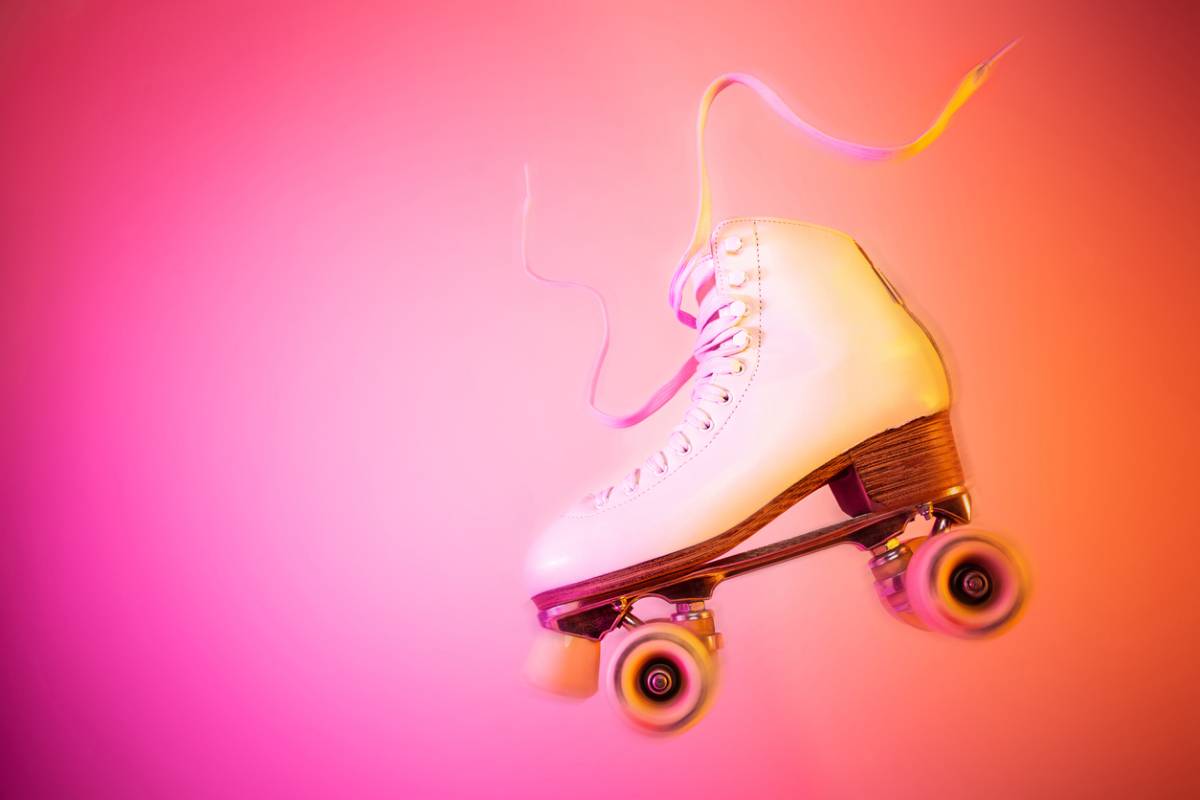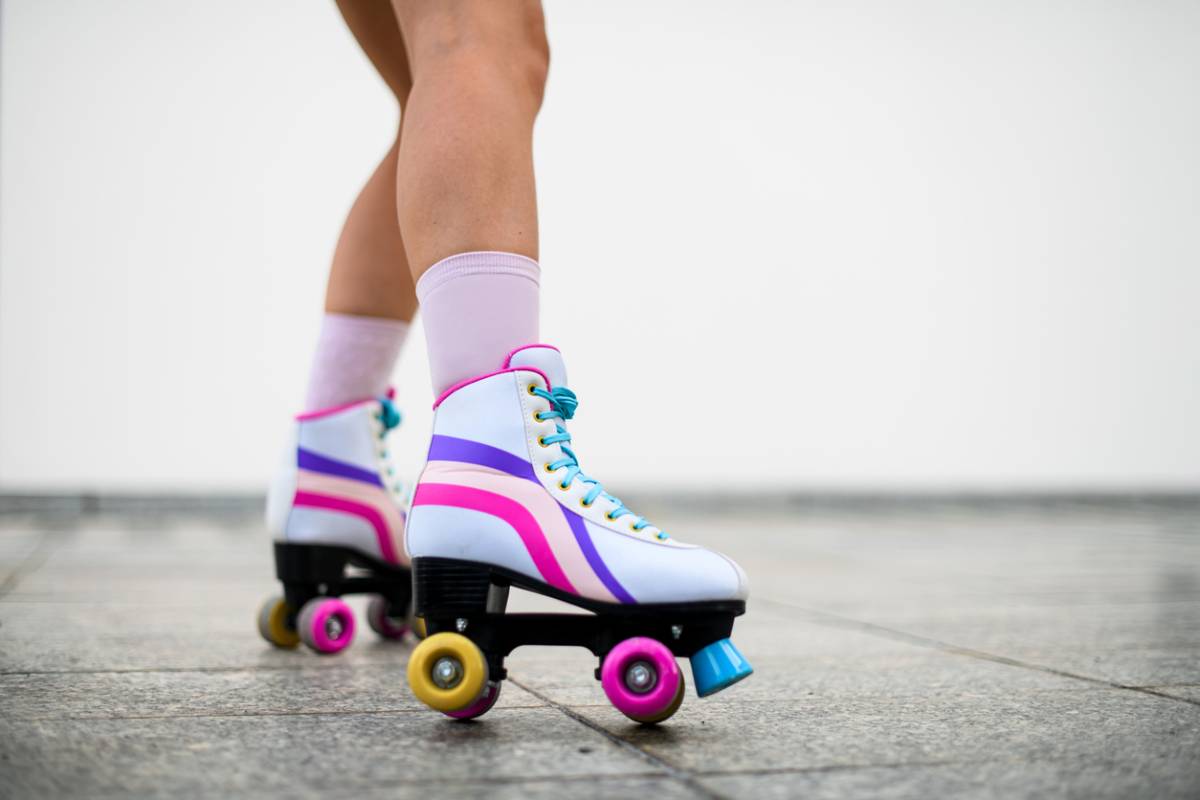
Featured image for What Size Roller Skate Wheels Should You Get?

What Size Roller Skate Wheels Should You Get?

If you’ve ever walked into a skate shop and stared at the wall of wheels, you know how overwhelming it can be. There are so many different sizes, colors, and hardness levels that it feels impossible to know where to start. The truth is, choosing the size for your roller skate wheels is one of the most important decisions you’ll make when upgrading your parts and accessories, and it can completely change how your skates perform.

Understanding Wheel Size Basics

Roller skate wheels are measured in millimeters, and the size refers to the diameter of the wheel. Most roller skate wheels range from about 57mm to 70mm, though you can find wheels outside this range for specific purposes.

Here’s the simple truth: smaller wheels are generally better for tricks and quick movements, while larger wheels are better for speed and smooth rides. But there’s a lot more to consider when making your choice.

Small Wheels: The Agility Champions

Wheels in the 57mm to 62mm range are considered small. These are perfect if you’re into artistic skating, doing tricks, or skating in tight spaces. Small wheels sit lower to the ground, giving you better stability and control when you’re trying to nail that perfect spin or navigate through obstacles.

They don’t roll as smoothly over rough surfaces, and you’ll feel every crack and pebble in the pavement. If you’re planning to skate outdoors on less-than-perfect surfaces, small wheels might make your ride pretty bumpy.

Medium Wheels: The Versatile Middle Ground

Medium wheels, typically 62mm to 65mm, are the sweet spot for many skaters. They offer a good balance between stability and speed, making them ideal if you’re not sure what type of skating you want to focus on.

These wheels work well for recreational skating, both indoors and outdoors. They’re forgiving enough for beginners but still responsive enough for intermediate skaters who want to try different skating styles. If you’re just starting and shopping at your local skate shop, medium wheels are often the safest bet.

Large Wheels: Built for Speed and Distance

Wheels 65mm and larger are designed for speed and distance skating. If you’re planning long outdoor sessions or want to build up serious speed, larger wheels are your friend. They roll over obstacles more easily and maintain momentum better than smaller wheels.

The trade-off is that larger wheels can make your skates feel less maneuverable. Quick turns and tricks become more challenging, and you might feel less stable when you’re starting. But for cruising around the neighborhood or skating longer distances, they’re hard to beat.

Your Skating Style Matters Most

Before you get caught up in the technical details, think about what you actually want to do on your skates. Are you planning to spend most of your time at the roller rink doing spins and footwork? Go smaller. Want to skate trails and bike paths? Bigger wheels will serve you better.

If you’re into jam skating or artistic skating, you’ll want wheels on the smaller side – usually 57mm to 62mm. These activities require quick direction changes and precise control, which smaller wheels provide.

For outdoor recreational skating, fitness skating, or commuting, larger wheels in the 65mm to 70mm range make more sense. They’ll help you glide over rough pavement and maintain speed with less effort.

Consider Your Skill Level

Beginners often benefit from starting with medium-sized wheels. They’re forgiving and versatile, allowing you to experiment with different skating styles without committing to a specific discipline right away. Once you figure out what type of skating you enjoy most, you can always upgrade your parts and accessories later.

More experienced skaters should consider having multiple sets of wheels for different activities. Many serious skaters keep small wheels for indoor sessions and larger wheels for outdoor adventures.

The Surface You’re Skating On

Indoor rinks typically have smooth surfaces that work well with smaller wheels. The controlled environment means you don’t need the extra diameter to roll over obstacles.

Outdoor skating presents different challenges. Sidewalks, bike paths, and streets have cracks, debris, and varying surface textures. Larger wheels handle these conditions much better, making your skating experience more enjoyable and less jarring.

Making Your Decision

The best wheel size for you depends on your skating goals, skill level, and where you plan to skate most often. If you’re unsure, start with medium wheels and see how they feel. You can always experiment with different sizes as you develop your skating skills and preferences.

Remember, changing wheels is relatively easy and inexpensive compared to buying new skates. Don’t be afraid to try different sizes and find what works best for your skating style. Your local skate shop can help you make the switch and provide advice based on your specific needs.

The right wheels can transform your skating experience, so take the time to choose wisely. Your feet will thank you for it.

Get Your Skate Wheels Today!

Visit our online skate shop today and get set up with the right wheels for you. 

Featured image for Can You Recycle Roller Skate Wheels

Can You Recycle Roller Skate Wheels?

Featured image for Can You Recycle Roller Skate Wheels

You’ve been loyal to your roller skates through countless sessions at the rink, outdoor adventures, and maybe even a few derby bouts. Now, those trusty wheels are showing their age through wear, chips, or outdatedness. The question hits you: What happens to these old wheels? Can they be recycled, or are they destined for the landfill?

The answer isn’t as straightforward as you might hope, but there are definitely options that go beyond throwing them in the trash. Understanding what your roller skate wheels are made of and exploring creative alternatives can help you make an environmentally conscious decision, and you may even discover a fun DIY project along the way.

Can You Recycle Roller Skate Wheels?

The Material Challenge: Why Traditional Recycling Gets Complicated

Most modern roller skate wheels are made from polyurethane, a material that has dominated the skating industry since the 1970s. Polyurethane remains the performance material of choice for top skateboard manufacturers because it’s highly durable and resistant to oxygen, sunlight, and general weather conditions, with good abrasion resistance, resulting in a longer lifespan.

This durability that makes polyurethane perfect for skating also creates recycling challenges. Although polyurethane cannot be melted and reused, it can be shredded, rebonded, and compressed to be used in various padding products. The problem is that most municipal recycling programs aren’t set up to handle polyurethane materials, meaning your local curbside pickup won’t accept them.

The polyurethane used for these wheels cannot be easily recycled, which explains why you won’t find clear recycling symbols on your old wheels. This doesn’t mean you’re out of options. It just means you need to think beyond traditional recycling methods.

The Skate Shop Connection: Industry-Specific Solutions

Your local skate shop might be your best first stop for responsible wheel disposal. Many shops have established relationships with manufacturers or specialty recycling companies that can properly handle polyurethane materials. Some skateboard and roller skating companies have begun taking responsibility for the environmental impact of their products at the end of their life.

Several eco-friendly initiatives, like Satori Wheels, value recycling skateboard parts. There, you can donate your old rollers. By then, their organization will work on these parts. While this example focuses on skateboard wheels, the same principle applies to roller skate wheels since they’re made from identical materials.

When you visit a skate shop to buy roller skates online or browse new wheels, ask about their take-back programs or whether they know of any wheel recycling initiatives in your area. Many shop owners are passionate about skating culture and environmental responsibility, making them valuable resources for disposal advice.

Creative Reuse: When Recycling Meets Imagination

The real opportunity with old roller skate wheels lies in creative reuse. These small, durable cylinders have inspired countless DIY projects, giving them completely new functions.

If they’re still in pretty clean condition (whether bashed up or not), they could be made into a very cool coat rack or even doorknobs,  ideal for a skater’s bedroom. The natural grip of polyurethane makes wheels excellent for handles and knobs where a secure grip is needed.

A great idea to upcycle old rollerblade wheels is to add them to an old dresser or a side table. Attaching wheels to furniture creates mobile storage solutions perfect for craft rooms, workshops, or dorm rooms. The wheels that once carried you around the rink can now help you move furniture around your space.

Here’s a fun fact that opens up even more possibilities: roller skate wheels come in different hardness ratings, typically measured on the durometer scale. Softer wheels are better suited for projects that require shock absorption, while harder wheels excel in applications where durability and smooth rolling are needed.

Home Workshop Projects: Functional Art from Old Wheels

The DIY community has embraced roller skate wheels for practical projects around the house. Their uniform size and built-in ball-bearing channels make them perfect for creating custom rolling solutions.

Consider turning old wheels into cable management systems for your desk setup. Thread computer cables through the center holes and mount the wheels to the underside of your desk. This creates smooth-rolling cable guides that keep your workspace organized while showcasing your skating history.

Garden enthusiasts have found success using old wheels as unique planters for small succulents or air plants. The center cavity provides just enough space for a small plant, and the colorful polyurethane adds an unexpected pop of personality to plant displays.

For the mechanically inclined, old wheels can be repurposed as part of custom tool organizers. Mount them to workshop walls or pegboards to create holders for screwdrivers, pencils, or other long tools. The center hole provides perfect tool storage while the wheel’s grip keeps everything secure.

The Art and Craft Renaissance

The crafting community has discovered roller skate wheels as an unexpected medium for artistic expression. MapleXO is offering earrings made from sliced skateboard wheels, showing how wheels can be transformed into wearable art.

Jewelry-making represents just one artistic application. Wheels can be sliced, carved, painted, or combined with other materials to create unique art pieces. Their round shape and vibrant colors make them excellent components for mixed-media sculptures or modern art installations.

Photography props represent another creative avenue. Old wheels, especially those with vibrant colors, make excellent props for vintage-themed photo shoots or artistic still-life compositions. Their connection to skating culture adds authenticity to retro-styled photography projects.

Gift Ideas for Fellow Skaters

Before you consider disposal, think about whether your old wheels might benefit another skater. Wheels that seem worn out for advanced skating might still be perfect for beginners learning balance and basic techniques.

Consider donating usable wheels to local skating programs, youth organizations, or community centers that might have skating activities. Many programs operate on tight budgets and appreciate donated equipment that can help more people experience the joy of skating.

Online skating communities often have swap or sale groups where wheels in decent condition can find new homes. What’s worn out for outdoor skating might still work perfectly for someone learning indoor rink techniques.

The Bearing Bonus: Don’t Forget the Hidden Components

When dealing with old wheels, remember that each wheel contains bearings and small metal components that enable smooth rotation. These bearings are typically made from steel or ceramic materials that have better recycling prospects than the polyurethane wheels themselves.

Bearings can often be removed and taken to metal recycling facilities, or they might be reusable in other wheels if they’re still in good condition. Some skate shops purchase used bearings for refurbishment, providing an additional avenue for responsible disposal while potentially putting a few dollars back in your pocket.

Future-Proofing Your Wheel Choices

As you consider what to do with your current old wheels, think about making more sustainable choices when you buy roller skates online in the future. Some manufacturers are beginning to experiment with more recyclable materials or take-back programs for their products.

Research brands that prioritize environmental responsibility in their manufacturing and disposal processes. While polyurethane remains the performance standard, some companies are exploring bio-based polyurethanes or hybrid materials that might offer better end-of-life options.

Building a Sustainable Skating Community

The roller skating renaissance has brought renewed attention to the sport’s environmental impact. As more people take up skating, the community has an opportunity to establish sustainable practices that responsibly handle equipment disposal.

Consider organizing wheel swap events in your skating community where people can trade wheels that no longer suit their needs but might be perfect for someone else’s skating style. These events combine environmental responsibility with community building. They also help skaters try different wheel types without needing to buy new ones.

Your local skate shop can be a valuable partner in these efforts. Many shops appreciate customers who think beyond simple transactions and want to build sustainable skating communities.

The Bottom Line: Options Beyond the Trash Can

While you can’t simply toss roller skate wheels into your household recycling bin, you have numerous alternatives that range from practical reuse to creative expression. The key is matching your old wheels with the right second-life application.

Start by evaluating the condition of your wheels. Those still in decent shape might benefit other skaters through donation or resale. Wheels that are too worn for skating can be repurposed into DIY projects, giving them completely new functions around your home or workspace.

Remember that every wheel kept out of the landfill represents a small victory for environmental responsibility. Whether you turn them into furniture casters, garden planters, or artistic materials, you’re extending their useful life while potentially inspiring others in your skating community to think creatively about equipment disposal.

The next time you’re at your local skate shop or browsing options to buy roller skates online. You’ll have a better understanding of the full lifecycle of your equipment – from that first exciting rollout of the box to the creative second life that awaits when their skating days are done.

Get Your Roller Skates and New Wheels Today

Visit our online store to purchase your new favorite set of roller skate wheels.

featured image for should you rotate or replace roller skate wheels

Rotate or Replace Roller Skate Wheels

Caring for your roller skates involves routine maintenance. This includes regularly cleaning your skates and checking each of the individual parts. One of the more common issues skaters come across is issues with their wheels. The wheels can be impacted by natural wear and tear, in addition to skating on rugged terrain outside. You may wonder if you should replace your wheels or if you can still get a few miles out of them. Below you will find helpful information on when to rotate or replace your roller skate wheels.

Rotate or Replace Roller Skate Wheels

On average, roller skate wheels can last between three months to one year with regular use. Several factors determine the lifespan of your online roller and inline skates wheels. Understanding when to replace them and when to rotate your wheels depends on the following factors.

Frequency of Use: 

The lifespan of wheels depends on how often you skate. The more you skate the faster your wheels will wear down. Because of that, those who regularly skate need to rotate and replace their wheels more often. In addition to how often you use your skates, your weight can also impact the lifespan of skate wheels. Heavier weights put more pressure on wheels, which can accelerate their wear and tear. 

Wheel Quality: 

Quality wheels last much longer as the materials can withstand more wear and tear. If you skate often, invest in high-quality inline skate replacement wheels. This is a cost-effective decision in the long run, as you won’t have to replace your wheels as often. The selection at Crazy Skates includes a wide variety of top-quality skates.

Skating Surface: 

Where you skate, including the surface, impacts the lifespan of your roller skates. Those who skate outdoors on asphalt or concrete are harder on wheels as compared to those who skate indoors. Certain surfaces can wear down your roller skates faster.

Regular Maintenance: 

Extending the lifespan of your skates and skate wheels requires regular care and maintenance. This includes cleaning your skates after you finish skating. Additionally, it involves checking the wheels, bearings, and boots. Wheel rotation can extend the lifespan of your wheels and is a part of the regular maintenance process.

Is It Time For New Roller Skate Wheels?

Whether you need to rotate or replace your tires depends on the factors mentioned above. Common signs that indicate it’s time to rotate your wheels include uneven wear and flat spots. Both of these issues should be clear if you regularly clean and maintain your wheels. On average, you should rotate your wheels every 4 to 8 weeks. Another good rule of thumb is to rotate them after every 15 to 30 hours of skating.

Rotating your tires can prolong their lifespan. However, they cannot make your wheels last forever. Even the highest quality skate wheels require replacement at some point. Common signs it’s time to replace your wheels include excessive wear, safety issues, performance issues, or irregularly shaped wheels. If you notice any of these issues, consider inline skate replacement wheels. This can ensure your safety while skating, which is a great investment in your physical health.

Online Roller and Inline Skates

Skating is a great way to stay active and improve your health. Roller skating has been shown to improve your physical and mental health. It’s also a great activity you can do with your friends or family. Getting started on your skating journey starts with a pair of skates. The selection at Crazy Skates is vast and will meet any of your needs. They have skates in every style, color, and design so you and your whole family can get in on the fun. Check out the selection at Crazy Skates today!