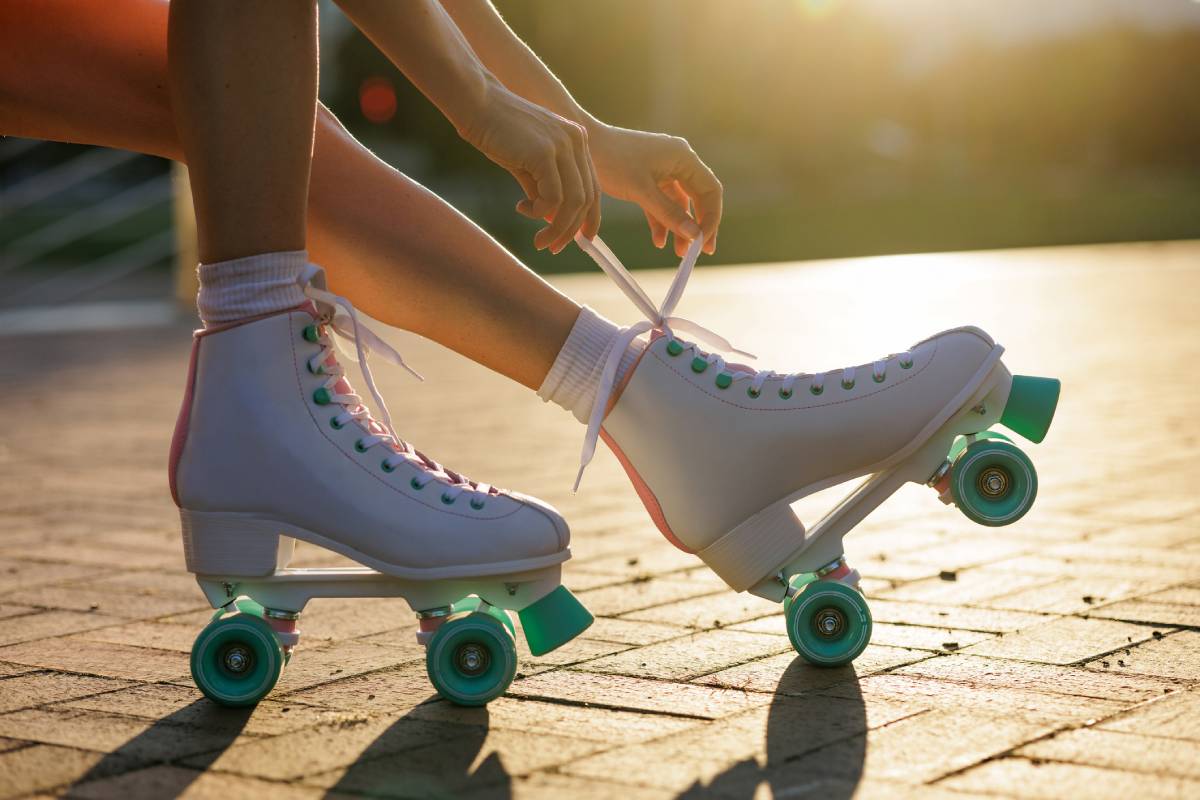
Woman lacing retro roller skates.

How to Maintain Your Roller Skate Plates

If you are into roller skating, whether for fitness, fun, or competition, your skate plates play a crucial role in how smoothly and safely you glide. Although people usually focus on wheels, bearings, and boots, the plates are the backbone of your setup. These plates carry your weight, respond to your movements, and keep you stable and agile on the floor. This is why It is important to know how to maintain your roller skate plates for long-lasting performance. Proper maintenance is key for keeping your skates in top condition. This is something that knowledgeable and concerned personnel at a skate shop will remind you of.

How to Maintain Your Roller Skate Plates for Long-Lasting Performance

1. Clean Your Plates Regularly

Skating outdoors can make your plates really dirty. Dust, dirt, and tiny bits of debris can accumulate on your plates. If you do not clean your plates regularly, this buildup can affect how the parts move, and worse, this may cause rust.

How to Clean Your Plates

  • Remove the blades and trucks.
  • Wipe your plates using a slightly damp cloth.
  • Gently scrub your plates with a mild soap solution to remove stubborn dirt.
  • Make sure the plates are completely dry before reassembling.

2. Check Your Kingpins and Trucks

The kingpins and trucks play an important role every time you turn. Your stability also depends on them. If some parts are loose, your movements may feel wobbly. If they are too tight, your ride may become stiff and difficult to control.

  • Inspect your kingpin nuts regularly.
  • Tighten or loosen them to adjust their responsiveness.
  • When you make adjustments, do so gradually to avoid overtightening.
  • Protect your hardware from wear and tear by using proper tools.

Keeping your truck setup balanced will enhance your control and protect your plates from uneven pressure that could lead to cracks or warping over time.

3. Lubricate Pivot Cups and Moving Parts

Pivot cups are the small but important parts where your plate’s truck pivots. If the cups are not adequately lubricated, they can wear out quickly. This can lead to clicking noises and unstable turning.

What to Do:

  • Lubricate the area with a small amount of silicone-based lubricant.
  • Stay away from oils that attract dust and break down rubber.
  • Make sure that you immediately replace dried-out or damaged pivot cups
  • Ensure that your plates do not endure unnecessary stress by lubricating them regularly.

4. Inspect for Cracks and Stress Marks

Roller skate plates can develop cracks and stress marks over time. Particularly prone to this are nylon or composite ones. Metal plates are more rigid. However, they can still show signs of stress, especially near mountain holes.

During inspection:

  • Give special attention to the areas near the kingpin, mounting holes, and truck attachments.
  • Look for hairline cracks, discoloration, or bending.
  • If you notice any structural damage, that means you need to replace the plates.

Skating on damaged plates can lead to injuries and further damage to your boots and wheels.

5. Keep Your Hardware Tight and Even

Misalignment affects your skates’ roll and turn. You can avoid this by keeping your hardware tight and even.

Maintenance Checklist:

  • Regularly check the mounting bolts connecting the boots and plates
  • Ensure that the screws are tightened evenly. One should not be tighter than the other one.
  • Make sure everything sits evenly after rotating wheels or replacing the cushion.

You can prevent unnecessary stress on the plates by keeping your hardware snug and aligned. This also improves overall performance.

6. Store Your Skates Properly

  • Store your skates in a dry and cool place.
  • Do not leave them in a hot car.
  • Please do not leave them in a damp area.
  • Keep them in a skate bag with ventilation
  • Place silica gel in the skate bag to reduce moisture.

Get Your Roller Skating Needs From Trustworthy Shops

When you know how to maintain your roller skate plates for long-lasting performance, you can be assured not only of a smoother ride but also a long lifespan for your entire skate setup. With proper lubrication, regular cleaning, hardware checks, and mindful storage, you can enjoy every riding moment with your strong, reliable, and responsive plates. For new plates and other roller skating needs, check out our store today.
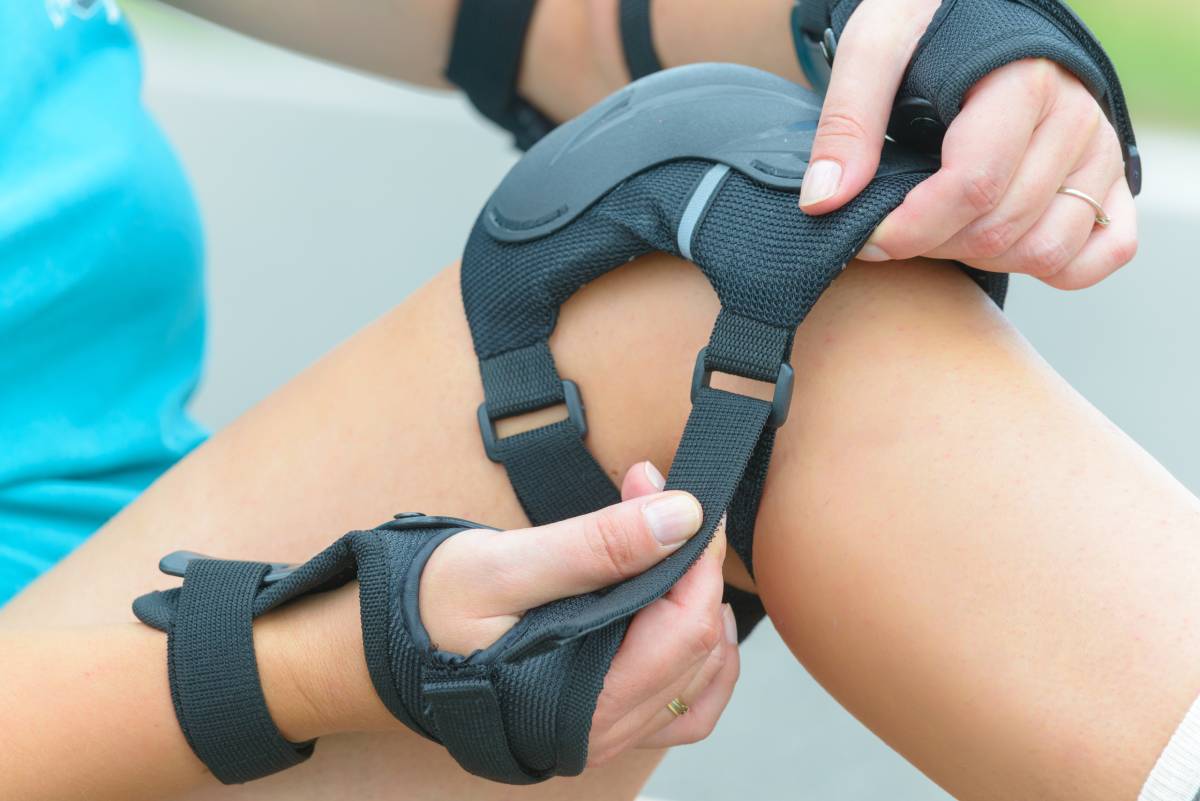
Woman putting on knee protector pads on her leg.

Essential Protective Gear for Roller Skating: What You Really Need

Roller skating is one of the most fun, freeing activities you can try — whether you’re gliding at the rink, cruising along paths, or exploring your neighborhood.

But no matter how experienced you are or how confident your stride feels, roller skating, like most sports activities, always carries a level of risk. That’s why the right protective gear isn’t optional — it’s essential.

Why Protective Gear Matters

Roller skating puts your body — especially your head, wrists, knees, and elbows — in vulnerable positions. A fall, even at low speed, can lead to sprains, fractures, abrasions, or worse. Protective gear also includes helmets, wrist guards, and knee/elbow pads, among other essential items, to minimize the risk of head injuries, fractures, and bruises.

Wearing protective gear isn’t a sign of weakness — it’s a sign of a smart, responsible skater. The right gear helps you skate longer, with confidence and peace of mind.

The Must-Have Gear for Every Roller Skater

Here’s the essential protective gear that every skater — beginner or seasoned — should own and use consistently:

Helmet

A properly fitted helmet is the single most important piece of safety gear. It protects your head from concussions, skull fractures, and traumatic brain injuries — especially if you take a tumble or hit your head on pavement. The helmet should sit level on your head, cover your forehead, and strap snugly under the chin.

Wrist Guards

When skaters fall, their instinct is often to extend their hands to break the fall — and that’s when wrist fractures or sprains commonly happen. Wrist guards with firm splints help absorb impact and prevent hyperextension. Several safety-gear guides list wrist guards as a top essential after helmets.

Knee Pads & Elbow Pads

Knees and elbows are frequent contact points in falls, especially on hard pavement. Pads cushion impacts, prevent scrapes and bruises, and reduce the risk of serious joint injuries. For many skaters — especially beginners — knee and elbow pads are non-negotiable.

This is especially important for parents with young children. Because kids are still figuring out their coordination, they are more likely to fall, scrape, or break something. And since their bones and growth plates are still developing, they are much more vulnerable to impact. The right protective gear with padding helps kids feel more comfortable trying new moves because they’re not afraid to hit the ground. It also gives parents peace of mind knowing their child is protected, even when they’re roller skating at full energy.

Optional (but Recommended) Add-Ons

Depending on your style and environment, additional gear can boost your safety and comfort:

  • Gloves or padded gloves that help protect your hands from scrapes or help you slide safely if you fall.
  • Mouth guards — useful if you skate aggressively, do tricks, or skate where falls might involve impact to the face/teeth. Some gear guides mention them for extra protection.
  • Reflective or visible clothing/gear, especially if roller skating outdoors or near low-light conditions, to help other pedestrians or vehicles see you.

How to Choose and Fit Your Gear Right

It’s not enough to simply wear gear — you must wear gear that fits properly and is appropriate for roller skating.

  • Helmet: Should sit flat; not rock when you shake your head; the chin strap should be snug. Padding should be comfortable but secure.
  • Pads (knee/elbow/wrist): Must fit snugly without sliding or cutting off circulation. A hard outer shell and a dense foam interior help absorb impact.
  • Wrist guards: Look for ones with rigid splints and secure straps around wrist bones. Loose guards may fail when you need them most.
  • Replace gear as needed: Once a helmet takes a serious hit, or pads become cracked or worn out, it’s time for new ones. The protective value decreases over time and use.

Why Consistent Protection Matters — No Matter Your Skill Level

While many wear some protective gear, very few wear the full recommended set (helmet, wrist, knee, and elbow). The reality is — accidents don’t just happen to beginners. Even experienced skaters can catch a pebble wrong, hit a crack, or lose balance unexpectedly.

By wearing all essential gear every time you skate, you significantly reduce your risk of serious injury. And beyond safety, having the right protection gives you confidence to push yourself, try new moves, or skate outdoors without fear.

Shop Smart — Get the Gear Before You Roller Skate

Don’t wait until after a fall to realize how valuable protective gear is. Check out Crazy Skates for all the necessary parts and accessories you need!

Featured image for 5 Things to Know Before You Start Roller Skating

5 Things to Know Before You Start Roller Skating

Roller skating is arguably one of the most fun (and thrilling) ways to get up, get moving, and stay active, regardless of whether you’re gliding through your neighborhood, hitting the rink, or trying out a new trick at the park. But let’s be honest. Skating is also about more than just stepping into a pair of skates and taking off down the road. It is a majorly engaging hobby that can help you get more out of life and even get into shape, but a bit of information ahead of time can make the whole process so much easier! That’s why we’re here to give you a jumpstart with essential tips, starting with these five things to know before you start roller skating! 

Get the Basics Down

Roller skating might seem effortless, especially if you’re used to watching seasoned skaters, but it all begins with a few key fundamentals. First off, balance is everything! Before you start moving, practice standing still in your skates. Use a wall or railing, or even a friend, for support, bend your knees slightly, and center your weight over your feet. Getting used to this stance is the building block for any and all future movement. 

Next, expect there to be a learning curve (and embrace it!) Roller skating is a full-body workout, and your muscles, especially the ones in your core and legs, will probably scream at you after your first time skating. Be patient with yourself and your body. Progress comes with consistency, not perfection. 

Make Sure You Have the Right Equipment from the Start

When you’re just starting, quality skating equipment could very well make or break your first experience. Investing in a pair of roller skates that fit properly is step one. Ill-fitting skates are not only uncomfortable, they can actually be unsafe! That’s just one reason Crazy Skates offers a full range of sizes and styles, including some excellent options in our discount roller skates section that are perfect for beginners who want performance without the premium price tag. 

And don’t forget the other key essentials like a helmet, knee pads, elbow pads, and wrist guards. These extra safety pieces might seem like overkill, but they’ll save you a world of hurt and give you the confidence to push yourself safely. Like your skates, your safety gear should fit snugly and comfortably without limiting movement. 

Surfaces Matter More Than You Think

Not all skating surfaces are created equal, especially when you’re just starting! Plenty of beginners assume that they can skate anywhere, but the surface you’re skating on can hugely affect how your skates respond and how safe you feel. Smooth, flat indoor rinks are the best for practicing the basics, as they’ll have no cracks, rocks, or sudden inclines/declines to throw off your balance. 

If you are skating outside, stick to clean, paved trails or tennis courts while building your skills. Rough sidewalks or roads can trip you up fast. Once you’re more confident, you can explore these spots, but starting simple is smart. 

Learning to Fall is Just as Important as Learning to Roll

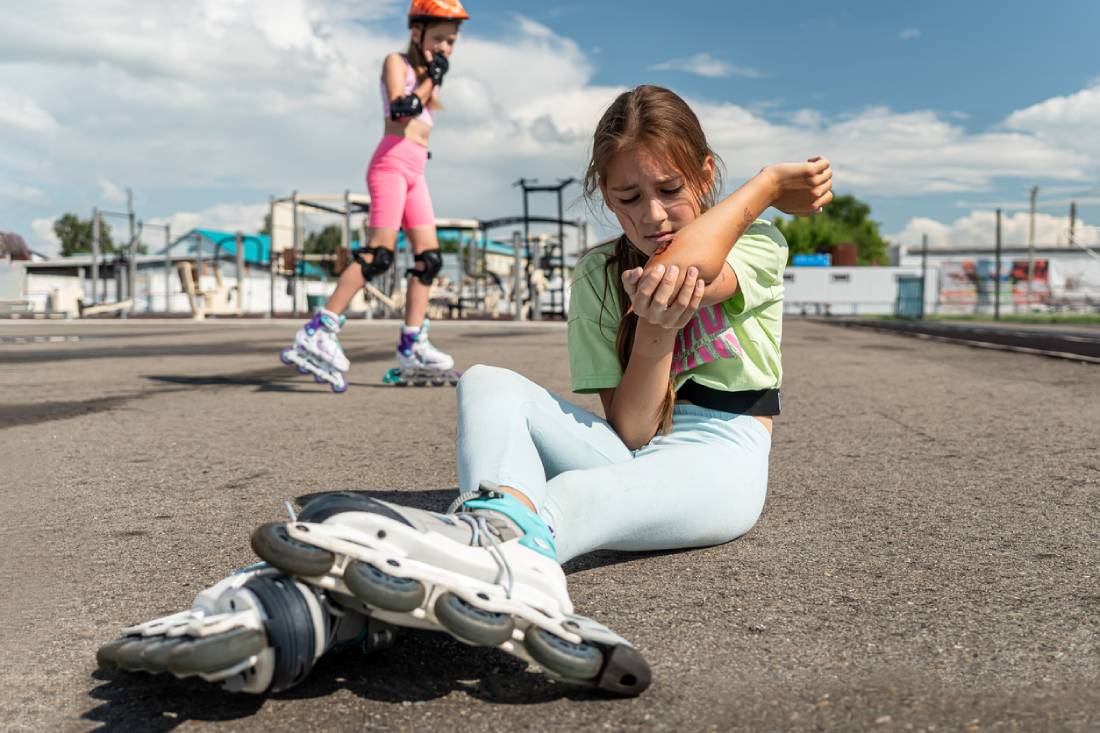
Here’s a tip that might sound backward but is absolutely important: learn how to fall! Everyone does it, even the pros. The trick is falling safely. Try to fall forward onto your pads rather than back onto your tailbone or wrists. Keep your arms tucked in, and use your knee pads and wrist guards to absorb the impact. 

You’ll also want to practice falling on soft surfaces, like grass or carpet, in full gear. It might feel silly, but building that muscle memory will save you from panicking when it happens unexpectedly on the pavement. 

Skating Style and Personalization Make it More Fun

Once you’ve got the basics down pat, roller skating becomes all about style and self-expression. That’s also where the fun really begins! From LED wheels to bright laces and cool decals, you can personalize your skates and gear to match your vibe. And, lucky for you, Crazy Skates has an amazing variety of colors, finishes, and add-ons to make your gear feel just as bold as you are. 

Ready to Roll? Let Crazy Skates Help You Get Started

Whether you’re shopping for your first pair or upgrading your setup, Crazy Skates has the skating equipment and deals to get you rolling in no time. Explore our discount roller skates, grab your safety gear, and let the adventure begin!

Featured image for Common Roller Skating Mistakes

Common Roller Skating Mistakes

Roller skating is a classic element of American culture that people of all ages can enjoy. It is arguably one of the country’s most popular pastimes and can be an effective form of exercise as well. That said, in order to fully enjoy roller skating, there are certain safety precautions and steps one should take to ensure that they have a positive experience when they lace up a pair of skates. If you are considering grabbing a pair of inline skates to start a new skating hobby, take a look at this guide that can help you avoid making common roller skating mistakes that can impact your experience.

Why Go Rollerskating?

Roller skating and inline skating are two thrilling activities that combine the best in recreation and sports. If you want to stay fit and have fun at the same time, engaging in these activities might be just what you are looking for.

Common Roller Skating Mistakes

There are a number of common roller skating mistakes that can threaten a newcomer’s enjoyment of this pastime. Staying aware of these mistakes can help you enjoy this activity at a higher level from the get-go.

Overspending on Gear

One common mistake that many beginning skaters make is that they tend to splurge on costly equipment before they know whether they actually like the sport. Instead, you should try to purchase gear that lands at the intersection of affordability and functionality while you decide whether rollerskating is a sport for you.

Not Wearing Protective Gear

Not wearing protective gear is one of the biggest mistakes one can make when they are just learning to roller skate. It is such a crucial mistake because when you are just beginning the sport, there is a solid chance that you will fall quite frequently. If you want to fall safely without suffering numerous injuries while you roller skate, then you will need the proper protective equipment to ensure your safety. Common types of roller skating safety equipment include:

  • Helmets
  • Knee pads
  • Elbow pads
  • Wrist guards

Rushing Yourself

Another common mistake that beginning roller skaters make is to rush into the more advanced aspects of the activity without first learning the fundamentals of the sport. Being impatient is another common way to suffer an accident and sustain injuries.

Rather than trying to do complex tricks immediately after starting the sport, you should instead try to learn some of the roller skating fundamentals, including building a sense of balance. You can employ some of the following techniques to build this skill:

  • Learning and practicing a proper stance on a flat surface
  • Strengthening your leg muscles
  • Keeping your center of gravity low
  • Looking up and taking advice from more experienced skaters

Choosing the Wrong Environments

Another typical misstep new skaters make is trying to learn the basics on rough or unforgiving terrain. Certain surfaces are easier or more challenging to learn on than others. You should try to select surfaces that are smooth and flat when you begin your skating journey. One example would be a basketball court, which has a flat, even surface.

Attempting to learn on an uneven surface or a busy street with multiple hazards is another way of inviting accident or injury into your life.

Using the Wrong Wheels

Selecting the correct wheels is another crucial element for ensuring safety and fun during roller skating. Part of this is knowing which type of wheel would work well for the type of environment that you are going to learn in. Most beginners will attempt to learn how to rollerskate in environments that are flat and smooth, which harder wheels are well-suited to.

Learn Which Type of Skates Work for You

Part of having a good time when you are just learning to roller skate is determining what exact type of roller skating you would like to engage in. People generally agree that there are two primary types of skates that both beginners and veterans can use:

  • Inline Skates: Inline skates are known for having four wheels in a row. These types of skates are built for competitive athletic events and offer users a wide range of flexibility in terms of the activities in which they can participate.
  • Quad Skates: Quad skates are beginner-friendly skates that offer a greater sense of stability for new skaters. These skates typically go slowly compared to inline skates and are easy to control.

Both inline and quad skates can be further specified to be adjustable. We recommend adjustable skates for children who are still growing because they can be adjusted to fit growing feet.

Your Resource for All Things Rollerskating

Crazy Skates is a reliable retailer for individuals of all ages who are interested in skating. If you are in the market for inline skates for kids or adults, visit Crazy Skates to get your equipment and begin your skating journey.

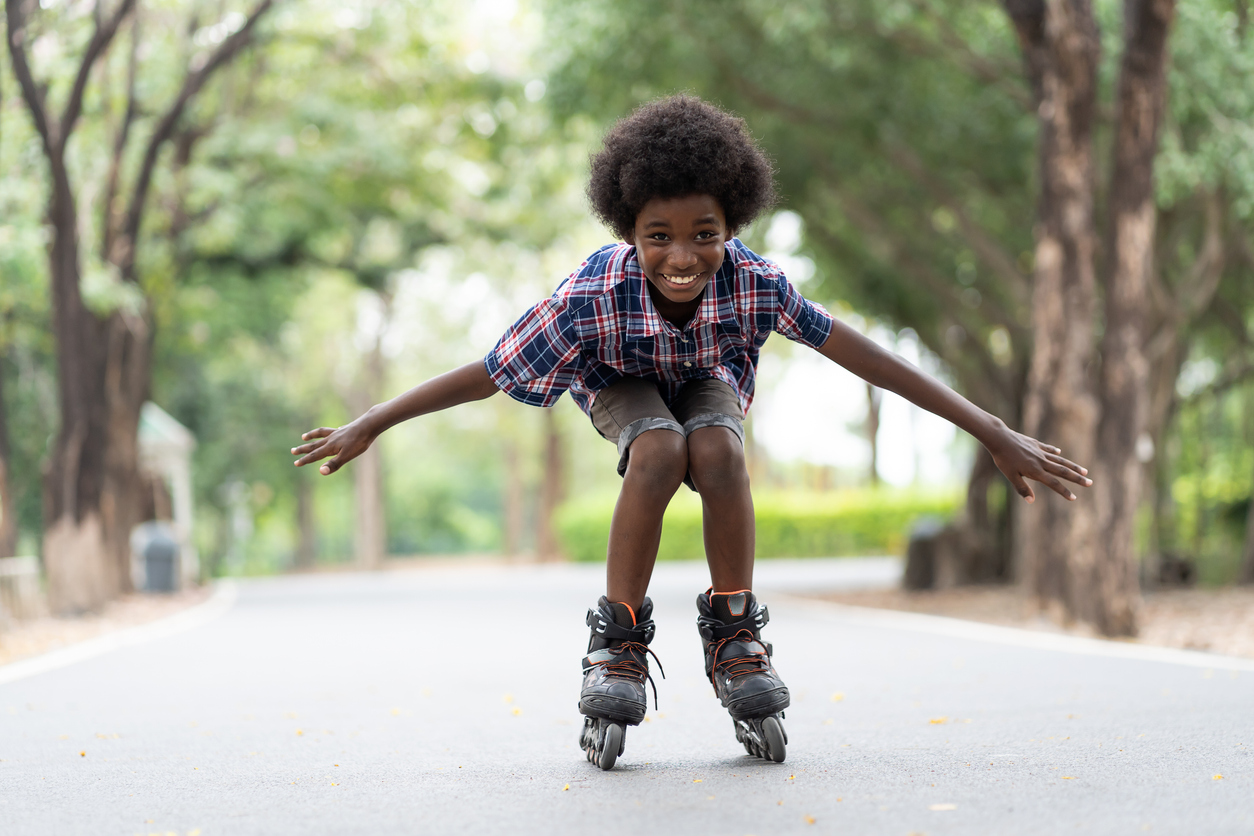
The image shows an African American boy skating outside to represent the best roller skates for your child.

 What Are the Best Roller Skates for Your Child?

Summer is a great time to get outside with your kids. There are several benefits to spending time outdoors as a family, including vitamin D, fresh air, and physical activities like roller skating. Roller skating improves cardiovascular health, balance, and coordination. All you need to get started is a pair of skates and some free time. If you want to take your family skating, you need to know the best roller skates for your child. Below, you will find helpful tips so you can ensure your child has a fun summer on wheels.

What Are the Best Roller Skates for Your Child?

Roller skating is an excellent activity for kids. It’s fun and healthy as it offers so many benefits. Social, emotional, and physical benefits come from just a couple of hours of skating each week. As you get started, you may wonder what skates to get your child. Consider the following tips as you navigate the process.

Types of Skates

There are two main types of children’s roller skates: inline and roller skates. Both are great options, and each type has its own unique characteristics. Inline skates have wheels arranged in a straight line. They are fast and easy to maneuver, and they are often used for skating on paths and trails outdoors. 

Quad skates are another great option. Unlike inline skates, quad skate wheels are arranged in a two-by-two configuration. They are great for beginners as they provide stability and balance. Quad skates are often used inside on smooth surfaces.

Get Properly Fitted

Finding the right size skate is vital for your child to enjoy skating. You do not need to go into a skate shop as you can use the company’s sizing chart. This ensures that your child is properly fitted and ready to go once they get their skates. Use something to measure your child’s foot and refer to the company’s sizing chart. Different brands have different sizes, so check with the specific brand you want to buy. If your child is in a growth spurt, consider purchasing adjustable skates so they last a little longer.

Once the skates arrive, have your child try them on. Try the shoes on with skate socks for optimal support. Thicker socks are also helpful in reducing the risk of soreness. The skates should not be too loose or too tight. A good rule of thumb is that they should have some wiggle room. Have your child move around with the shoes to make sure there are no issues.

Special Skates Features

Each child is different, so you may need skates with special features. Certain safety features can help your child skate more easily. Special features may include extra ankle support, durable construction, adjustable skates, and brakes. Consider your child’s needs and filter through the skates with those unique features.

Roller Skate Shop

Getting your child excited about moving their body is essential when they are younger. Children’s health is a direct indicator of their health as they get older, and instilling healthy habits that are fun when they are young is critical. Roller skating is a great way to build memories and keep your child active. 

If you and your family do not have roller skates, check out the selection at Crazy Skates. They are the top roller skating shop with a wide selection of skates and gear. Be sure to grab skates and safety gear as you and your family get started. A helmet, knee pads, elbow pads, and wrist guards are helpful. Falls are bound to happen, and safety gear can ensure your child does not get hurt. It also helps minimize any fears they may have as they start skating. 

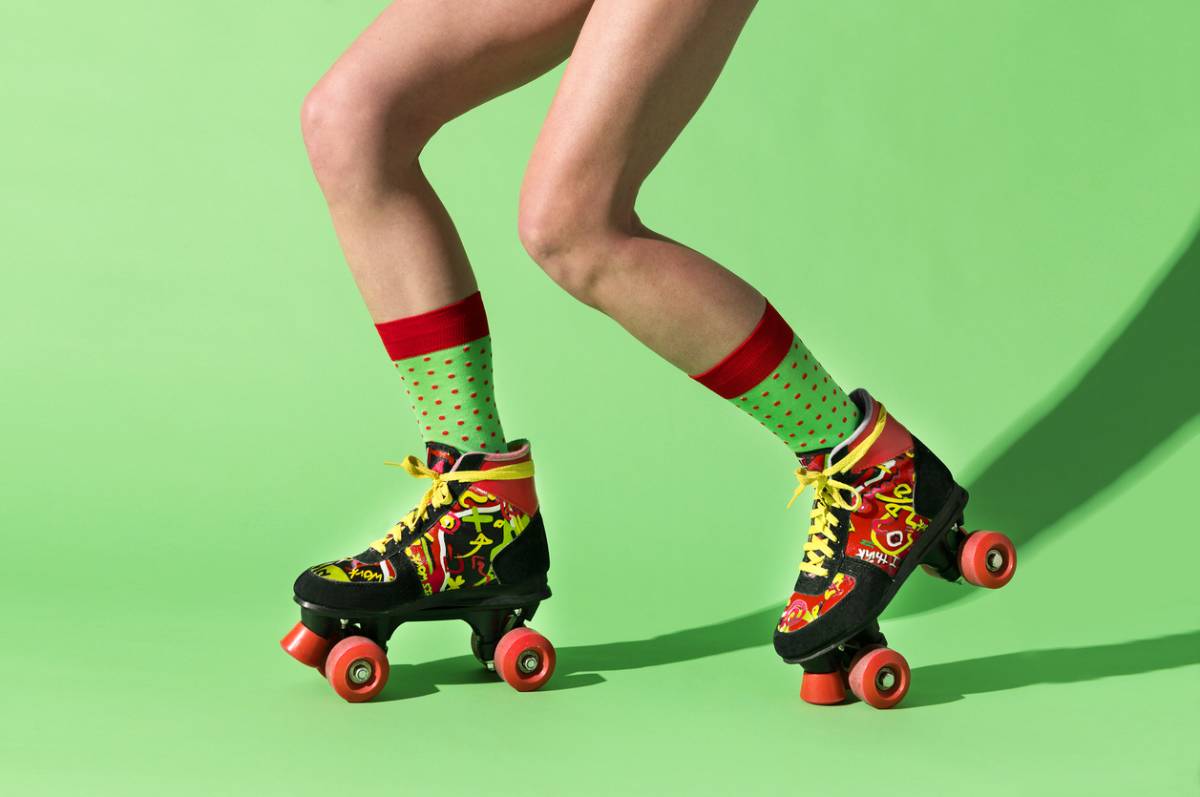
concept for what socks should you wear when roller skating

What Socks Should You Wear When Roller Skating

Wearing the right clothes for the right activities is absolutely essential for enjoying whatever you’re engaging in to the fullest. This is no less true for roller skating, which can apply friction and distress to your ankles and feet if you don’t have the right footwear. What socks should you wear when roller skating?

In particular, wearing vibrant socks has the potential to make or break a roller skating experience. Selecting a good pair can make it so you don’t have to worry about your feet when you’re engaging in this activity.

What Socks Should You Wear When Roller Skating

If you’re a current roller skater, or just someone who’s considering taking it up as a hobby, take a look at what kinds of socks you should wear when partaking in this activity.

Ankle Socks

Ankle socks remain one of the more popular styles of socks for individuals who frequently roller skate. In particular, those who prefer a minimalist style without socks that take up too much space will gravitate towards these socks.

One of the advantages of wearing ankle socks when you roller skate is that there is less bulk around the ankles, which allows for increased mobility. In addition, these types of socks usually consist of less material, which can help keep your feet cool in warmer conditions.

Ideally, you should seek out socks made from moisture-absorbing materials such as polyester and nylon. These materials are also quite breathable, which will prevent you from overheating if you’re the type to engage in athletic activities intensely.

Crew Socks

Crew Socks are another good choice when it comes to roller skating. These types of socks extend beyond the ankles, arriving at the mid-calf, allowing them to offer additional support and coverage to the legs.

One of the advantages of these types of socks is that they offer increased support for the calf muscles, which can help to reduce fatigue while one engages in roller skating. On top of that, these types of socks can be more comfortable for some individuals due to the added comfort and protection that they offer.

If you’re looking to wear these types of socks when you roller skate, then consider selecting some that are made from natural fibers, such as cotton and wool. These materials offer skaters a balance between comfort and performance that can be quite enjoyable.

Knee Socks

Knee socks also may prove the right fit for some individuals when they go rollerskating. In particular, for the more fashion-conscious individual, Knee socks can be popular for those who find that they would prefer a “retro” or vintage-inspired fashion sense when they go rollerskating.

In addition, these types of socks can add warmth and additional coverage for those who might be skating outdoors in colder climates. This coupled with the fashion sense that some find preferable means that you can find many roller skaters utilizing these socks at outdoor arenas in the wintertime.

If you’re interested in wearing these types of socks when you go rollerskating, there’s a wide range of materials that can work for you in this sense, including polyester, nylon, and wool.

Thin versus Thick Socks

Whether you decide to go with thin or thick socks for your roller skating experience will have something to do with your personal preference. Each has its own advantage depending on the style and body type of an individual.

Thin socks tend to be lightweight and breathable, which has the potential to be beneficial for skaters who prefer these qualities in a skate sock. In addition, they tend to be less bulky, which is a preferable quality for those who tend to want to be nimble on their feet when they skate. They also tend to be more comfortable in warmer weather.

On the other hand, thick socks can have increased levels of cushioning and support. This can feel better for skaters who need a bit of extra padding to feel comfortable when engaged in this activity. These socks have the potential to add a level of comfort and stability to one’s ankles and feet when they skate, which can help prevent them from becoming distracted from all of the fun they could be having.  

Your Resource for All of Your Roller Skating Needs

Crazy Skates is your best resource for finding anything you might need related to roller skating and other athletic activities. If you’re interested in shopping for some socks that would work well for you when you roller skate, come visit our roller skating one-stop shop today to check out what we have in stock.