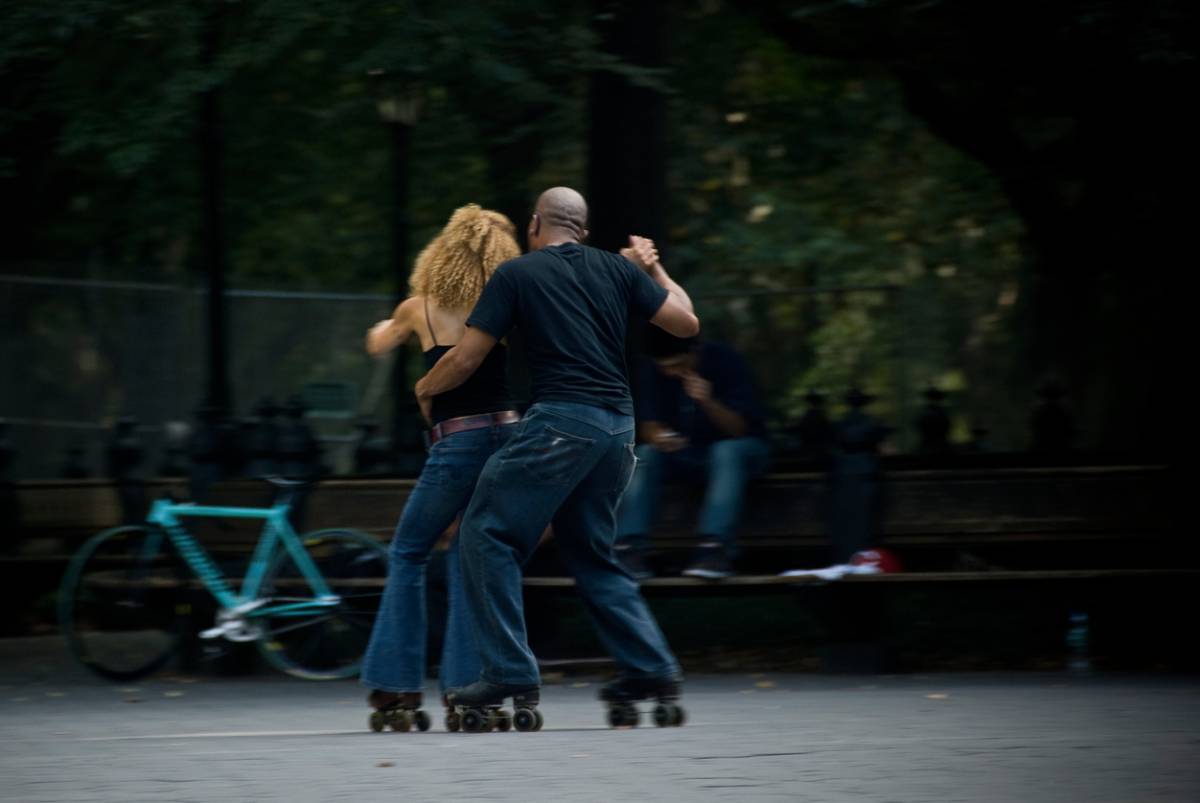
Is Roller Skating Is Making a Comeback?

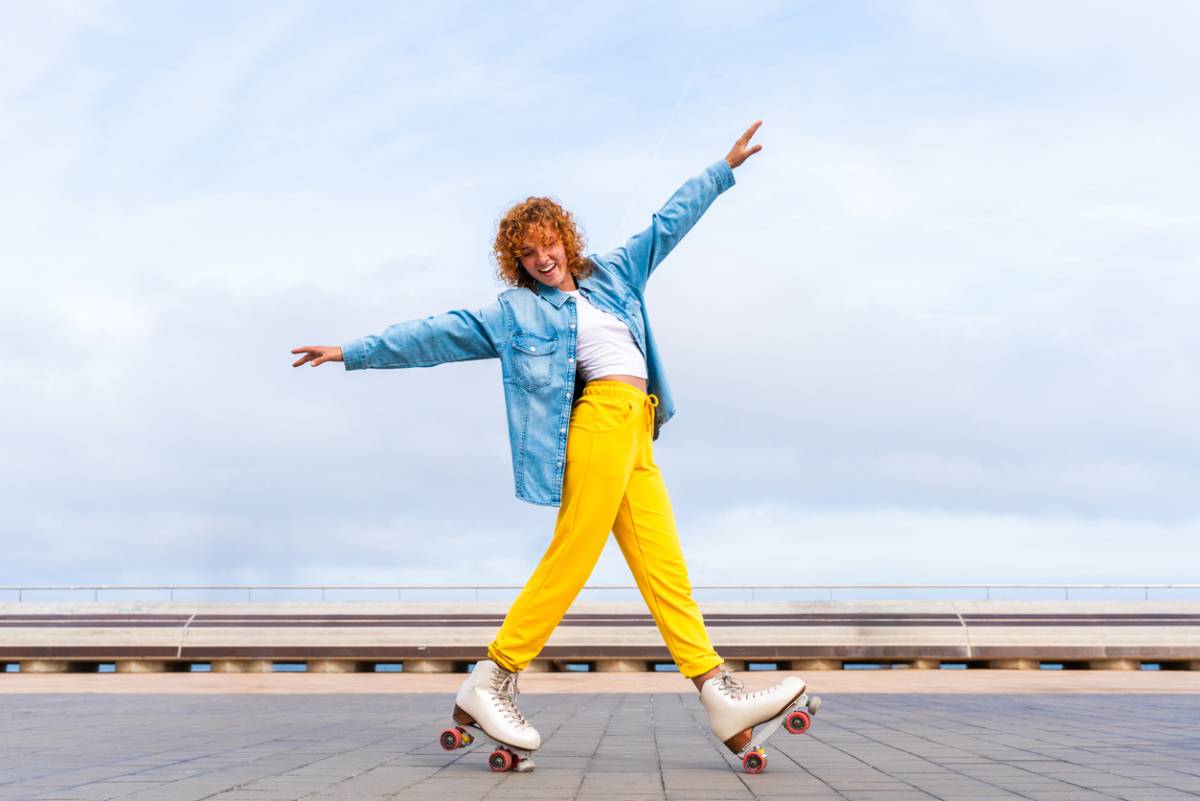
Roller skating is back in the spotlight again. This time it is attracting people of all ages. Once considered a nostalgic pastime in the 80s and 90s, roller skating now has a new audience thanks to social media, fitness trends, and a growing desire for fun outdoor activities. Maybe you are seeing roller skates on your social media feed or noticing roller skaters at the park. This makes you ask, is roller skating making a comeback? The answer is yes, roller skating is making a remarkable resurgence. If you are interested in joining those rediscovering this fun pastime, visit an online roller skate retailer, and chances are you will see a pair that will work for your goals.

Is Roller Skating Making a Comeback?

Many of those who grew up enjoying this hobby are now introducing it to their children. The familiar feeling of gliding across a smooth surface brings back happy childhood memories while offering a break from busy schedules and digital distractions.

At the same time, the younger generations consider roller skating as a stylish and creative activity. Impressive dance routines, artistic tricks, and scenic skating trails featured in videos have inspired young people to get their own pair of skates and lace them up. The bright colors, retro-inspired designs, and customizable accessories have made it a fashionable hobby that combines fitness and self-expression for young people.

A Fun Way to Stay Active

Movement offers many health benefits. This is one of the reasons for this renewed interest in roller skating. Unlike traditional workouts that can sometimes feel repetitive, roller skating is an enjoyable way to exercise without feeling like it is a chore.

If you are looking for a full-body workout that engages the legs, core, and lower back, roller skating is an excellent option. It can help increase cardiovascular endurance, strengthen muscles, and burn calories. It is also more appealing to younger people because roller skating is considered a low-impact activity, which means there is less stress on joints than high-impact exercises like running. 

Whether you spend 30 minutes roller skating at a local rink or spend an afternoon exploring neighborhood trails, you can have the physical activity you need to stay healthy and have fun at the same time.

Social Media Interest

Thanks to platforms like YouTube, TikTok, and Instagram, roller skating is now indeed making a comeback. With the tutorials, beginner tips, choreography, and equipment recommendations, roller skating is now more accessible than ever. To add, all these spark new interest in the hobby.

Watching experienced skaters perform graceful spins, dance routines, or scenic outdoor adventures encourages newcomers to try roller skating. Online communities are also very supportive, helping beginners learn basic techniques, safety practices, and maintenance tips for their skates.

Roller skating has now evolved into a thriving online culture.

Roller Skating Builds Community

Roller skating is more than just exercise. It is also a social experience. Rinks host themed events, family nights, and adult skate sessions. These all bring communities together. Some groups organize meetups where beginner and experienced skaters meet and have fun together.

Easier Than Ever

Because of the growing interest and demand for roller skating, more equipment options are now available. Beginners can choose more affordable options while more experienced skaters can invest in high-performance models designed for dancing, speed skating, or outdoor cruising.

Before getting started, it is important to have all the necessary safety equipment, including a helmet, wrist guards, knee pads, and elbow pads. To add, the best place to start is a safe, open area. This allows beginners to build confidence while reducing the risk of injury.

Discover High-Quality Roller Skates 

Whether you are planning the latest roller skate trends or buying your very first pair, Crazy Skates offers high-quality skates designed for your unique goal. Explore the wide selection of roller skates on our website today.

Is Roller Skating Good Exercise?

Are you looking for a fun way to stay active and keep your body in good health? If you are, roller skating might be exactly what you need. Many people associate roller skating with weekend outings and childhood memories. And many of those who enjoyed this hobby as children are slowly introducing it to their children. This is why roller skating has become an increasingly popular fitness activity for many individuals. A visit to an online roller skate retailer will tell you that roller skating can also be a stylish hobby. But if you are asking, is roller skating a good exercise? The answer is a resounding yes.

Is Roller Skating Good Exercise?

Roller skating offers a full-body workout that improves cardiovascular health, strengthens muscles, enhances balance, and boosts mood.

Good Cardiovascular Workout

Roller skating is considered to be a great form of aerobic exercise. Your heart rate increases whenever you glide across the pavement or rink. This helps improve cardiovascular endurance over time. When you do it regularly, it can contribute to better heart health, increased lung capacity, and improved stamina.

One of the biggest advantages of roller skating is that it doesn’t feel like traditional exercise. You do not count miles the way you do on a treadmill. Instead, you are focused on enjoying the ride. This makes it easier to stay consistent if you use it as a form of exercise.

Builds Lower Body Strength

Every stride you make engages multiple muscle groups. To propel you forward while maintaining stability and control, your quadriceps, hamstrings, glutes, and calves all work together.

Some gym exercises isolate individual muscles. In contrast, roller skating encourages coordinated movement, which allows the lower body to develop strength naturally. In addition, when you skate uphill, increase your speed, or practice different techniques, your muscles work harder, and your legs develop more leg power.

Improves Core Stability

Balance is one of the most important skills in roller skating, and constant engagement of all your core muscles is needed to maintain it.

Turning, stopping, or navigating uneven surfaces requires your abdominal and lower back muscles to work continuously to keep you upright. Over time, you will have better posture, improved stability, and enhanced coordination in everyday activities. In addition, with a stronger core, the risk of certain injuries is reduced, and you can also expect better performance in other sports.

Burn Calories

If you want to burn calories, roller skating is an effective way to do so. The exact number of calories burned depends on several factors, such as body weight, skating intensity, and duration. Still, a moderate skating session can burn several hundred calories in an hour.

The advantage of roller skating is that it is a fun way to exercise. Because it is enjoyable, people forget about the time and naturally stay active for longer periods without realizing how much exercise they are getting. This makes roller skating an excellent option for those who want to manage their weight while avoiding repetitive workouts.

Gentle on Joints

Unlike running and other high-impact activities, roller skating places less stress on the joints.

It is an excellent option for those who want less impact on their bones while improving muscle strength and cardiovascular health.

Supports Mental Wellbeing

Exercise not only supports physical health. It also offers many benefits for mental health. It encourages the release of endorphins, or the body’s natural feel-good chemicals. They help reduce stress and improve your mood.

In addition, many people enjoy roller skating as a social activity. Visiting skating rinks, joining local skating groups, or skating with friends help skaters connect with others, giving them a sense of belonging while staying active.

If you are wondering if it is a good idea to start roller skating for exercise, the answer is now obvious. Whatever your fitness goals are, and regardless of your skill level, roller skating is an excellent workout that you will look forward to. Visit our website today and get a pair of roller skates, some safety gear, and start gliding your way to better health.

How to Encourage Children to be More Active Every Day

Today’s highly digital world makes it challenging for parents to encourage children to stay active. With phones, tablets, and game consoles everywhere, children just want to stay in front of their screens and there is no longer time for physical activity. The problem is, and most parents know this, children need physical activity because it plays an essential role in their physical health, emotional well-being, confidence, social aptitude, and even academic performance.  But many parents rack their brains about how to encourage children to be more active every day. Here is some good news. Helping children move more doesn’t require much creativity on your part. Sometimes something as simple as introducing a new activity by getting gear from an online skating shop can create excitement and motivate them to move. A visit to an online skating shop. With the right approach, physical activity can become a natural and fun part of your children’s everyday life. 

How to Encourage Children to Be More Active Every Day

Children need regular physical activity to support healthy growth and development. Physical activity strengthens muscles and bones and improves coordination and balance. It also supports heart health and promotes good quality sleep. These are just a few of the many benefits of movement. Beyond the physical benefits, children who have regular physical activity often experience better mood regulation, reduced stress, and improved focus in academic activities. With physical activities, children also learn essential life skills, such as teamwork, perseverance, and self-confidence.

When parents understand these benefits, they begin to view activity not as an extra task but as essential to a child’s daily routine, just like eating and sleeping.

Make Movement Fun

One of the most effective ways to encourage movement is to plan something fun. Children are more likely to move when they see that it is play rather than a necessity, like a chore. Instead of telling children they need to exercise, suggest physical activities they already enjoy. Biking, dancing, playing tag, and jumping on the trampoline are activities most children enjoy.

Games, challenges, and imaginative play are activities that usually work for younger children. A simple backyard obstacle course, a scavenger hunt, or pretending to be animals, like a leaping frog, a hopping bunny, or a dancing monkey, can get young children moving without realizing they are doing something necessary. 

Lead by Example

Children learn by observing adults around them. If they see their parents and other primary caregivers engaging in physical activities, they would likely be interested and follow suit. Taking evening walks, doing some stretching exercises in the morning, or going on active family outings can teach children that movement is an essential part of everyday life.

When they see you engaging in physical activity, they will learn that being active is not punishment. It is something you do because it makes you feel good.

Limit Screen Time

One of the biggest hindrances to daily movement is screen time. You do not have to ban screen time totally. Just set a tech-free time during the day when they can do other activities. Be sure to provide appealing options as children will be more willing to step away from their screens when they have something fun to do.

Incorporate Activity into Daily Routine

Physical activity does not always have to be scheduled because it can be incorporated into their daily routine. Walking to school, helping with household chores, taking the stairs, and receiving packages are all activities that encourage children to move. 

Encourage Participation Without Pressure

Some children enjoy competitive sports. Some do not. Some thrive in a team. Some prefer individual sports. Some like swimming, biking, or skating. Some enjoy dance, and martial arts. The key is to allow them to explore and discover on their own what they truly enjoy.

Create a Supportive Environment

How movement-friendly is your home? A child’s environment is a big factor in how active they are. Are balls, bikes, jump ropes, scooters accessible? Is there enough space to allow spontaneous play? As much as possible, prioritize outdoor time for them to explore, run freely, or connect with nature.

Explore Our Skates and Roller Scooters

Encouraging children to engage in movement starts with a supportive environment, offering fun, enjoyable choices, and modeling the desired behavior. If you are looking for fun activities for your children, explore our selection of roller skates and scooters on our site. These fun and active options can help them stay healthy, build confidence, and enjoy movement every day.

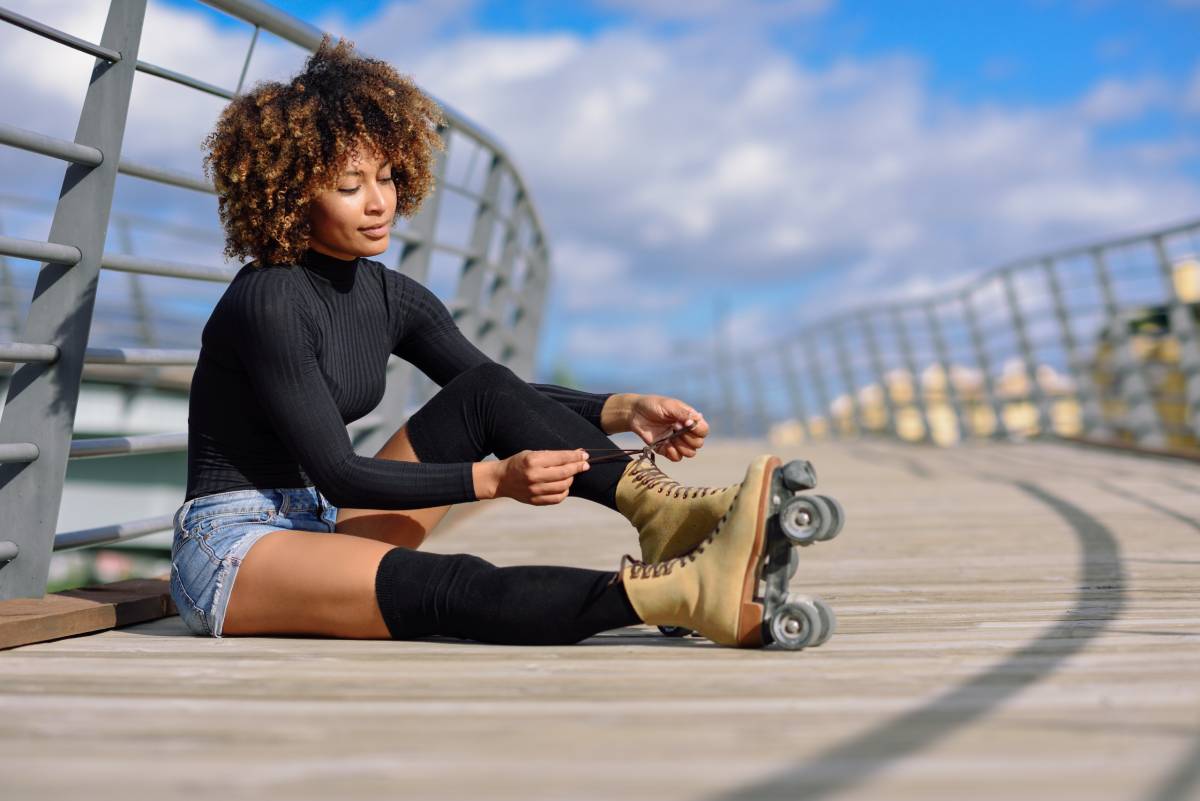
Woman sitting down and tying her roller skate laces.

What Roller Skates Are Best for Riding Downhill?

Skating downhill can feel exhilarating—wind in your face, speed building under your wheels, and the thrill of effortless momentum. But before you push off down that slope, it’s essential to choose the right type of roller skates to keep your ride safe, controlled, and enjoyable.

Downhill skating puts extra strain on your wheels, bearings, plates, and even your stance, which means your equipment needs to be stable, supportive, and designed to help you maintain control.

What Makes a Skate Good for Downhill?

Downhill skating requires more support and stability than casual rink or dance skating. Because not every skate is built to handle speed or rough outdoor terrain, it’s important to understand the features that matter most when selecting your roller skates.

1. Hard Boot or Semi-Hard Boot Construction

Rugged boots offer greater ankle stability, which is essential for controlling speed. This study boot will help reduce wobbling, improve edge control, and support your body weight as you shift forward for braking.

Semi-hard boots also work well for downhill because they offer comfort without sacrificing necessary support.

2. Larger, Durable Outdoor Wheels

Outdoor-friendly wheels in the 78A–85A durometer range absorb bumps and cracks you’ll encounter on pathways or park hills. Larger wheels (62–65 mm for quads, 90–110 mm for inlines) improve roll-out and help maintain momentum smoothly.

3. High-Quality Bearings

When you’re skating downhill, your wheels spin increasingly more, and they increase with speed. So, be sure that you have stong, smooth, well-lubricated, and durable bearings. ABEC-7, ABEC-9, or performance-rated bearings are great choices.

4. Strong Plates and Responsive Trucks

A sturdy metal plate (aluminum or magnesium) provides the stability downhill skaters need. Trucks should be responsive—but not overly loose—to avoid speed wobble.

5. A Reliable Braking System

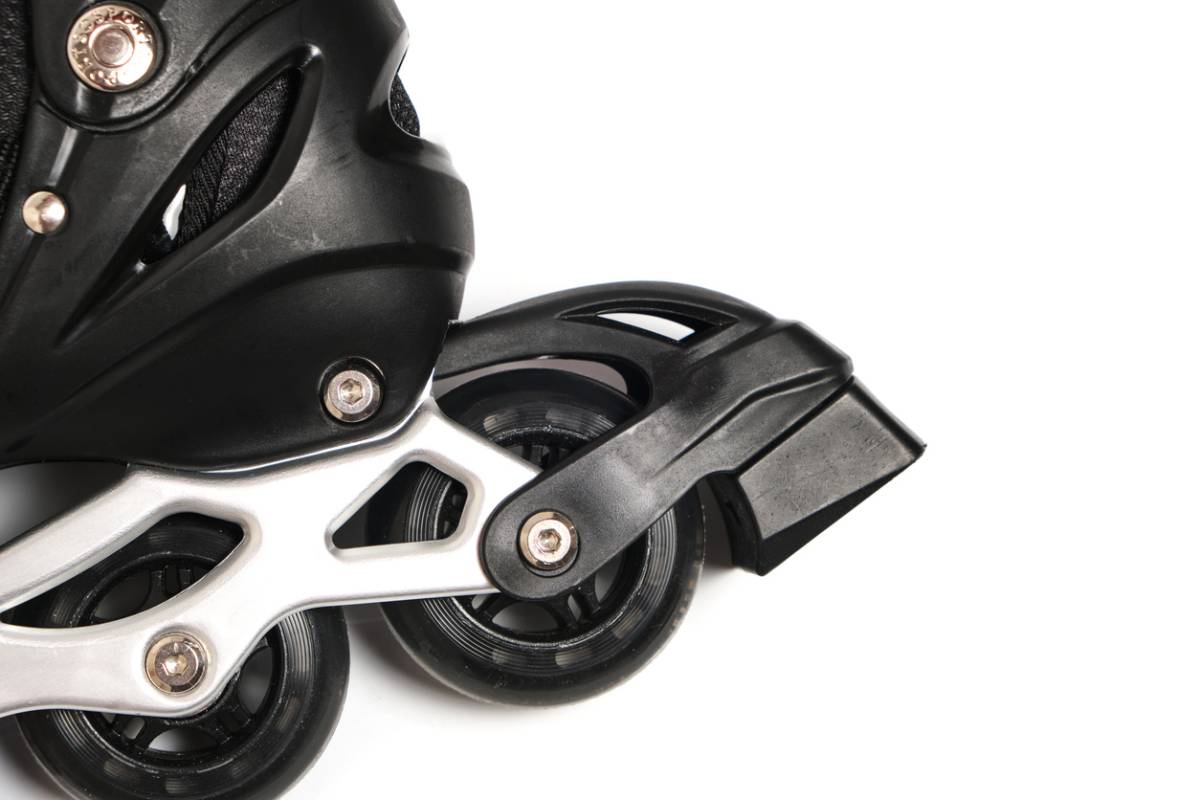
For quad skates, a large, adjustable toe stop is ideal. For inline skates, a rear brake is extremely helpful for beginners and intermediate skaters learning downhill control.

Best Skate Types for Downhill

While skaters develop personal preferences, these models usually perform best:

Inline Skates

  • Best for speed, control, and responsive braking
  • Larger wheels roll over uneven surfaces easily.
  • Excellent ankle support

Inline skates are typically recommended for beginners learning downhill because they offer the most reliable control at higher speeds.

Outdoor Quad Skates

  • Wide wheelbase
  • Good for moderate slopes
  • Increased maneuverability

Quad skates are great for skaters who prefer the traditional four-wheel feel, but should be used on smoother, gentler hills until enough control is developed.

Tips for Beginners Skating Downhill (Start Slow!)

Downhill skating is exciting, but beginners need to take extra precautions to stay safe. Here are some essential tips to help new skaters ease into downhill riding:

1. Start on Gentle Slopes

Choose a small hill with a smooth surface—nothing too steep. The goal is to get comfortable managing momentum, not to pick up speed quickly.

2. Keep Your Knees Bent

A low center of gravity increases balance. Bend your knees slightly, lean forward just a bit, and avoid locking your legs.

3. Learn a “Heel Drag” or Toe Stop Drag

  • Inline skaters can gently lower their heel brake.
  • Quad skaters can lightly drag one toe stop behind them.

Practice on flat ground before trying it on a slope.

4. Master the “Skiing” Stance

Point your toes inward slightly and widen your stance. This creates resistance and slows you down safely.

5. Use Short, Controlled Strides

Don’t try to skate downhill. Instead, let gravity do the work and focus on maintaining control.

6. Wear Protective Gear

A non-negotiable for all skaters, beginners or pros alike, is protective gear. Because downhill speed increases quickly, helmets, wrist guards, elbow pads, and knee pads are absolutely essential.

Keep Your Skates in Top Condition

Downhill skating puts much more pressure on your wheels, bearings, and skating surfaces. Make sure to:

  • Inspect your wheels before every ride
  • Replace bearings when spinning becomes rough.
  • Check toe stops or brakes for wear.
  • Tighten your trucks and hardware regularly.

Routine maintenance helps extend the life of your skates and ensures downhill riding stays smooth and safe.

Find the Best Downhill Skates at Crazy Skates

Crazy Skates offers a wide selection of inline skates, quads, wheels, bearings, and safety gear designed for all skill levels. Whether you’re exploring gentle slopes or building up to bigger hills, we can help you choose the perfect setup for your skating style.

featured image for 8 essential items for new roller skaters

8 Essential Items for New Roller Skaters

If you’ve just picked up your first pair of roller skates, you’re probably buzzing with excitement and maybe just a little bit of nerves. Roller skating is fun, fast, and full of energy, but like any new activity, it’s always better when you’re prepared. That’s why today we’re breaking down the 8 essential items for new roller skaters so you can start your journey with confidence.

8 Essential Items for New Roller Skaters

Whether you’re skating at the park, cruising the streets, or practicing at the rink, these must-have items will help keep you safe, comfortable, and ready to roll. Best of all, you can grab everything you need from an online skating shop without even leaving your house.

1. A Quality Pair of Roller Skates

This one might feel obvious, but it’s worth saying: your skates are the foundation of your roller skating experience. A well-made pair of roller skates can make the difference between feeling wobbly and feeling unstoppable. Beginners often do best with skates that offer:

  • Sturdy boots with ankle support
  • Smooth indoor/outdoor wheels
  • Reliable bearings for easy rolling

Investing in quality skates means fewer struggles and more fun every time you lace up.

2. Helmet for Head Protection

Roller skating is obviously exciting, but falls happen, especially when you’re still learning. A properly fitted helmet is non-negotiable. Look for a helmet certified for skating or cycling. It should sit snugly without shifting and cover the back of your head for full protection. Think of it as your best friend on the rink or trail.

3. Protective Pads (Knees, Elbows, and Wrists)

No new skater should hit the ground without pads. They cushion falls and prevent scrapes, bruises, and more serious injuries. Wrist guards are especially important since your natural instinct is to catch yourself with your hands. A full protective set usually includes:

  • Knee pads
  • Elbow pads
  • Wrist guards

If you’re nervous about falling, pads give you the confidence to try new moves without fear.

4. Comfortable Socks

It might sound simple, but don’t overlook socks. The right pair makes a huge difference. Go for breathable, cushioned socks that rise above the top of your skates. This prevents blisters and adds comfort during long skating sessions. Bonus: fun socks add style to your setup!

5. Skate Tool

A small but mighty accessory, a skate tool lets you adjust wheels, trucks, and toe stops. New skaters often overlook this, but wheels can loosen, and adjustments are part of the skating journey. With a skate tool in your bag, you’ll always be prepared to tweak your setup and keep your ride smooth.

6. Toe Stops or Jam Plugs

Your toe stops are your brakes. Make sure they’re secure and suited to your skating style. Some skaters even prefer smaller jam plugs, especially for dance skating. Learning how to use your toe stops early builds control and confidence.

7. Water Bottle

Skating is a workout, whether you realize it or not. Staying hydrated keeps your energy up and helps you focus. A lightweight, reusable water bottle is a simple but essential item to pack every time you head out.

8. A Carry Bag

Finally, every skater needs a way to transport their gear. A dedicated skate bag or backpack keeps your roller skates, pads, helmet, and water bottle organized. Look for one with sturdy straps and compartments so nothing gets lost in the shuffle.

Ready to Start Your Skating Journey?

With these 8 essential items for new roller skaters, you’ll have everything you need to get rolling safely and confidently. The best part? You can find all your gear at Crazy Skates, your trusted online skating shop. Browse our roller skates collection today and take the first step toward your best skating adventures.

featured image for how often should you change skate brake pads

How Often Should You Change Skate Brake Pads?

Your roller skate brake pads serve as your first line of defence against unchecked momentum. Imagining barrelling down a street on your roller skates with nothing to stop you. It likely would not end well. It follows that you want to keep those brake pads in good shape. But how often should you change skate brake pads?

How Often Should You Change Skate Brake Pads?

Brake pads can last for months to years. But they will not last forever. In fact, you will need to replace them well before they wear out completely. As with car brakes, skate brake pads can lose efficacy as they wear down.

A good rule of thumb is to change skate brake pads once the material wears down to 3 mm thick (or less). For anyone reading this from the US, that comes out to just under 1/8 inch. 

Many Brake Pads Have Indicators

Now, 3 mm is pretty thin and can be hard to judge by eye alone. If you keep an eye on them, you will notice them wearing down over time. Once they start thinning out, it is time to break out a ruler.

However, many manufacturers do not expect you to be measuring your pads before each ride. So, many modern roller skate brake pads have indicators on them that show when they have worn down too much. 

These indicators can vary in type and placement. Often, there will be some visual indicator (like a color) that appears once the pad has worn down enough. When you see an indicator, it is high time to replace your brake pads.

Where Can I Find Brake Pad Replacements?

Most skate shops will sell a variety of brake pad replacements. However, the easiest bet is to find them at an online shop like Crazy Skates. Keep in mind, not all brake pads will suit all types of roller skates. 

What Affects Brake Pad Lifespan?

No one wants to replace roller skate brake pads all the time. So it helps to know what can affect the lifespan of your brake pads. 

Brake Pad Quality

Buying cheap brake pads from Amazon or Temu is the wrong direction to take. These products tend to be lower quality or even knock-offs of established brands.

Low-quality brake pads cause two main problems: The biggest is that they may work less effectively. When needing to brake, you want something that can actually work.

Secondly, they can wear down more quickly. In the end, you may need to spend more money on frequent replacements.

Skating Style

Frequent and hard braking will wear down your roller skate pads more quickly. Skaters going for simple commutes or leisurely rides will see their pads last longer. If you are in a hilly area or frequently brake, you will see faster wear.

Aggressive skating can also wear down your pads. Essentially, the more contact your pads have with a surface, the sooner they wear out.

Riding Conditions

Clear, dry weather is best for brake pad lifespans. On the other hand, less tidy conditions can accelerate wear. Expect more wear if you skate in conditions or areas that are:

  • Wet and rainy
  • Muddy
  • Sandy


Type of Braking

Slow, gentle braking will preserve your pads. And fast, intense braking can wear them down. Both methods are entirely legitimate. However, simply keep in mind that braking intensity can influence how long your pads will last.

Australia’s Top Online Skate Shop

Visit Crazy Skates, an online skate shop known for its vast inventory of skating supplies for skaters of all skill levels.

Featured image for Why Do Roller Skaters Wear Long Socks?

Why Do Roller Skaters Wear Long Socks?

From the disco ball days of retro roller rinks to the neon-lit skate parks of today, one fashion detail always seems to roll right along with the skates: long socks. But have you ever stopped to ask: Why do roller skaters wear long socks? 

Sure, they look cool, but there’s more to skating socks than just aesthetics. Skaters of all levels reach for them for some very practical reasons, so let’s dive into why these stylish socks are a staple in the skating community and what they can do for you. 

Why Do Roller Skaters Wear Long Socks?

For the most part, roller skaters wear long socks for comfort, protection, and (yes) some personal style. While it might seem like a simple accessory, it can also actually enhance your overall skating experience from the moment you lace up your skates. 

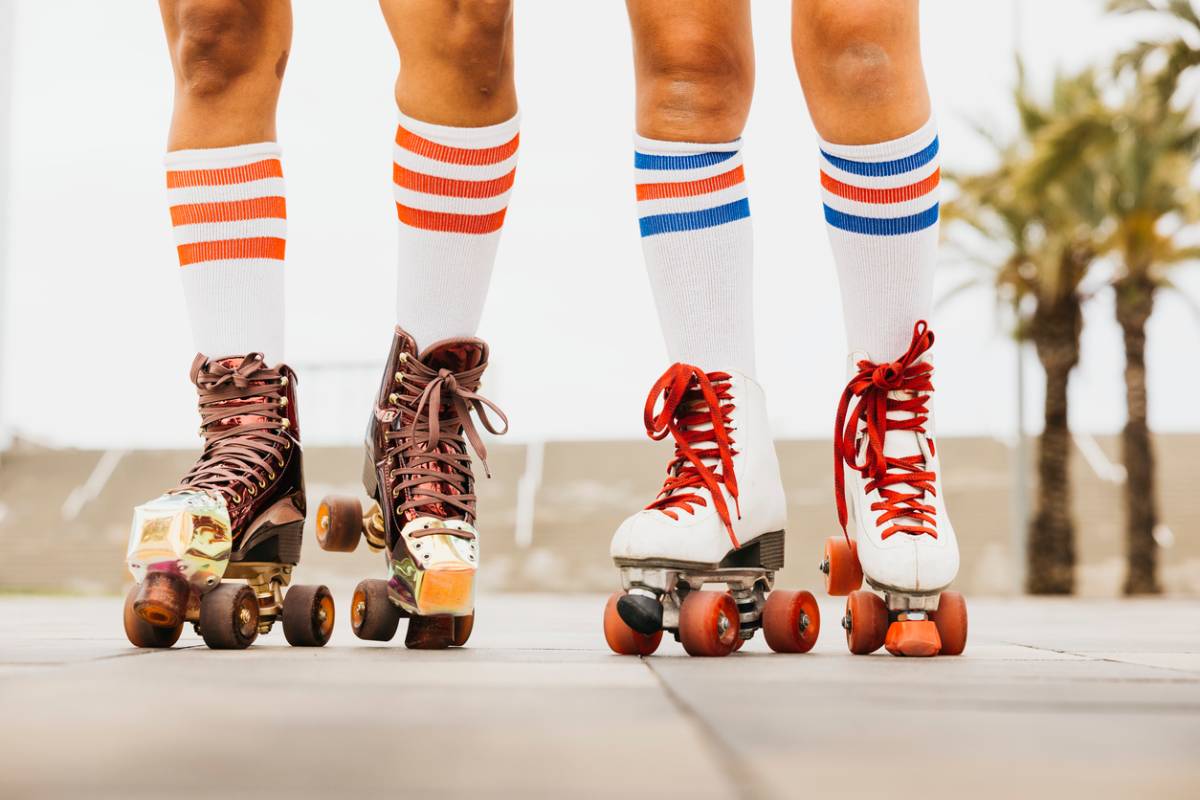
One of the biggest benefits of long socks is preventing friction and blisters. Even the most well-fitting skate boots can cause pressure points or rubbing when you’re skating for long periods, especially when you’re breaking into a new pair. Long socks, in this instance, act as a soft barrier between your skin and the sometimes rigid material of your skates, protecting your ankles and lower legs from discomfort. 

At the same time, long socks also offer light compression to your lower extremities. This can improve circulation and reduce fatigue in your legs, which is particularly useful for long skate sessions. The added coverage helps your muscles stay warm and responsive, meaning less chance of cramping or soreness later on. 

The Fashion Side of Function: Socks That Make a Statement

But there’s more than just practicality when it comes to socks. Roller skating is all about expression, and your personality doesn’t stop at your skates. No matter where you’re choosing to skate, long socks give you the chance to show off your individual flair. And trust us, they’re a big part of skating culture.

You’ll often see skaters coordinating their socks with their skates or outfits, creating fun and creative looks. Wild patterns, bold prints, bright neons, sparkles, you name it, it’s probably out there. At Crazy Skates, our skating socks are made to turn heads and support your ride.

What Makes a Sock “Skating-Ready”?

Remember, too, that not all long socks are created equal. Just grabbing a random pair of knee-highs might not cut it if you’re serious about skating comfort. So, what should you look for?

First up, you’ll want to pick out some moisture-wicking fabrics like polyester blends, nylon, or technical knits. These materials are designed to draw sweat away from your skin, keeping your feet dry, cool, and blister-free even during intense sessions. Cotton, while cozy for lounging, tends to hold moisture, making it a poor choice for active skating, as damp socks can cause chafing and discomfort.

Breathability is just as important. When your feet can breathe, you’re less likely to overheat or experience that dreaded “soggy sock” feeling. Good airflow also helps prevent the buildup of odor-causing bacteria inside your skate boots, which is a must if you’re skating multiple times a week. Look for mesh ventilation zones or lightweight weaves in your socks for extra airflow without sacrificing durability.

Another thing to keep in mind? Durability and softness. You want socks that can stand up to frequent skating without thinning or pilling after a few washes. High-quality blends offer a nice balance between a smooth feel and long-lasting wear, so your socks stay comfy and effective no matter how often you hit the rink or streets.

Other Roller Skating Apparel Choices that Serve a Purpose

While long socks steal the spotlight, they’re just one piece of a smart skater’s outfit. Let’s explore some other apparel choices that are more functional than they might appear:

Padded Shorts or Leggings

Perfect for beginners or anyone pushing the limits, padded bottoms help protect your hips, tailbone, and thighs during falls. They’re often lightweight and discreet, and they are easy to wear under your favorite shorts or skating skirts.

Protective Gloves or Wrist Guards

Wrist injuries are common in skating. Gloves with built-in wrist support or separate guards are essential for protection and peace of mind. Plus, you can find fun designs that match your socks and skates.

Mesh or Performance Tops

Breathability is key. A fitted, moisture-wicking shirt will keep you cool and dry without restricting movement, especially if you’re skating outdoors or at a packed rink.

Ready to Sock Up and Roll Out?

When you’re ready to take your skating style and comfort to the next level, don’t overlook the power of long socks. Visit Crazy Skates, your trusted roller skating shop, to browse our collection of skating socks that bring both performance and personality to the rink.

Featured image for 5 Things to Know Before You Start Roller Skating

5 Things to Know Before You Start Roller Skating

Roller skating is arguably one of the most fun (and thrilling) ways to get up, get moving, and stay active, regardless of whether you’re gliding through your neighborhood, hitting the rink, or trying out a new trick at the park. But let’s be honest. Skating is also about more than just stepping into a pair of skates and taking off down the road. It is a majorly engaging hobby that can help you get more out of life and even get into shape, but a bit of information ahead of time can make the whole process so much easier! That’s why we’re here to give you a jumpstart with essential tips, starting with these five things to know before you start roller skating! 

Get the Basics Down

Roller skating might seem effortless, especially if you’re used to watching seasoned skaters, but it all begins with a few key fundamentals. First off, balance is everything! Before you start moving, practice standing still in your skates. Use a wall or railing, or even a friend, for support, bend your knees slightly, and center your weight over your feet. Getting used to this stance is the building block for any and all future movement. 

Next, expect there to be a learning curve (and embrace it!) Roller skating is a full-body workout, and your muscles, especially the ones in your core and legs, will probably scream at you after your first time skating. Be patient with yourself and your body. Progress comes with consistency, not perfection. 

Make Sure You Have the Right Equipment from the Start

When you’re just starting, quality skating equipment could very well make or break your first experience. Investing in a pair of roller skates that fit properly is step one. Ill-fitting skates are not only uncomfortable, they can actually be unsafe! That’s just one reason Crazy Skates offers a full range of sizes and styles, including some excellent options in our discount roller skates section that are perfect for beginners who want performance without the premium price tag. 

And don’t forget the other key essentials like a helmet, knee pads, elbow pads, and wrist guards. These extra safety pieces might seem like overkill, but they’ll save you a world of hurt and give you the confidence to push yourself safely. Like your skates, your safety gear should fit snugly and comfortably without limiting movement. 

Surfaces Matter More Than You Think

Not all skating surfaces are created equal, especially when you’re just starting! Plenty of beginners assume that they can skate anywhere, but the surface you’re skating on can hugely affect how your skates respond and how safe you feel. Smooth, flat indoor rinks are the best for practicing the basics, as they’ll have no cracks, rocks, or sudden inclines/declines to throw off your balance. 

If you are skating outside, stick to clean, paved trails or tennis courts while building your skills. Rough sidewalks or roads can trip you up fast. Once you’re more confident, you can explore these spots, but starting simple is smart. 

Learning to Fall is Just as Important as Learning to Roll

Here’s a tip that might sound backward but is absolutely important: learn how to fall! Everyone does it, even the pros. The trick is falling safely. Try to fall forward onto your pads rather than back onto your tailbone or wrists. Keep your arms tucked in, and use your knee pads and wrist guards to absorb the impact. 

You’ll also want to practice falling on soft surfaces, like grass or carpet, in full gear. It might feel silly, but building that muscle memory will save you from panicking when it happens unexpectedly on the pavement. 

Skating Style and Personalization Make it More Fun

Once you’ve got the basics down pat, roller skating becomes all about style and self-expression. That’s also where the fun really begins! From LED wheels to bright laces and cool decals, you can personalize your skates and gear to match your vibe. And, lucky for you, Crazy Skates has an amazing variety of colors, finishes, and add-ons to make your gear feel just as bold as you are. 

Ready to Roll? Let Crazy Skates Help You Get Started

Whether you’re shopping for your first pair or upgrading your setup, Crazy Skates has the skating equipment and deals to get you rolling in no time. Explore our discount roller skates, grab your safety gear, and let the adventure begin!

Featured image for How to Plan a Roller Skating Date

How to Plan a Roller Skating Date

Do you want to shake up your dating game with something playful, active, and, most of all, fun? Then look no further than a roller skating date! Unlike a standard dinner or movie date, skating brings all sorts of energy, movement, and a whole lot of retro flair that guarantees memories (and hopefully some sparks) that last long after the wheels stop spinning. Whether you’re lacing up your skates for the first time or you’re already gliding like a pro, roller skating is a unique way to connect, laugh, and maybe even fall (gently!) into each other’s arms. But how do you plan a roller skating date? We explain below. 

How to Plan a Roller Skating Date

The first thing you’ll want to decide is where you’ll be skating. It could be at your favorite indoor rink, complete with music and neon lights, a local park trail, or a beachside boardwalk with sunset views. Pick a location that sets the right vibe for your date, but make sure it matches your experience level! A rink might be the perfect place for beginners, whereas outdoor skating can be a bit trickier. 

Next, check the opening hours, rental policies, and whether they host any themed nights. Think disco lights, retro ’80s throwback nights, or couples’ skate sessions. These events can add a fun twist and help break the ice, especially if you’re skating with someone new. 

And don’t forget to plan your wardrobe! Comfort is key, but that doesn’t mean you have to sacrifice style. Think jeans or leggings, a cute tee or vintage jacket, and don’t be afraid to accessorize with a pop of color. If you already own roller skates, that’s even better. You can even coordinate with your date for matching vibes!

What You’ll Need for a Perfect Skating Date

Once you’ve got the location, time, and clothing all set, it’s time to get geared up! Whether you’re renting skates at the venue or bringing your own, you’ll want to make sure that everything fits well and supports your ankles. A great pair of skates can make all the difference, and there are tons of stylish, high-quality options out there for you. 

If you’re buying new skates for the occasion or just upgrading your old pair, it might be worth browsing roller skating equipment that enhances the experience. Think padded knee and elbow guards, funky-colored laces, or LED wheels for a little extra dazzle. You can even gift your date some fun skate accessories as a cute surprise – they’ll love the thoughtfulness.

You should also consider packing a small essentials bag: water bottles, a mini first-aid kit, breath mints (hey, you never know!), and maybe a portable speaker if you’re skating outdoors and want to set your own soundtrack.

Tips for Making It a Date to Remember

  • Arrive early: If it’s a public skate night, beat the crowds and have time to relax before hitting the rink.
  • Learn a Trick Together: It could be a simple spin or a goofy dance move, but working through it together is part of the charm.
  • Plan a Mid-Date Break: Grab a snack at the rink café or pack a picnic if you’re outdoors. It gives you a moment to chat, catch your breath, and keep the connection going off the wheels.
  • Build in a Post-Skate Plan: Whether it’s dessert nearby, watching the sunset, or just strolling and talking, a low-key follow-up activity helps ease the end of the date and gives you space to keep bonding.

Roller Skating for First-Timers? No Worries

If you or your date is a little nervous about skating, lean into the fun of learning something new. Falling is part of the process, and laughing about it together is a great way to build chemistry. Be patient, keep things light, and if needed, grab a skate aid or stick to the edge of the rink for some extra support.

Confidence comes with time, and who knows? You might end up discovering your new favorite shared hobby. Bonus: once you’ve both found your groove, you can start planning future skate adventures together, be that theme nights, roller discos, or even just weekly cardio sessions with flair.

Ready to Roll Into Romance?

Grab your skates, find your rhythm, and let Crazy Skates help you turn an ordinary night out into an unforgettable adventure. Explore our roller skating equipment to start planning the perfect roller skating date today.

Featured image for Does Skating Reduce Belly Fat?

Does Skating Reduce Belly Fat?

Are you looking for a fun but legitimately effective and, best of all, exhilarating way to slim your waistline and shed a few stubborn belly pounds? Look no further than your nearest pair of roller skates! Does skating reduce belly fat? The answer is totally “yes!”

Whether you’re gliding through the neighborhood or showing off your moves at the rink, roller skating is more than just a nostalgic pastime.  In fact, strapping on a pair of quality skates from a trusted roller skate shop like Crazy Skates can put you on the path toward a trimmer, fitter you without ever setting foot in a gym. Let’s go over how, why, and what you need to stick with it. 

Does Skating Reduce Belly Fat? 

Let’s get into the nitty-gritty. Belly fat, especially the visceral kind that surrounds your organs and sits on your belly, is a major concern for many people. To effectively reduce belly fat, you need to engage in consistent cardiovascular activity, combined with a healthy diet and improved lifestyle. This is where roller skating comes in. 

Roller skating is a highly dynamic cardio workout that gets your heart rate up and keeps it there. Just 30-50 minutes of intense skating can burn anywhere from 200 to 500 calories, or even more, depending on your speed, intensity, and body weight. Over time, this consistent calorie burn helps you get into a calorie deficit. Being in said deficit is key to losing fat, especially that stubborn bit around your midsection.

But here’s the kicker. Unlike other forms of cardio, skating is fun! And that makes it easier to stick with it in the long run. 

The Core Advantage

While many people think of skating as purely a leg workout (and to be clear, it absolutely is), your core muscles are also engaged. Maintaining balance on wheels requires constant engagement of both abdominal and oblique muscles. This naturally helps tone your midsection over time. 

Skating also helps improve your posture. By keeping your upper body upright and stable, your abs are constantly activated, which, again, helps tighten and define your core. Add in some moves like weaving, crossovers, or spins, and you’ll feel that belly burn fast!

Full-Body Benefits

One reason we recommend incorporating skating into your fitness routine is that it is high-intensity and has a fairly low impact. That means it’s gentler on your joints than running, but still delivers the much-needed intensity needed to promote fat loss. It also targets your whole body, including:

  • Legs & Glutes: With every push, you’re sculpting quads, hamstrings, and that all-important booty.
  • Core: Balance, stability, and posture all engage your abs and obliques.
  • Arms & Back: Especially if you’re pumping your arms or carrying momentum, your upper body is getting a subtle but effective workout.

Make It a Routine, Not a Chore

The true key to burning belly fat—and keeping it off—doesn’t lie in one magical workout, but in creating a routine you actually want to stick with. That’s where skating shines. Unlike typical gym sessions that can feel repetitive or draining, skating turns exercise into something you look forward to. It’s energizing, freeing, and effortlessly fun.

Whether you’re gliding down a sun-dappled path at your local park, cruising along the boardwalk with music in your ears, or spinning circles with friends under city lights, skating never feels like work. It becomes a lifestyle—one that fits seamlessly into your day. Invite friends or family to join you, lace up for weekend beach skates, or take it up a notch by joining a roller derby team or skate fitness group. The joy, the movement, the connection—it all adds up to a habit that sticks.

Getting Started with the Right Gear

If you’re ready to lace up and hit the pavement, having the right gear is the key to getting those long-term gains. And, while it’s important for your comfort and performance, it’s also going to help keep you safe! 

Skate Your Way to a Leaner You

So, does skating reduce belly fat? Absolutely. When paired with mindful eating and a consistent routine, roller skating can be a powerful, enjoyable way to tone your midsection, strengthen your entire body, and fall in love with fitness again.

With the wind in your hair, music in your ears, and the right pair of roller skates under your feet, losing belly fat can be something you actually look forward to. Just make sure you’re having fun and staying safe!