Do Roller Skates Stretch Over Time?

If you are a skater, whether you are a beginner learning your first moves or an experienced one upgrading to a better model from an online roller skates retailer, choosing the right fit is essential. One of the most common questions new skaters ask is: Do roller skates stretch over time? The simple answer is yes, but it depends on the materials used to make the boots.

Choosing the right size is easier when you understand how roller skates break in. It can also help you avoid discomfort and enjoy a better skating experience.

Do Roller Skates Stretch Over Time?

Roller skates do stretch, but only slightly. Most roller skate boots will loosen up as you wear them. As you use them repeatedly, they stretch to mold to the shape of your feet. This is called the “break-in” period.

Leather skates are known to offer the most flexibility over time. The leather naturally softens, and as it does, it conforms to your foot for a customized fit. On the contrary, synthetic materials tend to stretch less. They become more comfortable, but compared to leather, they soften slightly.

Do not worry if your skates feel snug when you first try them on. As long as they are not painful, they are good and will likely become more comfortable after several skating sessions.

The Material Makes a Difference

Different boot materials behave differently during the break-in period.

Leather boots can mold to the skater’s foot. They may slightly stretch in width and become more comfortable after just a few hours of skating.

Synthetic leather or vinyl boots keep their original shape much better. Skaters should not expect them to stretch significantly, but they may soften with use.

Suede boots have a personalized fit, just like leather. Over time, they become more flexible and more comfortable.

Whether the boots are leather, synthetic, or suede, skaters cannot expect skates to dramatically stretch in length.

How Long Does the Break-In Period Take?

Skaters usually notice that their skates begin to feel more comfortable after 5 to 15 hours of skating. The exact timeframe depends on different factors such as:

  • The boot material
  • How often you skate
  • Your foot shape
  • The stiffness of the boot

High-performance or artistic skates usually have stiffer boots and take longer to break in compared to recreational skates.

Skates That Are Too Tight

You will know that your skates have the proper fit if they feel snug but not painfully tight. Your heel should stay securely in place, and your toes should lightly touch the front of the boot without feeling cramped.

If the boots are painfully narrow or they squeeze your toes, they are the wrong fit. Do not buy them hoping they will stretch enough to fit. Boots stretch, but they are not expected to stretch too much. If the boot is too tight, it is unlikely to become comfortable. In the same way, do not buy skates that feel loose right away. If the boots are too large, they can reduce control, cause blisters, and make skating less enjoyable.

Tips for Breaking in New Roller Skates

To help speed up the break-in process for stiff skates, here are several safe ways to do it.

  • Wear your skates around the house for short periods before taking them to the rink.
  • Wear thick socks for extra cushioning during the first few sessions.
  • Slowly increase your skating time instead of skating for several hours in the first session.
  • Experiment with different skating techniques to relieve pressure on specific areas of your foot. You may skip eyelets near pressure points for a more comfortable fit.

When Should You Size Up?

Numbness, tingling, severe pain, and your toes tightly curled inside the boot all tell you that your skates are most likely too small.

Finding the right pair of roller skates and proper roller skate maintenance are important steps towards many safe and enjoyable skating adventures. Visit our website today to explore our latest collection of high-quality skates and get your next pair.
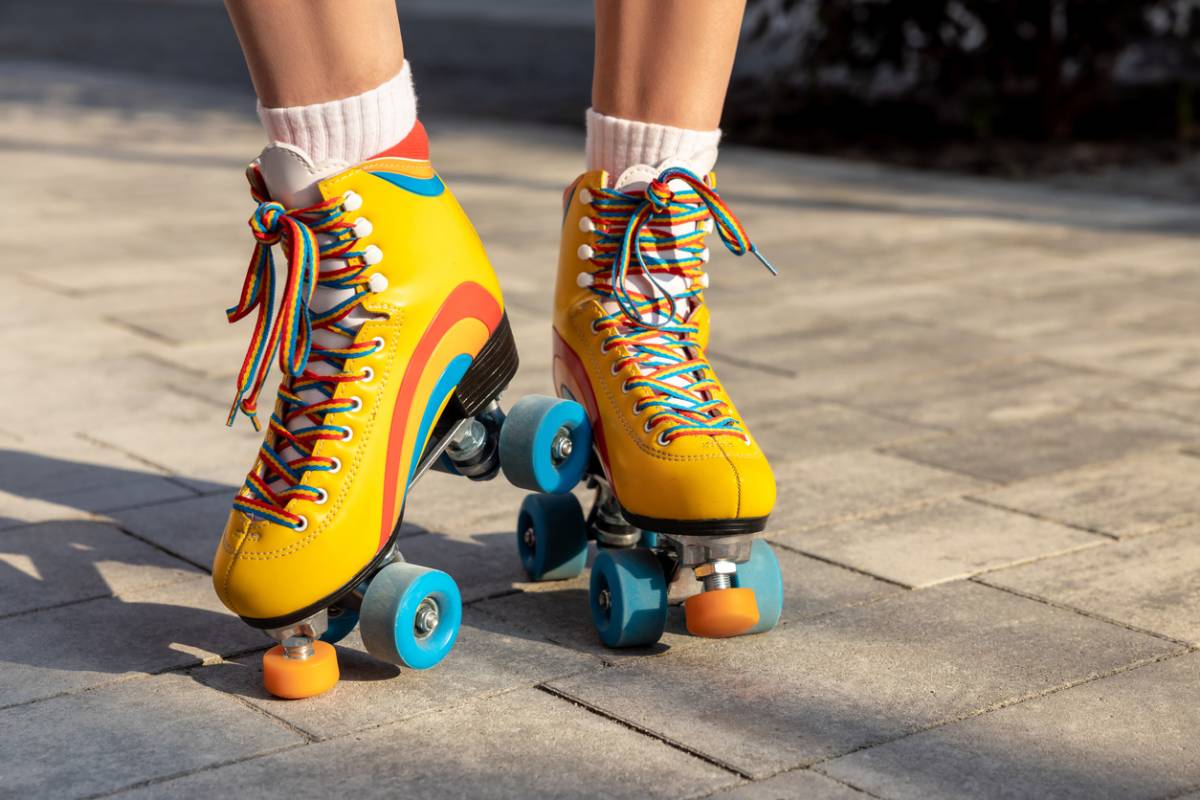
Close up of female feet in bright colored roller skates.

How Often Should You Flip Your Skate Wheels?

By now, you know skating is fun, but what precautions are you taking to remain safe? For your safety, it is recommended to flip your skate wheels at regular intervals during ownership. 

For instance, the number of hours a week you skate will impact how often you should flip your skate wheels. You should flip your skate wheels every 2-3 weeks of regular use, which consists of 15-20 hours of skating each week. 

If you buy inline skates from our online roller skate shop and want to learn more about when and how you should flip your skate wheels, keep reading to learn more!

When to Flip Your Skate Wheels

The frequency with which you should flip skate wheels depends on how often you use your skates and for how long. Those who skate aggressively and perform tricks will notice their skates wear more. If your skates experience this type of pressure, the wheels will need to be flipped sooner and more frequently than those used by casual skaters indoors.

For aggressive skaters, flipping your wheels may be required after at least 2 weeks of use. Casual skaters can typically wait 3 weeks. However, if you notice any changes in the wheels, such as cracks, marks, or other signs of wear, they should be inspected. 

The Causes of Wheel Wear

Simply rolling your wheels around causes wear. It’s inevitable, but that doesn’t mean you should throw in the towel! Whether you’re still interested in skating or that part of your life has taken a backseat for the moment, it’s necessary to know the causes of wheel wear so you can be mindful, know the warning signs to be on the lookout for, and make sure your skates are in tip-top shape once you pick them back up. 

Several factors cause wheel wear. Some of the most common factors leading to wheel wear consist of:

  • The skating surface chosen
  • Skating frequency
  • Skating on multiple, unique hard surfaces
  • Personal turning and braking methods
  • Rotation frequency
  • The weight of the person skating
  • Wheel quality

After skating, scan each wheel to verify there are no issues before your next skate. Because there are numerous ways in which wheels receive wear, you should designate a time every 2-3 weeks to flip the wheels of your skates. 

How to Flip Your Skate Wheels

If you’re new to the skate scene or recently purchased inline skates from our online skate shop, it’s time to learn how to flip your skate wheels and make the most out of your investment. Who doesn’t want to get the most for their money? We’re here to help break down the process of flipping your skate wheels. 

To correctly flip your wheels and extend the life of your skates, consider these common rotation patterns:

Front-To-Back Rotation

This rotation pattern is for beginners and is easy to manage. Swap the front wheels with the back wheels, keeping the left and right skates separate. This rotation is ideal with casual skaters.

X-Pattern Rotation

Best for even wear across all wheels, this rotation evenly distributes pressure across each wheel. The X-pattern requires you to swap the front-left wheel with the back-right wheel. Then, the front-right wheel should be swapped with the back-left wheel.

Full Diagonal Rotation

A full diagonal rotation is for advanced skaters or those who frequently skate outdoors. To rotate your skate wheels using this method, each wheel must be moved diagonally across to the opposite skate. This type of wheel rotation allows room for even wear.

Before You Flip Your Wheels, Find Your Skates!

At Crazy Skates, our online roller skate shop offers a wide variety of roller skates, inline skates, scooters, and other parts and accessories! Skates are available in adjustable sizes to fit both children and adults. 

Browse our website to see what we have to offer for all things skating-related. Contact us to learn more about our products and how to take care of them so you can enjoy them for a long time to come!