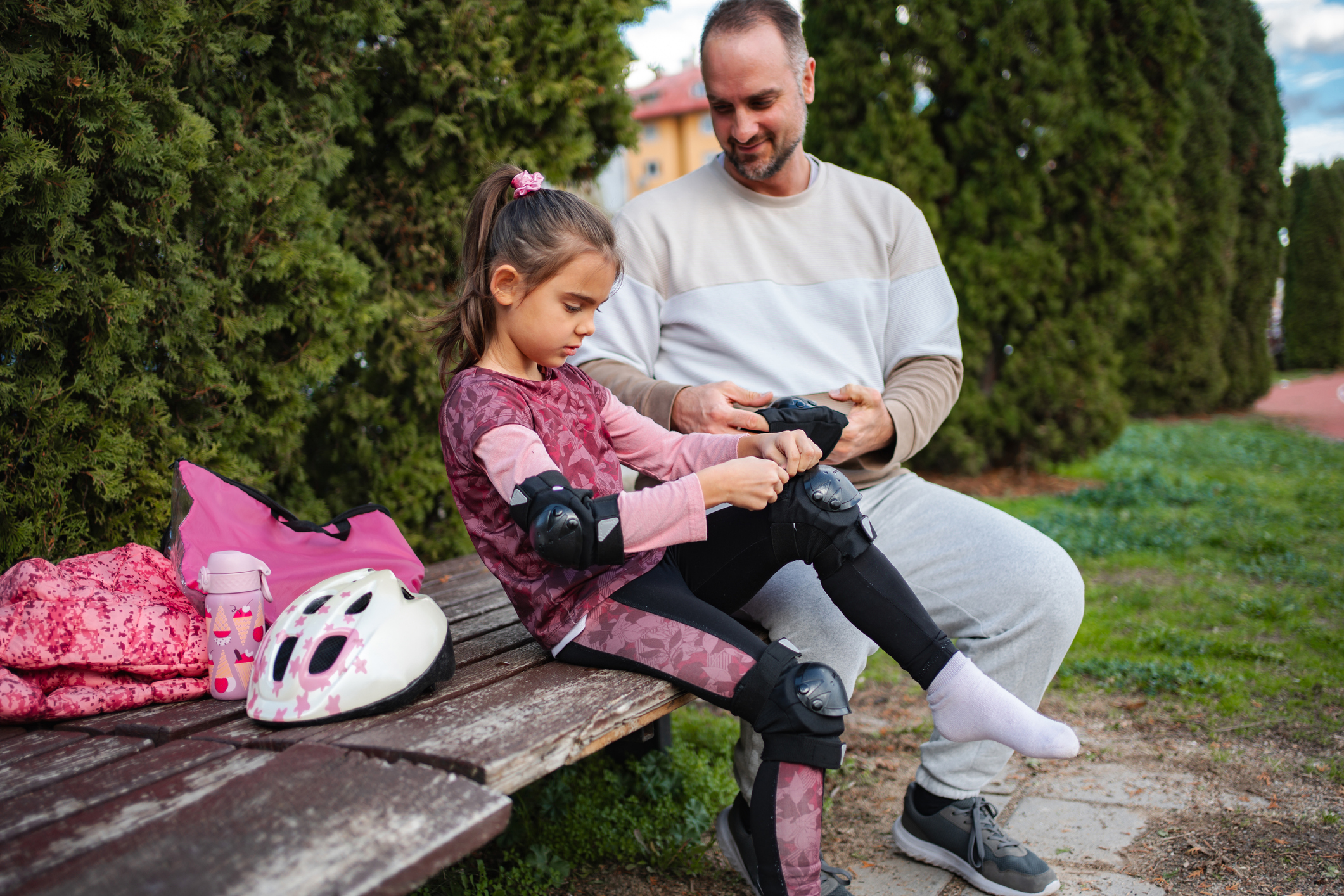
How Long Does It Really Take to Learn How to Skate?
Skating can seem easy when done well. But for beginners who step on the board or ice for the very first time, it is anything but. Whether you want to learn skateboarding, roller skating, or ice skating, the question most people ask even before they go to the skate shop to buy their first pair of skates is: “How long does it really take to learn to skate?” Unfortunately, the answer to this question varies from one skater to the next. Some take longer to learn than others. The good news is that understanding the stages of learning can help you set realistic expectations and maintain your motivation.
How Long Does It Really Take to Learn How to Skate?
The First Few Hours
This is your time to get comfortable. Your goal is not mastery but to learn to keep your balance. Do not be frustrated if you spend your first few hours just trying to stand, move forward, and avoid falling. If you are not used to activities that require physical coordination, this period may be very frustrating. Wobbly legs, a few falls, and a lot of concentration are normal, so do not let them dampen your enthusiasm.
With determination and practice, many people learn basic movement within 2 to 5 hours. This includes movements like pushing off, gliding a short distance, and stopping. Do not expect grace at this time, though. That will come once your body has learned to move on your skates. Do not feel disappointed if progress seems slow. Your body is actually already adapting behind the scenes.
The First Week: Building Confidence
With daily or consistent practice in the first week, you will be rewarded with a big difference. Balance improves, and movements become less stiff. You feel more confident standing and moving.
By the end of this stage, many beginners can:
- Move steadily without support
- Make simple turns
- Stop more control
It is an exciting phase because progress becomes visible. However, some people plateau on this stage if they stop practicing consistently.
The First Month: Developing Basic Skills
With consistent practice, skating now feels more natural. You do not have to think about every small movement because your body remembers what to do.
After a month, most beginners can:
- Skate smoothly for longer distances
- Execute turns more confidently
- Maintain balance at moderate speed
If you are roller skating or ice skating, you may already be experimenting with backward skating or simple spins.
20-30 minutes of practice a few times each week can lead to noticeable improvements.
Three to Six Months: Real Progress
Skating begins to feel like a skill. You experience improved coordination and more confidence.
Within 3 to 6 months, most beginners can:
- Control speed and direction with ease
- Skate on different surfaces
- Skate in new environments
- Try new techniques or simple tricks
Your personal style begins to emerge. You do not just copy movements. Instead, you are moving according to your own comfort and preferences.
One Year and Beyond
Although beginners can learn the basics quickly, true mastery takes more time. Advanced tricks, fluid movements, and strong control require months or even years of regular, consistent practice.
When it comes to enjoyment, you do not have to wait for years. Once you have reached a level of comfort within the first few months, you will surely start having fun. Mastery is more about refinement than necessity.
Factors That Affect How Fast You Learn:
- Consistency: Regular, consistent practice matters more than long sessions.
- Physical Fitness: Balance, core strength, and coordination help accelerate learning.
- Fear Factor: Confidence plays a big role. Fear of falling can hamper progress.
- Coaching or Guidance: Learning from experienced skaters or tutorials can shorten the learning curve
- Age and Mindset: Younger learners may be able to physically adapt faster, but adults learn deliberately and safely
Start Your Skating Journey Today
Are you excited to start your skating journey? With roller skating tips from online tutorials and the skating community, and high-quality skates, you will be able to build your skills in no time. Browse our skate collection today and take the first step towards a fun and safe skating journey.