Why Preschool Is Important in Child Development
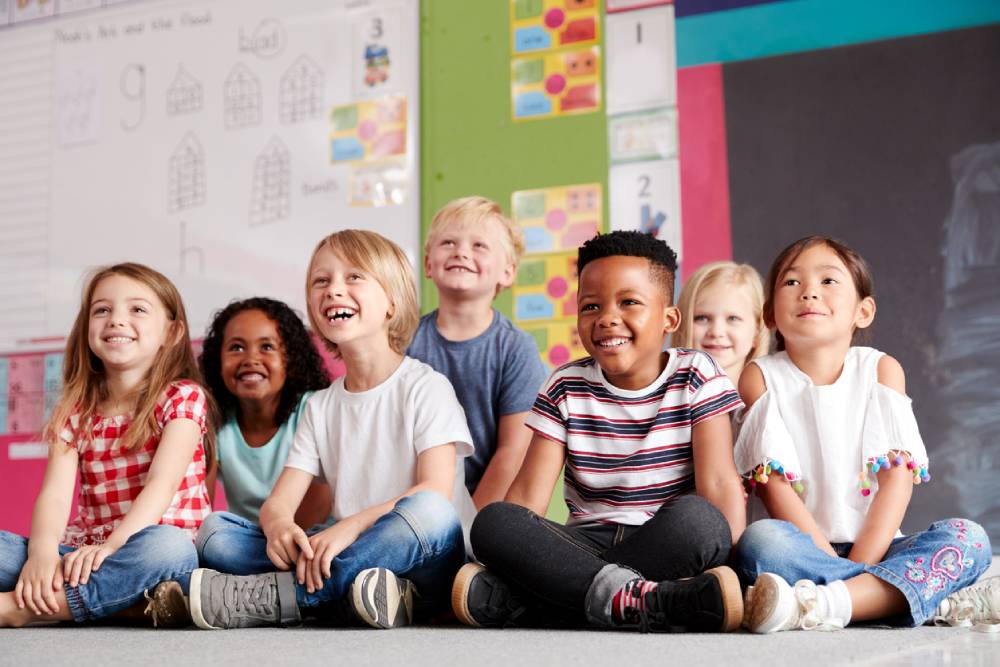
The preschool stage is an exciting time because children experience numerous firsts during this period. This is the stage when children learn a variety of foundational skills, from recognizing their ABCs to counting up to 10, putting on clothes, and understanding time concepts. It is a fundamental development stage where crucial emotional, social, cognitive, and physical growth begins. During these early years, children, particularly those aged 3 to 5, experience rapid brain development. For this reason, the experiences they have in life and in a preschool setting can set the stage for their lifelong learning and well-being.
A good early education center provides age-appropriate activities for your child to achieve as much as they are expected to at this age. Some parents and caretakers have their children skip preschool because they do not believe that it provides a necessary foundation for young minds. Though this assumption is understandable, it is incorrect. For those who do not yet appreciate the importance of this stage, we discuss why preschool is important in child development.
Why Preschool Is Important in Child Development
Social and Emotional Growth
One of the most important benefits of preschool is that it provides children with the opportunity to interact with peers and adults who are not part of their own family. The setting is structured to allow children to share, take turns, listen to others, and resolve conflicts peacefully. These skills do not come naturally to children. They are modeled and practiced.
Preschool also helps young children learn how to regulate their emotions. With the help of their teachers, children learn to recognize their feelings and respond to them appropriately. For instance, a child who gets frustrated by a difficult puzzle will be guided to express their frustration, take a break, and try again. This ability to process emotions without becoming overwhelmed by them is a crucial life skill for emotional resilience. The routines and structure in the preschool setting also foster a sense of security and independence. This is important if you want your children to build their self-confidence.
Language and Communication Skills
Preschool is a language-rich environment. Whether it is strong storytelling, singing, role-playing, or simple daily conversations, children are constantly exposed to and engaged in communication. Through this exposure, they can expand their vocabulary, develop their listening skills, and refine their sentence structure.
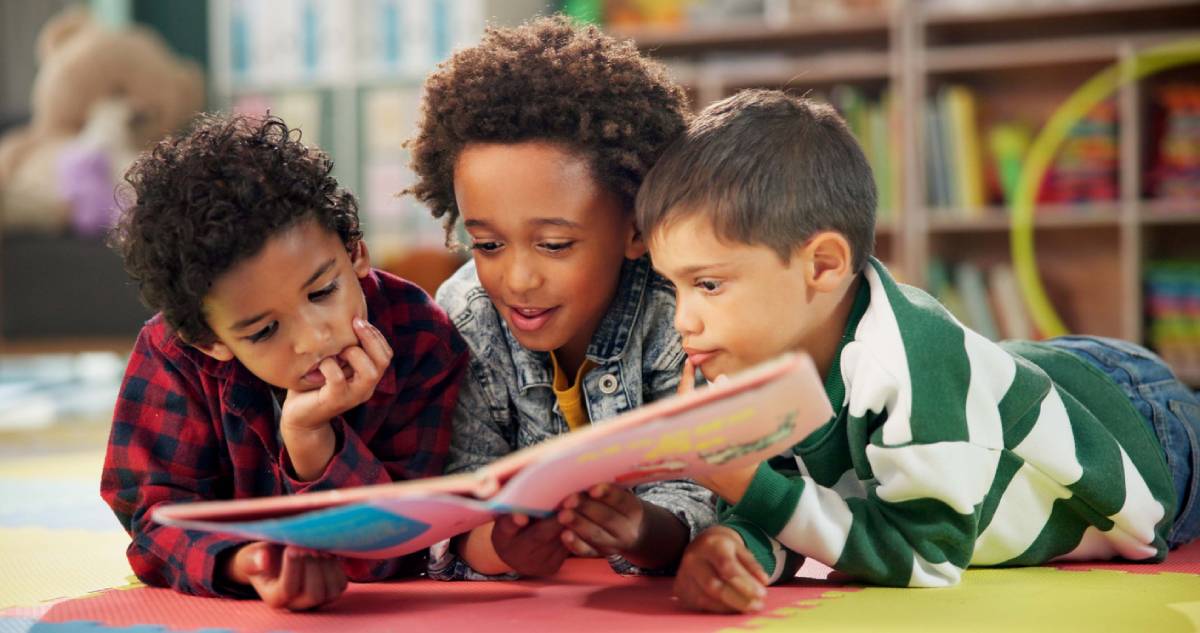
In addition, it is in preschool that the groundwork for reading readiness is laid. Teachers often incorporate letter sounds, rhyming games, and read-aloud activities that introduce children to reading and literacy in a fun and age-appropriate way. These early literacy experiences serve as building blocks to better performance in elementary school and beyond.
Cognitive and Early Academic Development
Preschool programs are designed to foster curiosity, exploration, and problem-solving skills. Children in preschool do not just memorize facts. They also learn how to think. Simple activities, such as sorting buttons by color or size, teach basic math concepts like categorization and patterns. Early science concepts, such as volume and buoyancy, can also be introduced through water play.
Additionally, hands-on activities help children develop important cognitive skills, including attention, memory, and reasoning. Children also begin to understand cause-and-effect relationships and make simple predictions. These fundamental skills help children succeed in academics later on.
Quality preschool programs typically utilize play-based learning. It is a fun way to foster imagination, creativity, and decision-making while simultaneously reinforcing the concepts introduced by the teacher.
Fine motor skills are strengthened through activities like cutting with scissors, building with blocks, and drawing. Tasks like these develop hand-and-eye coordination and prepare children for writing.
Gross motor skills, such as running, jumping, dancing, and climbing, are also developed during outdoor play. These activities not only contribute to the children’s physical health but also help build their self-confidence and risk assessment skills.
Preparation for Kindergarten and Beyond
Preschool prepares children for formal schooling. They learn to follow instructions, sit in a group, listen to the teacher, manage transitions, and focus on tasks. They become more confident by the time they reach elementary school.
Invest in Your Child’s Future Today
Preschool is a powerful springboard for a child’s overall development. Aside from nurturing emotional growth, strengthening communication, and building cognitive and physical skills, preschool also lays the foundation for lifelong learning. The rich experiences offered in preschool provide children with a strong foundation for life. This not only shapes their academic journey but also gives them the confidence and capacity to thrive in the world. If you want to invest in your child’s future, preschool is one of the best decisions you can make at this time. Contact us today and discover how we can partner in shaping your child’s future.