What Is the Best Age to Enroll Kids in Montessori Schools?
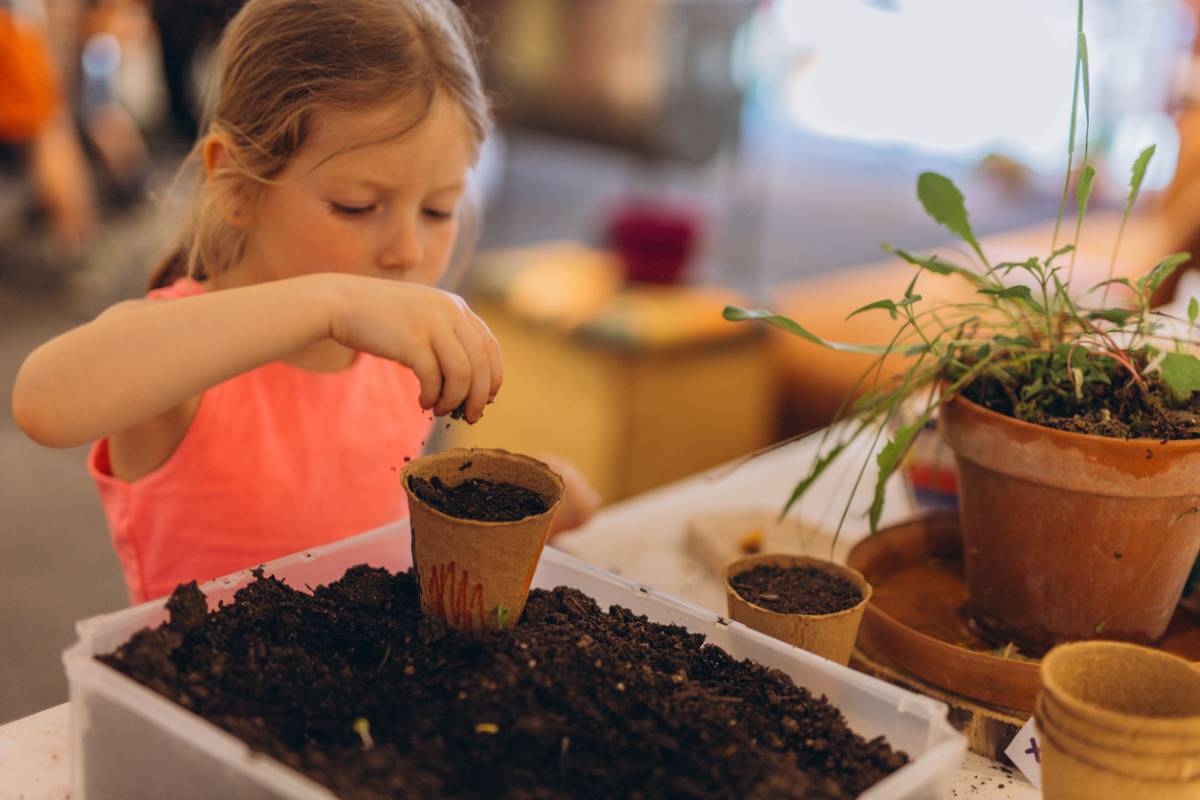
Every parent naturally wants to give their child the very best possible start in life, and when it comes to education, that means exploring many different approaches. One of these approaches is Montessori, a method designed to nurture independence, curiosity, and a lifelong love of learning. While an excellent teaching method, its success often hinges on timing. That being said, what is the best age to enroll kids in Montessori schools?
It’s an important factor that could influence your child’s entire learning, so let’s dive into timing, how such early experiences shape their future, and what to consider as you plan your child’s educational path.
What Is the Best Age to Enroll Kids in Montessori Schools?
When asked, most Montessori educators will agree that the best time to enroll your child in a Montessori-style environment is between the ages of 2.5 and 3 years old. This age range marks a key developmental window when children begin to desire autonomy and engage in more hands-on exploration, which are core tenets of the philosophy.
Montessori classrooms are intentionally structured to meet the developmental needs of this age group right where they are. By starting during these years in particular, children not only absorb academic skills more quickly and easily, but they also build foundational habits such as focus, self-direction, and social interaction. While older children can still benefit from and even thrive in Montessori, early exposure helps them internalize the values and teachings more naturally and effectively.
Why Earlier Is Often Better in Montessori Settings
The beauty of the Montessori approach lies in its ability to support a child’s development during what Maria Montessori called the “sensitive periods,” phases during which a child is particularly receptive to acquiring certain skills.
By enrolling your child around the age of 3, they are exposed to a learning environment tailored to their “right there and then” developmental needs. They can start engaging in purposeful play, practicing independence, and developing early literacy and math concepts organically. Starting early also helps children adjust to the structure and flow of the Montessori school environment while building deep, long-term relationships with their teachers and peers.
Toddler Programs Offer Gentle Transitions
Some families choose to enroll their children even earlier than the standard 2.5 to 3 years, often between 18 months and 2.5 years, through toddler programs. These early-action Montessori-inspired settings help emphasize emotional security, basic motor skills, and early language development.
While younger toddlers may not yet be ready for the full range of Montessori activities, these programs provide a gentle, nurturing introduction to the routine, independence, and socialization that will define their future school experience.
What If My Child Is Older Than 3?
Luckily, the Montessori method is designed to accommodate a wide range of learners, and many children join later with great success. If your child is 4, 5, or even entering the elementary years, rest assured that it’s not too late to benefit from Montessori education.
Older children may require a brief adjustment period to become accustomed to the self-directed structure, but the philosophy’s emphasis on respect, curiosity, and meaningful work resonates at every stage. In fact, joining a Montessori classroom later can often help a child who has become disengaged in traditional school settings.
Multi-Age Classrooms Encourage Peer Learning
One of the strengths of Montessori education is the use of multi-age classrooms, where younger and older children learn alongside each other. This structure benefits students regardless of when they enter the program.
Older children naturally assume leadership and mentorship roles, while younger ones observe and learn from their more experienced peers. This dynamic fosters confidence, collaboration, and a strong sense of community—qualities that serve children well throughout their lives.
Look for Signs of Readiness, Not Just Age
While age is a helpful guideline, it’s also important to consider your child’s readiness. Are they showing signs of independence? Are they curious, observant, or eager to participate in daily tasks? These cues can signal a good time to start, even if your child is slightly younger or older than the typical age of entry.
Every child develops at their own pace, and Montessori education is flexible enough to honor that. When children enter at a time that aligns with both their developmental stage and emotional readiness, they’re more likely to thrive.
Ready to Enroll or Learn More?
Contact Future Minds Montessori today to explore our thoughtfully designed programs and schedule a tour. We’ll help you find the perfect starting point for your child’s Montessori journey.
Leave a Reply