Archives August 2025

featured image for 5 things to know before moving to a new city

5 Things to Know Before Moving to a New City (Costa Mesa)

Making the leap to a new city is exciting—but it also comes with a lot of questions. What’s the vibe like? Will I find my people? Is there decent food? And how expensive is rent, really? Whether you’re chasing sunshine, starting a new job, or just craving a change of pace, these are the 5 things to know before moving to a new city like Costa Mesa.

5 Things to Know Before Moving to a New City (Costa Mesa)

When you’re gearing up for a move, doing your homework can make all the difference. It’s easy to get caught up in logistics, like leases, movers, and utility setups, but knowing what it’s actually like to live in your new city will set you up for success.

Costa Mesa, in particular, offers a lifestyle that’s hard to beat. Known as the “City of the Arts,” this Orange County hotspot has a little bit of everything: beach proximity, shopping, culture, and a growing foodie scene. But before you fall head over heels for it, here’s what you should know.

Cost of Living is Higher—But You Get What You Pay For

Let’s get real: Costa Mesa is in Southern California, which means the cost of living is going to reflect that. Housing prices are steep, groceries are pricier, and even your latte might cost an extra buck or two.

But there’s value in the lifestyle here:

  • You’re minutes from the beach (Newport Beach is just a 10-minute drive).
  • Access to top-tier shopping at South Coast Plaza, one of the largest malls in the U.S.
  • A wealth of free or low-cost community events and public spaces.
  • Tons of outdoor living: parks, trails, and ocean breezes.

The Culture Scene is Surprisingly Strong

One of the biggest surprises for newcomers? Costa Mesa’s arts and culture scene. This city punches way above its weight when it comes to creativity.

  • Home to the Segerstrom Center for the Arts, which draws Broadway tours and international performers.
  • Local galleries and pop-up installations celebrate emerging artists.
  • Live music venues and community theaters bring locals together year-round.

If you’re someone who loves creative energy, you’ll feel right at home here.

You’ll Never Be Bored Thanks to Local Events

Costa Mesa knows how to keep things interesting. The city calendar is packed with events throughout the year, many of which are perfect for meeting people or just getting to know the area.

Check out a few of the upcoming highlights:

  • OC Fair & Event Center hosts rotating festivals and exhibitions.
  • Costa Mesa Restaurant Week (August 11–17, 2025) is the perfect excuse to eat your way through the city.
  • Outdoor movie nights, live concerts, and family-friendly events keep the energy going all year.

For the latest schedule, be sure to browse Travel Costa Mesa’s calendar.

Traffic Is… a Thing

Yes, you’ll need a car. And yes, traffic can be frustrating.

Southern California is known for its sprawling layout and heavy commutes, and Costa Mesa is no exception. However, the city is well-connected by freeways (hello, 405 and 55), which means quick access to nearby beach towns, Anaheim, or even Los Angeles—depending on traffic, of course.

That said, if you’re living and working in Costa Mesa, your day-to-day commute might be surprisingly manageable.

You’re Close to Everything That Makes SoCal Great

Moving to Costa Mesa means you’re perfectly positioned to enjoy everything Southern California offers:

  • 10 minutes to the beach
  • 20 minutes to Disneyland
  • 30 minutes to hiking in the canyons
  • A short drive to LA or San Diego for weekend escapes

You’re not just moving to a city—you’re tapping into an entire lifestyle.

Ready to Explore Costa Mesa for Yourself?

If you’re thinking of making the move, Costa Mesa might just be the Southern California dream you’ve been waiting for. Check out Travel Costa Mesa to explore more of what this vibrant city has to offer—from events and eats to culture and community.

featured image for different types of plumbing systems

What Are the Different Types of Plumbing Systems?

When it comes to your home or business, plumbing is more than just pipes and water pressure. It’s the invisible network that keeps everything flowing, from your kitchen faucet to your shower drain. And, lucky for you, if you’ve ever wondered, “What are the different types of plumbing?” — you’re in the right place!

Understanding the many forms of plumbing systems can help homeowners and business owners alike know what to expect during repairs, renovations, or routine maintenance. At Henrik Plumbing, we offer expert plumbing and drain cleaning services to help you handle any type of plumbing your property might need. But first, let’s dive into the different categories and what makes each one unique.

What Are the Different Types of Plumbing Systems?

There are three primary plumbing systems you’ll find in most buildings. Each plays a specific role, and all are essential to keeping your space functional and sanitary.

1. Potable Water System

This is the system that brings fresh, clean water into your home. It’s connected to a main supply line, either from the city or a private well, and is pressurized to push water to your sinks, showers, and appliances.

Key Features:

  • Includes water pipes, valves, and fixtures
  • Often made from copper, PEX, or PVC
  • Must be kept free of contaminants for safety

Without a functioning potable water system, daily tasks like cooking, cleaning, or staying hydrated would be impossible. This is one of the most critical systems for everyday living.

2. Sanitary Drainage System

This system removes wastewater from your sinks, tubs, toilets, and appliances. It’s what carries used water out of the building and into either a municipal sewer line or a septic tank.

Signs You Might Have Issues:

  • Gurgling sounds in your drains
  • Foul odors from sinks or showers
  • Frequent clogs or backups

If you’re dealing with any of these, Henrik Plumbing’s drain cleaning services can help get things flowing again fast.

3. Stormwater Drainage System

Not all water comes from a faucet! Rainwater and melting snow need a path away from your property to prevent flooding. That’s where the stormwater system comes in.

This includes:

  • Roof gutters
  • Downspouts
  • Perimeter drains around the foundation

Proper storm drainage is essential for protecting your foundation, basement, and landscaping.

Specialty Plumbing Systems Found in Some Properties

Some properties, especially commercial buildings or larger homes, may also have additional plumbing systems that serve unique needs.

1. Gas Plumbing Systems

Though not part of your water flow, gas lines fall under plumbing because they’re installed and maintained using similar methods. This system delivers natural gas to stoves, water heaters, fireplaces, and more.

2. Irrigation Systems

If you have a lawn or garden, you might also have a dedicated system for irrigation. These are designed to efficiently water outdoor areas without interfering with indoor plumbing systems.

3. Water Heating Systems

Water heaters, whether tankless or traditional, are a crucial part of your plumbing. They provide hot water for bathing, cooking, and cleaning and when they break down, it’s more than inconvenient.

Which Plumbing System Is Most Important?

They all are! Each plumbing system plays a unique role in your home or business, and all need proper maintenance. From ensuring safe drinking water to preventing floods and backups, it’s the combination of systems working together that keeps everything running smoothly.

At Henrik Plumbing, we’re experts in all areas of plumbing, so whether you’re dealing with a leak, a clog, or just need help identifying the issue, we’re here to help.

Need Help Navigating Your Plumbing Systems?

Henrik Plumbing is ready to assist with expert plumbing services throughout your home or business. Schedule your service today and let us help you keep every system flowing smoothly.

featured image for what tools will I need for my tech startup

What Tools Will I Need for My Tech Startup?

Starting a tech business is an exciting adventure filled with innovation, challenges, and, perhaps most importantly, the need for the right tools. That being said, one common question entrepreneurs often ask is: What tools will I need for my tech startup? 

From software solutions to hardware components like cables and wiring, having the right equipment from the start can significantly benefit your tech startup. Let’s dive in and talk about the essentials to get up and running smoothly.

What Tools Will I Need for My Tech Startup?

When launching a tech startup, your toolbox will quickly become the backbone of your operation. The “tools” here include a range of hardware and software tailored to your product development, testing, and production processes.

Early on, it’s essential to identify tools that support:

  • Product design and prototyping
  • Efficient testing and troubleshooting
  • Reliable connectivity and power supply

A common but often overlooked category is custom wires and cables. These components are critical for ensuring stable, high-performance connections in your devices and prototypes. Off-the-shelf cables sometimes can’t meet the specific size, flexibility, or shielding needs your project demands.

By partnering with a provider like Calmont, startups can source cables tailored for their exact technical requirements and, in turn, help avoid delays and costly redesigns.

Essential Hardware Tools and Components

Beyond wires and cables, several hardware tools are crucial for any tech startup. These include:

  • Multimeters and oscilloscopes for diagnosing electrical properties and signals
  • Soldering stations to connect components securely
  • 3D printers or CNC machines for rapid prototyping
  • Breadboards and circuit testers for designing and iterating on circuits

Investing in high-quality, reliable equipment means fewer setbacks and smoother development cycles. And remember, the right cables and connectors ensure your hardware communicates without interference or signal loss.

Software and Collaboration Tools to Support Your Startup

While hardware is very important to any startup, software tools enable communication, project management, and coding—all vital for a successful tech startup. Consider tools such as:

  • Version control systems like Git for managing code updates
  • Project management platforms like Jira or Trello to organize workflows
  • Collaboration tools such as Slack or Microsoft Teams for team communication
  • Cloud platforms for storage, testing environments, or deployment

Using these tools alongside high-quality physical components gives your startup a solid foundation to innovate and grow.

Why Custom Wires and Cables Matter for Tech Startups

You might wonder, why focus on custom cables in your startup’s toolkit? The answer lies in precision and performance. Custom wires and cables allow you to:

  • Optimize length and flexibility to fit compact designs
  • Ensure proper shielding to prevent interference
  • Use materials compatible with your device’s operating environment
  • Simplify assembly with connectors designed specifically for your needs

These factors can directly impact your product’s reliability and user experience—something every startup aims to perfect.

How Calmont Supports Startups with Tailored Solutions

At Calmont Wire and Cable, we understand the fast-paced and evolving nature of tech startups. Our team works closely with innovators to:

  • Design custom cable assemblies matching exact specs
  • Provide expert advice on materials and manufacturing processes
  • Offer scalable solutions as your startup grows from prototype to production

Coming to our team for your custom wires and cables means you gain a partner invested in your success, not just a supplier.

Ready to Equip Your Startup with the Right Tools?

Choosing the right tools early on can set your tech startup on the path to success. Whether it’s sourcing custom wires and cables or finding expert guidance, Calmont Wire and Cable is here to help you build smarter and faster.

Contact us today to discuss your project and learn how we can support your startup’s unique needs.

featured image for are kick scooters good exercise for adults

Are Kick Scooters Good Exercise for Adults?

The rising popularity of kick scooters has extended far beyond children’s play, catching the attention of health-conscious adults seeking alternative fitness options. Local skate shops describe increasing sales of adult-oriented scooters, marking a significant shift in how these two-wheeled devices are perceived. What started as a convenient transportation method has evolved into a legitimate form of exercise, offering numerous physical benefits while adding an element of fun to daily routines. The trend continues to grow as urbanites search for innovative ways to stay active.

Full-Body Workout Benefits

Regular scooter riding engages multiple muscle groups simultaneously, providing an effective full-body workout. The pushing motion activates leg muscles, particularly the calves, quadriceps, and hamstrings. Core muscles remain consistently engaged for balance and stability, while arms and shoulders work to maintain control of the handlebars. This combination of movements creates a low-impact cardiovascular exercise that builds strength and improves coordination. 

Customizable Intensity Levels

The beauty of scooter exercise lies in its adaptability. Riders can adjust their intensity levels by alternating between leisurely cruises and vigorous pushes, making it suitable for various fitness levels. Beginning riders might start with short distances on flat surfaces, gradually progressing to longer rides and incorporating gentle hills. This flexibility allows you to create personalized workout routines that match your fitness goals and capabilities. Advanced riders can challenge themselves by increasing speed or tackling varied terrain.

Practical Considerations and Equipment

Selecting the right scooter is essential for an effective workout routine. Many skate shops now specialize in adult-specific models designed with taller handlebars, wider decks, and larger wheels for enhanced stability and comfort. These features make extended riding sessions comfortable and safe, encouraging consistent exercise habits. Quality materials and construction ensure durability and reliable performance during regular use. 

Health Benefits and Safety

Regular scooter riding offers numerous health advantages, including improved cardiovascular fitness, enhanced balance, and better posture. The low-impact nature of scooting makes it particularly beneficial for individuals seeking alternatives to high-impact activities. However, proper safety equipment remains essential – helmets, knee pads, and appropriate footwear should be standard practice for every ride. Regular riders often report improved mental well-being, reduced stress levels, and enhanced mood through consistent activity.

Integration into Daily Life

One significant advantage of scooter exercise is its practicality. Commuters can incorporate workouts into their daily transportation, combining fitness with functionality. Urban residents find scooters particularly convenient, as they provide an efficient way to navigate busy streets while maintaining an active lifestyle. The portable nature of scooters allows for easy storage at work or home, making them practical for mixed-mode commuting.

Cost-Effective Fitness Solution

Compared to gym memberships or expensive exercise equipment, kick scooters represent an economical investment in personal fitness. Quality adult scooters, available at reputable skate shops, provide excellent value considering their durability and versatility. The initial investment typically pays for itself through reduced transportation costs and eliminated gym fees. Regular maintenance costs remain minimal, making scooters an affordable long-term fitness solution.

Social and Environmental Benefits

Beyond individual health benefits, scooter riding contributes to environmental sustainability by reducing carbon emissions from traditional transportation methods. Many cities now embrace micro-mobility options, creating dedicated lanes and paths that make scooter riding safer and more accessible. Some riders form communities, organizing group rides and sharing tips, adding a social dimension to their exercise routines.

The growing adoption of kick scooters among adults signals a shift in fitness culture toward more sustainable, enjoyable exercise options. By combining transportation with physical activity, scooter riding offers an efficient solution for modern lifestyles. With proper equipment selection, safety consciousness, and consistent practice, kick scooters prove themselves valuable tools in adult fitness routines, providing both practical and health benefits for those seeking alternative exercise methods.

Learn more about scooters and how scootering could be your new favorite exercise routine. 

Reference:

Willmot, A. & Maxwell, N. (2019). The metabolic and physiological responses to scootering exercise in a field-setting.

Featured image for How Is Montessori School Different from Traditional Education?

How Is Montessori School Different from Traditional Education?

Every parent wants the best possible start for their child, but the question of how to achieve that can be tricky. One of the most common debates is how Montessori school is different from traditional education. 

While both approaches aim to prepare children for academic and personal success, they go about it in very different ways. Understanding the differences between the two can help you choose the path that fits your child’s unique personality and learning style. That being said, let’s dive in.

Montessori vs. Traditional: A Different Approach to Learning

At its heart, Montessori education focuses on the individual child. In a Montessori school, the learning environment is carefully prepared to allow children to explore concepts at their own pace. Traditional education, on the other hand, typically follows a set curriculum where all students work on the same subject at the same time.

In a Montessori classroom:

  • Children move freely and choose activities based on their interests
  • Teachers act as guides rather than lecturers
  • Learning materials are hands-on and self-correcting
  • Mixed-age groups encourage peer teaching and collaboration

In a traditional classroom:

  • Lessons are teacher-led, with the whole group following the same plan
  • Progress is often measured by tests and grades
  • Students are typically grouped by age alone
  • The schedule is fixed, with limited flexibility for individual exploration

By shifting the focus from teaching to children to guiding them, Montessori nurtures self-motivation and confidence from an early age.

The Role of the Teacher: Guide vs. Instructor

One of the clearest ways Montessori differs from traditional education is in the role of the teacher. In a Montessori school, the teacher observes each child, identifies their interests and needs, and offers lessons that match their readiness level.

In traditional classrooms, teachers typically deliver the same lesson to the entire class at once, moving on when the schedule dictates, rather than when every child has fully grasped the concept.

Learning Environment: Prepared Spaces for Exploration

Montessori classrooms are designed with purposeful materials and an inviting layout that encourages exploration. Everything, from child-sized furniture to accessible learning tools, promotes independence and self-direction.

Key features of Montessori learning environments are that they involve:

  • Open shelves with materials displayed in an orderly way
  • Real-life tools scaled to fit a child’s hands
  • Natural light and uncluttered spaces for focus
  • Dedicated areas for practical life, sensorial learning, math, language, and culture

In contrast, traditional classrooms often center on desks and teacher-led instruction, with resources distributed by the teacher rather than freely accessible.

How Montessori Shapes the Whole Child

Montessori education is not just about academics; it’s about fostering the whole child. That means developing social skills, emotional awareness, and real-world problem-solving abilities alongside reading and math.

Children in Montessori programs often:

  • Learn conflict resolution skills through guided social interactions
  • Practice care for their classroom and materials
  • Develop a strong sense of responsibility and self-discipline
  • Gain confidence in independent decision-making

Traditional education certainly develops many of these skills, but they are often secondary to academic achievement. In contrast, Montessori weaves them into daily learning.

Choosing the Right Path for Your Child

So, how is Montessori different from traditional education? It comes down to flexibility, independence, and a focus on individualized learning. Montessori provides children with the freedom to follow their interests within a structured environment, while traditional education offers a more uniform, teacher-led approach.

For some children, the traditional education structure works well. For others, the Montessori method offers the space and encouragement they need to thrive.

Nurture Your Child’s Love of Learning

If you’re ready to see how a Montessori school can transform your child’s early learning experience, we invite you to explore Future Minds Montessori. Our early education program blends independence, creativity, and academic growth in a way that helps children flourish.

Schedule a tour today and discover a place where your child can learn and grow at their own pace.

Featured image for How Does SMS API Work

How Does SMS API Work?

If you’ve ever wondered how businesses send thousands of text messages instantly, or how your favorite app can send you notifications directly to your phone, you’re looking at the power of SMS API in action. But how exactly do SMS API services work? An SMS API is essentially a bridge that connects automated texting software to mobile networks, allowing applications to send and receive text messages programmatically. Think of it as a digital messenger that handles the complex technical work behind the scenes. Below, we provide a more detailed explanation of the software and help you understand how it can optimize your business practices.

Understanding the Basic Process

When you use an SMS API, you’re essentially giving your software the ability to communicate with phone networks. The process starts when your application sends a request to the SMS API provider. This request contains the message content, recipient phone number, and any other relevant parameters.

The SMS API provider then processes this request and routes it through telecommunications networks to reach the intended recipient. This occurs in milliseconds, making it appear instantaneous to both the sender and the receiver. The entire process is handled through standardized protocols that ensure messages are delivered reliably across different carriers and countries.

The Technical Components

SMS APIs operate through HTTP requests, which are the same type of communication used by your web browser to load websites. When your application wants to send a text message, it makes an HTTP POST request to the SMS API endpoint with the message data formatted in JSON or XML.

The API server receives this request, validates the information, and then connects to Short Message Service Centers (SMSCs) operated by mobile carriers. These centers are responsible for storing and forwarding messages to the appropriate mobile devices. The API handles all the complex routing and protocol conversions needed to get your message from your application to the recipient’s phone.

Authentication and Security

Before your application can send messages through an SMS API, it needs to authenticate itself. This typically involves using API keys or tokens that verify your identity and authorize your application to access the service. These credentials are included with every API request to ensure only authorized applications can send messages.

Modern SMS APIs also implement additional security measures, such as rate limiting, which prevents abuse by restricting the number of messages that can be sent within a specific timeframe. Some providers also offer features like message encryption and secure webhook endpoints to protect sensitive data.

Message Delivery and Status Updates

One of the valuable features of SMS APIs is the ability to track delivery. When you send a message through automated texting software, the API can provide real-time updates about the message status. You’ll receive notifications when the message is accepted by the carrier, when it’s delivered to the recipient’s phone, and if there are any delivery failures.

These status updates are typically sent back to your application through webhooks—automated HTTP callbacks that provide immediate notification when events occur. This enables your software to respond appropriately to various scenarios, such as retrying failed messages or updating user interfaces to display delivery confirmations.

Handling Different Message Types

SMS APIs can handle various types of messages beyond simple text. Many providers support multimedia messaging (MMS), which allows you to send images, videos, and other media files. Some APIs also support advanced features, such as delivery receipts, message scheduling, and two-way messaging capabilities.

The API typically handles format conversions automatically. If you send a message that’s too long for a single SMS, the API can split it into multiple parts and reassemble them on the recipient’s device. This process is transparent to both the sender and recipient.

Integration with Applications

Integrating SMS API functionality into your application is typically straightforward. Most providers offer software development kits (SDKs) for popular programming languages, making it easy to add texting capabilities to existing applications. The API documentation usually includes code examples and step-by-step integration guides.

Many businesses use SMS APIs to enhance customer communication. E-commerce platforms send order confirmations, healthcare providers send appointment reminders, and financial institutions send security alerts. The API handles the technical complexity while your application focuses on the business logic.

Scalability and Performance

SMS APIs are designed to handle high volumes of messages efficiently. Professional providers operate a robust infrastructure that can process thousands of messages per second. This scalability is crucial for businesses that need to send promotional campaigns, emergency alerts, or time-sensitive notifications to large audiences.

Choosing the Right Provider

When selecting an SMS API provider, consider factors like delivery rates, geographic coverage, pricing structure, and available features. Some providers specialize in specific regions or industries, while others offer global coverage with comprehensive feature sets.

Look for providers that offer detailed analytics, reliable customer support, and clear documentation. The ability to test the service before committing to a paid plan is also valuable for evaluating whether the API meets your specific requirements.

The Future of SMS APIs

As messaging technology continues to evolve, SMS APIs are adapting to support new features and protocols. Rich Communication Services (RCS) support, enhanced security features, and improved analytics capabilities are becoming standard offerings from leading providers.

SMS API with Trumpia

To learn how SMS API can help your business, contact us today. 

featured image for how often should you change skate brake pads

How Often Should You Change Skate Brake Pads?

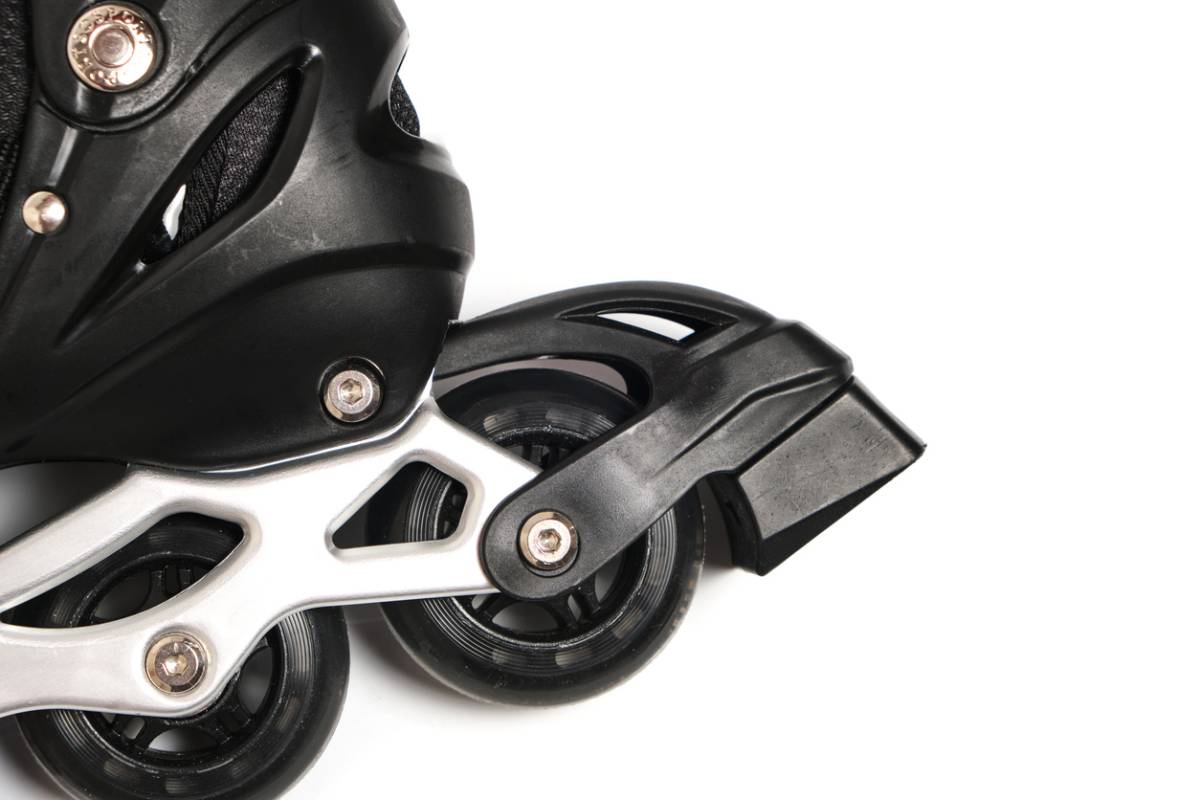
Your roller skate brake pads serve as your first line of defence against unchecked momentum. Imagining barrelling down a street on your roller skates with nothing to stop you. It likely would not end well. It follows that you want to keep those brake pads in good shape. But how often should you change skate brake pads?

How Often Should You Change Skate Brake Pads?

Brake pads can last for months to years. But they will not last forever. In fact, you will need to replace them well before they wear out completely. As with car brakes, skate brake pads can lose efficacy as they wear down.

A good rule of thumb is to change skate brake pads once the material wears down to 3 mm thick (or less). For anyone reading this from the US, that comes out to just under 1/8 inch. 

Many Brake Pads Have Indicators

Now, 3 mm is pretty thin and can be hard to judge by eye alone. If you keep an eye on them, you will notice them wearing down over time. Once they start thinning out, it is time to break out a ruler.

However, many manufacturers do not expect you to be measuring your pads before each ride. So, many modern roller skate brake pads have indicators on them that show when they have worn down too much. 

These indicators can vary in type and placement. Often, there will be some visual indicator (like a color) that appears once the pad has worn down enough. When you see an indicator, it is high time to replace your brake pads.

Where Can I Find Brake Pad Replacements?

Most skate shops will sell a variety of brake pad replacements. However, the easiest bet is to find them at an online shop like Crazy Skates. Keep in mind, not all brake pads will suit all types of roller skates. 

What Affects Brake Pad Lifespan?

No one wants to replace roller skate brake pads all the time. So it helps to know what can affect the lifespan of your brake pads. 

Brake Pad Quality

Buying cheap brake pads from Amazon or Temu is the wrong direction to take. These products tend to be lower quality or even knock-offs of established brands.

Low-quality brake pads cause two main problems: The biggest is that they may work less effectively. When needing to brake, you want something that can actually work.

Secondly, they can wear down more quickly. In the end, you may need to spend more money on frequent replacements.

Skating Style

Frequent and hard braking will wear down your roller skate pads more quickly. Skaters going for simple commutes or leisurely rides will see their pads last longer. If you are in a hilly area or frequently brake, you will see faster wear.

Aggressive skating can also wear down your pads. Essentially, the more contact your pads have with a surface, the sooner they wear out.

Riding Conditions

Clear, dry weather is best for brake pad lifespans. On the other hand, less tidy conditions can accelerate wear. Expect more wear if you skate in conditions or areas that are:

  • Wet and rainy
  • Muddy
  • Sandy


Type of Braking

Slow, gentle braking will preserve your pads. And fast, intense braking can wear them down. Both methods are entirely legitimate. However, simply keep in mind that braking intensity can influence how long your pads will last.

Australia’s Top Online Skate Shop

Visit Crazy Skates, an online skate shop known for its vast inventory of skating supplies for skaters of all skill levels.