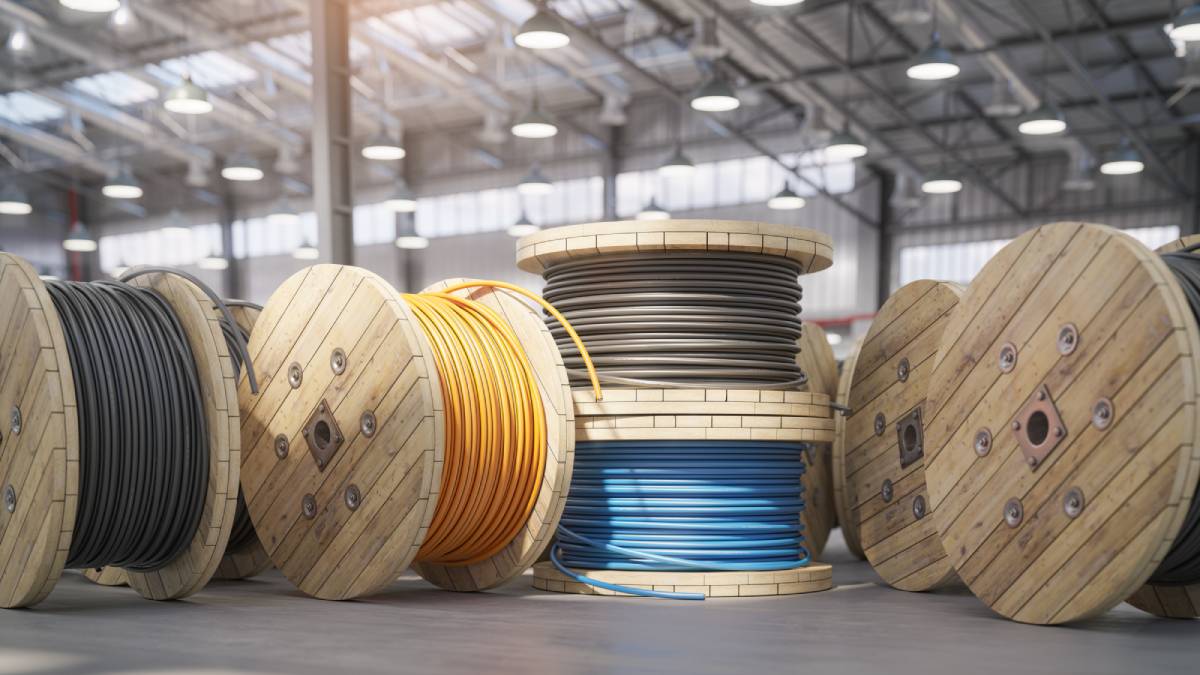
Common Cable Design Mistakes Engineers Should Avoid

Cable design is a crucial aspect of any electrical or communication system. Whether it is designing custom wires and cables for industrial facilities, commercial buildings, telecommunications, or specialized equipment, every decision affects performance, safety, durability, and long-term reliability. Minor mistakes or oversights can result in signal interference, overheating, premature cable failure, or costly repairs in the long run.

There are various common mistakes that engineers must avoid to help reduce project risks, improve system efficiency, and ensure compliance with industry standards. Here are the common design mistakes engineers should avoid.

Common Design Mistakes Engineers Should Avoid

1. Choosing the Wrong Conductor Size

Choosing a conductor that is either too big or too small for the application is one of the most common and biggest mistakes an engineer could make.

When a conductor carries more current than it was designed to, it can overheat. This can damage insulation and create fire hazards. On the contrary, if a conductor is oversized, it can increase material costs, add unnecessary weight, and complicate the installation. 

To avoid making this mistake, always calculate the required conductor size based on the current load, voltage drop, ambient temperature, installation conditions, and applicable electrical codes.

2. Ignoring Environmental Conditions

Cables rarely operate under ideal conditions. The problem is that engineers sometimes focus only on electrical equipment while overlooking the environment in which the cable will be installed.

Moisture, UV exposure, chemicals, oil, saltwater, vibration, and extreme temperatures are factors that should be considered because they can significantly affect cable performance and lifespan. The wrong insulation or jacket material may result in cracking, corrosion, or insulation failure.

A careful evaluation of environmental conditions should be done before deciding on cable materials to ensure long-term durability.

3. Overlooking Voltage Drop

Voltage drop is also often overlooked during the design phase, especially for long cable runs.

Excessive voltage drop can affect equipment efficiency, cause motors to overheat, create inconsistent performance, and increase energy consumption. Equipment may even fail to operate altogether.  

Minimize voltage drop and maintain system performance with proper cable sizing, shorter cable routes where possible, and accurate load calculations.

4. Failure to Consider Electromagnetic Interference

Modern facilities contain numerous electrical devices that generate electromagnetic interference. Lack of proper planning may result in noise, data loss, or communication errors.

Running power and data cables too closely together, using inadequate shielding, or selecting the wrong cable construction can all contribute to EMI issues.

Reduce interference by separating power and signal cables, using shielded cables when necessary, and following proper grounding practices.

5. Selecting the Wrong Insulation Materials

A cable designed for indoor use will most likely fail when used in a harsh industrial environment.

Different insulation materials have varying levels of resistance to heat, chemicals, abrasion, flame, and moisture. The wrong insulation can shorten cable life and increase maintenance costs.

Evaluating both current operating conditions and future environmental exposure is essential before making insulation choices.

6. Ignoring Mechanical Stress

Cable performance depends on more than electrical characteristics. Mechanical stresses like bending, pulling tension, twisting, and vibration should be considered during design.

Proper strain relief, flexible cable construction where needed, and careful routing planning all help extend cable service life.

7. Poor Cable Routing and Management

Overheating and mechanical damage may occur with overcrowded cable trays, tight bends, unsupported cable runs, and inadequate separation between different cable types.

Cable management improves airflow and simplifies troubleshooting. It also allows for future system expansion.

8. Forgetting Future Capacity

Engineers should design cable systems with a view to future expansion, equipment changes, and additional circuits that may be needed later on. Failing to design with room for growth can require expensive retrofits or complete cable replacements.

Design should be flexible for future upgrades while minimizing disruption.

9. Neglecting Compliance with Industry Standards

Cable design should comply with national and international standards to ensure safety and reliability.

Overlooking industry standards may result in failed inspections, legal issues, and increased project costs.

Engineers should consider relevant electrical codes, fire safety regulations, and industry standards throughout the design process.

Talk with Experts for Dependable Cable Solutions for Your Projects

Avoiding cable design mistakes is crucial for building safe, efficient electrical systems that will last a long time. Contact our team today to ensure you never have to suffer through the consequences of cable design mistakes.
How to Request a Custom Cable Prototype

Off-the-shelf cables can work for many applications. However, some projects require a more specialized solution, such as custom wires and cables. Whether it is medical equipment, industrial machinery, telecommunication systems, or consumer electronics, you need a custom cable prototype to help ensure optimal performance, reliability, and compatibility.

It can sometimes be intimidating to request a custom cable prototype, especially if you are not familiar with cable manufacturing. But if you provide the right information from the outset, you can streamline the process, reduce costly revisions, and produce a prototype that closely matches your project’s requirements. If you are wondering how to request a custom cable prototype, here is what you need to do.

How to Request a Custom Cable Prototype

Understand Your Application Requirements

Ensure that you understand how the cable will be used in your project. Do this before you contact a cable manufacturer. Remember that the intended application influences every aspect of the cable’s design, from the conductor’s materials to insulation and connector types.

Try to answer the following questions:

  • Will the cable be used indoors or outdoors?
  • Will it be exposed to moisture, chemicals, or extreme temperatures?
  • Does it need to withstand repeated bending or movement?
  • What voltage and current level will it need to carry?
  • Does space require a specific cable diameter?’

Being clear about your application allows the manufacturer to recommend the most suitable materials and construction methods.

Prepare Technical Specifications

To get an accurate prototype, always give detailed specifications. You may not be an engineer,  but if you do your best to provide as much technical information as possible, you can prevent misunderstandings.

You may include these important details:

  • Cable length
  • Wire gauge (AWG)
  • Number of conductors
  • Shielding requirements
  • Connector types
  • Pin configurations
  • Insulation materials
  • Voltage ratings
  • Data transmission requirements

Include any drawings, wiring diagrams, CAD files, and photographs of a current cable assembly in your request. These visual references can help manufacturers better visualize your needs more quickly.

Identify Performance Expectations

A cable prototype should not only meet your equipment requirements, but also exceed them. It should also meet performance expectations. You need to discuss things like signal integrity, flexibility, durability, and environmental resistance with your manufacturer.

For instance, in high-speed data applications, you need special shielding to minimize interference. Or if they will be used in industrial environments, you need rugged jackets that resist abrasion and chemicals.

Help engineers design a prototype capable of meeting real-world operating conditions by clearly communicating your performance expectations from the outset.

Specify Testing and Compliance Requirements

It would be helpful to familiarize yourself with relevant industry standards and quality requirements. Organizations such as the IPC provide resources and standards that support reliable cable and wire harness design and manufacturing. 

If your project falls within a regulated sector where cables must comply with specific standards and certifications, mention these requirements during the initial consultation.

Examples may include:

  • UL certification
  • RoHs compliance
  • ISO standards
  • Medical device requirements
  • Military specifications
  • Automotive industry standards

In addition, discuss any testing procedures that you would like to be performed on the prototype. Such procedures may include continuity testing, pull testing, environmental testing, or signal performance evaluations.

When compliance requirements are addressed from the beginning, you can save significant time later in the development process.

Discuss Production Goals

It is important to ensure that manufacturers understand your long-term plans even if your initial request is only a prototype. A design that works well for a prototype may need to be adjusted before large-scale production. The prototype will answer the question, “Does this design work?”. However, large-scale production raises another question: “Can this design be produced efficiently, consistently, and affordably?”

Be sure to share the following information:

  • Estimated annual volume
  • Future scalability needs
  • Budget expectations
  • Desired production timeline

When the manufacturer understands your goals, it will be easier for them to recommend materials and processes that support both prototyping and eventual manufacturing.

Request Design Support When Needed

Custom cable manufacturers usually offer engineering assistance throughout the design process. If you are not certain about things like connector selection, shielding options, or cable construction, all you have to do is ask for guidance.

Experienced engineers can easily identify potential issues before production even begins. They can suggest improvements to enhance performance, reduce costs, or simplify installation.

By following the suggested actions, you can significantly improve your project’s success.

Bring Your Custom Cable Project to Life

If you are ready to bring your custom cable project to life, an experienced team can help you develop a custom cable prototype tailored to your specifications, performance requirements, and production goals. Contact us today to discover how our expertise can help your project succeed.

How High Temperature Cable Prevents Equipment Failures in Healthcare

In modern healthcare settings, reliability is more than a priority; it is a necessity. It is a matter of life and death. From diagnostic imaging systems to surgical equipment and sterilization units, hospitals rely on complex electrical systems, including custom wires and cables, that must operate flawlessly under demanding conditions. One critical component in ensuring this reliability is a high-temperature cable. They are designed to withstand extreme heat and harsh environments and are essential in preventing equipment failures in healthcare settings. Unfortunately, they are often overlooked.

How High Temperature Cable Prevents Equipment Failures in Healthcare Settings

Healthcare facilities combine advanced technology with strict hygiene and safety standards. Autoclaves, MRI machines, CT scanners, and surgical lasers generate significant heat during operation. When exposed to elevated temperatures, standard cables can degrade over time. Insulation may crack, melt, or lose its effectiveness. This leads to electrical faults, short circuits, or even fires. That will not be an issue with high-temperature cables, which are specifically engineered to maintain their integrity even in extreme conditions. This ensures uninterrupted and reliable performance.

Thermal Resistance

This is one of the key ways high-temperature cable prevents equipment failure. These cables are usually made with superior insulation materials such as silicone rubber, fluoropolymers, or fiberglass, which can withstand temperatures that conventional PVC insulation cannot bear. Because of its thermal resilience, the cable performs reliably even under continuous exposure to heat from medical devices or sterilization processes. With high-temperature cables, the risk of electrical leakage and equipment malfunction is reduced.

Resistance to Chemical Exposure

High-temperature cables are also designed to resist chemical exposure. Hospitals use aggressive cleaning agents and disinfectants to keep a sterile environment. In contrast to standard cables that deteriorate when exposed to these substances, high-temperature cables are built to resist chemical corrosion. This ensures longevity and consistent operation even in rigorous cleaning conditions.

Flexibility

Cables used in medical equipment must bend and flex without breaking or losing functionality, as medical equipment often includes moving parts or requires frequent repositioning. This flexibility, even at high temperatures, reduces mechanical stress and prevents damage to the internal conductor. This is especially important for robotic surgical systems or mobile diagnostic equipment, where cable durability directly affects performance.

Enhanced Fire Safety

Any electrical failure can have serious consequences, including the risk of fire. High-temperature cables are usually flame-retardant and are designed to minimize smoke emission. There is a lower likelihood that these cables will propagate flames or release toxic fumes in the event of a fault. This provides valuable time for emergency response.

Overall Equipment Efficiency and Lifespan

Since high-temperature cables operate within their thermal limits, there is less wear and tear. Because of this, you can be assured of fewer unexpected breakdowns. This makes healthcare equipment more reliable, which is crucial in healthcare environments where delays can spell the difference between life and death. Additionally, high-temperature cables require lower maintenance costs and reduce the need for frequent replacements. 

Compliance with Industry Standards

There are strict regulatory requirements that healthcare equipment must meet to ensure safety and performance. High-temperature cables are engineered to meet or even exceed these standards. This helps healthcare facilities avoid costly penalties or equipment recalls.

Benefits of High-Temperature Cables

High-temperature cable is an essential component of healthcare equipment, especially in preventing equipment failures in healthcare facilities. It offers superior heat resistance, chemical durability, flexibility, fire safety, and long-term reliability, ensuring that critical medical equipment functions as intended. In addition, it helps facilities maintain compliance and avoid costly penalties. In environments where every second counts and every system’s flawless performance affects patient health and safety, investing in high-quality cables is a commitment to patient safety, not just a technical decision.

Partner with a Trusted Supplier of Engineered Cable Systems

If you are a healthcare equipment manufacturer or a healthcare provider looking to enhance reliability and safety, choosing the right cable is crucial. Call us today for medical-grade high-temperature wire and cables and ensure your facility is well-equipped to meet the demands of modern healthcare.

Why Wired Audio Still Matters in a Wireless World

Today’s market is dominated by wireless technology, from Bluetooth headphones to fully wireless home entertainment systems; it may seem like wired audio has become obsolete. However, this may come as a surprise. Why wired audio still matters in a wireless world becomes clear when you consider the needs of professionals and other everyday users who prefer wired audio. From professional studios to home listening setups, wired audio remains the go-to choice for anyone who refuses to compromise on sound. Whether you need a dependable performance or simply want a better listening experience, wired audio delivers the reliability and quality that wireless audio struggles to match.

Why Wired Audio Still Matters

Sound Quality

This is one of the most compelling reasons why wired audio still matters in a wireless world. Wired connections transmit audio signals directly through a physical cable without needing compression or wireless transmission protocols.

Wireless audio technologies like Bluetooth will often compress audio data in order to transmit it more efficiently over the air. There have been significant improvements with these systems, but compression can still reduce sound fidelity, meaning some of the fine details in your audio can get lost before they ever reach your ears. On the other hand, with wired audio, the signal’s integrity is maintained. This produces clearer highs, deeper lows, and overall richer audio.

This is crucial for concert venues, recording studios, broadcast stations, and other environments where sound accuracy is critical.

Reliable and Stable Connections

Wireless audio devices rely on radio frequencies. The problem with this is that it can be affected by interference from other devices, physical obstacles, or network congestion. In large events, hotels, or corporate offices, and other crowded environments, wireless signals may become problematic.

In wired systems, these risks are eliminated by providing a stable and dedicated connection between audio components. You will not have to worry about signal dropouts, pairing failures, or unexpected interference.

Wired systems are especially essential for live events, presentations, performances, and other situations where reliability is crucial. A wired microphone or sound system ensures uninterrupted audio. This allows speakers and performers to focus on their message rather than worry about technical issues.

Lower Latency

Latency is the delay between the time a sound is produced and when it is heard through speakers or headphones. Note that even small delays can be noticeable and disruptive in professional audio environments.

Wireless systems introduce latency because audio signals are encoded, transmitted, received, and decoded. Modern technology has already minimized this delay. However, in wired audio, the transmission is almost instant.

Low latency is essential for musicians, video production, and broadcast applications where visual and audio elements should be precisely synchronized.

Greater Security and Privacy

Wireless audio systems transmit signals through the air. Because of this, they can be intercepted or accessed by unauthorized users. Many wireless systems use encryption, but security remains vulnerable.

Because signal from a wired audio travels through physical cables rather than open radio frequencies, wired audio connections provide a higher level of privacy. This makes wired systems ideal for environments where confidential or sensitive information is being shared, such as boardrooms, government facilities, and legal offices.

Long-Term Efficiency

Many people like wireless audio because they perceive it as convenient. The need for frequent charging, battery replacement, firmware updates, and periodic device replacement is often overlooked. All these maintenance requirements increase operational cost.

In comparison, wired systems are more durable and typically require less ongoing maintenance. The cables need to be installed properly, and the hardware can function for years with minimal upkeep.

Ideal for Permanent Installations

Auditoriums, schools, churches, stadiums, and conference halls all often rely on fixed infrastructures.

Wired audio systems integrate seamlessly into this setup.

Get Custom Wires and Cables today.

For portable devices, wireless technology undeniably offers flexibility and convenience, especially for casual listening. However, there is no denying that wired audio systems remain unmatched for reliability, audio fidelity, and performance in professional environments. If you are looking for custom wires and cables, call us today so we can help you get the wire you need.

What Is Insulating & Jacketing?

In construction, whether industrial, commercial, or residential, insulating and jacketing play a crucial role in protecting systems, improving efficiency, and ensuring safety. Custom wires and cables are protective solutions that help maintain performance and extend the lifespan of critical components. Insulating and jacketing are often used together, but it is important to note that they refer to distinct, complementary processes. Understanding how these two work and why they are essential helps building owners, facility managers, and builders make better decisions.

What Is Insulating and Jacketing?

Insulating

Insulating involves wrapping pipes, ducts, tanks, or equipment with materials designed to prevent heat transfer. In short, insulation keeps hot things hot and cold things cold.

It is commonly applied to:

  • HVAC ducts
  • Steam and hot water pipes
  • Chilled water lines
  • Boilers and tanks
  • Industrial Equipment

The application and operating temperatures will determine the materials used for insulation. There is a wide variety of insulation materials. This includes fiberglass, mineral wool, calcium silicate, foam, and elastomeric rubber.

Primary Purposes of Insulation

Energy Efficiency

Reducing heat loss or heat gain lowers energy consumption, leading to lower operating costs

Temperature Control

Systems usually operate at maximum performance if temperature is controlled.

Personnel Protection

It reduces surface temperature and minimizes the risk of personnel getting burns.

Condensation Prevention

Moisture buildup can cause corrosion and mold. With proper insulation, moisture buildup can be prevented.

Without Insulation:

  • Systems work harder
  • Energy is wasted
  • Equipment will have to be repaired or replaced more often

What Is Jacketing?

Jacketing works hand in hand with insulation. Insulation does the thermal work while jacketing provides the protective outer layer. Jacketing protects the insulation from moisture, damage, and environmental exposure.

When selecting jacketing materials, the environment and the system’s purpose should be considered. Common jacketing materials include aluminum, stainless steel, PVC, galvanized iron, and painted metal sheets.

Jacketing Functions:

Mechanical Protection

Protects the insulation to minimize the risk of puncture, tear, and crushing.

Moisture Protection

It prevents rain, humidity, and condensation from reaching the insulation.

Corrosion Prevention

By protecting the insulation from moisture, jacketing reduces the risk of corrosion under insulation.

Aesthetic Finish

It makes piping and equipment look cleaner, more professional, and aesthetically pleasing.

Jacketing ensures that insulation works at its best for years.

Why Insulating and Jacketing Work Together

Insulation needs jacketing. These two work together. This is why they are most effective when they are designed as a complete system. Yes, insulation may serve energy, but it needs jacketing to prevent damage. Without jacketing, insulation will be susceptible to damage. Jacketing alone provides protection, but without insulation, there is no thermal benefit.

When Insulation and Jacketing work together, they:

  • Extend the lifespan of the mechanical system
  • Reduce maintenance and repair costs
  • Improve workplace safety
  • Conserve energy

Facilities That Benefit from Insulation and Jacketing

  • Factories
  • Power plants
  • Hospitals 
  • Commercial buildings
  • Large residential developments

They are commonly used in mechanical rooms, industrial plants, food processing facilities, high-rise buildings, and outdoor piping networks.

Insulating and jacketing not only protect systems and improve efficiency, but they also protect people and property.

Why Professional Installation Is Important

When insulation is poorly installed or jacketing is improperly sealed, it can lead to heat loss, moisture intrusion, and premature system failure. To ensure that insulation and jacketing are done correctly, it is best to hire professionals.

Professional Installers Ensure:

  • Proper installation thickness
  • Correct material selection for temperature and environment
  • Secure weather-tight jacketing seams
  • Compliance with safety and building standards

People do not usually see the insulating and jacketing in a facility, but they are among the most important. If you are looking for material options for your insulating and jacketing, talk to one of our engineers today about your options and the possibility of customization. 

featured image for why custom cables matter for your business

Why Custom Cables Matter for Your Business

Having custom wire & cables can make a significant difference in function and duration. While not every business may need custom products, many absolutely do. In sectors like aerospace, for example, absolute precise specifications are a must. So let’s see why custom cables matter for your business.

Why Custom Cables Matter for Your Business

Optimized Performance and Signal Integrity

Putting on a small powerpoint for the office might not require absolute signal fidelity. But many other industries do, especially data centers, telecoms, and 5G networks. High-quality custom cables are made of premium materials and excellent shielding. Together, these minimize signal loss and electromagnetic interference.

Enhanced Durability in Harsh Environments

Aerospace in particular puts materials through some of the harshest environments around. From radiation to extreme temperatures, cables are exposed to elements that require specialized jackets and connectors. Even environments that are stable but require continuous flexing may need such solutions. Examples include:

  • Robotics
  • Industrial automation

Operation Efficiency and Reduced Downtime

Custom lengths help avoid “cable nests” to begin with. Even better, custom sizes help promote airflow, which reduces cooling costs. Organized, custom-color-coded cables simplify maintenance and troubleshooting, which streamlines efficiency.

Space and Weight Optimization

In certain industries, every gram counts. Custom designs maximize the mass of cables down to micro precision. Even a single extra millimeter could mean cable failure in some cases.

Long-term Cost Savings

The higher initial investment may cause some clients to shy away. However, the long-term reduction in cost is well worth it. Expect fewer repairs, less waste, and reduced likelihood of premature wear and tear.

Safety and Compliance

Custom wires and cables reduce the risk of events like fires or shocks. You can also ensure full compliance with national and international safety standards.

When to Consider Custom Cable Solutions

Some industries make choosing custom cables the obvious choice. But many other instances might seem more of a gray area. Knowing when to go custom involves fully visualizing your business’s needs. Some businesses may be surprised at how they may actually need custom cables.

Some reasons organizations may consider custom solutions include:

  • Experiencing frequent cable failure due to movement, environment, or vibration
  • Needing nonstandard cable lengths
  • Having unique connector requirements
  • Routine exposure to heat, chemicals, or moisture
  • Desire to simplify complex wiring situations

What Is the Process for Getting Custom Cables?

Defining Technical Needs

The process begins with sorting out the precise specifications and environmental needs for your cables.The more detail, the better. Some companies provide assistance in this step, matching clients with an engineer to figure out the numbers and build up the right documentation.

Quote & Proposal

With the needs outlined, you will receive a quote that breaks down estimated costs and timeframes. Ideally, this should be fully transparent and easy to understand even without an engineering degree. Factors like materials, cable quantity, and ease of production all factor into a quote.

Prototyping

Before mass production begins, several prototypes may be made. These can then be tested to ensure they perfectly match the requirements of their use. Mass production only begins once a prototype is fully approved. Not all cases involve mass production, but they may still need a prototype.

Manufacturing

The cables you need are made and cut to precise specifications. Each cable will go through a series of quality assurance steps before it is shipped off to the client.

The Top Solution for Specialty Cables

Whatever industry you are in, Calmont Wire and Cable offers specialty cable solutions that make a difference. From aerospace to medicine and everything in between, reach out to start with prototypes or build custom specifications.

Gloved technician assembling PCB on modern SMT production line

How Shielding Prevents Interference

Electronic systems are everywhere, from industrial machinery and medical devices to vehicles and consumer electronics. And the more powerful and compact these systems become, the more they become susceptible to interference, especially when relying on complex interconnections such as custom wires and cables. One of the most effective ways to protect sensitive components and ensure reliable performance is through shielding. To maintain system integrity and comply with industry standards, engineers, designers, and manufacturers should understand how shielding prevents interference.

How Shielding Prevents Interference

Understanding Electromagnetic Interference

This happens whenever electromagnetic signals disrupt the normal operations of an electronic device. Where do these signals come from? Motors, powerlines, radio transmitters, or electronic equipment that is close by. Unfortunately, they can also be generated internally. This is because components within a device emit electromagnetic energy that interferes with other parts of the same system.

The problem with interference is that it can lead to data corruption, signal degradation, malfunction, or worse, complete system failure. In critical applications such as aerospace, healthcare, and industrial automation, minor disruptions can lead to serious consequences.

The Role of Shielding

Typically made from conductive or magnetic materials, such as copper, aluminum, steel, or specialized alloys. The material of a shield is a very important factor in its effectiveness as a shield (its conductivity, permeability, thickness, and continuity). The material will either reflect the energy away from the components or dissipate it as heat, preventing interference from affecting the operation. 

Shielding prevents interference through three primary mechanisms.

Reflection

Conductive materials can be used to reflect electromagnetic waves away from sensitive areas. Radio waves are considered high-frequency and especially susceptible to reflection.

Absorption

Other shielding materials can be used to absorb electromagnetic energy rather than reflect it. Ferrites or steel, for instance, are magnetic materials that are particularly effective in absorbing low-frequency interference. The absorbed energy is then converted to small amounts of heat. This reduces the strength of the interfering signal.

Grounding and Redirection

For effective shielding, you need proper grounding. A grounded shield provides a safe path for unwanted electrical currents to flow away from sensitive parts. Without grounding, a shield can unintentionally act as an antenna. This worsens interference instead of preventing it.

Common Types of Shielding

  • Enclosures and housing that surround the whole device
  • Shielded cables that prevent signal leakage and external noise pickup
  • Gaskets and seals that close gaps in enclosures to prevent interference from leaking in or out
  • Coatings and films applied to circuit boards or plastic housings

It is important to remember that seams, vents, or connector points can reduce shielding effectiveness if not properly sealed.

Why Shielding Is Critical in Modern Design

The risk of interference grows as devices shrink and frequencies increase.

Effective shielding helps manufacturers:

  • Ensure reliable and consistent device performance
  • Protect data and signals
  • Make electronic components live longer
  • Meet EMC and regulatory compliance requirements
  • Reduce costly redesigns and field failures

Preventing electromagnetic interference and ensuring the reliable operation of modern electronic systems requires shielding. By reflecting, absorbing, and redirecting unwanted electromagnetic energy, shielding effectively protects sensitive components and signal paths. With a thoughtful design and proper implementation, shielding becomes vital in achieving performance, compliance, and long-term reliability in today’s electronic environment. It is usually not just an option but a critical requirement for market approval.

Improve Signal Integrity and Reduce Interference 

If you are looking to improve signal integrity and reduce interference in your applications, you can trust our braiding and shielding to ensure your wires and cables are engineered for maximum protection, performance, and reliability. Contact us today to discuss your requirements and explore how customized solutions can help your systems meet demanding operational and compliance standards.

Wire electric cable on wooden coil or spool in warehouse.

The Role of High-Temperature Wire in Modern Manufacturing

The demand for manufacturing components that can withstand extreme conditions is now higher than ever. Be it heavy machinery or next-generation electronics, industries rely on materials engineered for durability, efficiency, and safety. Usually designed alongside custom wires and cables, high-temperature wire is one of these essential components. You know it is important, but you may wonder,  what is the role of high-temperature wires in modern manufacturing?

Why Manufacturing Needs High-Temperature Wire

High-Temperature Wire

High-temperature wire is electrical wiring specifically engineered to withstand temperatures ranging from 150°C to over 1000°C, depending on the material and construction. These wires are usually manufactured with heat-resistant insulation such as fiberglass, silicone rubber, PTFE, mica, or mineral insulation. These materials are not only heat-tolerant but also chemical-, abrasion-, and moisture-resistant. These characteristics make the wire suitable for harsh, demanding environments.

Manufacturing facilities depend on heavy-duty machines, automated systems, and continuous operation. They require high-temperature wire to handle demanding conditions and maintain reliable performance where standard wiring would degrade.

Modern machines often run hotter, faster, and longer, making heat-resistant wiring essential. Without high-temperature wires, industries would have to operate less efficiently and face more frequent breakdowns and safety hazards.

High Temperature Wires Perform Multiple Roles

  • Ensuring Electrical Safety: Heat is one of the biggest enemies of electrical systems. When the temperature is too high, the insulation can melt, crack, or short-circuit. This can lead to equipment failures or even cause fires. High-temperature wires provide stable insulation, reducing the risk of accidents.
  • Improving Equipment Reliability: Downtimes are costly. When machines overheat and malfunction, production can stop, resulting in massive losses. With high-temperature wires, you can be assured of consistent power delivery, longer machine life, and fewer maintenance interruptions.
  • Meeting Industry Standards and Compliance: There are strict safety and quality regulations that have to be met, especially in industries such as aerospace, automotive, steel fabrication, chemical processing, and electronics. By using high-temperature wiring, manufacturers can comply with industry standards.

Key Benefits

  • Safety and Fire Resistance: One of the most important benefits is reduced fire risk. Even in unforeseen events and system failures, the melting or combustion of high-temperature wires is less likely. This is crucial, especially for high-density or enclosed environments.
  • Durability: They can withstand vibration, friction, and rough handling.
  • Longevity: They do not need to be frequently replaced, which can help reduce downtime. Both can result in lower operational costs over time.
  • Consistent Performance Under Stress: They provide stable conductivity in unstable environments because they resist heat, chemicals, moisture, and mechanical stress.
  • Versatility: These wires can be customized according to size, variation, conductor type, and temperature rating. Because of this, they can adapt well to various manufacturing needs and processes.

Areas Where High-Temperature Wires Are Used

Automotive Manufacturing

Electronics in motor vehicles are placed near engines and exhaust components. High-temperature wires ensure sensors, control modules, and ignition systems function even in high heat.

Metal and Glass Production

Metal and glass production use extremely high temperatures. The wires used should withstand continuous exposure to heat.

Aerospace and Defense Manufacturing

In manufacturing aircraft engines, avionics, and military-grade equipment, high-temperature wires are used because they can withstand extreme heat, including rapid temperature changes.

Semiconductor and Electronics Production

Stable, interference-free electrical connections are essential for precision electronics. To maintain signal integrity even in heat-intensive processes, high-temperature wires are used.

High heat is necessary to manufacture sensors, microchips, and circuit boards, and high-temperature wires support the building of these key components that power smartphones, appliances, and computers.

Industrial Machinery and Automation

Robotics, cutting tools, and machinery that operate with heat-intensive processes are increasingly being used in factories. High-temperature wires can ensure performance stability in the following areas:

  • Furnaces and kilns
  • Industrial heaters
  • Welding equipment
  • Injection welding machines

Ensure Safety and Productivity

Avoid safety risks and unnecessary downtime. Use high-temperature cables and wires to ensure reliability and safety. If you want to learn more about our wires and cables, call us and speak with one of our agents today.

Man working on prototype development.

How Long Does Prototype Development Take?

How long does prototype development take? This is one of the most common questions innovators and entrepreneurs ask when bringing a new product idea to life. Several factors, including complexity, budget, and available resources or materials such as custom wires and cables, affect the time it takes to develop a prototype. Understanding the general timeline and the different stages involved in creating a prototype can help you keep your expectations realistic.

How Long Does Prototype Development Take?

Prototype development is a process in which a concept or design is turned into a tangible and working model. With the help of prototypes, you can test usability, design, and functionality before mass production starts. Testing is crucial in product development because it is a way to validate your ideas, attract investors, and refine details. 

The typical development timeline is as follows:

Concept and Design (1 to 3 weeks)

This is where sketches, CAD (computer-aided design) models, and design specifications are finalized.

Initial Prototype (2 to 6 weeks)

At this stage, a basic model using rapid prototyping techniques like 3D printing is created.

Testing and Feedback (2-4 weeks)

The prototype undergoes testing and assessment of its usability, performance, and functionality.

Revisions and Refinement (2-8 weeks)

Based on the testing results, the design is revised and refined. Changes are made to improve the prototype and align it with user needs or manufacturing requirements.

Final Prototype (1-4 weeks)

At this stage, you now have a polished version you can be proud of. The prototype is now ready for investor pitches, market testing, or pre-production.

Prototype development usually takes 2 to 6 months. Simple products can take as short as 4 to 6 weeks to prototype, whereas highly complicated ones can take a year or even more.

Factors that Influence Prototype Timelines

The given timeline, although typical, is not the same for everyone. There are several factors that affect it.

Complexity of the Product

Simple products naturally take a shorter time to prototype than products with intricate features like a smart home device or wearable technology. Complicated products like this can take months to prototype.

Materials and Processes

The materials used in creating the product, whether metal, plastic, textile, or electronic, affect the development time. Some materials can easily be 3D printed, while some need specialized fabrication and longer lead times.

Design Revisions

It is very rare for the first prototype to be the final one. There are usually multiple revisions, changes, and improvements in the form and function before the perfect prototype is created. All these changes and revisions make the process longer.

Resources and Expertise

A team with its own designers, engineers, and manufacturing partners can move a lot faster than a startup that has to outsource everything.

Budget

A higher budget allows for simultaneous work on different prototype aspects. This can shorten the timeline. On the contrary, when funds are limited, tasks are completed in stages and this can extend the timeline.

How to Streamline the Process

Have a Clear Goal 

Be clear about what you want to prove before you start.

Prioritize Features

Focus on the features first. You do not have to perfect everything at once.

Leverage Rapid Prototyping

Using 3D printing, virtual stimulations, and modular designs can save you time.

Work with Experts

Working with experienced engineers and designers can save you from costly mistakes.

Stay Flexible

Revisions and delays are normal parts of the process. Remember that a prototype is meant to evolve.

Seek the Help of Experts Today

Bringing an idea or concept to life is exciting and prototype development is an important part of this process. While timelines vary, most projects fall between a few weeks to several months depending on the factors listed earlier. Moving quickly enough to maintain momentum while ensuring that your prototype is functional, testable, and aligned with your vision will help you in creating the final prototype. 

Whether it is a simple product or something that uses cutting-edge technology, understanding the process and working with experts who know what they are doing can reduce stress and frustration, and increase your chances of a successful product launch. 

If you are in the process of product development and you need expert help with your prototype, feel free to get in touch with us today.

featured image for what is a whitelabel reseller program

What Is a Whitelabel Reseller Program?

Many companies want to offer software services to their clients without building the technology themselves. A whitelabel reseller program provides the perfect solution. In this arrangement, one company creates a product, and another company sells it under their own brand name. The original creator remains invisible to the end customer. This business model has become particularly popular in the software industry, especially with automated texting software and whitelabel SMS reseller program opportunities.

What Is a Whitelabel Reseller Program?

Whitelabel products come fully developed and ready to sell. The reseller simply adds their logo, colors, and branding elements. The end customer never knows who actually built the software. They only see the reseller’s brand throughout their entire experience.

How Whitelabel Programs Function

A whitelabel reseller program typically starts when a software company develops a complete product. For automated texting software, this includes the messaging platform, user interface, analytics dashboard, and all technical infrastructure. The developer then offers this complete package to resellers who want to enter the SMS marketing space.

The reseller purchases access to the platform at wholesale rates. They receive tools to customize the appearance with their own branding. Most programs provide a separate admin panel where resellers manage their customers, set their own pricing, and track usage. The original developer handles all technical maintenance, server costs, and software updates behind the scenes.

Payment structures vary across different programs. Some charge resellers a flat monthly fee for unlimited access. Others use a pay-per-use model where resellers pay based on customer activity. Many whitelabel SMS reseller program options offer tiered pricing that decreases unit costs at higher volumes.

Benefits for Resellers

Starting a software business from scratch requires massive investment. Developers, servers, testing, and ongoing maintenance can cost millions of dollars. A whitelabel program eliminates all development expenses. Resellers can launch their service immediately with proven, tested technology.

The speed advantage cannot be overstated. Building automated texting software might take 12-18 months of development. Through a whitelabel program, resellers can start selling within days. This rapid deployment allows them to respond quickly to market opportunities and customer demands.

Revenue Opportunities and Pricing Control

Whitelabel programs create significant profit potential. Resellers set their own prices, often marking up services by 200-300% above wholesale costs. A whitelabel SMS reseller program might charge resellers $0.005 per text message, while resellers charge their customers $0.02 per message. Volume quickly generates substantial monthly recurring revenue.

The subscription model particularly benefits resellers. Customers pay monthly fees for ongoing access to automated texting software. This creates predictable, stable income streams. A reseller with 100 customers each paying $99 monthly generates $9,900 in recurring revenue. The wholesale cost might only be $3,000, leaving $6,900 in monthly profit.

Resellers can also create custom packages targeting specific industries. A dental practice might need different features than a retail store. By packaging the same whitelabel platform differently, resellers can maximize revenue from each market segment. They might charge dental practices $299 monthly for appointment reminders while charging retailers $199 for promotional messaging.

Choosing the Right Program

Not all whitelabel programs offer equal value. Resellers should evaluate several factors before committing. The quality of the underlying technology matters most. Poor software will generate customer complaints and cancellations, regardless of branding.

Support structure proves equally important. The best programs provide both reseller support and end-customer support options. Some whitelabel providers offer support teams that answer calls using the reseller’s company name. This maintains the branding illusion while ensuring professional problem resolution.

Feature sets should align with target market needs. An automated texting software platform for restaurants needs different capabilities than one for real estate agents. Programs offering customizable features let resellers adapt to various customer requirements.

Contract terms require careful review. Some programs lock resellers into long-term commitments or impose territory restrictions. Others limit the number of customers or messages. Understanding all limitations prevents future business constraints.

Implementation and Marketing Strategies

Successful whitelabel resellers develop clear market positioning. Rather than trying to serve everyone, they focus on specific industries or business sizes. A reseller might specialize in whitelabel SMS reseller program services for fitness studios, becoming the go-to provider in that niche.

Training and onboarding determine customer success rates. Even though resellers don’t build the technology, they must understand it thoroughly. The best resellers create comprehensive training materials, video tutorials, and documentation using their own branding. This education helps customers maximize platform value.

Picking a Whitelabel Reseller Program

Whitelabel reseller programs offer a proven path to software entrepreneurship without technical development requirements. By partnering with established providers, resellers can offer sophisticated automated texting software under their own brand. The model particularly suits businesses with existing customer relationships who want to expand service offerings. 

Learn how a whitelabel reseller program might be the answer to your business’s problem!

Reference: 

Sharma, S. (2025). What is a White Label Reseller Program? A Beginner’s Guide for American Entrepreneurs