Archives 2025

Featured image for 9 Ways to Use AV Systems in Government Processes

9 Ways to Use AV Systems in Government Processes

Audio-visual (AV) systems enhance efficiency, communication, and accessibility even in government processes. Whether functioning in city council meetings or public safety operations, AV technology facilitates workflow. These tools can make your agency run smoother, improve engagement, and increase transparency. Business organizations and institutions, including government agencies, can use it as leverage. If you are wondering how you can transform your processes and bring your operations up to date using your AV system, here are nine ways government agencies can leverage AV systems to improve their operations.

9 Ways to Use AV Systems in Government Processes

1. Enhanced Public Meetings and Legislative Sessions

AV technology is essential not only for streamlining business practice but also for facilitating town hall meetings and council gatherings. Communication and public participation can be improved and enhanced through high-quality microphones, cameras, and live-streaming capabilities. The capability to stream meetings online or broadcast them on television enables government agencies to practice transparency and allows citizens to stay informed of important discussions.

2. Visual and Hybrid Conferencing

With the rise of remote work and hybrid setups, government officials can also conduct virtual meetings more easily. Seamless communications between departments, agencies, and even international entities are made possible by video conferencing solutions, interactive displays, and real-time collaboration tools.

3. Public Safety and Emergency Management

First responders and security personnel get their real-time information from AV technology. With the help of video walls, digital signage, and command center video setups, government agencies are able to monitor traffic, weather conditions, and emergency situations. All these agencies working in close coordination with each other during crises ensures faster response times.

4. Judicial Proceedings and Courtrooms

Modern courtrooms make use of AV systems to facilitate legal proceedings. High-quality sound systems, video conferencing for remote testimonies, and digital evidence presentation tools are excellent help in streamlining trials. Not to mention, recording and transcription services can help ensure accurate records.

5. Training and Professional Development

Government employees need to stay updated on policies, procedures, and technology. Virtual classrooms, video-based learning, and live demonstrations allow agencies to provide learning and development opportunities without the additional cost of transportation and other expenses related to face-to-face events.

6. Digital Signage for Public Communication

AV systems can help government agencies update the public about city events, display emergency evacuation routes, or help the public find their way in large government complexes with the use of digital signages.

7. Public Address and Mass Notification System

During emergencies or major public events, delivering crucial and timely communication to a large audience is essential. Government agencies can make use of public address systems, emergency alert broadcasts, and mobile notification tools to ensure faster and more efficient communication.

8. E-Governance and Citizen Services

Applying for permits, paying taxes, and accessing legal resources becomes possible and easier without even having to visit a government office in person. Access to essential services can be done through self-service kiosks, interactive touch screens, and virtual assistants, all powered by AV systems.

9. Enhancement of Visitor Experiences in Government Facilities

AV systems can provide immersive experiences for visitors in museums, historical sites, and government buildings. They can create engaging educational experiences with interactive kiosks, audio guides, and projection mapping. All these can make information more accessible and visually appealing.

Level Up Your Government Processes Today

As AV technology continues to evolve, its role in government operations becomes more vital. Whether it is increasing transparency, ensuring public safety, or making government services more accessible, AV systems help streamline workflows and foster more effective communication. If you want to have more information on digital transformation in government, visit the National Association of State Chief Information Officers (NASCIO). If you are in government and looking for an AV system you can use to level up the way you do things, contact Kanex Pro, and we will be glad to discuss more about the different government applications of our wide selection of AV equipment.


Featured image for The 5 Most Innovative Samsung Galaxy Z Flip 6 Features

5 Most Innovative Samsung Galaxy Z Flip 6 Features

The Samsung Galaxy Z Flip 6 is a game-changer. The phone’s creators packed it with a number of powerful, useful features that are sure to enhance your mobile experience. Keep reading to discover the five most innovative Samsung Galaxy Z Flip 6 features, and find a Samsung phone case retailer who can help you protect your investment.

5 Most Innovative Samsung Galaxy Z Flip 6 Features

1. Foldable Design

Easily one of the most exciting features of the Galaxy Z is its foldable design, otherwise known as clamshell. The clamshell form factor is not typically found with traditional smartphones. It offers users a nostalgic return to the aesthetics of older phone models while maintaining the convenience and usefulness of modern phones.

Luckily, this exceptional design will not hinder the function of your phone or your ability to protect it. A wide range of stylish, slim-fitting Samsung phone cases is available to shield your Galaxy Z from damage without adding bulk to its sleek design.

2. Flex Mode

To complement the Galaxy Z’s foldable design, Samsung created the phone with a versatile feature called Flex Mode. It allows apps to reposition to the top or bottom half of the screen when the phone is folded and essentially acts as a built-in phone stand. Arguably the most popular feature of the Galaxy Z, Flex Mode facilitates a number of hands-free capabilities like video calls, photography, media playback, and more. Pair this functionality with a sturdy protective case, and you’ve got a versatile device that can tackle any environment.

3. External Screen

Another incredible aspect of the Samsung Galaxy Z is the external screen. When the phone is flipped closed, the external screen offers a quick access point to crucial information. From the display screen, you can check notifications, respond to messages, take selfies, and even control your music without having to flip your phone open. This creative feature improves user efficiency and gives users the option to decide if they would prefer a half or full-sized screen for the task at hand.

Phone cases for the Samsung Galaxy Z are made to accommodate the additional screen while still protecting your phone from damage. They have strategically placed cutouts and hinges so that all edges of the phone are covered, and the screen remains unobstructed.

4. Durable Ultra-Thin Glass

The Samsung Galaxy Z also boasts a durable ultra-thin glass display. This advanced glass was specially designed to withstand scratches and cracks better than previous generations of foldable mobile devices. This advanced technology is lightweight and offers an extensive range of stunning display capabilities.

5. Seamless integration

The Galaxy Z integrates seamlessly with other Samsung devices and services so that Galaxy Z users can have a consistent and user-friendly experience across all of their Samsung devices. Specifically, this innovative feature grants you access to all of your devices at once. This compatibility is a must-have convenience whether you use your phone for work or play.

Frequently Asked Questions

Is the Samsung Galaxy Z Waterproof?

While not explicitly waterproof, the Samsung Galaxy is water-resistant. The Galaxy Z Flip 6 is water resistant up to five feet for 30 minutes. Check the specifications of your device to understand its features regarding water resistance.

How Do I Choose the Right Samsung Phone Case?

When choosing your phone case, consider the factors and features you need for your daily life. Ask questions like, “What level of protection do you need?” and, “What kind of design do you prefer?” These answers will help you determine which features to prioritize in your new case.

Are There Many Different Types of Samsung Phone Cases Available?

Yes, there are. You will be hard-pressed to find someone who does not own a mobile device, and manufacturers have flocked to meet the demand of keeping those devices protected. You can find thousands of options, from slim-fitting cases to rugged protective ones, both in retail stores and online.

Conclusion

Samsung once again proves its innovation with the Galaxy Z’s groundbreaking features. To protect this industrial marvel, invest in a high-quality smartphone case and accessories from ITSKINS. They have a massive collection of eco-friendly phone cases that will ensure your device stays in top condition for years to come and reflect the innovative design of the phone itself.

Featured image for What Safety Gear Do You Need for Roller Skating

What Safety Gear Do You Need for Roller Skating?

When shopping for roller skate parts and accessories, you might feel in over your head. You might come across knee pads, helmets, elbow pads, and even gloves. But what safety gear do you need for roller skating? Below, we cover the essentials and some specialty gear you should consider.

Roller Skating Safety Gear: It’s the Law

Parents should know that many states legally require minors to wear at least a helmet when roller skating. The same goes for riding bicycles, skateboards, and scooters. 

If you are 18 or older, you can legally roller skate without any protective gear. Still, for your safety, you absolutely should wear all appropriate gear even when the law does not require it. 

What Safety Gear Do You Need for Roller Skating?

Whether an adult or a minor, you absolutely need some safety gear while roller skating. Without the right gear, you set yourself up a range of injuries, including:

  • Concussion
  • Wrist sprains or breaks
  • Skinned knees
  • Bruises

A Helmet

The idea that you should wear a helmet when skating is widespread. Still, many adults choose not to wear them. All that stands between your brain and rock-hard concrete is less than a millimeter of skull. Admittedly, the skull can prove mighty durable, but even casual skating can lead to unforeseen and potentially severe injuries.

Studies show that wearing a helmet can reduce your risk of injury by about 29%. Even better, they can reduce the risk of injuries requiring an ambulance by 56%. Compared to ambulance rides, which can cost thousands of dollars, a helmet is a reasonable investment.

Elbow Pads

Part of the point of protective gear is to give you more options for falling. If you have protected areas, you can focus on landing on those parts safely. Elbow pads protect you when falling at unusual angles or at speeds when you cannot catch yourself.

Wrist Guards

The human wrist can take about 400 pounds of force before it breaks. That might sound like a lot. But a fall from standing can generate around 500 pounds of force. Yes, you can dampen the force of that fall on your wrists with excellent timing. But wrist guards do not require timing. They simply work. Keep your joints in good shape by protecting them with guards when roller skating.

Knee Pads

Like elbow pads, knee pads give you a safety net for falls. The more protected points of contact you have during a fall, the better you can come out on the other side. Your knees often take the brunt of force from falls, so durable knee pads will save your joints from that impact.

Gloves

Gloves are often overlooked when considering skating safety gear, but they can be an extremely helpful tool to add to your inventory. While wrist guards keep your bones safe, your finger skin will still be exposed. Gloves can prevent you from losing skin if you take a nasty fall. High-speed skaters will benefit the most from gloves, but any skater can benefit from using them. This is especially true when one is learning to skate, as falls tend to happen more frequently.

When to Wear Roller Skating Safety Gear

Below, we break down several categories of skating. In each situation, more protective gear is always better, but we lay out the essentials you must have for each type.

Casual Skating

We define casual skating as riding along designated paths at a leisurely pace. Casual skating can also count as merely riding up and down a safe neighborhood street or sidewalk.

What to wear:

  • Helmet

Skating for a Commute

Roller skating to class or work will put you on sidewalks and streets. The sidewalks usually pose only minimal risk. But streets come with additional dangers. There, you run the risk of a driver not seeing you and being clipped by a passing car or having a parked car door opened into you.

What to wear: 

  • Helmet
  • Elbow pads
  • Wrist guards

Recreational Skating

We define recreational skating as skating at a roller rink or a skate park. You should encounter fewer unknown risks in this situation, but collisions at skate parks are an unfortunately common occurrence. We recommend the full setup, but you could get away with only a helmet. Going to a skate park can also fall into this category, which does require the full setup.

What to wear:

  • Helmet
  • Elbow pads
  • Wrist guards
  • Knee pads

Extreme Skating

Attempting tricks, racing, and skating in dangerous terrain define extreme skating. If you skate with the goal of getting air time or reaching high speeds, you will want to gear up.

What to wear:

  • Helmet
  • Elbow pads
  • Wrist guards
  • Knee pads
  • Gloves

A Hub for Roller Skating Equipment

Crazy Skates has been a leading online supplier of roller skates for years. Browse supplies for all ages and hit the streets in safety and style.

Featured image for When Should You Use Braided Wires

When Should You Use Braided Wires?

When wiring electrical applications, incorporating the appropriate type of wire is critical to ensuring the longevity, safety, and efficiency of your project. Braided wire is one of the most popular wiring choices among various industries. The popularity of braided wire is largely thanks to its flexibility, durability against strong currents and elevated temperatures. To ensure the optimal performance of your build, it is essential you understand when you should use braided wires. We dive into this topic below.

Braiding

Braided wire is characterized by its intertwining strands of wire. This design allows braided wires more flexibility than solid wires. Furthermore, the overlapping strands make braided wire durable, which allows them to function well in harsh environments where mechanical stress is a concern. Builders also tend to prefer braided wires in applications where high temperatures are present due to their excellent conductivity and heat dissipation.

Shielding

Shielded cables contain a conductive layer surrounding the conductors. They are used to safeguard against electromagnetic radiation. Shielded cables consist of three common types: foil, braided, or combination. These cables reduce interference from outside noise while also reducing any output noise that may interfere with other devices.

Benefits of Braiding and Shielding

Builders use braiding and shielding techniques to protect against electromagnetic interference. Braided shielding involves the weaving of multiple strands of wire to create a protective covering that helps block unwanted noise and ensure the integrity of the signal. A braided shield is a top choice to defend against external sources of interference across endless applications. Just a few benefits of braiding and shielding are:

  • Flexibility
  • Durability
  • Damage resistance
  • Effective heat transfer
  • Grounding
  • Heat resistance
  • Shock and vibration absorption
  • Electromagnetic interference protection

Industries that Use Braided Wires

Braided wire is a versatile and essential component in electrical applications. Its enhanced flexibility, durability, and conductivity make it a common choice among various industries. It plays a vital role in ensuring the proper functioning and performance of various equipment and electrical systems.

Thanks to the wealth of benefits provided by braided wires, it is used across various industries for a wide array of applications. Braided wire is commonly found in industries such as:

  • Aerospace: Aerospace applications require the most reliable components available. In this field, braided wire may be used for wiring harnesses, grounding straps, and shielding for electrical systems in aviation.
  • Automotive: Battery cables, grounding straps, and various automotive electrical systems all implement braided wires in the automotive industry.
  • Medical: In the medical industry, healthcare professionals use braided wire to reinforce catheters, surgical instruments, and various components of medical devices.
  • Electronics: Braided wires are common in electrical devices. Circuit boards, connectors, and cables for a variety of equipment and electrical devices implement braided wires.
  • Telecommunications: Telecommunications industries require high-frequency transmission for communication networks and systems. Braided wire is standard in this industry to optimize signal quality and ensure fast and reliable data trasmission.

Custom Wires and Cables

In situations where general wires and cables are insufficient, custom wires and cables are of great value. Experienced manufacturers can create custom products to ensure optimal performance and solid reliability. They can provide you with cables that fit your exact specifications and integrate seamlessly into existing systems.

Braiding and Shielding from Calmont Wire and Cable

Braided wire is capable of withstanding bending and twisting while maintaining its integrity, which makes it the popular choice in situations that require constant movement or when there is an elevated risk of mechanical stress. It is beneficial in industries like aerospace engineering, automotive manufacturing, and robotics development, where reliability and efficiency are non-negotiable.

If you have a project that needs consistent and dependable wiring, contact Calmont Wire and Cable today to browse their selection.

Featured image for What Is the Difference Between Active and Passive Cables

What Is the Difference Between Active and Passive Cables?

When it comes to connecting one device to another, the cable that you use plays a critical role in ensuring efficient data transfer and power delivery. Professionals and enthusiasts often rely on setups like those crafted by reputable audio-visual systems manufacturers, making it crucial to understand cable types. When talking about cables, the two main types that usually come up in discussions are active and passive cables. They may look similar at first glance, but they are very different in terms of their use cases, performance, and overall functionality. Today, we discuss the difference between active and passive cables.

What Are Active Cables?

Active cables incorporate electronic components like signal boosters, amplifiers, and other devices that are used to enhance performance. Specifically, users can use these components to maintain signal integrity over long distances and support higher data transfer rates.

Features of Active Cables

Signal Amplification: Active cables can amplify or regenerate signals with minimal degradation, even at long distances.

Extended Lengths: Active cables can be so much longer than passive cables (they can be extended to about 100 feet or more) because they are able to maintain the quality of the signal.

Higher Costs: Because of the inclusion of electronic components, active cables are usually much more expensive than their passive counterparts.

External or Embedded Power Sources: Some active cables need power supply from external sources, while some are able to draw power from the device they are connected to.

Data Transfer Speed: Enhanced for longer distances

Active cables are often used to connect monitors and peripherals. They are well-suited for situations that require high-speed data transfers over long distances. Active cables are also often employed in professional audio-visual installations and other situations where users cannot have any signal degradation.

What Are Passive Cables?

Passive Cables are a direct conduit for electrical signals between devices. They can perform this function without any other additional electronic components to enhance the signal. Additionally, passive cables only rely on the natural conductivity of materials such as copper or fiber optics to transmit data or power. They are ideal for everyday home devices.

Features of Passive Cables

No Signal Amplification: Without the use of any built-in mechanisms to boost signals, passive cables can transmit signals on their own.

Shorter Lengths: The signal can degrade over long distances because there is no amplification. This means that they can best perform at shorter lengths. 

Cost-Effective: Because they do not include complex components, passive cables are more affordable compared to active cables.

Low Power Requirements: Without any active electronics, users do not have to worry about external power source requirements.

Data Transfer Speed: Transfer speed is limited based on length and quality.

Passive cables are often used to connect devices at home, offices, or across other short distances. They are also well suited to simple applications that do not require high-speed data transfer or long-distance connectivity.

How to Choose the Right Cable

If you know what your specific requirements are, it will be easier to choose between the two types of cables. Here are some factors you should consider:

Distance

If you are going to connect devices over long distances, active cables will serve your purpose better. For shorter distances, passive cables will suffice.

Performance

If it is essential to maintain signal integrity and high-speed transfers, the investment in active cables is going to be worth it.

Budget

For simple setups and small budgets, choose passive cable.

Power Availability

Determine if you have access to a power source if you need active cables that need external power.

Get the Results You Want with the Right Cable

Both types of cables have advantages and limitations. Passive cables are sufficient for short-range, low-cost connections. In contrast, active cables are a good investment in situations that require long-distance connectivity, high-speed data transfers, or stable signal quality. For applications that need even greater efficiency and reliability over extended distances, active optical cables (AOCs) provide a compelling solution, combining the benefits of active cables with the advanced capabilities of fiber optics.

A good understanding of the difference between the two types of cables will help you determine which type of cable is best for your situation and purpose, ensuring optimal performance. An educational resource on electronics and cable technology can give you a more in-depth explanation of how signal transmission works.

Whether you need a cable for a home theater, an office network, or a professional audio-visual system, the right cable will help you get the best results. Whatever it is that you need a cable for, talk to one of our agents today so we can help you achieve the results you need.

Featured image for Is Inline Skating Like Ice Skating

Is Inline Skating Like Ice Skating?

Inline skating and ice skating are both fun activities. Many people enjoy the physical, social, and emotional benefits of both. At first glance, they may seem similar, and you may wonder, “Is inline skating like ice skating?” While these types of skating do share common elements, they are different in several ways. We explain more below.

Is Inline Skating Like Ice Skating?

Inline skating and ice skating are similar in several ways. Consider the following parallels between both activities. 

Movement

The most obvious similarity between these types of skating is the movement. Both types of skating require balance, coordination, and strength, as well as improved muscle tone. In both cases, the skater moves by pushing off with one foot while gliding on the other. This repeated action creates a smooth rhythm that allows you to glide forward with ease.

Turning

Inline skating and ice skating also use the same techniques when turning. Whether you are on inline skate wheels or ice skate blades, turning requires a specific technique of shifting your weight and angling your skates to guide you in a certain direction while still maintaining a forward motion.

Stopping

The method one uses to stop is another shared aspect of inline skating and ice skating. Both skating methods use friction to slow the skater down to a stop. Ice skaters often use a technique that involves turning the foot at an angle to the direction they are moving and digging the edge of the ice skate blade into the ice to halt movement. Inline skaters can stop similarly by using the T-stop. The T-stop for inline skaters is the same as the topping method for ice skaters, except that inline users will often drag the angled foot to stop rather than shift it in front of them.

Key Differences Between Ice Skating and Inline Skating

Both types of skating have several similarities, but each has many unique qualities. Consider the following differences between the two activities. 

Movement Mechanism

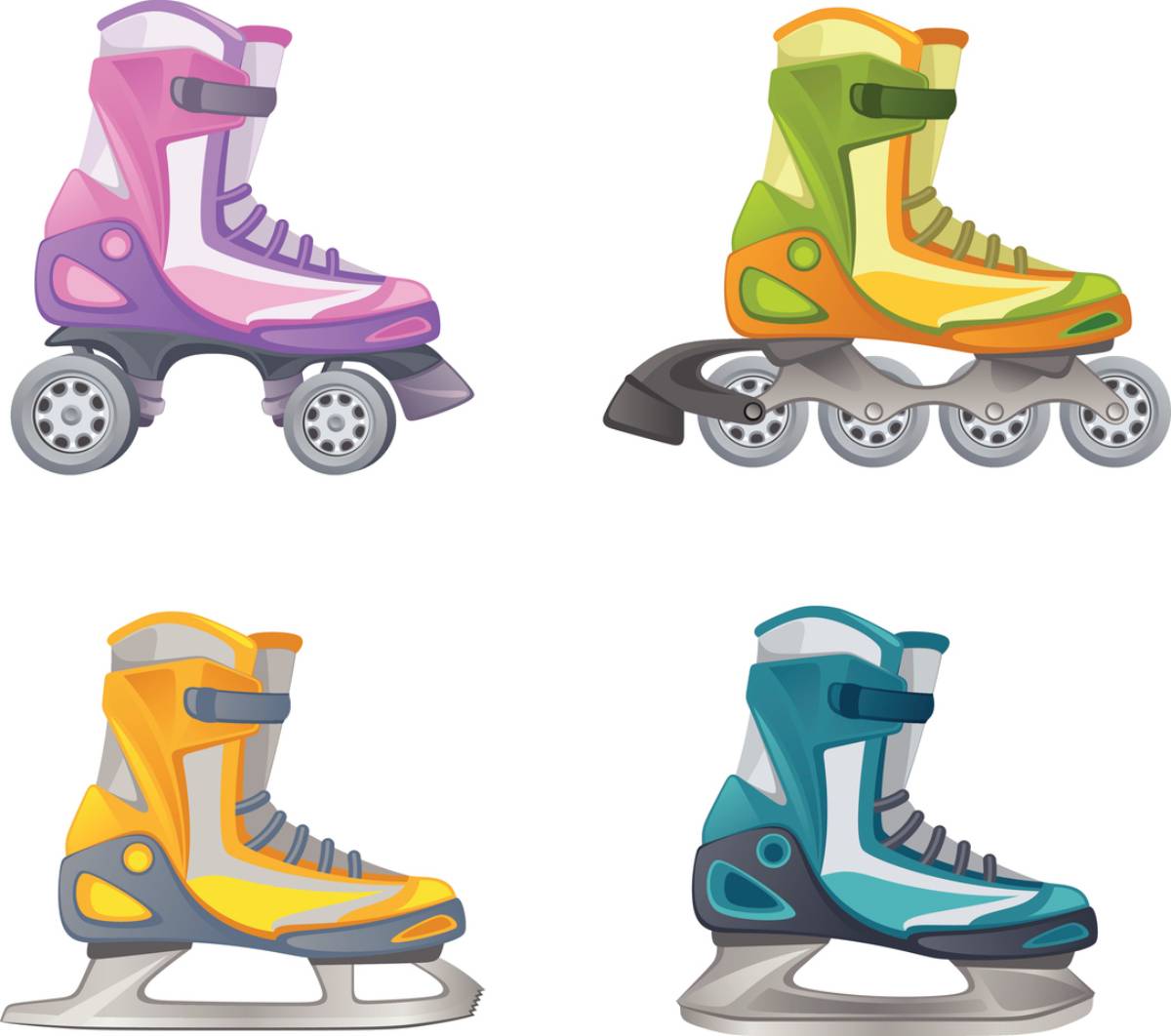
The methods of movement—including forward movement, turning, and stopping—are similar for both inline skating and ice skating. However, inline skates are often used on several different terrains, including a skating rink, outdoor path, or even on the road. Inline skates from a top skates retailer have at least four wheels in a single line from your heel to your toe. However, ice skates have a single blade and are limited to the ice because of it. 

Boots

The boots for inline skates and ice skates are vastly different. Ice skating boots are typically stiffer and provide more ankle support, which is crucial for the safety of the ice skater. Strong support is critical for ice skating maneuvers like jumps and spins. Alternatively, inline skate boots are more flexible and comfortable. This quality is helpful as they are specifically designed for long periods of use.

Which Type of Skating Is Easier?

Ice skaters and inline skaters have both likely wondered if the other sport is easier than their own. Luckily, there are several transferable skills between the two, so if you want to try the other type of skating, you will likely pick it up with ease. 

That being said, neither type of skating is inherently easier than the other. They are just different. Some may suggest that inline skating will be easier to pick up because the wheels provide more stability than the blades of ice skates do. Still, others would believe that ice skating is easier because, if needed, it is easier to take small steps in ice skates than it is in roller skates. At the end of the day, your choice will depend on personal preference and the amount of practice you are willing to put in. Once you dedicate some time to getting the basics down, you will be able to enjoy gliding, whether on ice or a roller rink.

Skates Retailer

If you want to pick up skating, check out the selection of skates and skate gear at Crazy Skates today.

Featured image for Which Smartwatch Should You Buy

Which Smartwatch Should You Buy?

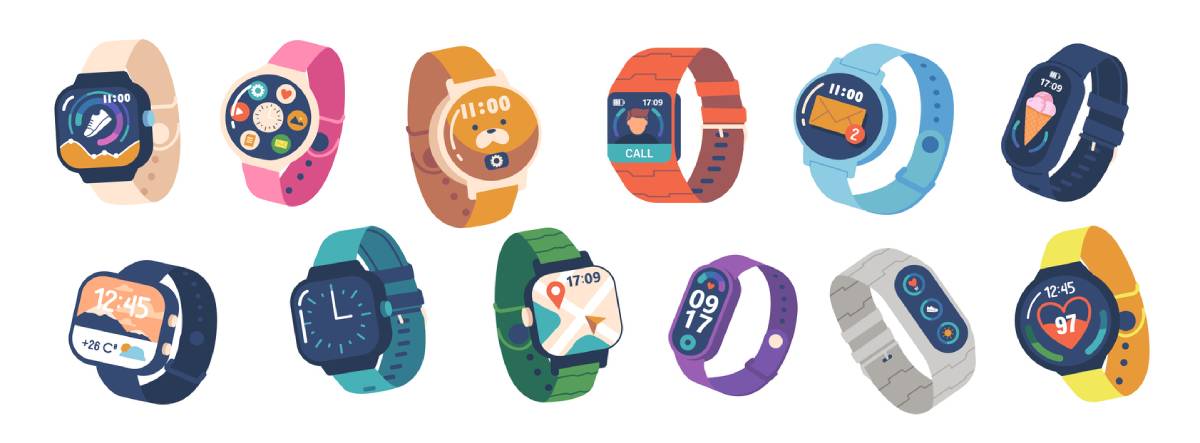
Smartwatches have transformed from niche tech gadgets into essential tools for daily life. They are helpful in monitoring and tracking your health and fitness data; allowing you to communicate via text, phone or video call, and email; and even replacing your need to carry a wallet with their tap-to-pay functionality. Clearly, the convenience of smartwatches is unparalleled. Still, with so many excellent options, choosing the right smartwatch can feel overwhelming. Today, we share information that will help you determine which smartwatch you should buy and prove that there is one for everyone.

Which Smartwatch Should You Buy?

There are many excellent smartwatch options to choose from. You should consider several factors when choosing which one is right for you. No matter which watch you choose, make sure to invest in smartwatch protection to guarantee your watch will last. Read on for our outline of features to pay attention to in the most popular smartwatch options so you can more easily navigate the process of choosing one for yourself.

Smartwatch Features

Before you do your research, consider what you want to use your watch for. Knowing your purpose ahead of time can help you determine which features are negotiable and non-negotiable. Fitness tracking is one of the most popular uses for smartwatches. Many popular models monitor your heart rate, track your steps, and even analyze sleep patterns. If staying connected while you are exercising or away from your phone is a priority, consider a watch that offers notifications for texts, calls, and emails.

Battery Life

The battery life of your watch is a worthwhile and significant consideration. If you want to wear your smartwatch to analyze your sleep or keep up with you through regular exercise, battery life is key. Some watches require daily charging. However, others can last up to two weeks on a single charge. Consider your needs and what type of battery performance you need.

Price Point

Consider your budget as you navigate the purchase process. People who are dipping their toes into the smartwatch world may choose a more economical option. However, those who know exactly what they want from the performance of their watch may opt for a more expensive version. Once you have considered the features you want, check out the various watches within your price range. They can vary greatly depending on how much you want to spend.

Compatibility

Compatibility is a huge factor to consider when looking for a smartwatch. Some smartwatches work exclusively with certain smartphones. For example, the Apple Watches are designed specifically for iPhones, and most features will not function with other phone brands. Regardless, other types of watches are more versatile. Fitbit can work across all platforms, including Apple and Android phones. Be sure to check before you make your final purchase to ensure your smartwatch and phone are compatible.

Top Smartwatch Options

There are several popular smartwatches to choose from. Consider the following information if you are on the fence about which one is right for you. 

Best Smartwatch For iPhone Users

If you have an iPhone, the most popular smartwatch is the Apple Watch. The latest version is the Apple Watch 10. It is considered the best smartwatch overall because it has many desirable features. It has a bright display, comprehensive fitness tracking, and excellent iPhone compatibility. The only drawback of this phone is the battery life.

Best Smartwatch For Android Users

The Samsung Galaxy Watch is an excellent choice if you are an Android user. It offers highly competitive features. These include a high-quality display, advanced health monitoring capabilities, and Google Assistant integration. The Galaxy Watch 6 is the latest version. Unlike the Apple Watch, it has an excellent battery life of up to 40 hours.

Smart Watch Protection

If you have just purchased your smartwatch, be sure to purchase your sustainable tech accessories from ITSKINS today.

Featured image for Which Technology Helps Create an Intelligent Classroom Environment

Which Technology Helps Create an Intelligent Classroom Environment

Modern classrooms have come a long way since chalkboards and overhead projectors. Younger students have more access to technology than any previous generation. The availability of such technology has completely transformed the classroom environment. Schools and teachers have had to modify the classroom to keep up with the expansion of available technology and accommodate students’ growing needs. Even more, the learning environment is different for each grade level, so educators have not only had to implement technological changes but have also had to ensure those changes are catered to each age group. Clearly, there are many ways in which technology can aid in learning. Below, you will find more information about which technology helps create an intelligent classroom environment.

Which Technology Helps Create an Intelligent Classroom Environment​

Students thrive in a learning environment that is interactive and technologically advanced. Adding AV equipment for education can level up the classroom experience for students, which can, in turn, benefit the funding for schools and districts. Using AV equipment can also ensure that students are fully prepared for the real world once they graduate. Consider the following technologies that create an interactive and dynamic learning environment.

Smartboard Technology

Smartboards are a necessary tool in modern classrooms. They are interactive learning tools that allow the teacher and students to engage with digital content. It offers digital annotations, multimedia integration, and touchscreen capabilities. These are a standard addition to any classroom that aims to integrate technology from an AV systems manufacturer into the space.

Smartboards encourage hands-on learning, simplify lessons, and cater to modern students. They also allow teachers to utilize various teaching styles. Each student and classroom is uniquely different. Having technology that accommodates changes in the learning environment is highly valuable for teachers and students.

Learning Management Systems

Students are online more than ever. They are also accustomed to immediate gratification. Answers are at their fingertips, and communication is just one click away. Because of that, it is important to have a learning management system. Common systems include Blackboard and Google Classroom.

Learning management systems offer an online portal where students can find information, including their assignments, grades, and communication tools. They can also track their progress to understand what needs to be done. These systems provide a centralized platform for students and teachers. It streamlines communication and ensures easy access to classroom materials and resources.

Gamification Tools

Advancements in technology come with pros and cons, as with everything. Student attention spans are short, and they require immediate gratification in many ways. Combatting this can take a lot of work on behalf of the teacher. However, certain tools can make classroom management much easier. Gamification tools are effective for students with short attention spans.

Platforms that offer learning gamification include Kahoot! And Classcraft. These programs incorporate gaming elements into education, which helps boost student motivation and engagement. Using these tools is just the start, though. It is crucial to incorporate rewards and leaderboards to create a healthy competitive environment. It makes learning much more fun for students and makes them want to keep learning.

Artificial Intelligence

So many professional environments utilize artificial intelligence. It is transforming the modern landscape in so many workplaces. Because of this, incorporating it into the classroom can help students prepare for real-world environments. AI offers so many benefits to students and teachers. Finding ways to incorporate it can pay off in the long run.

Artificial intelligence can be used for personalized learning, including analyzing specific students’ strengths and weaknesses. This information can be used to tailor the lesson to their unique needs. In addition to helping students, it can also help teachers. Many teachers use artificial intelligence as virtual assistants that help with grading automation. These resources save valuable time that can be used for developing lessons and providing curated help to students.

Technology for an Intelligent Classroom Environment

If you want to upgrade your classroom with technology that helps create an intelligent and productive learning environment, contact the team at Kanex Pro for more information today.

Featured image for 10 Use Cases of SMS API

10 Use Cases of SMS API Services

Effective communication has always been an essential practice for businesses. In this digital age, where everything happens quickly, and customer attention is short and fleeting, businesses have to keep up by making sure they are able to get their messages to their customers before their competitors do. While email, social media, and chat applications have their place, one of the most reliable and effective means of communication is still SMS. Businesses are increasingly leveraging SMS API to automate, streamline, and enhance their messaging capabilities. If you have not yet started doing the same, with the help of automated texting software, these ten use cases of SMS API services would likely convince you to do so.

10 Use Cases of SMS API Services

1. Appointment Reminders

Businesses do not like missing appointments because these cost them valuable time and money. SMS API services help businesses ensure that time and money are not wasted by enabling them to automate appointment reminders. These timely notifications reduce no-shows and improve operational efficiency.

2. Orders and Delivery Notifications

Through SMS API, businesses can enhance customer experience by sending order confirmations, shipping notifications, and delivery alerts, thereby providing transparency and building trust.

3. Two-Factor Authentication

Security is an important issue, especially in online transactions. Many companies give their clients a chance to use two-factor authentication to ensure the security of their transactions. SMS API is widely used for this. Whether it is for logging into one’s bank account or confirming an online transaction, businesses can use SMS to send one-time passwords (OTPs) to users. This is an added layer of security that can significantly reduce the risk of fraud.

4. Marketing Campaign

The open rate of SMS is 98%, 3.7 times more than the open rate of emails. In addition, 90% of recipients respond to messages within 30 minutes. This is particularly beneficial for flash sales, sharing discount codes, and other communication that requires immediate feedback. You can even build sign-up forms.

5. Event Notifications and Invitations

If you are an organization planning to host an event, you can also send invitations and updates to attendees and receive RSVP confirmation using  SMS API. It does not matter what type of event it is, whether it is a party, a webinar, a conference, or a product launch. SMS API will ensure that all vital information will reach the intended recipients promptly. In addition, it can also improve attendance.

6. Employee Communication

SMSI is beneficial to communication within the organization. Since it is easier to access than an email, it is helpful in sending announcements, schedule updates, and emergency alerts. For instance, during weather conditions that require employees to stay home, SMS ensures that employees are informed in real-time.

7. Transaction Alerts

Transaction alerts are crucial to financial companies and e-commerce platforms, which use SMS API to notify account holders and customers of account updates and fraud warnings and confirm payment.

8. Queue Management

Clinics, hospitals, and financial institutions can use SMS API to manage their queues. Customers can be notified about their estimated wait times. This reduces frustration and contributes to an overall positive customer experience.

9. Customer Support and Feedback

Businesses can use SMS to send a customer satisfaction survey, gather feedback, and resolve queries and complaints. This can be a big boost to a company’s customer service.

10. Service Status Update

Utility companies that provide services like internet and electricity will find it easier to notify customers regarding service interruptions, restoration updates, and maintenance schedules. This is a proactive approach that will help prevent frustration and increase customer satisfaction.

Transform Your Business

SMS API can transform the way you communicate and elevate the way you do business. Whether you are planning to boost customer engagement, implement a marketing campaign, strengthen security, or streamline reminders, SMS API can be a game changer for you as much as it is for other businesses. Do not be left out. Contact our sales team today.

Featured image for 8 Reasons to Start Biking

8 Reasons to Start Biking 

For dedicated bikers, biking is not just a way to get from point A to point B. It is a lifestyle, a workout, and the answer to some of the biggest challenges in the world today. In Costa Mesa, it is a fun and easy way of exploring the city’s landmarks and scenic trails. Whether you are a Costa Mesa resident who looks at biking as a no-expense means of transportation or a tourist thinking of things to do in Costa Mesa, you can enjoy the best of the city by biking. Here are eight reasons to start biking today.

8 Reasons to Start Biking 

1. Discover Costa Mesa’s Scenic Beauty

Biking enables you to enjoy the city’s scenic landscapes. What better way to enjoy its beautiful parks and tree-lined neighborhoods? While biking, you can lose yourself in the beauty of your surroundings and connect with nature.

2. Stay Active and Healthy

Costa Mesa’s mild climate makes it easy for residents and tourists alike to enjoy the outdoors all year round. Biking in this city is a great way to stay active, healthy, and fit. It strengthens your muscles, lubricates joints, and improves cardiovascular health. In addition, it helps release endorphins. With better mood, lessened anxiety, and lower risk of depression, you will be able to think clearer and better focus on your goals.

3. Explore Local Attractions

It is much easier to explore local attractions on a bike rather than in a car or on a bus. You will also avoid the complications of finding parking. It costs nothing to run a bike, so you will have more money to enjoy food and other attractions that do require spending.

4. Support a Greener Costa Mesa

Costa Mesa has many environmental and sustainability initiatives in place. By choosing to bike instead of drive, you are supporting these environmental and sustainability efforts. Biking will also help reduce your carbon footprint, a simple environmental goal everyone should strive for.

5. Connect with the Community

Want to meet fellow locals? Bike. Biking is a great way to meet other residents in your city. By joining a biking group, participating in local biking events, or just riding along a Costa Mesa bike route, you will be able to connect with other individuals who share your adventurous spirit and your passion for health and fitness.

6. Enjoy Easy Access to Trails

When you are in Costa Mesa, you will have easy access to biking trails. Costa Mesa is located near several biking trails that cater to all skill levels. Whether you prefer a leisurely ride or a challenging workout, you are bound to be just a short distance from a trail that suits your skill level and purpose.

7. Make Commuting Fun

Level up your daily commute by biking or to work or school. Costa Mesa’s bike lanes and pathways will allow you to have a safe, stress-free, and enjoyable ride to wherever you need to go. You are bound to arrive at your destination fully energized and ready to face the day.

8. Strengthen Family Bond

Biking is a fun and free activity that everyone can enjoy, which means that it is an excellent way for you to bond with your spouse or children. Costa Mesa has safe and scenic bike paths that are well-suited to family outings. By biking, you can enjoy quality time with your family and stay active and fit at the same time.

How to Start Biking

Are you convinced that you should start biking but not sure where to start? Start by purchasing a bike that aligns with your needs. Do you need a road bike, a mountain bike, or a cruiser? You can research more about each type online and visit a retailer to see firsthand which type would be practical for your intended purpose. Make sure that you also purchase a helmet, lights, and a bike lock. When you have everything you need, start by taking short rides to build your biking confidence.

Explore Costa Mesa

Biking is more than a way to get around. It can strengthen family bonds, foster community connection, and support sustainability and environmental efforts, among many other benefits. Whether you are a resident of Costa Mesa or a tourist, biking is the perfect way to experience the best of the town. Visit our website to discover your new favorite spot in Costa Mesa and get ready to bike there in style.