Archives 2025

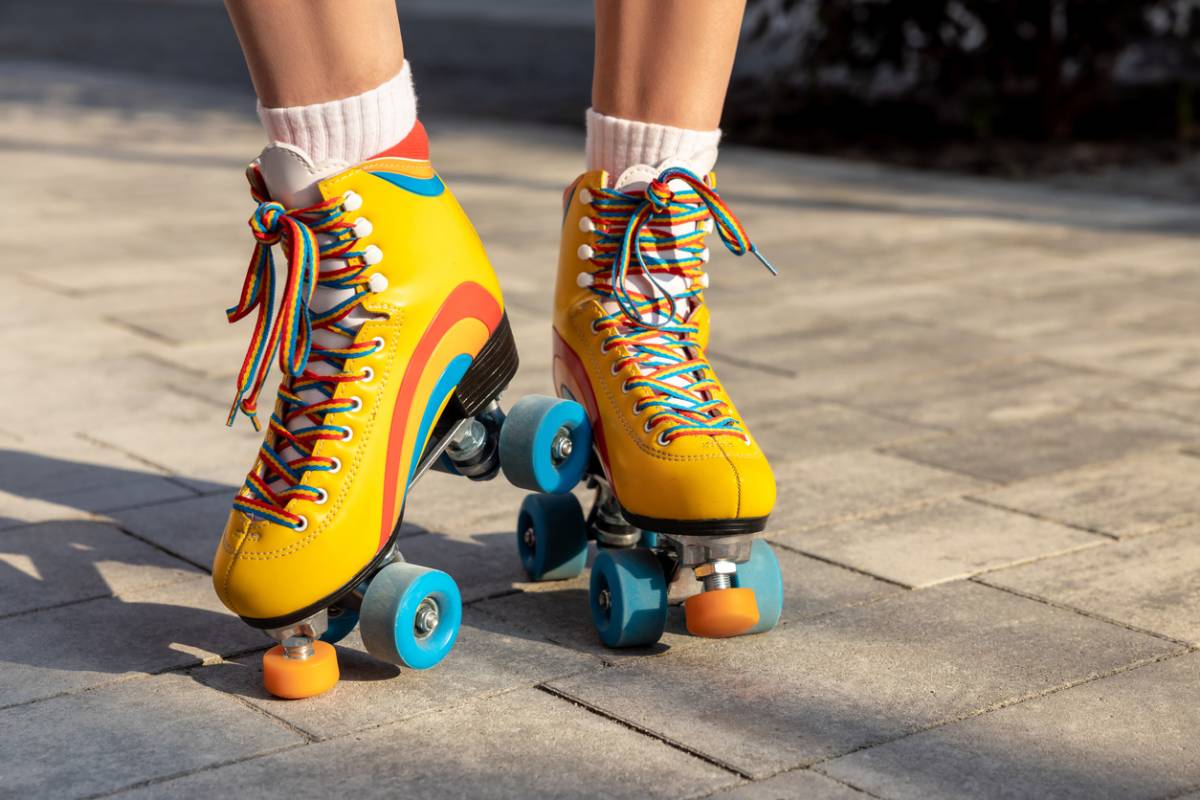
Close up of female feet in bright colored roller skates.

How Often Should You Flip Your Skate Wheels?

By now, you know skating is fun, but what precautions are you taking to remain safe? For your safety, it is recommended to flip your skate wheels at regular intervals during ownership. 

For instance, the number of hours a week you skate will impact how often you should flip your skate wheels. You should flip your skate wheels every 2-3 weeks of regular use, which consists of 15-20 hours of skating each week. 

If you buy inline skates from our online roller skate shop and want to learn more about when and how you should flip your skate wheels, keep reading to learn more!

When to Flip Your Skate Wheels

The frequency with which you should flip skate wheels depends on how often you use your skates and for how long. Those who skate aggressively and perform tricks will notice their skates wear more. If your skates experience this type of pressure, the wheels will need to be flipped sooner and more frequently than those used by casual skaters indoors.

For aggressive skaters, flipping your wheels may be required after at least 2 weeks of use. Casual skaters can typically wait 3 weeks. However, if you notice any changes in the wheels, such as cracks, marks, or other signs of wear, they should be inspected. 

The Causes of Wheel Wear

Simply rolling your wheels around causes wear. It’s inevitable, but that doesn’t mean you should throw in the towel! Whether you’re still interested in skating or that part of your life has taken a backseat for the moment, it’s necessary to know the causes of wheel wear so you can be mindful, know the warning signs to be on the lookout for, and make sure your skates are in tip-top shape once you pick them back up. 

Several factors cause wheel wear. Some of the most common factors leading to wheel wear consist of:

  • The skating surface chosen
  • Skating frequency
  • Skating on multiple, unique hard surfaces
  • Personal turning and braking methods
  • Rotation frequency
  • The weight of the person skating
  • Wheel quality

After skating, scan each wheel to verify there are no issues before your next skate. Because there are numerous ways in which wheels receive wear, you should designate a time every 2-3 weeks to flip the wheels of your skates. 

How to Flip Your Skate Wheels

If you’re new to the skate scene or recently purchased inline skates from our online skate shop, it’s time to learn how to flip your skate wheels and make the most out of your investment. Who doesn’t want to get the most for their money? We’re here to help break down the process of flipping your skate wheels. 

To correctly flip your wheels and extend the life of your skates, consider these common rotation patterns:

Front-To-Back Rotation

This rotation pattern is for beginners and is easy to manage. Swap the front wheels with the back wheels, keeping the left and right skates separate. This rotation is ideal with casual skaters.

X-Pattern Rotation

Best for even wear across all wheels, this rotation evenly distributes pressure across each wheel. The X-pattern requires you to swap the front-left wheel with the back-right wheel. Then, the front-right wheel should be swapped with the back-left wheel.

Full Diagonal Rotation

A full diagonal rotation is for advanced skaters or those who frequently skate outdoors. To rotate your skate wheels using this method, each wheel must be moved diagonally across to the opposite skate. This type of wheel rotation allows room for even wear.

Before You Flip Your Wheels, Find Your Skates!

At Crazy Skates, our online roller skate shop offers a wide variety of roller skates, inline skates, scooters, and other parts and accessories! Skates are available in adjustable sizes to fit both children and adults. 

Browse our website to see what we have to offer for all things skating-related. Contact us to learn more about our products and how to take care of them so you can enjoy them for a long time to come!


Dining room with matching table, chairs, and wood floors.

How to Match Dining Chairs to Different Woods?

Creating a balanced dining space requires more than acquiring beautiful individual pieces. It demands coordination between elements. For those who buy high-end luxury furniture, understanding how different woods, finishes, and tones interact within a single space is of great benefit. The task of matching luxury dining chairs to a dining table might seem straightforward. Still, the reality involves knowledge about the relationships between wood type, undertones, grain patterns, and aging characteristics. 

Color and Undertones

Every wood type carries an inherent undertone that determines its compatibility with other materials. These undertones fall into three primary categories that serve as the foundation for all cohesive decisions. Warm woods have red, orange, or yellow undertones. Cool woods feature gray, taupe, or ash undertones. Neutral woods occupy a balanced middle ground without pronounced undertones and offer flexibility when coordinating with existing furniture. To identify your dining table’s undertone, examine it in natural daylight while holding pure white and warm cream fabrics alongside. 

Coordination

The most intuitive approach would be to select chairs that are the same wood as your table. However, achieving accurate coordination requires understanding subtle variations within tree species. When coordinating same-species pieces from different manufacturers, focus on finish compatibility rather than expecting perfect color uniformity. Grain pattern variation offers another coordination dimension within species. A table featuring bold figured grain might pair elegantly with chairs showcasing quieter, more uniform grain. This creates a visual hierarchy through pattern variation while maintaining consistency. 

Contemporary designs increasingly embrace intentional wood mixing. To create a balanced space,  pair woods with neighboring undertones. Tonal coordination matches woods of different hues but similar lightness and darkness. This approach creates subtlety that appears coordinated without monotonous uniformity. Complementary contrast offers a dynamic visual tension. This bold approach requires confident execution and careful proportion management, as high contrast risks discord when improperly balanced. 

The Rule of Three

Design theory recommends limiting wood tones in a single space to three distinct variations. This creates interest without visual chaos. The dominant wood is typically the dining table as the largest surface and visual anchor. Secondary wood provides substantial support, typically in the form of dining chairs. Accent wood should have little presence, a sideboard or shelving unit to introduce a third complementary tone. When selecting luxury dining chairs as your secondary element, ensure they possess sufficient presence to register as an intentional design choice without overshadowing the table’s dominance. 

Considerations for Lasting Harmony

When coordinating new chairs with an established table, consider aging patterns carefully. Pairing woods that age similarly maintains harmony across decades. Combining woods with opposite aging directions might begin coordinated but visually diverge over time. 

Wood Finishes on Color

Finish selection influences wood color perception dramatically. Understanding finish characteristics enables better coordination decisions. An oil-finished table paired with lacquered chairs will appear different even when made from identical wood because finishes affect light reflection, color saturation, and surface texture. 

Making Good Investment Decisions

When you purchase high-end luxury furniture, you are making a long-term investment that should give you years of enjoyment and function. Getting up to speed on wood coordination principles ensures your dining space maintains visual harmony as your collection evolves. Before making any purchases, thoroughly analyze your existing tables’ undertones, grain characteristics, and finish type. Consider how pieces will age together. Many luxury furniture manufacturers offer design consultation services that prove helpful when making significant coordination decisions.

Matching luxury dining chairs with different woods is both art and science. The most cohesive dining spaces reflect thoughtful curation rather than hurried matching. Your dining space should be a testament to the quality of individual pieces and the intelligence of their coordination. 

CTA: On the market for high-end luxury dining chairs, shop our selection now. 

Reference: 

French, L. (2024). How to Choose Chairs for Your Dining Table

Man using smartphone.

How to Add Human Touches Before Sending AI Marketing Messages

When sending AI marketing messages, adding human touches can better appeal to the intended audience. Before sending out any emails, messages, or other marketing materials created with AI, add a human touch to provide personality and a unique perspective. Readers can easily tell when marketing is AI-heavy. Adding a human touch provides the audience with a more personal approach to AI messages.

Before sending AI marketing messages with automated texting software, avoid alienating your audience by adding a human touch. After all, your writing should engage with the audience, not confuse them with AI jargon lacking a human connection with the reader. Thankfully, there are various ways to use an AI message generator while adding your personal touch to the messages before sending them to the audience. 

How Human Touch Impacts AI Marketing Messages

AI marketing messages can sometimes be sterile, void of any character. This does not come across as genuine, and readers can see through it. However, when you add a human touch and appeal to the audience, it can positively impact your marketing message.

If you use automated texting software, messages should remain on-brand and consist of personalized messages for the intended reader. Additionally, a human touch to AI marketing messages can add tone and flair, keeping readers informed and engaged.

Tips for Adding a Human Touch to AI Messages

When using automated texting software, the loss of human connection can sometimes be felt through the screen. AI may use a specific tone or wording, revealing that the message is automated. Once the tone or phrasing of an AI message is slightly changed to address the audience with a personal human touch, it caters more to your intended receivers.

According to Forbes, some tips for adding a human touch to AI messages include:

  • Add extra details to personalize the AI content.
  • Use tone and emotion to reach the audience without solely relying on AI.
  • Make the message sound like a conversation, not a generic, automated message. 
  • Create emotionally intelligent messages for your audience.
  • Allow AI messages to clearly exhibit the brand’s personality. 
  • Add an emotional appeal to your messaging, if necessary. 

These various tips can provide a human touch to AI messages, better connecting with your readers. With personalized messages, audiences feel seen and appreciated, allowing them to further engage with your content.

Why a Human Touch Is Important to Add to AI Messaging 

Adding a human touch to an automated AI message gives readers a conversational style rather than an advertisement. Adding a human touch can benefit AI messaging in a variety of ways:

  • The audience feels seen as a result of the personalized messaging..
  • Readers become attached more quickly when the message is about them.
  • You gain the attention of readers by promoting or discussing topics they are interested in.
  • Audiences engage more with messaging when the text appeals to them.
  • Readers recognize brand consistency, which reinforces what your audience already knows about the goals and values of your business. 
  • Empathetic messaging provides readers with thoughtful and meaningful information, complementing AI messaging.

AI messaging with the addition of a personalized tone can persuade the audience to continue reading instead of immediately disregarding a message. Now that you understand why a human touch is needed for AI messages when utilizing automated texting software, consider an AI text generator available with Trumpia. 

Find an Automated Texting Software for Your Business

At Trumpia, we provide an automated texting software ranked #1 by Forbes. If you’re interested in how AI messaging can contribute positively to your business, contact us to speak with one of our professionals who can fill you in on the many ways we offer personalized, custom messaging.

Person using omnichannel messaging strategy for digital marketing.

How to Optimize Your B2B Omnichannel Messaging Strategy?

Communication channels have exploded over the past few years. Email, SMS, LinkedIn, Slack, phone calls, and video meetings are just a few examples. The list grows daily, and every channel presents an opportunity. An effective omnichannel messaging strategy uses interconnected communication channels to provide consistent customer service and create a unified system. With omnichannel SMS marketing software, sales and support teams gain a complete view of customer interactions and can deliver personalized, context-aware responses—even when using automated texting software.

Omnichannel Marketing

Omnichannel marketing was already established, but it did not really take off until the pandemic. Many businesses prefer procurement entirely through text messages, email, and video calls. There is no need to schedule in-person meetings. Calls that interrupt the workday are no longer necessary. Communication through messaging and email can be answered between meetings, which is why they are so popular for business communication. 

Omnichannel Explained

Omnichannel means if your customer starts a conversation on LinkedIn, continues with email, and makes a quick inquiry through SMS, you know the context of every interaction. The channels work together in unison, creating a natural flow of information that is easily understood. When executed correctly, you barely notice the switching of channels. When omnichannel isn’t present or works improperly, you’ll likely find yourself having to repeat yourself multiple times to the relevant people. 

The Four Pillars

The same customer information needs to be available on every channel. Having this information available across channels ensures you don’t end up looking incompetent because your customer opted out via email, but another member of your team sends them a text. Incorporate smart automation. You can use automated texting software to handle appointment reminders, email follow-ups, and status updates. A member of your team should address any real problem-solving. 

Adopting a consistent voice for your brand is a good rule of thumb to promote a positive relationship with customers. You don’t want to sound too formal, but you also don’t want to sound too casual. Even when the format changes, your brand personality should remain intact. Some people hate text messages, and others never open their email. In either case, you should always respect boundaries. If a customer prefers one channel over another, don’t try to force them onto your preferred platform. 

The Right Channel 

Choosing the right channel for the job is crucial in optimizing your B2B omnichannel messaging strategy. Depending on your specific goal, each channel has its own unique benefits and drawbacks. For long-form content, detailed proposals, and complex negotiations, email is the preferred method. Text messages reign supreme for appointment reminders and confirmations, time-sensitive updates, quick questions that need fast answers, re-engaging cold leads, and breaking through to executives. 

Incorporating Human Elements

You can purchase and design all the software you want, but if you have a bad strategy, it will not help. Omnichannel messaging is most effective when automation handles repetitive tasks and humans engage in more complex conversations. Success has been found when automation is used as a filter. The software can handle the initial outreach, qualification, and nurturing. When meaningful contact is necessary, a live person should take over the communication. 

First Steps

You don’t have to dive into fixing everything at once. Start by getting two channels to work together smoothly. Email and SMS are a good beginning point because they complement each other well. Test everything as if you were one of your customers. This will go a long way inunderstanding strengths and weaknesses, prioritizing updates, and implementing effective changes. 

CTA: If you need help optimizing your B2B omnichannel messaging strategy, call us today.

Reference:

Keenan, M. (2024). The Ultimate Omnichannel Marketing Strategy: How To Get It Right

woman putting on the best roller skates for riding downhill

What Roller Skates Are Best for Riding Downhill

Downhill riding has held allure for people ever since the wheel was invented. With roller skates, it comes as no surprise that soaring down a decline is one of the most exhilarating experiences around. However, you should consider more than thrills, but also look at safety. A part of this is knowing what roller skates are best for riding downhill. Below, we take a look at suitable types.

Key Features to Look for in Downhill Roller Skates

1. Boot Style

When riding with speed, the more support and stability you have, the safer you are. A high-top boot style provides better support and integrity for your ankles. This helps you maintain speed while also placing less strain on your joints. Bumps and sudden turns in particular can prove tricky. Look for a roller skate made from a durable material for excellent ankle support.

2. Wheels

Your wheels make all the difference. Their composition, size, and grip all play into both your speed going downhill and your safety while doing so. Some good wheel features for going downhill include:

  • Diameter: Larger wheels (62–70mm) provide better speed and roll smoothly over cracks and debris.
  • Hardness: Mid-range hardness (around 84A–90A) provides the best balance of grip and durability. Go too soft, and you’ll lose speed. But too hard, and you risk slipping.
  • Shape: Squared or flat-profile wheels offer a more stable contact patch. This means more stability when carving or slowing down.

3. Bearings

Bearings are the foundation for smooth, fast-spinning wheels. But low-quality bearings can rust or degrade, slowing you down. Downhill skating also places more pressure on the bearings, so you need higher quality ones. Look for bearings rated ABEC-7 or higher.

4. Braking Options

Standard toe stops won’t be enough for cutting back on downhill speed. If you plan on sending it downhill, you should look at alternative braking methods. Some options to look into include:

  • Jam plugs combined with slide gloves for controlled stops.
  • Specialized braking systems (like disc or drag brakes, available as aftermarket add-ons) for advanced riders.

What Roller Skates Are Best for Riding Downhill?

1. Derby Skates

Roller derby skates can handle speed while also proving durable. Keep in mind that they have a low-cut design, so they may not be sufficient on their own. Change up the boots and wheels and you might be cooking.

2. Speed Skates

It’s all in the name. The large, hard wheels of speed skates are designed for excellent velocity. However, they require more skill for controlling them due to less ankle support. Best for experienced riders who have been through the ropes.

3. Outdoor Quad Skates

The balanced support and performance capacity of quad skates make them worth mentioning. In fact, they often serve as a solid choice for downhill beginners. There is a lot of flexibility in options for quad skates as well.

Safety Gear for Downhill Skating

No matter your skill, downhill skating carries higher risks. Stock up on the proper safety gear before sending it down those slopes. Essential gear includes:

  • Helmet: A certified skate or bike helmet is an absolute essential.
  • Wrist guards, knee pads, and elbow pads: These protect against common impact injuries.
  • Slide gloves: Used for controlled braking and balancing.
  • Mouthguard: Helpful in preventing dental injuries during high-speed falls.

FInd Your Skates with Crazy Skates

The best roller skates for downhill riding are those that combine speed, control, and durability. At Crazy Skates, we offer an extensive variety of options for riders of all experience levels. From accessories to fully ready skates, we have what you need for even the wildest downhill efforts.

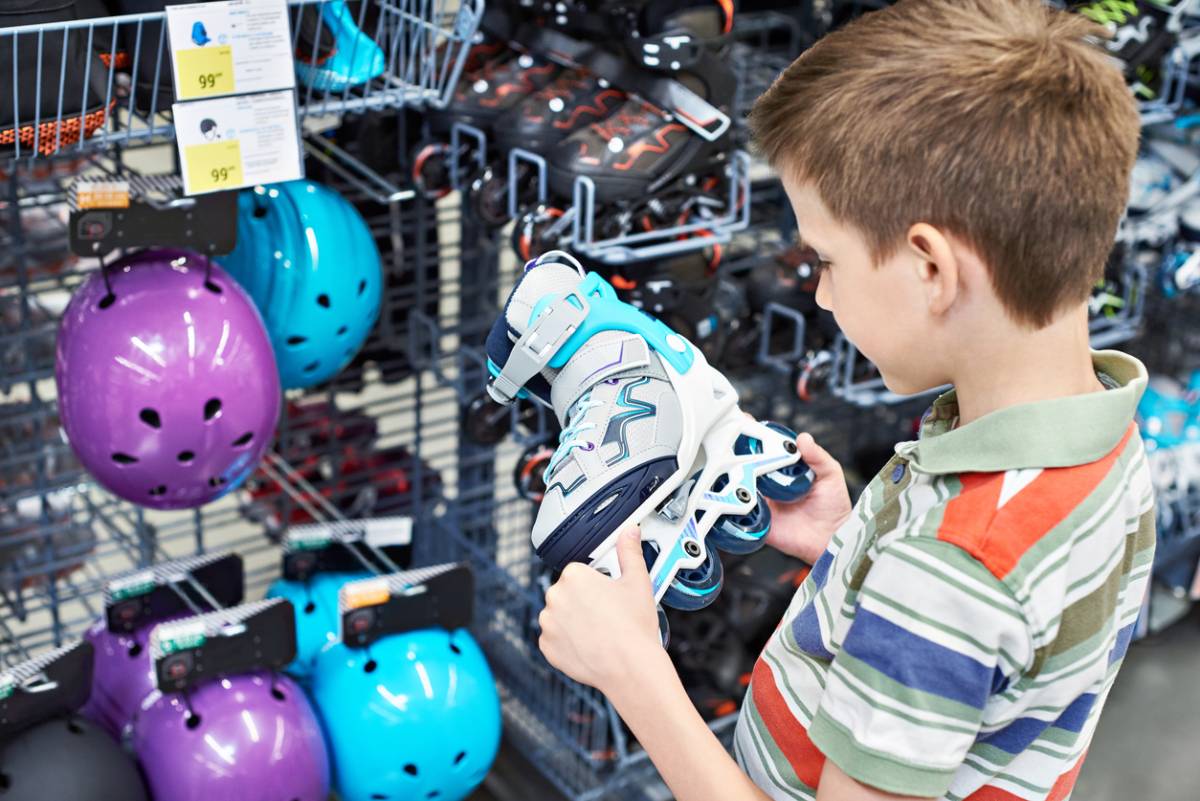
boy checking for a good price for a pair of roller skates in store

What’s a Good Price for a Pair of Roller Skates?

Roller skating is in the middle of a comeback. It combines fun, fitness, and even practical transportation (sometimes). A few minutes online will tell you that the roller skates prices range dramatically. Some prices might seem like a steal. Others might make your wallet shiver. So what’s a good price for a pair of roller skates? What can you reasonably expect to spend for solid quality that meets your needs?

Why Roller Skate Prices Vary So Much

It all comes down to quality and purpose. Simple roller skates meant for going up and down the street will be made differently from those meant to send you hurtling down a hill. The intended use is often reflected in the quality, including details such as:

  • Materials: Higher-end skates often use leather boots, stronger plates, and precision bearings. Entry-level skates tend to be made from synthetic materials that are lighter but less durable. Still, better materials mean longer-lasting gear, even if you plan for casual use.
  • Purpose: Skates designed for casual fun are cheaper than those made for roller derby, dance skating, or outdoor cruising. So if you plan on casual use, you will not need to invest in some crazy high-end gear. Simply get what works for your purpose.
  • Brand & Customization: As with designer brands in clothes, price doesn’t only reflect quality. Well-known brands can charge more even if they are the same quality as smaller brands.

What’s a Good Price for a Pair of Roller Skates?

A good price generally means one that gets you what you need without feeling like you overspent. That means something different depending on your budget. So, let’s break down the common price ranges for different types of skates.

  • Basic / Entry-Level Skates:$60–$120
    • Best for kids, beginners, or simply trying skating out. Usually made of lighter synthetic materials and come with basic wheels and bearings.
  • Mid-Tier Skates:$120–$250
    • Balance of quality and price. Most people will get a pair of skates that meet their needs within this price range. Your skates should prove durable enough for frequent rink visits or outdoor cruising, but they might not be up for extreme activities like downhill speed.
  • High-End / Specialty Skates:$250–$400+
    • These are built for serious skaters, roller derby athletes, or riders needing custom features. Expect leather boots, aluminum plates, and professional-grade wheels. When you really get into it, custom skates could range to well over $600.

What’s Considered a “Good” Price?

Okay, so let’s stop beating around the bush. Let’s give you some figures. What is a good price for a pair of roller skates? Well, let’s separate it into three categories.

  • Casual Skaters: If you are starting out or plan to just ride around town, you won’t need to spend over $200. A good price will be around $100 for a pair of skates that fill basic needs.
  • Frequent Skaters: Are you skating weekly, daily even? Then you’ll need something more durable. Look for a pair between $200–$300. You will find better comfort and durability without breaking the bank.
  • Athletes / Enthusiasts: For roller derby, jam skating, or competitive skating, you’ll want professional-grade skates Your final price tag will reflect the use you plan to put your skates to.
  • Kids: You do not need to worry about durability with skates for younger kids. They likely will outgrow their skates well before they wear down. So, look for something that is about $80 and you will be set.

Skates for All Needs

Crazy Skates is the online roller skate store with gear for all levels. Browse through to find your kit and get rolling.

Kid in life vest safely swimming in hotel pool.

Are Hotel Pools Safe for My Kids?

Planning a trip to sunny Southern California is exciting, especially when your little ones can splash around in a hotel pool. But naturally, parents ask themselves, ‘Are hotel pools safe for my kids?‘ It is an important question that every family should consider when booking their stay. 

A hotel pool can be a highlight of a vacation, offering hours of playtime, relaxation, and family bonding. But safety should always come first. From water depth to supervision rules, knowing what to look for in a pool environment helps you guarantee that your kids have a blast without unnecessary risk. At Travel Costa Mesa, we are here to help you navigate the fun and safety of Costa Mesa hotels, ensuring your trip is relaxing, enjoyable, and worry-free.

Are Hotel Pools Safe for My Kids?

The short answer is: hotel pools can be safe, but it depends on several factors. Pool safety often comes down to proper supervision, maintenance, and the design of the pool itself. When evaluating a hotel pool for your family, consider these key points:

  • Lifeguards and supervision: Some hotels provide trained lifeguards, while others rely on parents to watch children at all times
  • Pool depth and accessibility: Shallow areas for younger children and gradual entry points can reduce risk
  • Safety equipment: Look for life rings, floatation devices, and clearly posted safety rules
  • Cleanliness and maintenance: Proper chemical balance and clean facilities help prevent illness or infection

By checking these factors, parents can feel more confident that their kids are playing in a safe environment. Well-maintained pools, clearly marked and properly supervised, are generally safe for children under responsible adult care.

Understanding Hotel Pool Rules and Policies

Most Costa Mesa hotels have clear policies in place to keep children safe in pools. These rules may include:

  • Age restrictions: Some pools may require children under a certain age to be accompanied by an adult
  • Supervision requirements: Hotels often emphasize that parents must be present at all times
  • Behavior and safety guidelines: Running, diving, or roughhousing may be restricted to reduce accidents
  • Hours of operation: Pools are often closed during early morning or late night hours to ensure lifeguard availability

Knowing these rules before you arrive helps set expectations and prevents confusion or accidents once your family is ready to swim.

Tips for Keeping Your Kids Safe in Hotel Pools

Even when hotels provide lifeguards and safety equipment, parents play the most important role in pool safety. Here are some practical tips:

  • Always supervise children within arm’s reach, especially younger kids
  • Consider using floatation devices or swim vests for added security
  • Teach kids basic water safety, like no running near the pool and staying in shallow areas
  • Schedule swimming during lifeguard hours whenever possible
  • Encourage frequent breaks to prevent fatigue and sunburn

These simple steps can make a huge difference in ensuring your family enjoys a fun and safe pool experience.

Why Costa Mesa Hotels Are a Great Choice for Families

When you visit Costa Mesa, you will find a variety of hotels catering to families with kids, many of which offer pools designed with safety and enjoyment in mind. From shallow kiddie areas to resort-style pools with gentle slopes, these accommodations make it easier to relax knowing your children are safe while they swim and play. By planning ahead and choosing hotels with strong safety standards, your family can make the most of your Costa Mesa visit.

Take the Plunge Safely on Your Next Costa Mesa Visit

Hotel pools can be a source of endless fun and family memories—but safety should always be a top priority. By evaluating pool design, supervision, and rules, parents can ensure their children enjoy the water safely. Visit Costa Mesa hotels with confidence, and make the most of your trip knowing you’ve prioritized safety and fun. For more information about family-friendly accommodations, check out Travel Costa Mesa and start planning your worry-free vacation today!

Man working on prototype development.

How Long Does Prototype Development Take?

How long does prototype development take? This is one of the most common questions innovators and entrepreneurs ask when bringing a new product idea to life. Several factors, including complexity, budget, and available resources or materials such as custom wires and cables, affect the time it takes to develop a prototype. Understanding the general timeline and the different stages involved in creating a prototype can help you keep your expectations realistic.

How Long Does Prototype Development Take?

Prototype development is a process in which a concept or design is turned into a tangible and working model. With the help of prototypes, you can test usability, design, and functionality before mass production starts. Testing is crucial in product development because it is a way to validate your ideas, attract investors, and refine details. 

The typical development timeline is as follows:

Concept and Design (1 to 3 weeks)

This is where sketches, CAD (computer-aided design) models, and design specifications are finalized.

Initial Prototype (2 to 6 weeks)

At this stage, a basic model using rapid prototyping techniques like 3D printing is created.

Testing and Feedback (2-4 weeks)

The prototype undergoes testing and assessment of its usability, performance, and functionality.

Revisions and Refinement (2-8 weeks)

Based on the testing results, the design is revised and refined. Changes are made to improve the prototype and align it with user needs or manufacturing requirements.

Final Prototype (1-4 weeks)

At this stage, you now have a polished version you can be proud of. The prototype is now ready for investor pitches, market testing, or pre-production.

Prototype development usually takes 2 to 6 months. Simple products can take as short as 4 to 6 weeks to prototype, whereas highly complicated ones can take a year or even more.

Factors that Influence Prototype Timelines

The given timeline, although typical, is not the same for everyone. There are several factors that affect it.

Complexity of the Product

Simple products naturally take a shorter time to prototype than products with intricate features like a smart home device or wearable technology. Complicated products like this can take months to prototype.

Materials and Processes

The materials used in creating the product, whether metal, plastic, textile, or electronic, affect the development time. Some materials can easily be 3D printed, while some need specialized fabrication and longer lead times.

Design Revisions

It is very rare for the first prototype to be the final one. There are usually multiple revisions, changes, and improvements in the form and function before the perfect prototype is created. All these changes and revisions make the process longer.

Resources and Expertise

A team with its own designers, engineers, and manufacturing partners can move a lot faster than a startup that has to outsource everything.

Budget

A higher budget allows for simultaneous work on different prototype aspects. This can shorten the timeline. On the contrary, when funds are limited, tasks are completed in stages and this can extend the timeline.

How to Streamline the Process

Have a Clear Goal 

Be clear about what you want to prove before you start.

Prioritize Features

Focus on the features first. You do not have to perfect everything at once.

Leverage Rapid Prototyping

Using 3D printing, virtual stimulations, and modular designs can save you time.

Work with Experts

Working with experienced engineers and designers can save you from costly mistakes.

Stay Flexible

Revisions and delays are normal parts of the process. Remember that a prototype is meant to evolve.

Seek the Help of Experts Today

Bringing an idea or concept to life is exciting and prototype development is an important part of this process. While timelines vary, most projects fall between a few weeks to several months depending on the factors listed earlier. Moving quickly enough to maintain momentum while ensuring that your prototype is functional, testable, and aligned with your vision will help you in creating the final prototype. 

Whether it is a simple product or something that uses cutting-edge technology, understanding the process and working with experts who know what they are doing can reduce stress and frustration, and increase your chances of a successful product launch. 

If you are in the process of product development and you need expert help with your prototype, feel free to get in touch with us today.

Responsible AI concept with ethical principles transparency and social impact in technology

How Does AI Improve Personalization in Digital Marketing?

Artificial intelligence (AI) is not just a random tech buzzword. It is changing the way businesses connect with their audiences. In digital marketing, AI enables brands to move beyond traditional strategies and deliver experiences tailored to individual customers.

This results in a personal, timely, and above all, relevant marketing experience. Understanding how AI can improve personalization in digital marketing shows why it has become one of the most powerful tools for building engagement and brand loyalty.

Why AI Matters in Personalized Marketing

Modern marketing is not just about reaching an audience—it’s about reaching the right audience with the right message at the right time. AI makes this possible by analyzing customer data to predict behaviors, preferences, and buying intent.

Using tools such as machine learning, natural language processing, and predictive analytics helps marketers uncover consumer patterns that would otherwise be impossible to detect manually. These insights allow brands to personalize content, automate outreach, and enhance customer experience from the first click to purchase to follow-ups.

The Role of AI in Data-Driven Insights

Every click, search, or purchase creates data that can be used to understand customer behavior. AI can take all that information and turn it into digestible material for marketers.

Businesses can use AI to easily split audiences based on their browsing habits, previous interactions, or demographic information. This lets brands create and deliver content that really matters to each person, rather than a generic message blast. The result? More relevant experiences, happier customers, and better conversion rates.

Ways AI Surpercharges Personalization

Here is how AI can make marketing smarter:

  1. Predictive Targeting: This predicts what messages or promo offers a customer is most likely to respond to. This will help your campaign reach the right people and avoid unnecessary ad expenses.
  2. Automated Content Delivery: AI can help adjust messaging in real time. Abandoned shopping cart? AI can send a personalized email to bring your customer back.
  3. Smart Suggestions: AI can suggest products or services based on what customers have liked or bought before, and even things they have interacted with. It’s a simple yet effective way to boost sales and keep people coming back for more.

Creating Better Customer Experience

Personalization is not just about ads and product suggestions. It is also about making customers feel understood at every point of the purchasing process. AI will optimize this process by helping businesses respond faster, communicate smarter, and offer help when needed.

For example, AI chatbots are a common form of AI assistance. They answer questions 24/7 while continuously learning from each interaction. Another example is smart messaging campaigns. These adjust time, tone, and content to match where each customer is in their buying process.

Why it Works

When brands properly use AI, they can see real results:

  • high conversion rates
  • strong customer retention
  • better efficiency
  • improved ROI

These results make AI personalization one of the most impactful investments in modern marketing strategies.

The Future of Personalized Marketing

AI is always evolving. There will be new tools that redefine how businesses understand their audiences. The next wave of AI won’t just track what customers do; they’ll understand why they do it. This will allow brands to create even deeper connections, delivering experiences that feel intuitive and personal.

Smarter Marketing with Trumpia

For businesses ready to take marketing personalization to the next level, Trumpia offers AI-powered solutions.

Woman sitting down and tying her roller skate laces.

What Roller Skates Are Best for Riding Downhill?

Skating downhill can feel exhilarating—wind in your face, speed building under your wheels, and the thrill of effortless momentum. But before you push off down that slope, it’s essential to choose the right type of roller skates to keep your ride safe, controlled, and enjoyable.

Downhill skating puts extra strain on your wheels, bearings, plates, and even your stance, which means your equipment needs to be stable, supportive, and designed to help you maintain control.

What Makes a Skate Good for Downhill?

Downhill skating requires more support and stability than casual rink or dance skating. Because not every skate is built to handle speed or rough outdoor terrain, it’s important to understand the features that matter most when selecting your roller skates.

1. Hard Boot or Semi-Hard Boot Construction

Rugged boots offer greater ankle stability, which is essential for controlling speed. This study boot will help reduce wobbling, improve edge control, and support your body weight as you shift forward for braking.

Semi-hard boots also work well for downhill because they offer comfort without sacrificing necessary support.

2. Larger, Durable Outdoor Wheels

Outdoor-friendly wheels in the 78A–85A durometer range absorb bumps and cracks you’ll encounter on pathways or park hills. Larger wheels (62–65 mm for quads, 90–110 mm for inlines) improve roll-out and help maintain momentum smoothly.

3. High-Quality Bearings

When you’re skating downhill, your wheels spin increasingly more, and they increase with speed. So, be sure that you have stong, smooth, well-lubricated, and durable bearings. ABEC-7, ABEC-9, or performance-rated bearings are great choices.

4. Strong Plates and Responsive Trucks

A sturdy metal plate (aluminum or magnesium) provides the stability downhill skaters need. Trucks should be responsive—but not overly loose—to avoid speed wobble.

5. A Reliable Braking System

For quad skates, a large, adjustable toe stop is ideal. For inline skates, a rear brake is extremely helpful for beginners and intermediate skaters learning downhill control.

Best Skate Types for Downhill

While skaters develop personal preferences, these models usually perform best:

Inline Skates

  • Best for speed, control, and responsive braking
  • Larger wheels roll over uneven surfaces easily.
  • Excellent ankle support

Inline skates are typically recommended for beginners learning downhill because they offer the most reliable control at higher speeds.

Outdoor Quad Skates

  • Wide wheelbase
  • Good for moderate slopes
  • Increased maneuverability

Quad skates are great for skaters who prefer the traditional four-wheel feel, but should be used on smoother, gentler hills until enough control is developed.

Tips for Beginners Skating Downhill (Start Slow!)

Downhill skating is exciting, but beginners need to take extra precautions to stay safe. Here are some essential tips to help new skaters ease into downhill riding:

1. Start on Gentle Slopes

Choose a small hill with a smooth surface—nothing too steep. The goal is to get comfortable managing momentum, not to pick up speed quickly.

2. Keep Your Knees Bent

A low center of gravity increases balance. Bend your knees slightly, lean forward just a bit, and avoid locking your legs.

3. Learn a “Heel Drag” or Toe Stop Drag

  • Inline skaters can gently lower their heel brake.
  • Quad skaters can lightly drag one toe stop behind them.

Practice on flat ground before trying it on a slope.

4. Master the “Skiing” Stance

Point your toes inward slightly and widen your stance. This creates resistance and slows you down safely.

5. Use Short, Controlled Strides

Don’t try to skate downhill. Instead, let gravity do the work and focus on maintaining control.

6. Wear Protective Gear

A non-negotiable for all skaters, beginners or pros alike, is protective gear. Because downhill speed increases quickly, helmets, wrist guards, elbow pads, and knee pads are absolutely essential.

Keep Your Skates in Top Condition

Downhill skating puts much more pressure on your wheels, bearings, and skating surfaces. Make sure to:

  • Inspect your wheels before every ride
  • Replace bearings when spinning becomes rough.
  • Check toe stops or brakes for wear.
  • Tighten your trucks and hardware regularly.

Routine maintenance helps extend the life of your skates and ensures downhill riding stays smooth and safe.

Find the Best Downhill Skates at Crazy Skates

Crazy Skates offers a wide selection of inline skates, quads, wheels, bearings, and safety gear designed for all skill levels. Whether you’re exploring gentle slopes or building up to bigger hills, we can help you choose the perfect setup for your skating style.