Archives 2025

Featured image for How Do You Prepare Your Child for School?

How Do You Prepare Your Child for School?

Sending your child off to school, especially for the first time, is a huge milestone. It’s exciting, yes, but it can also be emotional and more than a little nerve-wracking. One of the biggest questions parents ask themselves is: How do you prepare your child for school? Whether your child is stepping into a classroom for the first time or transitioning to a Montessori school environment, preparation can make all the difference.

Helping your little one get ready for school isn’t just about new backpacks and lunchboxes; it’s about ensuring they feel safe, confident, and prepared to learn. And it all starts with a strong, loving foundation at home.

How Do You Prepare Your Child for School?

There’s no one-size-fits-all strategy for preparing your child for school, but there are thoughtful steps you can take to ease the transition. A big part of early education success, especially in a Montessori school setting, is helping your child feel a sense of independence and comfort with routines. These skills don’t appear overnight; instead, they develop over time through guidance and practice.

Here are some of the best ways to prepare your child for school:

  • Establish a consistent daily routine. Children thrive on structure. Start introducing wake-up times, meal routines, and bedtimes that match the school schedule.
  • Practice separation. Whether it’s time with a grandparent or short playdates, help your child feel comfortable being apart from you.
  • Encourage independence. Let your child dress themselves, put away toys, and help with small tasks. Montessori classrooms are built around child-led learning, with a strong emphasis on independence.
  • Read together daily. Reading improves language skills and creates positive associations with learning.
  • Visit the school if possible. If your child is enrolled in a program like Future Minds Montessori, consider asking for a tour or attending an open house. Seeing the space and meeting the teachers can soothe first-day jitters for both of you!

Helping Your Child Adjust to a Montessori School Environment

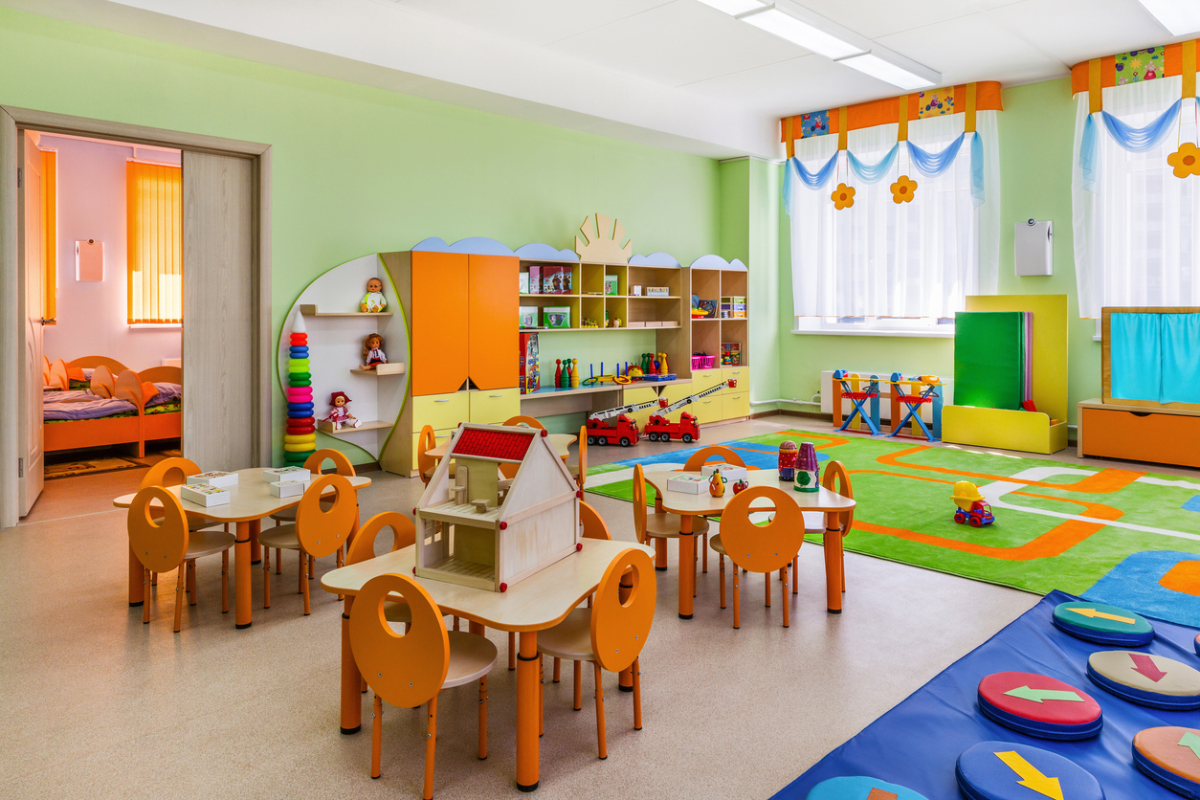
If you’ve chosen a Montessori school, congratulations! You’re giving your child the gift of learning through exploration, discovery, and meaningful work. But it’s natural to wonder how to help your child adjust to this unique environment, especially if they’ve never been in a classroom before.

Montessori classrooms may look different from traditional settings: they’re calm, organized, and child-centered. Teachers act more as guides than lecturers, and students are free to move around, choose their activities, and work at their own pace.

To support this transition:

  • Talk about what to expect. Describe how Montessori classrooms let children choose their work and explore their interests.
  • Use Montessori language at home. Words like “work” instead of “toys,” or “choose” instead of “have to,” can reinforce the school’s approach.
  • Limit screen time. Encourage activities that mirror classroom experiences, such as puzzles, practical life tasks, building blocks, or quiet time with books.
  • Model calm and order. Your child will bring your energy into the classroom. Practicing patience, cleanliness, and respect at home helps reinforce these values.

Easing First-Day Emotions (For Both Parents and Children)

Let’s be honest: the first days are emotional for everyone. Some kids run into the classroom with barely a backward glance; others need a little more time and reassurance. That’s okay.

Ways to help ease first-day worries include:

  • Create a goodbye ritual. A hug, a phrase, or a special handshake can make parting feel more predictable and comforting.
  • Stay positive. Your child takes cues from you. If you’re enthusiastic and confident, they’re more likely to feel the same.
  • Don’t linger. While it might feel kind to stay, long goodbyes can actually make it harder. Trust the teachers to help your child settle in.

And yes—bring tissues, just in case.

Ready to Begin? We’re Here for You

Schedule a tour or contact Future Minds Montessori today to discover how we can help your child grow, thrive, and shine from the very start with early education that makes a lasting difference.


Featured image for Should You Hire a Nanny or Send Your Child to Daycare

Should You Hire a Nanny or Send Your Child to Daycare?

If you’re a parent preparing to return to work or simply trying to catch your breath between errands, responsibilities, and life, you’ve likely found yourself asking: Should you hire a nanny or send your child to daycare? It’s one of the most important decisions you’ll make as a caregiver, and it often comes with a long list of pros, cons, and what-ifs.

You want a solution that fits your family’s lifestyle, supports your child’s development, and gives you peace of mind. So, how do you choose between an in-home nanny and the structured environment of a preschool and daycare center for childcare? Let’s dive in.

Should You Hire a Nanny or Send Your Child to Daycare?

Both options offer some great benefits, but they suit different types of families, routines, and parenting styles.

Nannies offer highly personalized care: your child stays at home, naps in their own crib, and follows a familiar routine. For some families, this flexibility is ideal, especially if work hours are irregular or multiple children need care.

On the other hand, daycare centers and preschools like Towne and Country Early Education Center offer a structured setting where children can engage socially, follow a developmentally appropriate curriculum, and grow in a stimulating environment.

By this point, you might already be leaning one way or the other—but let’s dive deeper to help you feel confident in your choice.

What Are the Benefits of Daycare and Preschool Settings?

Here are a few key benefits of choosing daycare over a nanny:

Socialization Opportunities

Children learn how to interact with their peers, share, cooperate, and develop important communication skills from a very young age.

Age-Appropriate Learning

Daycare centers follow proven curricula specifically designed for each stage of childhood development. At Towne and Country, your child will engage in activities tailored to their growth, creativity, and curiosity.

Trained Professionals

Unlike nannies, who may or may not have formal childcare training, daycare staff are certified in child development, safety protocols, and early education. Many have years of experience with infants and toddlers.

Routine and Structure

Children thrive in environments where they know what to expect. Structured routines at daycare facilitate transitions, promote independence, and support emotional regulation.

Built-In Backup and Reliability

When a nanny gets sick or needs a vacation, you’re left scrambling. With a licensed daycare, there’s always a team in place to provide consistent care.

When Might a Nanny Be the Right Fit?

There are certainly scenarios where hiring a nanny may be more practical. For example:

  • You work long, irregular hours or need overnight care
  • Your child has complex medical needs requiring one-on-one attention
  • You want in-home care for newborn twins or multiples
  • You have a strong personal connection with a trusted caregiver.

But even in these cases, many parents find that transitioning their children to a daycare and preschool environment as they grow can help prepare them for kindergarten and beyond.

What About Infant and Toddler Childcare?

Many parents wonder: Is daycare safe and beneficial for babies and toddlers? The answer is yes, especially when you choose a center that specializes in early childhood care.

At Towne and Country’s infant and toddler childcare program, children as young as six weeks are welcomed into a nurturing, age-appropriate environment where their needs are fully met by caring, experienced educators. From tummy time to language exposure, your child is given the attention and stimulation they need to thrive.

Questions to Ask Yourself Before Choosing

To help you make the best decision for your family, ask yourself:

  • Do I want my child to interact with peers on a daily basis?
  • Am I looking for structured learning or flexible care?
  • What’s my backup plan if my nanny is unavailable?
  • Do I want care providers with formal training?
  • What kind of social or emotional growth am I hoping for?

Ready to Explore High-Quality Preschool and Daycare Options?

Let us help you take the next step. Contact Towne and Country Early Education Center today to learn more about our programs or to schedule a personalized tour of our preschool and daycare center.

Featured image for What Are the 4 Primary Uses of Aracon Wires

What Are the 4 Primary Uses of Aracon Wires?

What do spacecraft, satellites, and high-frequency electronics all have in common? They all rely on one incredible (and incredibly important) material to keep their connections strong, secure, and high-performing: Aracon wire. This advanced material blends the strength of Kevlar® with the conductivity of copper, resulting in a lightweight, high-performance solution that’s reshaping how engineers design complex systems. With that in mind, let’s dive into the heart of the question: What are the four primary uses of Aracon wires? If you’re exploring options for custom wires and cables, understanding where Aracon excels can help you make the smartest and strongest choice.

What Are the 4 Primary Uses of Aracon Wires?

Aracon is used when you need exceptional strength, low weight, and high conductivity—all at once. It shines in high-stakes applications where failure isn’t an option, and it offers a major advantage over traditional copper wiring alone.

Here are the four primary applications for Aracon wires:

1. High-Frequency EMI Shielding

Electromagnetic interference (EMI) is the enemy of all kinds of sensitive electronics, and Aracon is one of the best defenses against it. Its unique copper-clad aramid fibers provide exceptional shielding while reducing cable weight by up to 70% compared to traditional braided copper shielding in all but exceptional cases.

You’ll find Aracon shielding in:

  • Military communication systems
  • Aerospace avionics
  • High-speed data cables
  • Secure, noise-sensitive electronic environments

2. Lightweight Power Conductors

In environments like aerospace and defense, every ounce counts. Aracon replaces traditional copper conductors with a much lighter alternative, all without sacrificing electrical performance. This makes it a great choice for transmitting power where both space and weight are limited.

Think of it as copper’s high-tech cousin: also highly conductive, but built for altitude.

3. Structural Reinforcement in Wiring Systems

Because Aracon combines mechanical strength with conductivity, it’s often used in situations where wires must endure mechanical stress or tension. This makes it a great option for cabling that needs to move, bend, or withstand heavy loads.

Use cases include:

  • Antenna support wiring
  • Tethered surveillance systems
  • Cables exposed to vibration or movement
  • Deployable systems in aerospace or defense

4. High-Performance Custom Cable Assemblies

For engineers designing custom wires and cables, Aracon is an absolute game-changer. Its unique properties allow for creative, lightweight solutions tailored to complex systems where conventional materials fall short.

Whether it’s for space exploration or secure military gear, Aracon enables ultra-custom assemblies that push the boundaries of what’s possible.

Why Aracon Stands Out in Custom Cable Design

If you’re working with Calmont, chances are your project doesn’t fit a cookie-cutter solution. That’s where Aracon becomes more than just a wire—it’s a design strategy.

Aracon offers:

  • Exceptional flexibility for small spaces
  • High strength-to-weight ratio
  • Superior EMI performance
  • Durability in extreme environments

Each of these features empowers designers to create cable assemblies that meet demanding specs without compromise.

So, Is Aracon the Right Fit for Your Project?

If you’re building custom systems that operate in extreme or sensitive conditions, Aracon may be exactly what you need. It’s particularly useful when:

  • You need to significantly reduce weight.
  • You require high-performance EMI shielding.
  • Your cable will be under mechanical tension or flex.
  • Standard copper just doesn’t cut it.

Because Calmont specializes in custom wires and cables, our team can help you evaluate whether Aracon is the right material for your application and guide you on how to integrate it into your next solution.

Let’s Build Something Stronger, Smarter, and Lighter

Contact Calmont Wire & Cable today to discuss how Aracon can support your next project. Whether you’re exploring innovative shielding or building a next-generation assembly of custom wires and cables, we’ll help bring your custom cable design to life.

Featured image for How to Plan a Museum Date

How To Plan a Museum Date

A museum date is one of those rare outings that feels equal parts relaxed, interesting, and unexpectedly romantic. But how do you plan a museum date that feels like a fun, shared experience instead of just a quiet walk through a gallery? The secret lies in a little forethought—choosing the right space, pacing the day, and sprinkling in moments that make it memorable.

Costa Mesa makes planning easy, with its thriving cultural scene and a wide range of arts and museums perfect for a date that’s anything but ordinary. Whether you’re both art lovers or just looking for a new way to spend time together, here’s how to make your museum date a hit.

Steps On How to Plan a Museum Date

Pick the Right Museum

The first step is finding a museum or gallery that matches your personalities. You don’t want your date to feel out of place or overwhelmed, so consider what kinds of exhibits might inspire curiosity or spark conversation.

Costa Mesa offers options for every kind of couple, from contemporary art galleries with bold, thought-provoking installations to more classical spaces with timeless collections. When narrowing it down, ask yourself:

  • What’s the vibe? Do you prefer a quiet, intimate gallery or something more interactive and energetic?
  • What topics excite you? Are you drawn to modern and abstract art, cultural history, or unique rotating exhibitions?
  • How much time do you have? Some museums are quick to wander, while others are designed to fill an entire afternoon.

Choosing the right spot keeps the day engaging and tailored to your shared interests, rather than feeling like you’re just wandering aimlessly.

Add Structure Without Making It Rigid

A good museum date feels easy, not rushed. Instead of trying to see every room or exhibit, pick a few highlights to focus on. This gives you both time to linger, talk, and enjoy what you’re seeing.

You can make the day feel more thoughtful by planning a few extras:

  • Work in a break. Stop by the museum café for coffee or a light snack, and use the opportunity to chat about what you’ve seen.
  • Look for special events. Many museums in Costa Mesa host evening events, live demonstrations, or curator-led talks, which can add something unexpected to the date.
  • Consider timing. Late-morning or afternoon visits leave time for lunch or dinner afterward, while evening events can flow into dessert or drinks nearby.

These small details help turn a simple gallery visit into a full experience.

Keep the Conversation Flowing Naturally

One of the best things about a museum date is that it comes with built-in conversation starters. You don’t need to be an art expert to keep things engaging; just reacting to what you see can spark playful or thoughtful exchanges.

Some easy conversation starters include:

  • “If you could hang one of these pieces at home, which one would it be?”
  • “What’s your take on this—do you think it’s brilliant or a little bizarre?”
  • “Would you ever want to try making something like this yourself?”
  • “What is your favorite artist?” or “Does this remind you of something in your regular life?”

These light prompts keep the mood easy while letting you learn a little more about each other’s tastes and sense of humor.

Plan Your Perfect Museum Date in Costa Mesa

With so many incredible arts and museums to explore, Costa Mesa is the perfect place to create a date that’s equal parts cultural and memorable. Start planning your outing by exploring the city’s top galleries and cultural spaces at Travel Costa Mesa and build a day full of connection, conversation, and discovery.

Featured image for At What Age Should You Enroll Your Child in Daycare?

At What Age Should You Enroll Your Child in Daycare?

Deciding when to enroll your child in daycare is one of those big parenting milestones—exciting, a little nerve-wracking, and full of questions. How young is too young? Are they ready? Are you ready? The truth is, there’s no one-size-fits-all answer. That means when it comes to the question of: at what age should you enroll your child in daycare, the answer depends on a mix of factors. That includes your family’s schedule, your child’s personality and development, and what kind of care you’re looking for.

At Fullerton Children’s Academy, we get how important (and emotional!) this decision can be. Whether you’re exploring infant care or planning ahead for preschool, we’re here to help you find the right fit, at the right time, for your family.

At What Age Should You Enroll Your Child in Daycare?

Many parents wonder if there’s a “perfect” age to start daycare. The honest answer? It depends. Some families enroll their babies in daycare as early as six weeks, while others wait until their child is a toddler or ready for preschool.

Daycare can be a wonderful environment for infants and toddlers to grow, socialize, and develop essential skills. At Fullerton Children’s Academy, our infant care programs welcome babies from just six weeks old, offering a nurturing and safe place where your little one can explore the world with gentle guidance.

Starting early can be a huge help if you’re returning to work or need consistent, loving care for your infant. On the other hand, some families prefer to wait until their child is more independent or approaching preschool age to begin daycare.

Understanding the Benefits of Early Enrollment in Daycare

So, why do some parents choose to enroll infants at a younger age? First of all, early enrollment can support your child’s growth in many ways. High-quality daycare centers provide structured routines, social interaction, and learning opportunities that can boost cognitive and emotional development.

When babies are cared for in a loving environment, they develop secure attachments with caregivers, which lays the foundation for healthy relationships later on. Socializing with peers, even at a very young age, can encourage early communication skills and emotional awareness.

For working parents, infant care in a trusted daycare center offers peace of mind and flexibility. Knowing your baby is cared for in a safe and stimulating space allows you to focus on your responsibilities without worry.

What to Consider When Choosing the Right Time for Daycare

If you’re still not sure about the best age for your child, take a moment to consider these factors:

  • Family Needs and Work Schedules: Returning to work is often a practical reason to start daycare early. Your schedule might dictate when your child needs to begin.
  • Child’s Temperament: Every baby is unique. Some may thrive in social environments early on, while others might need more time at home to feel secure.
  • Health and Immunity: Younger infants have developing immune systems. Ensuring your daycare center follows strict health and safety protocols is essential.
  • Childcare Quality: The quality of care matters most. A warm, nurturing daycare or preschool center like Fullerton Children’s Academy can make a huge difference regardless of your child’s age.

Preparing Your Child (and Yourself) for Daycare

Once you decide it’s time, the transition to daycare can feel easier with a little preparation. Talking to your child about daycare, visiting the center together, and establishing consistent drop-off routines can help your little one feel safe and excited about this new adventure.

For parents, building a relationship with caregivers and communicating openly about your child’s needs creates a support system you can rely on.

The Role of Preschool in Your Child’s Development

As your child grows, preschool and daycare centers provide new learning experiences that prepare them for kindergarten and beyond. Typically, preschool programs begin around ages 3 to 4, focusing on early literacy, social skills, and creative play.

Choosing a center that offers a thoughtful curriculum and warm environment helps your child build confidence and a love for learning. At Fullerton Children’s Academy, we blend nurturing care with educational activities tailored to each age group.

When You’re Ready to Take the Next Step

Whether you’re welcoming your newborn into infant care or looking ahead to preschool, the key is to choose a daycare center that feels like a second home. Your child’s early years are precious, and the right environment can make all the difference in their growth, happiness, and your peace of mind.

Ready to Learn More About Daycare Options?

We invite you to contact Fullerton Children’s Academy to schedule a tour or consultation. Let us help you find the perfect preschool or daycare center to begin your child’s educational journey in a loving and supportive environment.

Featured image for When Should You Use Text Surveys?

When Should You Use Text Surveys?

In a world that never slows down and where everyone’s glued to their phones, text messaging has quickly become one of the smartest ways to grab attention. That’s why savvy businesses are jumping on the text survey train to gather feedback, boost customer service, and really get to know their audience. But here’s the big question: When should you use text surveys?

If you’re already rocking automated texting tools like Trumpia, adding SMS surveys to your game plan is like having a secret weapon for fast, meaningful insights without losing that personal touch. Ready to find out how and when text surveys can make the biggest splash? Let’s dive in!

When Should You Use Text Surveys?

You should use text surveys when you want fast, direct, and reliable feedback from your audience. They’re perfect for checking in with customers after an interaction, gathering opinions on new products, or simply learning what your audience cares about most.

Why is this the case? Well, because people actually read texts

Compared to emails or traditional surveys, SMS surveys get far higher open and response rates. In fact, most texts are read within just a few minutes. If you want quick and honest answers, texting is one of the best ways to go.

The Role of Automation in SMS Surveys

Automating your text surveys doesn’t mean losing the human touch. Instead, it means making sure every survey goes out at just the right moment without adding more work for your team.

With automated texting software, you can set up triggers that send surveys after certain actions, like completing a purchase, signing up for a service, or reaching a loyalty milestone. You can even segment audiences to send customized surveys to different groups so your outreach feels tailored, not templated.

What Are the Best Moments to Send a Text Survey?

There’s no one-size-fits-all moment to send a survey, but some timing is definitely better than others. The key is to ask when the interaction is still fresh or when providing feedback feels easy and natural. Here’s when to time your surveys:

After a Purchase or Service Interaction

This is one of the most effective times to use a text survey. Whether a customer just completed a transaction or finished a support call, following up with a short, well-timed message shows you care about their experience and gives you insights to improve.

After an Event or Webinar

Hosting an in-person or virtual event? Use an SMS survey to capture reactions while they’re still top of mind. It’s a great way to gauge interest, measure success, and plan better for the next one.

For Internal Check-ins

Don’t forget about your team. SMS surveys can be a great way to check in with employees about morale, training, or policy changes. Texting feels informal and easy, especially when you’re asking for a quick opinion.

For Ongoing Customer Sentiment

Want to monitor how your customers feel over time? Consider sending short surveys periodically to track satisfaction, loyalty, or interest in specific offerings.

How Many Questions Should a Text Survey Include?

Text surveys work best when they’re short and sweet. No one wants to type out long responses or answer 10 questions on their phone. Ideally, aim for 1–3 questions that are clear, specific, and easy to answer.

Trumpia’s SMS surveys make it easy to create automated sequences that don’t overwhelm your audience. You can start with one simple question and build on it based on their response, keeping the experience smooth and conversational.

Best Practices for Text Surveys

The right timing can make or break your survey’s success. Here are a few best practices to keep in mind:

  • Send during waking hours. Most people respond better between 10:00 a.m. and 6:00 p.m. local time.
  • Follow up soon after the experience. The fresher the moment, the more accurate the feedback.
  • Don’t overdo it. Text surveys are powerful, but sending them too frequently can lead to opt-outs. Use them strategically and sparingly.

Your automated texting software should allow you to schedule and space out messages so your communication feels timely, not intrusive.

Make It Easy to Respond

One of the most appealing parts of text surveys is how easy they are to complete. But you still need to make sure the process is simple. Use multiple-choice or number-based responses when possible. For open-ended questions, keep it short, and don’t ask for more than one idea at a time.

Trumpia’s platform can help guide your survey structure, using smart logic to keep the conversation flowing naturally. This helps you get better data without frustrating your respondents.

Wrap Up and Get Started with SMS Surveys

Ready to get actionable feedback in real-time? Trumpia’s SMS survey and automated texting software tools are designed to make communication faster, smarter, and more human. Reach out today to schedule a consultation or try it for yourself!

Featured image for What Size Roller Skate Wheels Should You Get?

What Size Roller Skate Wheels Should You Get?

If you’ve ever walked into a skate shop and stared at the wall of wheels, you know how overwhelming it can be. There are so many different sizes, colors, and hardness levels that it feels impossible to know where to start. The truth is, choosing the size for your roller skate wheels is one of the most important decisions you’ll make when upgrading your parts and accessories, and it can completely change how your skates perform.

Understanding Wheel Size Basics

Roller skate wheels are measured in millimeters, and the size refers to the diameter of the wheel. Most roller skate wheels range from about 57mm to 70mm, though you can find wheels outside this range for specific purposes.

Here’s the simple truth: smaller wheels are generally better for tricks and quick movements, while larger wheels are better for speed and smooth rides. But there’s a lot more to consider when making your choice.

Small Wheels: The Agility Champions

Wheels in the 57mm to 62mm range are considered small. These are perfect if you’re into artistic skating, doing tricks, or skating in tight spaces. Small wheels sit lower to the ground, giving you better stability and control when you’re trying to nail that perfect spin or navigate through obstacles.

They don’t roll as smoothly over rough surfaces, and you’ll feel every crack and pebble in the pavement. If you’re planning to skate outdoors on less-than-perfect surfaces, small wheels might make your ride pretty bumpy.

Medium Wheels: The Versatile Middle Ground

Medium wheels, typically 62mm to 65mm, are the sweet spot for many skaters. They offer a good balance between stability and speed, making them ideal if you’re not sure what type of skating you want to focus on.

These wheels work well for recreational skating, both indoors and outdoors. They’re forgiving enough for beginners but still responsive enough for intermediate skaters who want to try different skating styles. If you’re just starting and shopping at your local skate shop, medium wheels are often the safest bet.

Large Wheels: Built for Speed and Distance

Wheels 65mm and larger are designed for speed and distance skating. If you’re planning long outdoor sessions or want to build up serious speed, larger wheels are your friend. They roll over obstacles more easily and maintain momentum better than smaller wheels.

The trade-off is that larger wheels can make your skates feel less maneuverable. Quick turns and tricks become more challenging, and you might feel less stable when you’re starting. But for cruising around the neighborhood or skating longer distances, they’re hard to beat.

Your Skating Style Matters Most

Before you get caught up in the technical details, think about what you actually want to do on your skates. Are you planning to spend most of your time at the roller rink doing spins and footwork? Go smaller. Want to skate trails and bike paths? Bigger wheels will serve you better.

If you’re into jam skating or artistic skating, you’ll want wheels on the smaller side – usually 57mm to 62mm. These activities require quick direction changes and precise control, which smaller wheels provide.

For outdoor recreational skating, fitness skating, or commuting, larger wheels in the 65mm to 70mm range make more sense. They’ll help you glide over rough pavement and maintain speed with less effort.

Consider Your Skill Level

Beginners often benefit from starting with medium-sized wheels. They’re forgiving and versatile, allowing you to experiment with different skating styles without committing to a specific discipline right away. Once you figure out what type of skating you enjoy most, you can always upgrade your parts and accessories later.

More experienced skaters should consider having multiple sets of wheels for different activities. Many serious skaters keep small wheels for indoor sessions and larger wheels for outdoor adventures.

The Surface You’re Skating On

Indoor rinks typically have smooth surfaces that work well with smaller wheels. The controlled environment means you don’t need the extra diameter to roll over obstacles.

Outdoor skating presents different challenges. Sidewalks, bike paths, and streets have cracks, debris, and varying surface textures. Larger wheels handle these conditions much better, making your skating experience more enjoyable and less jarring.

Making Your Decision

The best wheel size for you depends on your skating goals, skill level, and where you plan to skate most often. If you’re unsure, start with medium wheels and see how they feel. You can always experiment with different sizes as you develop your skating skills and preferences.

Remember, changing wheels is relatively easy and inexpensive compared to buying new skates. Don’t be afraid to try different sizes and find what works best for your skating style. Your local skate shop can help you make the switch and provide advice based on your specific needs.

The right wheels can transform your skating experience, so take the time to choose wisely. Your feet will thank you for it.

Get Your Skate Wheels Today!

Visit our online skate shop today and get set up with the right wheels for you. 

Featured image for Are Scooters Illegal to Ride on the Road

Are Scooters Illegal to Ride on the Road?

You’ve seen them—zipping past traffic, weaving through neighborhoods, or cruising along downtown sidewalks like they own the place. Scooters are everywhere these days, and whether you’re itching to join the ride or just wondering how they fit into the rules of the road, one question keeps popping up: Are scooters illegal to ride on the road?

Unfortunately, it’s not as simple as a yes or no. Different places have different rules, and what’s totally fine in one city might earn you a ticket in another. So, whether you’re eyeing that sleek new scooter at your favorite online skating shop or just want to avoid a run-in with local law enforcement, consider this your go-to guide. We’ll break down what you need to know so you can ride smart, ride safe, and still have a blast doing it.

Are Scooters Illegal to Ride on the Road?

Let’s address the big question of whether scooters are illegal or not: it depends on the type of scooter and the laws in your local area. In many cities and states, scooters, particularly electric scooters, are permitted on roads, but there are often restrictions in place. These might include speed limits, helmet laws, and where scooters can ride in relation to cars and pedestrians.

In general, non-motorized scooters (like kick scooters) are treated a lot like bicycles or skateboards. Riders may be expected to use sidewalks, bike lanes, or shared paths, but typically not the main road, especially if traffic is fast or heavy. On the other hand, motorized scooters, especially rental or personal e-scooters, are increasingly regulated under local transportation laws. In some places, they’re allowed on low-speed roads but not on sidewalks. Other areas may ban them from public roads altogether.

So, the short answer is that scooters are not universally illegal to ride on the road; however, you’ll need to check your local traffic laws to determine what is allowed in your area.

Understanding Local Regulations for Scooter Use

Since there’s no single rule that applies everywhere, the best way to stay on the right side of the law is to familiarize yourself with your city or state’s scooter regulations. Some locations permit scooters on any road with a posted speed limit of 25 mph or less. Others require scooter riders to stick to bike lanes or prohibit them from being used on sidewalks where pedestrian traffic is high.

If you’re still unsure, check with your local Department of Transportation or city website for the most up-to-date rules.

Motorized vs. Non-Motorized: A Key Distinction

One of the most important factors that determines whether a scooter is road-legal is whether it’s motorized.

  • Non-motorized scooters, like the ones you’ll find as part of Crazy Skates’ scooters collection, are typically seen as safe for sidewalks, parks, and quiet neighborhood streets. They’re lightweight, easy to maneuver, and great for kids and teens.
  • Motorized (electric) scooters, however, often fall into a different category of vehicle under the law. They might be subject to rules similar to those for bicycles, mopeds, or even motor vehicles, depending on your location.

For motorized scooters, registration and insurance are typically not required, but some cities are considering changes in this direction. As always, if your scooter has a motor, check your local laws before hitting the road.

Can You Ride Scooters on Sidewalks Instead?

In many cities, sidewalk riding is discouraged or even banned for motorized scooters, primarily due to concerns about pedestrian safety. But for non-motorized scooters, especially those designed for kids, sidewalks are usually the safest and most practical place to ride.

A few simple rules apply here, just like on the roads. Always yield to pedestrians and maintain a safe speed. If you’re unsure about a sidewalk’s rules, look for posted signs or ride with extra caution until you’re certain of the regulations.

Safety First, No Matter Where You Ride

Regardless of whether it’s legal to ride on the road, safety should always be the top priority. That means:

  • Wearing a helmet, even if it’s not required by law
  • Using lights or reflectors if riding in low light
  • Obeying traffic signs and signals
  • Staying visible and alert to other road users
  • Keeping to appropriate lanes or pathways

If you’re riding a scooter from a reputable online skating shop like Crazy Skates, make sure it’s in good working condition. Check your brakes, tires, and folding mechanisms regularly—and teach younger riders how to do the same.

Explore Scooter Options at Crazy Skates

Looking for a safe, stylish scooter for your next ride? Explore Crazy Skates’ full selection of scooters and gear at our trusted online skating shop and get rolling the right way today!

Featured image for Top 8 Uses of Autonomous Robots

Top 8 Uses of Autonomous Robots

Machines and robotics aim to find the most effective ways to supplement human work. Autonomous robots can make a range of tasks not only easier but far safer for humans. These top 10 uses of autonomous robots highlight some of the key ways this field has progressed in recent years.

Top 8 Uses of Autonomous Robots

Manufacturing

Machines are more precise than humans. That fact has been known since humans invented the six simple machines. Autonomous robots are the natural extension of this field. 

Autonomous robots have been used in basic factory settings for precision assembly for some time. Now, advances may not see robots working in more collaborative roles as well. Collaborative robots (cobots) can perform tasks like welding or painting alongside human workers.

Additionally, robots can handle materials that are unsafe for humans. A piece of metal burning at a few hundred degrees might melt the skin of your hands. But a robot should have no such issues.

Logistics and Warehousing

Transporting materials to and from warehouses goes much faster with autonomous robots. They can speed up tasks like order fulfillment and monitoring stock levels. Rather than taking human jobs, this frees up human workers for more complex (and less monotonous) tasks.

Currently, autonomous mobile robots (AMRs) are already in use in the field. They can tirelessly transport goods across facilities, reducing the risk of human accidents. Again, the goal is to improve human safety while also streamlining efficiency.

Healthcare

Fully autonomous robots may not appear in healthcare for some time, as many people are still only beginning to grow comfortable with robot-assisted surgery. That being said, opinions on robotically led surgery are likely to change over time and become more permissive. Even if this is the case, it is unlikely that the human touch will be fully erased. Medical specialists will always remain involved in the process, even if medical robots become more autonomous.

Beyond surgery, autonomous robots may begin playing a larger role in two other fields:

  • Medical Supply Delivery: Transporting medication and equipment through hospital settings. This reduces human exposure to pathogens.
  • Patient Care: Autonomous robots can assist with physical therapy or psychological treatment. Others might provide companionship to patients.

Space Exploration

Barring any earth-shattering revelations about spacetime, interstellar travel will prove troublesome for people. Space is simply too big, and humans have too many needs. We need food, companionship, air, exercise, stimulation, and more. 

An autonomous robot will only require an energy source. Deep space exploration may come to rely heavily on autonomous robots to gain a deeper understanding of our universe. 

Furthermore, autonomous robots can better handle harsh environments, such as those with extreme temperatures or those devoid of oxygen.

Self-Driving Vehicles

If you live in a metropolitan area like Los Angeles, CA, you may already have seen an autonomous car around town. We expect this trend will only continue. 

As technology advances, driverless cars will surpass human-operated vehicles in terms of safety. At present, motor vehicle collisions are the leading cause of death for people up to 33 years old. Autonomous robotic cars could significantly reduce that number. Remove factors like intoxicated or drowsy driving, and roads suddenly become a lot safer.

Fully autonomous buses may take longer, but those may also be on the horizon. A road of fully autonomous vehicles could be a boon for increasingly populated cities. Reduce traffic and traffic fatalities in one step.

Delivery Services

Again, many metropolitan cities already have autonomous robots rolling around town making deliveries. These provide a great alternative to drones, keeping the skies clear while also reducing traffic.

We know no one wants a sky full of drones. However, autonomous robots could be an effective way to transport certain goods by air. For example, deliveries to remote areas could prove more feasible by air than winding roads.

Military Applications

With any technology, some of its earliest applications happen in the military. Autonomous robots can carry out high-risk activities, such as surveying dangerous areas or disarming explosive devices. In these cases, the goal is to reduce the risk to human life. 

Many hurdles will need to be overcome before robotic soldiers place their boots on the ground. Nevertheless, research is being conducted in the field.

Quality Control and Inspection

Human quality control will always be there. However, autonomous robots can help identify defects or other issues that humans may overlook. For example, a robot could quickly and safely monitor the charge of electrical equipment or the structural integrity of an object. 

A Leader in Robotics Wiring

As with any top-tier tech, you want the best custom wire and cable. Clients come to Calmont for wire and cable supplies for robots and a wide range of other industries.

Featured image for Why Is Preschool Important?

Why Preschool Is Important in Child Development

The preschool stage is an exciting time because children experience numerous firsts during this period. This is the stage when children learn a variety of foundational skills, from recognizing their ABCs to counting up to 10, putting on clothes, and understanding time concepts. It is a fundamental development stage where crucial emotional, social, cognitive, and physical growth begins. During these early years, children, particularly those aged 3 to 5, experience rapid brain development. For this reason, the experiences they have in life and in a preschool setting can set the stage for their lifelong learning and well-being.

A good early education center provides age-appropriate activities for your child to achieve as much as they are expected to at this age. Some parents and caretakers have their children skip preschool because they do not believe that it provides a necessary foundation for young minds. Though this assumption is understandable, it is incorrect. For those who do not yet appreciate the importance of this stage, we discuss why preschool is important in child development.

Why Preschool Is Important in Child Development

Social and Emotional Growth

One of the most important benefits of preschool is that it provides children with the opportunity to interact with peers and adults who are not part of their own family. The setting is structured to allow children to share, take turns, listen to others, and resolve conflicts peacefully. These skills do not come naturally to children. They are modeled and practiced.

Preschool also helps young children learn how to regulate their emotions. With the help of their teachers, children learn to recognize their feelings and respond to them appropriately. For instance, a child who gets frustrated by a difficult puzzle will be guided to express their frustration, take a break, and try again. This ability to process emotions without becoming overwhelmed by them is a crucial life skill for emotional resilience. The routines and structure in the preschool setting also foster a sense of security and independence. This is important if you want your children to build their self-confidence.

Language and Communication Skills

Preschool is a language-rich environment. Whether it is strong storytelling, singing, role-playing, or simple daily conversations, children are constantly exposed to and engaged in communication. Through this exposure, they can expand their vocabulary, develop their listening skills, and refine their sentence structure.

In addition, it is in preschool that the groundwork for reading readiness is laid. Teachers often incorporate letter sounds, rhyming games, and read-aloud activities that introduce children to reading and literacy in a fun and age-appropriate way. These early literacy experiences serve as building blocks to better performance in elementary school and beyond.

Cognitive and Early Academic Development

Preschool programs are designed to foster curiosity, exploration, and problem-solving skills. Children in preschool do not just memorize facts. They also learn how to think. Simple activities, such as sorting buttons by color or size, teach basic math concepts like categorization and patterns. Early science concepts, such as volume and buoyancy, can also be introduced through water play.

Additionally, hands-on activities help children develop important cognitive skills, including attention, memory, and reasoning. Children also begin to understand cause-and-effect relationships and make simple predictions. These fundamental skills help children succeed in academics later on.

Quality preschool programs typically utilize play-based learning. It is a fun way to foster imagination, creativity, and decision-making while simultaneously reinforcing the concepts introduced by the teacher. 

Fine motor skills are strengthened through activities like cutting with scissors, building with blocks, and drawing. Tasks like these develop hand-and-eye coordination and prepare children for writing.

Gross motor skills, such as running, jumping, dancing, and climbing, are also developed during outdoor play. These activities not only contribute to the children’s physical health but also help build their self-confidence and risk assessment skills.

Preparation for Kindergarten and Beyond

Preschool prepares children for formal schooling. They learn to follow instructions, sit in a group, listen to the teacher, manage transitions, and focus on tasks. They become more confident by the time they reach elementary school.

Invest in Your Child’s Future Today

Preschool is a powerful springboard for a child’s overall development. Aside from nurturing emotional growth, strengthening communication, and building cognitive and physical skills, preschool also lays the foundation for lifelong learning. The rich experiences offered in preschool provide children with a strong foundation for life. This not only shapes their academic journey but also gives them the confidence and capacity to thrive in the world. If you want to invest in your child’s future, preschool is one of the best decisions you can make at this time. Contact us today and discover how we can partner in shaping your child’s future.