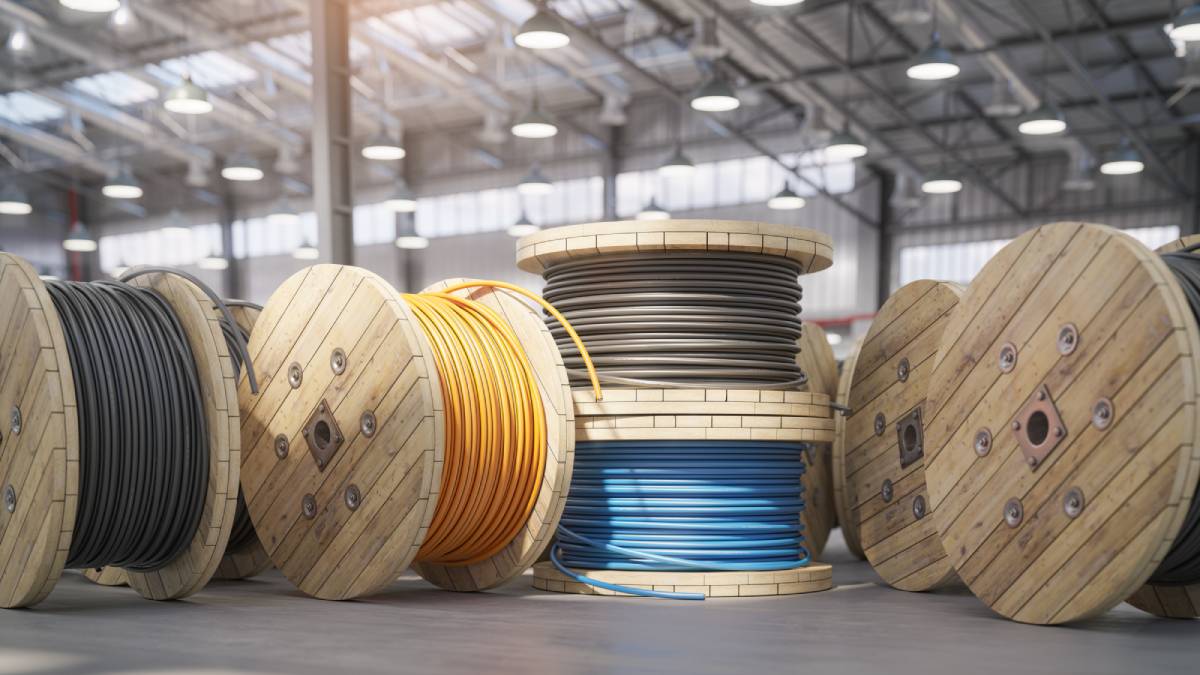
The Role of High-Temperature Wire in Modern Manufacturing
The demand for manufacturing components that can withstand extreme conditions is now higher than ever. Be it heavy machinery or next-generation electronics, industries rely on materials engineered for durability, efficiency, and safety. Usually designed alongside custom wires and cables, high-temperature wire is one of these essential components. You know it is important, but you may wonder, what is the role of high-temperature wires in modern manufacturing?
Why Manufacturing Needs High-Temperature Wire
High-Temperature Wire
High-temperature wire is electrical wiring specifically engineered to withstand temperatures ranging from 150°C to over 1000°C, depending on the material and construction. These wires are usually manufactured with heat-resistant insulation such as fiberglass, silicone rubber, PTFE, mica, or mineral insulation. These materials are not only heat-tolerant but also chemical-, abrasion-, and moisture-resistant. These characteristics make the wire suitable for harsh, demanding environments.
Manufacturing facilities depend on heavy-duty machines, automated systems, and continuous operation. They require high-temperature wire to handle demanding conditions and maintain reliable performance where standard wiring would degrade.
Modern machines often run hotter, faster, and longer, making heat-resistant wiring essential. Without high-temperature wires, industries would have to operate less efficiently and face more frequent breakdowns and safety hazards.
High Temperature Wires Perform Multiple Roles
- Ensuring Electrical Safety: Heat is one of the biggest enemies of electrical systems. When the temperature is too high, the insulation can melt, crack, or short-circuit. This can lead to equipment failures or even cause fires. High-temperature wires provide stable insulation, reducing the risk of accidents.
- Improving Equipment Reliability: Downtimes are costly. When machines overheat and malfunction, production can stop, resulting in massive losses. With high-temperature wires, you can be assured of consistent power delivery, longer machine life, and fewer maintenance interruptions.
- Meeting Industry Standards and Compliance: There are strict safety and quality regulations that have to be met, especially in industries such as aerospace, automotive, steel fabrication, chemical processing, and electronics. By using high-temperature wiring, manufacturers can comply with industry standards.
Key Benefits
- Safety and Fire Resistance: One of the most important benefits is reduced fire risk. Even in unforeseen events and system failures, the melting or combustion of high-temperature wires is less likely. This is crucial, especially for high-density or enclosed environments.
- Durability: They can withstand vibration, friction, and rough handling.
- Longevity: They do not need to be frequently replaced, which can help reduce downtime. Both can result in lower operational costs over time.
- Consistent Performance Under Stress: They provide stable conductivity in unstable environments because they resist heat, chemicals, moisture, and mechanical stress.
- Versatility: These wires can be customized according to size, variation, conductor type, and temperature rating. Because of this, they can adapt well to various manufacturing needs and processes.
Areas Where High-Temperature Wires Are Used
Automotive Manufacturing
Electronics in motor vehicles are placed near engines and exhaust components. High-temperature wires ensure sensors, control modules, and ignition systems function even in high heat.
Metal and Glass Production
Metal and glass production use extremely high temperatures. The wires used should withstand continuous exposure to heat.
Aerospace and Defense Manufacturing
In manufacturing aircraft engines, avionics, and military-grade equipment, high-temperature wires are used because they can withstand extreme heat, including rapid temperature changes.
Semiconductor and Electronics Production
Stable, interference-free electrical connections are essential for precision electronics. To maintain signal integrity even in heat-intensive processes, high-temperature wires are used.
High heat is necessary to manufacture sensors, microchips, and circuit boards, and high-temperature wires support the building of these key components that power smartphones, appliances, and computers.
Industrial Machinery and Automation
Robotics, cutting tools, and machinery that operate with heat-intensive processes are increasingly being used in factories. High-temperature wires can ensure performance stability in the following areas:
- Furnaces and kilns
- Industrial heaters
- Welding equipment
- Injection welding machines
Ensure Safety and Productivity
Avoid safety risks and unnecessary downtime. Use high-temperature cables and wires to ensure reliability and safety. If you want to learn more about our wires and cables, call us and speak with one of our agents today.
Leave a Reply