The image shows a young child and his grandfather roller skating outside. It represents how to ensure skating with your child is safe and fun.

How to Ensure Skating with Your Child Is Safe and Fun

One of the best things parents can give their children is beautiful memories of doing fun activities together. And one activity you and your child can have fun doing together is skating. Whether it is rollerskating in the park or at a roller skating hub, your child is bound to build self-confidence, have their much-needed physical activity, and create a beautiful memory they can always look back on. However, safety is necessary to make happy memories. Read this guide on how to ensure skating with your child is safe and fun.

How to Ensure Skating with Your Child Is Safe and Fun

Choose the right equipment.

With any physical activity, choosing the right equipment is essential for ensuring safety. Three things need to be considered when roller skating.

  • Skates: When you are looking for children’s roller skates, look for skates with good ankle support and a brake system. Make sure that they fit snugly but not too tight.
  • Helmet: Get helmets that are certified for skating and meet safety standards. Helmets that fit properly are crucial to both your and your child’s safety. A helmet should sit level on the head and not be tilted back.     
  • Protective Gear: Knee pads, elbow pads, and wrist guards are protective gear that should not be left at home. Make sure that you and your child wear them every time you go skating to protect against injuries that can occur during falls.     

Teach your child basic skills and safety rules.

Talk to your child about safety rules and basic skating skills before going out into the streets.

  • Show your child the proper skating posture. Bend your knee slightly and lean your body forward marginally. Let your child follow and correct the posture if needed.
  • Teach your child how to stop safely. Ensure that they know how to use the brake or how to perform a T-stop.
  • Show your child how to fall correctly, falling on their sides or backsides. Teach them to avoid using their hands to break the fall. Practice with your child several times to help minimize injuries.      
  • Teach your child to focus and to be aware of their surroundings while skating. Teach them how to follow traffic signals and to always stay in designated areas.         

Choose a safe skating location.

A safe location always promotes safety and fun. You should consider the following when looking for a skating location.     

Indoor and outdoor skating rinks are both great options. Their controlled environment, smooth surfaces, and minimal obstacles make them safe for you and your child.

A lot of parks have designated skating paths you and your child can use. Just make sure that they are well-maintained and free from debris that could cause accidents. Avoid paths with a high possibility of your child colliding with pedestrians.

Supervise your child.

It is essential to supervise your child at all times, especially if your child is a beginner. Assist them when they fall and encourage them to go on even after falling. Skating with your child will not only ensure that they are safe, but it will also give you an opportunity to teach them the lessons that they need as they go through life.   

Take a break when needed.

Exhaustion and fatigue can lead to mistakes and accidents. It is essential that you know when your child needs a break. Bring a snack with you, and always have clean drinking water on hand to stay hydrated.                

Pack a small medicine kit.

Make sure you are ready for small emergencies. Remember to pack adhesive bandages, antibiotic ointment, alcohol, and antibacterial soap for cleaning and treating minor cuts and scrapes.

Dress appropriately.

Help your child choose comfortable clothes that allow free movement. However, they should also be tight enough so they do not get caught in their skates. Comfortable, weather-appropriate clothes will promote safety and fun.

Create Fun Memories with Your Child

There are so many ways to create fun memories with your child, and skating is a delightful way to spend time together while building your child’s physical fitness and confidence. Just follow these tips, and you and your child will surely have a safe and memorable riding experience. Ready for a skating adventure with your child? Choose the perfect pair of skates today!


The image shows illustrations of nine different roller skates. The image represents if you should get quad skates or inline skates.

Should You Get Quad Skates or Inline Skates?

With summer on the horizon, it is a great opportunity to spend quality time outdoors. Spending time with friends, family, or even yourself outside has several benefits. Outdoor activities benefit your physical health by improving your cardiovascular health and getting vitamin D. They can also boost your mental health as they promote better sleep and reduce your stress levels. One of the best all-around outdoor activities to do in the summer is skating. You may wonder if you should get quad skates or inline skates. Consider the following information to help you make an informed decision.

Should You Get Quad Skates or Inline Skates?

Purchasing a pair of skates can be overwhelming at first. There are so many choices to consider. However, there are just a few factors to consider as you begin the process. Consider the following benefits and unique differences of both quad skates and inline skates.

Quad Skates

Quad skates are a great choice for skaters of all ages and skill levels, including beginners. They offer exceptional stability and are easy to maneuver, making them really easy to learn how to skate with. New skaters can also spend time practicing, as quad skates offer unparalleled comfort. 

Quad skates are slower than inline skates. However, this is great for beginners, as it will help you hone your skills before increasing your speed. For children or adults who are just beginning their skating career, quad skates are an excellent choice. Quads are affordable roller skates that can quickly transform you from a novice to a seasoned skater.

Inline Skates

Inline skates are another great skate option, especially for more advanced skaters who want to achieve high speeds. Even at higher speeds, inline skates allow dexterous movement, which is great for those who play skating sports, such as roller hockey. Because inline skates are optimized for speed and agility, they are much smoother than quad skates.

Inline skates are great for those who have been skating for a while, as they do take more time to get used to. They require you to balance more as the wheels are in a straight line rather than in a rectangular formation like quad skate wheels. Inline skates can be more difficult for beginner skaters, so it is important to consider your skill level when choosing your skates.

Health Benefits of Skating

No matter if you choose quad or inline skates, both can help get you outside and active. Skating offers several benefits to your health, including your social, emotional, and physical well-being. Learning how to skate can also help you feel confident and improve your overall happiness. 

Skating can also improve your mental and physical health. Outdoor activities have been proven to improve mood and reduce stress. Moving your body with an activity like skating can help improve your physical health. Americans are heavier and more unhealthy than ever. Picking up an activity such as skating can help with weight management and improve your cardiovascular health. 

Roller Skating Shop

Now is a great time to purchase your new pair of skates. It can help catapult your summer and improve your quality of life. Check out the selection at the top roller skating shop. The selection at Crazy Skates is vast. Check out their selection online today to get started!

concept of woman presenting after a schedule a tech seminar

How to Schedule a Tech Seminar

Scheduling, and planning a tech seminar can be both rewarding and overwhelming. It may cause the organizers some sleepless nights especially when there are glitches in the plans. Below, we cover how to schedule a tech seminar.

From budgeting to making sure the attendees stay engaged throughout the event to ensuring that the technical aspect of the event is well-executed, there are just a lot of elements involved and things to be considered. But with a strategic, structured approach and meticulous planning, and possibly the help of a custom cable company, you will be able to pull off a successful seminar that meets or exceeds your expectations and delights the participants.

If you are a newbie looking for a step-by-step guide on how to schedule a tech seminar or you are an experienced planner who is simply looking for some fresh ideas, this post will be a big help to you.

How to Schedule a Tech Seminar

Goal Setting 

Start with a clear purpose in mind. What is your goal? What objectives do you want to achieve? Start with the end in mind. Think about your attendees. What do you want them to get from this seminar.

Goal setting will make sure that you do not end up like a tumbleweed that is going to be tossed to and fro and get lost in all the overwhelming details.

Your Target Audience

Identify your attendees. Who are they? Understanding who they are, the industry they come from, and their profession may influence many decisions. Are you targeting engineers, researchers, or product managers? Your seminar should be customized according to the needs and interests of your target audience. This will make your seminar more relevant and appealing.

Seminar Format

Events nowadays can be face-to-face, virtual, or hybrid. Each one has its pros and cons.  Face-to-face seminars provide more personal connections that one does not get from a virtual format. Meanwhile, virtual events allow you to reach more people from different parts of the world without them ever having to buy a plane ticket.  Hybrid events provide the venue for you to do both.  In the end, you will have to think about which format best suits the needs and expectations of your audience and which would help you achieve your purpose. 

Funding and Budgeting

Now that you’ve laid down the foundations of your seminar, it’s time to think about money. 

Start by listing down all possible expenses. Think about venue rental, speaker’s fees, food for participants and marketing expenses. If you have chosen to go hybrid or virtual, do you have the technical requirements for that or do you need to pay extra to be able to accommodate all attendees?

Where will the money come from? Will you shoulder everything, or can you think of other brands who might see value in working with you and sponsoring a part of your expenses? Talk to them and show them how sponsoring your event can be of benefit to them.

Date and Time

Choose a date and time for your seminar. Consider major holidays and industry conferences that may pose problems for you or the attendees. 

Your Venue

Choose a comfortable venue with adequate seating and audio-visual equipment and complete with all the necessary technology. If you are going hybrid or virtual, what platform will you use? Will it allow breakout rooms and other interactive features?

Seminar Timeline

Create a seminar schedule and note the time of the sessions, breaks, and other activities.

Engaging Agenda

Plan your agenda. Make it engaging and out-of-the-box. What has never been done but is possible to be done? What unique elements can you integrate? Always think about your attendees. What are their interests and desires? Give them opportunities to meet other attendees and expand their network.

Resource Speakers

The success of your event depends largely on the quality of your speakers. Look for experts in the industry who are not only knowledgeable but who are also engaging and capable of capturing the audience’s attention.   

Promotion

Get the word out there. Use social media, and email to inform your target audience about your seminar. Send out newsletters, and updates. Come up with an email sequence designed to excite your target audience about your event. Send regular reminders and countdowns as the deadline for registration nears. Offer discounts or exclusive perks for early birds.

Plan for a Successful Seminar

Planning a seminar entails a lot of hard work, patience, multitasking, and organizational skills. However, even an inexperienced person can pull it off and be rewarded with a successful event if they keep these ten steps in mind.  And if, by any chance, you are planning wire and cable seminars, we will be more than happy to help you and your engineers. No need for you to prepare the course materials because we will do it for you.

concept of woman in inline skates in park

What Are the Different Types of Inline Skates?

Skating is a great activity that can level up your fitness game. Inline skates are great for intermediate to advanced skaters. However, inline skates are also a great form of exercise for those just starting out who want a challenge. The learning curve can be passed through fairly easily with time and practice. There are several different kinds of inline skates. The type that is right for you depends on what you want to do. What are the different types of inline skates? Below, you will find the various types and what they are specifically used for.

What Are the Different Types of Inline Skates?

There are several different types of inline skates. Consider the following before you decide which ones are right for you.

Fitness Skates

Fitness skates are great for advanced skaters who want to increase their speeds. These are great for skaters who want to skate longer distances and high speeds. If you are considering using inline roller skates to improve your physical health, fitness skates are a top choice.

Recreational Skates

Recreational inline skates are geared more toward beginners. For those who skate on occasion or are just starting out, recreational skates offer comfort and stability. They can be used on most surfaces with ease, including both indoors and outdoors.

Freestyle Skates 

Adventurous skaters who partake in precision skating styles should choose freestyle skates. They are great for activities such as skate dancing and free jumping. They have small wheels and a hard shell. This makes them a safe and effective inline skate option for those who do more adventurous activities while skating.

Speed Skates

Speed inline skates are an excellent option for fitness skaters who want to take their skating to a whole new level. Also, speed skates are highly beneficial for both distance and speed. They have features that complement their use as they are light and flexible. Speed skates often do not have a brake, so they should be used by advanced skaters.

Aggressive Skates

If you enjoy spending time at the skate park doing off jumps and sliding on rails, aggressive skates are the top choice among skaters. Aggressive skates can bring your skating to the next level. However, just like speed skates, they should be used by advanced skaters. Their features are meant to ensure you can reach all of your skate goals with ease.

Benefits of Inline Skating

Inline skating is a great form of exercise. It is also a fun way to spend your time. Experts agree that inline skating is a great way to get in shape. The Centers for Disease Control and Prevention recommend adults get at least 150 minutes of moderate-intensity physical activity per week. The organization also recommends two days of muscle-strengthening activity. Inline skating can help you easily achieve this goal.

Inline skating offers several benefits that can transform your body. It improves lower body strength, strengthens your stabilizer muscles, and is good for your heart. Nearly half of Americans over 20 have some form of cardiovascular disease. Inline skating is a great way to reduce your risk for chronic conditions. In addition to improving your heart health, inline skating is beneficial for balance and coordination. This can activate and strengthen your core muscles.

Inline Skate Shop

Both beginner and advanced skaters can find everything they need at the top inline skate shop. The selection at Crazy Skates is unparalleled, as they have something for everyone. From kids and adults to occasional and advanced skaters, you can find inline skates, quad skates, and all the related gear. Check out their selection online today to get started on your skating journey!

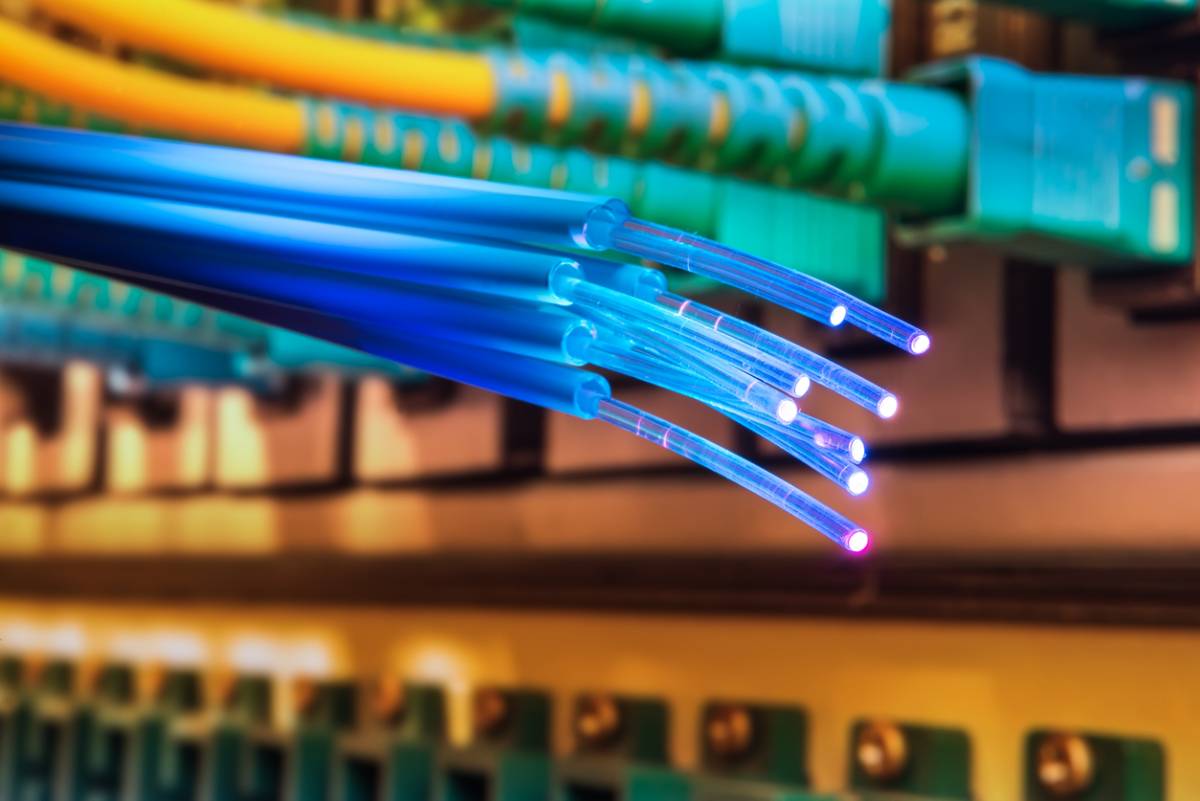
concept for why is fiber optic cable faster than copper

Why Is Fiber Optic Cable Faster than Copper?

Fiber optic cables are a reliable way to transmit data. They are fast, efficient, and offer high-speed data communication. In fact, they have revolutionized data transmission due to their major benefits. Unlike copper cables that use electrical signals to transmit data, fiber optic cables utilize light signals to carry information. While they both provide the same function, their unique differences set them apart entirely. You may wonder why is fiber optic cable faster than copper. Below, you will find more information about the benefits of fiber optic cables. 

Why Is Fiber Optic Cable Faster than Copper?

Both copper and fiber optic cables transmit data from one point to another. This includes both short and long distances. While they both provide the same function, there are marked differences between the two. Fiber optic cables offer several benefits as compared to copper cables. Consider the reasons why fiber optic cables offer advantages as compared to copper cables. 

High Bandwidth:

Likely one of the more important factors, fiber optic cables have a higher bandwidth than copper cables. Bandwidth is important as it refers to the amount of data that can be transmitted. Fiber optic cables are a top choice as they have fewer issues, especially during high-demand applications. This includes things like video streaming and gaming online. Additionally, fiber optic extenders can provide even more depending on your unique needs.

Mode of Transmission:

Unlike copper cables, fiber optic cables utilize light signals to transmit data. Copper cables utilize electrical signals which can be slower. Fiber optic cables also send data longer distances without interference issues. This enables fiber optic cable users to transmit data faster and at higher bandwidths as compared to copper cables.

Fast Speeds:

Fiber optic cables ensure that your data travels fast from one point to another. There are several applications where this is highly important. Unlike copper cables, fiber optic cables are able to travel much faster through glass or plastic fibers. This is because light travels much faster than electricity. The benefit of improved performance when playing video games or streaming using fiber optic cables is unparalleled. 

Transmission Length:

The distance fiber optic cables can travel is much longer as compared to copper cables. In addition, it is done without any signal loss or latency issues. Fiber optic cables are able to reach longer distances due to the low risk of signal loss with light transmission. This is why fiber optic cables are used in important applications, including telecommunication networks and even submarine cables. AV pro systems using fiber optic cables are not only able to reach long distances, but they are reliable and consistent.

Reduced Risk of Interference:

Fiber optic cables are not impacted by electromagnetic or radio frequency interference. Both have the potential to reduce the speed and quality of data transmission. Fiber optic cables transmit data using light signals. Light signals are not impacted by external factors such as interference of electromagnetic fields. This is what makes fiber optic cables much more reliable and consistent as compared to copper cables.

Materials:

The materials used in fiber optic cables are fundamentally different from the materials in copper cables. Fiber optic cables are made from glass or plastic fibers and copper calves are made with copper. These differences account for the differences in performance. Understanding your unique application’s needs is critical when determining whether to choose copper or fiber optic cables.

AV Pro Systems

If you are considering fiber optic or copper cables, take into account the unique benefits of fiber optic cables outlined above. Both types of cable provide the same function. However, they have unique differences. Contact the team at Kanex Pro today with any of your AV connectivity questions! 

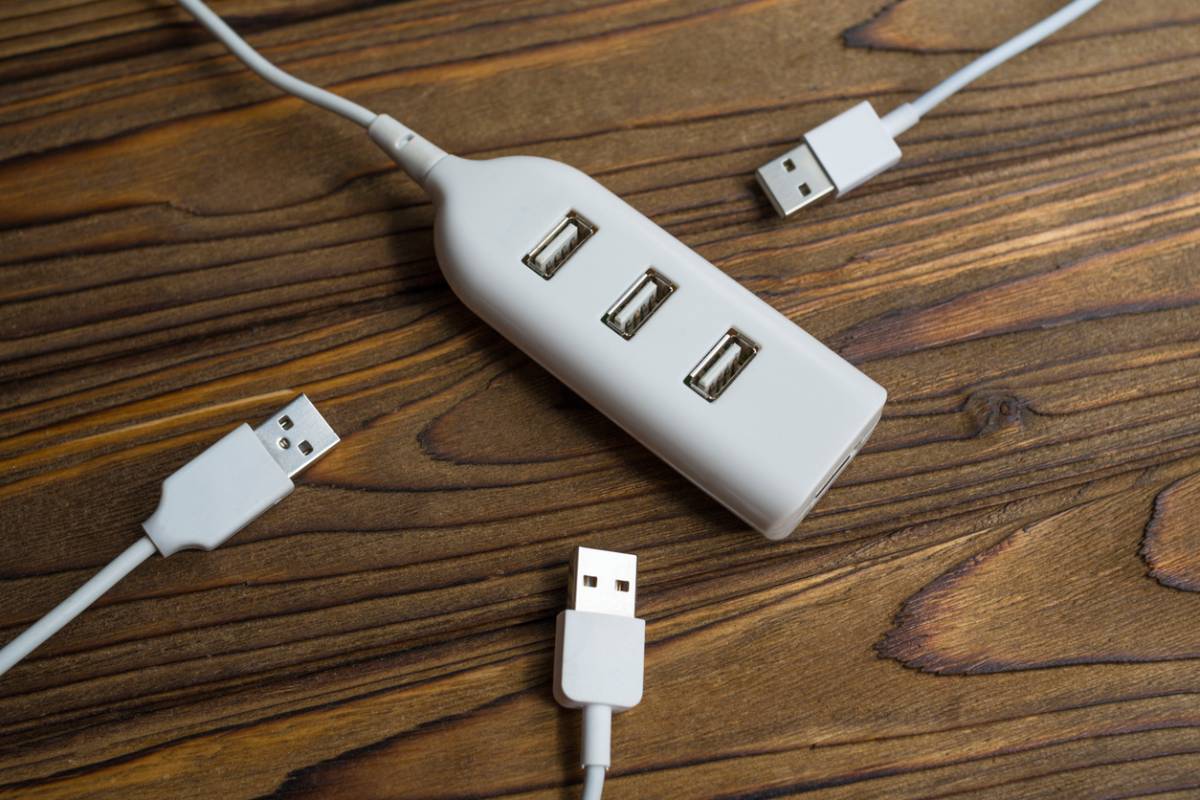
featured concept for when you need a usb extender

When Do You Need a USB Extender?

USB extenders are helpful devices that extend the distance between your connected devices. They offer extended reach, improve performance, and are cost-effective as compared to alternative products. No matter what your application, USB extenders are highly versatile and easy to install. They are must-haves in every office, home entertainment center, and everywhere in between. If you do not already have one, you may wonder, when do you need a USB extender? Below, you will find more information about the technology and how it can benefit you.

When Do You Need a USB Extender?

USB extenders are extremely useful in any environment that utilizes technology. They can be used at home, work, or any space with a tech setup. USB extenders extend the distance between your devices. This includes your laptop, keyboards, printer, external hard drives, and other devices. The technology consists of a transmitter unit and a receiver unit. These are connected by a fiber optic or Ethernet cable. There are several different types of USB extenders that can be found at the top AV systems manufacturers. Each extender has its own unique benefits, depending on your unique needs.

Benefits of USB Extenders

There are several setups that may require distance between devices. USB extenders are an effective solution for accommodating this. USB extenders are helpful in any space that utilizes technology both at work and at home. This is due to the several benefits that come with using it.

Increased Reach:

The most notable benefit of using a USB extender is its extended reach. USB extenders allow you to connect your devices or other devices at a distance. Some extenders can reach more than 150 feet. This allows for optimal convenience and flexibility no matter where your devices are.

Improved Organization:

Most home and work offices have a lot of messy and unsightly cable setups. Clutter can impact productivity, cause safety hazards, and even impact the aesthetic of your space. This can be easily avoided by utilizing a USB extender. A clean and organized space is professional and aesthetically pleasing.

Reliable Performance:

There are a lot of amazing technological advancements that can improve your work or home life. However, some may not be as reliable as others. USB extenders are highly reliable and you will not experience signal loss while using them. This is beneficial for those in a professional work environment as reliability and consistency are key when it comes to technology.

Cost-Effective Solution:

If you want or need to be able to connect your devices at longer distances, USB extenders are a great option. There is no need for expensive setups that take time and money to set up. A USB extender is highly beneficial and will not cost you as much as alternative options. The selection at Kanex Pro is vast and can meet any of your USB extender needs.

Versatile Technology:

USB extenders are highly versatile as they can be used in a wide variety of applications. They can be used in multimedia setups at work or home, in addition to industrial or commercial settings. The versatility makes them a great investment in your tech setup.

AV Systems Manufacturers

Setting up your home or work technology setup can be overwhelming, depending on the size and scale of the project. Avoid stress by working with the top AV systems manufacturers at Kanex Pro. They offer a wide variety of products to make your setup seamless and effective. The team at Kanex Pro is focused on providing top-tier technology that is both reliable and affordable. Check out the selection at Kanex Pro today!

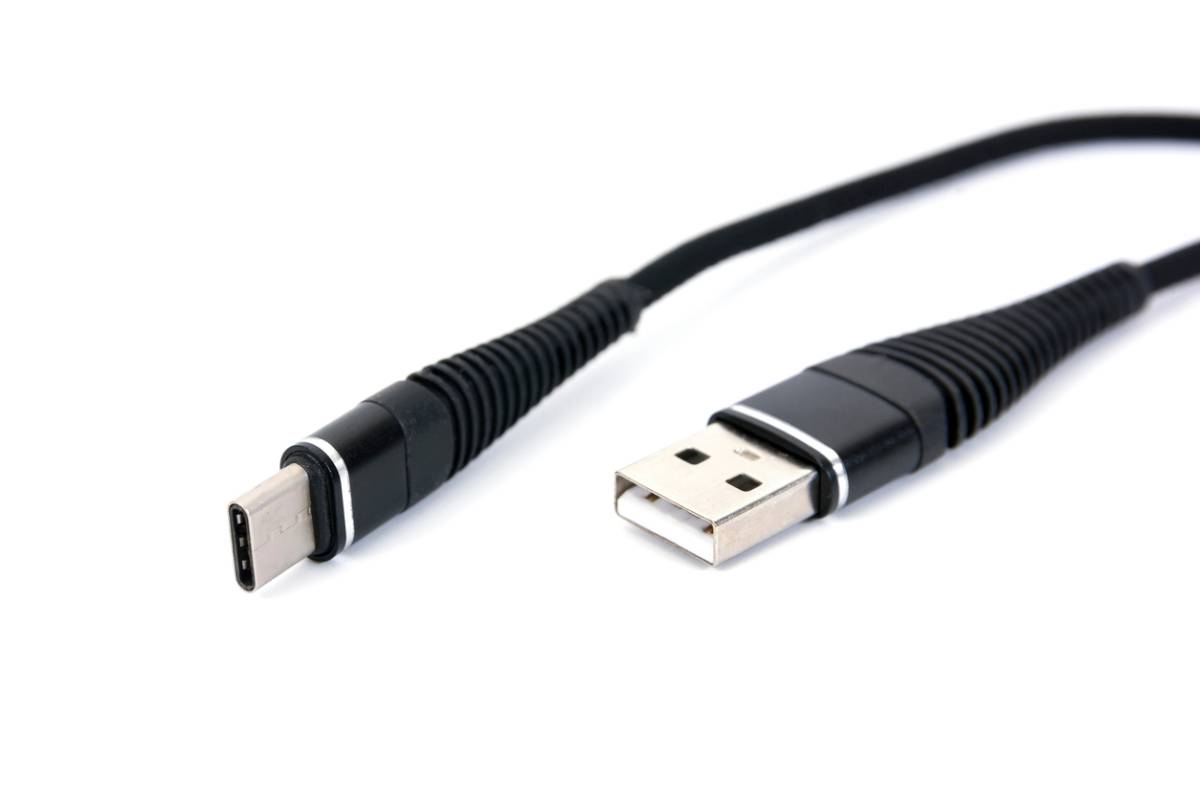
concept of what makes usb generations different, usb c and 3.0

What Makes USB Generations Different?

Advancements in the field of information technology are made so quickly that it can be overwhelming to keep up with the changes. This impressive rate of change is distinctly evident in the advancements made to universal serial bus, commonly known as USB. USB refers to a standard of the specifications used by cables, ports, and protocols that enable universally accepted connectivity between host and peripheral devices. For computer users who are not especially tech-savvy, understanding the differences between USB generations is quite challenging. These users may even be unaware that such differences exist at all. Regardless, these changes have revolutionized the practices of virtually all tech companies, from data storage businesses to professional audio-video suppliers. Throughout this article, we will detail exactly what makes USB generations different so you can stay informed.

What Makes USB Generations Different?

USB 1.0

USB 1.0, released in 1996, was the first USB to reach consumers. It allowed for data transfer rates of 1.5 megabits per second (Mbps), though power restrictions prohibited it from supporting extension cords.

USB 1.1

Two years later, USB 1.1 was released as a revised version of the limited USB 1.0. 1.1’s Mbps was the same as 1.0’s, except that 1.1 could also operate at slower speeds for lower-bandwidth devices. USB 1.1 had the additional benefit of being adopted by Apple’s iMac G3, which increased the popularity of the new standard.

USB 2.0

Advancements in other areas of technology once again called for a faster data transfer speed, and in 2000, USB 2.0 was released with a data transfer rate of 480 Mbps. 2.0 is also referred to as high-speed.

USB 3.0

Released in 2008, USB 3.0 ushered in the era of superspeed connectivity. A giant leap from USB 2.0, 3.0 had a maximum speed of 5 gigabits per second (Gbps) and was ten times faster than USB 2.0. USB 3.0’s release was a dream come true for gaming and HD video streaming enthusiasts. USB 3.0 is now known as USB 3.1 Gen 1.

USB 3.1 Gen 2

When USB 3.1 Gen 2 appeared, it raised the bar even higher and doubled USB 3.1 Gen 1’s maximum data transfer rate to reach 10 Gbps. The only difference between 3.1 Gen. 1 and 3.1 Gen 2 is their speed.

USB 3.2

USB 3.2 arrived in 2017 with four different variations.

  1. Gen 1 x1 has the same specifications as USB 3.1 Gen 1 and USB 3.0, with a transfer speed of 5 Gbps. It provides USB-A, USB-C, and micro USB interface options.
  2. Gen 1 x 2 has a speed of 10 Gbps and allows USB-A or USB-C connectors.
  3. Gen 2×1, functionally the same as USB 3.1 Gen 2, has a speed of 10 Gbps and utilizes USB-A, USB-C, and both mini and micro USB interface options.
  4. Gen 2×2 has a transfer speed of 20 Gbps but only accepts USB-C as its interface.

USB 3.2 made multi-lane operation possible. Using only a single USB-C cable, it enabled concurrent data transfers over multiple lanes, simplifying setups and optimizing efficiency in professional audio-video environments. Beyond that, the availability of extra-long USB cables made workspace design more flexible, allowing seamless connection between distant devices. USB 3.2 is compatible with previous generations and ensures no problem with connectivity.

USB 4

With a maximum data transfer rate of 50 Gbps, the USB 4 offers unprecedented speed and allows file transfer, 8k video streaming, and high-performance computing with lightning speed. Due to its backward compatibility with other existing USB and Thunderbolt devices, it is able to support a wide variety of devices and peripherals.

Key Features of USB 4

  • Using only a USB-C connector, it can display and transfer data, as well as charge devices.
  • It works with just about any USB or Thunderbolt device you already have without any problem.
  • The defined capabilities of each port provide a consistent and simplified user experience.
  • It offers more flexibility in performance-related parameters such as bandwidth configuration and power management.

The role of USB technology in driving innovation and enabling new possibilities in the digital world is undeniable. From the foundation of USB 1.0 to the unbelievable speed of USB 4, USB technology has continuously surpassed itself in terms of connectivity and productivity. Whether you are a professional audio creator looking for ways to improve your workflow or a casual tech user seeking uncomplicated service, USB technology can enable you to achieve more.

common data capture pitfalls concept for article

Common Data Capture Pitfalls

Data capture is a key business process used to collect and manage data. The data is then used to inform business decisions, gain critical insight, and improve your overall business strategy. This is an invaluable resource for your business. However, not all data collection processes are the same, and some mistakes can be easily made. These mistakes can impact the entire data set and any insights you may have gained from it. Below, you will find common data capture pitfalls and how you can avoid them.

Common Data Capture Pitfalls

With the advancement of technology, data collection is critical. No matter what industry you are in, ethically collecting data is a valuable business practice. Understanding your current customers and potential consumers can improve your business. The data capture process is an important part of getting to know and understand your business. Avoid the following mistakes so you can get the most out of your data collection.

Mistake 1: Asking The Wrong Questions

One of the most common mistakes people make during the data capture process is asking the wrong questions. Before formulating your questions, clearly define your objectives. This allows you to easily formulate questions that can provide you with the valuable information you need. Avoid this common pitfall by carefully curating your questions and seeking help from industry professionals. This can ensure your collection practices are efficient and effective.

Mistake 2: Too Much Data

Bigger is not always better when it comes to data collection. Collecting too much data is a common mistake that can cost you unnecessary resources. It can also make it more difficult to analyze and interpret your data. When it comes to data collection, quality is much more important than quantity. Gathering information that is directly relevant to your objectives should be the main focus.

Mistake 3: Incorrect Data Collection Methods

The questions you ask are a critical component of data collection. However, the collection method is just as important. Using the wrong data collection method is a common mistake that so many businesses overlook. Depending on your objectives, each collection method comes with its own unique strengths and weaknesses. Do your research and consult with industry professionals to ensure you collect data in the best way.

Mistake 4: Unethical Practices

Unethical or unlawful data collection practices are a huge mistake that can result in legal issues. Avoid this by thoroughly researching the local, state, and federal guidelines associated with data collection. It’s important to get express consent, provide recipients with truthful information, and use the data ethically. Depending on the type of data, there may be additional requirements. Consult with a legal or industry professional to ensure your data collection processes are ethical and lawful.

Mistake 5: Poor Quality Data

Gathering poor quality data is a major mistake. Data quality is a serious issue that can impact the results of your data collection. Poor quality data can lead to results that are inaccurate or even misleading. This can actually have the opposite effect and undermine your objectives and goals. Gathering data that is accurate and reliable is a top priority. To avoid this mistake, implement quality control measures to ensure your data collection is standardized and effective.

Text Message Marketing Service Provider

Information is a key component to understanding your customers and delivering what they want. If you are interested in gaining valuable insight about your customers or launching a marketing campaign, consider the top text message marketing service provider. The team at Trumpia has helped countless clients launch effective and successful marketing campaigns. Contact their team today for more information!

featured image for how automation makes work more human

How Automation Makes Work More Human

Automation has rapidly advanced in the last few years. Things that would otherwise be thought of as futuristic are now a reality. Food delivered by robots, self-driving cars, and security robots have become more common in major cities across America. Automation has become a part of everyday life in the modern workplace. Many businesses have leveraged automation to improve their effectiveness and efficiency. This allows employees to do more meaningful work. Below, you will find how automation makes work more human.

How Automation Makes Work More Human

Automation is often seen as a way to replace employees. However, it is quite the opposite. Automation allows employees to do more meaningful tasks. This includes tasks that require creativity and innovation. More repetitive tasks can be completed by an automation service, such as text message marketing from an SMS marketing service provider. Consider the following ways automation can be beneficial to employees by making work more human.

Employee Satisfaction: 

While most businesses are focused on customer satisfaction, employee satisfaction is also highly important. Keeping employees supported and at peace in the workplace can improve the business’s bottom line. Automation is a great way to ensure employees can focus on tasks that are creative and innovative. Creating an environment where employee’s ideas and thoughts are valuable can keep turnover low.

Improved Skills: 

Automation can leave more time for employees to improve their skill set. Leaving tasks that can be completed with automation allows for more flexibility when it comes to employee training and education. Having a skilled team can elevate your business to the next level. Investing in automation can create a more attractive environment for both current and potential employees.

Increased Profits: 

Freeing up your employees by utilizing automation can improve your bottom line. Investing in automation leaves more time for your employees to use their critical thinking skills and creativity for innovation. Utilizing the unique skill set of each employee can reap major rewards and provide you with a great return on investment. Things like automated text message workflows ensure your employees can work on more big-picture projects.

Benefits of Automation

The most successful businesses utilize automation. Staying ahead of the curve when it comes to technology is key. Consider the following benefits of automation and why you should include it in your business.

Improved Efficiency: 

Efficiency is critical to growth in any business. Leveraging resources to save time and money is highly beneficial. Automation is a great way to achieve improved efficiency. In fact, automation software can help your team complete tasks faster and more accurately.

Outsource Repetitive Tasks: 

There are several different types of tasks that can be easily automated. Data entry, marketing texts and emails, and customer service chatbots are just a few ways that automation can free up your employee’s time. Repetitive tasks accomplished through automation are often more efficient and accurate when compared to humans completing the same tasks. 

Cost-Effective: 

Automation is a cost-effective way to get a lot of work done. Utilizing automation is less expensive than hiring employees in many cases. This does not mean that you will no longer utilize your team. It just means that your employees can work on tasks that require more creativity and innovation. For example, using automated texting software as compared to having your employees send individual texts during a marketing campaign. Finding ways to optimize your business practices can save you time and money in the long run. 

SMS Marketing Service Provider

The team at Trumpia are industry leaders in automated texting software. If you are considering upgrading your marketing campaigns, contact Trumpia today. They offer effective and efficient solutions that can ensure your campaign’s success!

featured image for should you rotate or replace roller skate wheels

Rotate or Replace Roller Skate Wheels

Caring for your roller skates involves routine maintenance. This includes regularly cleaning your skates and checking each of the individual parts. One of the more common issues skaters come across is issues with their wheels. The wheels can be impacted by natural wear and tear, in addition to skating on rugged terrain outside. You may wonder if you should replace your wheels or if you can still get a few miles out of them. Below you will find helpful information on when to rotate or replace your roller skate wheels.

Rotate or Replace Roller Skate Wheels

On average, roller skate wheels can last between three months to one year with regular use. Several factors determine the lifespan of your online roller and inline skates wheels. Understanding when to replace them and when to rotate your wheels depends on the following factors.

Frequency of Use: 

The lifespan of wheels depends on how often you skate. The more you skate the faster your wheels will wear down. Because of that, those who regularly skate need to rotate and replace their wheels more often. In addition to how often you use your skates, your weight can also impact the lifespan of skate wheels. Heavier weights put more pressure on wheels, which can accelerate their wear and tear. 

Wheel Quality: 

Quality wheels last much longer as the materials can withstand more wear and tear. If you skate often, invest in high-quality inline skate replacement wheels. This is a cost-effective decision in the long run, as you won’t have to replace your wheels as often. The selection at Crazy Skates includes a wide variety of top-quality skates.

Skating Surface: 

Where you skate, including the surface, impacts the lifespan of your roller skates. Those who skate outdoors on asphalt or concrete are harder on wheels as compared to those who skate indoors. Certain surfaces can wear down your roller skates faster.

Regular Maintenance: 

Extending the lifespan of your skates and skate wheels requires regular care and maintenance. This includes cleaning your skates after you finish skating. Additionally, it involves checking the wheels, bearings, and boots. Wheel rotation can extend the lifespan of your wheels and is a part of the regular maintenance process.

Is It Time For New Roller Skate Wheels?

Whether you need to rotate or replace your tires depends on the factors mentioned above. Common signs that indicate it’s time to rotate your wheels include uneven wear and flat spots. Both of these issues should be clear if you regularly clean and maintain your wheels. On average, you should rotate your wheels every 4 to 8 weeks. Another good rule of thumb is to rotate them after every 15 to 30 hours of skating.

Rotating your tires can prolong their lifespan. However, they cannot make your wheels last forever. Even the highest quality skate wheels require replacement at some point. Common signs it’s time to replace your wheels include excessive wear, safety issues, performance issues, or irregularly shaped wheels. If you notice any of these issues, consider inline skate replacement wheels. This can ensure your safety while skating, which is a great investment in your physical health.

Online Roller and Inline Skates

Skating is a great way to stay active and improve your health. Roller skating has been shown to improve your physical and mental health. It’s also a great activity you can do with your friends or family. Getting started on your skating journey starts with a pair of skates. The selection at Crazy Skates is vast and will meet any of your needs. They have skates in every style, color, and design so you and your whole family can get in on the fun. Check out the selection at Crazy Skates today!