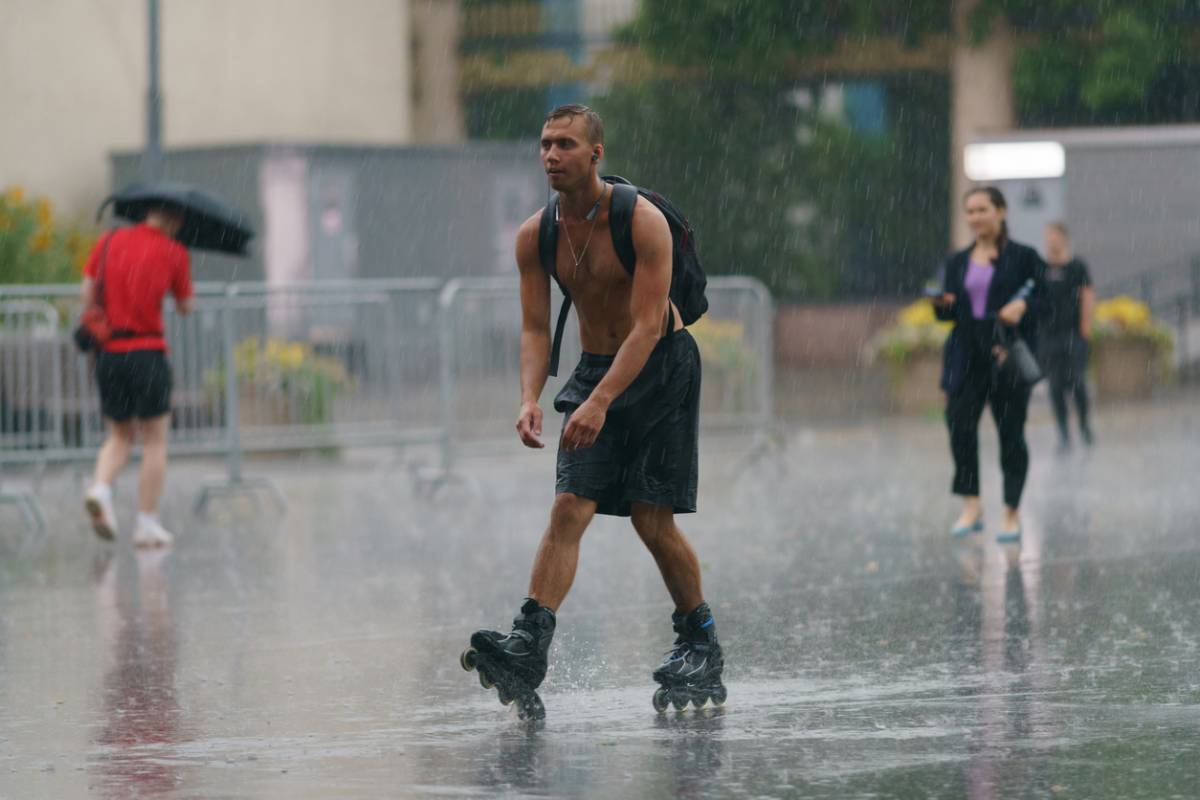
Featured image for Is Rain Bad for Inline Skates

Is Rain Bad for Inline Skates?

If you’ve recently visited a skate shop or decided to buy inline skates online, you’re probably eager to get rolling. The idea of gliding through your neighborhood, a park, or along a quiet path is appealing. But what happens when the weather doesn’t cooperate? A common concern among skaters is whether rain can harm inline skates. The answer is yes: rain can cause problems, and knowing how and why can help you protect both your equipment and your safety.

How Rain Affects Inline Skate Components

Inline skates are made of different materials, and not all of them respond well to moisture. Some parts are more susceptible to damage than others when exposed to water.

Bearings and Moisture Damage

The bearings inside your wheels are designed to help them spin smoothly. They are small metal parts that rely on lubrication to reduce friction. When water enters the bearings, it can wash away the lubricant. Without it, friction builds, leading to rougher movement and faster wear. Additionally, wet bearings are prone to rust, which can form rapidly once the steel is exposed to moisture. Rusty bearings not only reduce performance but can also seize up entirely, making the wheels stop turning as they should.

Axles and Frames

The axles, which attach the wheels to the frame, are also at risk. Since these parts are often metal, exposure to water can lead to rust over time. While the frames of most inline skates, usually made of aluminum or composite materials, do a better job resisting rust, dirt, and grime from wet streets, they can still build up and cause problems if not cleaned off promptly.

Boots and Water Absorption

Inline skate boots often combine a hard plastic shell with softer padding for added comfort. While plastic repels some water, the padded areas can soak it up. Once wet, these parts may take a considerable amount of time to dry. If not dried properly, boots can develop odors, mold, or lose their supportive structure as the materials break down.

The Safety Risks of Skating on Wet Surfaces

It’s not only your skates that face challenges in wet weather; your safety is affected, too. When the pavement is wet, wheels lose grip. Even high-quality outdoor wheels struggle to maintain traction on damp surfaces. This makes it more difficult to stop, turn, or maintain balance. Beginners, in particular, may find these conditions risky. Even experienced skaters often choose to avoid wet conditions due to the increased risk of slipping or falling.

Steps to Protect Your Skates After Rain Exposure

If you end up skating in the rain or unexpectedly get caught in a shower, it’s important to take care of your skates right after use.

Clean and Dry the Skates

After your session, wipe down the frame, wheels, and boot using a clean, dry cloth. Focus on areas where water and dirt tend to collect, such as near the axles and under the boot.

Remove and Dry the Bearings

If you are comfortable doing so, remove the wheels and the bearings. Let them dry completely before putting them back. Many skaters clean their bearings with a bearing cleaner or rubbing alcohol to remove any remaining water or debris. Once dry, reapply lubricant to help keep them working smoothly.

Dry the Boots Properly

Let your boots air dry in a well-ventilated space. Avoid placing them next to direct heat sources, such as heaters or radiators, as high heat can cause plastic parts to warp. You can place crumpled newspaper inside the boots to help absorb moisture faster. Be sure to change the paper as it becomes damp.

Preventative Measures for Rain-Prone Areas

If you live in an area where rain is common, or if you know you may encounter wet conditions, there are preventive steps worth considering.

Consider Stainless Steel Bearings

Some skate shops offer stainless steel bearings, which resist rust better than standard steel. While not completely rust-proof, they provide extra protection and may extend the life of your bearings when skating in damp environments.

Choose Skates with Water-Resistant Features

When you buy inline skates online or in-store, look for models that feature materials designed to handle moisture better. While no skate is designed for rain, some have better drainage or fabrics that resist soaking.

Regular Maintenance Matters

Regular cleaning and inspection of your skates can help identify minor issues before they develop into more significant problems. Make it a habit to check your bearings, axles, and boots for signs of wear or water damage, especially after skating on wet surfaces.

When to Stay Off Wet Roads

Although it’s possible to skate in the rain with proper precautions, most skaters choose to wait for dry conditions. The risks to your safety and the damage to your skates often outweigh any benefits of skating on wet pavement. Slippery roads, reduced control, and the risk of damaging your equipment make dry weather the better choice for an enjoyable and safe skating experience.

If you do get caught in the rain or choose to skate in damp conditions, taking the time to clean and dry your skates can prevent unnecessary wear and keep your gear in good condition. Whether your skates came from a local skate shop or you purchased them online, protecting them from water damage helps ensure you get the most value and enjoyment from your investment. Staying mindful of how wet conditions affect both your equipment and your safety will make each skating experience smoother and more rewarding.

Get Your Rain-Proof Skates at Crazy Skates

Visit our website today and grab a new pair of inline skates that can withstand the rain. 

Featured image for Can You Recycle Roller Skate Wheels

Can You Recycle Roller Skate Wheels?

Featured image for Can You Recycle Roller Skate Wheels

You’ve been loyal to your roller skates through countless sessions at the rink, outdoor adventures, and maybe even a few derby bouts. Now, those trusty wheels are showing their age through wear, chips, or outdatedness. The question hits you: What happens to these old wheels? Can they be recycled, or are they destined for the landfill?

The answer isn’t as straightforward as you might hope, but there are definitely options that go beyond throwing them in the trash. Understanding what your roller skate wheels are made of and exploring creative alternatives can help you make an environmentally conscious decision, and you may even discover a fun DIY project along the way.

Can You Recycle Roller Skate Wheels?

The Material Challenge: Why Traditional Recycling Gets Complicated

Most modern roller skate wheels are made from polyurethane, a material that has dominated the skating industry since the 1970s. Polyurethane remains the performance material of choice for top skateboard manufacturers because it’s highly durable and resistant to oxygen, sunlight, and general weather conditions, with good abrasion resistance, resulting in a longer lifespan.

This durability that makes polyurethane perfect for skating also creates recycling challenges. Although polyurethane cannot be melted and reused, it can be shredded, rebonded, and compressed to be used in various padding products. The problem is that most municipal recycling programs aren’t set up to handle polyurethane materials, meaning your local curbside pickup won’t accept them.

The polyurethane used for these wheels cannot be easily recycled, which explains why you won’t find clear recycling symbols on your old wheels. This doesn’t mean you’re out of options. It just means you need to think beyond traditional recycling methods.

The Skate Shop Connection: Industry-Specific Solutions

Your local skate shop might be your best first stop for responsible wheel disposal. Many shops have established relationships with manufacturers or specialty recycling companies that can properly handle polyurethane materials. Some skateboard and roller skating companies have begun taking responsibility for the environmental impact of their products at the end of their life.

Several eco-friendly initiatives, like Satori Wheels, value recycling skateboard parts. There, you can donate your old rollers. By then, their organization will work on these parts. While this example focuses on skateboard wheels, the same principle applies to roller skate wheels since they’re made from identical materials.

When you visit a skate shop to buy roller skates online or browse new wheels, ask about their take-back programs or whether they know of any wheel recycling initiatives in your area. Many shop owners are passionate about skating culture and environmental responsibility, making them valuable resources for disposal advice.

Creative Reuse: When Recycling Meets Imagination

The real opportunity with old roller skate wheels lies in creative reuse. These small, durable cylinders have inspired countless DIY projects, giving them completely new functions.

If they’re still in pretty clean condition (whether bashed up or not), they could be made into a very cool coat rack or even doorknobs,  ideal for a skater’s bedroom. The natural grip of polyurethane makes wheels excellent for handles and knobs where a secure grip is needed.

A great idea to upcycle old rollerblade wheels is to add them to an old dresser or a side table. Attaching wheels to furniture creates mobile storage solutions perfect for craft rooms, workshops, or dorm rooms. The wheels that once carried you around the rink can now help you move furniture around your space.

Here’s a fun fact that opens up even more possibilities: roller skate wheels come in different hardness ratings, typically measured on the durometer scale. Softer wheels are better suited for projects that require shock absorption, while harder wheels excel in applications where durability and smooth rolling are needed.

Home Workshop Projects: Functional Art from Old Wheels

The DIY community has embraced roller skate wheels for practical projects around the house. Their uniform size and built-in ball-bearing channels make them perfect for creating custom rolling solutions.

Consider turning old wheels into cable management systems for your desk setup. Thread computer cables through the center holes and mount the wheels to the underside of your desk. This creates smooth-rolling cable guides that keep your workspace organized while showcasing your skating history.

Garden enthusiasts have found success using old wheels as unique planters for small succulents or air plants. The center cavity provides just enough space for a small plant, and the colorful polyurethane adds an unexpected pop of personality to plant displays.

For the mechanically inclined, old wheels can be repurposed as part of custom tool organizers. Mount them to workshop walls or pegboards to create holders for screwdrivers, pencils, or other long tools. The center hole provides perfect tool storage while the wheel’s grip keeps everything secure.

The Art and Craft Renaissance

The crafting community has discovered roller skate wheels as an unexpected medium for artistic expression. MapleXO is offering earrings made from sliced skateboard wheels, showing how wheels can be transformed into wearable art.

Jewelry-making represents just one artistic application. Wheels can be sliced, carved, painted, or combined with other materials to create unique art pieces. Their round shape and vibrant colors make them excellent components for mixed-media sculptures or modern art installations.

Photography props represent another creative avenue. Old wheels, especially those with vibrant colors, make excellent props for vintage-themed photo shoots or artistic still-life compositions. Their connection to skating culture adds authenticity to retro-styled photography projects.

Gift Ideas for Fellow Skaters

Before you consider disposal, think about whether your old wheels might benefit another skater. Wheels that seem worn out for advanced skating might still be perfect for beginners learning balance and basic techniques.

Consider donating usable wheels to local skating programs, youth organizations, or community centers that might have skating activities. Many programs operate on tight budgets and appreciate donated equipment that can help more people experience the joy of skating.

Online skating communities often have swap or sale groups where wheels in decent condition can find new homes. What’s worn out for outdoor skating might still work perfectly for someone learning indoor rink techniques.

The Bearing Bonus: Don’t Forget the Hidden Components

When dealing with old wheels, remember that each wheel contains bearings and small metal components that enable smooth rotation. These bearings are typically made from steel or ceramic materials that have better recycling prospects than the polyurethane wheels themselves.

Bearings can often be removed and taken to metal recycling facilities, or they might be reusable in other wheels if they’re still in good condition. Some skate shops purchase used bearings for refurbishment, providing an additional avenue for responsible disposal while potentially putting a few dollars back in your pocket.

Future-Proofing Your Wheel Choices

As you consider what to do with your current old wheels, think about making more sustainable choices when you buy roller skates online in the future. Some manufacturers are beginning to experiment with more recyclable materials or take-back programs for their products.

Research brands that prioritize environmental responsibility in their manufacturing and disposal processes. While polyurethane remains the performance standard, some companies are exploring bio-based polyurethanes or hybrid materials that might offer better end-of-life options.

Building a Sustainable Skating Community

The roller skating renaissance has brought renewed attention to the sport’s environmental impact. As more people take up skating, the community has an opportunity to establish sustainable practices that responsibly handle equipment disposal.

Consider organizing wheel swap events in your skating community where people can trade wheels that no longer suit their needs but might be perfect for someone else’s skating style. These events combine environmental responsibility with community building. They also help skaters try different wheel types without needing to buy new ones.

Your local skate shop can be a valuable partner in these efforts. Many shops appreciate customers who think beyond simple transactions and want to build sustainable skating communities.

The Bottom Line: Options Beyond the Trash Can

While you can’t simply toss roller skate wheels into your household recycling bin, you have numerous alternatives that range from practical reuse to creative expression. The key is matching your old wheels with the right second-life application.

Start by evaluating the condition of your wheels. Those still in decent shape might benefit other skaters through donation or resale. Wheels that are too worn for skating can be repurposed into DIY projects, giving them completely new functions around your home or workspace.

Remember that every wheel kept out of the landfill represents a small victory for environmental responsibility. Whether you turn them into furniture casters, garden planters, or artistic materials, you’re extending their useful life while potentially inspiring others in your skating community to think creatively about equipment disposal.

The next time you’re at your local skate shop or browsing options to buy roller skates online. You’ll have a better understanding of the full lifecycle of your equipment – from that first exciting rollout of the box to the creative second life that awaits when their skating days are done.

Get Your Roller Skates and New Wheels Today

Visit our online store to purchase your new favorite set of roller skate wheels.

Featured image for Top Beaches for Surfing Near Costa Mesa

Top Beaches for Surfing Near Costa Mesa

Featured image for Top Beaches for Surfing Near Costa Mesa

Living in or visiting Costa Mesa puts you in the perfect position to experience some of California’s finest surfing without the hassle of lengthy commutes. While many guides focus on distant beaches that require hours of driving, this guide takes a different approach: we’ll show you the top beaches for surfing near Costa Mesa so you can squeeze in dawn surf sessions before work or afternoon surf breaks during your weekend.

Top Beaches for Surfing Near Costa Mesa

Huntington Beach

Huntington Beach borders both Costa Mesa and Newport Beach. It’s popular year-round for surfing, and there’s an interesting reason why. George Freeth was the first surfer at the now-famed Huntington Beach Pier. One hundred years ago, Freeth impressed thousands of onlookers with his “surf riding” demonstrations during the dedication of the new, concrete Huntington Beach pier. 

The Huntington Beach Pier area offers something unique – you can surf both sides of the pier depending on conditions. Northside tends to be better for beginners, while Southside can be temperamental and attract more experienced surfers. 

What sets Huntington apart from Costa Mesa residents is its accessibility. Multiple parking areas mean you’re never more than a few minutes from the water, and the beach culture here runs deep. The annual US Open of Surfing transforms the area into a major festival, but year-round, you’ll find a welcoming community of surfers at all skill levels.

Newport Beach

Newport Beach is the closest beach to Costa Mesa, California, and is an excellent destination for anyone seeking a laid-back, relaxed beach experience. The beach is known for its expansive, sandy shores and gentle waves, which make it an ideal spot for swimming, sunbathing, and surfing. But calling Newport’s waves “gentle” sells this spot short – the real magic happens at specific breaks that locals guard closely.

The Newport area includes several distinct surf zones. Upper West Newport offers consistent waves that work in various swell directions. These breaks tend to be less crowded than Huntington, partly because parking requires more local knowledge.

The most famous Newport surf spot – The Wedge – deserves special mention. This bodyboarding and bodysurfing mecca creates waves that can reach 15 feet or higher, formed by the jetty’s unique shape that reflects incoming swells into themselves. 

For traditional surfboard surfing, the areas around Blackies and Newport Point offer excellent waves when conditions align. These spots require more patience than Huntington – they don’t work as consistently – but when they do work, the quality often exceeds what you’ll find at busier beaches.

Santa Ana River Mouth

Here’s where local knowledge pays off. The Santa Ana River separates Huntington Beach from Newport Beach, and where it meets the ocean, it creates one of the area’s most underrated surf spots. This surf spot is best during the winter season and can produce powerful, hollow waves that rival those of spots with much bigger reputations.

The river mouth features a sandbar that shifts with storms and tides, resulting in varying wave shapes throughout the year. During winter months, when larger swells arrive, this spot can produce some of the best waves in the entire area. The key is timing – you need the right combination of swell, tide, and sandbar position.

Bolsa Chica State Beach

Located between Huntington Beach proper and Seal Beach, Bolsa Chica offers something different: The long stretch of beach means you can find different wave conditions by walking north or south with plenty of room to accommodate everyone. 

The break at Bolsa Chica tends to be softer than Huntington Pier, making it excellent for beginner to intermediate surfers looking to progress their skills. The waves here break over sand, creating a forgiving environment for trying new maneuvers or getting comfortable in larger surf. You can expect slow rolling waves for a mellow paddle out. 

Sunset Beach

At the northern end of the Costa Mesa surf zone, Sunset Beach offers a different experience. This spot is usually best during larger swells and can handle sizes that might close out other beaches. The waves here often have more power than those on beaches to the south, attracting surfers who want a more challenging session.

Sunset Beach is particularly good during winter months when Pacific storms send larger, more consistent swells. The break can produce long rides when conditions align properly, and the less crowded lineup means more waves per session.

The Costa Mesa Advantage

What makes Costa Mesa special for surfers isn’t any single beach. It’s the ability to choose from multiple world-class options based on daily conditions. You can check surf reports for three or four different breaks and still make it to the best one while conditions are prime.

This flexibility extends beyond wave quality. Different beaches offer different parking situations, crowd levels, and overall vibes. Some days, you might want the energy and scene at Huntington Beach. On other days, you might prefer the more mellow atmosphere at Newport or Bolsa Chica.

Costa Mesa residents and visitors have access to something special: a concentration of excellent surf spots that would be the envy of most coastal cities. Whether you’re looking to learn, improve, or challenge yourself, the beaches near Costa Mesa offer opportunities that extend far beyond simple recreation. They provide a direct connection to California’s surf culture and the Pacific Ocean’s endless energy, all just minutes from your door.

Plan Your Visit to Costa Mesa!

For the ultimate surf experience, travel to Costa Mesa to check out the top surfing beaches and get the waterfront escape you deserve.

featured image for are rooler skates allowed at skatepartks article

Are Roller Skates Allowed at Skateparks?

If you are considering starting rollerskating or switching from flat surfaces to a more challenging environment, you might be interested in going to a skatepark. But are roller skates allowed at skateparks? Please read our article to find out.

Are Roller Skates Allowed at Skateparks?

Skateparks are designed for wheel-based sports and are typically equipped with smooth surfaces, bowls, rails, and ramps. Often, skateparks are associated with skateboards and BMX bikes. However, as roller skating is gaining more and more popularity, a growing number of roller skaters appear in skateparks. 

Although, in general, roller skaters are welcome at skateparks, we recommend considering such factors as the rules and culture of the park you want to visit and personal safety. Let us look at these points in more detail.

Acceptance of Roller Skates in Skateparks

In general, most skateparks do not restrict visitors based on the type of equipment they use, meaning that regardless of whether you ride a skateboard, BMX, scooter, inline skates, or quad roller skates, you are typically free to use the space. 

Check the Rules of the Skatepark First 

Skateparks can have their own rules. These rules are typically posted at the entrance of the park. Some skateparks also have websites where you can check the rules and restrictions. Alternatively, you can try contacting the local parks and recreation department.

The rules might regard allowed equipment, specific attendant groups and time of their attendance, the number of people allowed to attend at any given time, or the residency of the attendants. Additionally, check the rules of the park for safety requirements (for example, many parks require wearing a helmet) and specific restrictions. 

Consider and Respect Skatepark Etiquette and Community

Nowadays, many skateparks have inclusive, diverse, and supportive communities. To enjoy being a part of such a community and to help it grow and improve, we recommend considering and respecting the existing etiquette of the skatepark you are going to attend, as well as several general rules of thumb:

  • Take turns using skatepark equipment, and do not try to cut in front of other people who are waiting for their turn. Not only is it disrespectful, but it is also highly unsafe.
  • Be aware of your surroundings and other people in the park, particularly of the flow of movement. Move in the same direction as other skaters to avoid creating collisions and hurting yourself and others.
  • Do not hesitate to communicate with others. Even a simple nod or eye contact can be sufficient to signal that you are going in a specific direction or planning to use certain equipment or features.
  • Never leave your gear, bags, or other things lying around and creating a hazardous environment for other people in the park. 
  • Respect people around you and be friendly, as skateparks are shared public spaces. This way, you will contribute to building a strong local community and make new friends as well. Also, do not hesitate to help others if they need it. 

Tips for Roller Skating at a Skatepark

We recommend following several simple rules to enjoy your experience to the maximum staying safe at the same time:

  • Start by practicing on quarter pipes and small ramps before challenging bigger options or bowls.
  • Remember that a lot of people in skateparks perform tricks or move at high speed. So, be prepared to pay attention to your surroundings and put safety first.
  • Always wear your safety gear, which should include a helmet, knee pads, elbow pads, and wrist guards, as breaking a bone is painful and will prevent you from skating for weeks or even months.
  • Consider taking a class for beginner roller skaters. In fact, many skate communities offer such classes to teach beginners how to navigate a skatepark and stay safe.
  • Learn and practice falling safely and getting up quickly to avoid collisions with other skatepark users. Rules for safe falling include falling on your pads on your knees and elbows and tucking in your arms to avoid wrist injuries.
  • Bring a friend to skate together, especially if you feel shy about being in a new environment.

Get Your New Gear at Crazy Skates

Most skateparks offer a supportive environment and fun experience for both new and experienced skaters as long as you respect the rules of the park and its community. However, to enjoy your experience, you also need reliable, good-quality gear. If you are considering upgrading your equipment or buying your first set, explore options at our skate shop. Crazy Skates offers everything you need to skate safely and confidently.

Featured image for Why Do Roller Skaters Wear Long Socks?

Why Do Roller Skaters Wear Long Socks?

From the disco ball days of retro roller rinks to the neon-lit skate parks of today, one fashion detail always seems to roll right along with the skates: long socks. But have you ever stopped to ask: Why do roller skaters wear long socks? 

Sure, they look cool, but there’s more to skating socks than just aesthetics. Skaters of all levels reach for them for some very practical reasons, so let’s dive into why these stylish socks are a staple in the skating community and what they can do for you. 

Why Do Roller Skaters Wear Long Socks?

For the most part, roller skaters wear long socks for comfort, protection, and (yes) some personal style. While it might seem like a simple accessory, it can also actually enhance your overall skating experience from the moment you lace up your skates. 

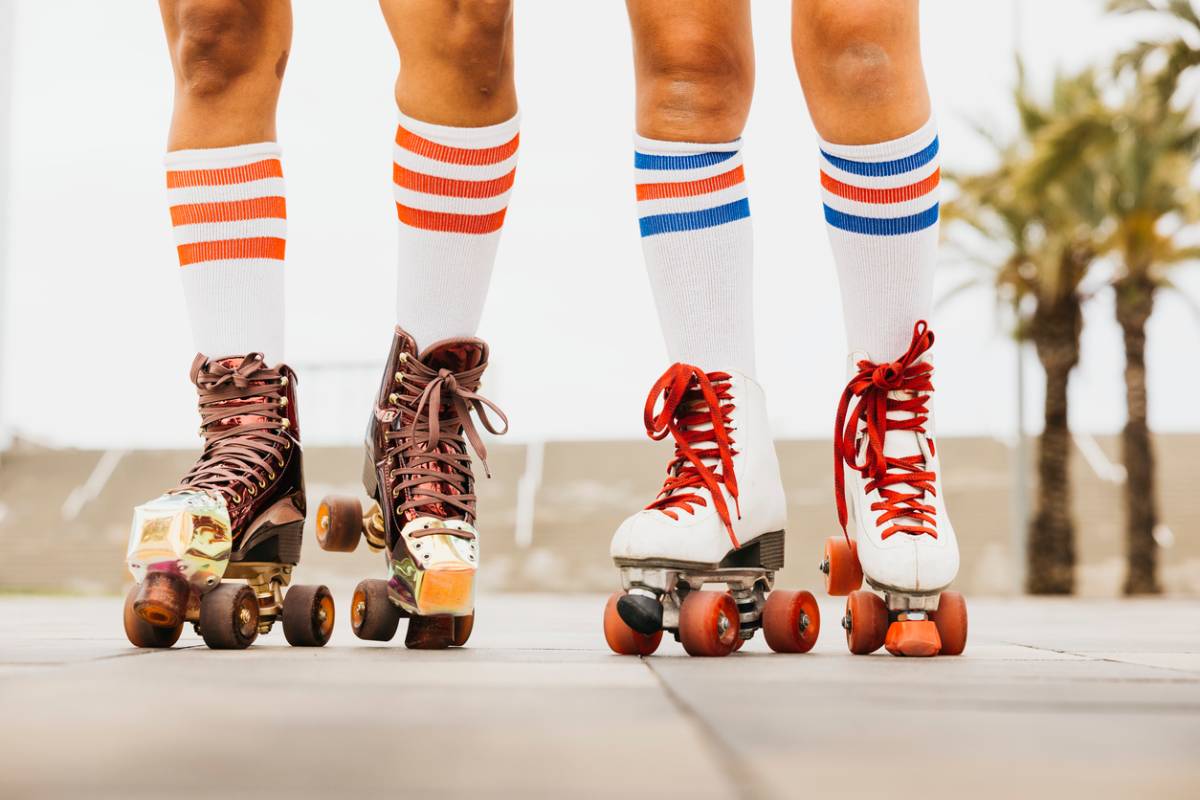
One of the biggest benefits of long socks is preventing friction and blisters. Even the most well-fitting skate boots can cause pressure points or rubbing when you’re skating for long periods, especially when you’re breaking into a new pair. Long socks, in this instance, act as a soft barrier between your skin and the sometimes rigid material of your skates, protecting your ankles and lower legs from discomfort. 

At the same time, long socks also offer light compression to your lower extremities. This can improve circulation and reduce fatigue in your legs, which is particularly useful for long skate sessions. The added coverage helps your muscles stay warm and responsive, meaning less chance of cramping or soreness later on. 

The Fashion Side of Function: Socks That Make a Statement

But there’s more than just practicality when it comes to socks. Roller skating is all about expression, and your personality doesn’t stop at your skates. No matter where you’re choosing to skate, long socks give you the chance to show off your individual flair. And trust us, they’re a big part of skating culture.

You’ll often see skaters coordinating their socks with their skates or outfits, creating fun and creative looks. Wild patterns, bold prints, bright neons, sparkles, you name it, it’s probably out there. At Crazy Skates, our skating socks are made to turn heads and support your ride.

What Makes a Sock “Skating-Ready”?

Remember, too, that not all long socks are created equal. Just grabbing a random pair of knee-highs might not cut it if you’re serious about skating comfort. So, what should you look for?

First up, you’ll want to pick out some moisture-wicking fabrics like polyester blends, nylon, or technical knits. These materials are designed to draw sweat away from your skin, keeping your feet dry, cool, and blister-free even during intense sessions. Cotton, while cozy for lounging, tends to hold moisture, making it a poor choice for active skating, as damp socks can cause chafing and discomfort.

Breathability is just as important. When your feet can breathe, you’re less likely to overheat or experience that dreaded “soggy sock” feeling. Good airflow also helps prevent the buildup of odor-causing bacteria inside your skate boots, which is a must if you’re skating multiple times a week. Look for mesh ventilation zones or lightweight weaves in your socks for extra airflow without sacrificing durability.

Another thing to keep in mind? Durability and softness. You want socks that can stand up to frequent skating without thinning or pilling after a few washes. High-quality blends offer a nice balance between a smooth feel and long-lasting wear, so your socks stay comfy and effective no matter how often you hit the rink or streets.

Other Roller Skating Apparel Choices that Serve a Purpose

While long socks steal the spotlight, they’re just one piece of a smart skater’s outfit. Let’s explore some other apparel choices that are more functional than they might appear:

Padded Shorts or Leggings

Perfect for beginners or anyone pushing the limits, padded bottoms help protect your hips, tailbone, and thighs during falls. They’re often lightweight and discreet, and they are easy to wear under your favorite shorts or skating skirts.

Protective Gloves or Wrist Guards

Wrist injuries are common in skating. Gloves with built-in wrist support or separate guards are essential for protection and peace of mind. Plus, you can find fun designs that match your socks and skates.

Mesh or Performance Tops

Breathability is key. A fitted, moisture-wicking shirt will keep you cool and dry without restricting movement, especially if you’re skating outdoors or at a packed rink.

Ready to Sock Up and Roll Out?

When you’re ready to take your skating style and comfort to the next level, don’t overlook the power of long socks. Visit Crazy Skates, your trusted roller skating shop, to browse our collection of skating socks that bring both performance and personality to the rink.

Featured image for 5 Things to Know Before You Start Roller Skating

5 Things to Know Before You Start Roller Skating

Roller skating is arguably one of the most fun (and thrilling) ways to get up, get moving, and stay active, regardless of whether you’re gliding through your neighborhood, hitting the rink, or trying out a new trick at the park. But let’s be honest. Skating is also about more than just stepping into a pair of skates and taking off down the road. It is a majorly engaging hobby that can help you get more out of life and even get into shape, but a bit of information ahead of time can make the whole process so much easier! That’s why we’re here to give you a jumpstart with essential tips, starting with these five things to know before you start roller skating! 

Get the Basics Down

Roller skating might seem effortless, especially if you’re used to watching seasoned skaters, but it all begins with a few key fundamentals. First off, balance is everything! Before you start moving, practice standing still in your skates. Use a wall or railing, or even a friend, for support, bend your knees slightly, and center your weight over your feet. Getting used to this stance is the building block for any and all future movement. 

Next, expect there to be a learning curve (and embrace it!) Roller skating is a full-body workout, and your muscles, especially the ones in your core and legs, will probably scream at you after your first time skating. Be patient with yourself and your body. Progress comes with consistency, not perfection. 

Make Sure You Have the Right Equipment from the Start

When you’re just starting, quality skating equipment could very well make or break your first experience. Investing in a pair of roller skates that fit properly is step one. Ill-fitting skates are not only uncomfortable, they can actually be unsafe! That’s just one reason Crazy Skates offers a full range of sizes and styles, including some excellent options in our discount roller skates section that are perfect for beginners who want performance without the premium price tag. 

And don’t forget the other key essentials like a helmet, knee pads, elbow pads, and wrist guards. These extra safety pieces might seem like overkill, but they’ll save you a world of hurt and give you the confidence to push yourself safely. Like your skates, your safety gear should fit snugly and comfortably without limiting movement. 

Surfaces Matter More Than You Think

Not all skating surfaces are created equal, especially when you’re just starting! Plenty of beginners assume that they can skate anywhere, but the surface you’re skating on can hugely affect how your skates respond and how safe you feel. Smooth, flat indoor rinks are the best for practicing the basics, as they’ll have no cracks, rocks, or sudden inclines/declines to throw off your balance. 

If you are skating outside, stick to clean, paved trails or tennis courts while building your skills. Rough sidewalks or roads can trip you up fast. Once you’re more confident, you can explore these spots, but starting simple is smart. 

Learning to Fall is Just as Important as Learning to Roll

Here’s a tip that might sound backward but is absolutely important: learn how to fall! Everyone does it, even the pros. The trick is falling safely. Try to fall forward onto your pads rather than back onto your tailbone or wrists. Keep your arms tucked in, and use your knee pads and wrist guards to absorb the impact. 

You’ll also want to practice falling on soft surfaces, like grass or carpet, in full gear. It might feel silly, but building that muscle memory will save you from panicking when it happens unexpectedly on the pavement. 

Skating Style and Personalization Make it More Fun

Once you’ve got the basics down pat, roller skating becomes all about style and self-expression. That’s also where the fun really begins! From LED wheels to bright laces and cool decals, you can personalize your skates and gear to match your vibe. And, lucky for you, Crazy Skates has an amazing variety of colors, finishes, and add-ons to make your gear feel just as bold as you are. 

Ready to Roll? Let Crazy Skates Help You Get Started

Whether you’re shopping for your first pair or upgrading your setup, Crazy Skates has the skating equipment and deals to get you rolling in no time. Explore our discount roller skates, grab your safety gear, and let the adventure begin!

What’s the Difference Between Kick, Commuter, and Trick Scooters?

Scooters have become widely popular in business and entertainment in recent years. Skate shops are taking advantage of this and keeping a selection of scooters in stock to suit various activities. Personal mobility is more diverse than ever, and scooters have emerged as a popular choice for various lifestyles and preferences. Yet many remain unaware of the distinct categories that exist within this mode of transport. Kick scooters, commuter scooters, and trick scooters each serve unique purposes and are designed with specific features to cater to their respective users.

While kick scooters offer a simple and efficient means of getting from point A to point B, commuter scooters prioritize comfort and practicality for daily travel, and trick scooters are engineered for performing stunts and tricks in skate parks. Understanding the difference between kick, commuter, and trick scooters not only enhances your ability to choose the right variation but also enriches your overall experience of scooting.

What’s the Difference Between Kick, Commuter, and Trick Scooters?

Kick, commuter, and trick scooters share many commonalities, but where they differ has a significant impact on whether or not you get the most out of your scooter experience. They differ in their purpose, recommended ages of use, and durability. Commuter scooters are better suited for further distances, and kick or trick scooters are better for entertainment purposes. Kick scooters are the preferred option for children and beginners; they are also the most widely recognized. Commuter scooters are quickly gaining momentum with their increase in popularity in recent years due to their convenience and portability. Each type is outlined in more detail below.

Kick Scooter

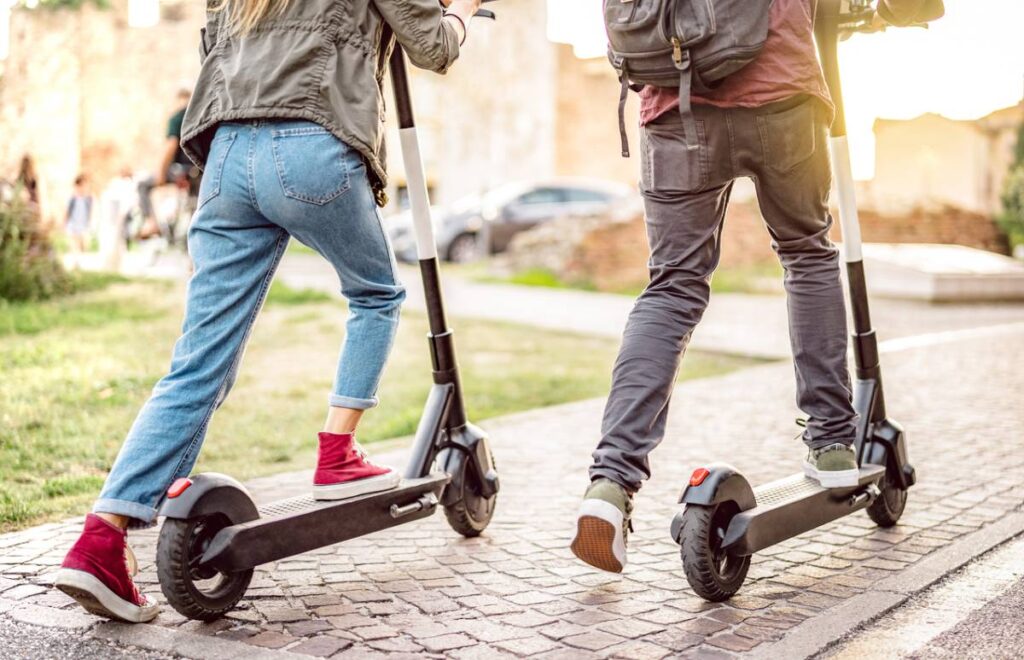
The most common is the kick scooter. Put simply, a kick scooter is a mode of transportation you propel by pushing off the ground with one foot. It offers a simple design consisting of just a deck, wheels, and handlebars, making it lightweight. 

Kick scooters are best suited for beginners because of their ease of use and simplicity. They are also typically the most affordable and lightweight option.

Pros 

  • Affordable
  • Great workout
  • Exceptionally lightweight

Cons

  • Not as efficient as electric scooters
  • Limited range
  • Can be difficult to operate if you are unfamiliar
  • Not suited for off-road terrain.

Commuter Scooter

Quickly growing in popularity, the commuter scooter is an electric kick scooter. They are designed to be a convenient alternative to traditional forms of commuting. Often, they are lightweight and foldable, making them conveniently compact and portable. 

Commuter scooters are more progressive, taking advantage of technology to make them electric. Commuter scooters prioritize comfort and practicality during daily commutes. 

Pros 

  • Lightweight
  • Affordable
  • Compact

Cons

  • Can be bumpy
  • Not suitable for hills
  • May require a charger for longer commutes

Trick Scooter

Designed for those who want to learn or develop their skills in performing stunts and tricks. Trick scooters are built from more durable materials and features to take on the impacts and pressure that jumps, grinds, and other moves require. They can withstand greater force than commuters and kick scooters. 

Trick scooters impart greater durability in many ways to customize them to suit your preferences. However, these are often on the heavier side.

Pros 

  • More durable design and materials
  • Customizable

Cons

  • Heavier
  • Pricey 

Which Scooter is the One For You?

The world of scooters offers a diverse range of options to suit various needs and preferences. Kick scooters provide a simple, portable solution for short trips and last-mile commutes. Commuter scooters elevate the experience with electric power and enhanced features, making longer journeys more comfortable and efficient. Trick scooters, on the other hand, cater to thrill-seekers and extreme sports enthusiasts, offering durability and maneuverability for performing stunts.

Whether you’re looking for convenience, eco-friendly transportation, or an adrenaline rush, there’s a scooter type that’s perfect for you. So, hop on, push off, and embrace the freedom and fun that these two-wheeled wonders bring to urban mobility and recreational pursuits alike.

Get Started Today with Crazy Skates!

Hurry over for your new ride so you can scoot your way into innovative travel and fun. 

Featured image for Is Costa Mesa a Good Place to Live

Is Costa Mesa a Good Place to Live?

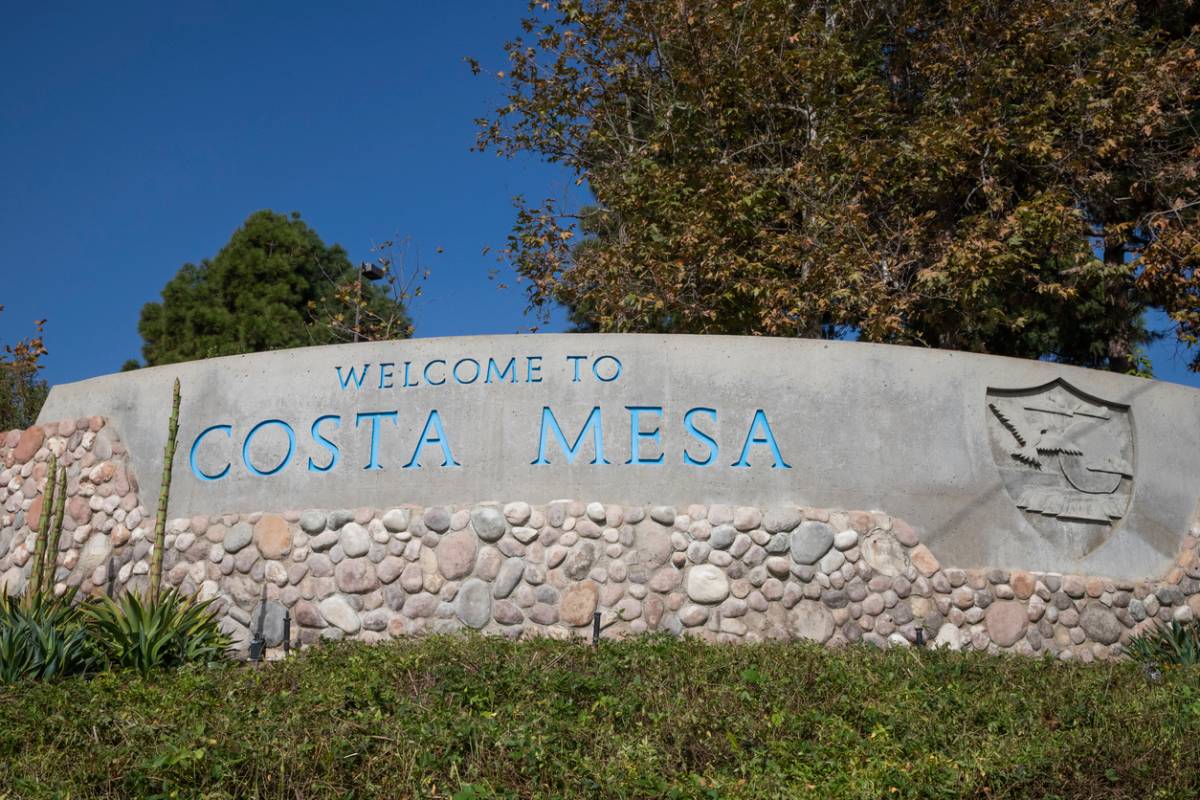
Costa Mesa, tucked away right in the heart of Orange County, has steadily become a top choice for many looking to relocate within or to Southern California. Known for its artsy vibe, walkable neighborhoods, and a culinary scene that rivals much bigger cities, it’s no surprise that when people are asking: Is Costa Mesa a good place to live? The answer is a resounding yes!

Why Is Costa Mesa a Good Place to Live? 

We’ve already answered the simple question of whether or not Costa Mesa is a good place to live, but now comes the bigger question: why? 

First off, location is absolutely everything, and Costa Mesa more than delivers. Just a few miles from ultra-iconic beaches like Huntington and Newport, there’s plenty of coastal access without all the chaos of tourist-heavy zones. Residents here get to enjoy sunny days and breezy nights thanks to the Pacific just minutes away. Plus, its central location means it’s an easy drive to Los Angeles, San Diego, and the scenic inland mountains. That makes grand destination getaways no harder than a simple weekend getaway. 

But there’s more to this city than sand and surf. So much more. Costa Mesa is home to a flourishing arts district anchored by the Segerstrom Center for the Arts and the South Coast Repertory. Whether you’re into Broadway-caliber theater, modern dance, or community performances, cultural enrichment is always within reach.

And if you love anything by way of style and design, Costa Mesa is proud to be known as the home of the South Coast Plaza, a shopping and dining mecca that draws visitors from around the globe, yet still somehow feels like your neighborhood spot for a quick coffee or a weekend brunch.

A Lifestyle That Balances Energy and Ease

Costa Mesa, as a whole, is a place that somehow manages to balance a relaxed beach town vibe with the energy of a more urban hub. The city is dotted with community parks like Fairview and TeWinkle that are perfect for morning jogs, family picnics, or sunset strolls. It’s a city where you can slow down without ever feeling like you’re missing out. 

Plus, the lifestyle here caters to… well, just about every type of resident out there! Families soon come to discover that the neighborhoods are safe and the schools are of top quality, while professionals can enjoy short commutes and creative working spaces. And for the more active set, there’s no shortage of activities in Costa Mesa, from art walks and pop-up galleries to live music, seasonal street fairs, and local farmers’ markets. It’s a community that’s constantly buzzing with things to see and experience, but somehow, never feels overwhelming. 

Costa Mesa’s Dining Scene Is a Major Perk

Ask any local what they love most about Costa Mesa, and chances are, food is going to be near, if not at, the top of their list. The city’s culinary scene is as diverse as it is delicious, offering a range of options that includes world-class sushi and ramen, plant-forward cuisine, and innovative small plates.

You could eat out every night for a month and still not scratch the surface. Explore the full list of Costa Mesa restaurants to start planning your own delicious tour of the city.

A Hub for Creatives, Innovators, and Community-Minded Residents

What truly makes Costa Mesa feel like home isn’t just its amenities, but rather the community. The city has a vibe all its own: creative, inclusive, and proudly independent. It’s home to boutique fitness studios, homegrown coffee roasters, design-forward coworking spaces, and art collectives that keep the local scene vibrant and constantly evolving.

For remote workers, Costa Mesa offers a refreshing change of pace, where creative energy meets coastal calm. For entrepreneurs, it’s a place where ideas flourish. And for anyone craving connection, the city’s walkable districts and neighborhood events make it easy to meet people who care about their community.

Costa Mesa attracts people who are curious, passionate, and always up for discovering something new. That energy is palpable, and it’s what keeps so many residents happy to put down roots.

Discover the City That Locals Already Love

Costa Mesa isn’t just a place to live; it’s a place where you can absolutely thrive. From its rich arts and culture to the incredible culinary scene and friendly, creative community, there’s something here for everyone!  

Ready to see for yourself? Start exploring Costa Mesa today and discover why so many are proud to call it home.

concept for 5 tricks you can pull off in inline skates

5 Tricks You Can Pull Off in Inline Skates

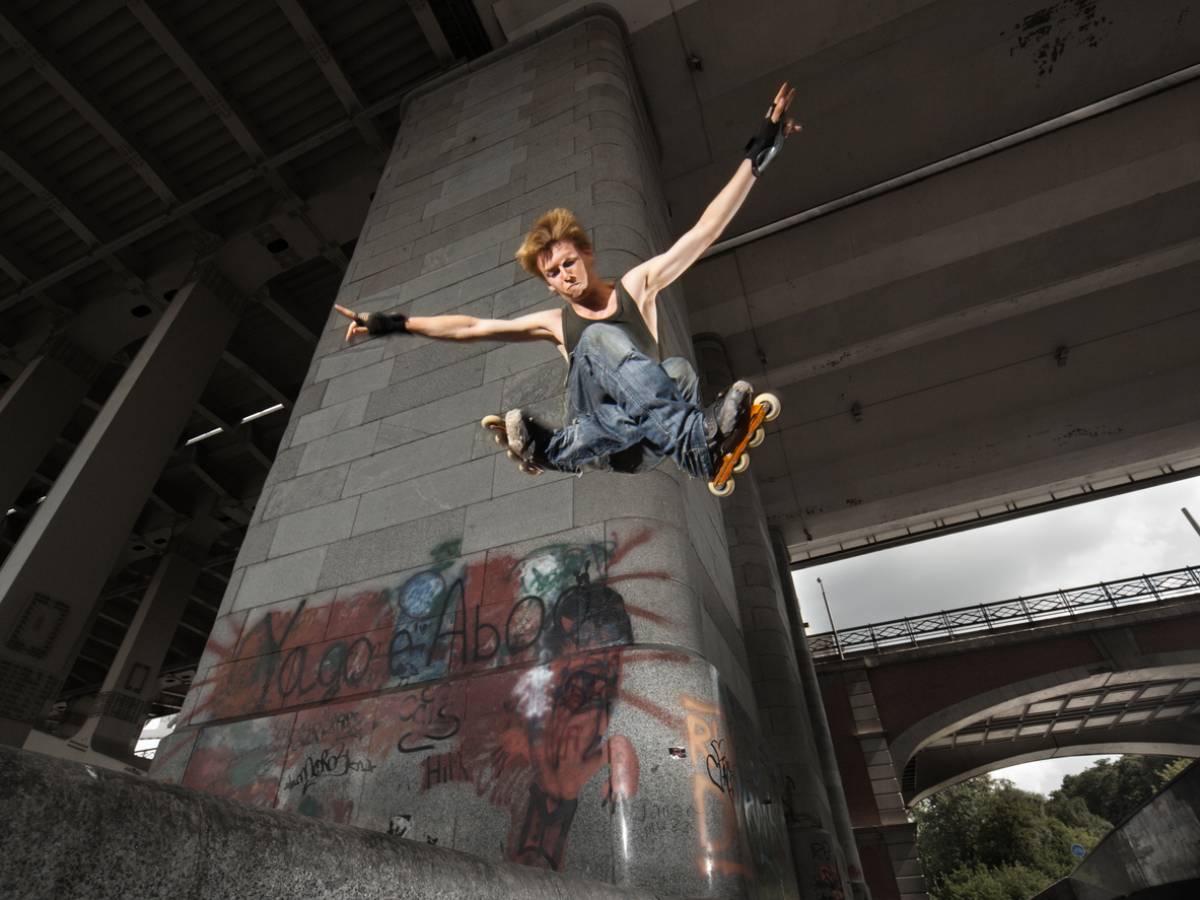
Rollerblading, or inline skating, is not just a fun, nostalgic throwback to the ‘90s; it can be a full-body workout and a really cool way to show off some skills! After getting down to the basics, you may be looking for some new tricks to add to your belt. Luckily, there are a myriad of tricks ranging from beginner to intermediate that you can learn. Lace up while we roll into five tricks you can pull off in inline skates with some practice (and the occasional bruised ego).

5 Tricks You Can Pull Off in Inline Skates

1. The T-Stop Slide 

Let us start with the T-stop, something as useful as it is impressive. With the word “stop” in its name, you can guess that this move is used to break. When it is done well, it almost looks like a slick move out of a dance routine!

How to do it: As you skate forward, move your weight over to your dominant leg, while dragging your other skate behind you gently. Make sure the other skate is at a perpendicular angle, which should form a “T” shape. Applying enough pressure creates friction and lets you slow down. What brings finesse into this trick is getting control; the goal is to glide into stopping instead of an abrupt stop. 

Pro tip: You can prevent your skates from wearing down and make your balance better if you do this trick on a smooth, dry surface. 

2. Heel-Toe Spin

This next one is a great way to work on your control and foot coordination with a balance of rhythm and flair. 

How to do it: Position one of your feet on its heel and the other foot on its toe. Use your core to rotate your body in a circle while keeping your feet in that stance. You might feel like a figure skater!

Be patient: You need solid core strength as well as balance for this one. Begin with smaller rotations while you build up your confidence. 

3. Bunny Hop

If you have ever jumped over a small object or crack in the sidewalk, you have already done a version of the bunny hop. The trick is to lift all your wheels off the ground in one controlled movement. 

How to do it: As you approach the object or obstacle, crouch slightly. Then, while using your legs, spring up and pull your knees towards your chest. Your skates should lift off together and softly land in parallel. 

Safety tip: Practice on grass or with protective gear before you try it on the pavement. 

4. Slalom Weave

The slalom weave is all about moving your skates in a side-to-side motion as you glide forward. It is a flowy trick that can build ankle strength and make you look like you are fluidly dancing through the cones. 

How to do it: Set up some cones about two feet apart. Begin with a forward glide as you get closer to them, and weave your skates in and out using your hips and ankles to control. Bend your knees slightly and keep your upper body relaxed. 

Why it’s worth it: This trick is the foundation for more complicated tricks and can teach you precise control of your edge work. 

5. The Backward Skate

Skating backward is one of the most impressive and useful inline skills because it can also serve as a gateway to more challenging spins. 

How to do it: Form a V-shape with your skates pointing outward and your knees bent. Alternate your pushes to glide backward while keeping your chest upright and looking over your shoulder. Practice in an open area until you feel you have a good sense of control.

Bonus challenge: Try to make your transitions from forward to backward skating smooth without stopping. 

Get Started Safely 

Before you try any tricks, make sure you are comfortable with basic skating fundamentals like balance, stopping, and turning. Practicing on smooth surfaces will help you feel more confident and stay away from injury. You can even check out some tutorial videos from professional skaters or join a local skating group. These groups are quite welcoming to beginners and can give you real-time feedback. 

Remember that every skater falls a lot. But each time can teach you more about your center of gravity and push you to be resilient. At the end of the day, just make sure you are being safe and having fun. Stock up on protective gear from a skate shop, and check out their cool skates to upgrade to as a reward as well!

Featured image for How to Make Friends in a New City After Graduating

How to Make Friends in a New City After Graduating

Graduating from college is an incredibly thrilling moment—diploma in hand, future ahead, and a world full of possibilities right at your feet. But alongside all that excitement comes the question: what next? For many, the answer is moving to a new city and starting fresh. If that city happens to be Costa Mesa, California, you’ve picked a vibrant, creative, and welcoming place full of recreation opportunities to begin your post-grad chapter. But now that you’re here, there’s a new challenge: how do you make friends in a new city after graduating? Let’s dive into what makes Costa Mesa the perfect place to find your new tribe and how to go about doing it! 

Community Events Are Your New Best Friend

Costa Mesa has an incredible arts and culture scene, and tapping into this is a great way to meet new people. The Segerstrom Center for the Arts isn’t just for concerts and plays; it’s also a great community gathering spot that offers open-air events, pop-up experiences, and workshops that draw locals of all backgrounds.

You’ll also find the city buzzing with seasonal festivals, night markets, and live music. Any of these events make for plenty of opportunities to strike up a conversation with someone new. Plus, not only do these events allow you to enjoy Costa Mesa’s creative energy, but they’re also natural icebreakers. “Hey, have you tried the food truck tacos?” can be the start of a brand-new friendship.

Volunteer—Connect While Giving Back

Volunteering is one of the most fulfilling ways to meet people. In Costa Mesa, there are dozens of organizations that are always looking for help, from food pantries and animal rescues to community gardens and cultural nonprofits.

The people who volunteer tend to be generous, socially-minded, and passionate, making them an excellent group to connect with as you build your new life in the city. And the satisfaction you feel from doing good? That’s just the bonus.

Keep Learning—In Fun Ways

Whether it’s learning to cook pasta from scratch or painting your first sunset, group classes give you an instant community. Costa Mesa has a variety of offerings through community centers, art studios, and even local businesses that double as creative spaces.

Check out what’s available on community bulletin boards or local social media accounts. When you learn alongside others, the shared vulnerability and encouragement can create an atmosphere that’s perfect for forming friendships.

Work Hard, Network Smart

Moving into your career life? Costa Mesa has a vast (and thriving) professional scene, and even better, networking here doesn’t have to feel stiff or awkward. Many of the city’s co-working spaces host happy hours, speaker panels, and social events designed for young professionals and entrepreneurs. 

These settings are goldmines for meeting others who are navigating the same transition from college life to career building. You don’t need to impress anyone. Just ask questions, listen, and be open to conversations that might surprise you.

Let Tech Lend a Hand

There’s no shame in turning to technology to make friends. Platforms like Meetup, Bumble BFF, and Facebook Events offer access to interest-based groups and get-togethers happening all over Costa Mesa. Want to join a trivia team? Practice conversational Spanish? Try aerial yoga? There’s probably a Meetup for that.

Start by searching within a 10-mile radius and exploring a few low-commitment events. Digital introductions can quickly turn into real-life connections, especially when everyone’s there for the same reason: to meet new people.

Be Patient, But Put Yourself Out There

We’ll leave you with one last bit of advice, and it might be the most important. Always keep in mind that making new friends takes time. It’s easy to feel discouraged if connections don’t happen instantly. But being open, curious, and consistent is key. Your first few coffee chats might not lead to a lifelong friend, but the next one might.

Give yourself a little bit of grace as you settle into your new life. Some weeks will be filled with plans and people; others might feel quiet. And you know what? Both are okay! The important thing is to keep showing up to events, classes, and conversations.

Ready to Find Your People in Costa Mesa?

With so many things to do in Costa Mesa and a community full of creative, active, and welcoming people, you’ve got everything you need to build your new social circle. Embrace the experience, try something new, and let Costa Mesa become more than just your new city—it can become your new home.