Common Inline Skating Injuries and How to Prevent Them

Inline skating is a fun and exciting way to exercise, commute, and enjoy the outdoors, but, like any sport that involves speed and balance, it carries injury risks. Whether you’re shopping at an online skating shop for your first pair of inline skates or you’re an experienced skater, you can benefit from learning about common injuries and prevention strategies. Most skating injuries are preventable through proper equipment, technique, and safety awareness. The majority of accidents occur when skaters lose control, collide with objects, or fall due to poor surface conditions or inadequate skill. You can significantly reduce your risk of common inline skating injuries by knowing how to prevent them. 

Wrist and Hand Injuries

Wrist fractures are the most frequently reported injuries among inline skaters. People instinctively extend their hands to break their fall when they go down. This places enormous amounts of stress on your wrist joints. Depending on the intensity of the impact, it can cause anything from minor sprains to complete fractures of the bones in your wrist. Many sustain cuts, bruises, and finger fractures to their hands during falls as well. 

Proper wrist guards are the first line of defense against wrist injuries. Guards with rigid splints on both sides of your wrist offer the most protection. They distribute the impact forces and prevent your wrist from bending beyond its natural range. Quality protective gear should not restrict circulation, but fit snugly enough that it doesn’t move freely. Experienced skaters understand that falls are sometimes part of the learning process and compensate by learning proper falling techniques. This refers to techniques like rolling rather than catching yourself with your hands. 

Head Injuries

Though less common than wrist injuries, head injuries are a serious threat to skaters. Falls and crashes have great potential to cause concussions and, in some cases, severe traumatic brain injuries. Helmets are an effective way to dramatically reduce your risk of head injury. Modern helmets are lightweight, well-ventilated, and designed specifically for the impact patterns common in skating accidents. 

Lower Body Injuries

Knee injuries are another common injury that inline skaters sustain. Many skaters have experienced ligament strains and ankle sprains due to awkward landings, loss of balance, obstacles, and other possible complications. Backward falls often result in injuries to the hip and tailbone. These types of injuries can take weeks or months to recover from. Proper knee and elbow pads with hard plastic caps and dense foam padding offer great protection against related injuries. 

Environmental Hazards and Surface-Related Injuries

Many skating injuries result from environmental factors rather than skating technique. Cracks in pavement, gravel, wet surfaces, and debris create hazardous conditions that can thwart even the most experienced skaters. Poor visibility during dawn, dusk, or nighttime skating increases your risk of collisions. Before taking off, inspect surfaces. Avoid wet or icy conditions that could cause traction problems. Choose paths that are well-maintained and avoid areas that have heavy pedestrian or vehicle traffic. In low-light conditions, wear bright clothing and use lights or reflective gear. 

Preventing Common Inline Skating Injuries

Most skating injuries happen due to a lack of experience. Start slowly, master the basics in safe environments. Consider taking lessons from qualified instructors to develop proper balance, stopping, and turning techniques. As you gain experience and skill, gradually progress to more challenging terrain or maneuvers. The best way to prevent common inline skating injuries is to prevent them. Wear appropriate protective gear and skate within your skill level. If weather conditions are questionable, be sure to account for this when stopping and turning. Skating injuries are preventable with a little effort. 

Connect with experienced instructors to learn more about preventing common inline skating injuries. 
Preventing Injuries Through Warm-Ups and Stretching

Injuries happen for many reasons. These reasons are not limited to poor technique or overtraining. Oftentimes, injuries occur simply because the body is not yet ready for movement. Proper preparation is essential before any rigorous activity. If the body is not properly prepared, warm-ups and stretching are rushed or skipped, the risk of injury increases. If you are into sports like roller skating, warm-ups and stretching are among the most effective tools for preventing injuries, along with wearing protective gear from a reputable skate shop.

Keep exercise and sports fun by preventing injuries with warm-ups and stretching. It is essential to understand the purpose of warm-ups and stretching and to know how to do them properly. 

Preventing Injuries Through Warm-Ups and Stretching

Why Warm-Ups Matter

When warm-up is done properly, it prepares your body for activity by gradually increasing heart rate, blood flow, and muscle temperature. This makes your muscles more elastic and responsive, reducing the risk of strains, tears, and joint stress.

A properly done warm-up can also help activate the nervous system. It improves coordination, balance, and reaction time, which you need for most physical activities, such as roller skating. This is especially important when you have to make sudden movements, lift, or change direction. If you want your body to handle physical demands safely and efficiently, it should undergo a gradual transition from rest to movement, and that will only happen with a proper warm-up.

On the contrary, muscles are left stiff and joints less lubricated when warm-ups are skipped. This makes the muscles more vulnerable to injury, especially in the lower back, knees, shoulders, and ankles.

What Makes an Effective Warm-Up

An effective warm-up should involve controlled movement. The following are considered to be examples of an effective warm-up:

  • Brisk walking, marching in place, gentle cycling
  • Arm circles, leg swings, and torso rotation
  • Controlled and slowly performed bodyweight movements like squats or lunges

Your goal is not to be exhausted but to gradually increase intensity and range of motion. A good warm-up usually lasts 5 to 10 minutes and should be tailored to the activity. For instance, if you are going to walk and lift, warm up your hips and legs. If you are going to reach or carry, warm up your shoulders and upper back.

The Role of Stretching in Injury Prevention

Your muscles should be able to move their full range without resistance. Stretching can improve flexibility and joint mobility. This improves posture, reduces tension, and lowers the risk of muscle imbalances that can later cause chronic pain or injury.

It is important to note, however, that timing matters. For example, static stretching, where you hold a stretch for 20 to 30 seconds, is most effective after an activity rather than before. If it is done before an activity, your muscle strength and stability may be temporarily reduced.

After physical activity, you can help your muscles relax by stretching. It will also promote circulation and support recovery. When done consistently, this also helps improve movement efficiency and reduce stiffness caused by repetitive motions or prolonged sitting.

Key Areas to Focus On:

These areas are prone to tightness and injury:

  • Hamstrings and hips, which affect posture and lower back health
  • Calves and ankles, which are crucial for balance and walking mechanics
  • Shoulders and upper back, which are often strained by lifting and desk work
  • Neck and spine, which hold tension from stress and poor ergonomics

When warm-ups and stretching are done consistently before and after sports activities, they can significantly reduce the risk of injury. They do not even have to be long and complicated.

Other Ways to Prevent Injury

Warm-ups and stretching are not the only ways you can prevent injury. Sometimes injuries occur due to accidents. If you are into sports, such as roller skating, you also need protective gear to prevent accidental falls that could cause injury.

Protect Yourself from Injury

Whether it is a sport or a hobby for you, roller skating is always fun and exciting. Just do not let the thrill make you skip your warm-ups or make you forget to put on your protective gear. You need them to ensure you are always safe from injury. If you are looking for some protective gear for your next skate, check out our shop and explore our exciting collection of roller skate protective gear today.

How to Encourage Children to be More Active Every Day

Today’s highly digital world makes it challenging for parents to encourage children to stay active. With phones, tablets, and game consoles everywhere, children just want to stay in front of their screens and there is no longer time for physical activity. The problem is, and most parents know this, children need physical activity because it plays an essential role in their physical health, emotional well-being, confidence, social aptitude, and even academic performance.  But many parents rack their brains about how to encourage children to be more active every day. Here is some good news. Helping children move more doesn’t require much creativity on your part. Sometimes something as simple as introducing a new activity by getting gear from an online skating shop can create excitement and motivate them to move. A visit to an online skating shop. With the right approach, physical activity can become a natural and fun part of your children’s everyday life. 

How to Encourage Children to Be More Active Every Day

Children need regular physical activity to support healthy growth and development. Physical activity strengthens muscles and bones and improves coordination and balance. It also supports heart health and promotes good quality sleep. These are just a few of the many benefits of movement. Beyond the physical benefits, children who have regular physical activity often experience better mood regulation, reduced stress, and improved focus in academic activities. With physical activities, children also learn essential life skills, such as teamwork, perseverance, and self-confidence.

When parents understand these benefits, they begin to view activity not as an extra task but as essential to a child’s daily routine, just like eating and sleeping.

Make Movement Fun

One of the most effective ways to encourage movement is to plan something fun. Children are more likely to move when they see that it is play rather than a necessity, like a chore. Instead of telling children they need to exercise, suggest physical activities they already enjoy. Biking, dancing, playing tag, and jumping on the trampoline are activities most children enjoy.

Games, challenges, and imaginative play are activities that usually work for younger children. A simple backyard obstacle course, a scavenger hunt, or pretending to be animals, like a leaping frog, a hopping bunny, or a dancing monkey, can get young children moving without realizing they are doing something necessary. 

Lead by Example

Children learn by observing adults around them. If they see their parents and other primary caregivers engaging in physical activities, they would likely be interested and follow suit. Taking evening walks, doing some stretching exercises in the morning, or going on active family outings can teach children that movement is an essential part of everyday life.

When they see you engaging in physical activity, they will learn that being active is not punishment. It is something you do because it makes you feel good.

Limit Screen Time

One of the biggest hindrances to daily movement is screen time. You do not have to ban screen time totally. Just set a tech-free time during the day when they can do other activities. Be sure to provide appealing options as children will be more willing to step away from their screens when they have something fun to do.

Incorporate Activity into Daily Routine

Physical activity does not always have to be scheduled because it can be incorporated into their daily routine. Walking to school, helping with household chores, taking the stairs, and receiving packages are all activities that encourage children to move. 

Encourage Participation Without Pressure

Some children enjoy competitive sports. Some do not. Some thrive in a team. Some prefer individual sports. Some like swimming, biking, or skating. Some enjoy dance, and martial arts. The key is to allow them to explore and discover on their own what they truly enjoy.

Create a Supportive Environment

How movement-friendly is your home? A child’s environment is a big factor in how active they are. Are balls, bikes, jump ropes, scooters accessible? Is there enough space to allow spontaneous play? As much as possible, prioritize outdoor time for them to explore, run freely, or connect with nature.

Explore Our Skates and Roller Scooters

Encouraging children to engage in movement starts with a supportive environment, offering fun, enjoyable choices, and modeling the desired behavior. If you are looking for fun activities for your children, explore our selection of roller skates and scooters on our site. These fun and active options can help them stay healthy, build confidence, and enjoy movement every day.

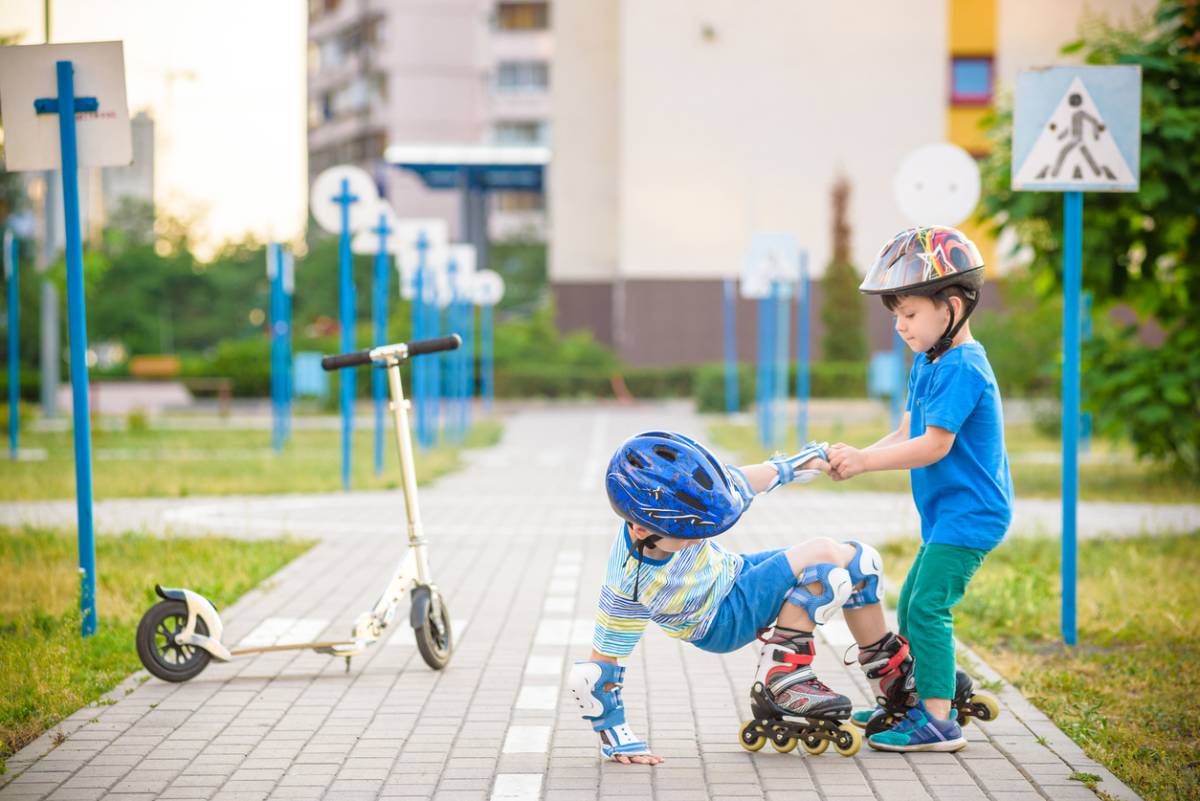
Two boys in park, playing with scooter and roller skates.

Gifts That Encourage Outdoor Play

Finding the perfect gift can feel overwhelming, especially when you want something fun, meaningful, and beneficial. In today’s screen-heavy world, gifts that encourage outdoor play are more important than ever, and always a hit. Scooters and roller skates stand out as exciting options that get kids, teens, and even adults moving, exploring, and enjoying fresh air.

Why Outdoor Play Matters More Than Ever

Outdoor play supports both physical and mental well-being. Activities like scooting and skating help improve balance, coordination, and muscle strength while also boosting confidence and independence. Spending time outside encourages social interaction, creativity, and stress relief, making it a powerful alternative to sedentary entertainment.

When you give a scooter or a pair of roller skates, you’re not just giving a toy—you’re giving an experience. These gifts invite movement, adventure, and skill-building, all while creating memories that last far beyond the unwrapping moment.

Scooters: Fun, Fast, and Easy to Learn

Scooters are a popular choice for all ages because they are approachable and versatile. Younger riders appreciate how easy it is to learn to ride a scooter, while older kids and teens enjoy mastering tricks or cruising around the neighborhood. Scooters are also compact and lightweight, making them simple to store or take on the go.

There are several types of scooters to consider when choosing the perfect gift. Classic kick scooters are ideal for beginners and casual riders, offering stability and control. For more adventurous riders, performance or trick scooters are built for durability and agility, perfect for skate parks and advanced maneuvers.

Scooters help develop balance and coordination while providing a low-impact form of exercise. They also encourage outdoor exploration, whether it’s riding to the park, taking a walk down the sidewalk, or going around the block with friends.

Roller Skates and Inline Skates: Timeless Outdoor Fun

Roller skating has made a significant comeback, and for good reason. Roller skates and inline skates blend nostalgia and modern design, appealing to both new skaters and seasoned enthusiasts. These skates promote full-body movement, cardiovascular fitness, and rhythm, making them a fun way to stay active.

Traditional quad roller skates are great for beginners thanks to their stable design and classic feel. They are perfect for outdoor paths, driveways, and skating rinks. Inline skates, on the other hand, offer speed and smooth motion, making them a favorite for fitness skating and longer outdoor rides.

Both options allow riders to progress at their own pace, building skills and confidence with each glide. Skating also encourages social play, as friends and family can skate together, making it a gift that brings people closer.

How Scooters and Skates Support Healthy Development

Outdoor play gifts like scooters and roller skates support important developmental benefits. They help improve motor skills, spatial awareness, and posture. Regular skating or scooting also encourages goal-setting, as riders work to improve balance, speed, or technique over time.

Beyond physical health, these activities support emotional well-being. Being outdoors reduces stress, boosts mood, and fosters independence. Children learn resilience as they practice, fall, and try again, while adults rediscover the joy of play.

Choosing the Right Scooter or Skates as a Gift

When selecting a scooter or pair of skates, it’s important to consider the rider’s age, skill level, and intended use. Adjustable scooters and skates are especially popular because they grow with the rider, offering long-term value. Safety features, such as durable wheels, quality bearings, and supportive boots, are also essential for a positive experience.

Accessories like helmets, knee pads, and wrist guards make thoughtful additions to your gift, helping ensure safety and confidence from day one.

Shop Outdoor Play Essentials with Confidence

As a trusted roller skate retailer, we offer a wide selection of roller skates, inline skates, scooters, and accessories designed for comfort, safety, and performance.

If you’re looking for a gift that inspires movement, creativity, and outdoor fun, scooters and roller skates are always a winning choice. Explore to explore our collection and give a gift that keeps the joy rolling all year long.

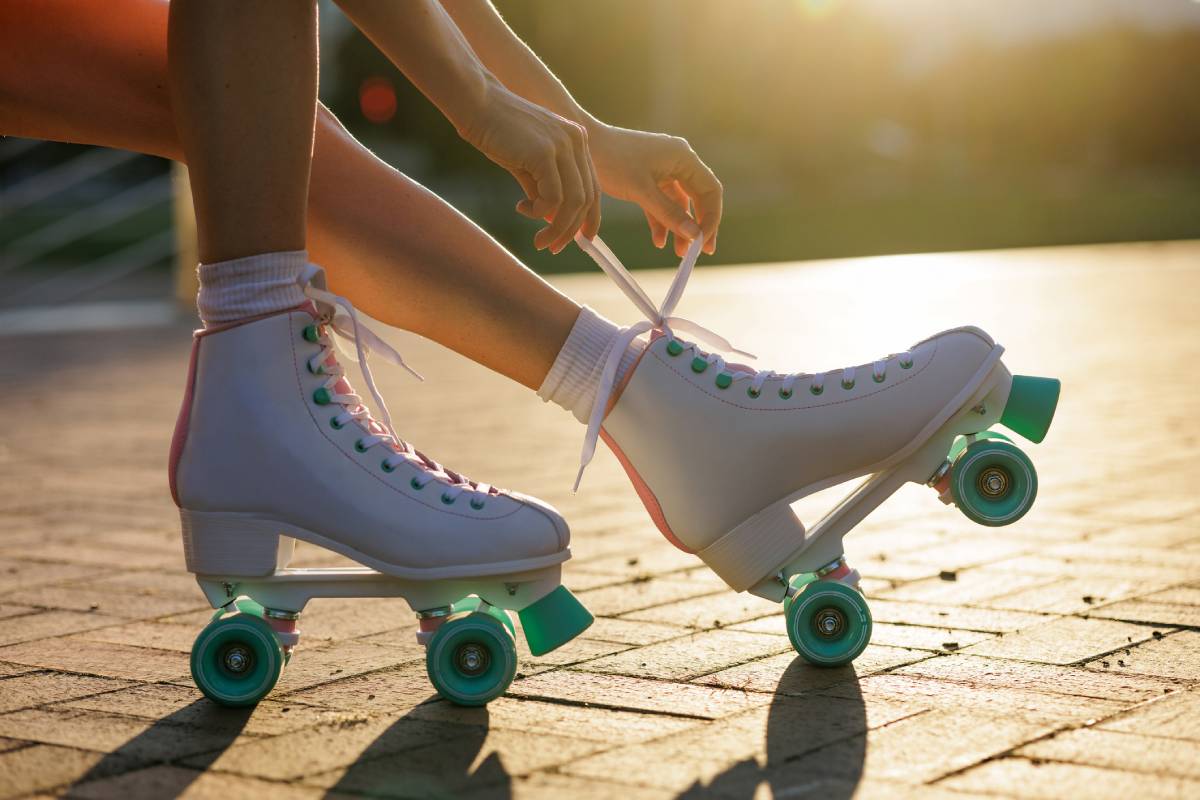
Woman lacing retro roller skates.

How to Maintain Your Roller Skate Plates

If you are into roller skating, whether for fitness, fun, or competition, your skate plates play a crucial role in how smoothly and safely you glide. Although people usually focus on wheels, bearings, and boots, the plates are the backbone of your setup. These plates carry your weight, respond to your movements, and keep you stable and agile on the floor. This is why It is important to know how to maintain your roller skate plates for long-lasting performance. Proper maintenance is key for keeping your skates in top condition. This is something that knowledgeable and concerned personnel at a skate shop will remind you of.

How to Maintain Your Roller Skate Plates for Long-Lasting Performance

1. Clean Your Plates Regularly

Skating outdoors can make your plates really dirty. Dust, dirt, and tiny bits of debris can accumulate on your plates. If you do not clean your plates regularly, this buildup can affect how the parts move, and worse, this may cause rust.

How to Clean Your Plates

  • Remove the blades and trucks.
  • Wipe your plates using a slightly damp cloth.
  • Gently scrub your plates with a mild soap solution to remove stubborn dirt.
  • Make sure the plates are completely dry before reassembling.

2. Check Your Kingpins and Trucks

The kingpins and trucks play an important role every time you turn. Your stability also depends on them. If some parts are loose, your movements may feel wobbly. If they are too tight, your ride may become stiff and difficult to control.

  • Inspect your kingpin nuts regularly.
  • Tighten or loosen them to adjust their responsiveness.
  • When you make adjustments, do so gradually to avoid overtightening.
  • Protect your hardware from wear and tear by using proper tools.

Keeping your truck setup balanced will enhance your control and protect your plates from uneven pressure that could lead to cracks or warping over time.

3. Lubricate Pivot Cups and Moving Parts

Pivot cups are the small but important parts where your plate’s truck pivots. If the cups are not adequately lubricated, they can wear out quickly. This can lead to clicking noises and unstable turning.

What to Do:

  • Lubricate the area with a small amount of silicone-based lubricant.
  • Stay away from oils that attract dust and break down rubber.
  • Make sure that you immediately replace dried-out or damaged pivot cups
  • Ensure that your plates do not endure unnecessary stress by lubricating them regularly.

4. Inspect for Cracks and Stress Marks

Roller skate plates can develop cracks and stress marks over time. Particularly prone to this are nylon or composite ones. Metal plates are more rigid. However, they can still show signs of stress, especially near mountain holes.

During inspection:

  • Give special attention to the areas near the kingpin, mounting holes, and truck attachments.
  • Look for hairline cracks, discoloration, or bending.
  • If you notice any structural damage, that means you need to replace the plates.

Skating on damaged plates can lead to injuries and further damage to your boots and wheels.

5. Keep Your Hardware Tight and Even

Misalignment affects your skates’ roll and turn. You can avoid this by keeping your hardware tight and even.

Maintenance Checklist:

  • Regularly check the mounting bolts connecting the boots and plates
  • Ensure that the screws are tightened evenly. One should not be tighter than the other one.
  • Make sure everything sits evenly after rotating wheels or replacing the cushion.

You can prevent unnecessary stress on the plates by keeping your hardware snug and aligned. This also improves overall performance.

6. Store Your Skates Properly

  • Store your skates in a dry and cool place.
  • Do not leave them in a hot car.
  • Please do not leave them in a damp area.
  • Keep them in a skate bag with ventilation
  • Place silica gel in the skate bag to reduce moisture.

Get Your Roller Skating Needs From Trustworthy Shops

When you know how to maintain your roller skate plates for long-lasting performance, you can be assured not only of a smoother ride but also a long lifespan for your entire skate setup. With proper lubrication, regular cleaning, hardware checks, and mindful storage, you can enjoy every riding moment with your strong, reliable, and responsive plates. For new plates and other roller skating needs, check out our store today.

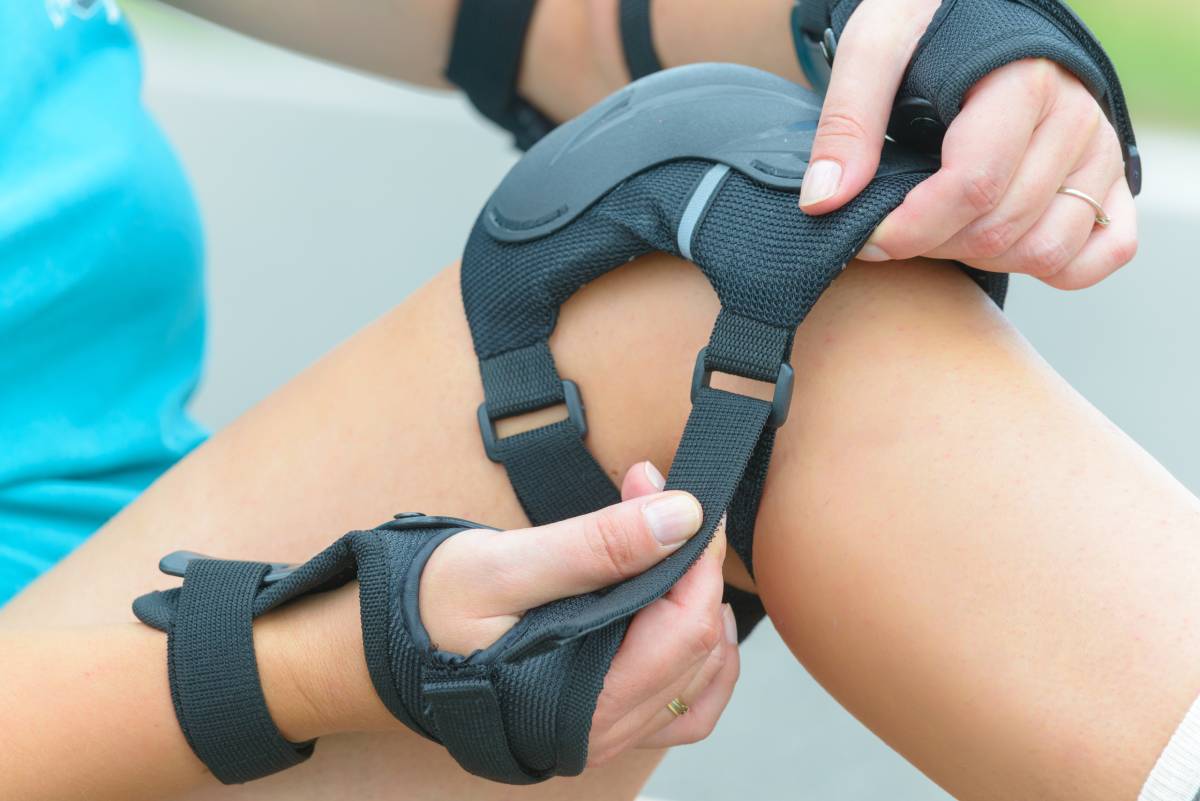
Woman putting on knee protector pads on her leg.

Essential Protective Gear for Roller Skating: What You Really Need

Roller skating is one of the most fun, freeing activities you can try — whether you’re gliding at the rink, cruising along paths, or exploring your neighborhood.

But no matter how experienced you are or how confident your stride feels, roller skating, like most sports activities, always carries a level of risk. That’s why the right protective gear isn’t optional — it’s essential.

Why Protective Gear Matters

Roller skating puts your body — especially your head, wrists, knees, and elbows — in vulnerable positions. A fall, even at low speed, can lead to sprains, fractures, abrasions, or worse. Protective gear also includes helmets, wrist guards, and knee/elbow pads, among other essential items, to minimize the risk of head injuries, fractures, and bruises.

Wearing protective gear isn’t a sign of weakness — it’s a sign of a smart, responsible skater. The right gear helps you skate longer, with confidence and peace of mind.

The Must-Have Gear for Every Roller Skater

Here’s the essential protective gear that every skater — beginner or seasoned — should own and use consistently:

Helmet

A properly fitted helmet is the single most important piece of safety gear. It protects your head from concussions, skull fractures, and traumatic brain injuries — especially if you take a tumble or hit your head on pavement. The helmet should sit level on your head, cover your forehead, and strap snugly under the chin.

Wrist Guards

When skaters fall, their instinct is often to extend their hands to break the fall — and that’s when wrist fractures or sprains commonly happen. Wrist guards with firm splints help absorb impact and prevent hyperextension. Several safety-gear guides list wrist guards as a top essential after helmets.

Knee Pads & Elbow Pads

Knees and elbows are frequent contact points in falls, especially on hard pavement. Pads cushion impacts, prevent scrapes and bruises, and reduce the risk of serious joint injuries. For many skaters — especially beginners — knee and elbow pads are non-negotiable.

This is especially important for parents with young children. Because kids are still figuring out their coordination, they are more likely to fall, scrape, or break something. And since their bones and growth plates are still developing, they are much more vulnerable to impact. The right protective gear with padding helps kids feel more comfortable trying new moves because they’re not afraid to hit the ground. It also gives parents peace of mind knowing their child is protected, even when they’re roller skating at full energy.

Optional (but Recommended) Add-Ons

Depending on your style and environment, additional gear can boost your safety and comfort:

  • Gloves or padded gloves that help protect your hands from scrapes or help you slide safely if you fall.
  • Mouth guards — useful if you skate aggressively, do tricks, or skate where falls might involve impact to the face/teeth. Some gear guides mention them for extra protection.
  • Reflective or visible clothing/gear, especially if roller skating outdoors or near low-light conditions, to help other pedestrians or vehicles see you.

How to Choose and Fit Your Gear Right

It’s not enough to simply wear gear — you must wear gear that fits properly and is appropriate for roller skating.

  • Helmet: Should sit flat; not rock when you shake your head; the chin strap should be snug. Padding should be comfortable but secure.
  • Pads (knee/elbow/wrist): Must fit snugly without sliding or cutting off circulation. A hard outer shell and a dense foam interior help absorb impact.
  • Wrist guards: Look for ones with rigid splints and secure straps around wrist bones. Loose guards may fail when you need them most.
  • Replace gear as needed: Once a helmet takes a serious hit, or pads become cracked or worn out, it’s time for new ones. The protective value decreases over time and use.

Why Consistent Protection Matters — No Matter Your Skill Level

While many wear some protective gear, very few wear the full recommended set (helmet, wrist, knee, and elbow). The reality is — accidents don’t just happen to beginners. Even experienced skaters can catch a pebble wrong, hit a crack, or lose balance unexpectedly.

By wearing all essential gear every time you skate, you significantly reduce your risk of serious injury. And beyond safety, having the right protection gives you confidence to push yourself, try new moves, or skate outdoors without fear.

Shop Smart — Get the Gear Before You Roller Skate

Don’t wait until after a fall to realize how valuable protective gear is. Check out Crazy Skates for all the necessary parts and accessories you need!

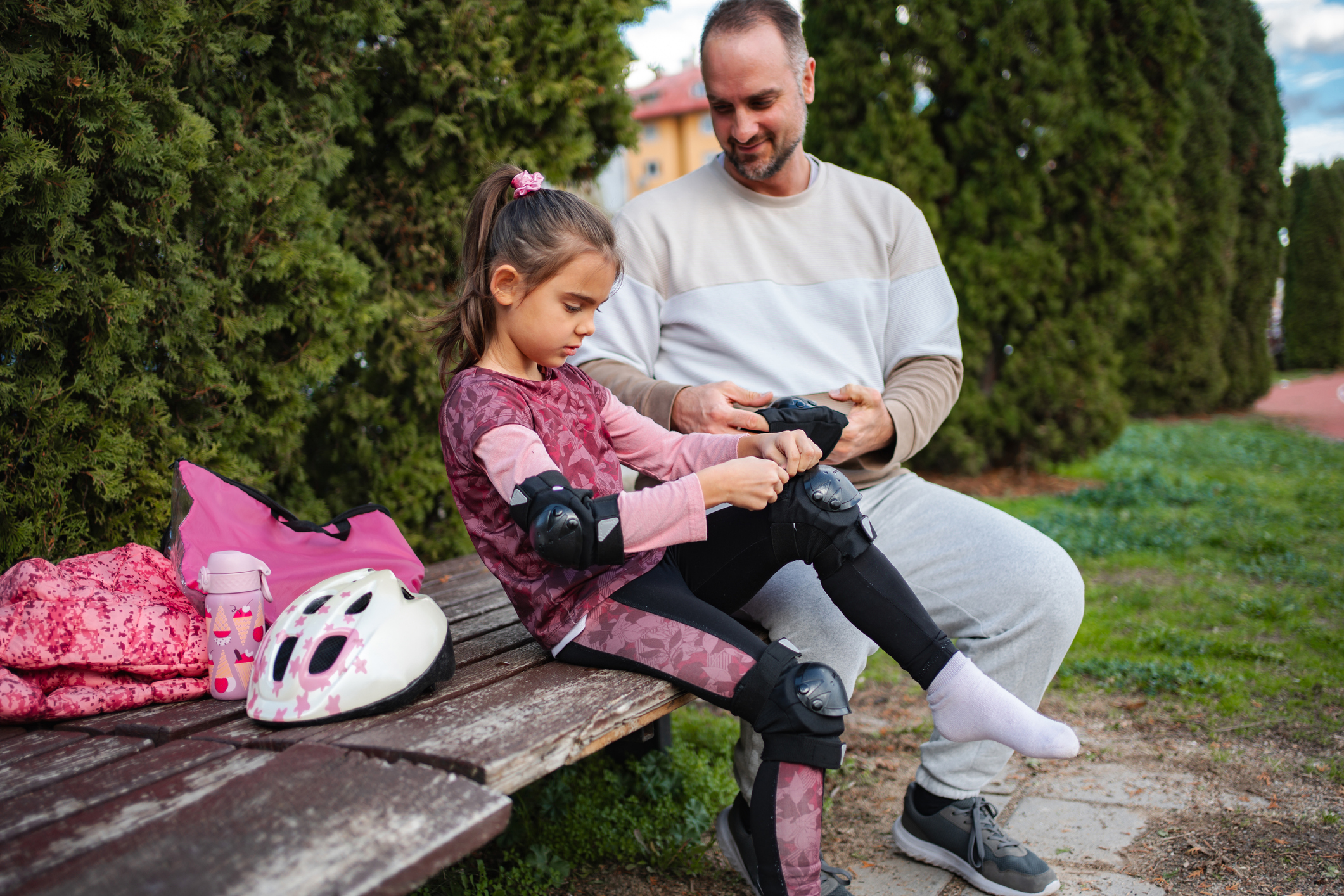
Father helping daughter put on safety gear for roller skating.

How to Break In a New Pair of Roller Skates

Getting a new pair of roller skates is exciting. However, new roller skates also require some time to get used to, as they can be slightly stiff and uncomfortable. In this article, we talk about how to break in a new pair of roller skates.

How to Break In a New Pair of Roller Skates

To break in a new pair of roller skates, we recommend the following tricks and techniques:

Wear Your Skates In

Start by wearing your skates at home for 10 to 15 minutes at a time. Lace them snugly, but not so tight as to cause discomfort, and walk around the house to start adjusting the skates to your feet.

Start Slow

When you get a new pair of roller skates, we do not recommend wearing them for long rides right away. Instead, start with 10- to 15-minute intervals and always have a trusted pair of skates you can change into if you plan to ride for a long time.

Also, try riding your new roller skates only on smooth, safe surfaces before they become comfortable enough to attempt more challenging skating areas. Practice basic pushes, glides, and turns, avoiding big jumps or intense moves until your skates start feeling comfortable. 

Flex and Move

Do a series of simple exercises such as squats, bending your knees, and rocking from side to side to encourage your boots to crease and stretch naturally on your feet and around your ankles.

Wear the Right Socks

The best roller skate socks are moisture-wicking and have padding where rubbing can occur. Also, your socks should be thick enough but not too thick (unless there is a lot of extra space in the boot), and longer than the top part of your skate boots to prevent rubbing from the boot cuff.

We recommend choosing brands that specialize in roller skating socks. Seamless toes will help avoid irritation and bunching. Also, avoid cotton socks, as they do not absorb sweat and can bunch up easily, causing friction on your feet.

Use a Lacing Trick

We recommend skipping the top holes when lacing your new roller skates. Also, experiment with the lacing tightness to find the most comfortable option. You can start lacing your boots tighter and use the top holes once you get used to them.

Use Heat Molding 

You can use a heat method for roller skates made of heat-moldable materials (for example, some performance boots with liners or specific leather types). We recommend checking whether your roller skate model is heat-moldable before attempting this method. Otherwise, you risk damaging your new roller skates. For example, carbon fiber is not meant to be heated.

If your roller skates are heat-moldable, warm the stiff areas with a hairdryer, then put on your boots immediately and flex and move your feet while the material cools.

Stuff Your Roller Skates Overnight 

To stuff your roller skates, you can use balled-up newspaper, thick socks, or a special skate stretcher. Stuff your boots into areas that feel tight or cause pressure, such as the toe box or the ankle area. Then leave the stuffing overnight or for at least 8 hours during the day. This method can help expand your boots and works best when used in combination with other methods.

Get New Roller Skates at Crazy Skates AUS

Get a new pair of roller skates at our skate shop, Crazy Skates AUS. We offer a wide range of skates designed for comfort and high performance for riders of all ages. 

When to Replace Your Skate Parts

Whether you’re picking up a new hobby or continuing a childhood one, roller-skating is a fun and versatile activity for all ages. But behind every smooth stride is a set of skate parts working hard to support you—wheels, bearings, toe stops, trucks, and laces all play a role in safety and performance. Just like flipping your wheels helps extend their lifespan, knowing when to replace your skate parts keeps you rolling confidently and prevents unnecessary accidents or injuries.

If you’ve invested in quality skates and want to keep them performing at their best, it’s important to know when to replace your skate parks. Learn the signs, timelines, and tips for maintaining and replacing essential skate components.

Why Replacing Parts Matters

Skate parts naturally wear down over time, especially with frequent or intense use. As they degrade, your control, stability, and stopping power can decrease—sometimes without you noticing until it’s too late. Staying proactive ensures:

  • A smoother, more enjoyable ride
  • Safer braking and turning
  • Better energy efficiency while skating
  • Longer lifespan of your entire skate setup

Whether you’re a beginner or a seasoned skater, understanding these replacement cues helps you skate smarter and safer.

When to Replace Your Wheels

Skate wheels take the brunt of your movement. Even casual skating creates uneven wear, flat spots, or thinning edges over time.

Replace your wheels when you notice:

  • Cone-shaped wear (one side becomes noticeably thinner)
  • Cracks, chunks, or dents
  • Loss of grip on indoor or outdoor surfaces
  • A noisy or wobbly ride despite flipping or rotating your wheels

Aggressive outdoor skaters typically need new wheels sooner—sometimes every 1–2 months—while casual indoor skaters may only need replacements a few times per year. Keep in mind: flipping and rotating wheels slow wear, but they don’t stop it completely.

When to Replace Your Bearings

Roller skate bearings are the critical little parts that fit inside your wheels, acting like tiny, smooth engines that allow them to spin freely on the axles so you can glide effortlessly. They’re essential for turning your pushing power into a smooth, rolling motion. Even with routine cleaning, they eventually lose speed and smoothness.

It may be time for new bearings if:

  • Your wheels stop spinning as long as they used to
  • You feel grinding, rattling, or stiffness
  • You notice rust or discoloration
  • Your wheels sound louder, even after cleaning

For skaters who hit the pavement 3–4 times a week, bearings often need to be replaced every 3–6 months. Occasional skaters may go a full year or longer.

When to Replace Toe Stops and Brakes

Toe stops are essential for controlled stops, quick turns, and powering through certain moves—especially for dance, derby, or outdoor skaters.

Replace your toe stops when:

  • They’ve worn down to the bolt or have less than 5–10 mm of usable material
  • You’re slipping instead of stopping
  • The rubber feels overly hard or cracked

If you’re an aggressive skater or braking often outdoors, expect to change toe stops more frequently—about every 2–3 months. Casual indoor skaters can go longer.

Inline brakes follow a similar pattern and should be replaced once the rubber wears down to the guideline mark.

When to Replace Trucks, Plates, and Cushions

These structural components of roller skates don’t wear out as quickly as parts like wheels or toe stops, but you still need to check on them now and then.

It’s time to replace or upgrade if you notice:

  • Cracked plates or bent trucks
  • Cushions that feel crushed, stiff, or uneven
  • Persistent instability even after adjusting your hardware

High-impact skaters—like those doing jumps, ramps, or derby blocking—may need replacements sooner than recreational skaters.

Don’t Forget Your Laces

Laces might seem like the simplest part of your skate, but they’re essential for proper ankle support. Replace them when they become:

  • Frayed
  • Stretched out
  • Slippery or unable to hold a tight knot

New, high-quality laces not only improve fit but also prolong the life of your boot by reducing strain on eyelets and tongue padding.

Keep Your Skates Ready for Every Ride

The quality of your skates is an important part of your skating journey. Staying on top of part replacements ensures you stay safe, confident, and always ready for your next session.

If you’re in need of new roller skate parts, check out Crazy Skates for our reliable parts and accessories!

Close up of female feet in bright colored roller skates.

How Often Should You Flip Your Skate Wheels?

By now, you know skating is fun, but what precautions are you taking to remain safe? For your safety, it is recommended to flip your skate wheels at regular intervals during ownership. 

For instance, the number of hours a week you skate will impact how often you should flip your skate wheels. You should flip your skate wheels every 2-3 weeks of regular use, which consists of 15-20 hours of skating each week. 

If you buy inline skates from our online roller skate shop and want to learn more about when and how you should flip your skate wheels, keep reading to learn more!

When to Flip Your Skate Wheels

The frequency with which you should flip skate wheels depends on how often you use your skates and for how long. Those who skate aggressively and perform tricks will notice their skates wear more. If your skates experience this type of pressure, the wheels will need to be flipped sooner and more frequently than those used by casual skaters indoors.

For aggressive skaters, flipping your wheels may be required after at least 2 weeks of use. Casual skaters can typically wait 3 weeks. However, if you notice any changes in the wheels, such as cracks, marks, or other signs of wear, they should be inspected. 

The Causes of Wheel Wear

Simply rolling your wheels around causes wear. It’s inevitable, but that doesn’t mean you should throw in the towel! Whether you’re still interested in skating or that part of your life has taken a backseat for the moment, it’s necessary to know the causes of wheel wear so you can be mindful, know the warning signs to be on the lookout for, and make sure your skates are in tip-top shape once you pick them back up. 

Several factors cause wheel wear. Some of the most common factors leading to wheel wear consist of:

  • The skating surface chosen
  • Skating frequency
  • Skating on multiple, unique hard surfaces
  • Personal turning and braking methods
  • Rotation frequency
  • The weight of the person skating
  • Wheel quality

After skating, scan each wheel to verify there are no issues before your next skate. Because there are numerous ways in which wheels receive wear, you should designate a time every 2-3 weeks to flip the wheels of your skates. 

How to Flip Your Skate Wheels

If you’re new to the skate scene or recently purchased inline skates from our online skate shop, it’s time to learn how to flip your skate wheels and make the most out of your investment. Who doesn’t want to get the most for their money? We’re here to help break down the process of flipping your skate wheels. 

To correctly flip your wheels and extend the life of your skates, consider these common rotation patterns:

Front-To-Back Rotation

This rotation pattern is for beginners and is easy to manage. Swap the front wheels with the back wheels, keeping the left and right skates separate. This rotation is ideal with casual skaters.

X-Pattern Rotation

Best for even wear across all wheels, this rotation evenly distributes pressure across each wheel. The X-pattern requires you to swap the front-left wheel with the back-right wheel. Then, the front-right wheel should be swapped with the back-left wheel.

Full Diagonal Rotation

A full diagonal rotation is for advanced skaters or those who frequently skate outdoors. To rotate your skate wheels using this method, each wheel must be moved diagonally across to the opposite skate. This type of wheel rotation allows room for even wear.

Before You Flip Your Wheels, Find Your Skates!

At Crazy Skates, our online roller skate shop offers a wide variety of roller skates, inline skates, scooters, and other parts and accessories! Skates are available in adjustable sizes to fit both children and adults. 

Browse our website to see what we have to offer for all things skating-related. Contact us to learn more about our products and how to take care of them so you can enjoy them for a long time to come!