Woman smiling at phone and holding coffee.

Best Practices for SMS Opt-Ins vs. Opt-Outs

When a business uses automated text messaging, it must adhere to guidelines set by the Telephone Consumer Protection Act (TCPA) and the Cellular Telecommunications Industry Association (CTIA). This includes protecting customer data, managing opt-in lists, and providing clear opt-out instructions. One of the best practices for opt-in services is to run a successful campaign for your business by remaining compliant and offering easy-to-understand instructions via SMS marketing.

Those who use SMS marketing may want to consider consulting on campaigns and compliance. A text campaign should have a consulting team dedicated to identifying solutions for your business objectives. This allows you to get the most out of texting software to create winning campaigns. 

Opt-Ins and Opt-Outs 

When taking part in SMS marketing, you must have opt-in and opt-out services. Opt-in services allow users to agree to receive SMS marketing. This can be promoted by offering special discounts, informing customers about clearance items, and providing store hours. Additionally, opt-in services allow customers or clients to choose your business. They may opt in simply because you offer top-notch products or run a reputable business.

Some customers may opt out of SMS texting. To remain compliant, you must provide clients and customers with a way to opt out of receiving text messages. This is not ideal, which means SMS marketing campaigns must be as successful as possible by targeting the right audience with relevant information about the services or goods you offer. 

Steps to SMS Marketing 

According to Forbes, when choosing an SMS platform, it’s vital to select one that prioritizes regulatory adherence and offers features to help you comply with complex regulatory requirements. SMS software must remain compliant while engaging audiences. There are several steps associated with SMS marketing, which include: 

  • Composing the message: Create a message within the SMS platform that can be a mass message sent to thousands of recipients or a one-on-one text.
  • Sending the message: The message can be sent instantly or scheduled for a specific time.
  • Routing the message: If the platform uses an aggregator, the message is routed to the system, which sends it to the appropriate mobile carriers. The message is sent straight to the carriers if the platform has direct connections.
  • Delivering and filtering: Once mobile carriers are reached, texts pass through network filters and gateways. Filters flag texts as spam if they are not compliant. The text must pass the filter before a customer receives the text.
  • Reporting and receipts: The last step in this process is how you receive data. Once delivery receipts are logged, you will receive valuable data on click-through, open, and close rates.

This process is how SMS marketing reaches customers and how you can gather feedback from an audience that can opt in or opt out.  

Opt-Ins and Opt-Outs

Remaining compliant throughout the opt-in and opt-out process is essential. Some of the best practices for opting in include sending a message containing the following:

  • Frequency of messages
  • Company name
  • Special offers or discounts
  • Possible carrier costs and fees associated with receiving SMS
  • Provide clear opt-out instructions

Opt-out instructions should remain clear and concise. Include language in your SMS campaign such as “Reply STOP to stop receiving text messages.” For best practices, send a message every so often so your audience will have easy access to opt out. The opt-out message can be sent alongside store information. 

Learn SMS Marketing Strategies

At Trumpia, we are committed to our one-of-a-kind SMS marketing automation. Our texting software provides measurable results. Our unique automation can reach customers quickly and effectively. See why we were named number one by Forbes today.

Consider automated texting software for your company. With Trumpia, we have a strong reputation for offering unique opt-in and opt-out options for customers. We provide timely, relevant information to help your business grow. Contact us to learn more about the benefits of automated engagement.

Image of hand holding phone with laptop in the background.

Does SMS Marketing Convert Leads Faster Than Email?

Lead conversion with SMS marketing can happen faster than through email, especially when a business uses automated texting software to respond while a prospect’s interest is still at its peak. That doesn’t mean texting wins every time or that email isn’t still useful. The channels offer different benefits for different situations. However, when speed matters, SMS is usually the more effective path to a response.  

Open and Read

The drawback of email is that it often sits untouched for great lengths of time. Or it gets buried under receipts, newsletters, work messages, shipping notices, and everything else that gets sent to your email address. Texting has become integrated into daily life in such a way that it is harder to overlook. It appears on the same device people use throughout the day and can often be distinguished from the notification preview alone. Your customers aren’t having to sort through a crowded inbox, open an app, or decide whether the content is worth their attention. These small benefits give SMS an early advantage and lead to greater open and read rates. 

Response

Texting feels easier for customers to engage with because the response can be short and doesn’t require much time. A lead can send a single word to make choices, confirm a location, or answer one question without interrupting their day. Email responses give a sense of more involvement. Even when responding to simple questions, customers may wait to give it more thought; then life happens, it gets buried, or the day moves on, and the original interest quickly fades before it is forgotten altogether. Studies have shown that businesses that contact online leads within an hour were nearly seven times more likely to gain new customers than those that waited even an hour longer. This suggests that faster contact creates a better chance of meaningful sales conversion. 

Click-Through and Conversion

A click isn’t a conversion, but it is a starting point. SMS is most effective when it asks for one immediate action: schedule an appointment, finish a form, view a quote, confirm an appointment, or return to a forgotten checkout. The link is easily identifiable and serves a relevant purpose to your customer. Email offers more space, which can be helpful in some cases, but that space is often overrun with links, images, paragraphs, and competing calls to action that can feel like too much for some individuals. A lead may read through half of it and still not know what to do next. When life is busy, a short text with one relevant link can fit into a person’s day better than a lengthy email. 

SMS Strengths

The greatest strengths of SMS are its speed and simplicity. New inquiries can be acknowledged immediately, a question can be asked, a link sent, or an alert sent to a salesperson when a lead replies. Automated messages can strengthen SMS because they keep inquiries from sitting unnoticed till someone checks. SMS naturally encourages shorter correspondence. Prompting increases conversation. But texting can become intrusive quickly. Too many follow-ups or vague promotions can damage the trust you are trying to build with your customers. 

Using SMS Marketing for Faster Lead Conversion

SMS marketing can lead to faster conversion rates, but the most effective approach isn’t choosing one over the other. It is letting each avenue do what it does best. You can immediately send a text after a lead form submission to confirm the request was received and ask one useful question. Followed by more detailed information by email when necessary. SMS may convert leads faster because it gets noticed and answered sooner, but speed alone isn’t enough to get the job done. 

Request a demo to see how inquiries with fast SMS follow-up can help your business convert leads to lasting customer relationships. 

Hands holding smartphones. Social media chat concept. Flat style vector illustration.

The Rise of Conversational Marketing Through SMS

For years, SMS marketing has followed the same basic pattern: a discount code, a deadline, and a link. This method is still effective, but SMS marketing has shifted towards conversation. Customers can now reply, ask a question, get help with a product, or solve a problem without leaving the message thread.

Automated texting software approaches customers less like a name on a mailing list and more like an open line of communication. The point isn’t to send promotions faster. It is to make the buying experience feel personal personal, easier, more responsive, and less frustrating. Businesses can support positive customer experiences with automated texting software and create relationships that lead to repeat business when SMS marketing is implemented strategically. 

Two-Way Conversation

In the past, SMS marketing has been primarily one-sided. Now that it has expanded to two-way conversation, a customer can text back with a question and receive a reply that actually answers it. The interaction can continue by discussing products, completing a purchase, checking an order, or asking for help if you experience an issue. And with automation, businesses don’t need to designate a live employee to handle the bulk of the work. 

Why Traditional SMS Is Losing Its Edge

People have been trained to tune out the second they see a promo code anymore. When customers get five discount texts a week from five different brands, they stop reading them. A channel built with one-way communications loses momentum fast, and competitors are already working to figure out something better. 

Changed Expectations

Texting has become a culture of its own and is used globally by just about everyone. The rise of SMS messaging has created an opportunity for businesses to create meaningful interactions with customers that don’t feel pushy or mechanical. People all over use texting to correspond with their doctor’s office to confirm an appointment. They text about tracking status, school updates, and everything in between. Once that has been normalized across a person’s communication system, a brand that only sends and never thoughtfully responds starts to feel dated. 

The Role of SMS Is Expanding

The communication channel that used to send sale alerts now handles product discovery, order questions, exchanges, and loyalty nudges, all in the same thread. Customers can get real answers to their questions within a text or two. Someone who just purchased can get restock alerts. SMS marketing has created a line of communication customers can pick back up whenever they need to. 

Slow Growth

The system falls apart without trust. Overmessaging burns out a list fast. When used carelessly, it can feel like an invasion, and unsubscribers climb quickly once that line is crossed. If automation is not implemented efficiently, it can cause real damage to a brand’s credibility. Consent is also a big component in the growth of sms marketing. A brand should pay close attention to opt-in and opt-out procedures from the very beginning. Overlooking or treating it with little care and consideration can create compliance issues and negatively affect customer trust. 

Looking Forward 

The future of SMS marketing will not be shaped by whoever sends the most texts. It will belong to the brands that use the channel as part of a larger system that fosters customer relationships. When conversational SMS is implemented efficiently, it helps reduce friction. It is a tool customers can return to to choose, buy, fix, return, reorder, or understand something without jumping between platforms. This is when customers stop feeling like SMS is a marketing interruption and feel like their time and attention are valued. 

Request a demo to learn how texting software can help your brand respond faster, personalize outreach, and gain new customers without the extra work. 

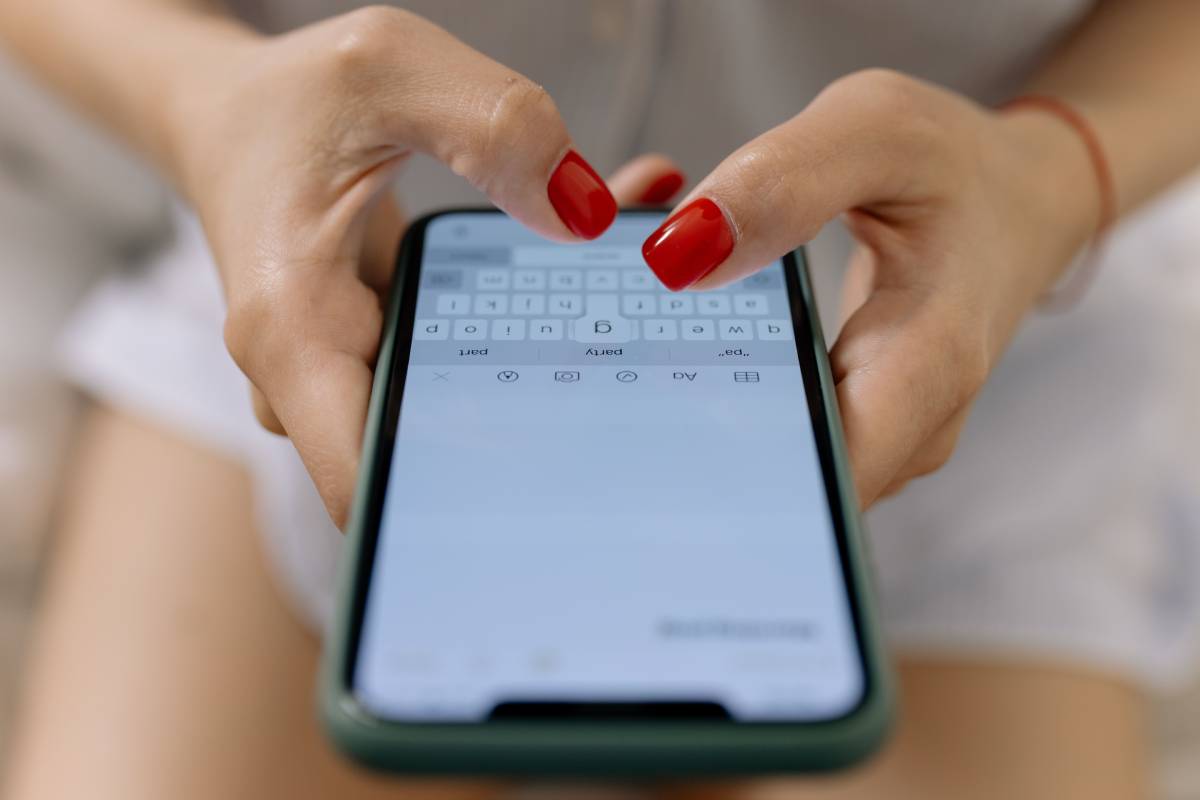
Closeup of woman texting.

Using Text Surveys to Collect Customer Feedback in Real Time

Many businesses struggle to gain meaningful customer feedback. With automated texting software, businesses can send simple surveys directly to their customers’ phones and receive responses immediately. Text surveys for customer feedback are a practical way to gather satisfaction data, identify problems, and improve customer service quickly and efficiently. Businesses gain greater engagement when customers don’t feel like it is an interruption to their day. Texting is used daily by just about everyone and doesn’t feel like a disruption. Customers can come back to it when they get time.

What Are Text Surveys

Text surveys are short questionnaires sent via SMS. Instead of prompting customers to navigate to a separate review page or read a long email, they receive a brief text questionnaire sent directly to their phone. Your customer can respond by tapping a number, choosing an option, or typing a short answer. These surveys are typically used with a specific intention. The greatest asset of text surveys lies in their simplicity. They are not intended to be long or complicated. A strong text survey only asks what matters. When automated, this helps feedback become consistent.

Why SMS Works

SMS works well because it is how people communicate daily, so it fits naturally into their everyday lives. Most customers keep their phones within arm’s reach throughout the day, and text messages are usually easier to notice than emails. When fast feedback is the goal, SMS is a frontrunner. SMS often feels less demanding than other methods. A customer is more likely to respond to a short text message than to a 10-question email survey. SMS feedback is effective in revealing patterns quickly. If customer feedback indicates a recurring issue in a short period, you can respond before the problem grows.

What To Ask

SMS survey questions should be short, specific, and easy to answer. SMS is a brief format; the question should not require your customers to read a long explanation before responding. Asking for a satisfaction rating or yes-or-no questions works well for real-time feedback. Open-ended questions have their purpose, but should be used carefully. Too many open-ended questions can begin to feel like work. A simple one-question rating is sufficient in most cases. Avoid asking vague questions. Strong questions focus on a specific element of the experience.

Best Practices

Text surveys are best when simple, respectful, and well-timed. You are more likely to receive a response when your message is clear and does not disrupt their day. A survey sent immediately after a completed service may feel meaningful, while one sent too late at night, too often, or without context may present as intrusive. Businesses should send surveys only to customers who have agreed to receive them, and make opting out quick and easy. Do not ask too many questions at once. If the survey becomes too complicated, customers disengage. If someone reports a poor experience, your business should have a plan of action to respond promptly and professionally.

Using Feedback for Improvement

Collecting customer data is only useful if you use it. Real-time survey responses can help you understand what is working, what needs attention, and where customers may be frustrated. Real-time feedback also allows businesses to repair relationships. A text survey gives your customers a low-risk way to voice their grievances without fear of backlash. Over time, surveys can serve as a guide to better decision-making in your business when implemented appropriately.

Schedule a demo to see how automated texting software can help you gain more valuable customer survey feedback.

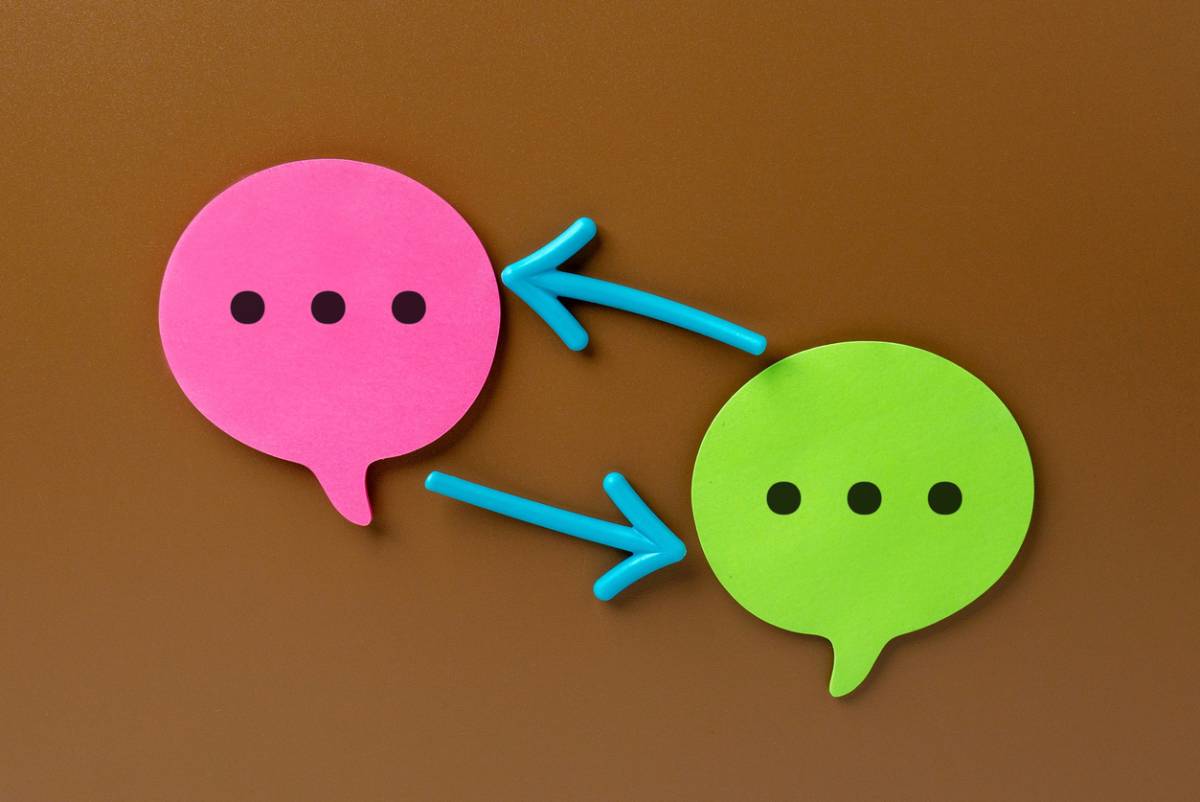
Pink and green speech bubbles are connected by two arrows. Feedback loop and iterative communication cycle concept.

Using Two-Way Texting to Pre-Screen Job Candidates at Scale

Hiring teams often lose strong applicants because the first step of the process takes too long. Phone screens are useful, but they are hard to scale when recruiters are managing dozens or even hundreds of applicants at once. With two-way messaging for HR recruiting support, you can use automated texting software to fast-track the initial screening process through questions, confirming basic qualifications, and keeping the train moving through the process without making communication feel off-putting or one-sided. 

Traditional Screening

Traditional screening has its place, usually working well for smaller applicant pools. When hiring volume increases, traditional screening can become difficult. You may spend hours trying to reach candidates, leave voicemails that go unanswered, or wait days for email replies. The problem isn’t only that time-delayed screening can cause candidates to lose interest or seek employment elsewhere. Applicants may assume you are not interested, accept another offer, or disengage before ever speaking to a member of your hiring team. Traditional screening also suffers from inconsistency. One member of your team may dive into detailed questions while another focuses primarily on availability. If there is no standardized process, your hiring team could miss important information early on. 

Two-Way Text Screening

Two-way text screening is a great option for starting conversations that aren’t hindered by conflicting schedules. Instead of waiting for a call, applicants can answer simple questions by text when they have time. This is especially helpful for high-volume roles, hourly positions, remote work, retail, hospitality, and many more. Your hiring team can quickly gather information to determine whether the candidate meets basic requirements, has the right availability, can perform the necessary job duties, and remains interested in the position. Automated texting software can initiate the first message, collect responses, and organize replies. Your hiring team is still involved; it just frees up manpower from handling the repetitive first steps. Your team can then spend more time with qualified applicants ready for the next steps. 

Candidate Engagement

Many applicants like texting because it more easily fits into their day than a lengthy phone call. They do not have to step away or search through an inbox. Texting has a considerably higher open rate than emails and often gets a faster response. This is particularly true for candidates actively applying to multiple employers. Two-way texting maintains momentum and allows users to receive confirmation that their application was received, answer screening questions, coordinate interview details, and ask quick follow-up questions. Engagement improves when messages sound personal and are clear. 

What to Ask

Prescreening questions should be focused and relevant. Texting is not the best way to conduct long interviews or complicated assessments. It is best used for determining whether a candidate should continue in the hiring process. Some questions may include:

  • Do you have the required certification or license?
  • What shifts are you available for?
  • When would you be available for an interview? 
  • Do you have reliable transportation?
  • Are you able to work weekends, holidays, or overtime? 

Keep your questions short and direct. Avoid any discriminatory or unrelated questions. If it is not an appropriate interview question, it would not be an appropriate screening question. 

Using Two-Way Texting

Two-way texting is a great way for employers to prescreen candidates at scale while keeping communication simple, timely, and candidate-friendly. When implemented effectively, you can reduce delays, improve response rates, and help your hiring team focus its time where it is needed most. 

Request a demo to learn how you can use two-way texting to prescreen job candidates faster and more efficiently. 

Small business owner sewing clothes.

The Power of Automated SMS Workflows for Small Businesses

Automated SMS workflows can provide a range of power for small businesses. With SMS automation, businesses can automatically send SMS messages to contacts without manually composing a message for a specific SMS campaign or other consumer engagement. This automated SMS system frees small businesses from time-consuming tasks.

Because text automation/automated messaging is crucial for any business, it is easy to understand and provide workflows for a variety of practices. From small businesses to non-profit organizations and everything in between, SMS automation lets you answer common questions and send the right information or links to your contacts.

How SMS Automation Is Helpful

At the core of SMS automation is a strong workflow. A well-rounded automation tool will let you set a text campaign to run on its own. The software works by automatically executing predefined tasks. For instance, if a customer receives an SMS message with a questionnaire attached and fills in the information, an automated workflow can use the selected answers to offer coupons or specials to the customer. 

SMS workflows let you focus on other aspects of your business or non-profit organization while automated texts reach out to your customers organically, collecting purchase information. By learning this information about the customer, SMS automation can direct the customer to similar products. 

Types of Automated SMS Messages 

SMS automation uses software to perform tasks automatically without human intervention. According to Forbes, there are numerous ways to use SMS automation. Some of the suggestions include the following:

  • Do not sound like a robot; instead, use a specific tone. 
  • Make messages timely and remain on topic.
  • Remove repetition in your SMS messages and strive for organic messages instead.
  • Messages should sound positive and have a goal.
  • Measure impact on customers, not activity.
  • If automation does not move your business metrics, rethink your process.
  • Do not spam customers with messages.

A great automated SMS workflow for a small business should include customer metrics and statistics. In addition, you should be able to rely on an SMS workflow to engage with customers and members when you are not personally able to reach out.

Types of Automated Text Campaigns

There are several types of automated text campaigns to consider. Some of the SMS workflow automations include:

  • Basic SMS automation – automatically sends a simple follow-up message whenever a subscriber takes an action
  • Intermediate SMS automation – sends messages to a subscriber at specific times during the day, week, or month after a keyword is texted
  • Advanced SMS automation – advancements include minimized opt-outs and marketing campaigns tailored to the subscriber

Additionally, there are basic types of automated SMS messages that include:

  • SMS drip campaigns – messages are sent at set time intervals or whenever an action is taken
  • Text auto responses – messages automatically sent to contacts who opt in
  • Scheduled text messages – messages are scheduled ahead of time and sent out at a later date
  • Recurring messages – messages that are effective for meeting reminders, sales calls, or store sales

Thankfully, SMS automated workflows can help small businesses learn more about customers, offer greater insights, and provide data-driven audience engagement.  

Use SMS Automation Today 

If you own a small business and want to grow your customer base, consider using automated texting software. Trumpia offers a wide range of resources and solutions to help businesses increase customer engagement. 

With the Trumpia automated texting software, you can reach more people and have a greater impact on your audience. Whether messages are sent to promote special offers or to help consumers find the item they are searching for, an automated SMS workflow can deliver ongoing prompts to guide customers to their final destination.  

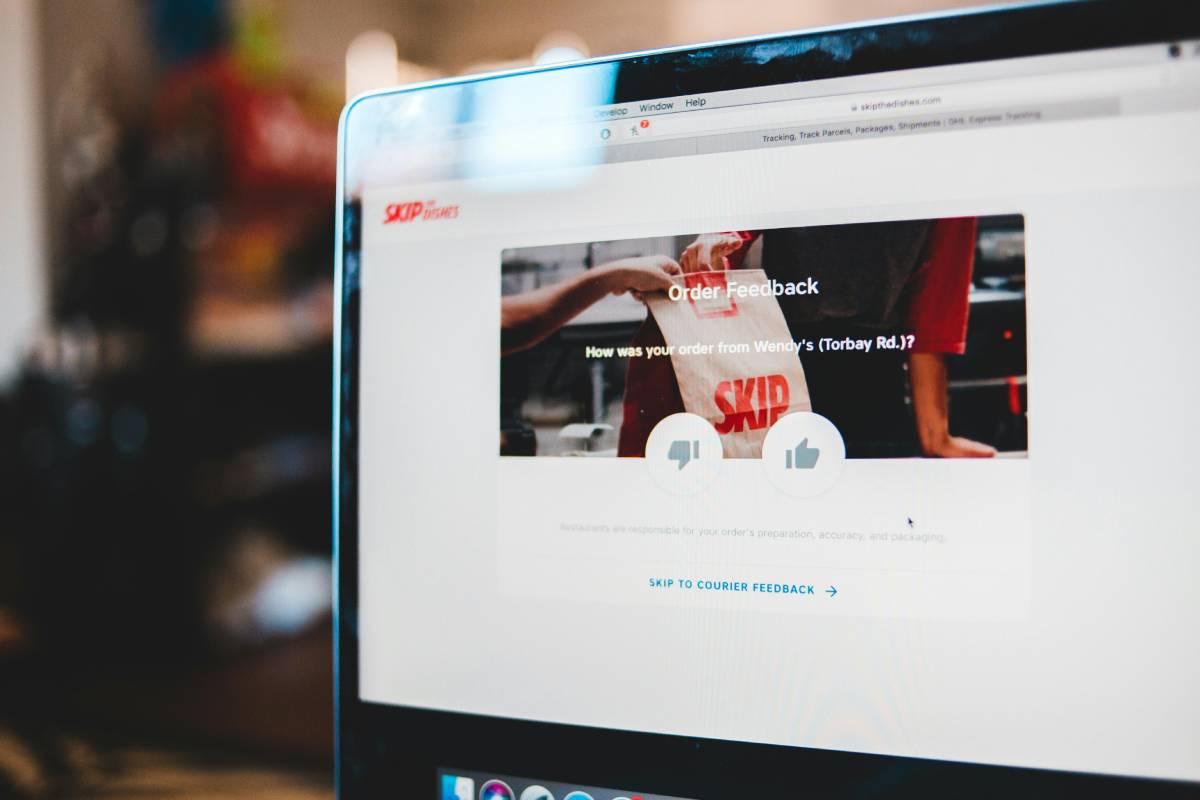
Close up of delivery customer leaving reviews..

Using SMS to Gather Customer Feedback and Reviews

One of the greatest struggles companies face is gathering customer feedback and reviews. Feedback and reviews do not just give you insight into areas that are doing well and those that need improvement. They often influence other potential customers. Automated email campaigns often go ignored, but integrating automated texting software helps keep your message out of spam. Automated surveys and feedback via SMS are more common than you might expect, and businesses are learning just how effective simple SMS marketing can be. You can use this simple but most frequently used form of communication to drive traffic and build customer relationships. 

Digital Clutter

Every day, the average person receives dozens of notifications, and the morning email check is a mass deletion of messages. But texting carries a sense of importance, and sms messages rarely get deleted without being read first. By corresponding with customers via SMS, you significantly increase your odds of receiving a response. 

Instant Gratification

Where many review campaigns fail is in execution. For your campaign to be successful, it relies heavily on the timing of your message. Waiting days to ask a customer about the service you provided gives excitement and positive feelings time to go stagnant. Setting up your automated texting service to send a review request immediately after your customer interaction captures them at their peak appreciation. 

Keep It Simple

You can provide the best service of your life, and customers may still ignore your attempts to gather feedback because they find it too complicated. If a survey requires too many clicks or has customers navigate multiple pages to complete it, even the most appreciative and patient customer is likely to abandon the task. Design your survey so that when your customer clicks the link you text, they are taken directly to the campaign page to submit their feedback. 

Complaints

Many businesses are hesitant to ask for reviews, fearing disgruntled customers will leave negative reviews. This is unnecessary; when implemented intelligently, text messaging is an effective tool for damage control. Initial outreach can be structured to ask a simple question about whether you did well. If a customer clicks yes, they are directed to the review page. If they answer no, they are redirected to a private, internal form. This strategy is a way for businesses to do damage control before it reaches the public eye. Your team can privately attempt to resolve the issue and salvage the relationship. 

Personalization

Using SMS to gather customer feedback and reviews is great for personalizing the content. Customers are more likely to engage if they feel they are being spoken to directly rather than being one of a hundred in a mass-market campaign. The goal is to develop a positive relationship with your customers. 

Trust 

Business thrives on customer trust and feedback, and reviews are one way to help that develop. Texting cuts through the noise of crowded inboxes and engages customers while they are still glowing with appreciation for your business. By shifting your strategy to a text-based approach, you give your online reputation a chance to start actively growing through five-star reviews. Your customers gravitate towards businesses they can count on to do right by them. Using SMS to gather reviews and feedback is an effective way to build trust with your customers. 

Learn how automated texting software can up your marketing game and help you get reviews that drive customers by requesting a demo today. 

Woman helping client over the phone.

Why Having a Point-of-Contact Boosts Campaign Success

Automation and AI are taking over, and if you haven’t started implementing them into your business in some way, you are behind in the game. Modern marketing is no exception, and software has advanced to a degree that you might be naive to think you can automate your way to success. If it were that easy, everyone would be doing it, but the truth is, no automated texting software or AI-driven technology can replace the value of having a point of contact. The greatest, most underrated resource in boosting the success of your campaigns is having a dedicated account manager

Autopilot

Time and again, businesses fall into the trap of becoming too comfortable and switching to autopilot when they think there are only clear skies ahead. Before you know it, the sky turns dark, and the storm sets in. The pilot rushes in when they can’t ignore the chaos that is barreling at them at full speed. When you rely entirely on software to manage your campaign outreach, you are letting the storm build momentum and cause more damage in its wake. 

Dashboards and analytics platforms are great tools for helping your business succeed, but they don’t replace the value of having a live point of contact. A POC is the central hub for your campaign. They gather information from many sources across several dimensions, process it, and determine the core reason a campaign is failing. On the other hand, they point out areas that are doing well and why, then test these successes elsewhere. Any data gained can then be used in other campaigns. 

Thinking On Your Feet

Another highly influential component of any successful campaign is how well it adapts when things don’t go right the first time. Automated systems don’t understand how to strategize effectively. Your POC is the universal tool in your toolbox that continuously monitors feedback, identifies areas for improvement, and implements tactical interventions. Automation can’t think on its feet like a trusted POC, and that can be the determining factor of your campaign’s success. 

Emotional Intelligence

Being able to metaphorically read a room is a primary downfall of automation, and a dedicated POC is the solution. It lacks emotional intelligence. Your customers are getting spammed with marketing material daily. Success requires your business to stand out, or it gets quickly deleted. Your POC understands your brand and what you are trying to achieve. They give your message meaning and compel your customers to listen. They get to know your customers and make modifications accordingly. 

Personal Still Matters

The potential for automation to improve productivity is both overwhelming and exciting. Automation has given companies more opportunities to delegate certain tasks, freeing up time to focus on other areas needing attention. The appeal of running certain aspects of your business entirely by automation is great, and in a perfect world, where nothing goes wrong, that would be successful. But life is unpredictable, and problems are a never-ending nuisance, so when an obstacle arises, automation doesn’t know how to effectively manage it. From there, it snowballs, and what could have been a simple fix now requires a complex solution, costing time and money. You can make a simple fix by designating a point of contact for your campaign, avoiding the need for a complex solution. 

Learn how keeping the personal touch in marketing is still a key aspect of a successful campaign by talking to us today. 

Man holding his phone.

Why SMS Is Critical for Customer Retention Strategies

SMS marketing strategies are critical for customers. Whether you are selling products, seeking loyal customers to build your brand, or attempting to connect with clients on a hyper-personalized level, SMS offers strategies that can prove successful for your business.

SMS is crucial for customer retention, enabling companies to build their brand, maintain an immediate connection with customers, and personalize customer experiences. Messages that drive community can even turn loyal, strong customers into essential brand advocates. SMS understands customer needs through analytics and engagement.

Why SMS Is Critical for Customer Retention Strategies 

With SMS customer retention strategies, businesses build direct connections with customers. This form of communication allows easy access between the customer and the company. In addition, trust is built, and relationships develop through text alerts and notifications.

SMS messaging helps businesses retain customers by keeping the brand top of mind, fostering strong connections and communication, and tailoring messages to customers’ wants and needs. SMS takes message timing and frequency into account, providing an easy path to customer engagement. However, compliance with SMS marketing regulations is required for SMS to work correctly. 

The Effectiveness of Customer Retention Strategies 

Customer retention strategies go beyond building a direct line between the business and the consumer. Businesses prioritize customer retention, offering extra communication, and placing the focus on the customer. SMS customer retention marketing strategies can be highly effective in numerous ways. According to Forbes, SMS marketing statistics include the following:

  • SMS can generate $71 for every dollar spent
  • SMS has a click-through rate of 19%
  • 90% of people respond within 30 minutes of receiving a message
  • SMS has an average open rate of 98%
  • 51% of people say it makes them more likely to make a direct purchase

To help maintain the effectiveness of customer retention, SMS may place focus on:

  • Mobile keywords
  • QR codes
  • Opt-Ins and opt-outs
  • Relationship-driven messaging
  • Collecting contacts
  • Sending messages
  • Relevant messaging
  • Customer engagement
  • Segmenting contacts

In addition to the above, SMS enables personalization, building a community in the process. When a business engages customers personally, customers feel seen. Customers stay up to date by receiving regular marketing promotions, special offers, and birthday and holiday deals.

How SMS Is Critical for Customers

Ultimately, SMS offers an interactive experience for customers. Through regular engagement, surveys, and activity updates, brands can recognize customer patterns and offer recommendations via text. SMS is less intrusive than a phone call, but more convenient than an email.

There are several benefits of SMS for customer retention. For instance, customers will experience high engagement, real-time customer service, and convenience. SMS remains critical for customers by continuing to:

  • Provide personalized messaging, including the customer’s first name
  • Incorporate relevant details to the customer’s buying history
  • Offer seasonal promotions and incentives such as loyalty programs
  • Use free shipping or free trials for subscriptions 
  • Recommend specific brands for the customer
  • Engage customers and answer questions 
  • Suggest certain products
  • Tailor messages for different customer retention stages

For many reasons, SMS remains an important tool for connecting your brand with loyal customers who enjoy your product. Additionally, SMS helps companies build direct connections to customers with analytics. Analyzing how customers react to SMS messages allows businesses to better understand customer interests, placing greater focus on customer wants.

Choose SMS Today 

Trumpia is an automated texting software named #1 by Forbes. For those seeking to boost customer engagement, our 98% message open rate speaks for itself. We offer prompt support and provide a variety of ways for you to save time, achieve successful results, and add your own unique messages.

Contact us today to learn more about how we can benefit your business. Our automated texting software provides your customers with insights, personalized messages, and professional interactions. 

How Multi-Step SMS Campaigns Boost Customer Retention

Instead of single messages, a multi-step SMS campaign lets you send a sequence of text messages over time. These messages are personalized, interactive, and automated, aiming to connect with subscribers through multiple steps rather than a single one. For instance, multi-step SMS campaigns boost customer retention with fast automation and a designed flow to connect with readers.

With a fast, sharp text message workflow, multi-step SMS campaigns help your subscribers become more familiar with your business, products, and special offers. Campaigns are built on the reader’s trust in the business and focus on catering to loyal subscribers by providing easy access to special deals, customer service, and noteworthy perks.

How to Maintain Customer Retention

Multi-step SMS campaigns help you secure customer retention and ensure your subscribers remain loyal. While you may want a reader’s loyalty, the relationship between business and customer must revolve around mutual interests. To keep readers interested, the text messages sent should remain concise and personalized. 

Additionally, a clear call to action should be included. Adding a call to action to your campaign can take many forms, such as encouraging subscribers to claim offers, instantly purchasing items, booking a consultation, or sharing promotions with a friend. These multi-step SMS campaigns not only benefit your brand and business but also assist customers with their personalized needs.

Benefits of Implementing Multi-Step SMS Campaigns 

Implementing multi-step SMS campaigns offers a variety of benefits. In fact, some advantages of SMS marketing include instant delivery, high conversion and click-through rates, cost-effectiveness, and easy implementation.

Other ways multi-step campaigns can be used effectively include:

  • Catering to your subscribers’ interests and hobbies
  • Offering solutions to subscribers who require a fast response
  • Providing promotional deals and special offers to customers
  • Suggesting items or products for readers to consider 
  • Rewarding subscribers with membership tiers, points, or coupons
  • Informing customers of local events and special openings
  • Alerting subscribers to seasonal and holiday offers
  • Recommending store locations for customers
  • Communicating with readers in a quick manner
  • Warning customers of closures due to inclement weather or unforeseen circumstances

Whether you are seeking to build brand awareness or drive clients and customers to your new business location, multi-step SMS campaigns can drastically boost customer engagement. With special discounts and reward points, your customers may recognize your effort, feel comfortable texting, and consider taking advantage of the many deals you offer.

How Multi-Step SMS Campaigns Work 

Those considering automated workflows and email campaigns can expect to save valuable time with SMS campaigns. An automated workflow can conduct two-way conversations with your subscribers in real time. Templates can also help tailor the message to specific needs.

Multi-step SMS campaigns work in the following way:

  • Set a condition that triggers the automated workflow when a contact texts specific keywords, responds to a message, or completes a survey.
  • Set a corresponding action to occur when a condition is met, such as asking questions or sending an automated reminder.
  • Set what happens next based on how the customer responds, such as making a note if the subscriber clicks a link or not, or how many questions they answered on a survey. 

With this campaign style, your subscribers will remain engaged with your brand. When this occurs, it opens the door for a stronger bond between your business and the customer. 

Use a Multi-Step SMS Campaign

For those of you considering a multi-step SMS campaign for your business, there are several options to consider. If your goal is to gain customers, boost reader engagement, and offer perks to your loyal customers, a multi-step SMS campaign can help you achieve those goals. 

At Trumpia, we offer automated texting software. Whether you are a business or an organization, multi-step SMS campaigns can help you connect positively with your audience. Contact us today to learn more about how multi-step SMS campaigns boost customer retention.