What Is Insulating & Jacketing?

In construction, whether industrial, commercial, or residential, insulating and jacketing play a crucial role in protecting systems, improving efficiency, and ensuring safety. Custom wires and cables are protective solutions that help maintain performance and extend the lifespan of critical components. Insulating and jacketing are often used together, but it is important to note that they refer to distinct, complementary processes. Understanding how these two work and why they are essential helps building owners, facility managers, and builders make better decisions.

What Is Insulating and Jacketing?

Insulating

Insulating involves wrapping pipes, ducts, tanks, or equipment with materials designed to prevent heat transfer. In short, insulation keeps hot things hot and cold things cold.

It is commonly applied to:

  • HVAC ducts
  • Steam and hot water pipes
  • Chilled water lines
  • Boilers and tanks
  • Industrial Equipment

The application and operating temperatures will determine the materials used for insulation. There is a wide variety of insulation materials. This includes fiberglass, mineral wool, calcium silicate, foam, and elastomeric rubber.

Primary Purposes of Insulation

Energy Efficiency

Reducing heat loss or heat gain lowers energy consumption, leading to lower operating costs

Temperature Control

Systems usually operate at maximum performance if temperature is controlled.

Personnel Protection

It reduces surface temperature and minimizes the risk of personnel getting burns.

Condensation Prevention

Moisture buildup can cause corrosion and mold. With proper insulation, moisture buildup can be prevented.

Without Insulation:

  • Systems work harder
  • Energy is wasted
  • Equipment will have to be repaired or replaced more often

What Is Jacketing?

Jacketing works hand in hand with insulation. Insulation does the thermal work while jacketing provides the protective outer layer. Jacketing protects the insulation from moisture, damage, and environmental exposure.

When selecting jacketing materials, the environment and the system’s purpose should be considered. Common jacketing materials include aluminum, stainless steel, PVC, galvanized iron, and painted metal sheets.

Jacketing Functions:

Mechanical Protection

Protects the insulation to minimize the risk of puncture, tear, and crushing.

Moisture Protection

It prevents rain, humidity, and condensation from reaching the insulation.

Corrosion Prevention

By protecting the insulation from moisture, jacketing reduces the risk of corrosion under insulation.

Aesthetic Finish

It makes piping and equipment look cleaner, more professional, and aesthetically pleasing.

Jacketing ensures that insulation works at its best for years.

Why Insulating and Jacketing Work Together

Insulation needs jacketing. These two work together. This is why they are most effective when they are designed as a complete system. Yes, insulation may serve energy, but it needs jacketing to prevent damage. Without jacketing, insulation will be susceptible to damage. Jacketing alone provides protection, but without insulation, there is no thermal benefit.

When Insulation and Jacketing work together, they:

  • Extend the lifespan of the mechanical system
  • Reduce maintenance and repair costs
  • Improve workplace safety
  • Conserve energy

Facilities That Benefit from Insulation and Jacketing

  • Factories
  • Power plants
  • Hospitals 
  • Commercial buildings
  • Large residential developments

They are commonly used in mechanical rooms, industrial plants, food processing facilities, high-rise buildings, and outdoor piping networks.

Insulating and jacketing not only protect systems and improve efficiency, but they also protect people and property.

Why Professional Installation Is Important

When insulation is poorly installed or jacketing is improperly sealed, it can lead to heat loss, moisture intrusion, and premature system failure. To ensure that insulation and jacketing are done correctly, it is best to hire professionals.

Professional Installers Ensure:

  • Proper installation thickness
  • Correct material selection for temperature and environment
  • Secure weather-tight jacketing seams
  • Compliance with safety and building standards

People do not usually see the insulating and jacketing in a facility, but they are among the most important. If you are looking for material options for your insulating and jacketing, talk to one of our engineers today about your options and the possibility of customization. 

featured image for why custom cables matter for your business

Why Custom Cables Matter for Your Business

Having custom wire & cables can make a significant difference in function and duration. While not every business may need custom products, many absolutely do. In sectors like aerospace, for example, absolute precise specifications are a must. So let’s see why custom cables matter for your business.

Why Custom Cables Matter for Your Business

Optimized Performance and Signal Integrity

Putting on a small powerpoint for the office might not require absolute signal fidelity. But many other industries do, especially data centers, telecoms, and 5G networks. High-quality custom cables are made of premium materials and excellent shielding. Together, these minimize signal loss and electromagnetic interference.

Enhanced Durability in Harsh Environments

Aerospace in particular puts materials through some of the harshest environments around. From radiation to extreme temperatures, cables are exposed to elements that require specialized jackets and connectors. Even environments that are stable but require continuous flexing may need such solutions. Examples include:

  • Robotics
  • Industrial automation

Operation Efficiency and Reduced Downtime

Custom lengths help avoid “cable nests” to begin with. Even better, custom sizes help promote airflow, which reduces cooling costs. Organized, custom-color-coded cables simplify maintenance and troubleshooting, which streamlines efficiency.

Space and Weight Optimization

In certain industries, every gram counts. Custom designs maximize the mass of cables down to micro precision. Even a single extra millimeter could mean cable failure in some cases.

Long-term Cost Savings

The higher initial investment may cause some clients to shy away. However, the long-term reduction in cost is well worth it. Expect fewer repairs, less waste, and reduced likelihood of premature wear and tear.

Safety and Compliance

Custom wires and cables reduce the risk of events like fires or shocks. You can also ensure full compliance with national and international safety standards.

When to Consider Custom Cable Solutions

Some industries make choosing custom cables the obvious choice. But many other instances might seem more of a gray area. Knowing when to go custom involves fully visualizing your business’s needs. Some businesses may be surprised at how they may actually need custom cables.

Some reasons organizations may consider custom solutions include:

  • Experiencing frequent cable failure due to movement, environment, or vibration
  • Needing nonstandard cable lengths
  • Having unique connector requirements
  • Routine exposure to heat, chemicals, or moisture
  • Desire to simplify complex wiring situations

What Is the Process for Getting Custom Cables?

Defining Technical Needs

The process begins with sorting out the precise specifications and environmental needs for your cables.The more detail, the better. Some companies provide assistance in this step, matching clients with an engineer to figure out the numbers and build up the right documentation.

Quote & Proposal

With the needs outlined, you will receive a quote that breaks down estimated costs and timeframes. Ideally, this should be fully transparent and easy to understand even without an engineering degree. Factors like materials, cable quantity, and ease of production all factor into a quote.

Prototyping

Before mass production begins, several prototypes may be made. These can then be tested to ensure they perfectly match the requirements of their use. Mass production only begins once a prototype is fully approved. Not all cases involve mass production, but they may still need a prototype.

Manufacturing

The cables you need are made and cut to precise specifications. Each cable will go through a series of quality assurance steps before it is shipped off to the client.

The Top Solution for Specialty Cables

Whatever industry you are in, Calmont Wire and Cable offers specialty cable solutions that make a difference. From aerospace to medicine and everything in between, reach out to start with prototypes or build custom specifications.

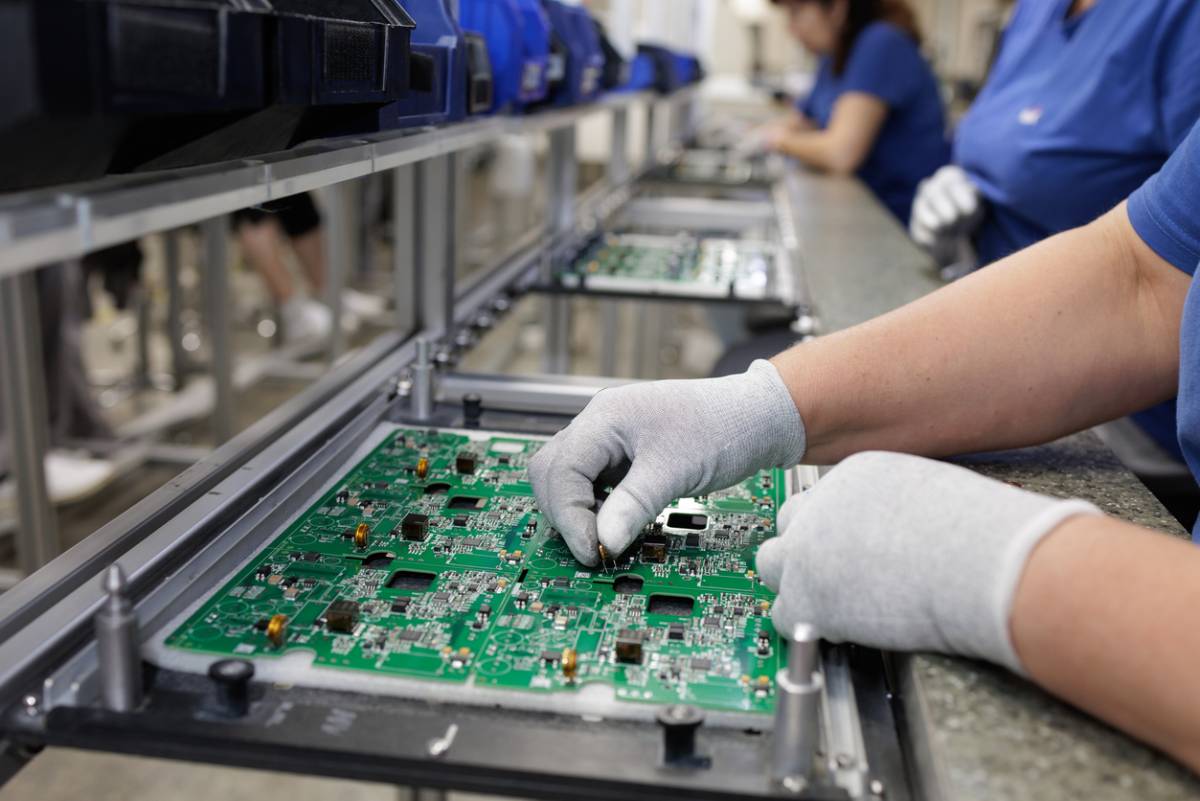
Gloved technician assembling PCB on modern SMT production line

How Shielding Prevents Interference

Electronic systems are everywhere, from industrial machinery and medical devices to vehicles and consumer electronics. And the more powerful and compact these systems become, the more they become susceptible to interference, especially when relying on complex interconnections such as custom wires and cables. One of the most effective ways to protect sensitive components and ensure reliable performance is through shielding. To maintain system integrity and comply with industry standards, engineers, designers, and manufacturers should understand how shielding prevents interference.

How Shielding Prevents Interference

Understanding Electromagnetic Interference

This happens whenever electromagnetic signals disrupt the normal operations of an electronic device. Where do these signals come from? Motors, powerlines, radio transmitters, or electronic equipment that is close by. Unfortunately, they can also be generated internally. This is because components within a device emit electromagnetic energy that interferes with other parts of the same system.

The problem with interference is that it can lead to data corruption, signal degradation, malfunction, or worse, complete system failure. In critical applications such as aerospace, healthcare, and industrial automation, minor disruptions can lead to serious consequences.

The Role of Shielding

Typically made from conductive or magnetic materials, such as copper, aluminum, steel, or specialized alloys. The material of a shield is a very important factor in its effectiveness as a shield (its conductivity, permeability, thickness, and continuity). The material will either reflect the energy away from the components or dissipate it as heat, preventing interference from affecting the operation. 

Shielding prevents interference through three primary mechanisms.

Reflection

Conductive materials can be used to reflect electromagnetic waves away from sensitive areas. Radio waves are considered high-frequency and especially susceptible to reflection.

Absorption

Other shielding materials can be used to absorb electromagnetic energy rather than reflect it. Ferrites or steel, for instance, are magnetic materials that are particularly effective in absorbing low-frequency interference. The absorbed energy is then converted to small amounts of heat. This reduces the strength of the interfering signal.

Grounding and Redirection

For effective shielding, you need proper grounding. A grounded shield provides a safe path for unwanted electrical currents to flow away from sensitive parts. Without grounding, a shield can unintentionally act as an antenna. This worsens interference instead of preventing it.

Common Types of Shielding

  • Enclosures and housing that surround the whole device
  • Shielded cables that prevent signal leakage and external noise pickup
  • Gaskets and seals that close gaps in enclosures to prevent interference from leaking in or out
  • Coatings and films applied to circuit boards or plastic housings

It is important to remember that seams, vents, or connector points can reduce shielding effectiveness if not properly sealed.

Why Shielding Is Critical in Modern Design

The risk of interference grows as devices shrink and frequencies increase.

Effective shielding helps manufacturers:

  • Ensure reliable and consistent device performance
  • Protect data and signals
  • Make electronic components live longer
  • Meet EMC and regulatory compliance requirements
  • Reduce costly redesigns and field failures

Preventing electromagnetic interference and ensuring the reliable operation of modern electronic systems requires shielding. By reflecting, absorbing, and redirecting unwanted electromagnetic energy, shielding effectively protects sensitive components and signal paths. With a thoughtful design and proper implementation, shielding becomes vital in achieving performance, compliance, and long-term reliability in today’s electronic environment. It is usually not just an option but a critical requirement for market approval.

Improve Signal Integrity and Reduce Interference 

If you are looking to improve signal integrity and reduce interference in your applications, you can trust our braiding and shielding to ensure your wires and cables are engineered for maximum protection, performance, and reliability. Contact us today to discuss your requirements and explore how customized solutions can help your systems meet demanding operational and compliance standards.

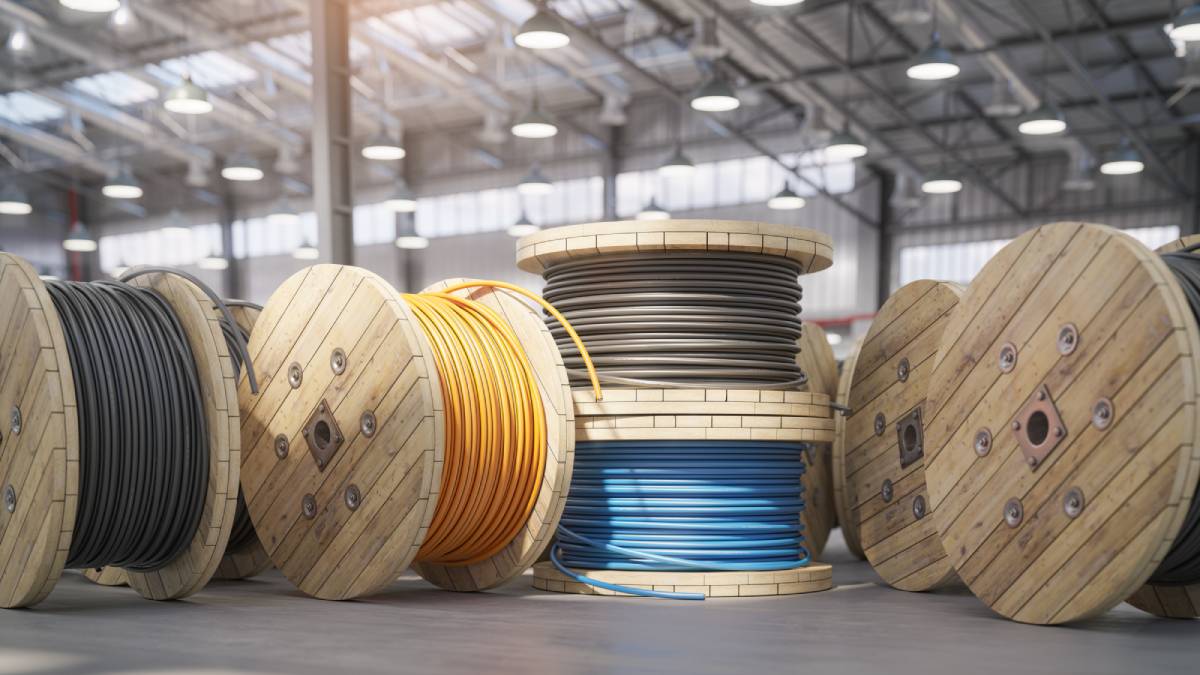
Wire electric cable on wooden coil or spool in warehouse.

The Role of High-Temperature Wire in Modern Manufacturing

The demand for manufacturing components that can withstand extreme conditions is now higher than ever. Be it heavy machinery or next-generation electronics, industries rely on materials engineered for durability, efficiency, and safety. Usually designed alongside custom wires and cables, high-temperature wire is one of these essential components. You know it is important, but you may wonder,  what is the role of high-temperature wires in modern manufacturing?

Why Manufacturing Needs High-Temperature Wire

High-Temperature Wire

High-temperature wire is electrical wiring specifically engineered to withstand temperatures ranging from 150°C to over 1000°C, depending on the material and construction. These wires are usually manufactured with heat-resistant insulation such as fiberglass, silicone rubber, PTFE, mica, or mineral insulation. These materials are not only heat-tolerant but also chemical-, abrasion-, and moisture-resistant. These characteristics make the wire suitable for harsh, demanding environments.

Manufacturing facilities depend on heavy-duty machines, automated systems, and continuous operation. They require high-temperature wire to handle demanding conditions and maintain reliable performance where standard wiring would degrade.

Modern machines often run hotter, faster, and longer, making heat-resistant wiring essential. Without high-temperature wires, industries would have to operate less efficiently and face more frequent breakdowns and safety hazards.

High Temperature Wires Perform Multiple Roles

  • Ensuring Electrical Safety: Heat is one of the biggest enemies of electrical systems. When the temperature is too high, the insulation can melt, crack, or short-circuit. This can lead to equipment failures or even cause fires. High-temperature wires provide stable insulation, reducing the risk of accidents.
  • Improving Equipment Reliability: Downtimes are costly. When machines overheat and malfunction, production can stop, resulting in massive losses. With high-temperature wires, you can be assured of consistent power delivery, longer machine life, and fewer maintenance interruptions.
  • Meeting Industry Standards and Compliance: There are strict safety and quality regulations that have to be met, especially in industries such as aerospace, automotive, steel fabrication, chemical processing, and electronics. By using high-temperature wiring, manufacturers can comply with industry standards.

Key Benefits

  • Safety and Fire Resistance: One of the most important benefits is reduced fire risk. Even in unforeseen events and system failures, the melting or combustion of high-temperature wires is less likely. This is crucial, especially for high-density or enclosed environments.
  • Durability: They can withstand vibration, friction, and rough handling.
  • Longevity: They do not need to be frequently replaced, which can help reduce downtime. Both can result in lower operational costs over time.
  • Consistent Performance Under Stress: They provide stable conductivity in unstable environments because they resist heat, chemicals, moisture, and mechanical stress.
  • Versatility: These wires can be customized according to size, variation, conductor type, and temperature rating. Because of this, they can adapt well to various manufacturing needs and processes.

Areas Where High-Temperature Wires Are Used

Automotive Manufacturing

Electronics in motor vehicles are placed near engines and exhaust components. High-temperature wires ensure sensors, control modules, and ignition systems function even in high heat.

Metal and Glass Production

Metal and glass production use extremely high temperatures. The wires used should withstand continuous exposure to heat.

Aerospace and Defense Manufacturing

In manufacturing aircraft engines, avionics, and military-grade equipment, high-temperature wires are used because they can withstand extreme heat, including rapid temperature changes.

Semiconductor and Electronics Production

Stable, interference-free electrical connections are essential for precision electronics. To maintain signal integrity even in heat-intensive processes, high-temperature wires are used.

High heat is necessary to manufacture sensors, microchips, and circuit boards, and high-temperature wires support the building of these key components that power smartphones, appliances, and computers.

Industrial Machinery and Automation

Robotics, cutting tools, and machinery that operate with heat-intensive processes are increasingly being used in factories. High-temperature wires can ensure performance stability in the following areas:

  • Furnaces and kilns
  • Industrial heaters
  • Welding equipment
  • Injection welding machines

Ensure Safety and Productivity

Avoid safety risks and unnecessary downtime. Use high-temperature cables and wires to ensure reliability and safety. If you want to learn more about our wires and cables, call us and speak with one of our agents today.

Man working on prototype development.

How Long Does Prototype Development Take?

How long does prototype development take? This is one of the most common questions innovators and entrepreneurs ask when bringing a new product idea to life. Several factors, including complexity, budget, and available resources or materials such as custom wires and cables, affect the time it takes to develop a prototype. Understanding the general timeline and the different stages involved in creating a prototype can help you keep your expectations realistic.

How Long Does Prototype Development Take?

Prototype development is a process in which a concept or design is turned into a tangible and working model. With the help of prototypes, you can test usability, design, and functionality before mass production starts. Testing is crucial in product development because it is a way to validate your ideas, attract investors, and refine details. 

The typical development timeline is as follows:

Concept and Design (1 to 3 weeks)

This is where sketches, CAD (computer-aided design) models, and design specifications are finalized.

Initial Prototype (2 to 6 weeks)

At this stage, a basic model using rapid prototyping techniques like 3D printing is created.

Testing and Feedback (2-4 weeks)

The prototype undergoes testing and assessment of its usability, performance, and functionality.

Revisions and Refinement (2-8 weeks)

Based on the testing results, the design is revised and refined. Changes are made to improve the prototype and align it with user needs or manufacturing requirements.

Final Prototype (1-4 weeks)

At this stage, you now have a polished version you can be proud of. The prototype is now ready for investor pitches, market testing, or pre-production.

Prototype development usually takes 2 to 6 months. Simple products can take as short as 4 to 6 weeks to prototype, whereas highly complicated ones can take a year or even more.

Factors that Influence Prototype Timelines

The given timeline, although typical, is not the same for everyone. There are several factors that affect it.

Complexity of the Product

Simple products naturally take a shorter time to prototype than products with intricate features like a smart home device or wearable technology. Complicated products like this can take months to prototype.

Materials and Processes

The materials used in creating the product, whether metal, plastic, textile, or electronic, affect the development time. Some materials can easily be 3D printed, while some need specialized fabrication and longer lead times.

Design Revisions

It is very rare for the first prototype to be the final one. There are usually multiple revisions, changes, and improvements in the form and function before the perfect prototype is created. All these changes and revisions make the process longer.

Resources and Expertise

A team with its own designers, engineers, and manufacturing partners can move a lot faster than a startup that has to outsource everything.

Budget

A higher budget allows for simultaneous work on different prototype aspects. This can shorten the timeline. On the contrary, when funds are limited, tasks are completed in stages and this can extend the timeline.

How to Streamline the Process

Have a Clear Goal 

Be clear about what you want to prove before you start.

Prioritize Features

Focus on the features first. You do not have to perfect everything at once.

Leverage Rapid Prototyping

Using 3D printing, virtual stimulations, and modular designs can save you time.

Work with Experts

Working with experienced engineers and designers can save you from costly mistakes.

Stay Flexible

Revisions and delays are normal parts of the process. Remember that a prototype is meant to evolve.

Seek the Help of Experts Today

Bringing an idea or concept to life is exciting and prototype development is an important part of this process. While timelines vary, most projects fall between a few weeks to several months depending on the factors listed earlier. Moving quickly enough to maintain momentum while ensuring that your prototype is functional, testable, and aligned with your vision will help you in creating the final prototype. 

Whether it is a simple product or something that uses cutting-edge technology, understanding the process and working with experts who know what they are doing can reduce stress and frustration, and increase your chances of a successful product launch. 

If you are in the process of product development and you need expert help with your prototype, feel free to get in touch with us today.

featured image for what is a whitelabel reseller program

What Is a Whitelabel Reseller Program?

Many companies want to offer software services to their clients without building the technology themselves. A whitelabel reseller program provides the perfect solution. In this arrangement, one company creates a product, and another company sells it under their own brand name. The original creator remains invisible to the end customer. This business model has become particularly popular in the software industry, especially with automated texting software and whitelabel SMS reseller program opportunities.

What Is a Whitelabel Reseller Program?

Whitelabel products come fully developed and ready to sell. The reseller simply adds their logo, colors, and branding elements. The end customer never knows who actually built the software. They only see the reseller’s brand throughout their entire experience.

How Whitelabel Programs Function

A whitelabel reseller program typically starts when a software company develops a complete product. For automated texting software, this includes the messaging platform, user interface, analytics dashboard, and all technical infrastructure. The developer then offers this complete package to resellers who want to enter the SMS marketing space.

The reseller purchases access to the platform at wholesale rates. They receive tools to customize the appearance with their own branding. Most programs provide a separate admin panel where resellers manage their customers, set their own pricing, and track usage. The original developer handles all technical maintenance, server costs, and software updates behind the scenes.

Payment structures vary across different programs. Some charge resellers a flat monthly fee for unlimited access. Others use a pay-per-use model where resellers pay based on customer activity. Many whitelabel SMS reseller program options offer tiered pricing that decreases unit costs at higher volumes.

Benefits for Resellers

Starting a software business from scratch requires massive investment. Developers, servers, testing, and ongoing maintenance can cost millions of dollars. A whitelabel program eliminates all development expenses. Resellers can launch their service immediately with proven, tested technology.

The speed advantage cannot be overstated. Building automated texting software might take 12-18 months of development. Through a whitelabel program, resellers can start selling within days. This rapid deployment allows them to respond quickly to market opportunities and customer demands.

Revenue Opportunities and Pricing Control

Whitelabel programs create significant profit potential. Resellers set their own prices, often marking up services by 200-300% above wholesale costs. A whitelabel SMS reseller program might charge resellers $0.005 per text message, while resellers charge their customers $0.02 per message. Volume quickly generates substantial monthly recurring revenue.

The subscription model particularly benefits resellers. Customers pay monthly fees for ongoing access to automated texting software. This creates predictable, stable income streams. A reseller with 100 customers each paying $99 monthly generates $9,900 in recurring revenue. The wholesale cost might only be $3,000, leaving $6,900 in monthly profit.

Resellers can also create custom packages targeting specific industries. A dental practice might need different features than a retail store. By packaging the same whitelabel platform differently, resellers can maximize revenue from each market segment. They might charge dental practices $299 monthly for appointment reminders while charging retailers $199 for promotional messaging.

Choosing the Right Program

Not all whitelabel programs offer equal value. Resellers should evaluate several factors before committing. The quality of the underlying technology matters most. Poor software will generate customer complaints and cancellations, regardless of branding.

Support structure proves equally important. The best programs provide both reseller support and end-customer support options. Some whitelabel providers offer support teams that answer calls using the reseller’s company name. This maintains the branding illusion while ensuring professional problem resolution.

Feature sets should align with target market needs. An automated texting software platform for restaurants needs different capabilities than one for real estate agents. Programs offering customizable features let resellers adapt to various customer requirements.

Contract terms require careful review. Some programs lock resellers into long-term commitments or impose territory restrictions. Others limit the number of customers or messages. Understanding all limitations prevents future business constraints.

Implementation and Marketing Strategies

Successful whitelabel resellers develop clear market positioning. Rather than trying to serve everyone, they focus on specific industries or business sizes. A reseller might specialize in whitelabel SMS reseller program services for fitness studios, becoming the go-to provider in that niche.

Training and onboarding determine customer success rates. Even though resellers don’t build the technology, they must understand it thoroughly. The best resellers create comprehensive training materials, video tutorials, and documentation using their own branding. This education helps customers maximize platform value.

Picking a Whitelabel Reseller Program

Whitelabel reseller programs offer a proven path to software entrepreneurship without technical development requirements. By partnering with established providers, resellers can offer sophisticated automated texting software under their own brand. The model particularly suits businesses with existing customer relationships who want to expand service offerings. 

Learn how a whitelabel reseller program might be the answer to your business’s problem!

Reference: 

Sharma, S. (2025). What is a White Label Reseller Program? A Beginner’s Guide for American Entrepreneurs

featured image for what tools will I need for my tech startup

What Tools Will I Need for My Tech Startup?

Starting a tech business is an exciting adventure filled with innovation, challenges, and, perhaps most importantly, the need for the right tools. That being said, one common question entrepreneurs often ask is: What tools will I need for my tech startup? 

From software solutions to hardware components like cables and wiring, having the right equipment from the start can significantly benefit your tech startup. Let’s dive in and talk about the essentials to get up and running smoothly.

What Tools Will I Need for My Tech Startup?

When launching a tech startup, your toolbox will quickly become the backbone of your operation. The “tools” here include a range of hardware and software tailored to your product development, testing, and production processes.

Early on, it’s essential to identify tools that support:

  • Product design and prototyping
  • Efficient testing and troubleshooting
  • Reliable connectivity and power supply

A common but often overlooked category is custom wires and cables. These components are critical for ensuring stable, high-performance connections in your devices and prototypes. Off-the-shelf cables sometimes can’t meet the specific size, flexibility, or shielding needs your project demands.

By partnering with a provider like Calmont, startups can source cables tailored for their exact technical requirements and, in turn, help avoid delays and costly redesigns.

Essential Hardware Tools and Components

Beyond wires and cables, several hardware tools are crucial for any tech startup. These include:

  • Multimeters and oscilloscopes for diagnosing electrical properties and signals
  • Soldering stations to connect components securely
  • 3D printers or CNC machines for rapid prototyping
  • Breadboards and circuit testers for designing and iterating on circuits

Investing in high-quality, reliable equipment means fewer setbacks and smoother development cycles. And remember, the right cables and connectors ensure your hardware communicates without interference or signal loss.

Software and Collaboration Tools to Support Your Startup

While hardware is very important to any startup, software tools enable communication, project management, and coding—all vital for a successful tech startup. Consider tools such as:

  • Version control systems like Git for managing code updates
  • Project management platforms like Jira or Trello to organize workflows
  • Collaboration tools such as Slack or Microsoft Teams for team communication
  • Cloud platforms for storage, testing environments, or deployment

Using these tools alongside high-quality physical components gives your startup a solid foundation to innovate and grow.

Why Custom Wires and Cables Matter for Tech Startups

You might wonder, why focus on custom cables in your startup’s toolkit? The answer lies in precision and performance. Custom wires and cables allow you to:

  • Optimize length and flexibility to fit compact designs
  • Ensure proper shielding to prevent interference
  • Use materials compatible with your device’s operating environment
  • Simplify assembly with connectors designed specifically for your needs

These factors can directly impact your product’s reliability and user experience—something every startup aims to perfect.

How Calmont Supports Startups with Tailored Solutions

At Calmont Wire and Cable, we understand the fast-paced and evolving nature of tech startups. Our team works closely with innovators to:

  • Design custom cable assemblies matching exact specs
  • Provide expert advice on materials and manufacturing processes
  • Offer scalable solutions as your startup grows from prototype to production

Coming to our team for your custom wires and cables means you gain a partner invested in your success, not just a supplier.

Ready to Equip Your Startup with the Right Tools?

Choosing the right tools early on can set your tech startup on the path to success. Whether it’s sourcing custom wires and cables or finding expert guidance, Calmont Wire and Cable is here to help you build smarter and faster.

Contact us today to discuss your project and learn how we can support your startup’s unique needs.

Featured image for How Does SMS API Work

How Does SMS API Work?

If you’ve ever wondered how businesses send thousands of text messages instantly, or how your favorite app can send you notifications directly to your phone, you’re looking at the power of SMS API in action. But how exactly do SMS API services work? An SMS API is essentially a bridge that connects automated texting software to mobile networks, allowing applications to send and receive text messages programmatically. Think of it as a digital messenger that handles the complex technical work behind the scenes. Below, we provide a more detailed explanation of the software and help you understand how it can optimize your business practices.

Understanding the Basic Process

When you use an SMS API, you’re essentially giving your software the ability to communicate with phone networks. The process starts when your application sends a request to the SMS API provider. This request contains the message content, recipient phone number, and any other relevant parameters.

The SMS API provider then processes this request and routes it through telecommunications networks to reach the intended recipient. This occurs in milliseconds, making it appear instantaneous to both the sender and the receiver. The entire process is handled through standardized protocols that ensure messages are delivered reliably across different carriers and countries.

The Technical Components

SMS APIs operate through HTTP requests, which are the same type of communication used by your web browser to load websites. When your application wants to send a text message, it makes an HTTP POST request to the SMS API endpoint with the message data formatted in JSON or XML.

The API server receives this request, validates the information, and then connects to Short Message Service Centers (SMSCs) operated by mobile carriers. These centers are responsible for storing and forwarding messages to the appropriate mobile devices. The API handles all the complex routing and protocol conversions needed to get your message from your application to the recipient’s phone.

Authentication and Security

Before your application can send messages through an SMS API, it needs to authenticate itself. This typically involves using API keys or tokens that verify your identity and authorize your application to access the service. These credentials are included with every API request to ensure only authorized applications can send messages.

Modern SMS APIs also implement additional security measures, such as rate limiting, which prevents abuse by restricting the number of messages that can be sent within a specific timeframe. Some providers also offer features like message encryption and secure webhook endpoints to protect sensitive data.

Message Delivery and Status Updates

One of the valuable features of SMS APIs is the ability to track delivery. When you send a message through automated texting software, the API can provide real-time updates about the message status. You’ll receive notifications when the message is accepted by the carrier, when it’s delivered to the recipient’s phone, and if there are any delivery failures.

These status updates are typically sent back to your application through webhooks—automated HTTP callbacks that provide immediate notification when events occur. This enables your software to respond appropriately to various scenarios, such as retrying failed messages or updating user interfaces to display delivery confirmations.

Handling Different Message Types

SMS APIs can handle various types of messages beyond simple text. Many providers support multimedia messaging (MMS), which allows you to send images, videos, and other media files. Some APIs also support advanced features, such as delivery receipts, message scheduling, and two-way messaging capabilities.

The API typically handles format conversions automatically. If you send a message that’s too long for a single SMS, the API can split it into multiple parts and reassemble them on the recipient’s device. This process is transparent to both the sender and recipient.

Integration with Applications

Integrating SMS API functionality into your application is typically straightforward. Most providers offer software development kits (SDKs) for popular programming languages, making it easy to add texting capabilities to existing applications. The API documentation usually includes code examples and step-by-step integration guides.

Many businesses use SMS APIs to enhance customer communication. E-commerce platforms send order confirmations, healthcare providers send appointment reminders, and financial institutions send security alerts. The API handles the technical complexity while your application focuses on the business logic.

Scalability and Performance

SMS APIs are designed to handle high volumes of messages efficiently. Professional providers operate a robust infrastructure that can process thousands of messages per second. This scalability is crucial for businesses that need to send promotional campaigns, emergency alerts, or time-sensitive notifications to large audiences.

Choosing the Right Provider

When selecting an SMS API provider, consider factors like delivery rates, geographic coverage, pricing structure, and available features. Some providers specialize in specific regions or industries, while others offer global coverage with comprehensive feature sets.

Look for providers that offer detailed analytics, reliable customer support, and clear documentation. The ability to test the service before committing to a paid plan is also valuable for evaluating whether the API meets your specific requirements.

The Future of SMS APIs

As messaging technology continues to evolve, SMS APIs are adapting to support new features and protocols. Rich Communication Services (RCS) support, enhanced security features, and improved analytics capabilities are becoming standard offerings from leading providers.

SMS API with Trumpia

To learn how SMS API can help your business, contact us today. 

Featured image for What Are the 4 Primary Uses of Aracon Wires

What Are the 4 Primary Uses of Aracon Wires?

What do spacecraft, satellites, and high-frequency electronics all have in common? They all rely on one incredible (and incredibly important) material to keep their connections strong, secure, and high-performing: Aracon wire. This advanced material blends the strength of Kevlar® with the conductivity of copper, resulting in a lightweight, high-performance solution that’s reshaping how engineers design complex systems. With that in mind, let’s dive into the heart of the question: What are the four primary uses of Aracon wires? If you’re exploring options for custom wires and cables, understanding where Aracon excels can help you make the smartest and strongest choice.

What Are the 4 Primary Uses of Aracon Wires?

Aracon is used when you need exceptional strength, low weight, and high conductivity—all at once. It shines in high-stakes applications where failure isn’t an option, and it offers a major advantage over traditional copper wiring alone.

Here are the four primary applications for Aracon wires:

1. High-Frequency EMI Shielding

Electromagnetic interference (EMI) is the enemy of all kinds of sensitive electronics, and Aracon is one of the best defenses against it. Its unique copper-clad aramid fibers provide exceptional shielding while reducing cable weight by up to 70% compared to traditional braided copper shielding in all but exceptional cases.

You’ll find Aracon shielding in:

  • Military communication systems
  • Aerospace avionics
  • High-speed data cables
  • Secure, noise-sensitive electronic environments

2. Lightweight Power Conductors

In environments like aerospace and defense, every ounce counts. Aracon replaces traditional copper conductors with a much lighter alternative, all without sacrificing electrical performance. This makes it a great choice for transmitting power where both space and weight are limited.

Think of it as copper’s high-tech cousin: also highly conductive, but built for altitude.

3. Structural Reinforcement in Wiring Systems

Because Aracon combines mechanical strength with conductivity, it’s often used in situations where wires must endure mechanical stress or tension. This makes it a great option for cabling that needs to move, bend, or withstand heavy loads.

Use cases include:

  • Antenna support wiring
  • Tethered surveillance systems
  • Cables exposed to vibration or movement
  • Deployable systems in aerospace or defense

4. High-Performance Custom Cable Assemblies

For engineers designing custom wires and cables, Aracon is an absolute game-changer. Its unique properties allow for creative, lightweight solutions tailored to complex systems where conventional materials fall short.

Whether it’s for space exploration or secure military gear, Aracon enables ultra-custom assemblies that push the boundaries of what’s possible.

Why Aracon Stands Out in Custom Cable Design

If you’re working with Calmont, chances are your project doesn’t fit a cookie-cutter solution. That’s where Aracon becomes more than just a wire—it’s a design strategy.

Aracon offers:

  • Exceptional flexibility for small spaces
  • High strength-to-weight ratio
  • Superior EMI performance
  • Durability in extreme environments

Each of these features empowers designers to create cable assemblies that meet demanding specs without compromise.

So, Is Aracon the Right Fit for Your Project?

If you’re building custom systems that operate in extreme or sensitive conditions, Aracon may be exactly what you need. It’s particularly useful when:

  • You need to significantly reduce weight.
  • You require high-performance EMI shielding.
  • Your cable will be under mechanical tension or flex.
  • Standard copper just doesn’t cut it.

Because Calmont specializes in custom wires and cables, our team can help you evaluate whether Aracon is the right material for your application and guide you on how to integrate it into your next solution.

Let’s Build Something Stronger, Smarter, and Lighter

Contact Calmont Wire & Cable today to discuss how Aracon can support your next project. Whether you’re exploring innovative shielding or building a next-generation assembly of custom wires and cables, we’ll help bring your custom cable design to life.

Featured image for When Should You Use Text Surveys?

When Should You Use Text Surveys?

In a world that never slows down and where everyone’s glued to their phones, text messaging has quickly become one of the smartest ways to grab attention. That’s why savvy businesses are jumping on the text survey train to gather feedback, boost customer service, and really get to know their audience. But here’s the big question: When should you use text surveys?

If you’re already rocking automated texting tools like Trumpia, adding SMS surveys to your game plan is like having a secret weapon for fast, meaningful insights without losing that personal touch. Ready to find out how and when text surveys can make the biggest splash? Let’s dive in!

When Should You Use Text Surveys?

You should use text surveys when you want fast, direct, and reliable feedback from your audience. They’re perfect for checking in with customers after an interaction, gathering opinions on new products, or simply learning what your audience cares about most.

Why is this the case? Well, because people actually read texts

Compared to emails or traditional surveys, SMS surveys get far higher open and response rates. In fact, most texts are read within just a few minutes. If you want quick and honest answers, texting is one of the best ways to go.

The Role of Automation in SMS Surveys

Automating your text surveys doesn’t mean losing the human touch. Instead, it means making sure every survey goes out at just the right moment without adding more work for your team.

With automated texting software, you can set up triggers that send surveys after certain actions, like completing a purchase, signing up for a service, or reaching a loyalty milestone. You can even segment audiences to send customized surveys to different groups so your outreach feels tailored, not templated.

What Are the Best Moments to Send a Text Survey?

There’s no one-size-fits-all moment to send a survey, but some timing is definitely better than others. The key is to ask when the interaction is still fresh or when providing feedback feels easy and natural. Here’s when to time your surveys:

After a Purchase or Service Interaction

This is one of the most effective times to use a text survey. Whether a customer just completed a transaction or finished a support call, following up with a short, well-timed message shows you care about their experience and gives you insights to improve.

After an Event or Webinar

Hosting an in-person or virtual event? Use an SMS survey to capture reactions while they’re still top of mind. It’s a great way to gauge interest, measure success, and plan better for the next one.

For Internal Check-ins

Don’t forget about your team. SMS surveys can be a great way to check in with employees about morale, training, or policy changes. Texting feels informal and easy, especially when you’re asking for a quick opinion.

For Ongoing Customer Sentiment

Want to monitor how your customers feel over time? Consider sending short surveys periodically to track satisfaction, loyalty, or interest in specific offerings.

How Many Questions Should a Text Survey Include?

Text surveys work best when they’re short and sweet. No one wants to type out long responses or answer 10 questions on their phone. Ideally, aim for 1–3 questions that are clear, specific, and easy to answer.

Trumpia’s SMS surveys make it easy to create automated sequences that don’t overwhelm your audience. You can start with one simple question and build on it based on their response, keeping the experience smooth and conversational.

Best Practices for Text Surveys

The right timing can make or break your survey’s success. Here are a few best practices to keep in mind:

  • Send during waking hours. Most people respond better between 10:00 a.m. and 6:00 p.m. local time.
  • Follow up soon after the experience. The fresher the moment, the more accurate the feedback.
  • Don’t overdo it. Text surveys are powerful, but sending them too frequently can lead to opt-outs. Use them strategically and sparingly.

Your automated texting software should allow you to schedule and space out messages so your communication feels timely, not intrusive.

Make It Easy to Respond

One of the most appealing parts of text surveys is how easy they are to complete. But you still need to make sure the process is simple. Use multiple-choice or number-based responses when possible. For open-ended questions, keep it short, and don’t ask for more than one idea at a time.

Trumpia’s platform can help guide your survey structure, using smart logic to keep the conversation flowing naturally. This helps you get better data without frustrating your respondents.

Wrap Up and Get Started with SMS Surveys

Ready to get actionable feedback in real-time? Trumpia’s SMS survey and automated texting software tools are designed to make communication faster, smarter, and more human. Reach out today to schedule a consultation or try it for yourself!