Featured image for Should You Hire a Nanny or Send Your Child to Daycare

Should You Hire a Nanny or Send Your Child to Daycare?

If you’re a parent preparing to return to work or simply trying to catch your breath between errands, responsibilities, and life, you’ve likely found yourself asking: Should you hire a nanny or send your child to daycare? It’s one of the most important decisions you’ll make as a caregiver, and it often comes with a long list of pros, cons, and what-ifs.

You want a solution that fits your family’s lifestyle, supports your child’s development, and gives you peace of mind. So, how do you choose between an in-home nanny and the structured environment of a preschool and daycare center for childcare? Let’s dive in.

Should You Hire a Nanny or Send Your Child to Daycare?

Both options offer some great benefits, but they suit different types of families, routines, and parenting styles.

Nannies offer highly personalized care: your child stays at home, naps in their own crib, and follows a familiar routine. For some families, this flexibility is ideal, especially if work hours are irregular or multiple children need care.

On the other hand, daycare centers and preschools like Towne and Country Early Education Center offer a structured setting where children can engage socially, follow a developmentally appropriate curriculum, and grow in a stimulating environment.

By this point, you might already be leaning one way or the other—but let’s dive deeper to help you feel confident in your choice.

What Are the Benefits of Daycare and Preschool Settings?

Here are a few key benefits of choosing daycare over a nanny:

Socialization Opportunities

Children learn how to interact with their peers, share, cooperate, and develop important communication skills from a very young age.

Age-Appropriate Learning

Daycare centers follow proven curricula specifically designed for each stage of childhood development. At Towne and Country, your child will engage in activities tailored to their growth, creativity, and curiosity.

Trained Professionals

Unlike nannies, who may or may not have formal childcare training, daycare staff are certified in child development, safety protocols, and early education. Many have years of experience with infants and toddlers.

Routine and Structure

Children thrive in environments where they know what to expect. Structured routines at daycare facilitate transitions, promote independence, and support emotional regulation.

Built-In Backup and Reliability

When a nanny gets sick or needs a vacation, you’re left scrambling. With a licensed daycare, there’s always a team in place to provide consistent care.

When Might a Nanny Be the Right Fit?

There are certainly scenarios where hiring a nanny may be more practical. For example:

  • You work long, irregular hours or need overnight care
  • Your child has complex medical needs requiring one-on-one attention
  • You want in-home care for newborn twins or multiples
  • You have a strong personal connection with a trusted caregiver.

But even in these cases, many parents find that transitioning their children to a daycare and preschool environment as they grow can help prepare them for kindergarten and beyond.

What About Infant and Toddler Childcare?

Many parents wonder: Is daycare safe and beneficial for babies and toddlers? The answer is yes, especially when you choose a center that specializes in early childhood care.

At Towne and Country’s infant and toddler childcare program, children as young as six weeks are welcomed into a nurturing, age-appropriate environment where their needs are fully met by caring, experienced educators. From tummy time to language exposure, your child is given the attention and stimulation they need to thrive.

Questions to Ask Yourself Before Choosing

To help you make the best decision for your family, ask yourself:

  • Do I want my child to interact with peers on a daily basis?
  • Am I looking for structured learning or flexible care?
  • What’s my backup plan if my nanny is unavailable?
  • Do I want care providers with formal training?
  • What kind of social or emotional growth am I hoping for?

Ready to Explore High-Quality Preschool and Daycare Options?

Let us help you take the next step. Contact Towne and Country Early Education Center today to learn more about our programs or to schedule a personalized tour of our preschool and daycare center.


Featured image for 6 Reasons to Use Text-to-Vote Software

6 Reasons to Use Text-to-Vote Software

Featured image for 6 Reasons to Use Text-to-Vote Software

Getting in touch with your audience, gathering their feedback, and encouraging participation has never been easier or more effective than with text-to-vote software. Whether you’re hosting a live event, gathering employee opinions, or polling customers on a new product, automated text voting from Trumpia enables you to reach people right where they are: on their phones. In an age where attention spans are declining and people check their phones dozens of times a day, reaching them through SMS isn’t just convenient. It’s the most efficient way to spark real-time interaction and connections. With that in mind, let’s explore five great reasons for using text-to-vote software for your next campaign.

Reason #1: Text-to-Vote Software Makes Participation Effortless

The biggest strength of text voting lies in its simplicity. There’s no need to download an app, fill out lengthy forms, or log in to a website. Instead, your customers send a text on a messaging platform they are already well-acquainted with.

With Trumpia’s text-to-vote feature, users simply text a keyword or number to cast their vote. That ease of access dramatically improves participation rates, especially among people who might ignore an email or skip a paper ballot. No matter where they are, users can vote on the fly without interrupting their day. It’s participation on their terms, which means you’re more likely to receive honest and timely input.

Reason #2: Real-Time Results Keep Engagement High

People love to see their input make a difference, and they love to see it happen instantly. One of the most significant advantages of text-to-vote software is its ability to collect and display results in real time.

This immediate feedback loop is incredibly useful for conferences, competitions, employee meetings, and even classroom settings. When people know their vote is counted right away—and that others are participating—it generates excitement and keeps attention levels high. You can even use that momentum to build into follow-up conversations, raffles, or prize giveaways, creating a dynamic two-way interaction between you and your audience.

Reason #3: It Works for Any Audience Size

One of the most flexible features of automated texting software, such as Trumpia, is its scalability. Whether you’re polling a small classroom or a stadium full of fans, text voting can handle it.

Text messaging has a 98% open rate, and most people read texts within minutes of receiving them. That means your voting message won’t get lost in an inbox or buried in a newsfeed. Additionally, Trumpia’s advanced segmentation tools enable you to target specific groups, customize messages, and analyze responses by audience type, all while keeping your campaign efficient and cost-effective.

Reason #4: Great for Events, Contests, and Live Experiences

If you’re hosting a competition, corporate retreat, product launch, or live webinar, text-to-vote software offers a seamless way to gather real-time input and choose winners on the spot.

Forget printed ballots or awkward apps. Your guests can vote by texting a simple code—something they’re already familiar with. Trumpia makes it easy to set up polls that reflect your brand, deliver automatic responses, and even trigger follow-up texts based on their vote. Whether it’s choosing a speaker’s topic, selecting a favorite dish, or crowning a contest winner, the interaction feels fresh, fun, and frictionless.

Reason #5: Gain Valuable, Actionable Insights

Data is powerful—but only when it’s easy to collect and use. With text-to-vote, you gain direct, honest feedback from your audience that you can act on immediately.

Use it to test opinions on a new product, gauge employee satisfaction, prioritize features, or even make team decisions. Because texting feels informal and fast, you’re likely to get more honest responses—and more of them. Trumpia’s backend makes it simple to track votes, identify trends, and export the results for presentations, reports, or follow-up messaging.

Reason #6: It’s Budget-Friendly and Highly Efficient

Compared to the costs and logistics of printing ballots, conducting email surveys, or utilizing third-party polling services, text-to-vote software is remarkably cost-effective.

You don’t need any special equipment or IT setup, just a short code, a message, and a list. Trumpia’s tools help you automate the entire process, from campaign creation to result analysis. You can even utilize built-in automation for scheduling polls, sending reminders, or triggering actions based on responses, providing you with powerful campaign control without requiring a full-time tech team.

Launch Your Text-to-Vote Campaign Today

Get started with Trumpia and discover how text voting through our automated texting software can simplify engagement, boost participation, and deliver results that truly matter. Reach out now to see how easy it is to launch your first poll.

Featured image for What Is the Best Age to Enroll Kids in Montessori Schools?

What Is the Best Age to Enroll Kids in Montessori Schools?

Featured image for What Is the Best Age to Enroll Kids in Montessori Schools?

Every parent naturally wants to give their child the very best possible start in life, and when it comes to education, that means exploring many different approaches. One of these approaches is Montessori, a method designed to nurture independence, curiosity, and a lifelong love of learning. While an excellent teaching method, its success often hinges on timing. That being said, what is the best age to enroll kids in Montessori schools?

It’s an important factor that could influence your child’s entire learning, so let’s dive into timing, how such early experiences shape their future, and what to consider as you plan your child’s educational path. 

What Is the Best Age to Enroll Kids in Montessori Schools?

When asked, most Montessori educators will agree that the best time to enroll your child in a Montessori-style environment is between the ages of 2.5 and 3 years old. This age range marks a key developmental window when children begin to desire autonomy and engage in more hands-on exploration, which are core tenets of the philosophy. 

Montessori classrooms are intentionally structured to meet the developmental needs of this age group right where they are. By starting during these years in particular, children not only absorb academic skills more quickly and easily, but they also build foundational habits such as focus, self-direction, and social interaction. While older children can still benefit from and even thrive in Montessori, early exposure helps them internalize the values and teachings more naturally and effectively. 

Why Earlier Is Often Better in Montessori Settings

The beauty of the Montessori approach lies in its ability to support a child’s development during what Maria Montessori called the “sensitive periods,” phases during which a child is particularly receptive to acquiring certain skills.

By enrolling your child around the age of 3, they are exposed to a learning environment tailored to their “right there and then” developmental needs. They can start engaging in purposeful play, practicing independence, and developing early literacy and math concepts organically. Starting early also helps children adjust to the structure and flow of the Montessori school environment while building deep, long-term relationships with their teachers and peers.

Toddler Programs Offer Gentle Transitions

Some families choose to enroll their children even earlier than the standard 2.5 to 3 years, often between 18 months and 2.5 years, through toddler programs. These early-action Montessori-inspired settings help emphasize emotional security, basic motor skills, and early language development.

While younger toddlers may not yet be ready for the full range of Montessori activities, these programs provide a gentle, nurturing introduction to the routine, independence, and socialization that will define their future school experience.

What If My Child Is Older Than 3?

Luckily, the Montessori method is designed to accommodate a wide range of learners, and many children join later with great success. If your child is 4, 5, or even entering the elementary years, rest assured that it’s not too late to benefit from Montessori education.

Older children may require a brief adjustment period to become accustomed to the self-directed structure, but the philosophy’s emphasis on respect, curiosity, and meaningful work resonates at every stage. In fact, joining a Montessori classroom later can often help a child who has become disengaged in traditional school settings.

Multi-Age Classrooms Encourage Peer Learning

One of the strengths of Montessori education is the use of multi-age classrooms, where younger and older children learn alongside each other. This structure benefits students regardless of when they enter the program.

Older children naturally assume leadership and mentorship roles, while younger ones observe and learn from their more experienced peers. This dynamic fosters confidence, collaboration, and a strong sense of community—qualities that serve children well throughout their lives.

Look for Signs of Readiness, Not Just Age

While age is a helpful guideline, it’s also important to consider your child’s readiness. Are they showing signs of independence? Are they curious, observant, or eager to participate in daily tasks? These cues can signal a good time to start, even if your child is slightly younger or older than the typical age of entry.

Every child develops at their own pace, and Montessori education is flexible enough to honor that. When children enter at a time that aligns with both their developmental stage and emotional readiness, they’re more likely to thrive.

Ready to Enroll or Learn More?

Contact Future Minds Montessori today to explore our thoughtfully designed programs and schedule a tour. We’ll help you find the perfect starting point for your child’s Montessori journey.

Featured image for What Is Costa Mesa Known For

What Is Costa Mesa Known For?

A vibrant tapestry of culture, creativity, and community, nestled in sunny Southern California, Costa Mesa is known as the “City of the Arts.” Notorious for its eclectic food scene, artistic flair, and thriving shopping districts, this city has become the hub of creativity of all kinds. The bustling streets are filled with unique boutiques, diverse eateries with world-class cuisine, and fantastic local art. Events in Costa Mesa are just as diverse as the culture, offering something everyone will enjoy. Costa Mesa isn’t just a destination; it’s an experience that enchants the senses and invites exploration. Exploring the secrets and hidden gems in Costa Mesa could take a lifetime, but it would be a worthwhile adventure. 

What Is Costa Mesa Known For?

Art and Culture

Art and culture run deep in the veins of Costa Mesa. So much so that individuals passionate about the city’s diversity band together to support the Cultural Arts committee. With this support and the implementation of the Arts & Culture Master Plan, the city illustrates its dedication to keeping creativity rolling within the community. 

Artists District and Murals

Artists from all over have showcased their talents by painting their signature in vibrant colors for all to see. The diverting murals that encompass many businesses in Costa Mesa are a staple of the community. Like artists, tourists from every corner come to see the talented work meticulously created, standing proud amongst the Costa Mesa streets. 

Performing Arts and Events

The city’s thriving arts scene, anchored by the Segerstrom Center for the Arts, has earned it the moniker “City of the Arts.” Diverse theater, music, and visual arts offerings draw tourists from all over the world and still capture the attention of locals. Costa Mesa’s thriving performing arts and events make it a hotspot for tourists. 

South Coast Plaza 

Costa Mesa’s picturesque beauty stands as a shining gem in Orange County, California. The lively city pulses with creative energy, exuding a unique blend of urban sophistication and laid-back coastal allure. The dynamic city of Costa Mesa has garnered a reputation for itself as a prime shopping destination, thanks to the notoriety of the South Coast Plaza and its array of high-end retailers. Yet, Costa Mesa’s allure extends far beyond retail therapy.

Activities

It wouldn’t be California without the scenic Pacific Ocean as the backdrop. In just one mile, you can bask in the sun and hit the waves of the Pacific Ocean. Costa Mesa is truly a diamond among the rough when you consider just how much it has to offer. You can not only enjoy thought-provoking art on every corner, but just a few minutes away, you could be surfing, sailing, and having a great time enjoying fun beach activities. 

Attractions

Loaded with attractions, the city is home to the OC Fair and Event Center and minutes away from Disneyland Resort.  The annual Orange County Fair takes place at the OC Fair and Event Center. Not stopping there, Knott’s Berry Farm is a world-renowned amusement park. Additionally, Costa Mesa offers attractions like Angel Stadium, Aquarium of the Pacific, Santa Ana Zoo, Seaworld, Catalina Island, Legoland, and more. Costa Mesa is the perfect destination for all ages and cultures, and it has tons of fun to be had at every step. 

Local Cuisine

Of course, a city famous for its creativity and culture caters to food enthusiasts, too. Costa Mesa’s dynamic dining scene is a veritable paradise, featuring everything from trendy farm-to-table eateries to hidden culinary treasures, and even the pickiest eaters will find something they love among Costa Mesa’s food offerings. Creativity and culture shine brightly within the cuisine that can be found among the strips of Costa Mesa, making it an explosion for all the senses. 

Costa Mesa’s Diverse Community

In essence, Costa Mesa is known for its perfect balance of commerce, culture, and community. It’s a place where shopping meets art, and culinary adventures await around every corner. The Southern California spirit comes alive in a uniquely captivating way within the city of Costa Mesa. Whether you’re a visitor or a longtime resident, Costa Mesa never fails to delight, inspire, and evoke your inner creativity. In a city so diverse, it is the embodiment of the best parts of Southern California. 

Schedule a Trip to Costa Mesa Today!

Learn what Costa Mesa is known for up close and in person. Get in touch with Travel Costa Mesa now!

concept for what to wear roller skating

What to Wear Roller Skating

Roller skating is a family-friendly activity that can be enjoyable in groups or by yourself. Its versatility and depth have contributed to its growing popularity around the world.

However, to have the best possible time when you go, you should look into what to wear roller skating. This can help you avoid accidents and injuries and keep you having fun while staying safe.

If you are interested in taking up roller skating, take a look at this guide that can help you know what to wear while you do it, from helmets to skating socks.

What to Wear Roller Skating

Helmet

A well-designed and professional-grade helmet from a reputable company should be your first order of business when you are going rollerskating. This is true for both roller skaters who go inside and skaters who skate outside in all manner of terrain.

Roller skating, like all sporting activities, carries with it an inherent set of risks. It is easy to fall and injure oneself, especially if one has just started engaging in the activity. You can discuss any helmet brands or designs that your sporting goods professional has in mind for you or for the specific scenarios in which you will be skating.

Knee Pads

Knee pads are another essential piece of roller skating equipment. Because your feet will be strapped into your skates while you are engaging in the activity, it is often your hands and knees that will take the initial brunt of whatever fall occurs.

Knee pads can prevent mild-to-serious injury in the knees. There are a multitude of different styles of knee pads to choose from when you are selecting your pair. Some designs are suited more for indoor skating, and others are more appropriate for outdoor skating. Shopping around can help you select the best pair for your purpose.

Elbow Pads

Elbow pads are another helpful item to have when roller skating. Although arguably not as essential as knee pads, the elbows are vulnerable when an individual is skating due to the nature of them catching their falls with this part of the body. Similarly to knee pads, there are a variety of styles available when you are selecting your elbow pads. You can discuss which one might be the most appropriate for you when you go to visit your local skating outlet.

Wrist Guards

Wrist guards are another handy accessory that can help prevent injury while you are skating. If an individual falls while they skate, they will likely use their outstretched hands to dampen their fall. This can easily result in a broken or sprained wrist, as this part of the body tends to be somewhat susceptible to injury.

Some studies have estimated that almost half of all injuries incurred while skating involve the wrists. Wrist guards have the potential to diminish this risk and keep you skating longer without a visit to the hospital.

Gloves

Gloves are another essential piece of roller skating equipment. Gloves can protect the palms of your hands from becoming chafed or injured if you have to catch yourself while falling. Using gloves that are specifically designed for skating, or ones that are designed for cycling or other high-friction activities, can be the kind best suited for protecting one’s hands against injury while skating. These types of gloves also have a tendency to last for a much longer time than other types of gloves.

Athletic Socks

You might not think too much about the kinds of socks that you might wear when you go skating. However, the type of sock that you wear has the potential to have a major impact on your overall experience. Selecting athletic socks rather than conventional socks can reduce the amount of chafing and sweating that you experience while you roller skate, giving you an overall more comfortable and enjoyable experience.

Athletic Clothing

Wearing appropriate athletic clothing is preferable when rollerskating to wearing more casual options such as jeans and a t-shirt. Part of this is due to the fact that you likely will simply feel more comfortable if you wear the right kinds of clothing while you skate. In addition, athletic clothing is designed to be breathable and remain comfortable while you sweat, which can help prevent you from overheating while you engage in the activity.

Your Best Friend for Roller Skating

Crazy Skates Australia is completely dedicated to offering both dedicated and new-coming roller skaters the best experience possible. If you are interested in taking up roller skating and need some equipment, come visit us today to browse our inventory at our roller skate shop. 

Featured image for What Is the Difference Between Active and Passive Cables

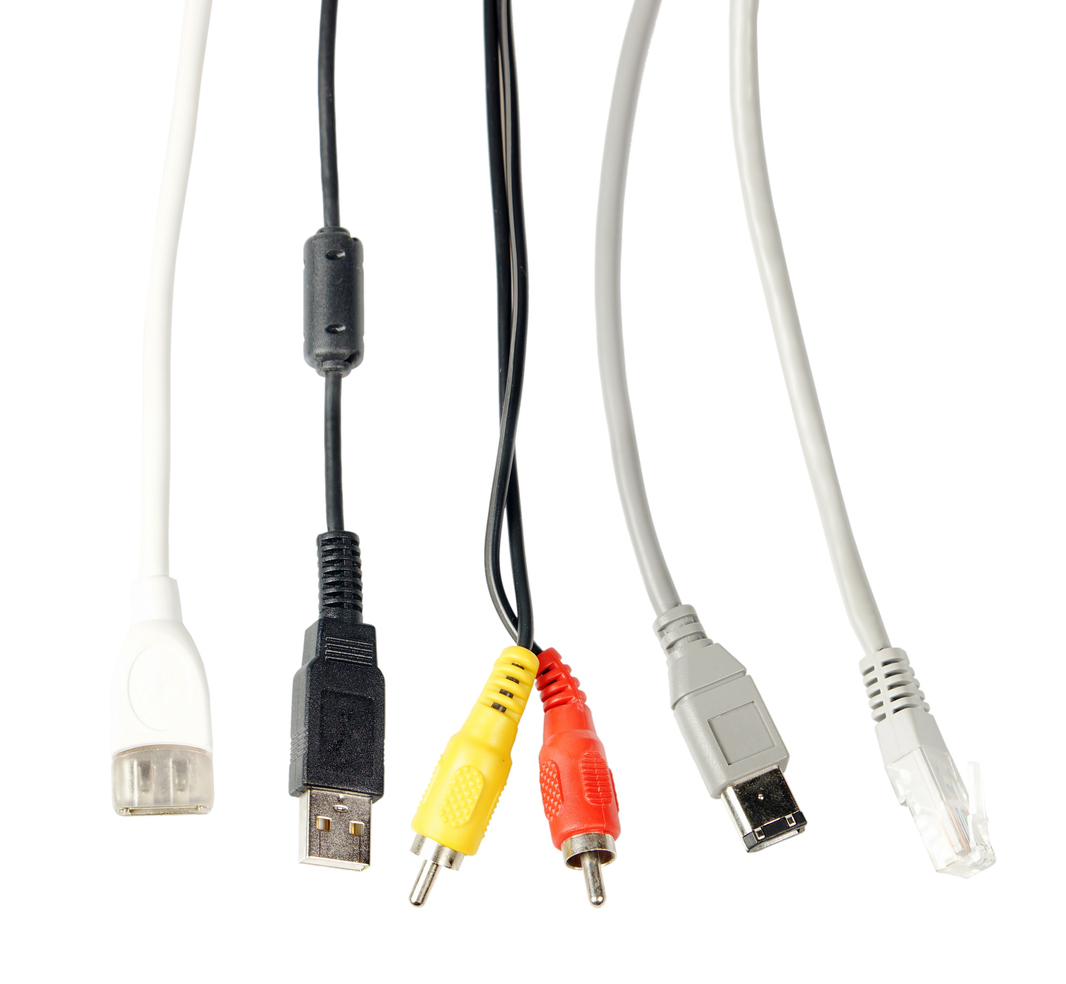
What Is the Difference Between Active and Passive Cables?

When it comes to connecting one device to another, the cable that you use plays a critical role in ensuring efficient data transfer and power delivery. Professionals and enthusiasts often rely on setups like those crafted by reputable audio-visual systems manufacturers, making it crucial to understand cable types. When talking about cables, the two main types that usually come up in discussions are active and passive cables. They may look similar at first glance, but they are very different in terms of their use cases, performance, and overall functionality. Today, we discuss the difference between active and passive cables.

What Are Active Cables?

Active cables incorporate electronic components like signal boosters, amplifiers, and other devices that are used to enhance performance. Specifically, users can use these components to maintain signal integrity over long distances and support higher data transfer rates.

Features of Active Cables

Signal Amplification: Active cables can amplify or regenerate signals with minimal degradation, even at long distances.

Extended Lengths: Active cables can be so much longer than passive cables (they can be extended to about 100 feet or more) because they are able to maintain the quality of the signal.

Higher Costs: Because of the inclusion of electronic components, active cables are usually much more expensive than their passive counterparts.

External or Embedded Power Sources: Some active cables need power supply from external sources, while some are able to draw power from the device they are connected to.

Data Transfer Speed: Enhanced for longer distances

Active cables are often used to connect monitors and peripherals. They are well-suited for situations that require high-speed data transfers over long distances. Active cables are also often employed in professional audio-visual installations and other situations where users cannot have any signal degradation.

What Are Passive Cables?

Passive Cables are a direct conduit for electrical signals between devices. They can perform this function without any other additional electronic components to enhance the signal. Additionally, passive cables only rely on the natural conductivity of materials such as copper or fiber optics to transmit data or power. They are ideal for everyday home devices.

Features of Passive Cables

No Signal Amplification: Without the use of any built-in mechanisms to boost signals, passive cables can transmit signals on their own.

Shorter Lengths: The signal can degrade over long distances because there is no amplification. This means that they can best perform at shorter lengths. 

Cost-Effective: Because they do not include complex components, passive cables are more affordable compared to active cables.

Low Power Requirements: Without any active electronics, users do not have to worry about external power source requirements.

Data Transfer Speed: Transfer speed is limited based on length and quality.

Passive cables are often used to connect devices at home, offices, or across other short distances. They are also well suited to simple applications that do not require high-speed data transfer or long-distance connectivity.

How to Choose the Right Cable

If you know what your specific requirements are, it will be easier to choose between the two types of cables. Here are some factors you should consider:

Distance

If you are going to connect devices over long distances, active cables will serve your purpose better. For shorter distances, passive cables will suffice.

Performance

If it is essential to maintain signal integrity and high-speed transfers, the investment in active cables is going to be worth it.

Budget

For simple setups and small budgets, choose passive cable.

Power Availability

Determine if you have access to a power source if you need active cables that need external power.

Get the Results You Want with the Right Cable

Both types of cables have advantages and limitations. Passive cables are sufficient for short-range, low-cost connections. In contrast, active cables are a good investment in situations that require long-distance connectivity, high-speed data transfers, or stable signal quality. For applications that need even greater efficiency and reliability over extended distances, active optical cables (AOCs) provide a compelling solution, combining the benefits of active cables with the advanced capabilities of fiber optics.

A good understanding of the difference between the two types of cables will help you determine which type of cable is best for your situation and purpose, ensuring optimal performance. An educational resource on electronics and cable technology can give you a more in-depth explanation of how signal transmission works.

Whether you need a cable for a home theater, an office network, or a professional audio-visual system, the right cable will help you get the best results. Whatever it is that you need a cable for, talk to one of our agents today so we can help you achieve the results you need.

Featured image for 10 Use Cases of SMS API

10 Use Cases of SMS API Services

Effective communication has always been an essential practice for businesses. In this digital age, where everything happens quickly, and customer attention is short and fleeting, businesses have to keep up by making sure they are able to get their messages to their customers before their competitors do. While email, social media, and chat applications have their place, one of the most reliable and effective means of communication is still SMS. Businesses are increasingly leveraging SMS API to automate, streamline, and enhance their messaging capabilities. If you have not yet started doing the same, with the help of automated texting software, these ten use cases of SMS API services would likely convince you to do so.

10 Use Cases of SMS API Services

1. Appointment Reminders

Businesses do not like missing appointments because these cost them valuable time and money. SMS API services help businesses ensure that time and money are not wasted by enabling them to automate appointment reminders. These timely notifications reduce no-shows and improve operational efficiency.

2. Orders and Delivery Notifications

Through SMS API, businesses can enhance customer experience by sending order confirmations, shipping notifications, and delivery alerts, thereby providing transparency and building trust.

3. Two-Factor Authentication

Security is an important issue, especially in online transactions. Many companies give their clients a chance to use two-factor authentication to ensure the security of their transactions. SMS API is widely used for this. Whether it is for logging into one’s bank account or confirming an online transaction, businesses can use SMS to send one-time passwords (OTPs) to users. This is an added layer of security that can significantly reduce the risk of fraud.

4. Marketing Campaign

The open rate of SMS is 98%, 3.7 times more than the open rate of emails. In addition, 90% of recipients respond to messages within 30 minutes. This is particularly beneficial for flash sales, sharing discount codes, and other communication that requires immediate feedback. You can even build sign-up forms.

5. Event Notifications and Invitations

If you are an organization planning to host an event, you can also send invitations and updates to attendees and receive RSVP confirmation using  SMS API. It does not matter what type of event it is, whether it is a party, a webinar, a conference, or a product launch. SMS API will ensure that all vital information will reach the intended recipients promptly. In addition, it can also improve attendance.

6. Employee Communication

SMSI is beneficial to communication within the organization. Since it is easier to access than an email, it is helpful in sending announcements, schedule updates, and emergency alerts. For instance, during weather conditions that require employees to stay home, SMS ensures that employees are informed in real-time.

7. Transaction Alerts

Transaction alerts are crucial to financial companies and e-commerce platforms, which use SMS API to notify account holders and customers of account updates and fraud warnings and confirm payment.

8. Queue Management

Clinics, hospitals, and financial institutions can use SMS API to manage their queues. Customers can be notified about their estimated wait times. This reduces frustration and contributes to an overall positive customer experience.

9. Customer Support and Feedback

Businesses can use SMS to send a customer satisfaction survey, gather feedback, and resolve queries and complaints. This can be a big boost to a company’s customer service.

10. Service Status Update

Utility companies that provide services like internet and electricity will find it easier to notify customers regarding service interruptions, restoration updates, and maintenance schedules. This is a proactive approach that will help prevent frustration and increase customer satisfaction.

Transform Your Business

SMS API can transform the way you communicate and elevate the way you do business. Whether you are planning to boost customer engagement, implement a marketing campaign, strengthen security, or streamline reminders, SMS API can be a game changer for you as much as it is for other businesses. Do not be left out. Contact our sales team today.

Featured image for How to Connect a Vinyl Record Player to a Modern Audio System

How to Connect a Vinyl Record Player to a Modern Audio System

Vinyl records have become increasingly popular over the last few years. Vinyls are a collector’s item that brings joy both visually and audibly. Many people curate an excellent vinyl collection as it is a tangible way to collect music. Due to the digital movement with music, many long for the nostalgia of the past. However, you should be able to have both options whenever you want. Whether you like digital or tangible music more, you should not have to choose between the two. Below, you will find how to connect a vinyl record player to a modern audio system. 

How to Connect a Vinyl Record Player to a Modern Audio System

Many people want to blend the classic analog nature of vinyl with the modern digital musical experience. Connecting a vinyl record player to a modern audio system is seamless. You just need to have the right equipment to complete the task. You will need your turntable, modern audio system, phono preamp, and audio converters.

The turntable and modern audio system are self-explanatory as you will be connecting the two. A turntable is a device that plays your vinyl records. A modern audio system could be in the form of a receiver, amplifier, or speaker. A phono preamp is necessary as it transforms the signals between the two machines. It amplifies the low-level signal from the turntable to a line-level signal, which is necessary for modern audio systems. An audio converter is needed if your modern audio system does not have analog inputs.

Steps to Connect Your Devices

Once you have all of the necessary equipment, you can easily get started connecting your vinyl record player to your modern audio system. Follow the steps below to connect your music devices.

Assess Your Preamp

Sometimes, the preamp is built into your turntable, but this is not always the case. If your turntable has a built-in preamp, it will have a “line” output. You can connect the line output directly to your audio system’s analog input using RCA cables. 

If your turntable does not have a built-in preamp, you will need to get an external one. This can be done by connecting your turntable to the external preamp with RCA cables and then connecting the preamp to your audio system. Be sure to use high-quality calves, as they can make a huge difference when it comes to your sound quality.

Assess Audio Inputs

In some cases, you may need an audio converter from an AV tech manufacturer. This is the case if your modern audio system does not have analog inputs. After you have connected the preamp, connect the line-level output to the audio converter. This will change the analog signal to digital, specifically optical or coaxial. 

Connecting The Systems

The way you connect the audio system depends on whether you have an analog or digital connection. If your system has analog inputs, connect the turntable using the RCA cables. If your system only has digital cables, use the digital cable from the audio converter to connect it to the audio system. 

After this, connect the grounding wire to the grounding terminal to prevent a humming sound when you play music. Place your turntable on a flat and stable surface. This will reduce any vibration that can impact the sound quality. On your audio system, select the input that corresponds with the turntable. From there, you can listen to your music with ease.

AV Tech Manufacturer

If you need any support connecting your devices, contact the team at Kanex Pro for help! 

What Should You Do with an Old Phone Case?

Whether for work or personal use, most people carry their phones on them all day, every day. Because phones are tools we use daily, they should be protected from incurring damage. Most people protect their phones with a phone case and screen protector. This is an excellent option to protect your investment, but what should you do with your old phone case after you have switched to a new phone model?

Avoid waste by finding ways to repurpose or recycle your phone case rather than just throwing it away. Keep reading for ideas of what you can do if you have an old phone case around.

What Should You Do with an Old Phone Case?

You will likely need to purchase new smartphone protection after each phone upgrade. This is a small price to pay to protect an expensive phone, but it can lead to a lot of waste if you do not carefully consider what to do with your old cases. If you have several old phone cases taking up your space, consider the following ideas. 

Sell Your Old Case

If your phone case is still in good shape, you could sell it online. For those who upgrade their phone every year or two, this is a great idea because the case is likely in good condition. The buyer also benefits in this situation because they will likely get a discount on the case when compared to the full price. The seller is also not negatively impacting the environment by tossing yet another phone case.

Donate Your Old Case

If you do not want to sell your old phone case online, consider donating it. There are shelters and charity drives that support the community. This is a great way to give back and avoid excess waste. Be sure to clean the case before you donate it. Grab any other gently used items you have just lying around to make the donation trip worth it!

Recycle Your Old Case

Check the material of your phone case to see if you can easily recycle it. This is a great option if you cannot sell or donate it. Some cases get beat up with natural wear and tear. That is totally fine, as that is what they are meant for. However, just because they are beat up does not mean they need to be tossed out. Once you find the material, consider contacting your local recycling center to see if they will take it. You can also contact the manufacturer to see if they have a sustainable recycling program.

Sustainable Tech Accessories

Many people are taking small steps to integrate sustainability into their lifestyles. This strategy of trying to optimize everything all at once can be overwhelming. It can also lead to burnout and doing nothing about your environmental footprint. Addressing the issue incrementally is often the best way to go. You can start by replacing old habits with newer, more sustainable ones.

One of the best ways you can integrate sustainability into your life is with your technology. Sustainable tech accessories are easy to find and integrate into your life. They are also a high-quality option that comes with several benefits. Sustainable phone cases are durable and come in a variety of different styles, so you can help the environment without having to compromise your style.

Smartphone Protection

If you are looking for a new sustainable phone case, check out the selection at ITSKINS today!

Featured image for How to Choose the Best Network AV System for Your Needs

How To Choose The Best Network AV System For Your Needs

A good AV system can exponentially enhance your digital media experience. For this reason, you must know how to choose the best equipment for your AV system. However, with so many options in the market, choosing the right one can be overwhelming and confusing. An AV equipment supplier can give you some tips, but it never hurts to do some extra research on your own. Here is a guide on how to choose the best network AV system for your needs.

How to Choose the Best Network AV System for Your Needs

Establish Your Purpose and Needs

Begin by determining the primary function the system will serve.

  • Corporate: Corporate environments usually need video conferencing capabilities, multi-room audio, and digital signage.
  • Educational: Educational settings usually require reliable audio for large spaces like gymnasiums, auditoriums, halls, and the like. They may also require interactive displays and streaming capabilities.
  • Residential: Home users usually look for high-quality surround sound, easy streaming, and smart home capability

Defining the main purpose of your system will help keep your search focused on what will best meet your needs.

Assess the Environment and Its Size

The space where you will install your system is a critical point to consider when determining the specifications for your AV system.

  • Small Rooms: A basic projector, small screens, and compact speakers are usually enough for small rooms and offices.
  • Medium-Sized Spaces: Consider soundbars for surround sound and larger screens to extend the visibility and audibility of your media.
  • Large Spaces: A large space like an auditorium needs high-output speakers, large projectors, and a distributed audio setup to make sure that the display reaches all corners of the room and can be seen and heard by everyone, no matter where they are seated in the space.

High ceilings, hard floors, and big windows may also affect sound quality. If the architectural design of your space is affecting your audio, invest in acoustic treatments and/or more powerful speakers.

Choose Between Wired or Wireless Connectivity

Wired systems usually provide more stable connections. This quality makes them ideal for environments where uninterrupted connectivity is a must. Wireless systems, on the other hand, are more flexible in placement and setup and have a simplified installation process. They are perfect for home use or in spaces where aesthetics are a significant consideration.

Of course, you can always use a combination of both if they would benefit your AV system setup.

Compatibility and Scalability

Remember to future-proof your system. Your AV system should be able to adapt to technological advances.

  • Compatibility: Consider your laptops, tablets, smart home hubs, and platforms you already use. Make sure that your AV system will work well with them.
  • Scalability: If you expect to expand your setup in the future, look for systems that can be easily integrated with additional speakers, screens, or control units to avoid replacing a working system with a new one just because of integration problems.

Remember to check if your system is compatible with HDMI, USB-C, and other connectors that typically connect across devices.

Audio and Visual Clarity

In terms of audio and visual clarity, ensure that they meet your expectations. Do not settle for less.

Check that the wattage, speaker drivers, and frequency range are appropriate for your room size and match your desired quality. For the display, ensure that your projector or screen supports at least 1080p resolution for clear visuals. For future-proofing, 4k is preferred. For better color and contrast in movies and presentations, look for features like HDR.

Control and Usability

A solid system should be easy to control and easy to use.

There are different control options to choose from, so you need to decide whether you want a traditional remote control that will fit you best, a touchscreen interface, or even a voice control. A smartphone app can even allow you to control and manage the settings of your system.

Preset modes allow for easy setup for different scenarios, such as in environments where multiple people use the system.

Security for Networked AV Systems

Security is an important consideration, especially for networked AV systems, such as in corporate or educational settings, where sensitive information should be protected.

Choose a brand you can trust that offers regular software updates to lessen your vulnerability.

Budget Considerations and Long-Term Investment

AV systems come in a wide range of price points. There are high-end systems with advanced features, but if you are looking for a basic system setup to improve sound and picture quality, there are available options for you from anywhere between $200 and $1000. There are also mid-range systems with smart integration and high-end systems that offer top-of-the-line quality and advanced customization.

Get the Network AV System That Fits You Best

When it comes to choosing the best AV system that fits your best, there are many things that you need to consider. Still, no matter how hard and overwhelming it can sometimes be, following professional advice from companies like Kanexpro will mean you are bound to find the best network AV system for your needs. Explore Kanexpro today.