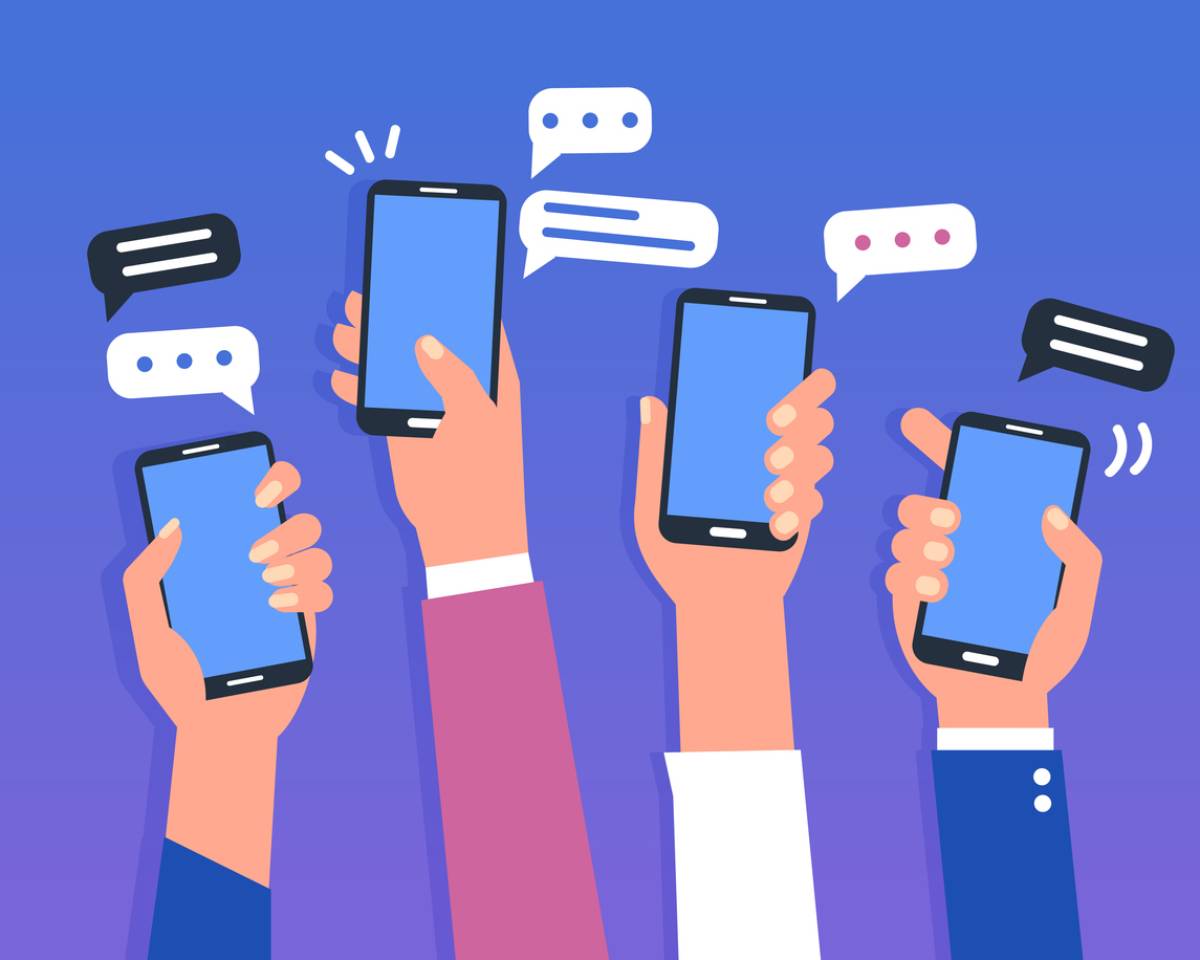
Hands holding smartphones. Social media chat concept. Flat style vector illustration.

The Rise of Conversational Marketing Through SMS

For years, SMS marketing has followed the same basic pattern: a discount code, a deadline, and a link. This method is still effective, but SMS marketing has shifted towards conversation. Customers can now reply, ask a question, get help with a product, or solve a problem without leaving the message thread.

Automated texting software approaches customers less like a name on a mailing list and more like an open line of communication. The point isn’t to send promotions faster. It is to make the buying experience feel personal personal, easier, more responsive, and less frustrating. Businesses can support positive customer experiences with automated texting software and create relationships that lead to repeat business when SMS marketing is implemented strategically. 

Two-Way Conversation

In the past, SMS marketing has been primarily one-sided. Now that it has expanded to two-way conversation, a customer can text back with a question and receive a reply that actually answers it. The interaction can continue by discussing products, completing a purchase, checking an order, or asking for help if you experience an issue. And with automation, businesses don’t need to designate a live employee to handle the bulk of the work. 

Why Traditional SMS Is Losing Its Edge

People have been trained to tune out the second they see a promo code anymore. When customers get five discount texts a week from five different brands, they stop reading them. A channel built with one-way communications loses momentum fast, and competitors are already working to figure out something better. 

Changed Expectations

Texting has become a culture of its own and is used globally by just about everyone. The rise of SMS messaging has created an opportunity for businesses to create meaningful interactions with customers that don’t feel pushy or mechanical. People all over use texting to correspond with their doctor’s office to confirm an appointment. They text about tracking status, school updates, and everything in between. Once that has been normalized across a person’s communication system, a brand that only sends and never thoughtfully responds starts to feel dated. 

The Role of SMS Is Expanding

The communication channel that used to send sale alerts now handles product discovery, order questions, exchanges, and loyalty nudges, all in the same thread. Customers can get real answers to their questions within a text or two. Someone who just purchased can get restock alerts. SMS marketing has created a line of communication customers can pick back up whenever they need to. 

Slow Growth

The system falls apart without trust. Overmessaging burns out a list fast. When used carelessly, it can feel like an invasion, and unsubscribers climb quickly once that line is crossed. If automation is not implemented efficiently, it can cause real damage to a brand’s credibility. Consent is also a big component in the growth of sms marketing. A brand should pay close attention to opt-in and opt-out procedures from the very beginning. Overlooking or treating it with little care and consideration can create compliance issues and negatively affect customer trust. 

Looking Forward 

The future of SMS marketing will not be shaped by whoever sends the most texts. It will belong to the brands that use the channel as part of a larger system that fosters customer relationships. When conversational SMS is implemented efficiently, it helps reduce friction. It is a tool customers can return to to choose, buy, fix, return, reorder, or understand something without jumping between platforms. This is when customers stop feeling like SMS is a marketing interruption and feel like their time and attention are valued. 

Request a demo to learn how texting software can help your brand respond faster, personalize outreach, and gain new customers without the extra work. 

Human hand using laptop.

Why Businesses Should Use Landline Texting

You’ve slapped your number on every piece of marketing material since you first began. You can find it on your website and your business cards. The problem these days? Nobody wants to call anymore. This means that a perfectly good business number you strategically place on your marketing materials is going to waste. Meanwhile, your customers are sending hundreds of texts a week to everyone except you. To remedy this discrepancy, companies are turning to landline texting software. This technology lets you text your customers from the same number you’ve been calling for years. With automated texting software handling the backend of your existing landline, you can reach your customers in a way that gets a response rather than being sent to voicemail. Times are changing, and if you continue relying on old-school methods to reach your customers, you’re going to miss out on countless opportunities to engage them and strengthen your business. 

Customer Communication Preferences

Phone calls to companies have been declining for a few years now, while text messaging has increased exponentially. Most would rather send a text and keep doing what they are doing. For customers under 35, this is especially true. Texting aligns with how most of your customers move through their day. Businesses that only offer phone support are missing out on a momentous opportunity to really connect with their customers. 

Landline Texting Software Functionality

Landline texting software is easy to integrate into your business. It lets you keep your original business phone number and adds text messaging capabilities. You can access this technology through your existing phone service provider or enlist a third-party platform to route text messages to and from your landline number. Reading and responding to text messages is as simple as opening a web browser or a mobile app on your phone. Even better, most software on the market doesn’t require any changes to your hardware or installation of new equipment. 

Customer Experience Enhancement

Most of your customers are tired of being bounced from one automated voice to another when making a phone call, or of listening to overly cheerful music while on hold, and their frustration builds. With texting, they send a message and get on with their day with little interruption. The flexibility text messaging offers is something your customers rely on. It doesn’t require both parties to be available at the exact moment. 

Another benefit is the written records. Customers can scroll back to find an address that was sent or a tracking number they need without having to spend time making a phone call. People like to communicate in more than one way, and text messaging eliminates the constraints of a traditional phone call.

Implementation Considerations

Implementation is relatively simple, but there are some considerations to keep in mind before you commit. Some software may not be compatible with your current setup. Before deciding on a platform, check that it will work with your phone carrier or system type. Training is easily overlooked but can have a huge impact on your customer relations. All team members who will be handling the landline text messaging side of things need to understand the etiquette required for successful text message interactions. You also need to decide who will handle incoming texts. 

The Future of Business Communication

The shift towards text messaging is more popular than ever, with no signs of going out of style. Landline texting is a valuable resource for businesses wanting to adapt to today’s modern world. Implementing today’s technological advances could be the answer to customer engagement, and the technology is so simple that you could be ready to send your first landline text message in a few short hours. 

CTA: Want to add landline texting to your business? Get in touch today!

Reference:

FCC. (n.d.). Trends in Telephone Service.