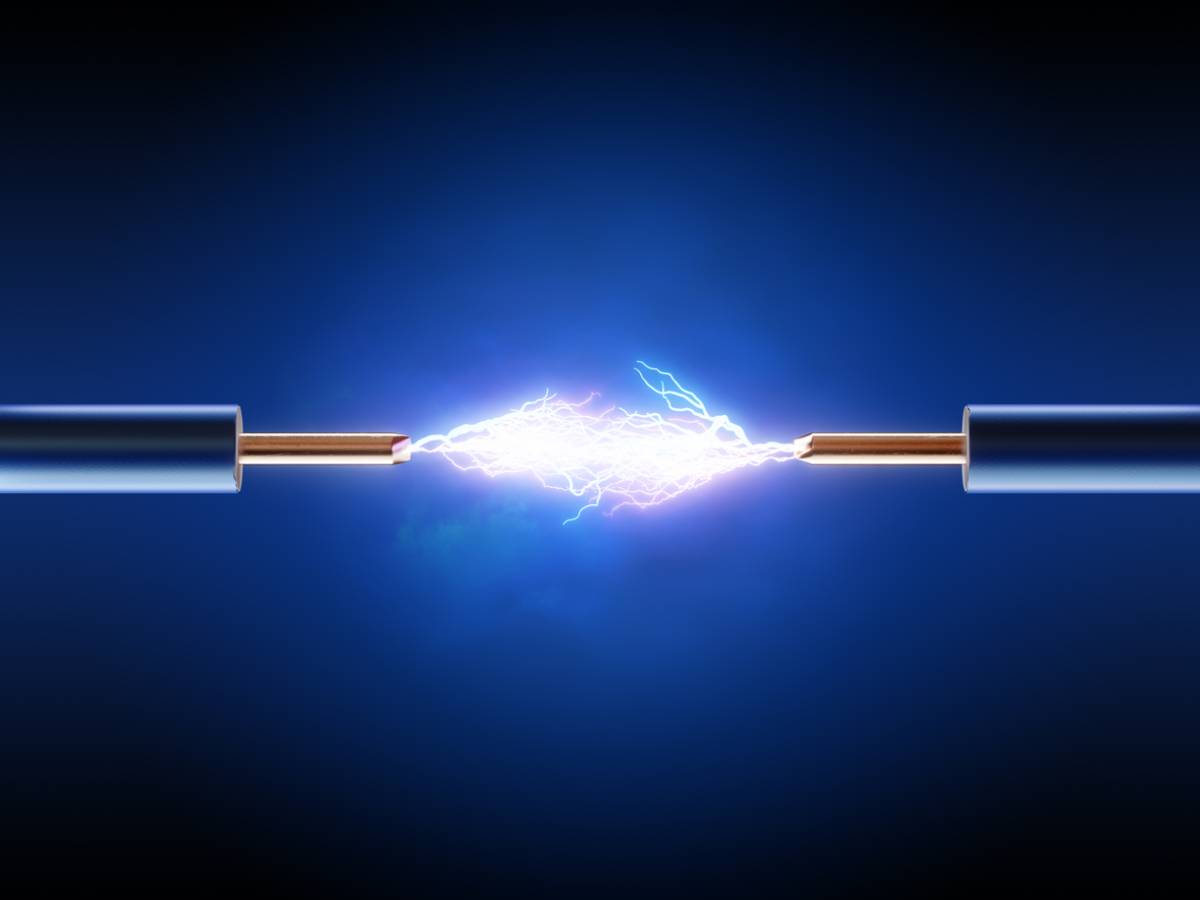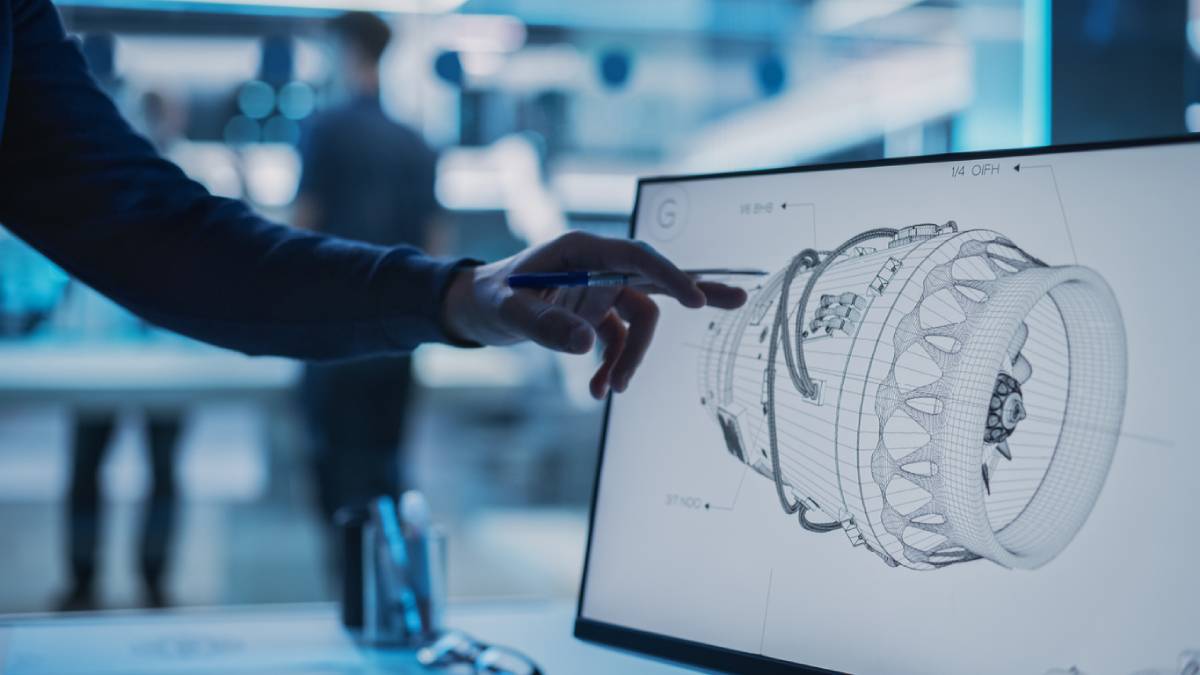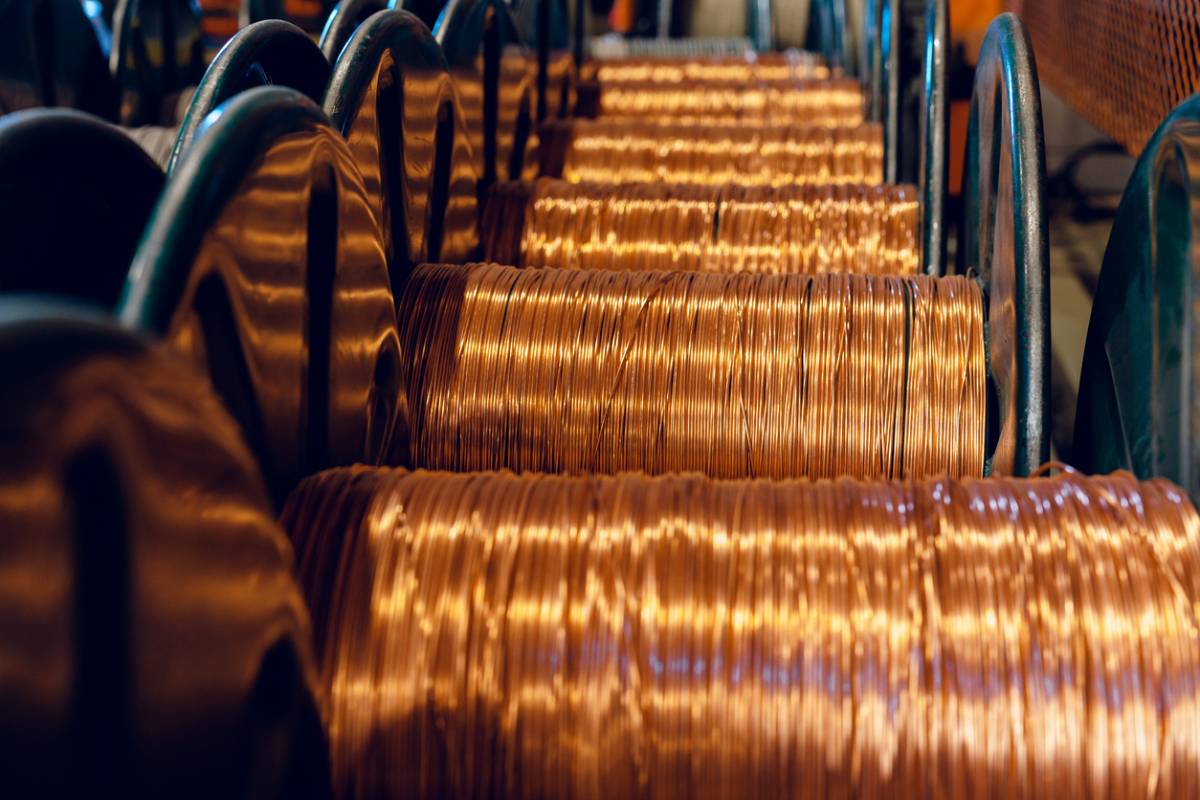
featured image for why custom cables matter for your business

Why Custom Cables Matter for Your Business

Having custom wire & cables can make a significant difference in function and duration. While not every business may need custom products, many absolutely do. In sectors like aerospace, for example, absolute precise specifications are a must. So let’s see why custom cables matter for your business.

Why Custom Cables Matter for Your Business

Optimized Performance and Signal Integrity

Putting on a small powerpoint for the office might not require absolute signal fidelity. But many other industries do, especially data centers, telecoms, and 5G networks. High-quality custom cables are made of premium materials and excellent shielding. Together, these minimize signal loss and electromagnetic interference.

Enhanced Durability in Harsh Environments

Aerospace in particular puts materials through some of the harshest environments around. From radiation to extreme temperatures, cables are exposed to elements that require specialized jackets and connectors. Even environments that are stable but require continuous flexing may need such solutions. Examples include:

  • Robotics
  • Industrial automation

Operation Efficiency and Reduced Downtime

Custom lengths help avoid “cable nests” to begin with. Even better, custom sizes help promote airflow, which reduces cooling costs. Organized, custom-color-coded cables simplify maintenance and troubleshooting, which streamlines efficiency.

Space and Weight Optimization

In certain industries, every gram counts. Custom designs maximize the mass of cables down to micro precision. Even a single extra millimeter could mean cable failure in some cases.

Long-term Cost Savings

The higher initial investment may cause some clients to shy away. However, the long-term reduction in cost is well worth it. Expect fewer repairs, less waste, and reduced likelihood of premature wear and tear.

Safety and Compliance

Custom wires and cables reduce the risk of events like fires or shocks. You can also ensure full compliance with national and international safety standards.

When to Consider Custom Cable Solutions

Some industries make choosing custom cables the obvious choice. But many other instances might seem more of a gray area. Knowing when to go custom involves fully visualizing your business’s needs. Some businesses may be surprised at how they may actually need custom cables.

Some reasons organizations may consider custom solutions include:

  • Experiencing frequent cable failure due to movement, environment, or vibration
  • Needing nonstandard cable lengths
  • Having unique connector requirements
  • Routine exposure to heat, chemicals, or moisture
  • Desire to simplify complex wiring situations

What Is the Process for Getting Custom Cables?

Defining Technical Needs

The process begins with sorting out the precise specifications and environmental needs for your cables.The more detail, the better. Some companies provide assistance in this step, matching clients with an engineer to figure out the numbers and build up the right documentation.

Quote & Proposal

With the needs outlined, you will receive a quote that breaks down estimated costs and timeframes. Ideally, this should be fully transparent and easy to understand even without an engineering degree. Factors like materials, cable quantity, and ease of production all factor into a quote.

Prototyping

Before mass production begins, several prototypes may be made. These can then be tested to ensure they perfectly match the requirements of their use. Mass production only begins once a prototype is fully approved. Not all cases involve mass production, but they may still need a prototype.

Manufacturing

The cables you need are made and cut to precise specifications. Each cable will go through a series of quality assurance steps before it is shipped off to the client.

The Top Solution for Specialty Cables

Whatever industry you are in, Calmont Wire and Cable offers specialty cable solutions that make a difference. From aerospace to medicine and everything in between, reach out to start with prototypes or build custom specifications.

featured image for what tools will I need for my tech startup

What Tools Will I Need for My Tech Startup?

Starting a tech business is an exciting adventure filled with innovation, challenges, and, perhaps most importantly, the need for the right tools. That being said, one common question entrepreneurs often ask is: What tools will I need for my tech startup? 

From software solutions to hardware components like cables and wiring, having the right equipment from the start can significantly benefit your tech startup. Let’s dive in and talk about the essentials to get up and running smoothly.

What Tools Will I Need for My Tech Startup?

When launching a tech startup, your toolbox will quickly become the backbone of your operation. The “tools” here include a range of hardware and software tailored to your product development, testing, and production processes.

Early on, it’s essential to identify tools that support:

  • Product design and prototyping
  • Efficient testing and troubleshooting
  • Reliable connectivity and power supply

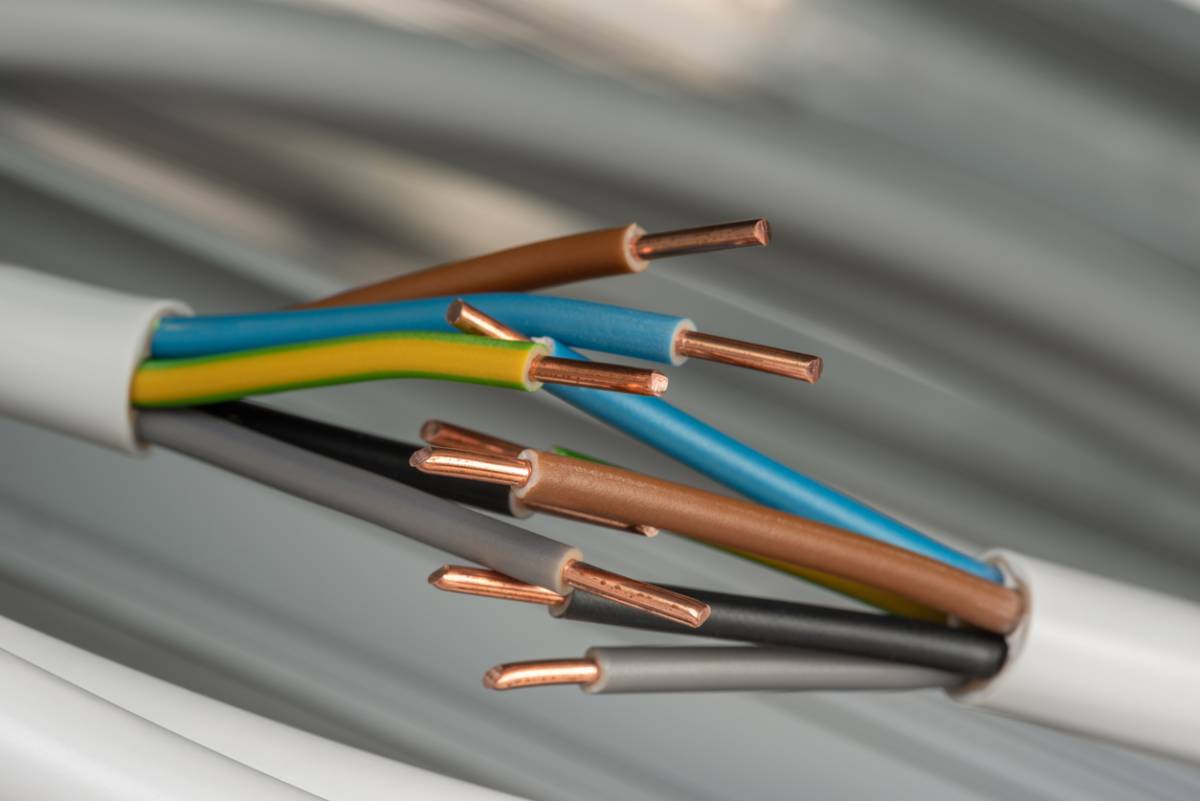
A common but often overlooked category is custom wires and cables. These components are critical for ensuring stable, high-performance connections in your devices and prototypes. Off-the-shelf cables sometimes can’t meet the specific size, flexibility, or shielding needs your project demands.

By partnering with a provider like Calmont, startups can source cables tailored for their exact technical requirements and, in turn, help avoid delays and costly redesigns.

Essential Hardware Tools and Components

Beyond wires and cables, several hardware tools are crucial for any tech startup. These include:

  • Multimeters and oscilloscopes for diagnosing electrical properties and signals
  • Soldering stations to connect components securely
  • 3D printers or CNC machines for rapid prototyping
  • Breadboards and circuit testers for designing and iterating on circuits

Investing in high-quality, reliable equipment means fewer setbacks and smoother development cycles. And remember, the right cables and connectors ensure your hardware communicates without interference or signal loss.

Software and Collaboration Tools to Support Your Startup

While hardware is very important to any startup, software tools enable communication, project management, and coding—all vital for a successful tech startup. Consider tools such as:

  • Version control systems like Git for managing code updates
  • Project management platforms like Jira or Trello to organize workflows
  • Collaboration tools such as Slack or Microsoft Teams for team communication
  • Cloud platforms for storage, testing environments, or deployment

Using these tools alongside high-quality physical components gives your startup a solid foundation to innovate and grow.

Why Custom Wires and Cables Matter for Tech Startups

You might wonder, why focus on custom cables in your startup’s toolkit? The answer lies in precision and performance. Custom wires and cables allow you to:

  • Optimize length and flexibility to fit compact designs
  • Ensure proper shielding to prevent interference
  • Use materials compatible with your device’s operating environment
  • Simplify assembly with connectors designed specifically for your needs

These factors can directly impact your product’s reliability and user experience—something every startup aims to perfect.

How Calmont Supports Startups with Tailored Solutions

At Calmont Wire and Cable, we understand the fast-paced and evolving nature of tech startups. Our team works closely with innovators to:

  • Design custom cable assemblies matching exact specs
  • Provide expert advice on materials and manufacturing processes
  • Offer scalable solutions as your startup grows from prototype to production

Coming to our team for your custom wires and cables means you gain a partner invested in your success, not just a supplier.

Ready to Equip Your Startup with the Right Tools?

Choosing the right tools early on can set your tech startup on the path to success. Whether it’s sourcing custom wires and cables or finding expert guidance, Calmont Wire and Cable is here to help you build smarter and faster.

Contact us today to discuss your project and learn how we can support your startup’s unique needs.

concept for when to use high-voltage wires and cables

When to Use High-Voltage Wires and Cables

Wires and cables are used in so many different applications. From industrial settings to individual homes, they are an integral part of electrical systems. They power and transmit electricity. Knowing the difference between cables is critical for several reasons. It ensures the safety and efficiency of electrical systems. Below, you will find when to use high-voltage wires and cables.

When to Use High-Voltage Wires and Cables

High-voltage cables carry large amounts of electrical energy. They are specifically designed to do this. Because of the function of high-voltage wires and cables, they can handle a lot of electrical stress. High voltage cables often consist of a conductor, insulator, metallic shield, and protective outer layer. This is necessary to ensure the safety and reliability of the cable. High-voltage wires and cables are used in several different settings.

Industrial and Commercial Applications

Large industrial machinery and equipment require a lot of power. This is necessary to operate efficiently and effectively. High-voltage cables are used to supply power in these settings. They can easily transmit power without failure or risk of overheating.

Large Buildings 

Large building complexes and high rises use high-voltage cables. This is because they need adequate power to operate the entire building with ease. High-voltage cables are effective in distributing electricity evenly. They can also withstand the pressures that come with large buildings, including lighting, HVAC systems, and elevators. 

Applications Over Long Distances

High-voltage cables are effective in transmitting electricity over long distances. Common applications that require this include power plants, Which transmit electricity to homes and businesses. Reliable and consistent power is necessary for localities to operate effectively. High-voltage cables can ensure this without issue.

High-Power Electric Vehicles

Electric vehicles have become more and more popular over the last few years. High-voltage cables are used to connect the battery to the vehicle’s motor. They are also used to connect the vehicle to other high-power components like the charging station. They are used for electric vehicles, large and small, including electric cars and buses.

High and Low Voltage Cables

There are unique differences between high and low-voltage cables. Both operate for the same purposes, transmitting electricity and providing power to applications. However, they have unique differences. High-voltage cables are used to power large applications. This includes industrial and large-scale electrical systems. They can reach long distances due to their massive power. Unlike low-voltage cables, they have thicker insulation, stronger conductors, and metallic shielding.

Alternatively, low-voltage cables are used in smaller applications. This includes basic electrical systems and small appliances. They are often used in residential settings as they do not need to reach long distances. Low-voltage cables are commonly designed for everyday electrical needs, including smart home devices, telecommunication systems, and home wiring. They do not have as much power as high-voltage cables. Despite having a lower voltage, they should still be used with care and caution. All electrical cables and wires have the potential to be dangerous if they are not used as intended.

Custom Wire and Cable Supplier

Getting the right cables and wires for your application is critical for its overall function. Working with a custom wire and cable supplier is key to ensuring you find the right product. The team at Calmont Wire & Cable has been in the industry for decades. They are industry leaders as they have worked in countless industries. From the medical field and robotics to the aerospace and military industry. Their team of engineers can customize and design cables that are right for your application. Contact their team today for more information!

concept of woman presenting after a schedule a tech seminar

How to Schedule a Tech Seminar

Scheduling, and planning a tech seminar can be both rewarding and overwhelming. It may cause the organizers some sleepless nights especially when there are glitches in the plans. Below, we cover how to schedule a tech seminar.

From budgeting to making sure the attendees stay engaged throughout the event to ensuring that the technical aspect of the event is well-executed, there are just a lot of elements involved and things to be considered. But with a strategic, structured approach and meticulous planning, and possibly the help of a custom cable company, you will be able to pull off a successful seminar that meets or exceeds your expectations and delights the participants.

If you are a newbie looking for a step-by-step guide on how to schedule a tech seminar or you are an experienced planner who is simply looking for some fresh ideas, this post will be a big help to you.

How to Schedule a Tech Seminar

Goal Setting 

Start with a clear purpose in mind. What is your goal? What objectives do you want to achieve? Start with the end in mind. Think about your attendees. What do you want them to get from this seminar.

Goal setting will make sure that you do not end up like a tumbleweed that is going to be tossed to and fro and get lost in all the overwhelming details.

Your Target Audience

Identify your attendees. Who are they? Understanding who they are, the industry they come from, and their profession may influence many decisions. Are you targeting engineers, researchers, or product managers? Your seminar should be customized according to the needs and interests of your target audience. This will make your seminar more relevant and appealing.

Seminar Format

Events nowadays can be face-to-face, virtual, or hybrid. Each one has its pros and cons.  Face-to-face seminars provide more personal connections that one does not get from a virtual format. Meanwhile, virtual events allow you to reach more people from different parts of the world without them ever having to buy a plane ticket.  Hybrid events provide the venue for you to do both.  In the end, you will have to think about which format best suits the needs and expectations of your audience and which would help you achieve your purpose. 

Funding and Budgeting

Now that you’ve laid down the foundations of your seminar, it’s time to think about money. 

Start by listing down all possible expenses. Think about venue rental, speaker’s fees, food for participants and marketing expenses. If you have chosen to go hybrid or virtual, do you have the technical requirements for that or do you need to pay extra to be able to accommodate all attendees?

Where will the money come from? Will you shoulder everything, or can you think of other brands who might see value in working with you and sponsoring a part of your expenses? Talk to them and show them how sponsoring your event can be of benefit to them.

Date and Time

Choose a date and time for your seminar. Consider major holidays and industry conferences that may pose problems for you or the attendees. 

Your Venue

Choose a comfortable venue with adequate seating and audio-visual equipment and complete with all the necessary technology. If you are going hybrid or virtual, what platform will you use? Will it allow breakout rooms and other interactive features?

Seminar Timeline

Create a seminar schedule and note the time of the sessions, breaks, and other activities.

Engaging Agenda

Plan your agenda. Make it engaging and out-of-the-box. What has never been done but is possible to be done? What unique elements can you integrate? Always think about your attendees. What are their interests and desires? Give them opportunities to meet other attendees and expand their network.

Resource Speakers

The success of your event depends largely on the quality of your speakers. Look for experts in the industry who are not only knowledgeable but who are also engaging and capable of capturing the audience’s attention.   

Promotion

Get the word out there. Use social media, and email to inform your target audience about your seminar. Send out newsletters, and updates. Come up with an email sequence designed to excite your target audience about your event. Send regular reminders and countdowns as the deadline for registration nears. Offer discounts or exclusive perks for early birds.

Plan for a Successful Seminar

Planning a seminar entails a lot of hard work, patience, multitasking, and organizational skills. However, even an inexperienced person can pull it off and be rewarded with a successful event if they keep these ten steps in mind.  And if, by any chance, you are planning wire and cable seminars, we will be more than happy to help you and your engineers. No need for you to prepare the course materials because we will do it for you.

featured image for what is a cable spark test

What Is a Cable Spark Test?

Quality control is an integral part of the manufacturing process. This ensures the safety and integrity of the entire process. From employees to the machinery itself, maintaining high standards of both quality and safety is key. A cable spark test is an important part of this process. You may wonder, what is a cable spark test? Below you will find more information about the test and why it is important.

What Is a Cable Spark Test?

A cable spark test is a quality control measure used during cable manufacturing. It is an important wire and cable testing measure that ensures the safety and integrity of electrical cables. It is essential for detecting cable defects, including cuts, nicks, or punctures in the cable’s insulation. 

The test itself involves applying a high voltage to the cable. This voltage is much higher than the cable’s actual operative budget. The test involves gradually increasing until it reaches the desired level. The insulation is examined to ensure that there are no signs of sparking or arcing. If either of these occurs, it’s an indication that there is a defect. Common defects include a pinhole or void.  

Benefits of a Cable Spark Test

A cable spark test, also referred to as a high-voltage spark test, is necessary for several reasons. Consider the following benefits of a cable spark test.

Preventative: 

A cable spark test is a preventative measure as it effectively detects issues in the cable’s insulation. Common issues include cuts, nicks, or punctures. Without the cable spark test, these issues going unnoticed can lead to electrical failures, short circuits, or a fire. This can cause serious property damage and is a major safety risk.

Quality Control: 

Quality control is critical for both the consumer and the manufacturer, and consumers rely on products that are both safe and reliable. This is why it is important to purchase cables from a reputable custom cable company. Companies that have high-quality control measures, such as a cable spark test, provide you with peace of mind.

Safety Measure: 

Electrical cables can pose serious risks to both people and property. By conducting a cable spark test, it can reduce the risk of harm. Having reliable cables that are safe is a necessary investment. Untested cables can cost you a lot of time and money if there are issues in the future.

Spark Testing and Cable Manufacturing

Spark testing is a common step in the cable manufacturing process. Spark testing is not only done during the manufacturing process though. In fact, it is often done during the installation process and during routine maintenance. Because electrical issues can pose such serious risks, it’s critical to regularly check the integrity of your electrical cables. For those looking for custom cables, it’s important to work with a custom cable company that takes the necessary safety measures. 

While cable spark tests are not mandatory, they are highly recommended. Electrical cables are used in industries that require high standards of safety. Common industries and electrical cable applications include manufacturing, automotive, and aerospace. Calmont Wire & Cable tests its products regularly to ensure both safety and innovation. They provide more than just cable spark testing as they offer electrical, mechanical, physical, and network analyzer tests. 

Custom Wire and Cable Company

If you need custom cables that meet your specific application needs, contact the team at Calmont Wire & Cable. They offer customer wires and cables for a wide variety of applications, including medical, military, robotics, aerospace, and communications. Their skills and experience in the field make them industry leaders. Contact the team at Calmont Wire & Cable today for more information!

featured image for top aerospace vcs to watch in 2024

Top Aerospace VCs to Watch in 2024

Every day, millions of people fly all around the globe. This is because there are roughly 100,00 flights that take off and land each day. Because of this, the aerospace industry is continuously evolving and advancing. This is because the technological and safety requirements necessary to fly are vital to the health and safety of passengers and flight crews. These advancements require funding, and startups are excellent innovators in the field. Venture capitalists fund these companies and ultimately boost the aerospace field in a variety of ways. Below you will find the top aerospace VCS to watch in 2024. 

Top Aerospace VCs to Watch in 2024

Aerospace venture capitalists are investors who provide funding to startups in the field of aerospace. Venture capitalists, also referred to as VCs, specialize in providing funding to companies that develop technologies, products, and services that are innovative. These technologies, products, and services are related to aviation, space exploration, military defense, and national security. Investing in these startups is highly beneficial for the general public as it improves innovation, technological advancements, and market opportunities. Below are some of the top aerospace VCs to watch in 2024.

Airbus Ventures: 

Founded in 2015 in Menlo Park by Thomas D’Halluin, Airbus Ventures is an aerospace and defense CV. The company invests in companies that bring new and innovative technological approaches to the aerospace industry. Since its inception, they have funded a total of 60 startups and have had great success among them.

Boeing HorizonX Ventures: 

Founded in 2017 in Chicago by Boeing, Boeing HorizonX Ventures invests in late-seed and growth-stage startups. These investments result in revolutionary concepts in the aviation industry. Since the VC was founded, more than 30 investments have been made.

JetBlue Technology Ventures: 

JetBlue Technology Ventures is an aerospace and defense VC that focuses on investments that improve the general health of the travel and hospitality industries. Founded in 2016 in San Carlos by Bonny Simi, the VC has invested in companies at the early-stage and seed funding stages. Since its inception, the VC has funded forty investments and six diversity investments.

Lux Capital: 

Lux Capital is an American VC firm that focuses on investments in companies associated with science and technology, including aviation. They fund companies at various funding stages. The VC was founded in 2000 in New York by Josh Wolfe, Peter Herbert, and Rob Paull. Lux Capital has provided more than 380 investments with great success.

Promus Ventures: 

Founded in 2012 in Chicago by Mike Collett, Promus Ventures invests in companies focused on software and hardware markets. This includes companies in the aviation sector. The VC has made more than 125 investments during the early stages of a company’s life cycle.

Aerospace Innovation

Aerospace innovation relies on a variety of things, including funding. In addition to the financial component, there are several factors that lead to innovation. The companies, individual experts, and materials. An important component of aerospace innovation includes aerospace wire and cables. Cables are a critical component of aerospace technology, and their quality and reliability is key. Working with a custom cable company to ensure the necessary parameters are met is a necessary part of the process. This ensures that the cables are to your specific needs, including the quality, testing, and regulatory requirements.

The team at Calmont Wire & Cable has more than five decades of experience in the field. They are industry leaders who have pioneered innovation in aerospace, military, and robotics. Their services are unmatched when it comes to quality, pricing, and delivering the product on time. Contact the team at Calmont Wire & Cable today for any of your custom cable needs!