Featured image for Is It Hard to Learn How to Roller Skate?

Is It Hard to Learn How to Roller Skate?

Remember the first time you saw someone effortlessly gliding down the sidewalk on roller skates—wind in their hair, spinning like a disco-era dream? It looked magical… and maybe a little intimidating. Learning to roller skate can feel like stepping into a whole new world, one with wheels, wobbles, and wins.

Luckily, the good news is that if you’re wondering if it is hard to learn how to roller skate, the answer is: not really! With a little balance, a dash of patience, and a good sense of humor (you will fall at least once), roller skating can be a wildly fun way to move, groove, and maybe even discover your new favorite hobby. So lace up your roller skates, gear up, and let’s roll into what it really takes to get skating!

Is It Hard to Learn How to Roller Skate?

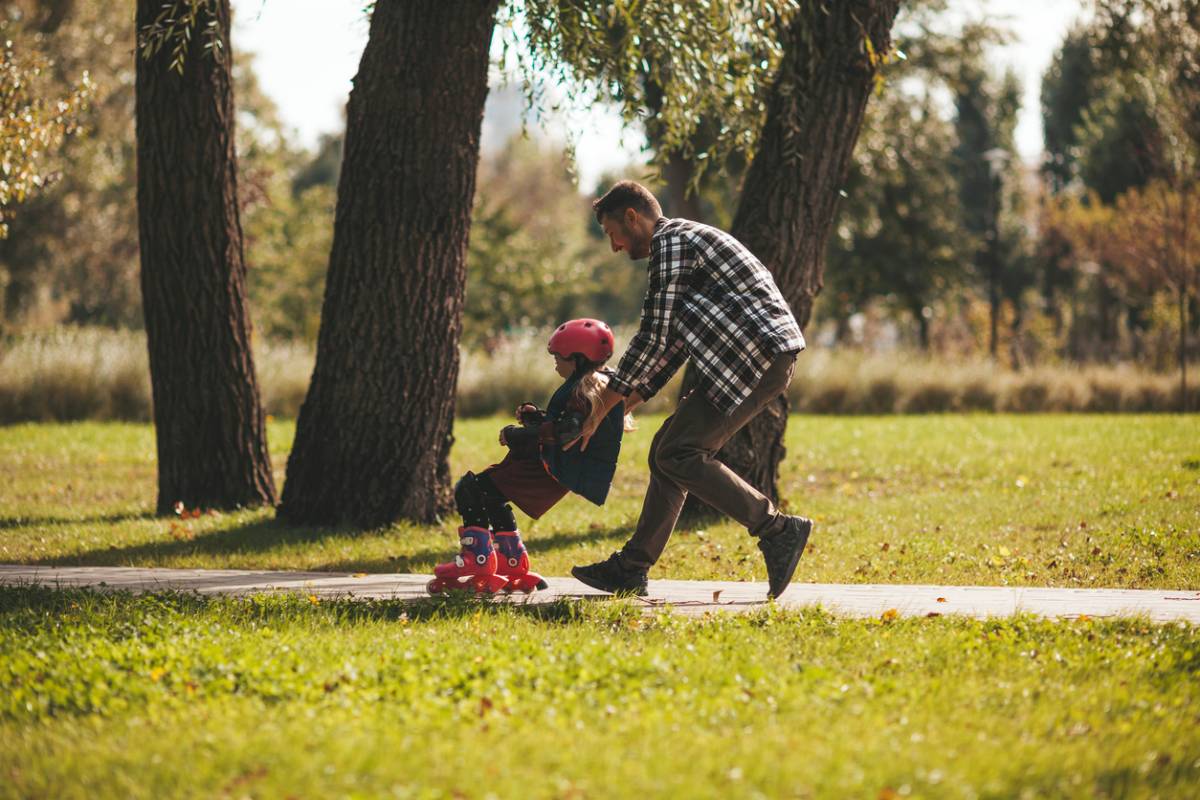
The simple answer? No, it’s not hard to learn how to roller skate. However, like any skill, it takes time and practice. Most beginners can grasp the basics of movement within a few hours of practice. While you might feel a bit wobbly at first, roller skating is a highly learnable activity that appeals to kids, teens, and adults alike.

If you’re willing to fall once or twice (with the right safety gear, of course) and laugh through the learning curve, you’ll likely be skating confidently within a few sessions. For many people, it’s just a matter of building balance and muscle memory.

What Makes Roller Skating Easier for Beginners?

Some activities are all about talent, but roller skating is all about persistence. That said, a few factors can make learning easier from the start.

Having the Right Roller Skates

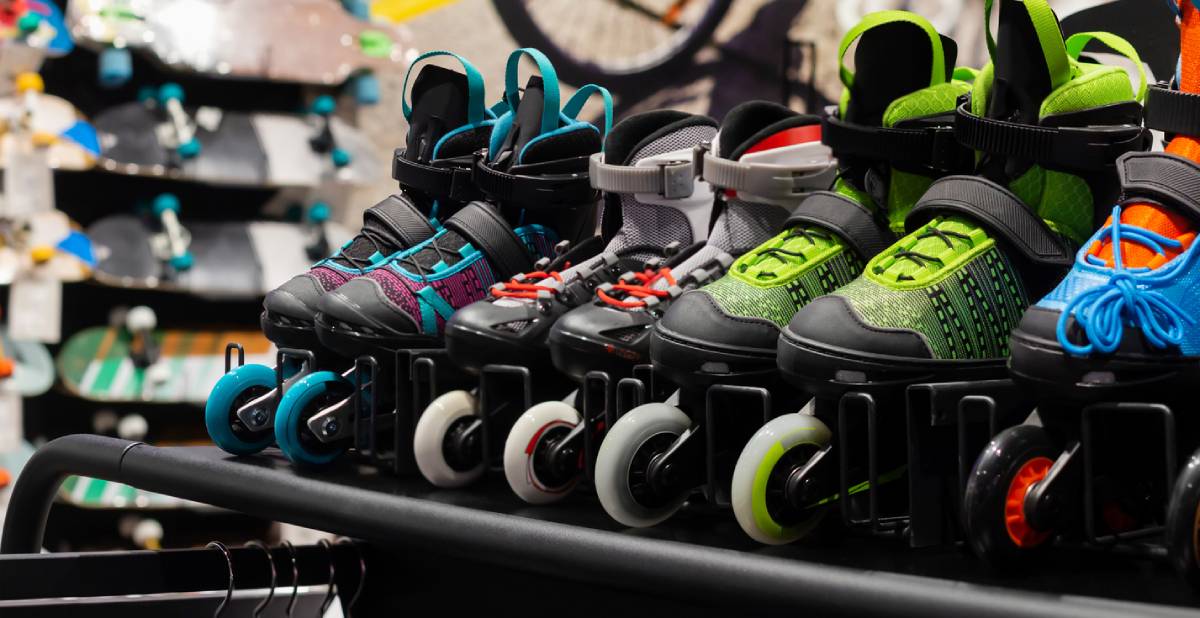
Not all skates are created equal! For first-timers, choosing the right pair of roller skates from a trusted roller skating shop like Crazy Skates can make a world of difference. Look for beginner-friendly models that offer stability, a comfortable fit, and smooth wheels suitable for the surface you’ll be skating on.

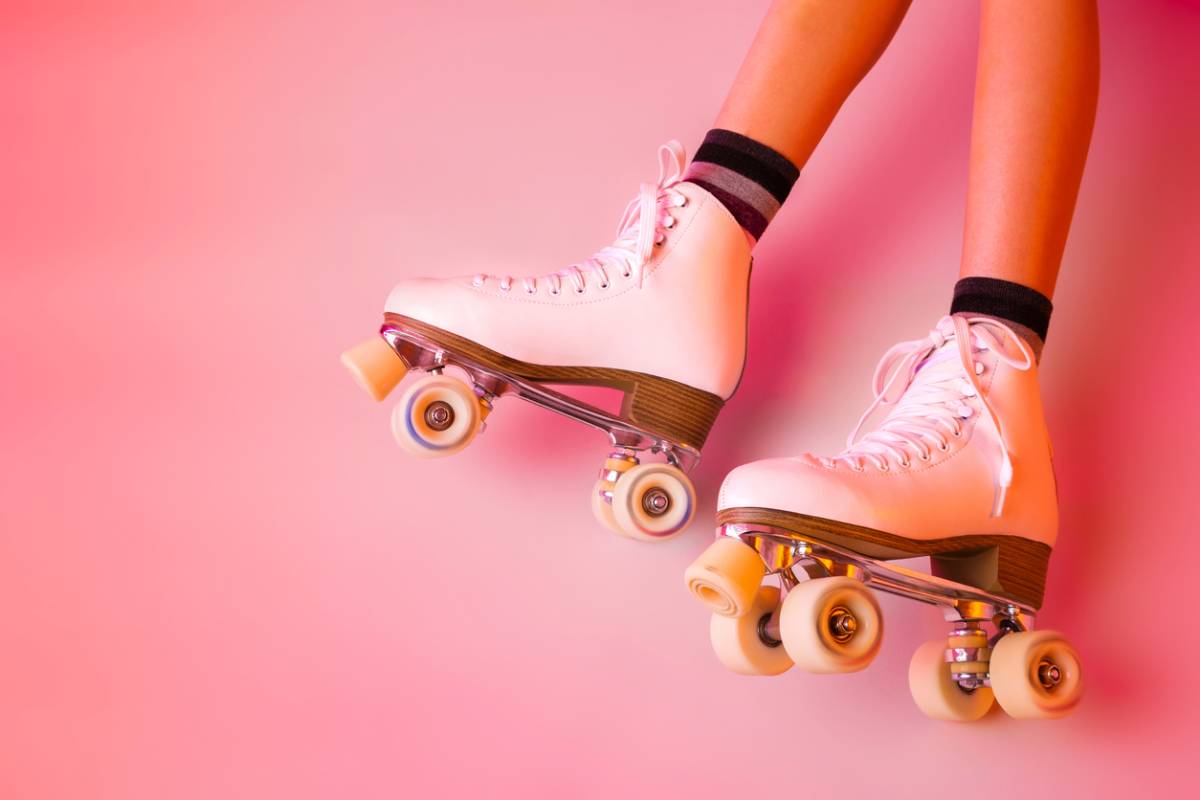
Quad skates (with two wheels in front and two in back) are especially good for beginners because they offer more stability than inline skates.

Practicing in the Right Environment

Start on a flat, smooth surface, such as a skating rink, basketball court, or even your driveway. Avoid uneven pavement, steep hills, or crowded areas until you’ve mastered stopping, turning, and controlling your speed.

Wearing Proper Protective Gear

Confidence comes from knowing you’re protected. Helmets, knee pads, elbow pads, and wrist guards can help reduce the fear of falling and make learning much more comfortable. Bonus: they also look pretty cool.

Common Challenges for New Skaters (and How to Overcome Them)

While skating is entirely doable, everyone experiences a few bumps along the way. Here’s what to expect and how to keep going.

Balance and Posture

Feeling off-balance is normal in the beginning. Try bending your knees slightly and leaning forward just a bit—this “athletic stance” gives you more control and stability. Keep your arms loose for balance, and avoid locking your knees or standing up too straight.

Learning to Stop

One of the most important beginner skills is learning how to stop. Most quad roller skates come with a toe stop, which you can use to gently slow yourself by dragging it behind you. Practice this move slowly and often so you don’t panic if you gain speed.

Falling (and Getting Back Up)

You will fall, and that’s okay! Learning how to fall safely is part of the process. Try to land on your protective pads and avoid catching yourself with stiff wrists. And remember: everyone at the rink was a beginner once. Falling just means you’re learning.

Choosing the Best Roller Skates for Your Learning Journey

Starting with the right gear can transform your learning experience. At Crazy Skates, we offer a wide range of high-quality roller skates built for beginners and beyond. From classic styles to colorful, modern designs, there’s something to match your style and skill level.

Our team is passionate about skating and ready to help you find the perfect fit—whether you’re taking your first step or upgrading as your skills grow. We believe that roller skating should be accessible, joyful, and empowering for everyone.

Ready to Roll? Let Crazy Skates Help You Begin

If you’re wondering, “Is it hard to learn how to roller skate?”—the answer is no, not when you’ve got the right skates and support! Browse our beginner-friendly styles at our Crazy Skates roller skating shop and let the fun begin.
Featured image for Is Rain Bad for Inline Skates

Is Rain Bad for Inline Skates?

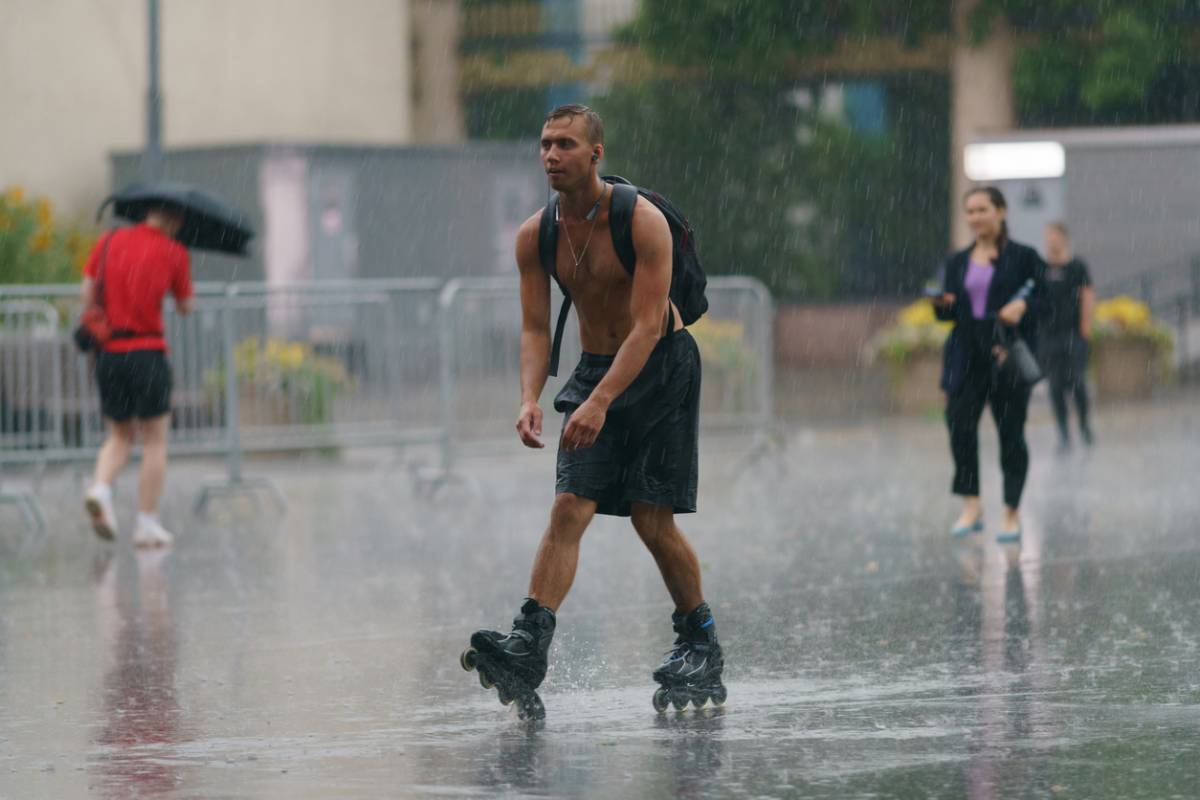
If you’ve recently visited a skate shop or decided to buy inline skates online, you’re probably eager to get rolling. The idea of gliding through your neighborhood, a park, or along a quiet path is appealing. But what happens when the weather doesn’t cooperate? A common concern among skaters is whether rain can harm inline skates. The answer is yes: rain can cause problems, and knowing how and why can help you protect both your equipment and your safety.

How Rain Affects Inline Skate Components

Inline skates are made of different materials, and not all of them respond well to moisture. Some parts are more susceptible to damage than others when exposed to water.

Bearings and Moisture Damage

The bearings inside your wheels are designed to help them spin smoothly. They are small metal parts that rely on lubrication to reduce friction. When water enters the bearings, it can wash away the lubricant. Without it, friction builds, leading to rougher movement and faster wear. Additionally, wet bearings are prone to rust, which can form rapidly once the steel is exposed to moisture. Rusty bearings not only reduce performance but can also seize up entirely, making the wheels stop turning as they should.

Axles and Frames

The axles, which attach the wheels to the frame, are also at risk. Since these parts are often metal, exposure to water can lead to rust over time. While the frames of most inline skates, usually made of aluminum or composite materials, do a better job resisting rust, dirt, and grime from wet streets, they can still build up and cause problems if not cleaned off promptly.

Boots and Water Absorption

Inline skate boots often combine a hard plastic shell with softer padding for added comfort. While plastic repels some water, the padded areas can soak it up. Once wet, these parts may take a considerable amount of time to dry. If not dried properly, boots can develop odors, mold, or lose their supportive structure as the materials break down.

The Safety Risks of Skating on Wet Surfaces

It’s not only your skates that face challenges in wet weather; your safety is affected, too. When the pavement is wet, wheels lose grip. Even high-quality outdoor wheels struggle to maintain traction on damp surfaces. This makes it more difficult to stop, turn, or maintain balance. Beginners, in particular, may find these conditions risky. Even experienced skaters often choose to avoid wet conditions due to the increased risk of slipping or falling.

Steps to Protect Your Skates After Rain Exposure

If you end up skating in the rain or unexpectedly get caught in a shower, it’s important to take care of your skates right after use.

Clean and Dry the Skates

After your session, wipe down the frame, wheels, and boot using a clean, dry cloth. Focus on areas where water and dirt tend to collect, such as near the axles and under the boot.

Remove and Dry the Bearings

If you are comfortable doing so, remove the wheels and the bearings. Let them dry completely before putting them back. Many skaters clean their bearings with a bearing cleaner or rubbing alcohol to remove any remaining water or debris. Once dry, reapply lubricant to help keep them working smoothly.

Dry the Boots Properly

Let your boots air dry in a well-ventilated space. Avoid placing them next to direct heat sources, such as heaters or radiators, as high heat can cause plastic parts to warp. You can place crumpled newspaper inside the boots to help absorb moisture faster. Be sure to change the paper as it becomes damp.

Preventative Measures for Rain-Prone Areas

If you live in an area where rain is common, or if you know you may encounter wet conditions, there are preventive steps worth considering.

Consider Stainless Steel Bearings

Some skate shops offer stainless steel bearings, which resist rust better than standard steel. While not completely rust-proof, they provide extra protection and may extend the life of your bearings when skating in damp environments.

Choose Skates with Water-Resistant Features

When you buy inline skates online or in-store, look for models that feature materials designed to handle moisture better. While no skate is designed for rain, some have better drainage or fabrics that resist soaking.

Regular Maintenance Matters

Regular cleaning and inspection of your skates can help identify minor issues before they develop into more significant problems. Make it a habit to check your bearings, axles, and boots for signs of wear or water damage, especially after skating on wet surfaces.

When to Stay Off Wet Roads

Although it’s possible to skate in the rain with proper precautions, most skaters choose to wait for dry conditions. The risks to your safety and the damage to your skates often outweigh any benefits of skating on wet pavement. Slippery roads, reduced control, and the risk of damaging your equipment make dry weather the better choice for an enjoyable and safe skating experience.

If you do get caught in the rain or choose to skate in damp conditions, taking the time to clean and dry your skates can prevent unnecessary wear and keep your gear in good condition. Whether your skates came from a local skate shop or you purchased them online, protecting them from water damage helps ensure you get the most value and enjoyment from your investment. Staying mindful of how wet conditions affect both your equipment and your safety will make each skating experience smoother and more rewarding.

Get Your Rain-Proof Skates at Crazy Skates

Visit our website today and grab a new pair of inline skates that can withstand the rain. 

featured image for are rooler skates allowed at skatepartks article

Are Roller Skates Allowed at Skateparks?

If you are considering starting rollerskating or switching from flat surfaces to a more challenging environment, you might be interested in going to a skatepark. But are roller skates allowed at skateparks? Please read our article to find out.

Are Roller Skates Allowed at Skateparks?

Skateparks are designed for wheel-based sports and are typically equipped with smooth surfaces, bowls, rails, and ramps. Often, skateparks are associated with skateboards and BMX bikes. However, as roller skating is gaining more and more popularity, a growing number of roller skaters appear in skateparks. 

Although, in general, roller skaters are welcome at skateparks, we recommend considering such factors as the rules and culture of the park you want to visit and personal safety. Let us look at these points in more detail.

Acceptance of Roller Skates in Skateparks

In general, most skateparks do not restrict visitors based on the type of equipment they use, meaning that regardless of whether you ride a skateboard, BMX, scooter, inline skates, or quad roller skates, you are typically free to use the space. 

Check the Rules of the Skatepark First 

Skateparks can have their own rules. These rules are typically posted at the entrance of the park. Some skateparks also have websites where you can check the rules and restrictions. Alternatively, you can try contacting the local parks and recreation department.

The rules might regard allowed equipment, specific attendant groups and time of their attendance, the number of people allowed to attend at any given time, or the residency of the attendants. Additionally, check the rules of the park for safety requirements (for example, many parks require wearing a helmet) and specific restrictions. 

Consider and Respect Skatepark Etiquette and Community

Nowadays, many skateparks have inclusive, diverse, and supportive communities. To enjoy being a part of such a community and to help it grow and improve, we recommend considering and respecting the existing etiquette of the skatepark you are going to attend, as well as several general rules of thumb:

  • Take turns using skatepark equipment, and do not try to cut in front of other people who are waiting for their turn. Not only is it disrespectful, but it is also highly unsafe.
  • Be aware of your surroundings and other people in the park, particularly of the flow of movement. Move in the same direction as other skaters to avoid creating collisions and hurting yourself and others.
  • Do not hesitate to communicate with others. Even a simple nod or eye contact can be sufficient to signal that you are going in a specific direction or planning to use certain equipment or features.
  • Never leave your gear, bags, or other things lying around and creating a hazardous environment for other people in the park. 
  • Respect people around you and be friendly, as skateparks are shared public spaces. This way, you will contribute to building a strong local community and make new friends as well. Also, do not hesitate to help others if they need it. 

Tips for Roller Skating at a Skatepark

We recommend following several simple rules to enjoy your experience to the maximum staying safe at the same time:

  • Start by practicing on quarter pipes and small ramps before challenging bigger options or bowls.
  • Remember that a lot of people in skateparks perform tricks or move at high speed. So, be prepared to pay attention to your surroundings and put safety first.
  • Always wear your safety gear, which should include a helmet, knee pads, elbow pads, and wrist guards, as breaking a bone is painful and will prevent you from skating for weeks or even months.
  • Consider taking a class for beginner roller skaters. In fact, many skate communities offer such classes to teach beginners how to navigate a skatepark and stay safe.
  • Learn and practice falling safely and getting up quickly to avoid collisions with other skatepark users. Rules for safe falling include falling on your pads on your knees and elbows and tucking in your arms to avoid wrist injuries.
  • Bring a friend to skate together, especially if you feel shy about being in a new environment.

Get Your New Gear at Crazy Skates

Most skateparks offer a supportive environment and fun experience for both new and experienced skaters as long as you respect the rules of the park and its community. However, to enjoy your experience, you also need reliable, good-quality gear. If you are considering upgrading your equipment or buying your first set, explore options at our skate shop. Crazy Skates offers everything you need to skate safely and confidently.

Featured image for Why Do Roller Skaters Wear Long Socks?

Why Do Roller Skaters Wear Long Socks?

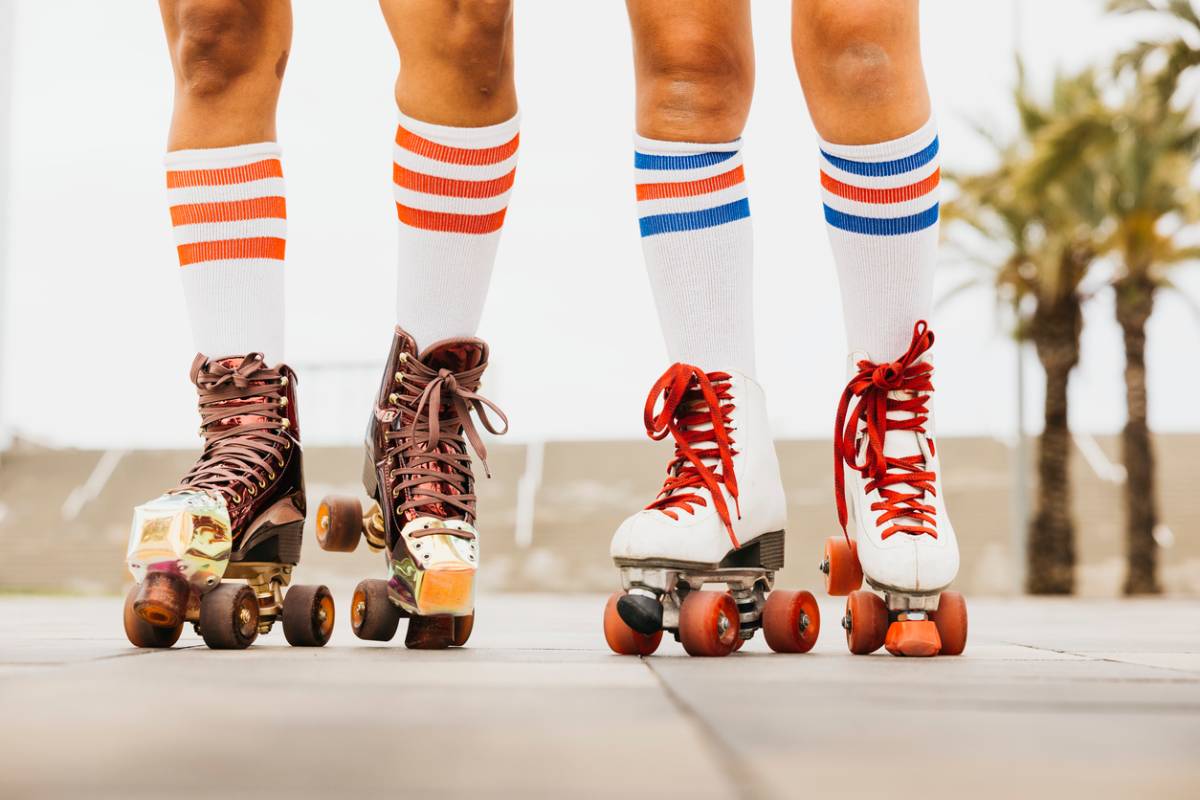
From the disco ball days of retro roller rinks to the neon-lit skate parks of today, one fashion detail always seems to roll right along with the skates: long socks. But have you ever stopped to ask: Why do roller skaters wear long socks? 

Sure, they look cool, but there’s more to skating socks than just aesthetics. Skaters of all levels reach for them for some very practical reasons, so let’s dive into why these stylish socks are a staple in the skating community and what they can do for you. 

Why Do Roller Skaters Wear Long Socks?

For the most part, roller skaters wear long socks for comfort, protection, and (yes) some personal style. While it might seem like a simple accessory, it can also actually enhance your overall skating experience from the moment you lace up your skates. 

One of the biggest benefits of long socks is preventing friction and blisters. Even the most well-fitting skate boots can cause pressure points or rubbing when you’re skating for long periods, especially when you’re breaking into a new pair. Long socks, in this instance, act as a soft barrier between your skin and the sometimes rigid material of your skates, protecting your ankles and lower legs from discomfort. 

At the same time, long socks also offer light compression to your lower extremities. This can improve circulation and reduce fatigue in your legs, which is particularly useful for long skate sessions. The added coverage helps your muscles stay warm and responsive, meaning less chance of cramping or soreness later on. 

The Fashion Side of Function: Socks That Make a Statement

But there’s more than just practicality when it comes to socks. Roller skating is all about expression, and your personality doesn’t stop at your skates. No matter where you’re choosing to skate, long socks give you the chance to show off your individual flair. And trust us, they’re a big part of skating culture.

You’ll often see skaters coordinating their socks with their skates or outfits, creating fun and creative looks. Wild patterns, bold prints, bright neons, sparkles, you name it, it’s probably out there. At Crazy Skates, our skating socks are made to turn heads and support your ride.

What Makes a Sock “Skating-Ready”?

Remember, too, that not all long socks are created equal. Just grabbing a random pair of knee-highs might not cut it if you’re serious about skating comfort. So, what should you look for?

First up, you’ll want to pick out some moisture-wicking fabrics like polyester blends, nylon, or technical knits. These materials are designed to draw sweat away from your skin, keeping your feet dry, cool, and blister-free even during intense sessions. Cotton, while cozy for lounging, tends to hold moisture, making it a poor choice for active skating, as damp socks can cause chafing and discomfort.

Breathability is just as important. When your feet can breathe, you’re less likely to overheat or experience that dreaded “soggy sock” feeling. Good airflow also helps prevent the buildup of odor-causing bacteria inside your skate boots, which is a must if you’re skating multiple times a week. Look for mesh ventilation zones or lightweight weaves in your socks for extra airflow without sacrificing durability.

Another thing to keep in mind? Durability and softness. You want socks that can stand up to frequent skating without thinning or pilling after a few washes. High-quality blends offer a nice balance between a smooth feel and long-lasting wear, so your socks stay comfy and effective no matter how often you hit the rink or streets.

Other Roller Skating Apparel Choices that Serve a Purpose

While long socks steal the spotlight, they’re just one piece of a smart skater’s outfit. Let’s explore some other apparel choices that are more functional than they might appear:

Padded Shorts or Leggings

Perfect for beginners or anyone pushing the limits, padded bottoms help protect your hips, tailbone, and thighs during falls. They’re often lightweight and discreet, and they are easy to wear under your favorite shorts or skating skirts.

Protective Gloves or Wrist Guards

Wrist injuries are common in skating. Gloves with built-in wrist support or separate guards are essential for protection and peace of mind. Plus, you can find fun designs that match your socks and skates.

Mesh or Performance Tops

Breathability is key. A fitted, moisture-wicking shirt will keep you cool and dry without restricting movement, especially if you’re skating outdoors or at a packed rink.

Ready to Sock Up and Roll Out?

When you’re ready to take your skating style and comfort to the next level, don’t overlook the power of long socks. Visit Crazy Skates, your trusted roller skating shop, to browse our collection of skating socks that bring both performance and personality to the rink.

Featured image for 5 Things to Know Before You Start Roller Skating

5 Things to Know Before You Start Roller Skating

Roller skating is arguably one of the most fun (and thrilling) ways to get up, get moving, and stay active, regardless of whether you’re gliding through your neighborhood, hitting the rink, or trying out a new trick at the park. But let’s be honest. Skating is also about more than just stepping into a pair of skates and taking off down the road. It is a majorly engaging hobby that can help you get more out of life and even get into shape, but a bit of information ahead of time can make the whole process so much easier! That’s why we’re here to give you a jumpstart with essential tips, starting with these five things to know before you start roller skating! 

Get the Basics Down

Roller skating might seem effortless, especially if you’re used to watching seasoned skaters, but it all begins with a few key fundamentals. First off, balance is everything! Before you start moving, practice standing still in your skates. Use a wall or railing, or even a friend, for support, bend your knees slightly, and center your weight over your feet. Getting used to this stance is the building block for any and all future movement. 

Next, expect there to be a learning curve (and embrace it!) Roller skating is a full-body workout, and your muscles, especially the ones in your core and legs, will probably scream at you after your first time skating. Be patient with yourself and your body. Progress comes with consistency, not perfection. 

Make Sure You Have the Right Equipment from the Start

When you’re just starting, quality skating equipment could very well make or break your first experience. Investing in a pair of roller skates that fit properly is step one. Ill-fitting skates are not only uncomfortable, they can actually be unsafe! That’s just one reason Crazy Skates offers a full range of sizes and styles, including some excellent options in our discount roller skates section that are perfect for beginners who want performance without the premium price tag. 

And don’t forget the other key essentials like a helmet, knee pads, elbow pads, and wrist guards. These extra safety pieces might seem like overkill, but they’ll save you a world of hurt and give you the confidence to push yourself safely. Like your skates, your safety gear should fit snugly and comfortably without limiting movement. 

Surfaces Matter More Than You Think

Not all skating surfaces are created equal, especially when you’re just starting! Plenty of beginners assume that they can skate anywhere, but the surface you’re skating on can hugely affect how your skates respond and how safe you feel. Smooth, flat indoor rinks are the best for practicing the basics, as they’ll have no cracks, rocks, or sudden inclines/declines to throw off your balance. 

If you are skating outside, stick to clean, paved trails or tennis courts while building your skills. Rough sidewalks or roads can trip you up fast. Once you’re more confident, you can explore these spots, but starting simple is smart. 

Learning to Fall is Just as Important as Learning to Roll

Here’s a tip that might sound backward but is absolutely important: learn how to fall! Everyone does it, even the pros. The trick is falling safely. Try to fall forward onto your pads rather than back onto your tailbone or wrists. Keep your arms tucked in, and use your knee pads and wrist guards to absorb the impact. 

You’ll also want to practice falling on soft surfaces, like grass or carpet, in full gear. It might feel silly, but building that muscle memory will save you from panicking when it happens unexpectedly on the pavement. 

Skating Style and Personalization Make it More Fun

Once you’ve got the basics down pat, roller skating becomes all about style and self-expression. That’s also where the fun really begins! From LED wheels to bright laces and cool decals, you can personalize your skates and gear to match your vibe. And, lucky for you, Crazy Skates has an amazing variety of colors, finishes, and add-ons to make your gear feel just as bold as you are. 

Ready to Roll? Let Crazy Skates Help You Get Started

Whether you’re shopping for your first pair or upgrading your setup, Crazy Skates has the skating equipment and deals to get you rolling in no time. Explore our discount roller skates, grab your safety gear, and let the adventure begin!

What’s the Difference Between Kick, Commuter, and Trick Scooters?

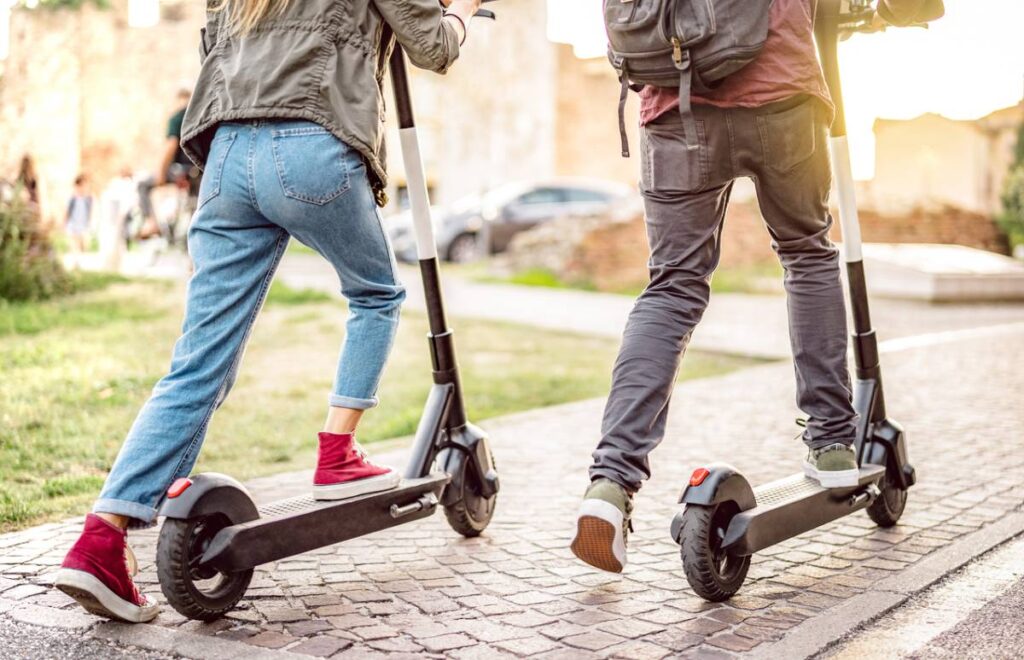
Scooters have become widely popular in business and entertainment in recent years. Skate shops are taking advantage of this and keeping a selection of scooters in stock to suit various activities. Personal mobility is more diverse than ever, and scooters have emerged as a popular choice for various lifestyles and preferences. Yet many remain unaware of the distinct categories that exist within this mode of transport. Kick scooters, commuter scooters, and trick scooters each serve unique purposes and are designed with specific features to cater to their respective users.

While kick scooters offer a simple and efficient means of getting from point A to point B, commuter scooters prioritize comfort and practicality for daily travel, and trick scooters are engineered for performing stunts and tricks in skate parks. Understanding the difference between kick, commuter, and trick scooters not only enhances your ability to choose the right variation but also enriches your overall experience of scooting.

What’s the Difference Between Kick, Commuter, and Trick Scooters?

Kick, commuter, and trick scooters share many commonalities, but where they differ has a significant impact on whether or not you get the most out of your scooter experience. They differ in their purpose, recommended ages of use, and durability. Commuter scooters are better suited for further distances, and kick or trick scooters are better for entertainment purposes. Kick scooters are the preferred option for children and beginners; they are also the most widely recognized. Commuter scooters are quickly gaining momentum with their increase in popularity in recent years due to their convenience and portability. Each type is outlined in more detail below.

Kick Scooter

The most common is the kick scooter. Put simply, a kick scooter is a mode of transportation you propel by pushing off the ground with one foot. It offers a simple design consisting of just a deck, wheels, and handlebars, making it lightweight. 

Kick scooters are best suited for beginners because of their ease of use and simplicity. They are also typically the most affordable and lightweight option.

Pros 

  • Affordable
  • Great workout
  • Exceptionally lightweight

Cons

  • Not as efficient as electric scooters
  • Limited range
  • Can be difficult to operate if you are unfamiliar
  • Not suited for off-road terrain.

Commuter Scooter

Quickly growing in popularity, the commuter scooter is an electric kick scooter. They are designed to be a convenient alternative to traditional forms of commuting. Often, they are lightweight and foldable, making them conveniently compact and portable. 

Commuter scooters are more progressive, taking advantage of technology to make them electric. Commuter scooters prioritize comfort and practicality during daily commutes. 

Pros 

  • Lightweight
  • Affordable
  • Compact

Cons

  • Can be bumpy
  • Not suitable for hills
  • May require a charger for longer commutes

Trick Scooter

Designed for those who want to learn or develop their skills in performing stunts and tricks. Trick scooters are built from more durable materials and features to take on the impacts and pressure that jumps, grinds, and other moves require. They can withstand greater force than commuters and kick scooters. 

Trick scooters impart greater durability in many ways to customize them to suit your preferences. However, these are often on the heavier side.

Pros 

  • More durable design and materials
  • Customizable

Cons

  • Heavier
  • Pricey 

Which Scooter is the One For You?

The world of scooters offers a diverse range of options to suit various needs and preferences. Kick scooters provide a simple, portable solution for short trips and last-mile commutes. Commuter scooters elevate the experience with electric power and enhanced features, making longer journeys more comfortable and efficient. Trick scooters, on the other hand, cater to thrill-seekers and extreme sports enthusiasts, offering durability and maneuverability for performing stunts.

Whether you’re looking for convenience, eco-friendly transportation, or an adrenaline rush, there’s a scooter type that’s perfect for you. So, hop on, push off, and embrace the freedom and fun that these two-wheeled wonders bring to urban mobility and recreational pursuits alike.

Get Started Today with Crazy Skates!

Hurry over for your new ride so you can scoot your way into innovative travel and fun. 

concept for 5 tricks you can pull off in inline skates

5 Tricks You Can Pull Off in Inline Skates

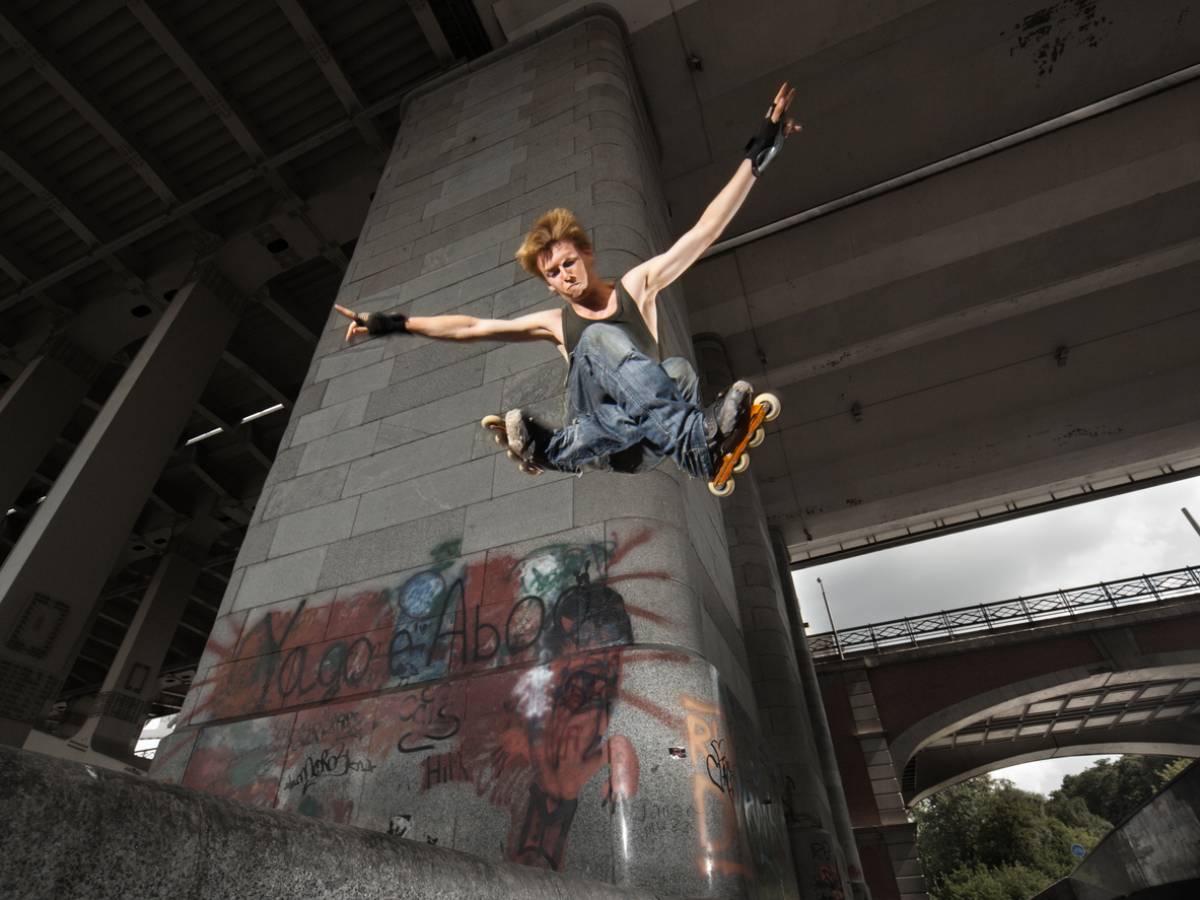
Rollerblading, or inline skating, is not just a fun, nostalgic throwback to the ‘90s; it can be a full-body workout and a really cool way to show off some skills! After getting down to the basics, you may be looking for some new tricks to add to your belt. Luckily, there are a myriad of tricks ranging from beginner to intermediate that you can learn. Lace up while we roll into five tricks you can pull off in inline skates with some practice (and the occasional bruised ego).

5 Tricks You Can Pull Off in Inline Skates

1. The T-Stop Slide 

Let us start with the T-stop, something as useful as it is impressive. With the word “stop” in its name, you can guess that this move is used to break. When it is done well, it almost looks like a slick move out of a dance routine!

How to do it: As you skate forward, move your weight over to your dominant leg, while dragging your other skate behind you gently. Make sure the other skate is at a perpendicular angle, which should form a “T” shape. Applying enough pressure creates friction and lets you slow down. What brings finesse into this trick is getting control; the goal is to glide into stopping instead of an abrupt stop. 

Pro tip: You can prevent your skates from wearing down and make your balance better if you do this trick on a smooth, dry surface. 

2. Heel-Toe Spin

This next one is a great way to work on your control and foot coordination with a balance of rhythm and flair. 

How to do it: Position one of your feet on its heel and the other foot on its toe. Use your core to rotate your body in a circle while keeping your feet in that stance. You might feel like a figure skater!

Be patient: You need solid core strength as well as balance for this one. Begin with smaller rotations while you build up your confidence. 

3. Bunny Hop

If you have ever jumped over a small object or crack in the sidewalk, you have already done a version of the bunny hop. The trick is to lift all your wheels off the ground in one controlled movement. 

How to do it: As you approach the object or obstacle, crouch slightly. Then, while using your legs, spring up and pull your knees towards your chest. Your skates should lift off together and softly land in parallel. 

Safety tip: Practice on grass or with protective gear before you try it on the pavement. 

4. Slalom Weave

The slalom weave is all about moving your skates in a side-to-side motion as you glide forward. It is a flowy trick that can build ankle strength and make you look like you are fluidly dancing through the cones. 

How to do it: Set up some cones about two feet apart. Begin with a forward glide as you get closer to them, and weave your skates in and out using your hips and ankles to control. Bend your knees slightly and keep your upper body relaxed. 

Why it’s worth it: This trick is the foundation for more complicated tricks and can teach you precise control of your edge work. 

5. The Backward Skate

Skating backward is one of the most impressive and useful inline skills because it can also serve as a gateway to more challenging spins. 

How to do it: Form a V-shape with your skates pointing outward and your knees bent. Alternate your pushes to glide backward while keeping your chest upright and looking over your shoulder. Practice in an open area until you feel you have a good sense of control.

Bonus challenge: Try to make your transitions from forward to backward skating smooth without stopping. 

Get Started Safely 

Before you try any tricks, make sure you are comfortable with basic skating fundamentals like balance, stopping, and turning. Practicing on smooth surfaces will help you feel more confident and stay away from injury. You can even check out some tutorial videos from professional skaters or join a local skating group. These groups are quite welcoming to beginners and can give you real-time feedback. 

Remember that every skater falls a lot. But each time can teach you more about your center of gravity and push you to be resilient. At the end of the day, just make sure you are being safe and having fun. Stock up on protective gear from a skate shop, and check out their cool skates to upgrade to as a reward as well!

Featured image for How to Plan a Roller Skating Date

How to Plan a Roller Skating Date

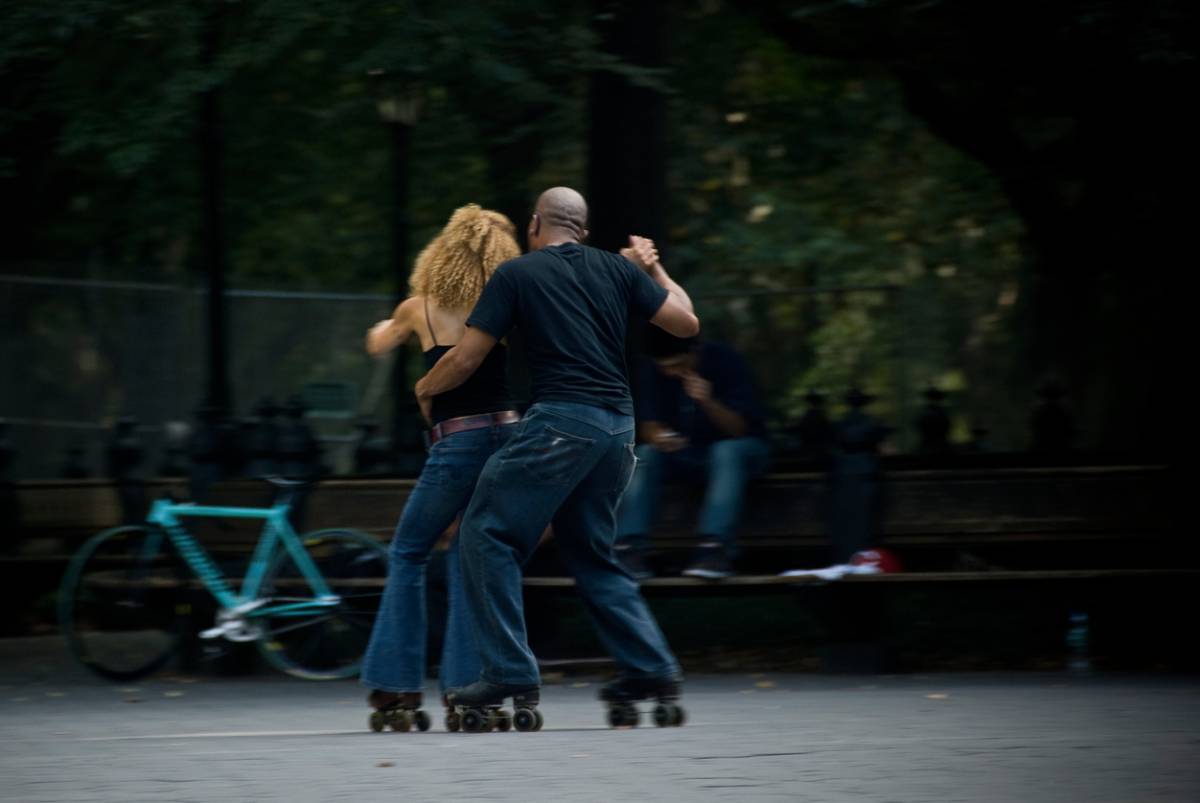
Do you want to shake up your dating game with something playful, active, and, most of all, fun? Then look no further than a roller skating date! Unlike a standard dinner or movie date, skating brings all sorts of energy, movement, and a whole lot of retro flair that guarantees memories (and hopefully some sparks) that last long after the wheels stop spinning. Whether you’re lacing up your skates for the first time or you’re already gliding like a pro, roller skating is a unique way to connect, laugh, and maybe even fall (gently!) into each other’s arms. But how do you plan a roller skating date? We explain below. 

How to Plan a Roller Skating Date

The first thing you’ll want to decide is where you’ll be skating. It could be at your favorite indoor rink, complete with music and neon lights, a local park trail, or a beachside boardwalk with sunset views. Pick a location that sets the right vibe for your date, but make sure it matches your experience level! A rink might be the perfect place for beginners, whereas outdoor skating can be a bit trickier. 

Next, check the opening hours, rental policies, and whether they host any themed nights. Think disco lights, retro ’80s throwback nights, or couples’ skate sessions. These events can add a fun twist and help break the ice, especially if you’re skating with someone new. 

And don’t forget to plan your wardrobe! Comfort is key, but that doesn’t mean you have to sacrifice style. Think jeans or leggings, a cute tee or vintage jacket, and don’t be afraid to accessorize with a pop of color. If you already own roller skates, that’s even better. You can even coordinate with your date for matching vibes!

What You’ll Need for a Perfect Skating Date

Once you’ve got the location, time, and clothing all set, it’s time to get geared up! Whether you’re renting skates at the venue or bringing your own, you’ll want to make sure that everything fits well and supports your ankles. A great pair of skates can make all the difference, and there are tons of stylish, high-quality options out there for you. 

If you’re buying new skates for the occasion or just upgrading your old pair, it might be worth browsing roller skating equipment that enhances the experience. Think padded knee and elbow guards, funky-colored laces, or LED wheels for a little extra dazzle. You can even gift your date some fun skate accessories as a cute surprise – they’ll love the thoughtfulness.

You should also consider packing a small essentials bag: water bottles, a mini first-aid kit, breath mints (hey, you never know!), and maybe a portable speaker if you’re skating outdoors and want to set your own soundtrack.

Tips for Making It a Date to Remember

  • Arrive early: If it’s a public skate night, beat the crowds and have time to relax before hitting the rink.
  • Learn a Trick Together: It could be a simple spin or a goofy dance move, but working through it together is part of the charm.
  • Plan a Mid-Date Break: Grab a snack at the rink café or pack a picnic if you’re outdoors. It gives you a moment to chat, catch your breath, and keep the connection going off the wheels.
  • Build in a Post-Skate Plan: Whether it’s dessert nearby, watching the sunset, or just strolling and talking, a low-key follow-up activity helps ease the end of the date and gives you space to keep bonding.

Roller Skating for First-Timers? No Worries

If you or your date is a little nervous about skating, lean into the fun of learning something new. Falling is part of the process, and laughing about it together is a great way to build chemistry. Be patient, keep things light, and if needed, grab a skate aid or stick to the edge of the rink for some extra support.

Confidence comes with time, and who knows? You might end up discovering your new favorite shared hobby. Bonus: once you’ve both found your groove, you can start planning future skate adventures together, be that theme nights, roller discos, or even just weekly cardio sessions with flair.

Ready to Roll Into Romance?

Grab your skates, find your rhythm, and let Crazy Skates help you turn an ordinary night out into an unforgettable adventure. Explore our roller skating equipment to start planning the perfect roller skating date today.

Featured image for Does Skating Reduce Belly Fat?

Does Skating Reduce Belly Fat?

Are you looking for a fun but legitimately effective and, best of all, exhilarating way to slim your waistline and shed a few stubborn belly pounds? Look no further than your nearest pair of roller skates! Does skating reduce belly fat? The answer is totally “yes!”

Whether you’re gliding through the neighborhood or showing off your moves at the rink, roller skating is more than just a nostalgic pastime.  In fact, strapping on a pair of quality skates from a trusted roller skate shop like Crazy Skates can put you on the path toward a trimmer, fitter you without ever setting foot in a gym. Let’s go over how, why, and what you need to stick with it. 

Does Skating Reduce Belly Fat? 

Let’s get into the nitty-gritty. Belly fat, especially the visceral kind that surrounds your organs and sits on your belly, is a major concern for many people. To effectively reduce belly fat, you need to engage in consistent cardiovascular activity, combined with a healthy diet and improved lifestyle. This is where roller skating comes in. 

Roller skating is a highly dynamic cardio workout that gets your heart rate up and keeps it there. Just 30-50 minutes of intense skating can burn anywhere from 200 to 500 calories, or even more, depending on your speed, intensity, and body weight. Over time, this consistent calorie burn helps you get into a calorie deficit. Being in said deficit is key to losing fat, especially that stubborn bit around your midsection.

But here’s the kicker. Unlike other forms of cardio, skating is fun! And that makes it easier to stick with it in the long run. 

The Core Advantage

While many people think of skating as purely a leg workout (and to be clear, it absolutely is), your core muscles are also engaged. Maintaining balance on wheels requires constant engagement of both abdominal and oblique muscles. This naturally helps tone your midsection over time. 

Skating also helps improve your posture. By keeping your upper body upright and stable, your abs are constantly activated, which, again, helps tighten and define your core. Add in some moves like weaving, crossovers, or spins, and you’ll feel that belly burn fast!

Full-Body Benefits

One reason we recommend incorporating skating into your fitness routine is that it is high-intensity and has a fairly low impact. That means it’s gentler on your joints than running, but still delivers the much-needed intensity needed to promote fat loss. It also targets your whole body, including:

  • Legs & Glutes: With every push, you’re sculpting quads, hamstrings, and that all-important booty.
  • Core: Balance, stability, and posture all engage your abs and obliques.
  • Arms & Back: Especially if you’re pumping your arms or carrying momentum, your upper body is getting a subtle but effective workout.

Make It a Routine, Not a Chore

The true key to burning belly fat—and keeping it off—doesn’t lie in one magical workout, but in creating a routine you actually want to stick with. That’s where skating shines. Unlike typical gym sessions that can feel repetitive or draining, skating turns exercise into something you look forward to. It’s energizing, freeing, and effortlessly fun.

Whether you’re gliding down a sun-dappled path at your local park, cruising along the boardwalk with music in your ears, or spinning circles with friends under city lights, skating never feels like work. It becomes a lifestyle—one that fits seamlessly into your day. Invite friends or family to join you, lace up for weekend beach skates, or take it up a notch by joining a roller derby team or skate fitness group. The joy, the movement, the connection—it all adds up to a habit that sticks.

Getting Started with the Right Gear

If you’re ready to lace up and hit the pavement, having the right gear is the key to getting those long-term gains. And, while it’s important for your comfort and performance, it’s also going to help keep you safe! 

Skate Your Way to a Leaner You

So, does skating reduce belly fat? Absolutely. When paired with mindful eating and a consistent routine, roller skating can be a powerful, enjoyable way to tone your midsection, strengthen your entire body, and fall in love with fitness again.

With the wind in your hair, music in your ears, and the right pair of roller skates under your feet, losing belly fat can be something you actually look forward to. Just make sure you’re having fun and staying safe!

Featured image for Which Skates Are Best for Beginners?

Which Skates Are Best for Beginners?

If you’re just getting into the world of roller skating, then you might have found yourself wondering what skates are best for beginners. There are plenty of options out there on the market, from colorful high-tops to sleek speed skates, making the choice more than a bit overwhelming. The key is to choose a skate that supports you in your early learning, boosts your confidence, and makes your experience smooth, safe, and super enjoyable. Today, we break it all down and help you find your perfect first pair of roller skates

Which Skates Are Best for Beginners? 

Let’s get straight into it. By far, the best skates for beginners are quad skates with a high-top boot, solid ankle support, and soft indoor/outdoor wheels. Why? These skates offer the perfect combo of stability, balance, and comfort for those just starting their skating journey. 

Quad skates (the ones with two wheels in the front and two in the back) are far more beginner-friendly than inline skates, which only have wheels running down the center. Their wider wheelbase makes balancing easier, and their design encourages a more upright position. High-top boots, on the other hand, help support your ankles while you’re getting used to turning, stopping, and rolling with control. 

What Should I Look for in Skates for Beginners? 

There are a few important features we recommend everyone keep an eye out for when it comes to picking their first skates. You want something that will help you feel stable and in control, not necessarily a pair that looks flashy but might leave you wobbling all down the sidewalk. With that in mind, here are a few tips. 

1. Comfort and Fit Matter More Than You Think

The most important factor when choosing beginner skates is how comfortable you feel. If your skates don’t fit well, you’re going to have a hard time enjoying yourself. Beginner skates should have soft padding inside and be snug but not too tight. Look for bits that feel secure around your ankles without pinching or causing blisters. 

2. A Supportive Structure Will Help You Stay Upright

Beginner skates should have a solid, supportive structure that keeps your foot and ankle aligned while you learn the basics. Look for reinforced boots and secure lacing systems or straps. This extra support can reduce the risk of rolling an ankle (ouch) or losing your balance.

3. Wheel Type and Size Make a Huge Difference

Soft wheels are better for beginners because they provide better grip and absorb more shock from small rocks or bumps. Smaller wheels, those around 58mm to 62mm, are also recommended since they make it easier to maintain control at slower speeds. Larger or harder wheels are usually meant for more advanced skaters who want speed and agility over comfort. 

4. Toe Stops Are Your Best Friend

When you’re just starting out, you’re going to rely a lot on your toe stops. These are the small plastic bumps at the front of the skate that help you slow down and stop. Make sure the skates you choose have adjustable toe stops that are large and easy to use. These can help prevent spills and help you learn how to brake safely. 

How Long Does It Take to Learn How to Skate? 

How long it takes can depend a lot on your balance, how often you practice, and the skates you choose. Most beginners start to feel steady within their first few sessions, especially with the right gear. The better and more stable your skates, the easier it will be to learn. Remember, one of the most important aspects of starting any new hobby is how you feel doing it. Beginner skates should help you feel confident and in control, not scared of every turn or bump. Choosing the right skates can make a huge difference in your experience and how quickly you improve. 

Our advice? Avoid overly advanced or “pro-style” skates right out of the gate. Sure, they look cool, but they can be hard to handle and might slow your progress. Also, you don’t want to rush. Go at your own pace and focus on balance and basic moves first. And finally, make sure you’re in a safe environment and wearing all appropriate safety gear

Ready to Roll? Let’s Get You in the Right Skates

Explore the full beginner-friendly selection at Crazy Skates and find your perfect first pair. Whether you’re skating solo or planning a group adventure, the right skates are just a click away!