Archives August 2026

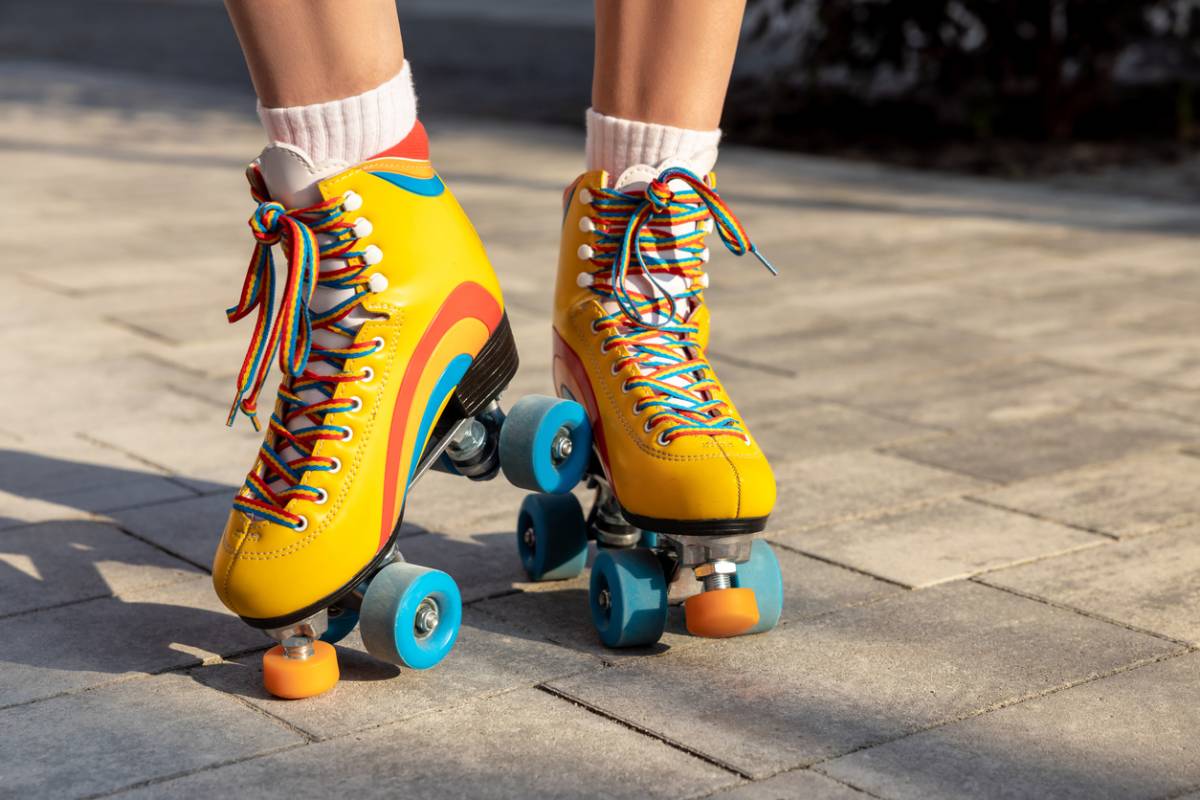
featured image for when should you replace roller skate toe stops

When Should You Replace Roller Skate Toe Stops?

Toe stops are one of the most important safety features on a pair of roller skates. Skaters can use them to slow down, stop, push off, or perform certain skating moves. But whatever they are used for, they need to provide reliable grip and control. The problem is, just like any other skate component, toe stops wear out over time. They also need to be replaced one day. The question is, when should you replace roller skate toe stops? How do you know when it is time to visit an online roller skate retailer for new toe stops?

When Should You Replace Roller Skate Toe Stops?

When Your Toe Stops Are Visibly Worn 

Visible wear is one of the clearest signs that the toe stops need to be replaced. When skates are regularly used, the rubber gradually becomes smaller and may develop an uneven shape.

Regularly check your toe stops for deep grooves, cracks, chunks of missing material, or excessive flattening. If the surface is noticeably worn compared to when it was relatively new, it may no longer provide you with the level of traction it used to provide.

Remember that toe stops may not have the same level of wear. If you use one foot more frequently to stop or perform certain movements, the toe stop may wear down faster than the other.

When They Feel Slippery

Toe stops are designed to provide friction against the skating surface. Observe if your toe stops are slipping more easily than they used to. If they are, they may be nearing the end of their useful life.

If your toe stops are worn, they can make stopping less predictable, especially on smooth surfaces. Rather than assuming you need to adjust your technique, inspect the rubber and see if it is time for a replacement.

When the Rubber Becomes Hard or Cracked

Toe stops are generally made from rubber or similar materials that can become harder with age. Old toe stops may deteriorate over time even when they have not been used frequently.

Look for visible cracks, brittleness, or a surface that feels unusually hard. These can tell you that the material is no longer in its best condition.

When toe stops are cracked or are beginning to break apart, replace them.

When Stopping Is Difficult

The skating technique, the skating surface, and the condition of the wheels and toe stops can all affect the skater’s stopping ability. Worn toe stops make stopping difficult.

If you observe yourself needing to press harder or changing your stopping technique because your toe stops no longer seem to grip the floor properly, take a closer look at your toe stops. Replacing your worn-out toe stops may restore the traction and confidence you need.

This is especially important to inexperienced skaters who depend heavily on their toe stops while learning basic stopping techniques.

When the Toe Stop Has Become Too Small

The lifespan of toe stops varies depending on how you skate, how you use them, your skating style, and the surfaces you skate on. This is why there is no universal schedule for replacing toe stops. They are not to be replaced based solely on a specific number of months. Their condition should be the number one consideration. The size and shape of toe stops change as they get worn down. Observe if it has gotten significantly smaller than when it was new. That may be a sign that it needs a replacement.

Do Not Wait Until They Fail

Do not wait for your toe stops to be completely worn before replacing them. If you notice significant wear or change in grip or performance, be on the safe side and replace them at once. When buying replacements, ensure that you choose toe stops that are compatible with your skates.

Give Your Toe Stops a Regular Check

Regularly inspect your toe stops. This will give you a chance to spot problems before they become serious. Inspect the rubber, check for cracks, and excessive wear. Observe the way your toe stops feel when you skate.

Get Quality Toe Stops Today

Replacing worn roller skate toe stops is part of roller skate maintenance. It may be simple, but it can make a big difference in your control and confidence.

Looking for a replacement for your worn-out toe stops? Check out our quality toe stops today and keep your skates ready for smooth, confident, and controlled skating. 
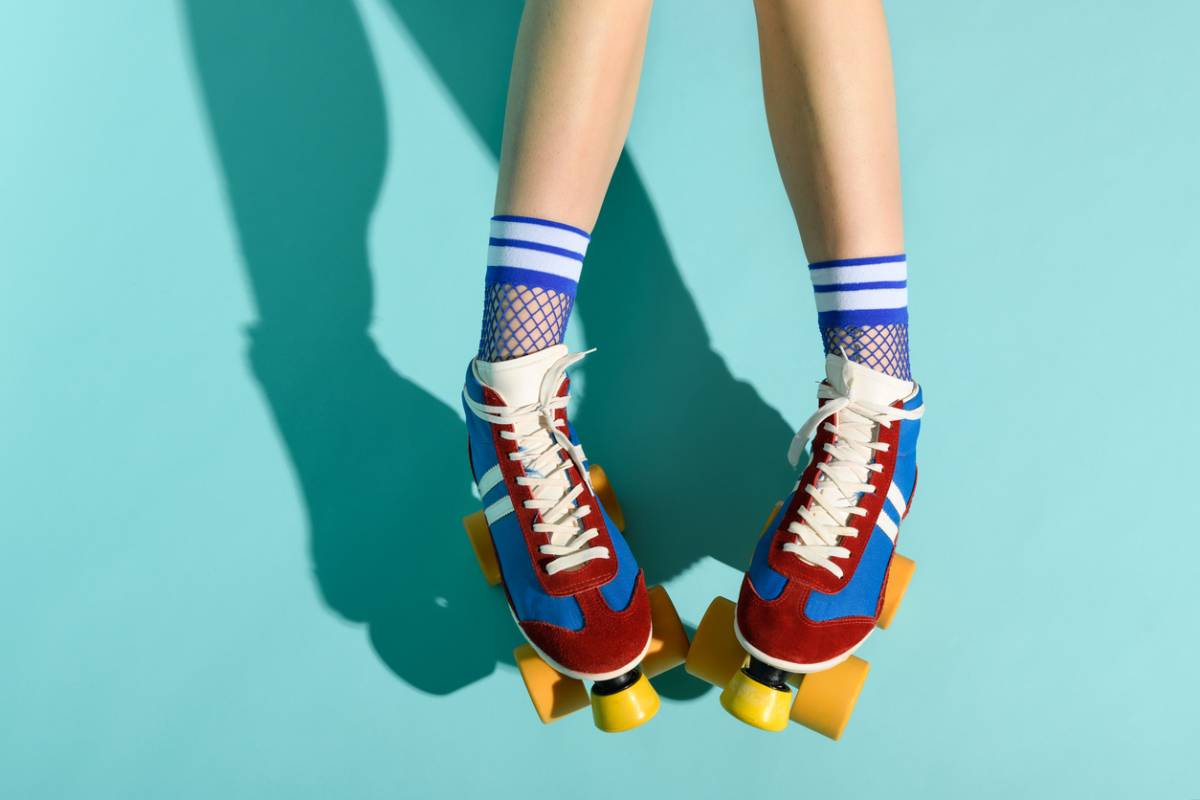
image showing how to break in new roller skates

How to Break In New Roller Skates 

Getting a new pair of roller skates is exciting whether you are a beginner or someone who has been skating for a long time. Unfortunately, new skates do not always feel comfortable right away. The boot may feel tight, stiff, or awkward during your first skating sessions. The good news is that many roller skate boots gradually conform to your feet with proper use.

After receiving your new pair from your online roller skate retailer, breaking them in should be a gradual process. Skaters should allow the boots to slowly soften on their own. Forcing them to soften too quickly can damage the skates or create unnecessary discomfort. Here is how you can guide your new roller skates safely and comfortably.

How to Break In New Roller Skates 

Start by Making Sure Your Skates Fit Properly

Before trying to break in your skates, you first need to ensure that they fit. Breaking in can help a properly sized boot conform somewhat to your foot, but it cannot fix something that is fundamentally too small or too big, or the wrong shape for your feet.

Your heel should feel secure in your skates, and your feet should not slide around inside the boot. The skates should feel snug across the midfoot without causing any sharp pain or numbness. If your toes feel painfully cramped against the front of the boot, you need to look for another size.

Check the fit before going outdoors to skate. To add, do not skate on rough surfaces without checking the fit first. Do not wait for your skates to show visible signs of use before you return or exchange them because it may be more difficult to do so. If you are unsure about the fit, try them indoors on a clean, safe surface. 

The foundation of a comfortable break-in period is a proper fit.

Wear Them for Short Skating Sessions

The simple act of regular skating in your new roller skates. Start with relatively short sessions rather than wearing your new skates for several hours at once. A 20 or 30-minute session, for instance, is enough time to assess how the boots feel without pushing your feet too far. You may increase your skating time slowly as the boots and your feet get accustomed to each other.

Stick to basic skating on a smooth, safe surface during the first few sessions. Keep your stance comfortable, bend your knees, and allow your boots to flex naturally as you skate. Do not be in a hurry to do demanding tricks or maneuvers just to make the process of breaking in your skates faster.

Remember that different boots vary in break-in times. Softer, recreational boots may take a shorter time to break in while stiffer, more supportive boots can take longer to conform to your feet.

Choose the Right Socks and Adjust Your Lacing

Socks make a lot of difference when it comes to comfort. Your socks should fit smoothly and help manage moisture. Sock thickness also matters a lot. When socks are too thin, they provide little protection against friction. In comparison, when socks are too thick, they create unnecessary pressure inside the boot.

How you lace your skates also matters. If you pull them too tight, they can create painful pressure points, whereas if they are too loose, they can allow your foot and heel to move around too much. What you want is even, comfortable tension throughout the boot.

If an area becomes sore, consider adjusting the lacing tension around that area. When closures are uneven or tight, they can lead to uncomfortable “hot spots”.

You May Consider Heat Molding If Your Skates Are Designed for It.

Some skate boots contain heat-moldable materials that can be shaped more closely to your feet. The problem is, not all roller skates can be molded by heat. Check what the manufacturer says and for instructions on whether the skates can be heat-molded. Remember that incorrect heating can cause damage to the materials. Never place your skates in a kitchen oven or apply significant heat unless you have checked if they are indeed heat-moldable.

For heat-moldable boots, professional fitting or manufacturer-approved procedures are generally the safest procedures. 

Be Patient with the Process

The most effective way to break in your skates is to skate in them gradually and consistently. Wait patiently for the boots to flex and conform while giving your feet time to adjust to your new equipment.

While being patient, you also need to know that although mild and temporary stiffness can be a normal part of the process, persistent numbness, sharp pain, or worsening discomfort may mean that the skates need adjustment, or that they are not the right fit.

Purchase the Perfect Fit

If you are looking to purchase a new pair of roller skates, ensure that they are the perfect fit. With a little patience, they will gradually feel more natural, comfortable, and ready for fun skating sessions. Check out our website and discover our quality skates in different styles and sizes. Find your perfect pair today and get ready to roll into your next adventure with confidence.

Woman smiling at phone and holding coffee.

Best Practices for SMS Opt-Ins vs. Opt-Outs

When a business uses automated text messaging, it must adhere to guidelines set by the Telephone Consumer Protection Act (TCPA) and the Cellular Telecommunications Industry Association (CTIA). This includes protecting customer data, managing opt-in lists, and providing clear opt-out instructions. One of the best practices for opt-in services is to run a successful campaign for your business by remaining compliant and offering easy-to-understand instructions via SMS marketing.

Those who use SMS marketing may want to consider consulting on campaigns and compliance. A text campaign should have a consulting team dedicated to identifying solutions for your business objectives. This allows you to get the most out of texting software to create winning campaigns. 

Opt-Ins and Opt-Outs 

When taking part in SMS marketing, you must have opt-in and opt-out services. Opt-in services allow users to agree to receive SMS marketing. This can be promoted by offering special discounts, informing customers about clearance items, and providing store hours. Additionally, opt-in services allow customers or clients to choose your business. They may opt in simply because you offer top-notch products or run a reputable business.

Some customers may opt out of SMS texting. To remain compliant, you must provide clients and customers with a way to opt out of receiving text messages. This is not ideal, which means SMS marketing campaigns must be as successful as possible by targeting the right audience with relevant information about the services or goods you offer. 

Steps to SMS Marketing 

According to Forbes, when choosing an SMS platform, it’s vital to select one that prioritizes regulatory adherence and offers features to help you comply with complex regulatory requirements. SMS software must remain compliant while engaging audiences. There are several steps associated with SMS marketing, which include: 

  • Composing the message: Create a message within the SMS platform that can be a mass message sent to thousands of recipients or a one-on-one text.
  • Sending the message: The message can be sent instantly or scheduled for a specific time.
  • Routing the message: If the platform uses an aggregator, the message is routed to the system, which sends it to the appropriate mobile carriers. The message is sent straight to the carriers if the platform has direct connections.
  • Delivering and filtering: Once mobile carriers are reached, texts pass through network filters and gateways. Filters flag texts as spam if they are not compliant. The text must pass the filter before a customer receives the text.
  • Reporting and receipts: The last step in this process is how you receive data. Once delivery receipts are logged, you will receive valuable data on click-through, open, and close rates.

This process is how SMS marketing reaches customers and how you can gather feedback from an audience that can opt in or opt out.  

Opt-Ins and Opt-Outs

Remaining compliant throughout the opt-in and opt-out process is essential. Some of the best practices for opting in include sending a message containing the following:

  • Frequency of messages
  • Company name
  • Special offers or discounts
  • Possible carrier costs and fees associated with receiving SMS
  • Provide clear opt-out instructions

Opt-out instructions should remain clear and concise. Include language in your SMS campaign such as “Reply STOP to stop receiving text messages.” For best practices, send a message every so often so your audience will have easy access to opt out. The opt-out message can be sent alongside store information. 

Learn SMS Marketing Strategies

At Trumpia, we are committed to our one-of-a-kind SMS marketing automation. Our texting software provides measurable results. Our unique automation can reach customers quickly and effectively. See why we were named number one by Forbes today.

Consider automated texting software for your company. With Trumpia, we have a strong reputation for offering unique opt-in and opt-out options for customers. We provide timely, relevant information to help your business grow. Contact us to learn more about the benefits of automated engagement.