Featured image for Top 8 Uses of Autonomous Robots

Top 8 Uses of Autonomous Robots

Machines and robotics aim to find the most effective ways to supplement human work. Autonomous robots can make a range of tasks not only easier but far safer for humans. These top 10 uses of autonomous robots highlight some of the key ways this field has progressed in recent years.

Top 8 Uses of Autonomous Robots

Manufacturing

Machines are more precise than humans. That fact has been known since humans invented the six simple machines. Autonomous robots are the natural extension of this field. 

Autonomous robots have been used in basic factory settings for precision assembly for some time. Now, advances may not see robots working in more collaborative roles as well. Collaborative robots (cobots) can perform tasks like welding or painting alongside human workers.

Additionally, robots can handle materials that are unsafe for humans. A piece of metal burning at a few hundred degrees might melt the skin of your hands. But a robot should have no such issues.

Logistics and Warehousing

Transporting materials to and from warehouses goes much faster with autonomous robots. They can speed up tasks like order fulfillment and monitoring stock levels. Rather than taking human jobs, this frees up human workers for more complex (and less monotonous) tasks.

Currently, autonomous mobile robots (AMRs) are already in use in the field. They can tirelessly transport goods across facilities, reducing the risk of human accidents. Again, the goal is to improve human safety while also streamlining efficiency.

Healthcare

Fully autonomous robots may not appear in healthcare for some time, as many people are still only beginning to grow comfortable with robot-assisted surgery. That being said, opinions on robotically led surgery are likely to change over time and become more permissive. Even if this is the case, it is unlikely that the human touch will be fully erased. Medical specialists will always remain involved in the process, even if medical robots become more autonomous.

Beyond surgery, autonomous robots may begin playing a larger role in two other fields:

  • Medical Supply Delivery: Transporting medication and equipment through hospital settings. This reduces human exposure to pathogens.
  • Patient Care: Autonomous robots can assist with physical therapy or psychological treatment. Others might provide companionship to patients.

Space Exploration

Barring any earth-shattering revelations about spacetime, interstellar travel will prove troublesome for people. Space is simply too big, and humans have too many needs. We need food, companionship, air, exercise, stimulation, and more. 

An autonomous robot will only require an energy source. Deep space exploration may come to rely heavily on autonomous robots to gain a deeper understanding of our universe. 

Furthermore, autonomous robots can better handle harsh environments, such as those with extreme temperatures or those devoid of oxygen.

Self-Driving Vehicles

If you live in a metropolitan area like Los Angeles, CA, you may already have seen an autonomous car around town. We expect this trend will only continue. 

As technology advances, driverless cars will surpass human-operated vehicles in terms of safety. At present, motor vehicle collisions are the leading cause of death for people up to 33 years old. Autonomous robotic cars could significantly reduce that number. Remove factors like intoxicated or drowsy driving, and roads suddenly become a lot safer.

Fully autonomous buses may take longer, but those may also be on the horizon. A road of fully autonomous vehicles could be a boon for increasingly populated cities. Reduce traffic and traffic fatalities in one step.

Delivery Services

Again, many metropolitan cities already have autonomous robots rolling around town making deliveries. These provide a great alternative to drones, keeping the skies clear while also reducing traffic.

We know no one wants a sky full of drones. However, autonomous robots could be an effective way to transport certain goods by air. For example, deliveries to remote areas could prove more feasible by air than winding roads.

Military Applications

With any technology, some of its earliest applications happen in the military. Autonomous robots can carry out high-risk activities, such as surveying dangerous areas or disarming explosive devices. In these cases, the goal is to reduce the risk to human life. 

Many hurdles will need to be overcome before robotic soldiers place their boots on the ground. Nevertheless, research is being conducted in the field.

Quality Control and Inspection

Human quality control will always be there. However, autonomous robots can help identify defects or other issues that humans may overlook. For example, a robot could quickly and safely monitor the charge of electrical equipment or the structural integrity of an object. 

A Leader in Robotics Wiring

As with any top-tier tech, you want the best custom wire and cable. Clients come to Calmont for wire and cable supplies for robots and a wide range of other industries.


Featured image for Why Is Preschool Important?

Why Preschool Is Important in Child Development

The preschool stage is an exciting time because children experience numerous firsts during this period. This is the stage when children learn a variety of foundational skills, from recognizing their ABCs to counting up to 10, putting on clothes, and understanding time concepts. It is a fundamental development stage where crucial emotional, social, cognitive, and physical growth begins. During these early years, children, particularly those aged 3 to 5, experience rapid brain development. For this reason, the experiences they have in life and in a preschool setting can set the stage for their lifelong learning and well-being.

A good early education center provides age-appropriate activities for your child to achieve as much as they are expected to at this age. Some parents and caretakers have their children skip preschool because they do not believe that it provides a necessary foundation for young minds. Though this assumption is understandable, it is incorrect. For those who do not yet appreciate the importance of this stage, we discuss why preschool is important in child development.

Why Preschool Is Important in Child Development

Social and Emotional Growth

One of the most important benefits of preschool is that it provides children with the opportunity to interact with peers and adults who are not part of their own family. The setting is structured to allow children to share, take turns, listen to others, and resolve conflicts peacefully. These skills do not come naturally to children. They are modeled and practiced.

Preschool also helps young children learn how to regulate their emotions. With the help of their teachers, children learn to recognize their feelings and respond to them appropriately. For instance, a child who gets frustrated by a difficult puzzle will be guided to express their frustration, take a break, and try again. This ability to process emotions without becoming overwhelmed by them is a crucial life skill for emotional resilience. The routines and structure in the preschool setting also foster a sense of security and independence. This is important if you want your children to build their self-confidence.

Language and Communication Skills

Preschool is a language-rich environment. Whether it is strong storytelling, singing, role-playing, or simple daily conversations, children are constantly exposed to and engaged in communication. Through this exposure, they can expand their vocabulary, develop their listening skills, and refine their sentence structure.

In addition, it is in preschool that the groundwork for reading readiness is laid. Teachers often incorporate letter sounds, rhyming games, and read-aloud activities that introduce children to reading and literacy in a fun and age-appropriate way. These early literacy experiences serve as building blocks to better performance in elementary school and beyond.

Cognitive and Early Academic Development

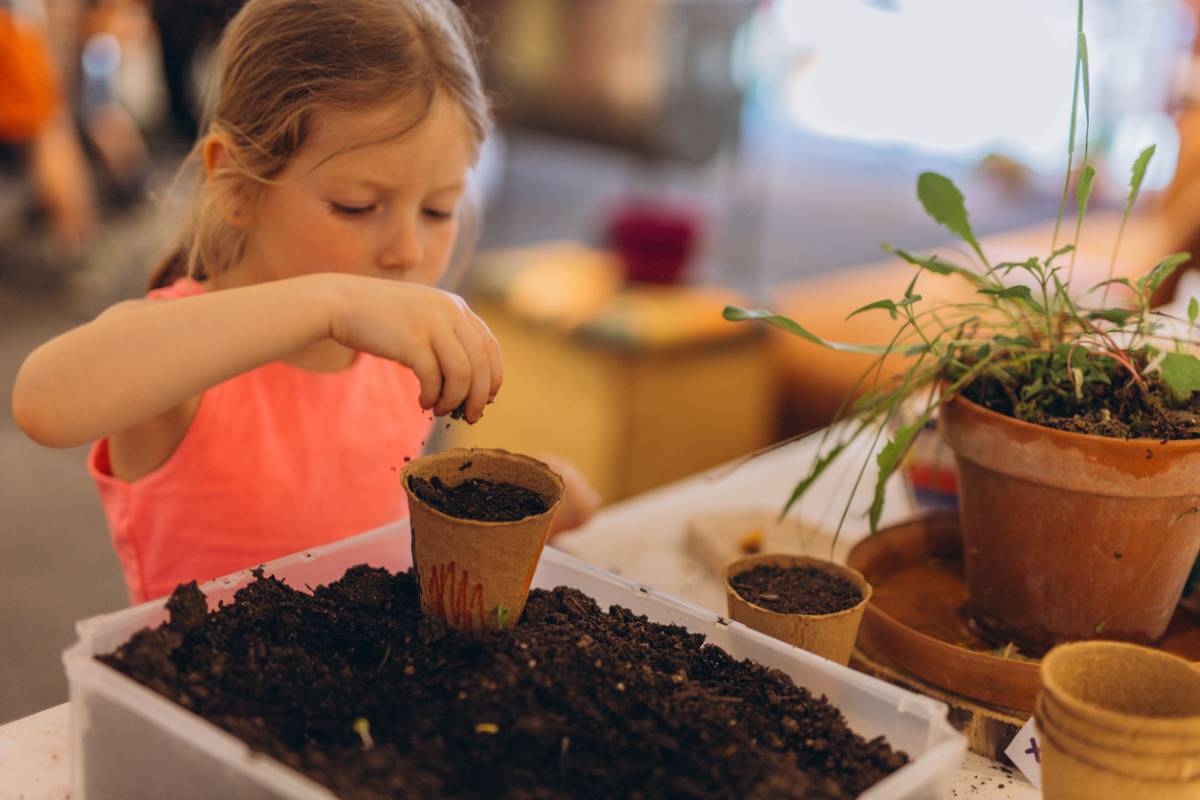
Preschool programs are designed to foster curiosity, exploration, and problem-solving skills. Children in preschool do not just memorize facts. They also learn how to think. Simple activities, such as sorting buttons by color or size, teach basic math concepts like categorization and patterns. Early science concepts, such as volume and buoyancy, can also be introduced through water play.

Additionally, hands-on activities help children develop important cognitive skills, including attention, memory, and reasoning. Children also begin to understand cause-and-effect relationships and make simple predictions. These fundamental skills help children succeed in academics later on.

Quality preschool programs typically utilize play-based learning. It is a fun way to foster imagination, creativity, and decision-making while simultaneously reinforcing the concepts introduced by the teacher. 

Fine motor skills are strengthened through activities like cutting with scissors, building with blocks, and drawing. Tasks like these develop hand-and-eye coordination and prepare children for writing.

Gross motor skills, such as running, jumping, dancing, and climbing, are also developed during outdoor play. These activities not only contribute to the children’s physical health but also help build their self-confidence and risk assessment skills.

Preparation for Kindergarten and Beyond

Preschool prepares children for formal schooling. They learn to follow instructions, sit in a group, listen to the teacher, manage transitions, and focus on tasks. They become more confident by the time they reach elementary school.

Invest in Your Child’s Future Today

Preschool is a powerful springboard for a child’s overall development. Aside from nurturing emotional growth, strengthening communication, and building cognitive and physical skills, preschool also lays the foundation for lifelong learning. The rich experiences offered in preschool provide children with a strong foundation for life. This not only shapes their academic journey but also gives them the confidence and capacity to thrive in the world. If you want to invest in your child’s future, preschool is one of the best decisions you can make at this time. Contact us today and discover how we can partner in shaping your child’s future.

Featured image for Is It Hard to Learn How to Roller Skate?

Is It Hard to Learn How to Roller Skate?

Remember the first time you saw someone effortlessly gliding down the sidewalk on roller skates—wind in their hair, spinning like a disco-era dream? It looked magical… and maybe a little intimidating. Learning to roller skate can feel like stepping into a whole new world, one with wheels, wobbles, and wins.

Luckily, the good news is that if you’re wondering if it is hard to learn how to roller skate, the answer is: not really! With a little balance, a dash of patience, and a good sense of humor (you will fall at least once), roller skating can be a wildly fun way to move, groove, and maybe even discover your new favorite hobby. So lace up your roller skates, gear up, and let’s roll into what it really takes to get skating!

Is It Hard to Learn How to Roller Skate?

The simple answer? No, it’s not hard to learn how to roller skate. However, like any skill, it takes time and practice. Most beginners can grasp the basics of movement within a few hours of practice. While you might feel a bit wobbly at first, roller skating is a highly learnable activity that appeals to kids, teens, and adults alike.

If you’re willing to fall once or twice (with the right safety gear, of course) and laugh through the learning curve, you’ll likely be skating confidently within a few sessions. For many people, it’s just a matter of building balance and muscle memory.

What Makes Roller Skating Easier for Beginners?

Some activities are all about talent, but roller skating is all about persistence. That said, a few factors can make learning easier from the start.

Having the Right Roller Skates

Not all skates are created equal! For first-timers, choosing the right pair of roller skates from a trusted roller skating shop like Crazy Skates can make a world of difference. Look for beginner-friendly models that offer stability, a comfortable fit, and smooth wheels suitable for the surface you’ll be skating on.

Quad skates (with two wheels in front and two in back) are especially good for beginners because they offer more stability than inline skates.

Practicing in the Right Environment

Start on a flat, smooth surface, such as a skating rink, basketball court, or even your driveway. Avoid uneven pavement, steep hills, or crowded areas until you’ve mastered stopping, turning, and controlling your speed.

Wearing Proper Protective Gear

Confidence comes from knowing you’re protected. Helmets, knee pads, elbow pads, and wrist guards can help reduce the fear of falling and make learning much more comfortable. Bonus: they also look pretty cool.

Common Challenges for New Skaters (and How to Overcome Them)

While skating is entirely doable, everyone experiences a few bumps along the way. Here’s what to expect and how to keep going.

Balance and Posture

Feeling off-balance is normal in the beginning. Try bending your knees slightly and leaning forward just a bit—this “athletic stance” gives you more control and stability. Keep your arms loose for balance, and avoid locking your knees or standing up too straight.

Learning to Stop

One of the most important beginner skills is learning how to stop. Most quad roller skates come with a toe stop, which you can use to gently slow yourself by dragging it behind you. Practice this move slowly and often so you don’t panic if you gain speed.

Falling (and Getting Back Up)

You will fall, and that’s okay! Learning how to fall safely is part of the process. Try to land on your protective pads and avoid catching yourself with stiff wrists. And remember: everyone at the rink was a beginner once. Falling just means you’re learning.

Choosing the Best Roller Skates for Your Learning Journey

Starting with the right gear can transform your learning experience. At Crazy Skates, we offer a wide range of high-quality roller skates built for beginners and beyond. From classic styles to colorful, modern designs, there’s something to match your style and skill level.

Our team is passionate about skating and ready to help you find the perfect fit—whether you’re taking your first step or upgrading as your skills grow. We believe that roller skating should be accessible, joyful, and empowering for everyone.

Ready to Roll? Let Crazy Skates Help You Begin

If you’re wondering, “Is it hard to learn how to roller skate?”—the answer is no, not when you’ve got the right skates and support! Browse our beginner-friendly styles at our Crazy Skates roller skating shop and let the fun begin.

Featured image for Is Rain Bad for Inline Skates

Is Rain Bad for Inline Skates?

If you’ve recently visited a skate shop or decided to buy inline skates online, you’re probably eager to get rolling. The idea of gliding through your neighborhood, a park, or along a quiet path is appealing. But what happens when the weather doesn’t cooperate? A common concern among skaters is whether rain can harm inline skates. The answer is yes: rain can cause problems, and knowing how and why can help you protect both your equipment and your safety.

How Rain Affects Inline Skate Components

Inline skates are made of different materials, and not all of them respond well to moisture. Some parts are more susceptible to damage than others when exposed to water.

Bearings and Moisture Damage

The bearings inside your wheels are designed to help them spin smoothly. They are small metal parts that rely on lubrication to reduce friction. When water enters the bearings, it can wash away the lubricant. Without it, friction builds, leading to rougher movement and faster wear. Additionally, wet bearings are prone to rust, which can form rapidly once the steel is exposed to moisture. Rusty bearings not only reduce performance but can also seize up entirely, making the wheels stop turning as they should.

Axles and Frames

The axles, which attach the wheels to the frame, are also at risk. Since these parts are often metal, exposure to water can lead to rust over time. While the frames of most inline skates, usually made of aluminum or composite materials, do a better job resisting rust, dirt, and grime from wet streets, they can still build up and cause problems if not cleaned off promptly.

Boots and Water Absorption

Inline skate boots often combine a hard plastic shell with softer padding for added comfort. While plastic repels some water, the padded areas can soak it up. Once wet, these parts may take a considerable amount of time to dry. If not dried properly, boots can develop odors, mold, or lose their supportive structure as the materials break down.

The Safety Risks of Skating on Wet Surfaces

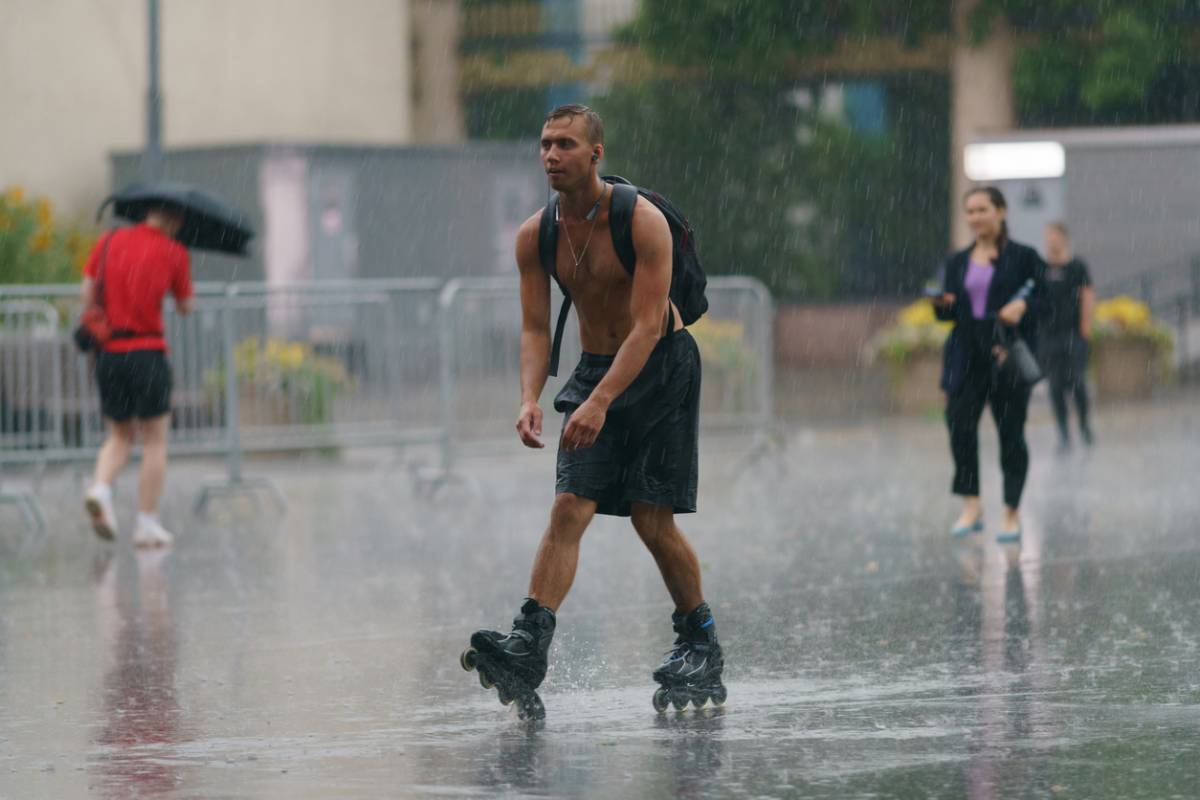
It’s not only your skates that face challenges in wet weather; your safety is affected, too. When the pavement is wet, wheels lose grip. Even high-quality outdoor wheels struggle to maintain traction on damp surfaces. This makes it more difficult to stop, turn, or maintain balance. Beginners, in particular, may find these conditions risky. Even experienced skaters often choose to avoid wet conditions due to the increased risk of slipping or falling.

Steps to Protect Your Skates After Rain Exposure

If you end up skating in the rain or unexpectedly get caught in a shower, it’s important to take care of your skates right after use.

Clean and Dry the Skates

After your session, wipe down the frame, wheels, and boot using a clean, dry cloth. Focus on areas where water and dirt tend to collect, such as near the axles and under the boot.

Remove and Dry the Bearings

If you are comfortable doing so, remove the wheels and the bearings. Let them dry completely before putting them back. Many skaters clean their bearings with a bearing cleaner or rubbing alcohol to remove any remaining water or debris. Once dry, reapply lubricant to help keep them working smoothly.

Dry the Boots Properly

Let your boots air dry in a well-ventilated space. Avoid placing them next to direct heat sources, such as heaters or radiators, as high heat can cause plastic parts to warp. You can place crumpled newspaper inside the boots to help absorb moisture faster. Be sure to change the paper as it becomes damp.

Preventative Measures for Rain-Prone Areas

If you live in an area where rain is common, or if you know you may encounter wet conditions, there are preventive steps worth considering.

Consider Stainless Steel Bearings

Some skate shops offer stainless steel bearings, which resist rust better than standard steel. While not completely rust-proof, they provide extra protection and may extend the life of your bearings when skating in damp environments.

Choose Skates with Water-Resistant Features

When you buy inline skates online or in-store, look for models that feature materials designed to handle moisture better. While no skate is designed for rain, some have better drainage or fabrics that resist soaking.

Regular Maintenance Matters

Regular cleaning and inspection of your skates can help identify minor issues before they develop into more significant problems. Make it a habit to check your bearings, axles, and boots for signs of wear or water damage, especially after skating on wet surfaces.

When to Stay Off Wet Roads

Although it’s possible to skate in the rain with proper precautions, most skaters choose to wait for dry conditions. The risks to your safety and the damage to your skates often outweigh any benefits of skating on wet pavement. Slippery roads, reduced control, and the risk of damaging your equipment make dry weather the better choice for an enjoyable and safe skating experience.

If you do get caught in the rain or choose to skate in damp conditions, taking the time to clean and dry your skates can prevent unnecessary wear and keep your gear in good condition. Whether your skates came from a local skate shop or you purchased them online, protecting them from water damage helps ensure you get the most value and enjoyment from your investment. Staying mindful of how wet conditions affect both your equipment and your safety will make each skating experience smoother and more rewarding.

Get Your Rain-Proof Skates at Crazy Skates

Visit our website today and grab a new pair of inline skates that can withstand the rain. 

Featured image for Are Appointment Reminder Allowed Under HIPPA

Are Appointment Reminders Allowed Under HIPAA?

If you work in healthcare, you know just how important it is to keep patients on schedule. From dental cleanings to physical therapy follow-ups, even a single missed appointment can disrupt a patient’s care and your entire day. That’s why many healthcare providers are turning to automated texting software to streamline appointment reminders. However, with HIPAA compliance always remaining critically important, one question remains: Are appointment reminders permitted under HIPAA? Let’s dive right in and talk about what is and is not allowed. 

Yes—Appointment Reminders Are Allowed Under HIPAA

HIPAA (the Health Insurance Portability and Accountability Act) was designed to protect sensitive patient information, but that doesn’t mean it blocks all forms of communication. In fact, HIPAA specifically permits healthcare providers to send appointment reminders to patients.

According to the U.S. Department of Health and Human Services (HHS), appointment reminders are considered part of a provider’s treatment activities. This means they’re allowed without needing prior written authorization from the patient as long as those reminders comply with the HIPAA Privacy Rule.

So yes, appointment reminders are allowed under HIPAA, and they can even be delivered via text message. However, providers must take a few additional steps to ensure they remain compliant.

What HIPAA Requires for Appointment Reminder Compliance

Just because appointment reminders are permitted doesn’t mean any reminder is compliant. When using automated texting software, healthcare providers must follow a few critical safeguards to ensure they’re not inadvertently exposing protected health information (PHI).

Let’s break it down:

Limit the Amount of Personal Information

HIPAA encourages providers to keep reminder messages as minimal as possible. That means no mention of diagnoses, test results, or detailed medical history. A compliant reminder might say:

“Hi John, this is a reminder from Dr. Lee’s office about your appointment tomorrow at 10:00 a.m. Please reply to confirm.”

It’s concise, informative, and doesn’t reveal any sensitive information.

Use Secure Messaging Platforms

Using automated texting software designed with HIPAA compliance in mind—such as Trumpia’s appointment reminder feature—helps minimize risk. Such platforms offer built-in safeguards, including user authentication, audit trails, and secure transmission, to protect PHI at every step.

Have a Business Associate Agreement (BAA) in Place

If you’re working with any third-party service (like a texting platform), HIPAA requires you to have a Business Associate Agreement (BAA) with them. This legal document ensures that the service provider is also responsible for maintaining the security and compliance of PHI.

Opt-Ins and Patient Preferences Matter

Although HIPAA doesn’t require patient consent for appointment reminders, it’s still best practice, and often required by the TCPA (Telephone Consumer Protection Act), to obtain an opt-in before texting.

Patients should clearly agree to receive texts from your office, ideally when they provide their contact information. That opt-in can occur through a paper form, a checkbox on a digital intake form, or even a verbal confirmation noted in their file. This not only keeps your practice compliant but also improves patient satisfaction.

Allow Patients to Choose Their Preferred Communication Method

Some patients prefer texts. Others still like email or a traditional phone call. A HIPAA-compliant system should respect those preferences and allow flexibility. By using smart, automated texting software, you can segment your outreach based on how patients prefer to be contacted, making the whole experience feel more personal and less intrusive.

Texting Is HIPAA-Compliant—If You Use the Right Tools

The key to sending HIPAA-compliant appointment reminders is using tools specifically built for healthcare communication. Generic messaging platforms may lack the necessary security and compliance features to meet HIPAA standards, but a platform with enhanced security will help you protect your patients’ privacy.

That’s where Trumpia really stands out. Designed to meet the needs of healthcare providers, Trumpia’s automated texting software includes:

  • HIPAA-friendly encryption and access controls
  • Customizable messaging templates that minimize PHI exposure
  • Comprehensive reporting and delivery tracking
  • Integration with your existing patient management system

By leveraging these features, your office can send timely reminders without sacrificing compliance or peace of mind.

HIPAA-Compliant Texting Helps Patients and Practices Alike

Not only are appointment reminders permitted under HIPAA, but they’re also one of the most effective ways to reduce no-shows, enhance patient engagement, and improve operational efficiency.

Healthcare providers who use automated texting software often see measurable improvements in scheduling adherence and patient satisfaction. When reminders are done correctly, everyone benefits, as patients stay on track with their care and providers keep their calendars running smoothly.

Get Started with HIPAA-Compliant Appointment Reminders Today

Ready to streamline your scheduling process and improve communication with your patients? Contact Trumpia to learn how our automated texting software can help you stay HIPAA-compliant while delivering a better experience for everyone.

Featured image for Can You Recycle Roller Skate Wheels

Can You Recycle Roller Skate Wheels?

Featured image for Can You Recycle Roller Skate Wheels

You’ve been loyal to your roller skates through countless sessions at the rink, outdoor adventures, and maybe even a few derby bouts. Now, those trusty wheels are showing their age through wear, chips, or outdatedness. The question hits you: What happens to these old wheels? Can they be recycled, or are they destined for the landfill?

The answer isn’t as straightforward as you might hope, but there are definitely options that go beyond throwing them in the trash. Understanding what your roller skate wheels are made of and exploring creative alternatives can help you make an environmentally conscious decision, and you may even discover a fun DIY project along the way.

Can You Recycle Roller Skate Wheels?

The Material Challenge: Why Traditional Recycling Gets Complicated

Most modern roller skate wheels are made from polyurethane, a material that has dominated the skating industry since the 1970s. Polyurethane remains the performance material of choice for top skateboard manufacturers because it’s highly durable and resistant to oxygen, sunlight, and general weather conditions, with good abrasion resistance, resulting in a longer lifespan.

This durability that makes polyurethane perfect for skating also creates recycling challenges. Although polyurethane cannot be melted and reused, it can be shredded, rebonded, and compressed to be used in various padding products. The problem is that most municipal recycling programs aren’t set up to handle polyurethane materials, meaning your local curbside pickup won’t accept them.

The polyurethane used for these wheels cannot be easily recycled, which explains why you won’t find clear recycling symbols on your old wheels. This doesn’t mean you’re out of options. It just means you need to think beyond traditional recycling methods.

The Skate Shop Connection: Industry-Specific Solutions

Your local skate shop might be your best first stop for responsible wheel disposal. Many shops have established relationships with manufacturers or specialty recycling companies that can properly handle polyurethane materials. Some skateboard and roller skating companies have begun taking responsibility for the environmental impact of their products at the end of their life.

Several eco-friendly initiatives, like Satori Wheels, value recycling skateboard parts. There, you can donate your old rollers. By then, their organization will work on these parts. While this example focuses on skateboard wheels, the same principle applies to roller skate wheels since they’re made from identical materials.

When you visit a skate shop to buy roller skates online or browse new wheels, ask about their take-back programs or whether they know of any wheel recycling initiatives in your area. Many shop owners are passionate about skating culture and environmental responsibility, making them valuable resources for disposal advice.

Creative Reuse: When Recycling Meets Imagination

The real opportunity with old roller skate wheels lies in creative reuse. These small, durable cylinders have inspired countless DIY projects, giving them completely new functions.

If they’re still in pretty clean condition (whether bashed up or not), they could be made into a very cool coat rack or even doorknobs,  ideal for a skater’s bedroom. The natural grip of polyurethane makes wheels excellent for handles and knobs where a secure grip is needed.

A great idea to upcycle old rollerblade wheels is to add them to an old dresser or a side table. Attaching wheels to furniture creates mobile storage solutions perfect for craft rooms, workshops, or dorm rooms. The wheels that once carried you around the rink can now help you move furniture around your space.

Here’s a fun fact that opens up even more possibilities: roller skate wheels come in different hardness ratings, typically measured on the durometer scale. Softer wheels are better suited for projects that require shock absorption, while harder wheels excel in applications where durability and smooth rolling are needed.

Home Workshop Projects: Functional Art from Old Wheels

The DIY community has embraced roller skate wheels for practical projects around the house. Their uniform size and built-in ball-bearing channels make them perfect for creating custom rolling solutions.

Consider turning old wheels into cable management systems for your desk setup. Thread computer cables through the center holes and mount the wheels to the underside of your desk. This creates smooth-rolling cable guides that keep your workspace organized while showcasing your skating history.

Garden enthusiasts have found success using old wheels as unique planters for small succulents or air plants. The center cavity provides just enough space for a small plant, and the colorful polyurethane adds an unexpected pop of personality to plant displays.

For the mechanically inclined, old wheels can be repurposed as part of custom tool organizers. Mount them to workshop walls or pegboards to create holders for screwdrivers, pencils, or other long tools. The center hole provides perfect tool storage while the wheel’s grip keeps everything secure.

The Art and Craft Renaissance

The crafting community has discovered roller skate wheels as an unexpected medium for artistic expression. MapleXO is offering earrings made from sliced skateboard wheels, showing how wheels can be transformed into wearable art.

Jewelry-making represents just one artistic application. Wheels can be sliced, carved, painted, or combined with other materials to create unique art pieces. Their round shape and vibrant colors make them excellent components for mixed-media sculptures or modern art installations.

Photography props represent another creative avenue. Old wheels, especially those with vibrant colors, make excellent props for vintage-themed photo shoots or artistic still-life compositions. Their connection to skating culture adds authenticity to retro-styled photography projects.

Gift Ideas for Fellow Skaters

Before you consider disposal, think about whether your old wheels might benefit another skater. Wheels that seem worn out for advanced skating might still be perfect for beginners learning balance and basic techniques.

Consider donating usable wheels to local skating programs, youth organizations, or community centers that might have skating activities. Many programs operate on tight budgets and appreciate donated equipment that can help more people experience the joy of skating.

Online skating communities often have swap or sale groups where wheels in decent condition can find new homes. What’s worn out for outdoor skating might still work perfectly for someone learning indoor rink techniques.

The Bearing Bonus: Don’t Forget the Hidden Components

When dealing with old wheels, remember that each wheel contains bearings and small metal components that enable smooth rotation. These bearings are typically made from steel or ceramic materials that have better recycling prospects than the polyurethane wheels themselves.

Bearings can often be removed and taken to metal recycling facilities, or they might be reusable in other wheels if they’re still in good condition. Some skate shops purchase used bearings for refurbishment, providing an additional avenue for responsible disposal while potentially putting a few dollars back in your pocket.

Future-Proofing Your Wheel Choices

As you consider what to do with your current old wheels, think about making more sustainable choices when you buy roller skates online in the future. Some manufacturers are beginning to experiment with more recyclable materials or take-back programs for their products.

Research brands that prioritize environmental responsibility in their manufacturing and disposal processes. While polyurethane remains the performance standard, some companies are exploring bio-based polyurethanes or hybrid materials that might offer better end-of-life options.

Building a Sustainable Skating Community

The roller skating renaissance has brought renewed attention to the sport’s environmental impact. As more people take up skating, the community has an opportunity to establish sustainable practices that responsibly handle equipment disposal.

Consider organizing wheel swap events in your skating community where people can trade wheels that no longer suit their needs but might be perfect for someone else’s skating style. These events combine environmental responsibility with community building. They also help skaters try different wheel types without needing to buy new ones.

Your local skate shop can be a valuable partner in these efforts. Many shops appreciate customers who think beyond simple transactions and want to build sustainable skating communities.

The Bottom Line: Options Beyond the Trash Can

While you can’t simply toss roller skate wheels into your household recycling bin, you have numerous alternatives that range from practical reuse to creative expression. The key is matching your old wheels with the right second-life application.

Start by evaluating the condition of your wheels. Those still in decent shape might benefit other skaters through donation or resale. Wheels that are too worn for skating can be repurposed into DIY projects, giving them completely new functions around your home or workspace.

Remember that every wheel kept out of the landfill represents a small victory for environmental responsibility. Whether you turn them into furniture casters, garden planters, or artistic materials, you’re extending their useful life while potentially inspiring others in your skating community to think creatively about equipment disposal.

The next time you’re at your local skate shop or browsing options to buy roller skates online. You’ll have a better understanding of the full lifecycle of your equipment – from that first exciting rollout of the box to the creative second life that awaits when their skating days are done.

Get Your Roller Skates and New Wheels Today

Visit our online store to purchase your new favorite set of roller skate wheels.

Featured image for 6 Reasons to Use Text-to-Vote Software

6 Reasons to Use Text-to-Vote Software

Featured image for 6 Reasons to Use Text-to-Vote Software

Getting in touch with your audience, gathering their feedback, and encouraging participation has never been easier or more effective than with text-to-vote software. Whether you’re hosting a live event, gathering employee opinions, or polling customers on a new product, automated text voting from Trumpia enables you to reach people right where they are: on their phones. In an age where attention spans are declining and people check their phones dozens of times a day, reaching them through SMS isn’t just convenient. It’s the most efficient way to spark real-time interaction and connections. With that in mind, let’s explore five great reasons for using text-to-vote software for your next campaign.

Reason #1: Text-to-Vote Software Makes Participation Effortless

The biggest strength of text voting lies in its simplicity. There’s no need to download an app, fill out lengthy forms, or log in to a website. Instead, your customers send a text on a messaging platform they are already well-acquainted with.

With Trumpia’s text-to-vote feature, users simply text a keyword or number to cast their vote. That ease of access dramatically improves participation rates, especially among people who might ignore an email or skip a paper ballot. No matter where they are, users can vote on the fly without interrupting their day. It’s participation on their terms, which means you’re more likely to receive honest and timely input.

Reason #2: Real-Time Results Keep Engagement High

People love to see their input make a difference, and they love to see it happen instantly. One of the most significant advantages of text-to-vote software is its ability to collect and display results in real time.

This immediate feedback loop is incredibly useful for conferences, competitions, employee meetings, and even classroom settings. When people know their vote is counted right away—and that others are participating—it generates excitement and keeps attention levels high. You can even use that momentum to build into follow-up conversations, raffles, or prize giveaways, creating a dynamic two-way interaction between you and your audience.

Reason #3: It Works for Any Audience Size

One of the most flexible features of automated texting software, such as Trumpia, is its scalability. Whether you’re polling a small classroom or a stadium full of fans, text voting can handle it.

Text messaging has a 98% open rate, and most people read texts within minutes of receiving them. That means your voting message won’t get lost in an inbox or buried in a newsfeed. Additionally, Trumpia’s advanced segmentation tools enable you to target specific groups, customize messages, and analyze responses by audience type, all while keeping your campaign efficient and cost-effective.

Reason #4: Great for Events, Contests, and Live Experiences

If you’re hosting a competition, corporate retreat, product launch, or live webinar, text-to-vote software offers a seamless way to gather real-time input and choose winners on the spot.

Forget printed ballots or awkward apps. Your guests can vote by texting a simple code—something they’re already familiar with. Trumpia makes it easy to set up polls that reflect your brand, deliver automatic responses, and even trigger follow-up texts based on their vote. Whether it’s choosing a speaker’s topic, selecting a favorite dish, or crowning a contest winner, the interaction feels fresh, fun, and frictionless.

Reason #5: Gain Valuable, Actionable Insights

Data is powerful—but only when it’s easy to collect and use. With text-to-vote, you gain direct, honest feedback from your audience that you can act on immediately.

Use it to test opinions on a new product, gauge employee satisfaction, prioritize features, or even make team decisions. Because texting feels informal and fast, you’re likely to get more honest responses—and more of them. Trumpia’s backend makes it simple to track votes, identify trends, and export the results for presentations, reports, or follow-up messaging.

Reason #6: It’s Budget-Friendly and Highly Efficient

Compared to the costs and logistics of printing ballots, conducting email surveys, or utilizing third-party polling services, text-to-vote software is remarkably cost-effective.

You don’t need any special equipment or IT setup, just a short code, a message, and a list. Trumpia’s tools help you automate the entire process, from campaign creation to result analysis. You can even utilize built-in automation for scheduling polls, sending reminders, or triggering actions based on responses, providing you with powerful campaign control without requiring a full-time tech team.

Launch Your Text-to-Vote Campaign Today

Get started with Trumpia and discover how text voting through our automated texting software can simplify engagement, boost participation, and deliver results that truly matter. Reach out now to see how easy it is to launch your first poll.

Featured image for Top Beaches for Surfing Near Costa Mesa

Top Beaches for Surfing Near Costa Mesa

Featured image for Top Beaches for Surfing Near Costa Mesa

Living in or visiting Costa Mesa puts you in the perfect position to experience some of California’s finest surfing without the hassle of lengthy commutes. While many guides focus on distant beaches that require hours of driving, this guide takes a different approach: we’ll show you the top beaches for surfing near Costa Mesa so you can squeeze in dawn surf sessions before work or afternoon surf breaks during your weekend.

Top Beaches for Surfing Near Costa Mesa

Huntington Beach

Huntington Beach borders both Costa Mesa and Newport Beach. It’s popular year-round for surfing, and there’s an interesting reason why. George Freeth was the first surfer at the now-famed Huntington Beach Pier. One hundred years ago, Freeth impressed thousands of onlookers with his “surf riding” demonstrations during the dedication of the new, concrete Huntington Beach pier. 

The Huntington Beach Pier area offers something unique – you can surf both sides of the pier depending on conditions. Northside tends to be better for beginners, while Southside can be temperamental and attract more experienced surfers. 

What sets Huntington apart from Costa Mesa residents is its accessibility. Multiple parking areas mean you’re never more than a few minutes from the water, and the beach culture here runs deep. The annual US Open of Surfing transforms the area into a major festival, but year-round, you’ll find a welcoming community of surfers at all skill levels.

Newport Beach

Newport Beach is the closest beach to Costa Mesa, California, and is an excellent destination for anyone seeking a laid-back, relaxed beach experience. The beach is known for its expansive, sandy shores and gentle waves, which make it an ideal spot for swimming, sunbathing, and surfing. But calling Newport’s waves “gentle” sells this spot short – the real magic happens at specific breaks that locals guard closely.

The Newport area includes several distinct surf zones. Upper West Newport offers consistent waves that work in various swell directions. These breaks tend to be less crowded than Huntington, partly because parking requires more local knowledge.

The most famous Newport surf spot – The Wedge – deserves special mention. This bodyboarding and bodysurfing mecca creates waves that can reach 15 feet or higher, formed by the jetty’s unique shape that reflects incoming swells into themselves. 

For traditional surfboard surfing, the areas around Blackies and Newport Point offer excellent waves when conditions align. These spots require more patience than Huntington – they don’t work as consistently – but when they do work, the quality often exceeds what you’ll find at busier beaches.

Santa Ana River Mouth

Here’s where local knowledge pays off. The Santa Ana River separates Huntington Beach from Newport Beach, and where it meets the ocean, it creates one of the area’s most underrated surf spots. This surf spot is best during the winter season and can produce powerful, hollow waves that rival those of spots with much bigger reputations.

The river mouth features a sandbar that shifts with storms and tides, resulting in varying wave shapes throughout the year. During winter months, when larger swells arrive, this spot can produce some of the best waves in the entire area. The key is timing – you need the right combination of swell, tide, and sandbar position.

Bolsa Chica State Beach

Located between Huntington Beach proper and Seal Beach, Bolsa Chica offers something different: The long stretch of beach means you can find different wave conditions by walking north or south with plenty of room to accommodate everyone. 

The break at Bolsa Chica tends to be softer than Huntington Pier, making it excellent for beginner to intermediate surfers looking to progress their skills. The waves here break over sand, creating a forgiving environment for trying new maneuvers or getting comfortable in larger surf. You can expect slow rolling waves for a mellow paddle out. 

Sunset Beach

At the northern end of the Costa Mesa surf zone, Sunset Beach offers a different experience. This spot is usually best during larger swells and can handle sizes that might close out other beaches. The waves here often have more power than those on beaches to the south, attracting surfers who want a more challenging session.

Sunset Beach is particularly good during winter months when Pacific storms send larger, more consistent swells. The break can produce long rides when conditions align properly, and the less crowded lineup means more waves per session.

The Costa Mesa Advantage

What makes Costa Mesa special for surfers isn’t any single beach. It’s the ability to choose from multiple world-class options based on daily conditions. You can check surf reports for three or four different breaks and still make it to the best one while conditions are prime.

This flexibility extends beyond wave quality. Different beaches offer different parking situations, crowd levels, and overall vibes. Some days, you might want the energy and scene at Huntington Beach. On other days, you might prefer the more mellow atmosphere at Newport or Bolsa Chica.

Costa Mesa residents and visitors have access to something special: a concentration of excellent surf spots that would be the envy of most coastal cities. Whether you’re looking to learn, improve, or challenge yourself, the beaches near Costa Mesa offer opportunities that extend far beyond simple recreation. They provide a direct connection to California’s surf culture and the Pacific Ocean’s endless energy, all just minutes from your door.

Plan Your Visit to Costa Mesa!

For the ultimate surf experience, travel to Costa Mesa to check out the top surfing beaches and get the waterfront escape you deserve.

Featured image for What Is the Best Age to Enroll Kids in Montessori Schools?

What Is the Best Age to Enroll Kids in Montessori Schools?

Featured image for What Is the Best Age to Enroll Kids in Montessori Schools?

Every parent naturally wants to give their child the very best possible start in life, and when it comes to education, that means exploring many different approaches. One of these approaches is Montessori, a method designed to nurture independence, curiosity, and a lifelong love of learning. While an excellent teaching method, its success often hinges on timing. That being said, what is the best age to enroll kids in Montessori schools?

It’s an important factor that could influence your child’s entire learning, so let’s dive into timing, how such early experiences shape their future, and what to consider as you plan your child’s educational path. 

What Is the Best Age to Enroll Kids in Montessori Schools?

When asked, most Montessori educators will agree that the best time to enroll your child in a Montessori-style environment is between the ages of 2.5 and 3 years old. This age range marks a key developmental window when children begin to desire autonomy and engage in more hands-on exploration, which are core tenets of the philosophy. 

Montessori classrooms are intentionally structured to meet the developmental needs of this age group right where they are. By starting during these years in particular, children not only absorb academic skills more quickly and easily, but they also build foundational habits such as focus, self-direction, and social interaction. While older children can still benefit from and even thrive in Montessori, early exposure helps them internalize the values and teachings more naturally and effectively. 

Why Earlier Is Often Better in Montessori Settings

The beauty of the Montessori approach lies in its ability to support a child’s development during what Maria Montessori called the “sensitive periods,” phases during which a child is particularly receptive to acquiring certain skills.

By enrolling your child around the age of 3, they are exposed to a learning environment tailored to their “right there and then” developmental needs. They can start engaging in purposeful play, practicing independence, and developing early literacy and math concepts organically. Starting early also helps children adjust to the structure and flow of the Montessori school environment while building deep, long-term relationships with their teachers and peers.

Toddler Programs Offer Gentle Transitions

Some families choose to enroll their children even earlier than the standard 2.5 to 3 years, often between 18 months and 2.5 years, through toddler programs. These early-action Montessori-inspired settings help emphasize emotional security, basic motor skills, and early language development.

While younger toddlers may not yet be ready for the full range of Montessori activities, these programs provide a gentle, nurturing introduction to the routine, independence, and socialization that will define their future school experience.

What If My Child Is Older Than 3?

Luckily, the Montessori method is designed to accommodate a wide range of learners, and many children join later with great success. If your child is 4, 5, or even entering the elementary years, rest assured that it’s not too late to benefit from Montessori education.

Older children may require a brief adjustment period to become accustomed to the self-directed structure, but the philosophy’s emphasis on respect, curiosity, and meaningful work resonates at every stage. In fact, joining a Montessori classroom later can often help a child who has become disengaged in traditional school settings.

Multi-Age Classrooms Encourage Peer Learning

One of the strengths of Montessori education is the use of multi-age classrooms, where younger and older children learn alongside each other. This structure benefits students regardless of when they enter the program.

Older children naturally assume leadership and mentorship roles, while younger ones observe and learn from their more experienced peers. This dynamic fosters confidence, collaboration, and a strong sense of community—qualities that serve children well throughout their lives.

Look for Signs of Readiness, Not Just Age

While age is a helpful guideline, it’s also important to consider your child’s readiness. Are they showing signs of independence? Are they curious, observant, or eager to participate in daily tasks? These cues can signal a good time to start, even if your child is slightly younger or older than the typical age of entry.

Every child develops at their own pace, and Montessori education is flexible enough to honor that. When children enter at a time that aligns with both their developmental stage and emotional readiness, they’re more likely to thrive.

Ready to Enroll or Learn More?

Contact Future Minds Montessori today to explore our thoughtfully designed programs and schedule a tour. We’ll help you find the perfect starting point for your child’s Montessori journey.

Featured image for How to Wire an HDMI Wall Plate

How to Wire an HDMI Wall Plate

Featured image for How to Wire an HDMI Wall Plate

Having a fully equipped home entertainment center is a great way to entertain the whole family. From movies and games to television shows and games, you can easily entertain your friends and family. A great addition to your entertainment system is an HDMI wall plate. It is a great way to keep your home entertainment setup clean and organized. No more messy audio and video cables running along the floor or walls with an HDMI wall plate. In fact, it allows you to run cables neatly inside the wall. Below, you will find the basic steps explaining how to wire an HDMI wall plate.

How to Wire an HDMI Wall Plate

HDMI wall plates offer numerous benefits for your entertainment setup. It is especially helpful when mounting a television or cleaning up your setup. To get started, you will need an HDMI wall plate, an in-wall-rated HDMI cable, a wall box, a drywall saw, a screwdriver, and a measuring tape.

Step 1: Choose Your Location

An HDMI wall plate is a small panel that attaches to your wall. It provides a port where you can plug in an HDMI cable. Behind the wall, the plate connects to another HDMI cable. This cable runs through the wall to your television. This setup keeps cables hidden while making it easy to connect your devices.

Before you begin installing your HDMI wall plate, gather your tools and select the right location. It is essential to place it near your entertainment center. If you plan to mount your television on the wall, position it behind it to create a clean and organized look. Check behind the drywall, as there should not be any obstacles, electrical wires, or studs.

Step 2: Make the Necessary Cuts and Run the Cable

Once you have chosen the location for your HDMI wall plate, outline where it will be placed on the wall. Use a drywall saw to carefully cut along the outline you made.

After cutting the hole, you will need to run an in-wall-rated HDMI cable from one wall plate to the other. Be sure the HDMI cable is long enough to reach between both wall plates. It should not stretch too tightly, so leave some extra slack.

Step 3: Connect and Secure the HDMI Wall Plate

Some HDMI wall plates have a simple pass-through design, where you just plug the cable into the back of the plate. If your wall plate has a pass-through design, connect the HDMI cable to the back of the plate. Then, secure the plate to the wall. Others may require you to attach the cable using screws or connectors. If your plate requires a direct wire connection, follow the manufacturer’s instructions. Contact a trusted AV systems manufacturer to find an HDMI wall plate that suits your needs. 

Once the HDMI cable is connected, push any excess cables into the wall. Align the wall plate with the hole. Use a screwdriver to secure the plate to the wall or the electrical box. Make sure the plate is snug. However, avoid tightening it too much to avoid damaging the drywall.

Step 4: Test the Connection

After securing the wall plate, it’s time to test your connection. Plug an HDMI cable into the wall plate and connect it to your television. Then, connect the other end of the HDMI cable to your media source behind the wall. Common media sources include a cable box, streaming device, or game console.

Turn on your devices and check if the HDMI signal is working. If you see a clear picture and hear a sound, the installation is successful. If not, double-check the connections to make sure everything is plugged in correctly.

AV Systems Manufacturer

If you need help with your entertainment setup, contact the experts at Calmont Wire and Cable.